
Freezing Fruit Pies: Your Easy Guide to Make Ahead

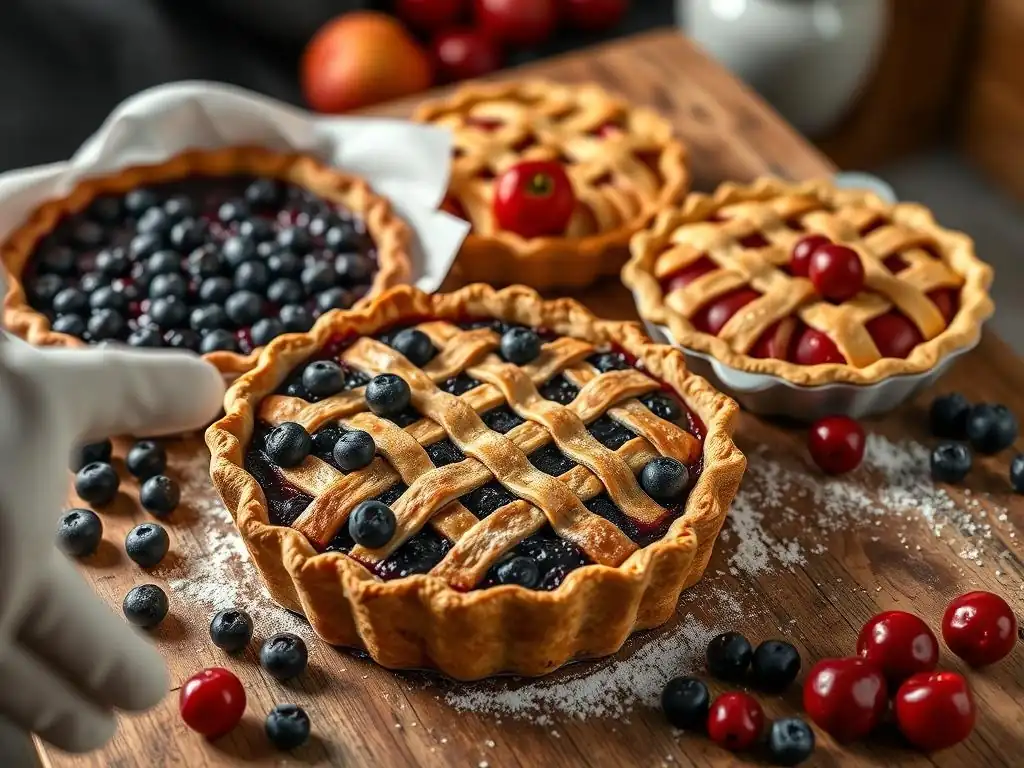
Welcome to BakeWithEase, your companion in the delightful world of baking! Ever dreamt of having a slice of perfectly baked fruit pie, ready to enjoy at a moment's notice? This week, we're diving deep into the secrets of freezing fruit pie recipes – a game-changer for busy bakers and dessert enthusiasts alike. Discover the tips and tricks to maintain that fresh-from-the-oven flavor, and prepare to unlock a whole new level of baking convenience. Ready to transform your pie-making game? Let's get started!
- Freezing Fruit Pies: Your Easy Guide to Make Ahead (BakeWithEase.com)
- Introduction: The Bake With Ease Guide to Freezing Fruit Pies
- Freezing Fruit Pies: Step-by-Step Instructions for Optimal Results
- Thawing and Baking Frozen Fruit Pies: Achieving Delicious Results
- Storing and Reheating Leftover Baked Fruit Pie
- Troubleshooting Common Issues When Freezing Fruit Pies
- Tips and Tricks for Freezing Fruit Pies Like a Pro
- Exploring Different Fruit Pie Recipes Suitable for Freezing
- Conclusion: Enjoying Delicious Fruit Pies Anytime with Easy Freezing Techniques
- Frequently Asked Questions
- Final Reflection: The Sweetness of Preparedness: Freezing Fruit Pies for Life's Adventures
- Unlock a World of Frozen Pie Perfection!
Freezing Fruit Pies: Your Easy Guide to Make Ahead (BakeWithEase.com)
Introduction: The Bake With Ease Guide to Freezing Fruit Pies
Baking a delicious fruit pie from scratch is a rewarding experience, filling your home with wonderful aromas and promising a delightful dessert. However, time isn't always on our side. Whether you're preparing for a holiday gathering, want to have a treat ready for unexpected guests, or simply enjoy the convenience of make-ahead options, knowing how to properly freeze fruit pies is a game-changer. This guide from BakeWithEase.com will walk you through the simple steps to successfully freeze and later bake your favorite fruit pie recipes, ensuring perfect results every time.
Freezing fruit pies allows you to enjoy that fresh-baked taste without the last-minute rush. It's an excellent technique for managing your baking schedule, especially when tackling multiple dishes for special occasions. With the right approach, you can preserve the flavor, texture, and flaky crust of your homemade pies, making them a convenient option for any time you crave a slice of fruit-filled goodness. Let's dive into the world of freezing fruit pie recipes!
Why Freeze Fruit Pies? Convenience and Baking Ahead
Freezing fruit pies offers unparalleled convenience for home bakers. Imagine having a ready-to-bake dessert waiting in your freezer for unexpected company or busy weeknights. This method eliminates the stress of preparing a pie from scratch on a tight schedule, allowing you to spread out your baking tasks over time. It's particularly useful during holiday seasons like Thanksgiving or Christmas, enabling you to get ahead on dessert preparations days or even weeks in advance.
Beyond just saving time, freezing allows you to bake when ingredients are in season and at their peak freshness. For instance, you can bake and freeze peach pies during the summer months when peaches are sweetest and most flavorful, and then enjoy a taste of summer later in the year. This strategic approach to freezing fruit pie recipes ensures you're always using the best possible ingredients, enhancing the overall quality of your baked goods whenever you decide to serve them.
Understanding Fruit Pies and Freezing: A Quick Overview
Fruit pies are generally excellent candidates for freezing due to their composition. The fruit filling, typically containing sugar and sometimes thickeners like flour, cornstarch, or tapioca, freezes well. The butter or shortening-based crust also holds up nicely in the freezer environment, provided it's properly protected from air and moisture. Understanding how these components react to freezing is key to successful preservation and baking.
However, not all fruit pie recipes are created equal when it comes to freezing. Pies with very high moisture content, like those heavily reliant on fresh berries without sufficient thickening, might have a slightly softer texture after freezing and baking. Similarly, some very delicate pastry crusts might become slightly more fragile. Generally, classic double-crust fruit pies or those with a crumble topping fare very well, making many traditional freezing fruit pie recipes reliable choices.
Freezing Fruit Pies: Step-by-Step Instructions for Optimal Results
Mastering the art of freezing fruit pies involves a few crucial steps, whether you're freezing them baked or unbaked. For the purpose of this guide, we will focus on freezing already baked fruit pies, as this method is often preferred for convenience and can result in a better texture upon reheating for many home bakers using standard freezing fruit pie recipes.
Following a precise process ensures your pie maintains its quality during storage and bakes up beautifully when you're ready to enjoy it. From the initial baking to the final wrapping, each step plays a vital role in preventing issues like freezer burn and preserving the pie's delicious flavor and texture. Let's walk through the recommended method for freezing your baked fruit pies.
Step 1: Baking Your Fruit Pie for Freezing
The first step in freezing a baked fruit pie is, naturally, to bake the pie itself. However, there's a slight nuance when baking a pie specifically for freezing. The goal is to bake it almost completely, but maybe not quite as deeply golden brown as you normally would if serving immediately. Aim for the filling to be set and bubbling slightly, and the crust to be mostly cooked through, but perhaps missing that last 5-10 minutes of browning time.
This slight underbaking is recommended in many professional freezing fruit pie recipes because the pie will finish baking when you reheat it from frozen. This second round of heat helps to ensure the crust becomes perfectly crisp and golden without the risk of the edges burning or the filling drying out during the reheating process. It’s a subtle but effective technique for achieving optimal results after freezer storage.
Choosing the Best Fruit Pie Recipe for Freezing
Selecting the right fruit pie recipe can impact how well it freezes. Recipes that use a good amount of thickener for the fruit filling (like cornstarch, tapioca, or flour) tend to perform better, as they help prevent the filling from becoming watery upon thawing and reheating. Recipes with robust pastry crusts that aren't overly delicate also hold up well to the freezing and thawing process.
Certain fruits, like apples, cherries, and blueberries, are particularly good choices for freezing fruit pie recipes as they maintain their structure and flavor relatively well. Avoid pies with very delicate or high-moisture fillings that aren't properly thickened, as they might become mushy or release excessive liquid after freezing. Classic double-crust or crumble-top pies are generally reliable options for freezing.
Baking the Pie: Slightly Underbake for Best Results
When baking a fruit pie intended for freezing, preheat your oven to the temperature specified in your recipe, commonly around 375°F (190°C) to 425°F (220°C). Bake the pie until the crust is set and starting to turn golden, and the filling is bubbly in the center, indicating it's cooked through. This usually takes the standard baking time listed in the recipe, or perhaps 5-10 minutes less, depending on the specific recipe and your oven.
The key is to ensure the fruit is cooked and the crust is mostly baked, but stop just shy of the deep golden brown finish you'd want for immediate serving. This slight underbaking prevents the crust from becoming too dark or dry when you reheat the pie later from frozen. Use a pie shield or foil around the edges if they start browning too quickly.
Step 2: Cooling the Fruit Pie Completely
Allowing the baked fruit pie to cool completely before freezing is a non-negotiable step for optimal quality. Placing a warm or even slightly warm pie directly into the freezer can lead to several problems. First, it raises the temperature of the freezer, potentially impacting other frozen items. Second, and more importantly for the pie itself, the trapped heat and steam will condense inside the packaging, leading to ice crystals forming on the pie's surface and potentially a soggy crust.
Proper cooling allows all residual heat and steam to dissipate, ensuring the pie is at room temperature or even slightly cooler before it enters the freezer. This prevents the formation of excess moisture and ice, which are major culprits behind freezer burn and compromised texture. Patience during this cooling phase is crucial for preserving the quality of your frozen fruit pie recipes.
Why Cooling is Crucial Before Freezing
Cooling a baked fruit pie thoroughly before freezing is essential to prevent condensation. When a warm object is placed in a cold environment, moisture from the warmer object evaporates and then condenses on the colder surfaces – in this case, the pie itself and the inside of its packaging. This condensation turns into ice crystals during freezing.
These ice crystals are detrimental to the pie's texture and flavor. They can cause the crust to become soggy and the fruit filling to become watery or develop an unpleasant texture. Additionally, ice crystals contribute to freezer burn, which is dehydration that occurs in frozen food exposed to air, resulting in dry, discolored spots. Fully cooling the pie eliminates the source of this excess moisture before it can cause damage during freezing.
Cooling Techniques for Fruit Pies
The best way to cool a baked fruit pie is on a wire rack. A wire rack allows air to circulate freely around the entire pie, including the bottom crust, promoting even and relatively quick cooling. Place the pie, still in its pie plate, directly onto the rack.
Allow the pie to cool at room temperature, away from direct sunlight or drafts, for several hours. A standard 9-inch fruit pie can take anywhere from 2 to 4 hours or even longer to cool completely to room temperature. You can gently touch the bottom of the pie plate (use an oven mitt if it's still warm) or the center filling to gauge its temperature. It should feel cool to the touch throughout before you move on to packaging.
Step 3: Preparing the Fruit Pie for the Freezer
Once your fruit pie is completely cool, the next critical step is preparing it for its stay in the freezer. The primary goal here is to protect the pie from air exposure, which leads to freezer burn and absorption of freezer odors. Proper wrapping and packaging are key to maintaining the pie's quality for several months.
Think of this stage as creating a protective barrier against the harsh freezer environment. Using the right materials and techniques ensures that when you retrieve your frozen fruit pie recipes for baking, they will taste as fresh as the day they were made. Don't skip this step, as inadequate packaging is the most common cause of poor results with frozen baked goods.
Wrapping the Pie: Preventing Freezer Burn
To prevent freezer burn, the pie needs to be wrapped tightly with materials designed for freezing. Start by wrapping the completely cooled pie (still in its pie plate) thoroughly in plastic wrap. Use multiple layers, pressing the wrap directly against the surface of the pie and the sides of the plate to eliminate as much air as possible. Ensure the edges are sealed tightly.
After the plastic wrap layer, add another layer of protection. This can be aluminum foil or freezer paper. Wrap the foil or paper snugly around the plastic-wrapped pie, again ensuring a tight seal. This double layer provides excellent protection against air and helps maintain the pie's moisture content. Some freezing fruit pie recipes specifically recommend this two-step wrapping process.
Choosing the Right Freezer-Safe Packaging
In addition to wrapping, consider placing the wrapped pie into a freezer-safe container or bag for added protection, especially if storing for longer periods or if your freezer is prone to temperature fluctuations. A large, rigid plastic container with a tight-fitting lid offers excellent protection against crushing and freezer burn.
Alternatively, you can use a heavy-duty, freezer-grade zip-top bag. Carefully slide the double-wrapped pie into the bag, press out as much air as possible before sealing, and ensure the seal is secure. Whichever secondary packaging you choose, label it clearly with the type of pie (e.g., "Apple Pie") and the date it was frozen. This helps you keep track of your frozen fruit pie recipes and ensures you use them within their optimal timeframe.
Step 4: Freezing the Fruit Pie
With the pie properly wrapped and packaged, it's ready for the freezer. Place the pie on a level surface in the freezer where it won't be disturbed or crushed by other items. Ideally, place it on a flat shelf or tray until it is completely frozen solid, which might take 12 to 24 hours depending on your freezer's temperature and efficiency.
Once frozen solid, you can rearrange it if needed, but keep it away from the freezer door where temperatures can fluctuate more significantly. Proper freezing temperature and storage time are the final factors in ensuring your frozen fruit pie recipes remain delicious until you're ready to bake them.
Best Freezer Temperatures for Fruit Pies
For optimal preservation of frozen fruit pie recipes, maintain your freezer temperature at 0°F (-18°C) or below. This temperature range effectively halts the growth of microorganisms and slows down enzymatic activity, preserving the pie's quality, flavor, and texture for extended periods.
Fluctuations in freezer temperature can lead to partial thawing and refreezing, which causes larger ice crystals to form and damages the food's texture. Keep your freezer consistently cold by minimizing how often you open the door and ensuring the seal is intact. A consistent 0°F (-18°C) environment is ideal for storing baked goods like fruit pies.
How Long Can You Freeze a Fruit Pie?
A properly wrapped and frozen baked fruit pie can maintain excellent quality in the freezer for about 3 to 4 months. While it may remain safe to eat for longer, its flavor and texture might begin to degrade after this period. The exact duration can depend on the fruit filling and how well it was wrapped.
For the best taste and texture, aim to consume your frozen fruit pie recipes within this 3-4 month window. Labeling your pies with the freezing date is crucial for keeping track and ensuring you enjoy them at their peak quality.
Thawing and Baking Frozen Fruit Pies: Achieving Delicious Results
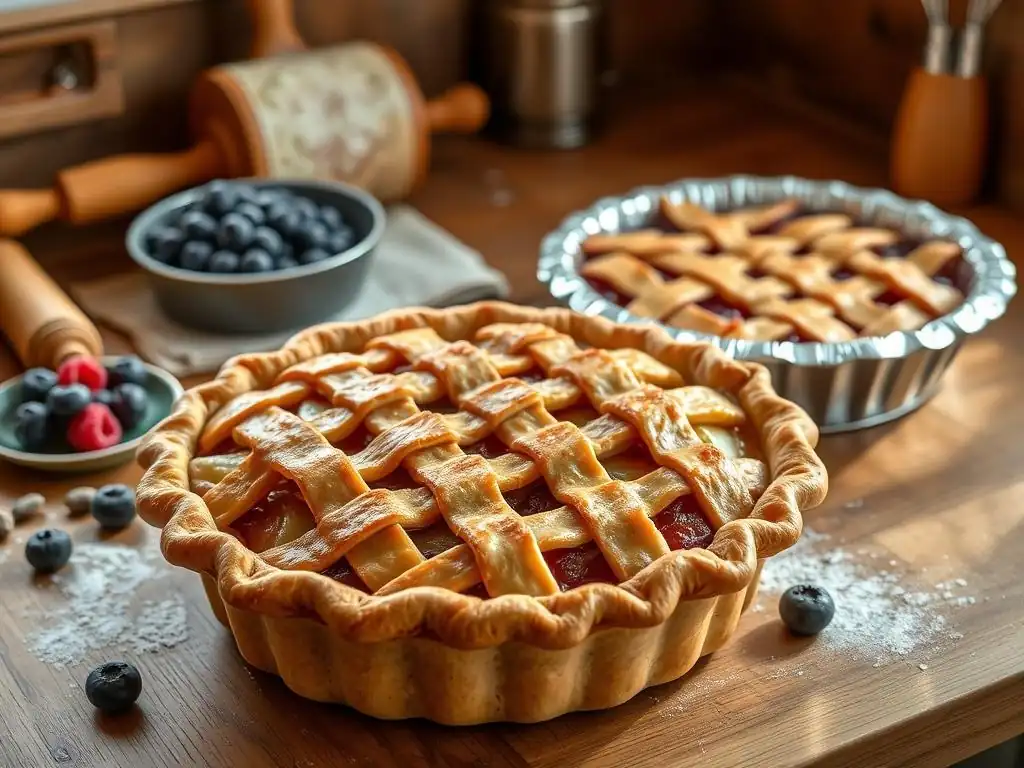
The process of bringing your frozen fruit pie back to life is just as important as the freezing process itself. You have two main options for thawing: in the refrigerator or directly baking from frozen. For baked pies, baking from frozen is often preferred as it helps maintain a crisp crust, but thawing in the refrigerator is also an option depending on your timing.
Baking a frozen pie requires adjustments compared to baking a fresh one. The key is to ensure the pie heats through completely without the crust burning or the filling becoming watery. With a few simple adjustments to temperature and time, you can achieve a perfectly baked pie that tastes like it was just made.
Thawing Methods: Refrigerator vs. Room Temperature
For a baked fruit pie, thawing in the refrigerator is a safer option than at room temperature, although baking directly from frozen is often recommended. If you choose to thaw in the refrigerator, unwrap the pie completely and place it on a baking sheet to catch any condensation. Allow it to thaw slowly in the refrigerator for 24-48 hours, depending on its size. Thawing on the counter at room temperature is generally not recommended for food safety reasons, as the filling could enter the "danger zone" temperature range where bacteria multiply quickly.
However, many freezing fruit pie recipes designed for baked pies skip the thawing step altogether and recommend baking directly from frozen. This method minimizes the risk of a soggy bottom crust often associated with thawing. If you bake from frozen, do not unwrap the pie until just before it goes into the oven.
Baking a Frozen Fruit Pie: Adjusting Baking Time and Temperature
When baking a fruit pie directly from frozen, do not preheat your oven to the final baking temperature immediately. Place the frozen pie (still in its plate, unwrapped) on a baking sheet in a cold oven. Then, set the oven temperature to around 375°F (190°C). This gradual heating helps prevent the crust from browning too quickly before the filling is heated through.
Once the oven reaches 375°F (190°C), continue baking. The baking time will be significantly longer than for a fresh pie, often 1.5 to 2 times the original baking time. For a standard 9-inch pie, this could mean 60-90 minutes or even longer. The pie is done when the crust is golden brown and the filling is visibly bubbling vigorously in the center, indicating it has reached a safe internal temperature and is fully heated.
Preventing a Soggy Crust: Tips and Tricks
A common challenge when baking frozen fruit pie recipes is preventing a soggy bottom crust. Baking from frozen helps significantly, as mentioned above. Another technique is to bake the pie on a preheated baking stone or heavy baking sheet placed in the oven before the pie goes in. The direct heat from the hot surface helps crisp up the bottom crust quickly.
Additionally, ensure your fruit filling isn't excessively wet before baking. Using adequate thickener in your original recipe is key. If you're concerned about the top crust or edges browning too quickly, loosely tent the pie with foil or use a pie crust shield during the latter part of the baking time.
Using an Oven Thermometer for Perfect Doneness
Relying solely on the oven's thermostat can sometimes be inaccurate. Using an independent oven thermometer placed inside the oven provides a more precise reading of the actual temperature. This is particularly helpful when baking frozen items, as maintaining the correct temperature throughout the extended baking time is crucial for success.
Furthermore, while not strictly necessary for safety if the filling is bubbling, some bakers use an instant-read thermometer to check the internal temperature of the filling. For fruit pies, a temperature of around 195-200°F (90-93°C) indicates the filling is thoroughly heated and thickened. However, watching for vigorous bubbling in the center is usually sufficient for fruit pies.
Storing and Reheating Leftover Baked Fruit Pie
Even after baking a frozen fruit pie, you might end up with leftovers. Properly storing these leftovers is essential to maintain their quality and safety. Unlike pies that haven't been frozen, a pie that has gone through the freeze-thaw-bake cycle might have slightly different storage needs.
Knowing how to store and gently reheat those remaining slices or the rest of the pie ensures you can enjoy them the next day or two without compromising their deliciousness. Avoid leaving baked fruit pie at room temperature for extended periods, as the fruit filling can be a breeding ground for bacteria.
Proper Storage Techniques for Baked Fruit Pies
Once a fruit pie has been baked (whether from fresh or frozen), any leftovers should be stored in the refrigerator. Allow the pie to cool completely to room temperature after baking, which usually takes 2-3 hours. Never refrigerate a hot or warm pie.
Cover the cooled pie loosely with plastic wrap or aluminum foil, or transfer slices to an airtight container. Stored properly in the refrigerator, baked fruit pie leftovers are typically good for 3-4 days. For longer storage of baked leftovers (though quality might decrease), you can wrap individual slices tightly and freeze them for up to 1-2 months, then reheat directly from frozen.
Reheating Fruit Pie: Maintaining Flavor and Texture
Reheating leftover baked fruit pie in the oven is the best way to restore its texture, especially the crust's crispness. Preheat your oven to a moderate temperature, around 300°F (150°C) to 350°F (175°C). Place individual slices or the remaining pie on a baking sheet.
Heat for about 10-20 minutes for slices, or 20-30 minutes for a larger portion, until the filling is warm and the crust is crisp again. Avoid reheating in the microwave, as it tends to make the crust soggy, although it will quickly warm the filling. Low and slow heat in the oven is the key to a successful reheat that maintains the pie's original appeal.
Troubleshooting Common Issues When Freezing Fruit Pies
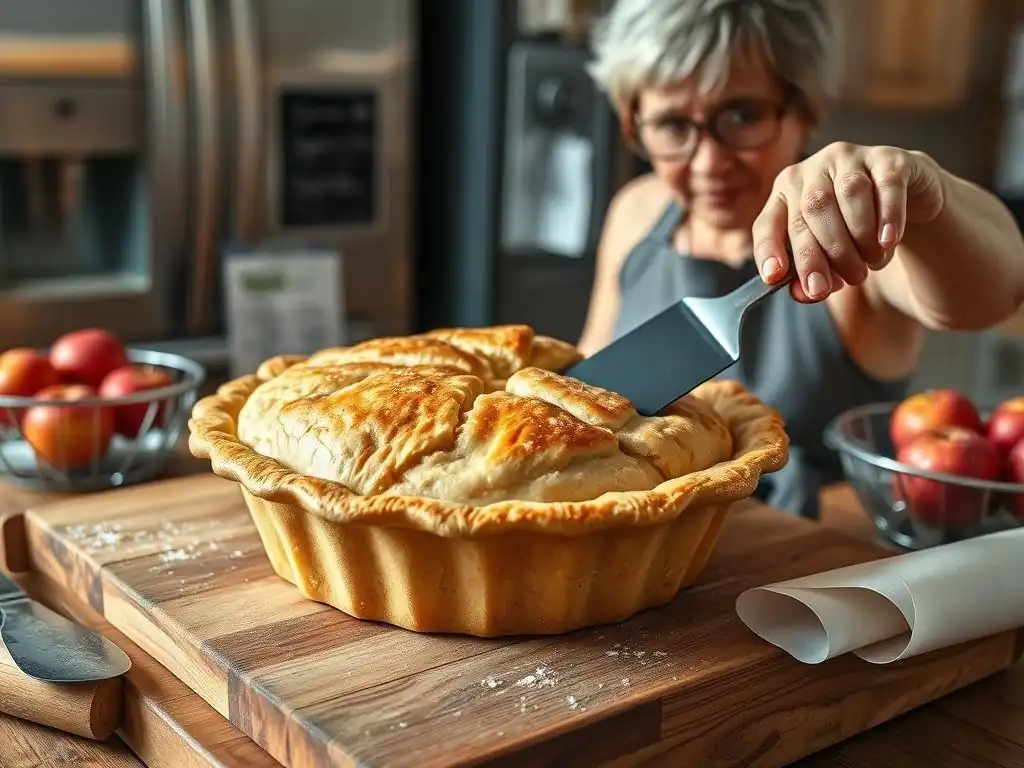
Even with the best intentions and careful steps, sometimes issues arise when working with freezing fruit pie recipes. Understanding common problems like freezer burn, soggy crusts, or inconsistent baking results can help you identify the cause and prevent them in the future or even salvage a less-than-perfect pie.
Addressing these potential pitfalls upfront can save you frustration and ensure that your efforts in making and freezing fruit pies are rewarded with delicious outcomes. Most issues relate back to moisture management and proper protection during the freezing process.
Preventing Ice Crystals and Freezer Burn
The formation of ice crystals and freezer burn is primarily caused by air exposure and temperature fluctuations during freezing. The best prevention methods are meticulous wrapping and maintaining a consistent freezer temperature. As detailed earlier, wrapping the fully cooled pie tightly in multiple layers – first plastic wrap, then foil or freezer paper – is the most effective barrier against air.
Ensuring your freezer is set to 0°F (-18°C) or lower and minimizing how often you open the door helps maintain a stable temperature, further reducing the risk. If you notice minor ice crystals upon unwrapping, they may dissipate during baking without significantly affecting the pie, but heavy ice crystals or widespread freezer burn indicate poor wrapping or temperature control.
Addressing a Soggy Crust After Thawing
A soggy crust after thawing (if you chose to thaw) or even after baking from frozen is usually due to excess moisture. This could be from insufficient thickening of the filling, improper cooling before freezing (leading to condensation), or thawing at room temperature. Baking from frozen is the most effective way to avoid a soggy bottom crust with freezing fruit pie recipes.
If you still end up with a slightly soggy bottom crust after baking, you can try briefly placing the pie directly on the bottom rack of the oven for the last 5-10 minutes of baking, or even carefully transferring it from the pie plate onto a preheated baking stone or steel for a few minutes (be extremely cautious doing this with a hot, fragile pie). Ensuring adequate thickener in your recipe from the start is the best preventative measure.
Recovering From an Over-Baked or Under-Baked Frozen Pie
If you bake a frozen pie and find it's slightly over-baked (crust too dark), you likely baked it too long or at too high a temperature, or perhaps it wasn't sufficiently under-baked before freezing. In the future, try slightly decreasing the oven temperature or reducing the baking time. If the crust edges are browning too fast, use a pie shield or foil.
If the pie is under-baked (filling not bubbly, crust pale), it simply needs more time in the oven. Cover the edges with foil to prevent burning and continue baking until the filling is bubbling vigorously in the center. Using a baking sheet or stone can help ensure the bottom crust is cooked through. Adjusting your baking time based on observation is key, even when following freezing fruit pie recipes.
Tips and Tricks for Freezing Fruit Pies Like a Pro
Beyond the basic steps, a few extra tips can elevate your success with freezing fruit pie recipes. These small details can make a big difference in convenience and the final quality of your frozen and baked pies, ensuring they are as delicious as possible when you serve them.
From how you handle your filling to choosing the right fruits, incorporating these pro tips into your baking routine will help you master the art of make-ahead fruit pies and confidently tackle any freezing fruit pie recipes you encounter.
Using a Homemade Fruit Pie Filling for Freezing
If you want to get a head start without making the whole pie, you can freeze just the fruit filling. Prepare your fruit filling according to your favorite freezing fruit pie recipes, including the thickener. Cool the filling completely.
Transfer the cooled filling to a freezer-safe container or heavy-duty freezer bag, pressing out as much air as possible before sealing. Label and freeze for up to several months. When you're ready to bake a pie, thaw the filling in the refrigerator, prepare a fresh crust, and fill and bake the pie as usual. This is a great way to preserve seasonal fruit and have a quick start on pie making later.
The Best Fruits to Use in Frozen Pies
Certain fruits hold up exceptionally well to freezing and baking in pies. These include classic choices like apples (especially firmer varieties like Granny Smith or Honeycrisp), cherries, blueberries, raspberries, and peaches. Their structure and flavor profile generally tolerate the freezing and thawing process without becoming overly mushy or watery when properly prepared with thickener.
Fruits with very high water content or delicate textures, like strawberries (unless combined with others), might perform less predictably. When using high-moisture fruits in freezing fruit pie recipes, be generous with your thickener to manage the released juices during baking.
Adding a Crumble Topping Before Freezing
If your freezing fruit pie recipe calls for a crumble or streusel topping instead of a top crust, you can apply this topping before freezing the baked pie. Bake the pie as directed (slightly under-baked), cool completely, then add the crumble topping evenly over the cooled filling.
Once the topping is added, proceed with the double-wrapping method for freezing. The crumble topping will freeze solid along with the pie. When you bake the pie from frozen, the crumble topping will crisp up nicely in the oven. This saves you a step later on and ensures the topping is ready to go when you are.
Exploring Different Fruit Pie Recipes Suitable for Freezing
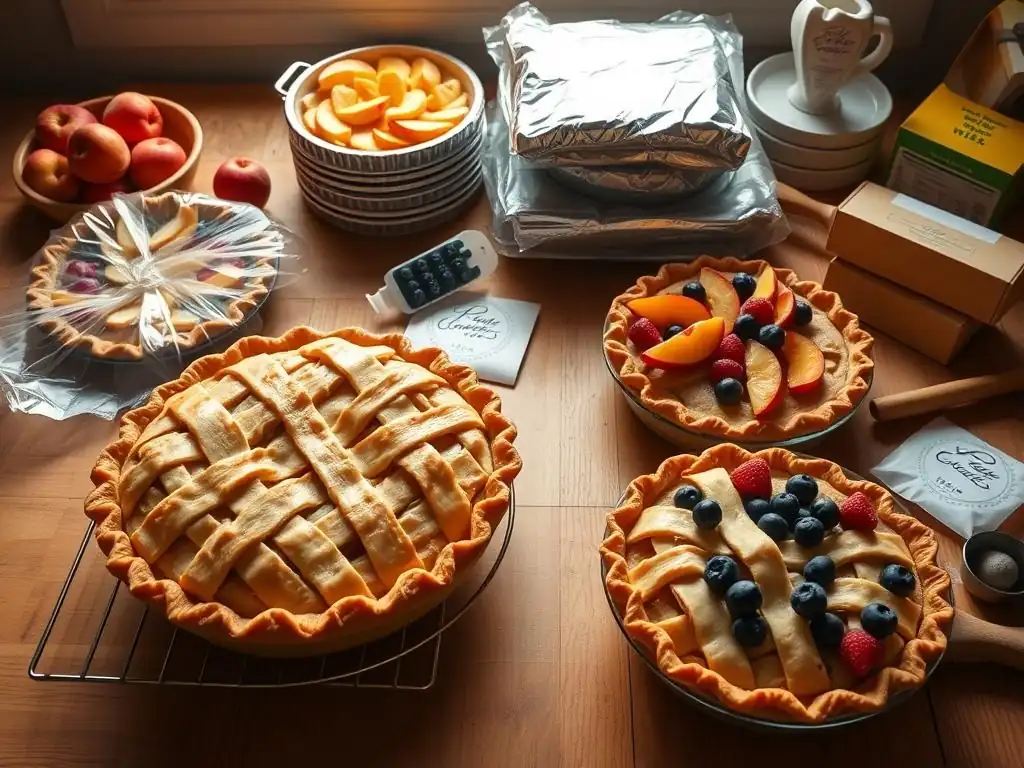
Many beloved fruit pie recipes lend themselves perfectly to freezing. Exploring some popular options demonstrates the versatility of this technique and provides inspiration for your next baking project. Whether you prefer a classic or something a little different, there's likely a freezing fruit pie recipe out there for you.
From the timeless comfort of apple pie to the vibrant flavors of berry blends and the sweet indulgence of peach, these examples showcase how common fruit pies can be successfully prepared ahead of time and frozen for later enjoyment.
Classic Apple Pie: Freezing for Future Enjoyment
Classic apple pie is perhaps one of the most popular freezing fruit pie recipes. Apples hold their shape well during baking and freezing, and the typical cinnamon-spiced filling with a touch of thickener freezes beautifully. Bake your apple pie as usual, slightly under-baking the crust, cool it completely, and wrap it meticulously before freezing.
When ready to bake from frozen, follow the instructions for baking a frozen pie: place in a cold oven set to 375°F (190°C) and bake for 60-90 minutes or until the crust is golden and the filling is bubbling thickly in the center. Apple pie is a reliable choice for your first foray into freezing fruit pies.
Berry Pie Bliss: Freezing Mixed Berry Pies
Mixed berry pies, featuring combinations of blueberries, raspberries, blackberries, and sometimes strawberries, can also be successfully frozen. The key with berry pies is often using sufficient thickener (like tapioca or cornstarch) to manage the significant amount of juice released by the berries during baking and thawing.
Bake your mixed berry pie, aiming for a slightly under-baked crust and a bubbly, set filling. Cool completely, wrap tightly, and freeze. When baking from frozen, follow the standard procedure, ensuring the filling is bubbling vigorously to guarantee it's heated through and the thickener has done its job. Many freezing fruit pie recipes for berries call for a bit more thickener than apple pies.
Peach Pie Perfection: Freezing Summer's Best Flavor
Capturing the taste of peak summer peaches for enjoyment later in the year is easy with freezing peach pie recipes. Use firm, ripe peaches and ensure your filling includes enough thickener. Bake the pie until the crust is set and the filling is bubbling, then cool and freeze as described.
When you bake your frozen peach pie, listen for the characteristic bubbling of the filling and watch for a golden crust. Peach pies can sometimes release a lot of juice, so ensuring the filling is thoroughly cooked and thickened is crucial during the initial baking step before freezing.
Conclusion: Enjoying Delicious Fruit Pies Anytime with Easy Freezing Techniques
Mastering the simple techniques of freezing fruit pies opens up a world of convenience and allows you to enjoy your favorite homemade desserts whenever the craving strikes or an occasion arises. From preparing and slightly under-baking the pie to cooling it completely, wrapping it meticulously, and finally baking it from frozen, each step contributes to preserving that wonderful homemade quality.
By following this guide and incorporating these tips into your baking routine, you'll find that make-ahead fruit pies are not only achievable but consistently delicious. Say goodbye to last-minute stress and hello to the simple pleasure of a warm, bubbly, perfectly baked fruit pie, ready from your freezer with BakeWithEase.com.
Mastering the Art of Freezing Fruit Pie Recipes
Successfully freezing fruit pie recipes is about more than just putting a pie in the freezer; it's about understanding how temperature and moisture affect baked goods and taking steps to mitigate potential issues. By focusing on proper cooling, airtight wrapping, and correct baking techniques from frozen, you can confidently prepare pies weeks or months in advance.
The ability to freeze and bake delicious fruit pies on demand is a valuable skill for any home baker. It allows for better planning, reduces waste by preserving seasonal produce, and ensures you're always ready to share a slice of homemade goodness. Experiment with your favorite freezing fruit pie recipes and discover the convenience for yourself.
Bake With Ease: Your Partner in Baking Success
At BakeWithEase.com, our goal is to make baking accessible, enjoyable, and successful for everyone, regardless of experience level. Learning techniques like freezing fruit pies is part of empowering you to bake with confidence and flexibility. We provide clear, step-by-step guidance to help you master new skills and perfect your favorite recipes.
Whether you're trying freezing fruit pie recipes for the first time or looking to refine your technique, we're here to support your baking journey. Explore our site for more tips, tutorials, and delicious recipes designed to help you bake with ease and create wonderful moments in your kitchen.
Frequently Asked Questions
What kind of fruit pies freeze best?
Fruit pies with stable fruit fillings like apple, berry (blueberry, raspberry), and cherry generally freeze very well. Avoid pies with custard or meringue toppings as they don't hold up well.
Can I freeze a fruit pie before or after baking?
You can freeze fruit pies either before or after baking. Freezing before baking often yields a fresher taste after thawing and baking. Freezing after baking is a good option for leftover pie.
How long can a fruit pie be stored in the freezer?
Properly wrapped, a fruit pie can be stored in the freezer for up to 3-4 months. Beyond this, the quality may start to decline due to freezer burn and changes in texture.
What's the best way to thaw a frozen fruit pie?
For unbaked pies, thaw in the refrigerator overnight and then bake according to the recipe. Baked pies can be thawed at room temperature or gently warmed in the oven. Thawing completely is essential for even baking.
What are some tips for preventing freezer burn on fruit pies?
Wrap the pie tightly in multiple layers of plastic wrap and then place it in a freezer bag or container. This creates a barrier against moisture and air, preventing freezer burn.
Final Reflection: The Sweetness of Preparedness: Freezing Fruit Pies for Life's Adventures
The ability to enjoy a homemade fruit pie anytime, without the last-minute stress of baking, is a revolutionary convenience in today's fast-paced world. Imagine pulling a perfectly baked, juicy pie from your freezer on a busy weeknight, or surprising loved ones with a delightful dessert on a whim. This isn't just about saving time; it's about savoring the simple pleasures, whenever life allows.
The art of freezing fruit pies transcends mere practicality; it's a testament to the enduring power of homemade goodness and the joy of sharing it. Freezing allows us to capture the essence of a sun-drenched summer or a crisp autumn day, preserving those flavors and memories for later enjoyment. As the old adage goes, The best things in life are worth waiting for,
and a perfectly frozen fruit pie, ready to thaw and delight, is a testament to this truth. It's a small act of self-care, a gift to our future selves, and a delicious way to connect with loved ones through the shared experience of a homemade treat.
Now, I invite you to consider your own baking journey. Will you embrace the freedom and flexibility that freezing fruit pies offers? Perhaps you'll experiment with different fillings, perfecting your technique with each frozen masterpiece. Or maybe you'll use this newfound skill to spread joy, sharing your delicious creations with friends and family. The possibilities are as endless as your imagination, so go forth and bake – and freeze – with confidence!
Unlock a World of Frozen Pie Perfection!
Thanks for taking the time to learn about the magic of freezing fruit pies! You're now equipped with the skills to enjoy delicious homemade pie all year round. Ready to put your newfound knowledge into action?
- Bake and freeze your first masterpiece: Choose your favorite fruit pie recipe and follow our guide to freeze it for future enjoyment. Imagine the satisfaction of effortlessly pulling out a perfectly baked pie on a busy weeknight!
- Share your frozen pie success: Tell us about your frozen pie creations on social media! Use #BakeWithEaseFrozenPies and share your tips and tricks with our community.
- Explore our other make-ahead dessert recipes: Discover even more time-saving baking solutions on BakeWithEase.com – we've got a treasure trove of deliciousness waiting for you!
What delicious fruit filling will you conquer with your newfound freezing prowess?