
The Ultimate Guide to Serving Scones: Cream First or Jam?

Welcome to BakeWithEase, your friendly guide to the delightful world of baking!
Ever wondered about the age-old debate surrounding the perfect scone? Our latest article delves into the heart of this delicious dilemma: Cream scones jam serving – which goes first? Join us as we explore the traditions and techniques that make serving scones a truly delightful experience, and discover the ultimate answer to this crucial question. Prepare to be intrigued, informed, and inspired to elevate your next tea party!
- Perfect Scone Presentation
- Understanding the Scone Debate: Cream or Jam First?
- Cream First vs. Jam First: Exploring Regional Preferences
- Mastering Scone Baking: Preparing for the Perfect Serve
- Serving Scones Like a Pro: A Step-by-Step Guide
- Beyond the Basics: Elevating Your Scone Serving Experience
- Troubleshooting Common Scone Serving Mistakes
- Cream Scones Jam Serving: Achieving Scone Perfection
-
Frequently Asked Questions
- What is the traditional way to serve cream scones with jam?
- What type of cream is best for serving with scones?
- Can I use other types of cream if I don't have clotted cream?
- What kind of jam pairs well with cream scones?
- Are there any other toppings besides cream and jam that I can serve with scones?
- Final Reflection: A Crumb of Wisdom on the Great Scone Debate
- Unlock Your Inner Scone Connoisseur!
Perfect Scone Presentation
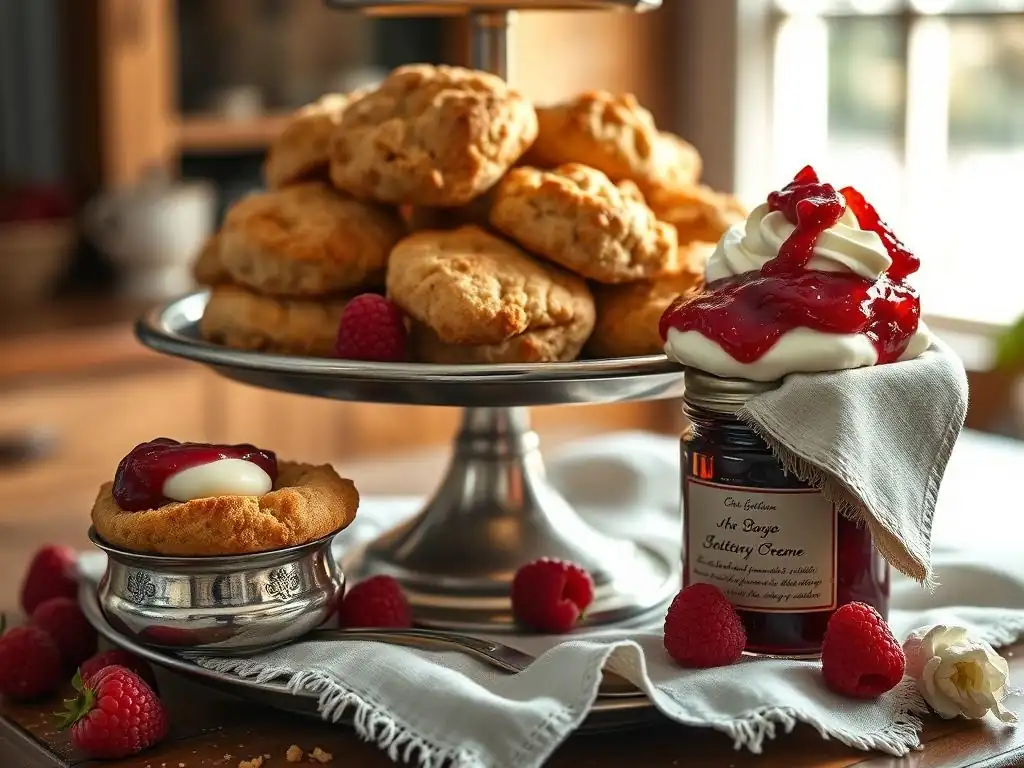
Serving scones is more than just placing them on a plate; it's about creating an experience. The visual appeal of warm, freshly baked scones, accompanied by glistening jam and rich clotted cream, sets the stage for a delightful treat. Whether you're hosting a formal afternoon tea or enjoying a casual snack, understanding the elements of perfect scone presentation enhances the enjoyment for everyone involved. It involves selecting appropriate crockery, arranging the components invitingly, and ensuring everything is prepared at its optimal temperature.
Beyond the aesthetics, the presentation also subtly guides the diner towards the intended method of assembly, or perhaps invites them to ponder the age-old question: which goes first? A well-presented spread includes small dishes for the cream and jam, a suitable knife for splitting the scones, and perhaps a warmed serving dish for the scones themselves. Paying attention to these details transforms a simple snack into a memorable occasion, highlighting the care and effort put into both the baking and the serving of these beloved pastries.
Understanding the Scone Debate: Cream or Jam First?
A Deep Dive into Scone Traditions
Scones hold a cherished place in British culinary tradition, often central to afternoon tea. While the basic ingredients—flour, butter, milk, sugar, baking powder—are relatively simple, the ritual surrounding their consumption is steeped in history and regional customs. The act of splitting a warm scone, dolloping it with accompaniments, and enjoying it with a cup of tea is a practice passed down through generations, embodying a sense of comfort and heritage. This tradition is so ingrained that even minor variations, such as the order of applying cream and jam, have become subjects of passionate debate and regional identity.
Historically, scones evolved from much simpler, often unleavened baked goods cooked on a griddle. Over time, with the introduction of baking powder in the 19th century, they transformed into the lighter, fluffier versions we know today, becoming synonymous with leisure and social gatherings, particularly afternoon tea popularized by the Duchess of Bedford in the 1840s.
This rise in popularity cemented the scone's place as a cultural icon, but the accompanying condiments and their application order became a point of divergence, leading to the famous "cream first or jam first" conundrum that defines much of the discussion around cream scones jam serving.
The History Behind the Cream and Jam Controversy
The specific origins of the cream first or jam first debate are somewhat debated, but it is widely associated with the historical rivalry and distinct cultural identities of two neighbouring counties in the South West of England: Devon and Cornwall. Both regions are renowned for their clotted cream, a key component of the traditional cream tea. As tourism grew in these areas in the late 19th and 20th centuries, the local customs surrounding the cream tea became a point of regional pride and distinction.
The differing methods became almost symbolic of the counties themselves. While historical records don't pinpoint an exact date the debate began, it gained prominence as cream teas became a staple of seaside holidays and rural guesthouses. This regional variance highlights how local customs can shape national traditions, turning a simple question of assembly into a defining characteristic of a place and its people. The enduring nature of this controversy speaks to the deep cultural significance placed upon the proper way to enjoy cream scones jam serving.
Cream First vs. Jam First: Exploring Regional Preferences
The Cornish Method: Jam First, Cream Second
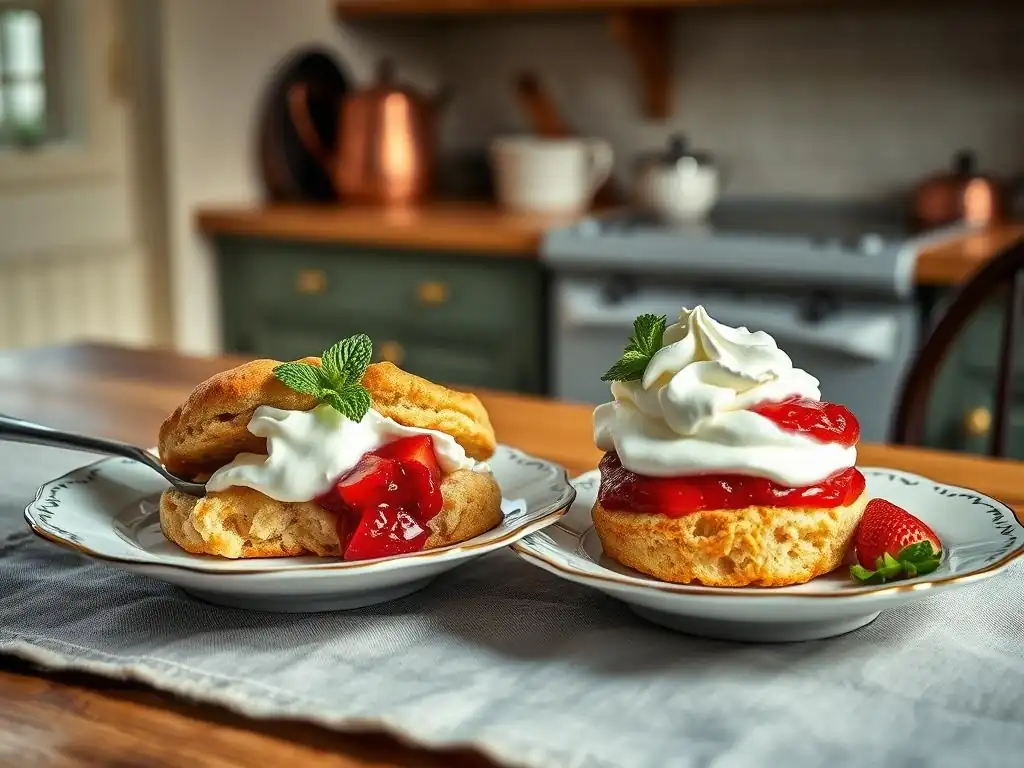
In Cornwall, the traditional approach to enjoying a cream tea dictates that the jam is applied to the scone first, followed by a generous dollop of clotted cream on top. This method is often justified by proponents who argue that the jam acts as a base, providing a stable layer upon which the luxurious, thick clotted cream can sit proudly. Visually, this method results in a vibrant layer of jam peaking out from beneath a cloud of pale cream, creating an appealing contrast.
Adherents of the Cornish method often feel it enhances the flavour distribution. They might argue that placing the sweet jam directly onto the scone allows its flavour to meld more immediately with the baked good, while the rich cream provides a distinct, cooling counterpoint on top. This layering is considered the "correct" way by many in Cornwall and is a defining feature of their cream tea experience, strongly influencing how cream scones jam serving is approached in the region.
The Devon Method: Cream First, Jam Second
Conversely, the traditional method favoured in Devon is to spread the clotted cream onto the split scone first, and then top it with a spoonful of jam. This approach emphasizes the clotted cream as the primary layer, allowing its rich, slightly nutty flavour and incredibly smooth texture to be the first sensation when taking a bite. A substantial amount of cream is typically used, creating a thick, indulgent layer.
Those who prefer the Devon method often cite the tactile experience of spreading the thick cream onto the warm scone as part of the ritual. They might also feel that the jam, placed on top, provides a burst of sweet fruitiness that cuts through the richness of the cream, offering a balanced flavour profile. This method is deeply ingrained in Devonian culture and is passionately defended as the proper way for cream scones jam serving to be executed.
Why the Order Matters: Texture and Taste Considerations
The seemingly simple choice between cream first or jam first significantly impacts the overall texture and taste experience of eating a scone. When jam is applied first (Cornish method), it can slightly soak into the warm scone, creating a moist layer that adheres well. The cream then sits on top, offering a distinct, separate texture – often described as a fluffy cloud – that is encountered after the jam. This order might lead to the jam flavour being more prominent initially, followed by the rich cream.
Applying cream first (Devon method) creates a smooth, buttery base layer. When the jam is added on top, it tends to sit as a distinct, often slightly firmer layer. This means the initial bite is dominated by the creamy texture and flavour, with the burst of fruity sweetness from the jam coming through shortly after.
The mouthfeel can be different; the Devon method might feel richer due to the cream being the first texture encountered, while the Cornish method might offer a more immediate blend of scone and jam before the cream. Ultimately, the "better" method for cream scones jam serving is subjective and depends on individual preference regarding the desired balance of texture and flavour in each bite.
Mastering Scone Baking: Preparing for the Perfect Serve
Top Scone Recipes
Achieving the perfect scone for cream scones jam serving starts with a reliable recipe. Classic plain scones are a cornerstone, typically requiring simple ingredients like self-raising flour, cold butter, milk (or buttermilk for tenderness), a pinch of salt, and a little sugar. Rubbing the butter into the flour until it resembles breadcrumbs, gently mixing in the liquid to form a soft dough, and handling it minimally are key steps to ensure a light texture.
Using a sharp cutter and avoiding twisting it prevents the sides from sealing, allowing the scones to rise evenly. Baking at a high temperature initially helps achieve a good rise and a golden crust.
Variations abound, offering diverse flavours to complement the classic cream and jam. Fruit scones, often featuring currants or raisins, add a touch of sweetness and chewiness. Cheese scones, made with grated cheese and sometimes a pinch of cayenne pepper, offer a savoury alternative that pairs wonderfully with butter or cream cheese, though less traditionally with clotted cream and jam. Wholemeal or spelt flour can be incorporated for a nuttier flavour and denser texture. Experimenting with different recipes allows you to find your favourite base for the ultimate cream scones jam serving experience.
Achieving the Ideal Scone Texture: Tips and Tricks
The hallmark of a great scone is its texture: a crisp, golden exterior giving way to a light, fluffy interior. This is achieved through careful technique. Firstly, ensure your ingredients, especially the butter and liquid, are cold. Cold butter rubbed into flour creates small pockets that melt during baking, producing steam which helps the scones rise and become flaky. Overworking the dough develops gluten, leading to tough scones, so mix just until combined and handle gently.
Cutting the scones cleanly is also vital; pressing straight down with a sharp cutter prevents the edges from being sealed, allowing for maximum rise. Don't twist the cutter. Baking at a relatively high temperature (around 220°C or 425°F) for a short time helps the scones rise quickly before the crust sets, resulting in that desirable fluffy interior. Brushing the tops with milk or egg wash before baking contributes to a lovely golden colour and a slightly crisp top crust, perfect for supporting the subsequent layers during cream scones jam serving.
Choosing the Right Clotted Cream and Jam
The quality of the clotted cream and jam is paramount to a successful cream tea experience. Authentic clotted cream should be thick, rich, and have a slightly yellowish crust on top, indicating it has been slowly heated to separate the cream from the milk. It should have a smooth, luxurious texture and a subtly sweet, nutty flavour. While commercially available clotted cream is widely available, sourcing high-quality artisanal versions or even attempting a homemade version can elevate your cream scones jam serving significantly.
For jam, traditionalists often favour strawberry jam, whose sweetness and slight acidity provide a classic contrast to the rich cream. However, raspberry, blackcurrant, or even a good quality cherry jam can also be excellent choices. The key is to choose a jam with a good fruit content and a balance of sweetness and tartness. Avoid overly set or jelly-like jams; a softer set or slightly chunky jam often works better for spreading. Consider the scone flavour when choosing your jam – a plain scone is versatile, while a fruit scone might pair best with a complementary jam.
Homemade Clotted Cream Recipe
Making clotted cream at home involves a simple, low-heat process that yields incredibly rich results, perfect for cream scones jam serving. You will need fresh, unpasteurised double cream (ideally with a fat content of 48% or higher). Pour the cream into a shallow ovenproof dish, ensuring the cream depth is no more than a couple of inches.
Place the dish in a very low oven, typically around 80°C (175°F), and leave it undisturbed for 8-12 hours, or until a thick, golden crust forms on the surface and the cream underneath has thickened considerably. Do not stir it. Once cooked, remove from the oven and let it cool completely at room temperature before chilling it in the refrigerator for several hours, preferably overnight. The thickened cream and crust can then be scooped out and enjoyed.
Best Jam Pairings for Different Scone Flavors
While classic strawberry jam is the undisputed champion for plain scones when it comes to cream scones jam serving, other scone flavours invite different pairings. For example, a subtle vanilla or almond scone pairs beautifully with raspberry or cherry jam, whose brighter, tarter notes cut through the richness and complement the floral or nutty undertones of the scone.
Cheese scones, while less commonly served with jam and cream, can be delightful with a savoury chutney or a slightly spicy red pepper jelly. For fruit scones, such as those with currants or raisins, a simple apricot or mixed berry jam works well, enhancing the existing fruitiness without overpowering it. Experimentation is key to finding your favourite combinations for the perfect cream scones jam serving setup.
Serving Scones Like a Pro: A Step-by-Step Guide
Preparing Your Scones for Serving
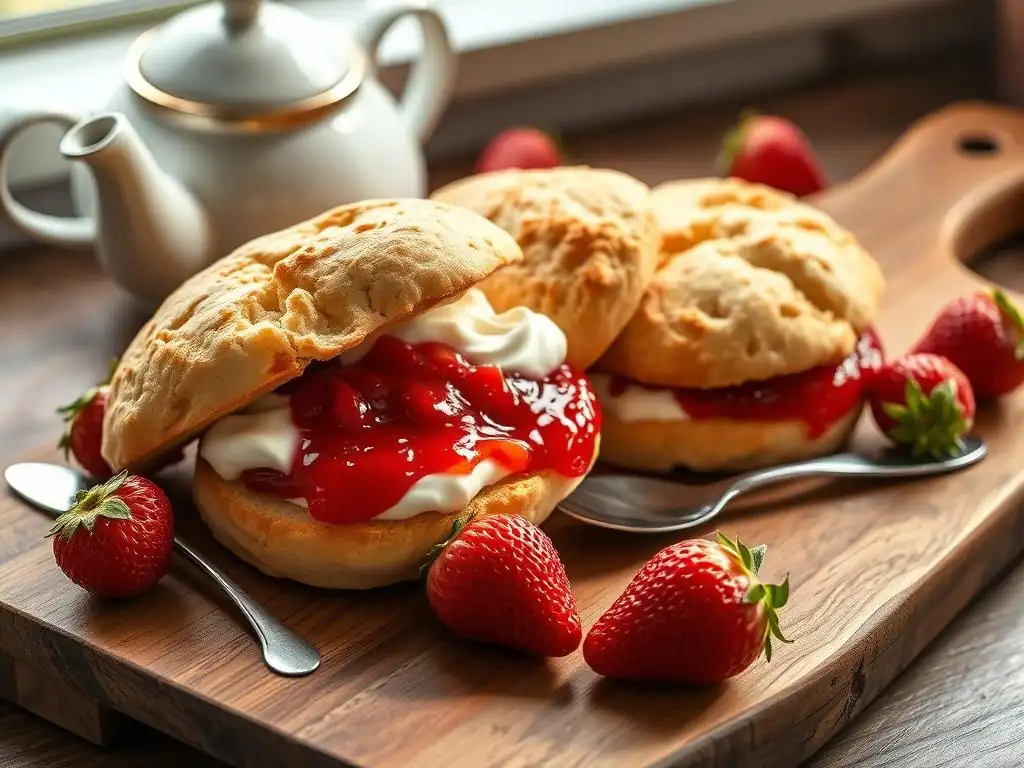
Once your scones are baked to perfection, proper preparation for serving is crucial to ensure the best cream scones jam serving experience. Ideally, scones should be served warm, straight from the oven. If they have cooled, gently warming them in a low oven (around 150°C or 300°F) for 5-10 minutes will revive them beautifully. Avoid microwaving, as this can make them tough.
Have your clotted cream and jam ready. Ensure the cream is chilled but not so cold it's hard to spread. The jam should be at room temperature for easy handling. Provide small serving dishes or bowls for the cream and jam, allowing guests to serve themselves. A good quantity of each is essential – there's nothing worse than running out of clotted cream mid-scone!
Setting the Table for a Delightful Scone Experience
Creating an inviting setting enhances the pleasure of cream scones jam serving. Use attractive plates, ideally small side plates or tea plates. Provide a small knife for splitting the scones and separate knives or spoons for the cream and jam to avoid mixing them in the serving dishes.
Consider adding small touches like cloth napkins or a simple tablecloth. Serve with freshly brewed tea – classic English Breakfast, Earl Grey, or a delicate Darjeeling are popular choices. Sugar and milk (or lemon for Earl Grey) should also be readily available. A multi-tiered cake stand can add a touch of elegance if serving multiple items, with scones typically placed on the middle or top tier.
Assembling Your Scone: A Visual Guide
The moment of truth for cream scones jam serving arrives with the assembly.
Step 1: Cutting the Scone
Using a knife (never your hands, say the purists! ), carefully split the warm scone horizontally into two halves. The inside should reveal a light, airy texture.
Step 2: Applying Cream or Jam
This is where the debate plays out! Choose your method:
- Cornish: Spread a generous layer of jam onto the bottom half of the scone.
- Devon: Apply a thick layer of clotted cream onto the bottom half of the scone.
Step 3: Adding the Second Layer
Complete the assembly:
- Cornish: Dollop a generous amount of clotted cream on top of the jam.
- Devon: Add a spoonful or two of jam on top of the cream. Place the top half of the scone back on, slightly askew if you like, and enjoy immediately!
Beyond the Basics: Elevating Your Scone Serving Experience
Creative Scone Topping Ideas
While clotted cream and jam are the classic partners for cream scones jam serving, don't be afraid to explore other delicious toppings. Fresh berries like strawberries, raspberries, or blueberries can add brightness and texture. A drizzle of honey or maple syrup offers alternative sweetness.
Lemon curd provides a tangy counterpoint to the richness of the cream. For a more indulgent twist, consider serving with whipped cream (though not a substitute for clotted cream in a traditional setting) or even a chocolate spread for a truly decadent treat. Savoury scones, as mentioned, pair well with cream cheese, chives, smoked salmon, or various chutneys.
Pairing Scones with Tea and Other Beverages
The traditional partner for scones is, of course, tea. A strong, robust black tea like English Breakfast stands up well to the richness of the cream and jam. Earl Grey offers a fragrant, citrusy note that complements the sweetness. For a lighter option, a green tea or a delicate white tea can be refreshing.
Beyond tea, scones can also be enjoyed with coffee, particularly a smooth filter coffee or a gentle latte. On warmer days, iced tea is a wonderful accompaniment. For special occasions, a glass of sparkling wine or Prosecco can elevate the cream scones jam serving experience, adding a festive touch. Consider the time of day and the richness of your scones and toppings when selecting your beverage pairing.
Serving Scones for Special Occasions
Serving scones for special occasions adds a touch of elegance and tradition to events like birthdays, anniversaries, or baby showers. Consider baking mini-scones for a bite-sized treat that's easy to handle at a party. Offer a variety of scone flavours (plain, fruit, cheese) and different jams and creams to cater to various tastes.
Presentation becomes even more important for celebrations. Use your best china, decorate the table with flowers, and arrange the scones, cream, and jam attractively. Providing small labels for different scone types or jams can be a helpful touch. A well-executed cream tea setup is a delightful centrepiece for any celebratory gathering, making the cream scones jam serving a highlight of the event.
Troubleshooting Common Scone Serving Mistakes
Avoiding Soggy Scones: Tips for Optimal Texture
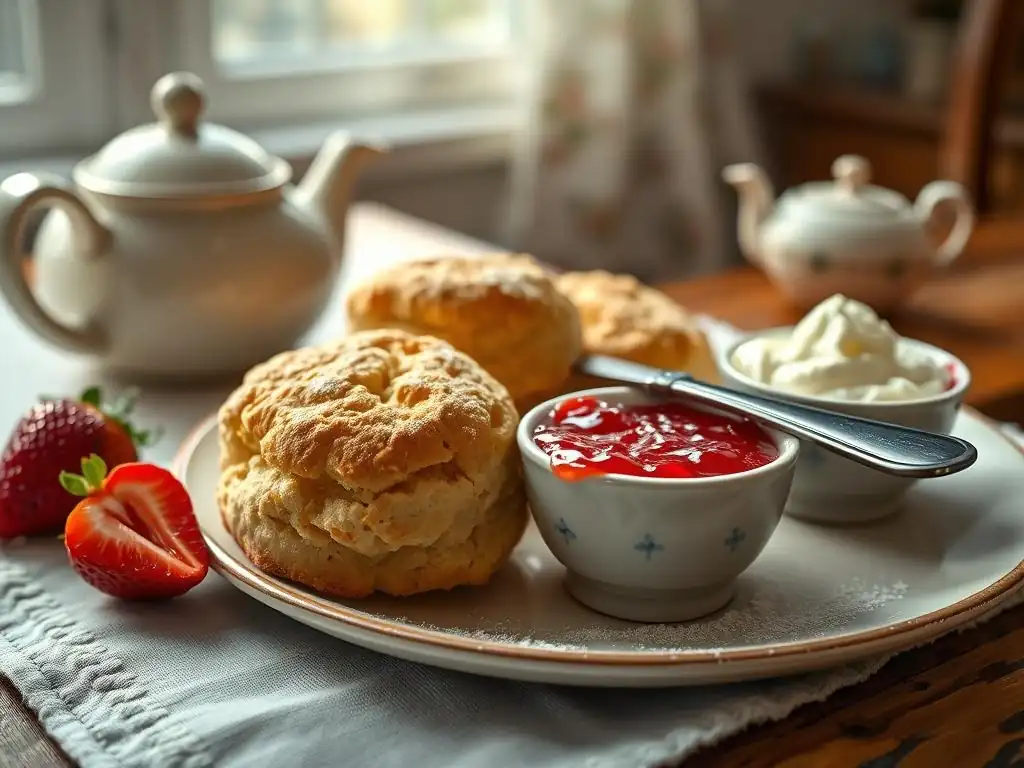
A common pitfall in cream scones jam serving is allowing the scones to become soggy before they are eaten. This usually happens if the scones are served cold or if they are left assembled for too long before consumption. The moisture from the jam or cream can soften the scone's interior, ruining the crisp-fluffy contrast.
To prevent this, always serve scones warm if possible. Present the cream and jam separately, allowing guests to assemble their own just before eating. If you must prepare them slightly in advance for a large group, keep the components separate and only assemble a few at a time. Storing baked scones in an airtight container can also trap moisture, so it's best to serve them soon after baking or re-warm them gently.
Preventing Cream Meltdown: Keeping Your Scones Cool
Clotted cream, being a dairy product with a high fat content, can soften and become runny if left at warm temperatures for too long. This can make cream scones jam serving less appealing, as the cream loses its thick, luxurious texture.
To avoid this, keep the clotted cream chilled until just before serving. If you are serving outdoors or in a warm room, consider placing the bowl of clotted cream in a larger bowl filled with ice to help maintain its temperature. Serve the scones warm, but not piping hot, as excessive heat transferred from the scone can also cause the cream to melt quickly upon contact.
Serving Pre-Assembled Scones: Best Practices for Freshness
While it's generally recommended to let guests assemble their own scones for the freshest experience, there might be occasions where serving pre-assembled cream scones is necessary, such as for a catered event or if you need to prepare them slightly ahead of time. This requires careful planning to maintain quality for cream scones jam serving.
If pre-assembling, do so as close to serving time as possible. Use scones that have cooled slightly (but are still warm) rather than hot ones, to minimize cream melting. Place the jam first (Cornish method) as it tends to be more stable than cream directly on the scone. Arrange the assembled scones on a platter and cover loosely with cling film or a clean tea towel to prevent them from drying out, but avoid airtight containers which can cause condensation and sogginess. Serve within an hour or two for the best texture and appearance.
Cream Scones Jam Serving: Achieving Scone Perfection
Summary of Best Practices for Serving Scones
Achieving the perfect cream scones jam serving experience hinges on a few key practices. Start with high-quality, freshly baked scones that are light and fluffy inside with a crisp exterior. Serve the scones warm, ideally straight from the oven or gently reheated. Provide good quality clotted cream and jam, ensuring the cream is chilled and the jam is at room temperature.
Present the components separately, allowing diners the pleasure of assembling their own scones, choosing their preferred method (cream first or jam first!). Supply appropriate cutlery for splitting and spreading. Accompany with freshly brewed tea. Pay attention to presentation details, from crockery to arrangement. By following these guidelines, you ensure that your cream scones jam serving is not just a snack, but a truly delightful and memorable occasion, honouring the rich tradition of the British cream tea.
Frequently Asked Questions
What is the traditional way to serve cream scones with jam?
Traditionally, in Cornwall, the jam is spread first, followed by a generous dollop of clotted cream. Devonshire tradition dictates the cream goes on first, then the jam.
What type of cream is best for serving with scones?
Clotted cream is widely considered the best option for serving with scones. Its rich, thick texture complements the scones perfectly.
Can I use other types of cream if I don't have clotted cream?
Yes, while clotted cream is preferred, you can substitute with whipped cream or even crème fraîche if necessary. Just be aware that the flavor and texture will be different.
What kind of jam pairs well with cream scones?
Strawberry jam is the most popular choice, but raspberry, blackberry, or even fruit curds work well. Choose a jam with a good balance of sweetness and tartness.
Are there any other toppings besides cream and jam that I can serve with scones?
Absolutely! Consider serving lemon curd, honey, or even a dusting of powdered sugar for a different twist. Fresh fruit like berries or sliced peaches can also be a delicious addition.
Final Reflection: A Crumb of Wisdom on the Great Scone Debate
The seemingly simple question of cream first or jam on a scone reveals a surprisingly deep cultural divide, a testament to the power of culinary tradition and personal preference. This seemingly trivial debate, explored throughout this guide, highlights the importance of understanding not just the "how" of scone-serving, but the "why" – the rich history, regional variations, and ultimately, the individual experience that shapes our culinary choices. It's more than just a scone; it's a microcosm of cultural identity.
The enduring fascination with this debate speaks volumes about our collective desire for ritual and the comfort found in established practices. The passionate opinions expressed, from Cornish clotted cream loyalists to strawberry jam enthusiasts, underscore the deeply personal connection we have with food. Food is symbolic of love when words are inadequate.
- Alan D. Wolfelt. This quote perfectly encapsulates the emotional weight we attach to seemingly simple acts, like enjoying a perfectly served scone. The debate itself transcends the simple act of eating; it's a conversation about heritage, community, and the joy of shared experiences.
So, the next time you find yourself faced with a plate of warm scones, take a moment to consider your approach. Will you follow tradition, embrace innovation, or forge your own path? Ultimately, the "right" way is the way that brings you the most joy. Don't be afraid to experiment, to explore the nuances of taste and texture, and to discover your own perfect scone-serving ritual. The journey, as much as the destination, is what truly matters. Enjoy!
Unlock Your Inner Scone Connoisseur!
Thanks for joining us on this delicious journey into the world of scones! We hope you’ve gained a newfound appreciation for the perfect crumb and the age-old cream-first-or-jam debate. Ready to put your newfound knowledge to the test?
- Master the perfect scone: Try out our recipe suggestions (found throughout the article) and experiment with different flavor combinations. Which one will become your signature scone?
- Share your scone creations: Post pictures of your baking masterpieces on social media using #BakeWithEaseScones – let's build a community of scone lovers!
- Dive deeper into the world of baking: Explore our other guides on BakeWithEase.com for more baking inspiration and tips. Perhaps you'll find your next favorite treat!
So, which delightful topping will you choose first next time you enjoy a warm, fluffy scone? Let us know in the comments below!