
Delicious & DiabeticFriendly Baking: Recipes You'll Love


Welcome to BakeWithEase, your trusted companion in the delightful world of baking! Are you ready to indulge in the joy of creating delicious treats without compromising your health? We're thrilled to introduce you to our collection of Diabetic-Friendly Baking Recipes – proof that you can enjoy mouthwatering desserts while keeping your blood sugar in check. Discover how to transform simple ingredients into delectable creations that will satisfy your sweet cravings and inspire you to bake with confidence. Intrigued? Let's explore the world of guilt-free baking together!
- Delicious & Diabetic-Friendly Baking: Recipes You'll Love (BakeWithEase.com)
- Introduction to Diabetic-Friendly Baking with BakeWithEase
- Understanding the Basics of Low-Sugar Baking for Diabetics
- Irresistible Diabetic-Friendly Baking Recipes: Bake With Ease Approved
- Tips and Tricks for Successful Diabetic-Friendly Baking
- Mastering the Art of Diabetic-Friendly Frosting and Glazes
- Frequently Asked Questions About Diabetic-Friendly Baking
- Conclusion: Enjoy Delicious Baking Without Compromise with BakeWithEase
-
Frequently Asked Questions
- What makes a baking recipe "diabetic-friendly"?
- Are sugar substitutes like Stevia or Erythritol safe for diabetics to use in baking?
- Can I still enjoy cakes and cookies if I have diabetes?
- What are some common ingredients used in diabetic-friendly baking?
- Where can I find reliable and easy-to-follow diabetic-friendly baking recipes?
- Final Reflection: Sweet Successes, Sweet Futures
- Unlock Your Sweetest Baking Adventures!
Delicious & Diabetic-Friendly Baking: Recipes You'll Love (BakeWithEase.com)
Introduction to Diabetic-Friendly Baking with BakeWithEase
Why Diabetic-Friendly Baking Matters
Managing diabetes often involves careful attention to diet, particularly concerning sugar intake. For many, this can feel like saying goodbye to beloved sweet treats. However, this doesn't have to be the case.
Diabetic-friendly baking is crucial because it allows individuals to enjoy delicious desserts and baked goods while managing their blood sugar levels effectively. It's about making smart substitutions and understanding ingredients to create indulgent flavors without the significant impact of traditional high-sugar recipes. This approach promotes inclusivity and ensures that everyone, regardless of their dietary needs, can partake in the simple joy of a freshly baked cookie or slice of cake.
Furthermore, incorporating diabetic-friendly baking into a healthy lifestyle can prevent feelings of deprivation, which are often associated with restrictive diets. By providing satisfying alternatives, it helps individuals adhere to their dietary plans long-term. The focus shifts from what you can't have to the exciting possibilities of what you can create with simple modifications. This empowers individuals to take control of their health while still enjoying life's sweet moments, making diabetic friendly baking recipes not just a dietary necessity but a path to greater well-being and happiness in the kitchen.
BakeWithEase: Your Guide to Guilt-Free Treats
At BakeWithEase, we believe that baking should be accessible and enjoyable for everyone, including those looking for diabetic friendly baking recipes. Our platform is designed to simplify the process of creating delicious, low-sugar treats that align with dietary needs. We provide clear, step-by-step instructions, helpful tips, and tested recipes that make adapting to a diabetic-friendly approach easy and rewarding. Whether you're new to baking or an experienced pro, we guide you through ingredient swaps, techniques, and flavor combinations that deliver incredible results without compromising on taste or texture.
We understand that navigating the world of sugar substitutes and alternative flours can be daunting. That's why BakeWithEase breaks down the complexities into manageable steps. Our resources demystify ingredients and techniques, ensuring you have the knowledge and confidence to bake successfully. Our collection of diabetic friendly baking recipes is curated to offer a wide variety of options, from classic cookies to moist cakes and flavorful muffins, proving that managing blood sugar doesn't mean sacrificing flavor or fun in the kitchen. Let BakeWithEase be your trusted partner in discovering the joy of guilt-free baking.
Understanding the Basics of Low-Sugar Baking for Diabetics
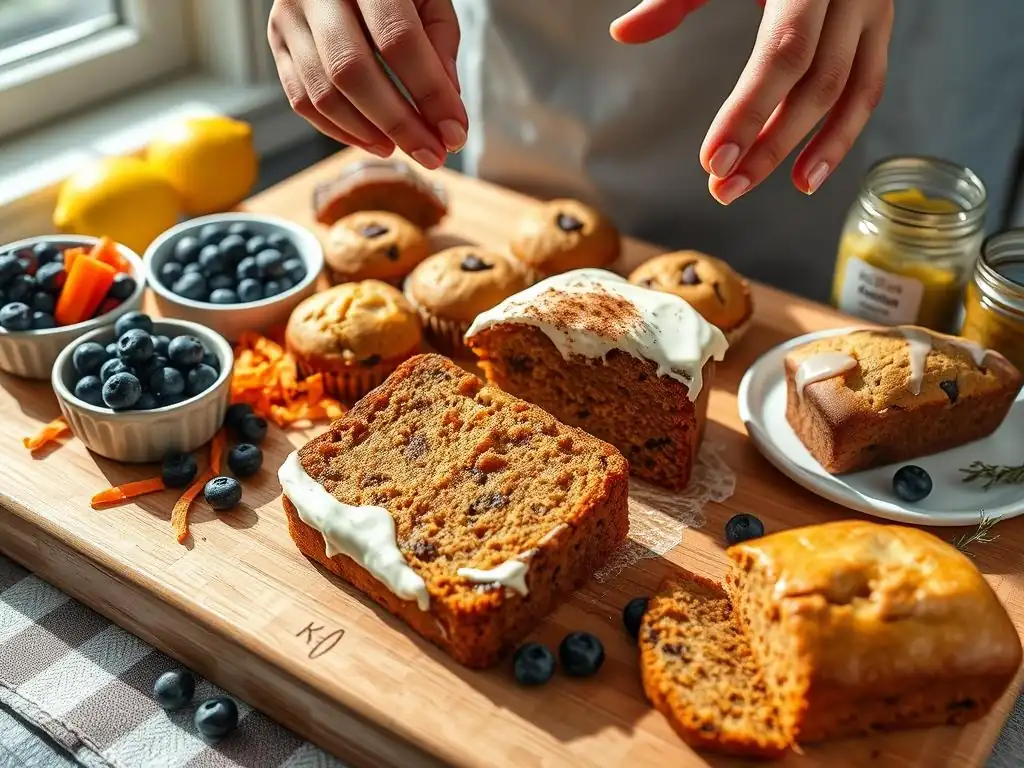
Key Ingredients for Diabetic-Friendly Baking
Successful diabetic-friendly baking hinges on selecting the right ingredients to replace traditional sugar and refined flours. The primary goal is to reduce the glycemic impact of the baked goods. This involves using sweeteners that have minimal effect on blood glucose levels, such as stevia, erythritol, or monk fruit. These alternatives provide sweetness without the rapid spike associated with sucrose or high-fructose corn syrup.
Beyond sweeteners, choosing alternative flours is equally important. Flours like almond flour, coconut flour, and oat fiber offer lower carbohydrate counts and higher fiber content compared to white flour. These changes contribute to baked goods that are not only lower in sugar but also provide more nutrients and help promote stable blood sugar levels. Incorporating healthy fats like butter, coconut oil, or olive oil, and using unsweetened dairy or dairy alternatives also plays a role in creating balanced and delicious diabetic friendly baking recipes.
Sugar Substitutes: A Baker's Guide to Sweetness Without the Spike
Choosing the right sugar substitute is perhaps the most critical step in creating delicious diabetic-friendly baked goods. Unlike traditional sugar, which is a simple carbohydrate that quickly raises blood glucose, sugar substitutes offer sweetness with little to no caloric value or impact on blood sugar. However, they behave differently in baking, affecting texture, moisture, and browning, which requires careful consideration and often some experimentation.
There are various types of sugar substitutes available, each with its own characteristics. Natural options derived from plants, like stevia and monk fruit, are popular, as are sugar alcohols such as erythritol and xylitol. Artificial sweeteners like sucralose and aspartame are also available but less commonly used in baking due to potential taste changes at high temperatures. Understanding the properties of each substitute is key to achieving the desired results in your diabetic friendly baking recipes.
Stevia: Pros, Cons, and Usage in Baking
Stevia is a natural sweetener derived from the leaves of the Stevia rebaudiana plant. It is significantly sweeter than sugar, often 200-350 times sweeter, meaning only a tiny amount is needed. Its primary advantage in diabetic-friendly baking is its zero-calorie count and negligible impact on blood glucose levels, making it an excellent choice for reducing sugar intake without sacrificing sweetness. Stevia is widely available in various forms, including liquid drops, powders, and granulated blends.
However, stevia can sometimes have a slightly bitter or licorice-like aftertaste, particularly when used in high concentrations. This aftertaste is less noticeable when combined with other flavors or used in blends. In baking, stevia does not caramelize or provide the bulk and moisture that sugar does, which can affect the texture and browning of baked goods. Often, recipes using stevia may incorporate other ingredients to compensate for these textural differences, ensuring the final product is moist and has a pleasant structure.
Erythritol: A Gentle Sweetener for Diabetic Baking
Erythritol is a sugar alcohol that occurs naturally in some fruits and fermented foods. It has about 60-70% of the sweetness of sugar but contains almost no calories (about 0.2 calories per gram compared to 4 for sugar) and has a glycemic index of zero. This makes it a very popular choice for diabetic friendly baking recipes as it does not raise blood sugar levels. It is also known for being well-tolerated digestively compared to other sugar alcohols like xylitol or maltitol, though consuming very large amounts can still cause digestive upset in some individuals.
One of the benefits of erythritol in baking is that it provides some bulk, similar to sugar, which can help with the structure of baked goods. However, it does not brown or caramelize like sugar and can sometimes leave a cooling sensation in the mouth. It also tends to recrystallize upon cooling, which can give baked goods a slightly gritty texture. To counteract this, it is often used in powdered form or in combination with other sweeteners like stevia or monk fruit in baking blends.
Monk Fruit: Natural Sweetness and Baking Applications
Monk fruit, also known as Luo Han Guo, is a small round fruit native to Southeast Asia. The extract from monk fruit is incredibly sweet, up to 150-200 times sweeter than sugar, due to compounds called mogrosides. Like stevia, it is a natural sweetener with zero calories and no impact on blood glucose, making it ideal for diabetic-friendly baking. It is available in liquid, powder, and granulated forms, often blended with erythritol to provide bulk and reduce its intense sweetness.
Monk fruit extract generally has a cleaner taste than stevia, with less potential for a bitter aftertaste, though some people detect a slight fruity or distinct flavor. In baking, similar to stevia, it doesn't contribute to browning or texture in the same way as sugar. Recipes using monk fruit blends (typically with erythritol) behave more similarly to sugar than pure extract. These blends can be substituted for sugar in many diabetic friendly baking recipes, though adjustments may be needed for moisture and baking time to achieve optimal results.
Flour Alternatives for Lower Carb Baking
Replacing traditional wheat flour with lower-carbohydrate alternatives is another cornerstone of diabetic-friendly baking. Wheat flour, especially refined white flour, is high in carbohydrates and can cause a significant spike in blood sugar. Alternative flours like almond flour, coconut flour, and oat fiber offer fewer net carbs and often more fiber and protein, which helps to slow down sugar absorption and contributes to better blood sugar control. Each alternative flour has unique properties that affect the texture and outcome of baked goods.
Understanding the absorption rates and binding properties of these flours is essential for successful baking. For instance, coconut flour is highly absorbent and requires significantly more liquid than wheat or almond flour. Almond flour provides moisture and a slightly denser texture. Oat fiber adds fiber but little structural integrity on its own. By learning how to work with these different flours, bakers can create a wide array of delicious and satisfying diabetic friendly baking recipes.
Almond Flour: A Nutty and Nutritious Option
Almond flour is made from ground blanched almonds, offering a fine texture similar to cornmeal. It's a popular choice for diabetic-friendly baking because it is low in carbohydrates and high in healthy fats, protein, and fiber. A typical quarter-cup serving contains about 6 grams of carbs, 3 grams of fiber, and 6 grams of protein, compared to white flour which might have over 20 grams of carbs with minimal fiber and protein in the same amount. Its nutritional profile helps create baked goods that are more filling and have a lower glycemic impact.
In baking, almond flour contributes moisture and a rich flavor. It works well in cakes, cookies, muffins, and bread. However, it doesn't contain gluten, so it won't provide the same elasticity as wheat flour. Recipes often require binders like eggs or psyllium husk to give structure. Because of its fat content, baked goods made with almond flour tend to brown more quickly, sometimes requiring lower baking temperatures or shorter times. Using fine blanched almond flour generally yields better results than coarser almond meal for most diabetic friendly baking recipes.
Coconut Flour: Baking with Tropical Flavor
Coconut flour is made from dried, defatted coconut meat. It is exceptionally high in fiber and very low in digestible carbohydrates, making it an excellent option for low-carb and diabetic-friendly baking. A quarter-cup serving can contain around 10 grams of fiber and only 6 grams of total carbs, with minimal net carbs. It also imparts a subtle, pleasant coconut flavor to baked goods, which pairs well with many fruits and spices.
The most distinctive characteristic of coconut flour is its extreme absorbency. It soaks up a significant amount of liquid, often requiring recipes to use many more eggs or other liquids compared to recipes using other flours. Due to its high fiber content and lack of gluten, it doesn't bind well on its own and typically needs multiple eggs or other binding agents to provide structure.
Because of its absorbency, you use much less coconut flour than other flours in a recipe; attempting a direct 1:1 substitution for wheat or almond flour will result in a very dry, dense product. It's best used in recipes specifically developed for it.
Oat Fiber: Adding Fiber to Diabetic-Friendly Recipes
Oat fiber is not the same as oat flour or ground oats. It is made from the indigestible outer hull of the oat grain, consisting almost entirely of insoluble fiber. This means it has virtually zero calories and zero net carbohydrates, passing through the digestive system largely unchanged. While it doesn't contribute calories or carbs, it also doesn't provide structure or flavor on its own.
Oat fiber is primarily used in diabetic-friendly and low-carb baking to increase the fiber content and add bulk without adding significant carbohydrates. It can help lighten the texture of baked goods made with denser flours like almond or coconut flour. It's often used in combination with other low-carb flours in recipes for bread, muffins, or pancakes.
Due to its lack of binding properties, it must always be used alongside other flours and binders. A tablespoon or two can significantly boost the fiber in a batch of diabetic friendly baking recipes without altering the taste or structure too much, making your treats even healthier.
Irresistible Diabetic-Friendly Baking Recipes: Bake With Ease Approved
Who says you can't enjoy a classic chocolate chip cookie when managing diabetes? Our diabetic-friendly version reinvents this beloved treat using smart ingredient swaps. We replace traditional sugar with a blend of erythritol and stevia for sweetness without the sugar spike, and use almond flour instead of wheat flour to lower the carb count. Adding sugar-free chocolate chips ensures you get that essential burst of chocolatey goodness in every bite. The result is a cookie that's wonderfully chewy on the inside with slightly crispy edges, just like the original, but with a significantly lower impact on blood sugar.
Making these cookies is surprisingly easy. The process involves creaming softened butter with the sugar substitute blend, beating in an egg and vanilla extract, then mixing in the almond flour, baking soda, and salt before folding in the sugar-free chocolate chips. The dough is then portioned and baked until golden. A single cookie might contain roughly 5-7 grams of net carbs compared to 20-25 grams in a standard cookie, making it a much safer indulgence for those monitoring their carbohydrate intake. These diabetic friendly baking recipes prove that comfort food can indeed be health-conscious.
Luscious Diabetic-Friendly Lemon Cake: Zesty and Guilt-Free
Our luscious diabetic-friendly lemon cake is a burst of sunshine in every slice, proving that low-sugar baking can be incredibly flavorful. This recipe utilizes a combination of almond flour and a touch of coconut flour for a tender crumb, while lemon zest and fresh lemon juice provide a vibrant, tangy flavor. We use a powdered erythritol blend for sweetness in the cake batter itself, ensuring a moist and fluffy texture without the need for traditional sugar.
The cake is often finished with a simple, low-sugar lemon glaze made from powdered erythritol and lemon juice, adding an extra layer of zesty sweetness. A typical slice might contain around 8-10 grams of net carbs, depending on the exact recipe and portion size, which is considerably lower than a standard lemon cake slice that could easily have 40-50+ grams of carbs. This cake is perfect for special occasions or simply as a delightful afternoon treat, showcasing the delicious possibilities within diabetic friendly baking recipes.
Delightful Diabetic-Friendly Banana Bread: Moist and Flavorful
Banana bread is a comforting classic, and our diabetic-friendly version retains all the moistness and flavor you love, with careful modifications for blood sugar management. Ripe bananas provide natural sweetness and moisture, allowing us to significantly reduce the amount of added sweetener needed. We supplement the banana's sweetness with a small amount of stevia or monk fruit blend. The recipe uses a base of almond flour, often with a little coconut flour, to lower the carbohydrate load compared to traditional recipes.
Incorporating ingredients like chopped nuts (walnuts or pecans) adds healthy fats and fiber, further helping to stabilize blood sugar and add delightful texture. A slice of this diabetic-friendly banana bread might contain approximately 10-12 grams of net carbs, depending on the size and amount of banana used, making it a much better choice than conventional banana bread which can easily exceed 30-40 grams of carbs per slice. It's a perfect option for a healthy breakfast or a satisfying snack, highlighting how familiar favorites can be adapted into wonderful diabetic friendly baking recipes.
Healthy Diabetic-Friendly Blueberry Muffins: Perfect for Breakfast or a Snack
Start your day right or enjoy a satisfying snack with our healthy diabetic-friendly blueberry muffins. These muffins are packed with juicy blueberries, which provide natural sweetness and antioxidants, while keeping the added sugar substitute to a minimum. We use a blend of almond flour and sometimes a touch of oat fiber to create a light yet moist texture and keep the carb count low. The inclusion of Greek yogurt or unsweetened applesauce helps maintain moisture without adding significant fat or sugar.
These muffins are designed for ease and nutrition. They are quick to mix up and bake, making them ideal for busy schedules. Adding a sprinkle of cinnamon can enhance the flavor and potentially offer some blood sugar benefits. Each muffin typically contains around 7-9 grams of net carbs, a stark contrast to bakery muffins that can contain 40+ grams of carbs and high amounts of sugar. These diabetic friendly baking recipes for muffins are a testament to how simple adjustments can transform everyday treats into healthier options suitable for a diabetic diet.
Tips and Tricks for Successful Diabetic-Friendly Baking
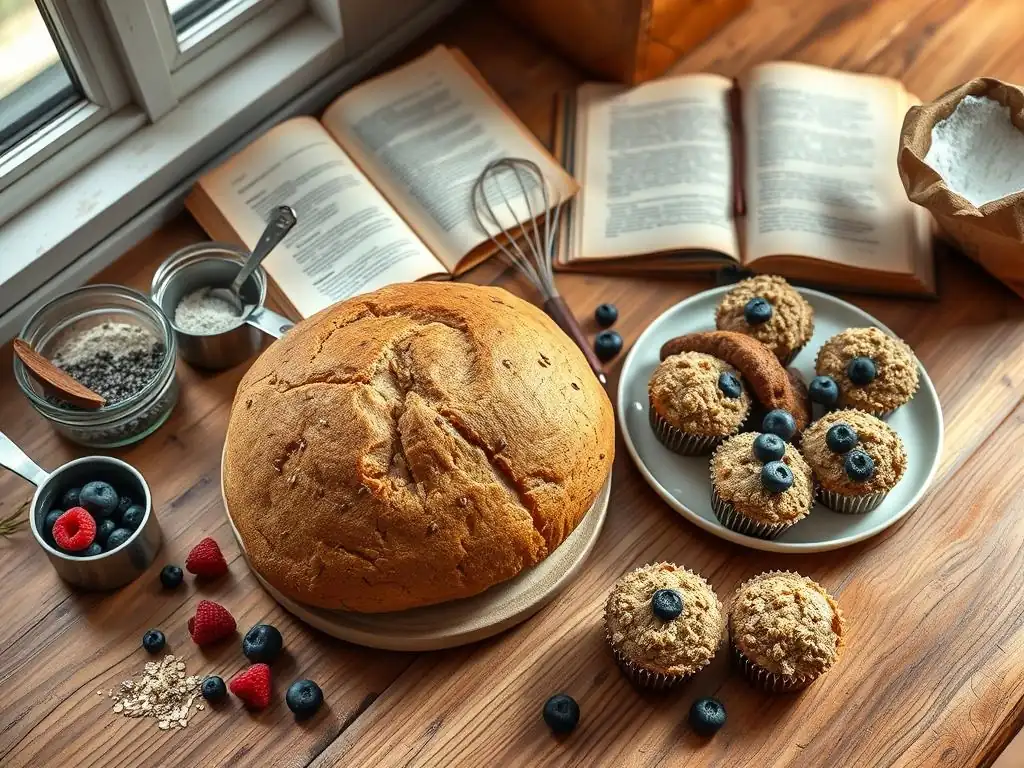
Measuring Ingredients Accurately for Best Results
Accurate measurement is paramount in all baking, but it becomes even more critical in diabetic-friendly baking, especially when working with sugar substitutes and alternative flours. These ingredients behave differently than their traditional counterparts, and even slight variations in quantity can significantly impact the final texture, sweetness, and structure of your baked goods. Using kitchen scales for dry ingredients like flours and sweeteners provides the most accurate measurements, minimizing inconsistencies.
For example, using too much coconut flour can result in an excessively dry and dense product due to its high absorbency, while too little binding agent with almond flour might cause baked goods to crumble. Similarly, overdoing potent sugar substitutes like stevia can introduce unwanted off-flavors. Always level off dry ingredients when using measuring cups and use liquid measuring cups for wet ingredients. Precision ensures that your diabetic friendly baking recipes turn out as intended, delivering delicious results every time.
Adjusting Baking Times and Temperatures for Sugar Substitutes
Sugar plays multiple roles in traditional baking beyond just sweetness; it contributes to moisture, tenderness, and crucially, browning and caramelization. Sugar substitutes, while providing sweetness, often do not brown or caramelize in the same way. This means that baked goods made with substitutes might appear pale even when fully cooked. They can also sometimes cook faster or slower depending on the specific substitute and other ingredients used.
Therefore, when using sugar substitutes in diabetic friendly baking recipes, you may need to make adjustments to baking times and temperatures. Lowering the oven temperature slightly or baking for a longer time at a lower temperature can help ensure the inside is fully cooked without the outside becoming dry or over-baked.
Relying on visual cues like cake testers coming out clean or edges pulling away from the pan is more reliable than color alone. Monitor your baked goods closely, especially the first time you try a new recipe or substitute, and be prepared to adjust based on your oven and the specific recipe.
Controlling Portion Sizes for Diabetic-Friendly Desserts
Even though diabetic-friendly baked goods use low-sugar ingredients and alternative flours, they still contain carbohydrates and calories. Consuming them in moderation and controlling portion sizes remains a vital part of managing blood sugar and overall health. A "diabetic-friendly" label does not mean "eat unlimited quantities." Understanding the carbohydrate count per serving is essential, even if it's significantly lower than traditional versions.
Plan ahead and decide on appropriate portion sizes before you start eating. For example, cutting a low-sugar cake into 12 or 16 smaller slices rather than 8 large ones can make a significant difference in carbohydrate intake per serving. For cookies, stick to one or two instead of several. Using smaller muffin tins or cookie scoops can also help manage portion control during the baking process itself. Enjoying your diabetic friendly baking recipes mindfully and in appropriate amounts allows you to savor the treat while staying within your dietary goals.
Mastering the Art of Diabetic-Friendly Frosting and Glazes
Cream Cheese Frosting: A Low-Sugar Delight
A delicious frosting can elevate a baked good from simple to spectacular, and mastering a low-sugar cream cheese frosting is a staple for diabetic-friendly baking. Traditional cream cheese frosting is made with cream cheese, butter, vanilla, and a large amount of powdered sugar. To make it diabetic-friendly, we replace the powdered sugar with a powdered sugar substitute blend, typically erythritol combined with a small amount of stevia or monk fruit. This substitution provides the necessary sweetness and bulk for a spreadable frosting without the sugar.
The key to a smooth, creamy low-sugar cream cheese frosting is ensuring the cream cheese and butter are softened to room temperature before mixing. Beat the cream cheese and butter together until light and fluffy, then gradually add the powdered sugar substitute and vanilla extract, mixing until smooth. If it's too thick, a tiny splash of unsweetened almond milk or cream can help. This frosting pairs beautifully with low-sugar cakes, muffins, and cupcakes, proving that diabetic friendly baking recipes can be finished with decadent toppings.
Chocolate Ganache: A Rich and Diabetic-Friendly Option
For chocolate lovers, a rich chocolate ganache might seem off-limits, but it can easily be adapted for diabetic-friendly baking. Traditional ganache is made by pouring hot heavy cream over chocolate. To make a low-sugar version, you need high-quality sugar-free chocolate chips or chopped sugar-free chocolate bars. These chocolates are typically sweetened with erythritol, stevia, or maltitol (though maltitol can affect blood sugar in some individuals, so check the label and your personal tolerance).
Heat heavy cream gently on the stovetop or in the microwave until just simmering. Place the sugar-free chocolate in a heatproof bowl and pour the hot cream over it. Let it sit for a few minutes to allow the chocolate to melt, then whisk gently from the center outwards until smooth and glossy.
For a thicker ganache (like for frosting), use a higher ratio of chocolate to cream; for a thinner glaze, use less chocolate. This simple yet elegant ganache is perfect for drizzling over cakes or using as a dip for low-sugar cookies, adding a touch of luxury to your diabetic friendly baking recipes.
Lemon Glaze: A Zesty and Light Topping
A light and zesty lemon glaze is a perfect finishing touch for many diabetic-friendly baked goods, especially muffins, scones, or pound cakes. Traditional glazes are made with powdered sugar and liquid. For a low-sugar version, use a powdered sugar substitute blend (like powdered erythritol/stevia) mixed with fresh lemon juice. The tartness of the lemon juice balances the sweetness of the substitute beautifully.
Simply whisk together the powdered sugar substitute with a small amount of fresh lemon juice until you reach a drizzling consistency. Start with just a tablespoon of liquid and add more drop by drop until it's right. You can also add a little lemon zest for extra flavor. This glaze hardens slightly as it sets, providing a lovely sweet-tart coating. It's a simple yet effective way to add flavor and moisture without adding significant carbohydrates, making it a great companion for many diabetic friendly baking recipes.
Frequently Asked Questions About Diabetic-Friendly Baking

Is Diabetic-Friendly Baking Really Possible?
Absolutely! Diabetic-friendly baking is not only possible but also a delicious and rewarding way to enjoy baked goods while managing blood sugar. The core principle is to replace ingredients that rapidly raise blood glucose, primarily refined sugar and white flour, with alternatives that have a lower glycemic impact. Sugar substitutes like stevia, erythritol, and monk fruit provide sweetness without the sugar spike, and low-carb flours such as almond flour and coconut flour significantly reduce the carbohydrate content.
Successful diabetic-friendly baking requires understanding how these alternative ingredients function and often adapting traditional baking techniques. Recipes are specifically developed or modified to account for differences in texture, moisture, and browning. With the wide availability of suitable ingredients and a wealth of resources and recipes, creating delicious, low-sugar baked goods that fit into a diabetic meal plan is entirely achievable and enjoyable.
What are the Best Sugar Substitutes for Baking?
The "best" sugar substitute often depends on personal preference regarding taste, the specific recipe, and how your body reacts to different types. However, for baking, sugar alcohols like erythritol and natural sweeteners like stevia and monk fruit are among the most popular choices due to their minimal impact on blood sugar and good baking properties.
Erythritol is favored for its bulk and texture contribution, though it doesn't caramelize and can have a cooling effect. Stevia and monk fruit are much sweeter than sugar and have zero calories, but are often used in blends with erythritol to provide volume and mitigate potential aftertastes. It's often recommended to use baking blends that combine different types of sugar substitutes, as they are formulated to mimic the properties of sugar more closely in baked goods. Experimenting with different types and blends in your diabetic friendly baking recipes will help you find your favorites.
Can I Use Regular Flour in Diabetic-Friendly Recipes?
Generally, regular wheat flour (all-purpose, white, or whole wheat) is not the primary choice for diabetic-friendly baking recipes because it is high in carbohydrates and can cause a significant rise in blood sugar levels. While whole wheat flour has more fiber than white flour, it still contains a substantial amount of carbohydrates.
Diabetic-friendly baking focuses on using flours with lower net carbohydrate counts and higher fiber or protein content, such as almond flour, coconut flour, or blends of low-carb flours. These alternatives help to create baked goods that have a gentler impact on blood glucose. In some very specific instances, a small amount of whole wheat flour might be used in combination with low-carb flours in a recipe, but it's not the standard approach for truly low-sugar, low-carb diabetic-friendly baked goods.
How Can I Make My Favorite Recipes Diabetic-Friendly?
Converting a traditional recipe into a diabetic-friendly version involves strategic ingredient substitutions. The main changes will focus on replacing sugar and flour. Start by replacing the sugar with an equivalent amount (by sweetness, which requires consulting conversion charts for your chosen substitute) of a sugar substitute or blend suitable for baking, like erythritol, stevia blend, or monk fruit blend. Be mindful that substitutes don't provide the same moisture or structure as sugar, so you might need slight adjustments to liquid or fat.
Next, replace the wheat flour with a low-carb alternative like almond flour or coconut flour. This is often not a 1:1 substitution; almond flour might replace wheat flour at a 1:1 or 1:1.25 ratio by volume, while coconut flour requires significantly less (often 1/4 to 1/3 the amount of wheat flour) and needs more liquid and eggs. You may also need to adjust leavening agents (baking soda/powder) and potentially add binders like xanthan gum. It takes some experimentation, but with practice, you can adapt many of your favorite treats into delicious diabetic friendly baking recipes.
Conclusion: Enjoy Delicious Baking Without Compromise with BakeWithEase
Embracing a Healthier Lifestyle Through Baking
Embracing diabetic-friendly baking is a powerful step towards integrating healthier habits into your lifestyle without feeling deprived of the simple pleasures of sweet treats. It encourages a deeper understanding of ingredients and their impact on the body, empowering you to make informed choices about what you eat. By learning to use alternative sweeteners and flours, you gain the ability to create delicious desserts that support your health goals, rather than working against them.
This approach to baking is not just about restriction; it's about innovation and discovering new, flavorful ways to enjoy food. It allows you to participate in celebrations, enjoy a comforting snack, or simply indulge your sweet tooth while maintaining stable blood sugar levels. Incorporating diabetic friendly baking recipes into your routine demonstrates that managing diabetes can coexist with enjoying a rich and varied diet, making your healthy lifestyle sustainable and enjoyable in the long run.
Explore More Diabetic-Friendly Recipes on BakeWithEase.com.
BakeWithEase is dedicated to providing you with the resources and inspiration you need to succeed in your diabetic-friendly baking journey. Our website features a growing collection of tested and approved diabetic friendly baking recipes, ranging from everyday snacks to special occasion desserts. Each recipe comes with clear instructions and tips specifically tailored to low-sugar baking, making it easy for bakers of all skill levels to get started.
We cover a wide variety of baked goods, ensuring you'll find something to satisfy any craving, from cookies and cakes to muffins and quick breads. Our goal is to demystify diabetic-friendly baking and show you just how delicious and rewarding it can be. Visit BakeWithEase.com to explore our full range of diabetic friendly baking recipes, learn more about ingredient substitutions, and join a community that celebrates the joy of baking healthily. Start baking today and discover a world of guilt-free sweetness!
Frequently Asked Questions
What makes a baking recipe "diabetic-friendly"?
Diabetic-friendly recipes are designed to minimize the impact on blood sugar levels. This often involves using sugar substitutes, whole grains, and focusing on portion control.
Are sugar substitutes like Stevia or Erythritol safe for diabetics to use in baking?
While generally considered safe, it's essential to use sugar substitutes in moderation. They should be incorporated thoughtfully within a balanced diabetic meal plan, as advised by a healthcare professional.
Yes! With diabetic-friendly baking, you can enjoy treats. The key is to use alternative ingredients and control portion sizes to manage blood sugar levels effectively.
What are some common ingredients used in diabetic-friendly baking?
Common ingredients include almond flour, oat flour, unsweetened applesauce, and sugar-free sweeteners. These help reduce carbohydrates and sugar content in recipes.
Where can I find reliable and easy-to-follow diabetic-friendly baking recipes?
Websites like BakeWithEase.com offer step-by-step guides and recipes specifically designed for diabetic bakers. Look for recipes with clear nutritional information and easy-to-find ingredients.
Final Reflection: Sweet Successes, Sweet Futures
The quest for delicious, diabetic-friendly baking is not a compromise; it's a revolution. We've shown that managing blood sugar doesn't mean sacrificing the joy of indulging in homemade treats. The recipes explored throughout this article prove that with careful ingredient choices and creative substitutions, anyone can enjoy the comforting sweetness of baked goods while prioritizing their health.
This journey into the world of diabetic-friendly baking has been a deeply personal one, highlighting the importance of finding balance and joy in food. The best way to find yourself is to lose yourself in the service of others.
While this quote might not directly relate to baking, it speaks to the heart of this article's purpose: to empower individuals to take control of their health and share the joy of baking with loved ones, regardless of dietary restrictions. The impact of this type of mindful cooking extends far beyond the individual, fostering a culture of inclusivity and understanding around dietary needs.
Now, it's your turn. Don't let the fear of diabetes limit your culinary creativity. Experiment with the recipes provided, adapt them to your tastes, and most importantly, share your sweet successes with others. Embrace the challenge of creating delicious and healthy treats, and remember that every bite can be a step towards a healthier, happier you. The journey to delicious and diabetic-friendly baking is a continuous one, filled with discovery and delight. Let's bake a brighter future, together.
Unlock Your Sweetest Baking Adventures!
Thanks for joining us on this delicious journey into diabetic-friendly baking! We hope you discovered some incredible recipes and new possibilities for satisfying your sweet tooth without compromise. Now, let's take this further:
- Bake your favorite recipe today! Grab your ingredients and try one of the recipes you found most inspiring. It's time to experience the joy of delicious, healthy baking.
- Share your baking creations! Post a picture on social media and tag #BakeWithEase – let's inspire each other!
- Explore our other diabetic-friendly recipe collections on BakeWithEase.com for even more delicious inspiration.
What’s your favorite ingredient to incorporate into diabetic-friendly baked goods, and what will you bake first?