
Bake Perfect Crumpets: The Secret to Those Signature Holes

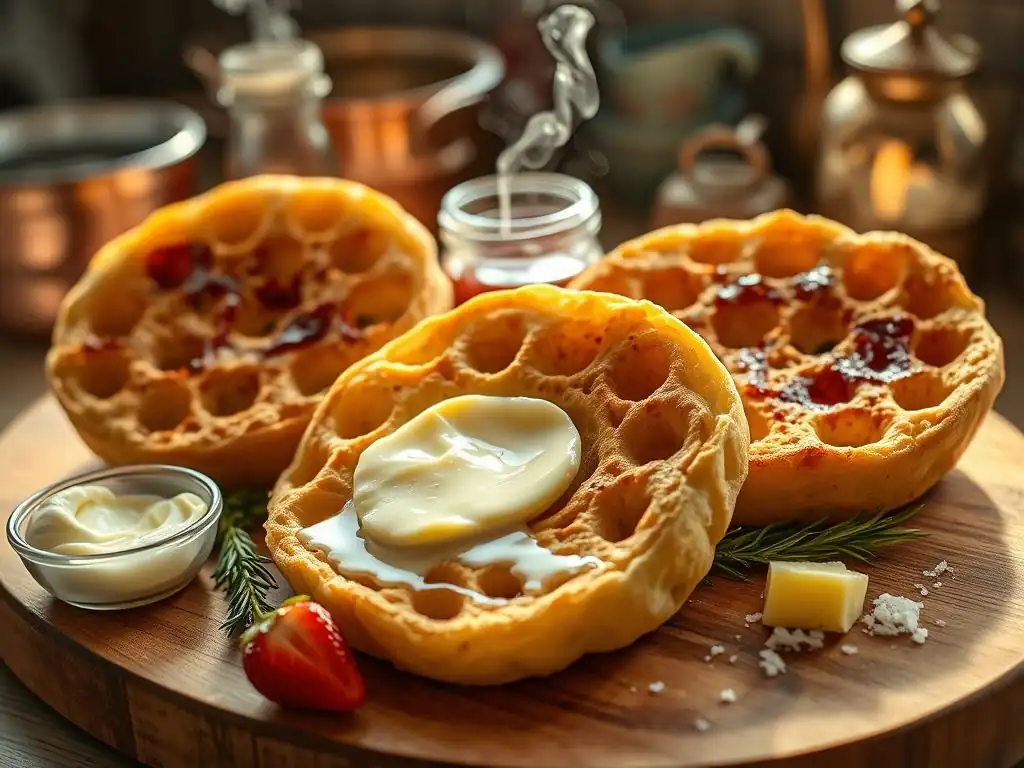
Welcome to BakeWithEase, your guide to baking bliss! Ever dreamt of crafting those perfect crumpets with the signature holes that make them so irresistibly light and airy? Discover the secrets to achieving this baking marvel in our step-by-step guide. Get ready to unlock the secrets to crumpet perfection and elevate your bread baking game!
- Bake Perfect Sourdough Crumpets: The Secret to Those Signature Holes
- Introduction to Sourdough Crumpet Baking: Achieving the Perfect Texture & Holes
- The Key to Sourdough Crumpet Success: Ingredients and Equipment
- Step-by-Step Guide: Mastering the Sourdough Crumpet Recipe
- Tips and Tricks for Superior Sourdough Crumpets
- Serving Suggestions: Enjoying Your Homemade Sourdough Crumpets
- Conclusion: Celebrate Your Sourdough Crumpet Baking Success
- Frequently Asked Questions
- Final Reflection: The Enduring Allure of the Perfect Crumpet
- Unlock Your Inner Crumpet Master!
Bake Perfect Sourdough Crumpets: The Secret to Those Signature Holes
Introduction to Sourdough Crumpet Baking: Achieving the Perfect Texture & Holes
Making perfect crumpets at home might seem daunting, but with a little patience and the magic of sourdough, you can achieve those iconic airy textures and signature holes that are the hallmark of truly great crumpets. Unlike traditional crumpets that rely on commercial yeast and sometimes baking soda for lift, sourdough crumpets offer a unique depth of flavor thanks to the natural fermentation process. This guide will walk you through everything you need to know, from understanding the ingredients to troubleshooting common issues, helping you bake perfect sourdough crumpets right in your own kitchen.
The journey to baking perfect sourdough crumpets begins with understanding the process. It’s a blend of science and art, requiring attention to detail but rewarding you with a delicious result. The natural leavening power of your sourdough starter is key to developing both the flavor profile and the characteristic airy structure that defines these delightful treats. We’ll explore how to harness this power effectively to ensure your crumpets rise beautifully and develop those sought-after signature holes, making every bite a delightful experience.
What Makes a Sourdough Crumpet Unique? Defining Characteristics
Sourdough crumpets stand out from their commercially yeasted counterparts primarily due to their complex flavor profile and slightly chewier texture. The slow fermentation process involving wild yeasts and bacteria imparts a subtle tanginess that complements sweet or savory toppings beautifully. This depth of flavor simply cannot be replicated with instant yeast alone, offering a more sophisticated taste experience.
Furthermore, the fermentation action of the sourdough starter contributes significantly to the unique open structure of the crumpet. As the starter consumes sugars in the flour, it produces carbon dioxide gas. This gas gets trapped within the batter, creating bubbles that rise to the surface during cooking. When cooked correctly, these bubbles burst, leaving behind the distinctive network of holes that are essential for soaking up butter and other toppings. Achieving these signature holes is a key goal when baking perfect sourdough crumpets.
The Allure of Homemade Sourdough Crumpets: Why Bake Them Yourself?
Baking sourdough crumpets at home offers several compelling advantages over buying them from a store. Firstly, you have complete control over the quality of ingredients, opting for organic flours or specific types that enhance flavor and texture. This allows you to tailor the crumpets to your personal preferences, whether you prefer a tangier note or a milder taste.
Beyond ingredient control, the satisfaction of creating these delightful treats from scratch is immense. There’s a unique joy in watching the batter transform into bubbly, golden crumpets on your griddle. Plus, homemade crumpets are typically fresher and more flavorful than packaged versions, offering a superior eating experience. Mastering the signature holes recipe at home guarantees the freshest, most delicious perfect crumpets possible.
The Key to Sourdough Crumpet Success: Ingredients and Equipment
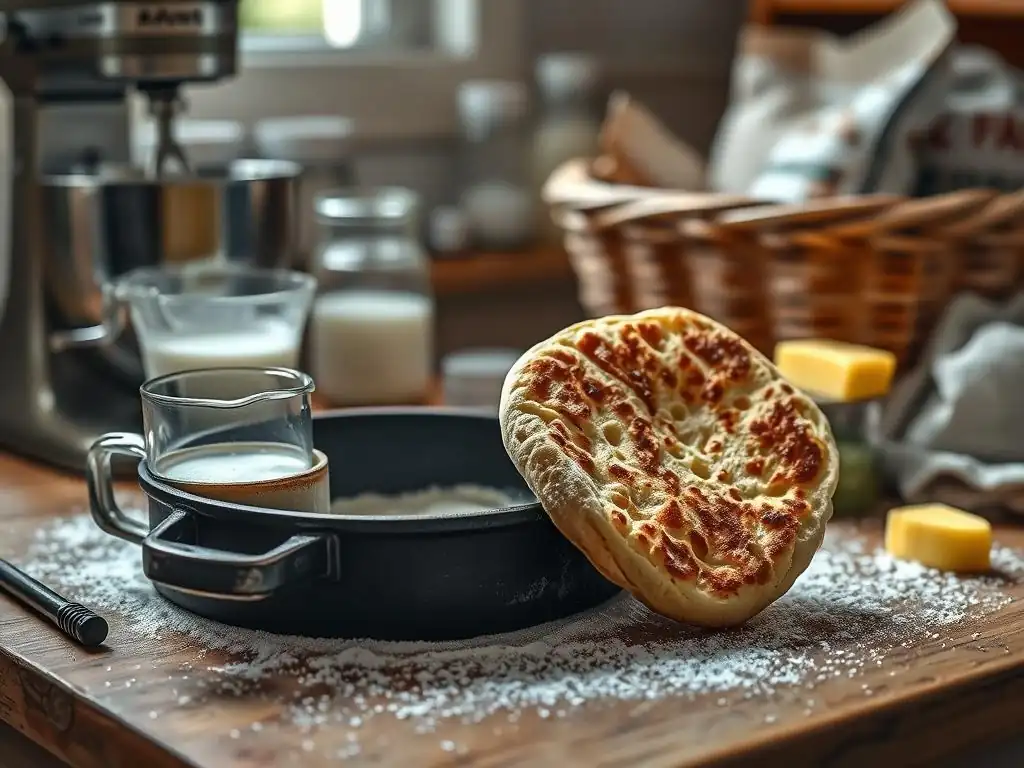
Achieving perfect crumpets with those desirable signature holes relies heavily on selecting the right ingredients and using the appropriate tools. Each component plays a vital role in the batter's structure, fermentation, and cooking process. Understanding how they interact is crucial for consistent results.
From the type of flour you choose to the consistency of your batter, every detail matters. Using a lively sourdough starter is paramount, as it is the engine driving the leavening process and creating the internal structure. High-quality ingredients contribute not only to flavor but also to the overall performance of the dough.
Essential Ingredients for Authentic Sourdough Crumpets
Crafting perfect sourdough crumpets requires a few basic yet essential ingredients. The quality and proper handling of these components are fundamental to developing the correct batter consistency and ensuring effective fermentation, which in turn leads to those sought-after signature holes. Let's break down each ingredient's specific role.
Using the right proportions and types of these ingredients is key to executing the signature holes recipe successfully. Slight variations in hydration or starter activity can significantly impact the final outcome, so paying close attention to the details outlined below will help you achieve consistently perfect crumpets.
Flour: The Foundation of Your Sourdough Crumpets
For crumpets, a medium-protein flour, such as plain or all-purpose flour, is typically recommended. While strong bread flour can be used, it might result in a chewier crumpet due to higher gluten development. A protein content around 10-12% is ideal for providing enough structure to hold the bubbles created by the sourdough starter without making the crumpets tough.
Some recipes might call for a small amount of higher-protein flour or even a touch of whole wheat for added flavor and texture. However, for classic, airy perfect crumpets with prominent signature holes, sticking to a standard all-purpose flour is a reliable approach. Ensure your flour is fresh and stored properly to maintain its quality.
Liquid: Achieving the Right Sourdough Crumpet Batter Consistency
The primary liquid in crumpet batter is usually milk, though water or a mix can be used. Milk adds richness and helps with browning. The amount of liquid is critical for achieving the correct batter consistency – it should be thick enough to hold its shape in the rings but liquid enough for the gas bubbles to travel up and create holes. Think of a thick pancake batter or a very loose cake batter.
The temperature of the liquid can also influence the starter's activity; lukewarm milk (around 80-90°F or 25-32°C) can help wake up a sleepy starter, but avoid hot liquids which can kill the yeast. The exact amount of liquid will depend on the absorption rate of your flour and the hydration of your sourdough starter.
Sourdough Starter: The Heart of the Flavor and Holes
A vibrant, active sourdough starter is perhaps the most crucial ingredient for baking perfect crumpets with signature holes. The starter provides the leavening power, producing carbon dioxide gas that creates the characteristic bubbles and open texture. It also contributes the unique tangy flavor profile that distinguishes sourdough crumpets.
Ensure your starter is active and bubbly, ideally fed within the last 4-12 hours and showing signs of peak activity (doubled in size, lots of bubbles). A sluggish starter will result in flat, dense crumpets with few or no holes. Using a starter at its peak ensures maximum lift and the best chance for achieving those perfect signature holes.
Salt: Enhancing Flavor and Controlling Fermentation
Salt plays two key roles in crumpet batter: enhancing flavor and regulating the fermentation rate. A small amount of salt brings out the natural sweetness of the flour and balances the tanginess from the sourdough. Without salt, the crumpets can taste bland.
Salt also helps control the activity of the sourdough starter, preventing it from fermenting too quickly or producing excessive acidity. It strengthens the gluten network slightly, helping the batter hold the trapped gases more effectively before they burst at the surface during cooking. Typically, about 1-1.5% salt relative to the flour weight is sufficient.
Necessary Equipment for Crumpet Perfection
Having the right tools makes the process of baking perfect sourdough crumpets significantly easier and helps ensure consistent results, particularly when aiming for those uniform signature holes. While some improvisation is possible, certain pieces of equipment are highly recommended for achieving the best outcome.
From shaping the crumpets to cooking them evenly, each piece of equipment serves a specific purpose in the signature holes recipe. Investing in or sourcing these items will streamline your baking process and help you produce crumpets that look and taste just like they should – light, airy, and full of holes.
Crumpet Rings: Choosing the Right Size and Material
Crumpet rings are essential for shaping the batter as it cooks, preventing it from spreading out like a pancake and forcing it to rise vertically, which encourages the development of those signature holes. They are typically metal or silicone, ranging in diameter from about 3 to 4 inches (7.5 to 10 cm). Metal rings should be greased thoroughly to prevent sticking, while silicone rings are naturally non-stick.
The height of the ring also matters; taller rings (around 1 inch or 2.5 cm) help create thicker crumpets. Using rings of the same size ensures uniform cooking times and consistently sized perfect crumpets. Make sure your rings are placed on a flat, level cooking surface.
Non-Stick Pan or Griddle: Ensuring Even Cooking
A good quality non-stick frying pan or a flat griddle is crucial for cooking crumpets evenly without them sticking. Cast iron skillets or griddles can also work well, but require thorough seasoning and sufficient greasing. The key is a surface that heats evenly and maintains a consistent temperature.
Using a pan with a thick base helps distribute heat more uniformly, preventing hot spots that can lead to unevenly cooked or burnt crumpets. A large enough surface area allows you to cook multiple crumpets at once, speeding up the process. Ensure the pan is properly preheated before adding the batter.
Spatula: For Easy Crumpet Release
A thin, flexible spatula is indispensable for carefully releasing the cooked crumpets from the pan and the rings without deflating them or damaging their delicate structure. A metal spatula with a thin edge works well for getting under the crumpet, while a heat-resistant silicone spatula can be useful for greasing rings and handling the batter.
Having a second spatula or a pair of tongs can be helpful for flipping the crumpets once the rings are removed. Gentle handling is key throughout the cooking process to preserve the airy texture and the integrity of the signature holes.
Step-by-Step Guide: Mastering the Sourdough Crumpet Recipe
Now that you understand the ingredients and equipment, let's dive into the process of making perfect sourdough crumpets. Following these steps carefully will guide you from a bubbly starter to a stack of delicious, holey crumpets ready for butter.
This detailed walkthrough covers everything from activating your starter to troubleshooting common issues, ensuring you have the knowledge to bake perfect crumpets consistently. Pay attention to the timings and visual cues throughout the process for the best results with your signature holes recipe.
Preparing the Sourdough Crumpet Batter: A Detailed Walkthrough
Creating the perfect crumpet batter is the foundation for success. It needs to be the right consistency, properly fermented, and full of life from your active sourdough starter. This stage involves careful mixing and patience during the bulk fermentation period.
The goal is a smooth, slightly thick batter that is aerated by the starter's activity. Overmixing can develop too much gluten, resulting in a tougher crumpet, while undermixing might leave lumps. Getting the consistency right is crucial for the batter to flow correctly in the rings and develop those characteristic signature holes.
Activating the Sourdough Starter: The First Step
Before you begin mixing the batter, ensure your sourdough starter is active and ready. This usually means feeding it 4-12 hours beforehand with its regular ratio of flour and water (e.g., 1:1:1 or 1:2:2 starter:water:flour by weight) and letting it rise until it's bubbly and has roughly doubled in size. You should see many small bubbles throughout and on the surface.
A simple float test can confirm if your starter is ready: drop a small spoonful into a glass of water; if it floats, it's active enough for baking. If it sinks, it needs more time or perhaps another feeding to become vigorous enough to create perfect crumpets with prominent signature holes.
Combining Wet and Dry Ingredients: Achieving the Ideal Consistency
In a large bowl, whisk together the dry ingredients: flour and salt. In a separate bowl, combine the lukewarm milk (or liquid) and your active sourdough starter, whisking until the starter is mostly dissolved. Gradually pour the wet ingredients into the dry ingredients, whisking gently until just combined. Avoid overmixing; a few small lumps are acceptable at this stage.
The batter should be smooth but relatively thick, somewhere between a pancake batter and a cake batter. If it seems too thick, you can add a tiny splash more milk; if too thin, a tablespoon of flour. The consistency is key for the batter to fill the rings properly and allow the bubbles to rise effectively during cooking, forming the signature holes.
The Importance of Bulk Fermentation for Sourdough Crumpets
Once mixed, the batter needs a period of bulk fermentation at room temperature. This allows the sourdough starter to work its magic, developing flavor and creating carbon dioxide gas. The duration of this fermentation varies depending on room temperature and starter activity, but typically ranges from 2 to 4 hours.
During fermentation, the batter will become visibly bubbly and may increase slightly in volume. You should see significant activity on the surface, indicating that the starter is producing gas. This step is crucial for developing the airy texture and ensuring you get plenty of signature holes when you cook the perfect crumpets.
Cooking Your Crumpets: Achieving Golden Perfection
Cooking is where the magic happens, transforming the bubbly batter into those iconic, holey perfect crumpets. This stage requires patience and attention to heat control to ensure they cook through without burning and develop those beautiful signature holes on top.
The process involves heating the pan, preparing the rings, pouring the batter, and cooking until the surface is set and full of holes. Getting the temperature just right is critical; too hot and the bottom burns before the top sets, too cool and they won't develop enough holes.
Heating the Pan and Preparing the Rings
Place your non-stick pan or griddle over medium heat. You want it hot enough to start cooking the batter immediately but not so hot that the bottom burns quickly. A temperature between 320°F and 350°F (160°C to 180°C) is a good target if you have a temperature-controlled griddle. While the pan heats, lightly grease the inside of your crumpet rings with butter or oil. This prevents the batter from sticking as it rises and sets.
Place the greased rings onto the hot pan. Allow the rings to heat up for about 30 seconds to a minute before adding the batter. This helps the batter set quickly against the ring, maintaining the crumpet's shape and aiding in vertical rise.
Pouring the Batter: The Art of Even Distribution
Once the pan and rings are hot, gently ladle or pour the crumpet batter into each ring, filling them about two-thirds to three-quarters full. Be careful not to overfill, as the batter will expand slightly. Pouring gently helps avoid collapsing any bubbles that have formed during fermentation.
Distribute the batter as evenly as possible within each ring. The thickness of the batter will determine how easily it spreads. Don't be tempted to poke or spread the batter with a spoon, as this can damage the delicate structure forming and hinder the development of those perfect signature holes.
Cooking Time and Temperature: Finding the Sweet Spot
Cook the crumpets on the first side for approximately 3 to 5 minutes. Maintain a consistent medium heat. You'll know they're ready to flip when the surface is covered in bubbles that burst and leave behind the signature holes, and the edges appear set and dry. The top should look almost completely set, with only a little wet batter remaining in the center.
If the bottoms are browning too quickly while the tops are still very wet, reduce the heat slightly. If the tops are setting but few holes are forming, your heat might be too low, or your starter wasn't active enough. Once the top is set and full of holes, carefully remove the rings.
Identifying the Signature Crumpet Holes: A Visual Guide
The defining feature of perfect crumpets is the network of small and large holes on the surface. As the crumpet cooks, the gas bubbles produced by the sourdough starter rise to the surface. When they reach the hot air above, they pop, leaving behind these characteristic openings.
You should see a multitude of bubbles forming and bursting across the entire top surface of the crumpet during the first side of cooking. The pattern and size of the holes can vary slightly, but a good crumpet will have a significant number of visible holes. This is your visual cue that the fermentation and cooking process have worked together to create the desired texture.
Troubleshooting Common Sourdough Crumpet Baking Problems
Even with a great signature holes recipe, sometimes things don't go exactly as planned. Understanding common issues and how to fix them is part of mastering perfect crumpets. Don't be discouraged by early attempts that aren't perfect; baking is a learning process.
Here are some frequent problems bakers encounter with sourdough crumpets and practical solutions to help you achieve consistently good results.
Why Aren't My Sourdough Crumpets Getting Holes?
Lack of holes is a common issue and is usually related to the activity of your sourdough starter or the batter consistency.
- Inactive Starter: The most likely culprit is a sluggish starter that isn't producing enough gas. Ensure your starter is active, bubbly, and recently fed before using it. Try feeding it a few times leading up to baking day to boost its vigor.
- Batter Consistency: If the batter is too thick, the gas bubbles may not be able to rise easily to the surface. If it's too thin, the bubbles might pop prematurely or the structure might collapse. Aim for a consistency like thick pancake batter.
- Fermentation Time: Not allowing sufficient bulk fermentation time can mean the starter hasn't had enough time to produce gas. Ensure the batter ferments until visibly bubbly, typically 2-4 hours at room temperature.
- Pan Temperature: If the pan isn't hot enough, the batter may not set quickly enough, and the bubbles might not form or burst properly. Cook on medium heat.
Sourdough Crumpets Sticking to the Pan: Solutions and Prevention
Sticking is frustrating and can ruin the shape and texture of your perfect crumpets.
- Insufficient Greasing: Make sure your crumpet rings are thoroughly greased on the inside before placing them in the pan. Butter or oil works well.
- Pan Seasoning/Non-Stick: Ensure your pan or griddle is truly non-stick or properly seasoned (for cast iron). A well-seasoned cast iron pan requires a thin layer of oil before each use.
- Removing Rings Too Early: Don't attempt to remove the rings until the batter has set sufficiently around the edges, usually when the top is almost completely set.
- Heat Too High: Excessive heat can cause the batter to cook and stick too quickly before it has a chance to release naturally from the ring edges. Cook on medium heat.
Sourdough Crumpets Cooking Unevenly: Achieving Uniform Color
Uneven browning or cooking is often a heat distribution issue.
- Uneven Pan Heating: Some pans have hot spots. Try rotating the crumpet rings partway through cooking, or ensure you're using a pan with a thick, even base that distributes heat well.
- Heat Source: If cooking on a stove, ensure the burner is heating the pan evenly. On a griddle, check for consistent temperature across the surface.
- Flipping Too Soon/Late: While the first side is all about developing holes, the second side is for finishing the cook and achieving a golden brown color. Flip only after the top is set and full of holes, and cook for just a minute or two on the other side to toast lightly. Overcooking the second side can make them tough.
Tips and Tricks for Superior Sourdough Crumpets
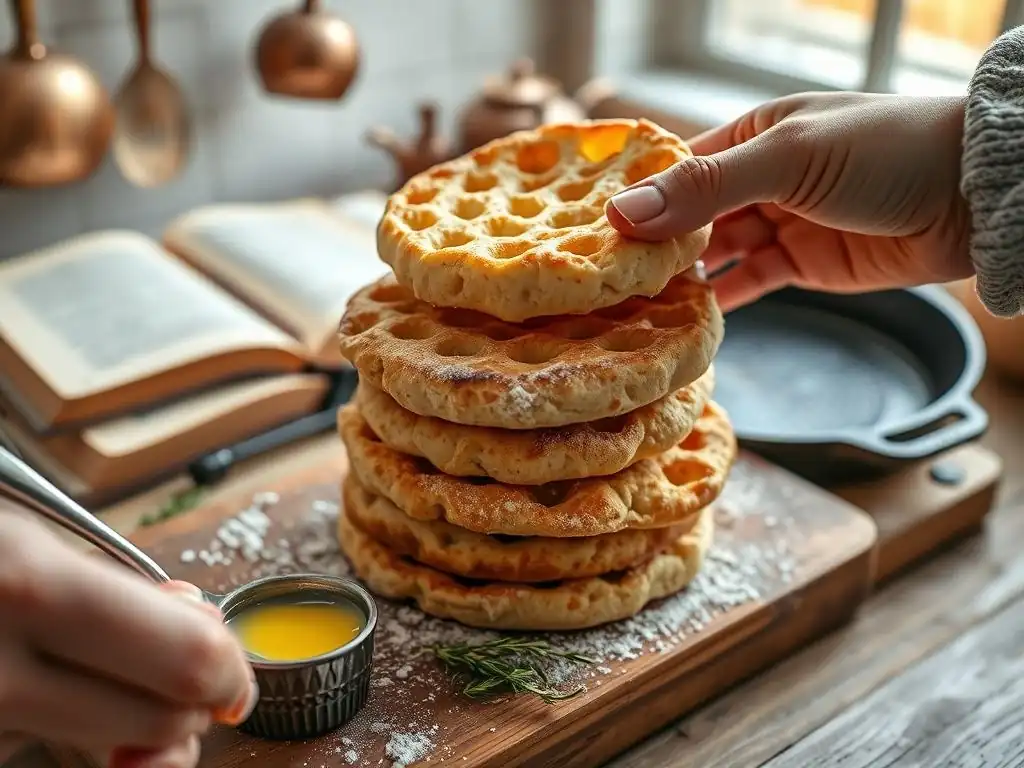
Beyond the basic recipe, a few extra tips can elevate your sourdough crumpet game, resulting in even fluffier textures, enhanced flavors, and perfect presentation. These pro secrets can help you consistently bake perfect crumpets.
Experimenting with ingredients and techniques is part of the fun. These suggestions can help you fine-tune your signature holes recipe and achieve truly superior results that will impress everyone.
Achieving Extra Fluffy Sourdough Crumpets: Pro Baking Secrets
For crumpets that are exceptionally light and airy, consider these techniques:
- Warming the Liquid: Using lukewarm milk (around 80-90°F / 25-32°C) can give your sourdough starter a gentle boost, encouraging more vigorous activity and greater gas production, leading to fluffier results and more prominent signature holes.
- Longer Fermentation (within limits): While 2-4 hours is typical, a slightly longer fermentation time (e.g., 5-6 hours in a cooler kitchen) can sometimes lead to a lighter texture, provided your starter is strong and the batter doesn't over-ferment and collapse. Observe the batter for maximum bubbliness.
- Gentle Handling: Avoid vigorous whisking or stirring after the initial mix. Treat the batter gently during fermentation and when pouring into rings to preserve the delicate air bubbles created by the starter.
Enhancing Sourdough Crumpet Flavor: Variations and Additions [e.g., Whole Wheat Flour, Seeds]
While classic perfect crumpets are delicious, you can easily add complexity to the flavor profile:
- Partial Whole Wheat: Replace 10-20% of the all-purpose flour with whole wheat flour. This adds a nutty depth of flavor and increases fiber. Be aware that whole wheat absorbs more liquid, so you might need a tiny splash more milk to maintain the correct batter consistency for your signature holes recipe.
- Buttermilk: Using buttermilk instead of regular milk adds a pleasant tanginess that complements the sourdough flavor. The acidity in buttermilk can also react slightly with the batter, potentially aiding in leavening, though the starter does most of the work.
- Seeds: Incorporate a tablespoon or two of small seeds like poppy seeds, chia seeds, or sesame seeds into the batter. They add texture and a subtle flavor dimension. Ensure they are evenly distributed.
Storing and Reheating Sourdough Crumpets: Maintaining Freshness
Perfect crumpets are best enjoyed fresh off the griddle, but they store well too:
- Storage: Once completely cooled, store crumpets in an airtight container or a resealable bag at room temperature for 2-3 days. For longer storage, they can be frozen for up to 2-3 months. Stack them with parchment paper in between to prevent sticking.
- Reheating: The best way to reheat crumpets is by toasting them. A toaster oven or a regular toaster works perfectly, restoring their crisp exterior and soft interior. From frozen, you can often toast them directly, though they may need a slightly longer cycle. Avoid microwaving, which can make them rubbery and lose their texture.
Serving Suggestions: Enjoying Your Homemade Sourdough Crumpets
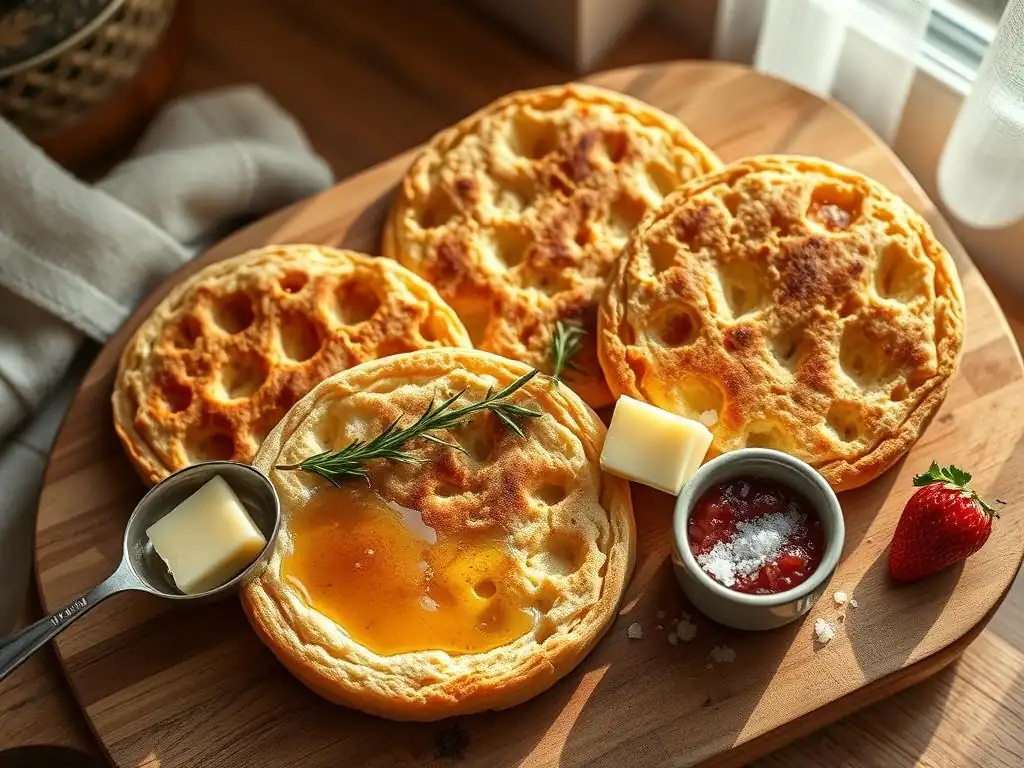
You've successfully baked perfect sourdough crumpets with beautiful signature holes! Now comes the best part: enjoying them. Their unique texture and slightly tangy flavor make them incredibly versatile, pairing well with a wide range of toppings.
Whether you prefer traditional pairings or adventurous flavor combinations, the open structure of the crumpet is designed to soak up deliciousness. Get ready to slather, drizzle, and pile your favorite toppings onto your warm, holey creations.
Classic Crumpet Toppings: Butter, Honey, and More
Sometimes, the simplest toppings are the best, allowing the flavor and texture of the perfect crumpets to shine.
- Butter: This is non-negotiable. A generous amount of butter melting into the signature holes is pure bliss. Salted butter is particularly good as it contrasts with the slight tang of the crumpet.
- Butter and Honey/Maple Syrup: A classic sweet combination. The stickiness of the honey or syrup permeates the crumpet's porous surface, creating a wonderfully moist and flavorful bite.
- Jam or Preserves: Fruit jams add sweetness and a touch of acidity. Strawberry, raspberry, or apricot preserves are popular choices.
- Marmite or Vegemite: For those who enjoy savory, salty spreads, these are iconic British pairings that sink perfectly into the holes.
Creative Crumpet Topping Ideas: From Savory to Sweet [e.g., Avocado, Smoked Salmon]
Don't be afraid to get creative! Sourdough crumpets can serve as a fantastic base for more elaborate toppings, turning them into a light meal or a gourmet snack.
- Avocado and Chili Flakes: Mash ripe avocado with a squeeze of lime or lemon juice, spread on warm crumpets, and sprinkle with chili flakes for a simple, healthy, and flavorful option.
- Smoked Salmon and Cream Cheese: A sophisticated pairing. Spread cream cheese on the crumpet, top with slices of smoked salmon, and garnish with dill or capers.
- Poached Egg and Hollandaise: Turn your crumpets into a mini eggs Benedict! Top with a perfectly poached egg and a drizzle of rich hollandaise sauce. The holes are excellent for catching the runny yolk and sauce.
- Nut Butter and Banana Slices: For a filling and energy-boosting sweet topping, spread peanut butter, almond butter, or tahini and top with sliced banana. A sprinkle of cinnamon or chia seeds adds extra flavor and texture.
Conclusion: Celebrate Your Sourdough Crumpet Baking Success
You've done it! You've navigated the world of sourdough crumpets, learned the secrets to achieving those perfect signature holes, and baked a batch of your own. The process requires attention to detail, especially regarding your starter's activity and batter consistency, but the reward is truly worth the effort.
From the satisfying sight of bubbles forming on the griddle to the first bite of a warm, buttery crumpet, there's a unique pleasure in mastering this particular bake. Keep experimenting, keep baking, and enjoy the delicious results of your labor.
The Joy of Baking Perfect Sourdough Crumpets at Home
Baking perfect crumpets with those coveted signature holes using your own sourdough starter is a rewarding experience. It connects you to traditional baking methods and allows you to create something truly special in your kitchen. Each batch is a testament to the power of natural fermentation and your growing skill as a baker.
Sharing your homemade sourdough crumpets with friends and family is a wonderful way to spread the joy. The unique texture and tangy flavor profile make them a memorable treat. So, fire up your griddle, feed your starter, and continue your journey towards baking perfect crumpets every time – the signature holes recipe is now yours to command!
Frequently Asked Questions
What are crumpets and how are they different from pancakes?
Crumpets are a type of yeasted bread with a distinctive texture and signature holes on top, unlike pancakes which are generally denser and cooked without a yeast leavening agent.
How do I achieve the perfect texture for my crumpets?
To get the perfect crumpets, focus on the fermentation time and ensure your batter is at the right temperature before cooking. This helps develop the light and airy texture.
What are the key ingredients needed for making crumpets?
The essential ingredients for crumpets include all-purpose flour, yeast, water, and a pinch of salt. These simple ingredients create the perfect base for the signature holes.
Can I make crumpets in advance?
Yes, you can make crumpets in advance. Once cooked, store them in an airtight container and reheat them in a toaster for a freshly baked taste.
What tips can help me master the signature holes in crumpets?
To master the signature holes, use a well-risen batter and cook on a low heat. Avoid flipping them too soon, allowing time for the holes to form properly on the surface.
Final Reflection: The Enduring Allure of the Perfect Crumpet
The quest for the perfect crumpet, with its signature, airy holes, is more than just a culinary pursuit; it's a reflection of our desire for perfection in a seemingly imperfect world. The seemingly simple act of baking a crumpet reveals a surprising depth of technique and understanding, demanding precision and patience to achieve that coveted texture.
This article has explored the science behind those signature holes, highlighting the crucial role of yeast, resting times, and the delicate balance of wet and dry ingredients. Mastering this process isn't just about achieving a delicious breakfast; it's about embracing the journey of culinary exploration.
The enduring appeal of the crumpet lies not only in its taste but also in its symbolic representation of effort rewarded. The beautiful, irregular holes are a testament to the careful process, a visual representation of the alchemy that occurs when simple ingredients transform into something truly special. It reminds me of the quote by Julia Child: Find something you're passionate about and keep tremendously interested in it.
This pursuit of the perfect crumpet, with its challenges and triumphs, embodies this sentiment perfectly. The satisfaction derived from achieving those signature holes is a microcosm of the larger human experience of striving for excellence, no matter how seemingly small the task.
Now, I invite you to take what you've learned and embark on your own crumpet journey. Don't be afraid to experiment, to adjust the recipe to your own preferences, and to embrace the occasional imperfect batch. For it is in the imperfections, in the learning from mistakes, that we truly discover the magic of baking – and the joy of savoring a perfectly crafted crumpet, holes and all. The next time you bite into one, take a moment to appreciate the journey that led to that delicious moment.
Unlock Your Inner Crumpet Master!
Thanks for joining us on this crumpet-making adventure! We hope you've gained the confidence to create those perfectly porous delights. Now it's time to put your new skills to the test!
- Bake a batch of crumpets this weekend! Use our tips to achieve those signature holes and impress your friends and family.
- Share your crumpet creations on social media and tag us – we'd love to see your results! #BakeWithEaseCrumpets
- Experiment with different flavor combinations – perhaps add some chocolate chips or even savory cheese!
Ready to unleash your inner baker and create crumpet magic? What unique flavor will you try first?