
Step Inside a Traditional German Bäckerei: An Authentic Experience

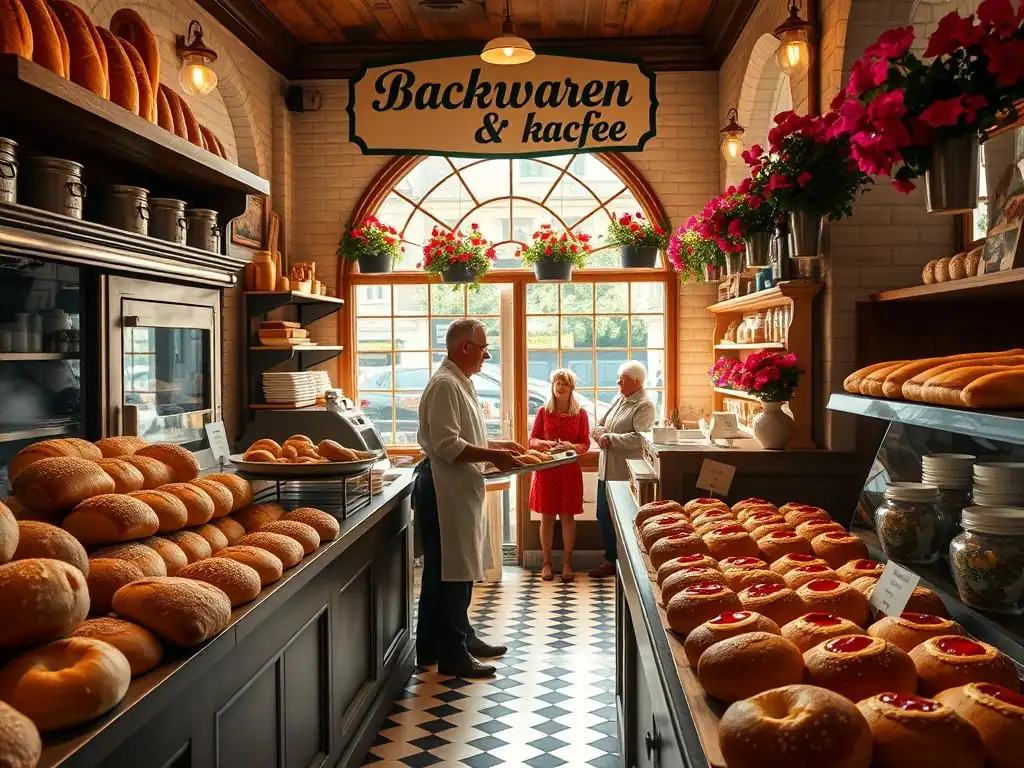
Welcome to BakeWithEase! Ever dreamt of recreating the magic of a traditional German Bäckerei right in your own kitchen? Step Inside a Traditional German Bäckerei: An Authentic Experience and discover how surprisingly simple it can be. We'll guide you through delicious and approachable German bakery recipes for beginners, unlocking the secrets to classic treats. Ready to embark on a baking journey filled with gemütlichkeit and irresistible aromas? Let's get started!
- Step Inside a Traditional German Bäckerei: An Authentic Experience (and How to Recreate It at Home!)
- Part 1: Understanding the Essentials of Authentic German Bakery Recipes
- Part 2: Mastering Simple German Bakery Recipes at Home: Beginner-Friendly Options
- Part 3: Elevating Your German Baking: Tips and Techniques
- Conclusion: Embrace the German Baking Experience
-
Frequently Asked Questions
- What makes German bakery recipes particularly good for beginners?
- What are some classic German treats that are typically found in a Bäckerei?
- Where can I find the ingredients needed for German bakery recipes?
- How important is precision when following German baking recipes?
- Are there any specific techniques I should be aware of when baking German treats?
- Final Reflection: The Enduring Allure of German Baking
- Unleash Your Inner Bäcker: Bake Authentic German Breads!
Step Inside a Traditional German Bäckerei: An Authentic Experience (and How to Recreate It at Home!)
Unveiling the Magic of German Baking Traditions: A Beginner's Guide
Stepping into a traditional German Bäckerei is an experience for all the senses. The air is typically filled with the comforting aroma of freshly baked bread, often a complex mix of rye, wheat, and sourdough notes, alongside the sweet scent of pastries and cakes. Unlike many bakeries elsewhere, the focus in Germany is heavily on bread, with a vast array of shapes, sizes, and crumb structures.
You'll find everything from dense, dark rye loaves (Roggenbrot) to crusty wheat rolls (Brötchen), often displayed in abundance, showcasing the sheer diversity of German bread culture. This initial sensory journey is the first step in understanding why German bakery recipes for beginners are so rewarding to explore.
Beyond the aroma, the visual feast is striking. Shelves are packed with dozens, sometimes over a hundred, different types of bread and rolls. Each region, and even each bakery, might have its own specialties, reflecting local grain availability and historical traditions.
Alongside the bread, you'll discover an assortment of cakes (Kuchen), tarts (Torten), and sweet pastries (Gebäck), though usually in smaller quantities than the bread selection. This emphasis on hearty, often whole-grain breads is a cornerstone of the German diet and baking tradition, making the prospect of learning German bakery recipes for beginners an exciting culinary adventure into a rich heritage.
Part 1: Understanding the Essentials of Authentic German Bakery Recipes
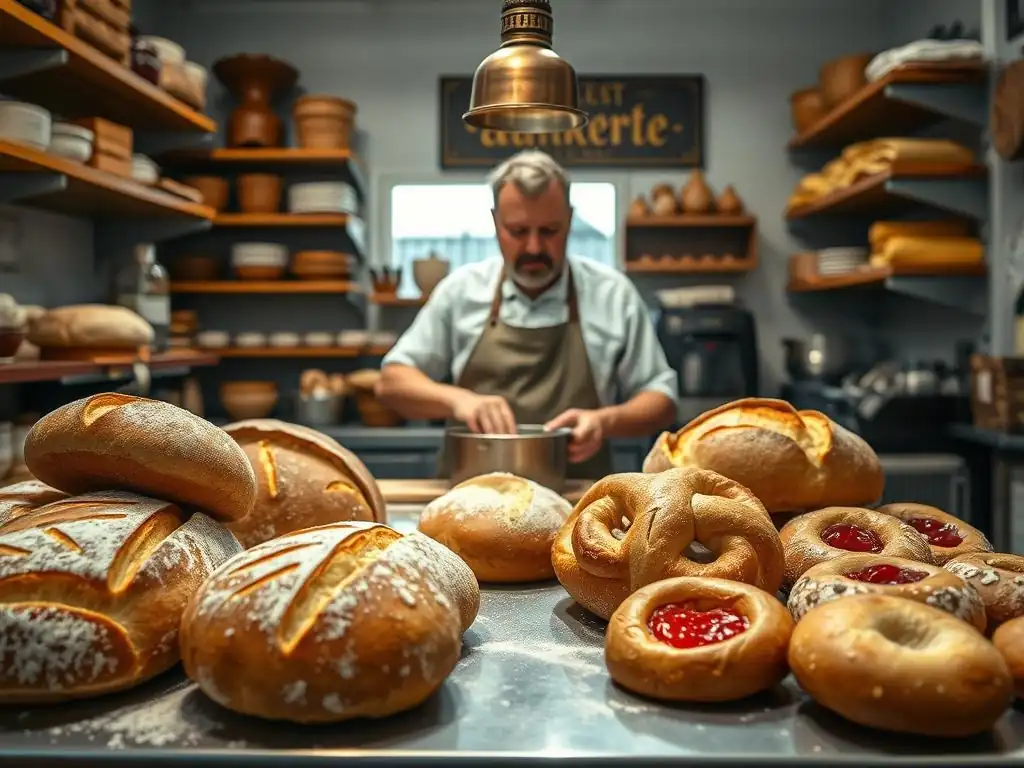
Key Ingredients in Traditional German Baking: From Sourdough to Spelt
At the heart of many authentic German bakery recipes lies a specific approach to flour and leavening. Unlike baking in some other countries where all-purpose wheat flour is dominant, German baking frequently utilizes a wider variety of flours, including different types of rye and spelt, often categorized by extraction rate (Type 815, 1050, 1150 for wheat; 997, 1150, 1370 for rye).
Rye flour, in particular, is fundamental to many classic German breads, contributing to their characteristic density, moisture, and slightly tangy flavor. Using a significant percentage of rye flour, sometimes 50% or more, requires different techniques than baking with purely wheat flour, which is a key learning curve for German bakery recipes for beginners.
Equally crucial is the leavening. While commercial yeast is used, especially for quicker rolls and some cakes, traditional German bread baking heavily relies on sourdough starters (Sauerteig). A rye sourdough starter is particularly common and essential for properly leavening high-rye content breads, as rye flour contains less gluten than wheat.
These starters are living cultures of wild yeast and bacteria that not only leaven the dough but also contribute complex flavors and improve the bread's keeping qualities. Incorporating sourdough can seem daunting, but mastering a simple starter is a foundational step for anyone serious about traditional German bakery recipes for beginners.
Essential Equipment for German Bakery Recipes: Getting Started
You don't need a professional bakery setup to start exploring German bakery recipes for beginners, but having a few key pieces of equipment can make a significant difference. A good quality kitchen scale is indispensable, as German recipes, particularly for bread, are often measured by weight for accuracy. This precision is especially important when working with different flour types and hydration levels. While mixing can be done by hand, a stand mixer with a dough hook is very helpful for kneading heavier rye or mixed-grain doughs, which can be quite sticky compared to pure wheat doughs.
For baking, achieving a good crust is paramount in German bread. A baking stone or steel is highly recommended to provide intense, even heat from below, helping the loaf spring and develop a robust crust. Creating steam in your oven during the initial baking phase is also critical for crust development and allows the loaf to expand fully before the crust hardens.
This can be achieved by placing a tray of hot water at the bottom of the oven or using specific steam-generating devices. While these might seem like advanced techniques, they are fundamental to authentic German bread and can be easily incorporated even when tackling German bakery recipes for beginners.
Part 2: Mastering Simple German Bakery Recipes at Home: Beginner-Friendly Options

Recipe 1: The Beginner's Rye Bread: "Roggenbrot" - A Step-by-Step Guide
Learning to bake a simple rye bread is a fantastic entry point into German bakery recipes for beginners. A classic Roggenbrot often features a significant portion of rye flour, perhaps 60-70%, mixed with wheat flour to make handling easier for newcomers. The process typically involves a sourdough starter, which is mixed with water and rye flour to form a pre-ferment called the Sauerteig or Ansatz the day before baking. This allows the sourdough to become active and develop flavor.
The next day, the active sourdough is combined with more rye flour, wheat flour (like Type 1050), water, salt, and often caraway seeds for that distinctive German flavor. The dough for rye bread tends to be stickier and less elastic than pure wheat dough and doesn't require extensive kneading.
After a relatively short bulk fermentation, the loaf is shaped – often into a simple round or oval – and proofed in a basket (Gärkörbchen). Baking typically occurs at a relatively high initial temperature (around 240-250°C or 465-480°F) with steam, then reduced to finish baking thoroughly, which can take 45-60 minutes depending on the loaf size.
- Prepare the sourdough starter refresh the day before.
- Mix active sourdough with water, rye flour, wheat flour, salt, and caraway seeds.
- Knead briefly until combined (dough will be sticky).
- Allow a short bulk fermentation (around 30-60 minutes).
- Shape the loaf.
- Proof in a basket (1-2 hours, or until visibly risen but not doubled).
- Preheat oven with baking stone/steel to 250°C (480°F).
- Add steam to the oven.
- Bake for 10-15 minutes, then reduce temperature to 200°C (390°F) and bake for another 30-45 minutes.
- Cool completely on a wire rack before slicing.
Recipe 2: Sweet Treat: Simple German Pretzels - "Brezeln" for Beginners
While often associated with Bavaria, pretzels (Brezeln) are enjoyed throughout Germany and are surprisingly approachable among German bakery recipes for beginners, especially the simpler, less traditional versions that skip the lye bath initially. Traditional German pretzels get their deep brown color and unique flavor from a brief dip in a hot sodium hydroxide (lye) solution before baking. For beginners, a safer alternative is a baking soda solution, which provides a similar, though milder, effect. The dough itself is a simple lean dough made from wheat flour, water, yeast, and salt.
After mixing and a short rest, the dough is divided into pieces, rolled into long ropes, and expertly twisted into the classic pretzel shape. This shaping takes a little practice but is part of the fun! The twisted pretzels are often chilled for a period, which helps them hold their shape and makes the dipping process easier.
The crucial step is the dip: each pretzel is briefly submerged in the hot baking soda solution (or lye, for the traditionalists) before being placed on a baking sheet, sprinkled with coarse salt, and baked at a high temperature (around 220-230°C or 425-450°F) until golden brown and shiny, typically 12-15 minutes. Mastering these steps makes German bakery recipes for beginners like pretzels achievable and rewarding.
**Simple Baking Soda Dip for Pretzels:**
*   Bring 1 liter (about 4 cups) of water to a boil in a non-reactive pot.
*   Carefully stir in 40-50 grams (about 3-4 tablespoons) of baking soda.
*   Reduce heat to a simmer.
*   Using a slotted spoon, dip each chilled pretzel for 20-30 seconds, flipping once.
*   Drain excess liquid and place on a prepared baking sheet.
Recipe 3: German Apple Cake: "Apfelkuchen" - A Classic for New Bakers
Moving from savory to sweet, Apfelkuchen (German apple cake) is a comforting classic and one of the most forgiving German bakery recipes for beginners. There are countless variations, but a simple Rührkuchen (stirred cake) base is perfect for getting started.
This involves creaming butter and sugar, adding eggs, then incorporating flour (often a mix of wheat flour and maybe a little ground almond or semolina) and baking powder, along with a liquid like milk or sour cream. The key is the generous amount of apples, typically firm, slightly tart varieties like Elstar, Jonagold, or Boskoop, peeled, cored, and sliced or diced.
The prepared batter is spread into a springform pan, and the apple pieces are arranged generously on top, often pressed slightly into the batter. Sometimes a streusel topping (Streusel) is added for extra texture and sweetness, made from flour, sugar, butter, and sometimes cinnamon, crumbled together. The cake is then baked in a moderate oven (around 170-180°C or 340-350°F) for 45-60 minutes, or until a skewer inserted into the cake part comes out clean. This straightforward process and delicious result make Apfelkuchen an excellent and satisfying choice for exploring German bakery recipes for beginners.
- Ingredients often include: Butter, sugar, eggs, wheat flour (Type 405 or 550), baking powder, milk or sour cream, apples, cinnamon, sometimes lemon zest or vanilla.
- Streusel (optional): Flour, sugar, cold butter.
- Baking time: Typically 45-60 minutes.
- Serving suggestion: Often served warm with a dollop of whipped cream ( Schlagsahne) or vanilla sauce ( Vanillesauce).
Part 3: Elevating Your German Baking: Tips and Techniques

Sourdough Starter Maintenance: Keeping Your Culture Alive
For those diving into sourdough-based German bakery recipes for beginners, maintaining a healthy starter is paramount. A traditional German rye sourdough starter is quite robust. It thrives on a regular feeding schedule, ideally at least once a week if kept in the refrigerator, or daily if kept at room temperature for frequent baking.
Feeding involves discarding a portion of the old starter and mixing the remainder with fresh rye flour and water, typically in equal weights (e.g., 50g starter + 50g rye flour + 50g water). This process replenishes the yeast and bacteria with fresh food, keeping them active and strong.
Signs of a healthy, active rye starter include visible bubbles forming within a few hours of feeding, a pleasant slightly sour aroma (not moldy or vinegary), and the starter doubling or tripling in volume before slowly deflating. If your starter seems sluggish, more frequent feedings or keeping it at a warmer room temperature (around 24-28°C or 75-82°F) can help revive it. Consistent maintenance ensures your starter is ready to provide the necessary lift and characteristic tang crucial for authentic German bakery recipes for beginners and beyond.
Mastering Dough Handling: Techniques for Beginners
Handling different types of dough is a fundamental skill in baking, and German bakery recipes for beginners often involve doughs that can differ significantly from standard white bread doughs. Rye-heavy doughs, for instance, are often very sticky and less elastic due to the lower gluten content in rye flour. Trying to knead them like wheat dough will result in a frustrating mess. Instead, these doughs benefit from a technique more akin to mixing or folding, allowing the ingredients to combine without developing a strong gluten network. Wetting your hands or using a bench scraper can help manage the stickiness.
Wheat-based German doughs, like those for Brötchen or Hefezopf (sweet braided bread), are typically kneaded longer to develop gluten, similar to other bread doughs, but often have slightly lower hydration than, say, Italian bread doughs. Learning to read the dough – understanding when it's properly kneaded (smooth, elastic), proofed (airy, doubled), or ready for shaping – comes with practice. Don't be discouraged if your first attempts aren't perfect; every bake teaches you something new about dough behavior, which is essential for successfully tackling German bakery recipes for beginners and progressing your skills.
Where to Buy Authentic German Baking Ingredients Online: [List of Recommended Suppliers]
Sourcing specific ingredients can significantly impact the authenticity of your German bakery recipes for beginners. While many ingredients like basic wheat flour and yeast are widely available, finding specific German flour types (like Type 1050 wheat or Type 1370 rye), vital wheat gluten (sometimes used in mixed-grain loaves), or even specific seeds and spices commonly used in German baking (like blue poppy seeds or specific caraway) might require looking online. These specialized flours, milled from different wheat or rye varieties or processed differently, contribute unique characteristics to the final product in terms of flavor, texture, and crumb structure.
When searching online, look for reputable suppliers specializing in European or German baking ingredients. While I cannot provide specific links due to constraints, searching for terms like "German flour online," "specialty baking ingredients Germany," or "European bread ingredients" on your preferred search engine will yield results.
Pay attention to the flour type numbers, which are standard in Germany and indicate the mineral content (and thus the extraction rate and color) of the flour. Finding a reliable source for these key ingredients is a valuable step for anyone dedicated to mastering German bakery recipes for beginners and achieving results closer to what you'd find in a traditional Bäckerei.
Conclusion: Embrace the German Baking Experience
Embarking on the journey of baking German bakery recipes for beginners is a delightful way to connect with a rich culinary heritage. From the hearty, complex flavors of rye bread to the comforting sweetness of Apfelkuchen, German baking offers a diverse range of treats to explore. While some techniques, like sourdough maintenance or handling high-rye doughs, may present new challenges, they are entirely achievable with practice and patience.
By understanding the key ingredients, getting familiar with essential equipment, and starting with simple, beginner-friendly recipes, you can successfully recreate the magic of a traditional German Bäckerei in your own kitchen. So, gather your ingredients, fire up your oven, and prepare to fill your home with the irresistible aromas of authentic German baking. The rewards – delicious, satisfying baked goods and the pride of mastering new skills – are well worth the effort.
Frequently Asked Questions
What makes German bakery recipes particularly good for beginners?
German baking often emphasizes precise measurements and clear instructions, making them easier to follow for novice bakers. Many recipes also use simple, readily available ingredients.
What are some classic German treats that are typically found in a Bäckerei?
Expect to find classics like Brezeln (pretzels), Apfelstrudel (apple strudel), and various types of Brötchen (bread rolls). German cakes and cookies are also extremely popular.
Where can I find the ingredients needed for German bakery recipes?
Most German bakery recipes use ingredients that are widely available in supermarkets. Specialty ingredients like quark can often be found in European delis or online.
How important is precision when following German baking recipes?
Precision is crucial for success in many German baking recipes. Using the correct measurements and following the steps carefully will ensure the best possible outcome.
Are there any specific techniques I should be aware of when baking German treats?
Pay close attention to the kneading and proofing of dough for breads and rolls. Also, many recipes involve specific shaping techniques, so follow the instructions closely.
Final Reflection: The Enduring Allure of German Baking
The simple act of kneading dough, the comforting aroma of freshly baked bread – these are not merely culinary processes, but gateways to a rich cultural heritage. The traditional German Bäckerei offers more than just delicious pastries; it offers a connection to generations of bakers, a testament to the enduring power of simple, wholesome ingredients, and a taste of history itself. This enduring legacy continues to resonate today, as more and more people seek authentic experiences and homemade comfort.
The influence of German baking extends far beyond the borders of Germany. Its meticulous techniques and emphasis on quality ingredients have shaped baking traditions worldwide. The dedication to craft, the precise measurements, and the unwavering commitment to flavour are hallmarks that continue to inspire bakers of all skill levels. Baking is at once child's play and adult joy. And love, of course.
– This sentiment perfectly captures the heart of the German baking tradition, a blend of simple pleasure and profound artistry.
Now, consider your own kitchen. Imagine the warmth of the oven, the satisfying thud of a rolling pin, the pride in creating something delicious from scratch. You don't need to be a master baker to experience the joy of German baking.
Start small, with a simple recipe, and let the process transport you to a cozy Bäckerei, filled with the aroma of freshly baked bread and the promise of deliciousness. Embrace the tradition, adapt it to your own style, and share the joy of German baking with those you love. The journey begins with a single step – or perhaps, a single knead.
Unleash Your Inner Bäcker: Bake Authentic German Breads!
Thanks for joining us on this delicious journey into the heart of a traditional German Bäckerei! We hope you've gained a new appreciation for the artistry and tradition behind these incredible breads. Now it's time to put your newfound knowledge to the test!
- Dive into our exclusive recipe collection: We've curated a selection of authentic German bread recipes, perfect for your next baking adventure. Find your next favorite loaf!
- Share your baking journey: Tag us on social media with your creations – we'd love to see your interpretations of classic German breads!
- Explore our comprehensive guide to German baking techniques: Master the secrets of perfect dough and achieve truly authentic results.
Ready to transform your kitchen into a miniature German Bäckerei? What German bread will you bake first?