
The Easiest Way to Bake a Delicious Simple Pound Cake

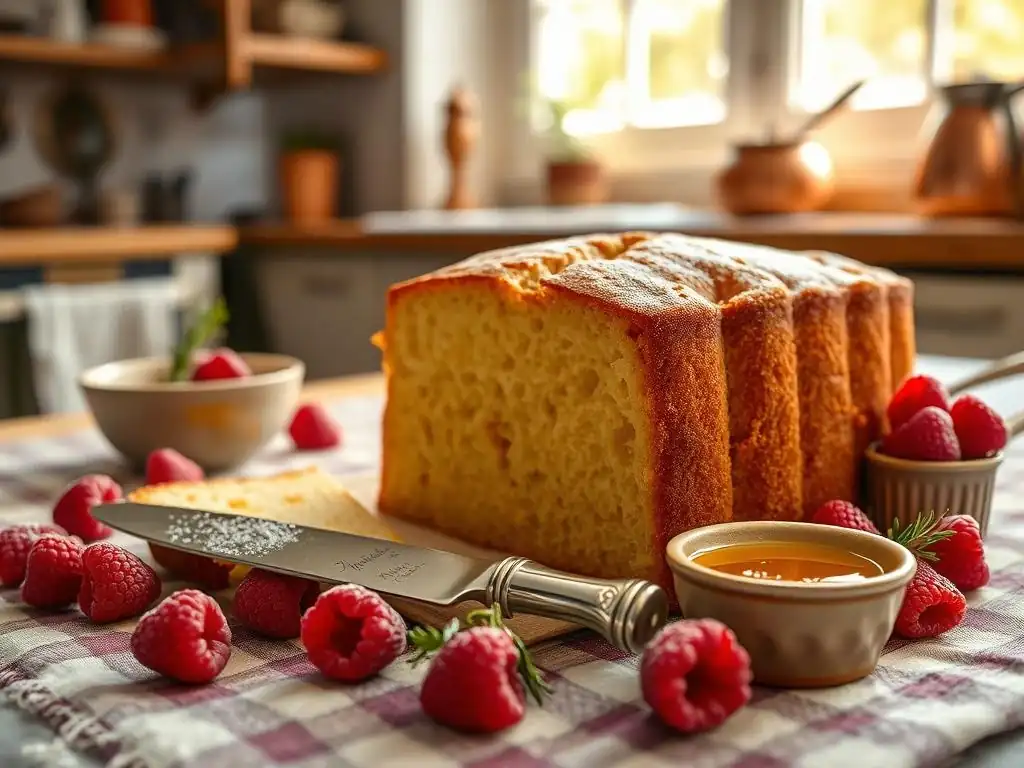
Welcome to BakeWithEase!
Discover the joy of baking without the fuss! Are you ready to unlock the secrets to a perfectly delicious, melt-in-your-mouth pound cake? Forget complicated techniques and endless ingredients lists. We're diving into the world of easy baking with our featured article: "The Easiest Way to Bake a Delicious Simple Pound Cake." Intrigued? Let's get started and reveal how you can create this classic treat with minimal effort and maximum flavor!
- BakeWithEase' Guide to a Foolproof Simple Pound Cake Recipe
- Mastering the Basic Pound Cake: Ingredients and Equipment
- Step-by-Step: Baking Your Easy Simple Pound Cake
- Tips and Tricks for the Best Simple Pound Cake Ever
- Serving and Storing Your Easy Simple Pound Cake
- Enjoy Your Homemade Easy Simple Pound Cake!
-
Frequently Asked Questions
- What makes this pound cake recipe "easy and simple"?
- What are the key ingredients I need for this simple pound cake?
- Can I customize this easy pound cake recipe with different flavors?
- What's the best way to ensure my pound cake is moist and not dry?
- How should I store my simple pound cake after baking?
- Final Reflection: The Enduring Allure of the Simple Pound Cake
- Unlock Your Inner Baker: Master the Perfect Pound Cake!
BakeWithEase' Guide to a Foolproof Simple Pound Cake Recipe
Welcome to Simple Cake Baking!
Embarking on your baking journey doesn't have to be complicated. Simple cakes, like the classic pound cake, offer a fantastic starting point for beginners. Their forgiving nature and straightforward ingredients make them ideal for building confidence in the kitchen. This easy simple pound cake recipe is designed to guide you through the process with minimal fuss, resulting in a moist, tender cake that tastes absolutely delicious. It's a fundamental recipe that, once mastered, opens the door to countless variations and more complex bakes. Think of it as your foundational stone in the world of sweet treats!
Historically, pound cake earned its name because it was traditionally made with a pound each of flour, butter, sugar, and eggs. While modern easy simple pound cake recipes might adjust these ratios slightly for texture and convenience (often using volumetric measurements instead of weight), the core principle of a balanced, rich cake remains. This recipe stays true to that simple, reliable structure, ensuring that even if it's your very first time baking, you're likely to achieve a successful and satisfying result. It's a testament to the elegance of simplicity in baking.
Why This Easy Simple Pound Cake Recipe Works
This easy simple pound cake recipe relies on a few key principles that guarantee success. Firstly, it maintains a balanced ratio of fat, sugar, flour, and eggs. This balance is crucial; too much flour can make the cake dry, while too little fat can affect tenderness. Our recipe proportions are carefully calibrated to ensure the cake rises properly, stays moist, and has that characteristic dense yet tender crumb that defines a great pound cake. It avoids overly complex steps or techniques, focusing on simple mixing methods that are easy to follow.
Secondly, the method employed in this easy simple pound cake recipe, primarily the creaming method, is highly effective for incorporating air into the batter. Creaming softened butter and sugar together creates tiny air pockets, which expand during baking and contribute significantly to the cake's lift and texture. By focusing on achieving the correct consistency at each stage – properly creamed butter and sugar, eggs added gradually, and dry ingredients gently folded in – this recipe minimizes the chances of a tough or dense cake, a common pitfall in baking. It's a method proven over generations to yield reliable results.
Mastering the Basic Pound Cake: Ingredients and Equipment
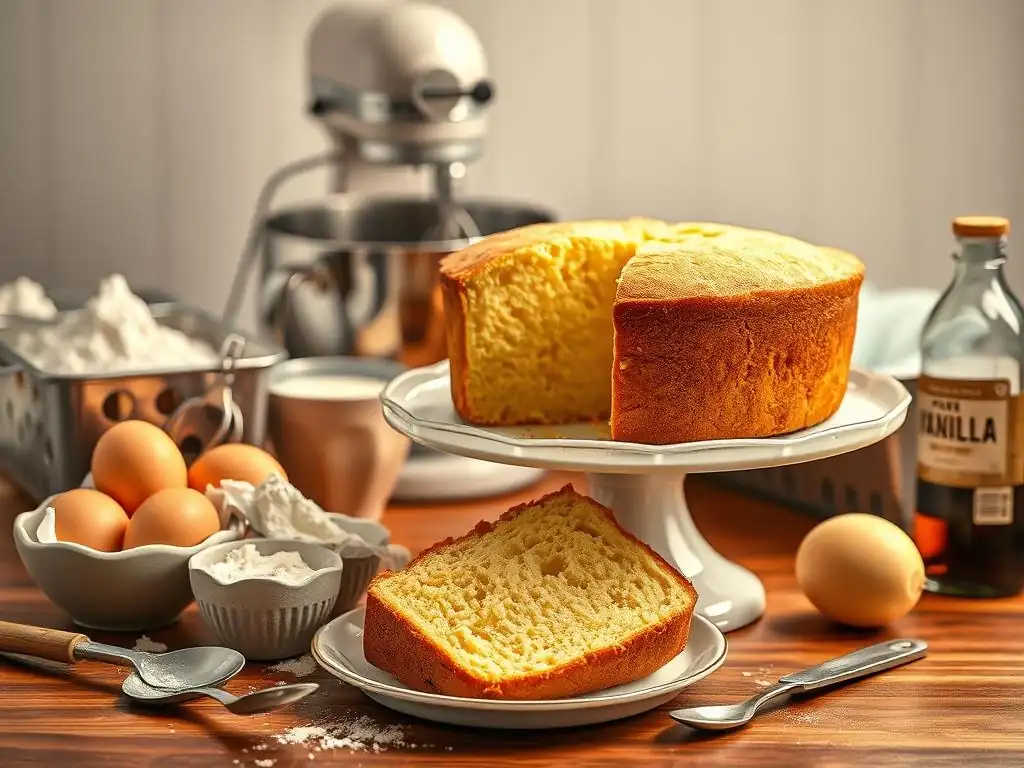
Essential Ingredients for a Perfect Simple Pound Cake
All-Purpose Flour: The Foundation of Your Pound Cake
All-purpose flour is the backbone of this easy simple pound cake recipe. Its moderate protein content (typically 10-12%) provides just enough structure to support the cake's rise without making it tough. Using standard all-purpose flour straight from the bag is perfectly fine; there's no need for fancy cake flour unless you specifically prefer a finer crumb (though it's not necessary for a delicious simple pound cake). Ensure your flour is fresh and stored properly to avoid any off-flavors.
For a standard 9x5 inch loaf pan, this recipe typically calls for around 1 ½ to 2 cups of all-purpose flour. Accuracy in measuring flour is vital – spooning flour into your measuring cup and leveling it off with a straight edge is the most common method for home bakers and helps prevent adding too much, which can lead to a dry cake. Avoid scooping directly from the bag, as this compacts the flour, resulting in excess in your measurement.
Sugar: Sweetness and Structure
Granulated sugar provides sweetness, of course, but it also plays a critical role in the structure and texture of your easy simple pound cake. When creamed with butter, the sharp edges of sugar crystals cut into the fat, creating those essential air pockets mentioned earlier. Sugar also helps keep the cake moist by attracting and holding onto moisture, and it contributes to the beautiful golden-brown crust through caramelization during baking.
A typical easy simple pound cake recipe for a loaf pan might use anywhere from 1 to 1 ½ cups of granulated sugar. The amount can be adjusted slightly based on personal preference, but be mindful that reducing sugar significantly will impact the cake's texture and moisture. Beyond granulated, some recipes might incorporate a small amount of brown sugar for added moisture and a hint of molasses flavor, but granulated sugar is the standard for a classic, simple pound cake.
Butter: The Key to Richness and Flavor
Butter is arguably the most important ingredient for the rich flavor and tender crumb of an easy simple pound cake. Using high-quality unsalted butter allows you to control the salt level in your baking. It's crucial that your butter is properly softened – it should be pliable enough to leave an indentation when pressed gently, but not melted or greasy. Cold butter won't cream properly, and melted butter will result in a dense, greasy cake.
For a standard recipe, you'll likely need about 1 cup (2 sticks or 227 grams) of softened unsalted butter. Bringing butter to room temperature usually takes about 30-60 minutes on the counter, or you can cut it into smaller pieces to speed up the process. The fat from the butter coats the flour particles, inhibiting gluten development and contributing to the cake's tenderness. The creaming process with sugar also incorporates air, contributing to the cake's volume.
Eggs: Binding and Leavening Power
Eggs perform multiple functions in this easy simple pound cake recipe: they bind the ingredients together, add richness, contribute to the cake's structure, and provide leavening. The protein in eggs sets during baking, helping the cake hold its shape. Egg yolks add fat and moisture, while the whites contribute to the cake's structure and, when beaten, can add lift. Using large eggs is standard for consistency in baking recipes.
A typical easy simple pound cake recipe for a loaf pan will call for 3 to 4 large eggs. It's best if your eggs are at room temperature, similar to the butter. Room temperature eggs incorporate more evenly into the batter and help create a smoother emulsion, preventing the batter from looking curdled. This smooth batter leads to a finer, more uniform crumb in the finished cake.
Optional: Flavor Enhancers for Your Simple Pound Cake
Vanilla Extract: A Classic Choice
Vanilla extract is a simple yet powerful flavor enhancer that complements the rich butter and sugar base of an easy simple pound cake beautifully. A good quality pure vanilla extract will add depth and warmth to the cake's flavor profile. Just a teaspoon or two can make a noticeable difference, elevating the overall taste.
Using about 1 to 2 teaspoons of pure vanilla extract is common in this type of recipe. Add it when you incorporate the eggs or just before adding the dry ingredients. Avoid using artificial vanilla if possible, as the flavor is less complex and can sometimes have an alcoholic or chemical note when baked.
Lemon Zest: Adds a Zesty Touch
For a brighter, more uplifting flavor, lemon zest is an excellent addition to an easy simple pound cake recipe. The oils in the lemon peel contain concentrated flavor without the acidity of the juice. It pairs wonderfully with the richness of the butter and the sweetness of the sugar, offering a refreshing contrast.
Adding the zest of one medium lemon (which yields about 1 to 2 teaspoons of zest) is usually sufficient to impart a noticeable citrus note. Use a microplane or fine grater to remove just the yellow part of the peel, avoiding the bitter white pith underneath. Add the zest along with the wet ingredients or sugar during the creaming stage to distribute its flavor throughout the batter.
Essential Equipment for Effortless Pound Cake Baking
The Right Baking Pan: Loaf Pan Recommendations
For an easy simple pound cake recipe, a standard loaf pan is your best friend. A 9x5 inch (approximately 23x13 cm) metal loaf pan is the most common size and yields a beautifully shaped, evenly baked cake. Metal pans conduct heat efficiently, promoting good browning and crust development.
Using a lighter colored metal pan is generally recommended over dark non-stick pans, as dark pans absorb more heat and can cause the outside of the cake to brown too quickly before the inside is fully baked. If you only have a dark pan, you might need to reduce the oven temperature slightly (perhaps by 25°F or 15°C) and check for doneness a bit earlier.
Mixing Bowls: Choosing the Right Size
You'll need at least two mixing bowls for this easy simple pound cake recipe: one large bowl for the main batter and possibly a smaller one for whisking eggs or combining dry ingredients if you prefer. Using a large enough bowl for the main batter is important to allow for comfortable mixing without spills, especially when creaming the butter and sugar and later folding in the dry ingredients.
A bowl with a capacity of at least 3-4 quarts is ideal for mixing the pound cake batter. Glass, ceramic, or metal bowls all work well. Just ensure they are clean and dry before you begin. Having a separate medium-sized bowl (around 1-2 quarts) for pre-measuring and whisking dry ingredients can also streamline the process.
Measuring Cups and Spoons: Accuracy is Key
Accurate measurements are fundamental to baking success, especially with a classic recipe like an easy simple pound cake. You'll need a set of dry measuring cups for ingredients like flour and sugar, a liquid measuring cup for extracts, and a set of measuring spoons for smaller quantities like baking powder (though not typical in classic pound cake) or vanilla extract.
Using the correct type of measuring cup for the ingredient is important. Dry ingredients should be measured by scooping into the cup and leveling off, while liquid ingredients should be measured in a cup with a spout, viewed at eye level on a flat surface. Consistent and accurate measuring is one of the easiest ways to ensure your easy simple pound cake recipe turns out perfectly every time.
Electric Mixer (Optional but Recommended)
While you can make an easy simple pound cake by hand with a whisk and wooden spoon, an electric mixer (either a hand mixer or a stand mixer) makes the process significantly easier and ensures better results, particularly during the creaming stage. Creaming butter and sugar effectively requires beating for several minutes, which is much less strenuous with a mixer.
Using an electric mixer allows you to achieve the light and fluffy texture needed during the creaming process (typically 5-7 minutes on medium speed). This incorporates a substantial amount of air, contributing to the cake's rise and tender crumb. If using a hand mixer, ensure you scrape down the sides and bottom of the bowl frequently.
Step-by-Step: Baking Your Easy Simple Pound Cake
Step 1: Preparing Your Baking Pan
Greasing and Flouring for Easy Release
Properly preparing your baking pan is the crucial first step to ensure your easy simple pound cake releases cleanly after baking. This prevents the frustration of a beautiful cake stuck in the pan. The most common method is to grease the pan thoroughly and then flour it.
To grease, use softened butter, shortening, or a non-stick baking spray. Apply a generous, even layer to the bottom and all sides of the pan. Then, add a few tablespoons of all-purpose flour to the greased pan. Tilt and tap the pan to distribute the flour evenly, coating all the greased surfaces. Discard any excess flour. For extra insurance, you can also line the bottom of the pan with parchment paper after greasing, then grease and flour the paper as well.
Step 2: Creaming Butter and Sugar
Achieving a Light and Fluffy Texture
Creaming the softened butter and sugar together is a cornerstone of this easy simple pound cake recipe. This process whips air into the mixture, which acts as a leavening agent. In your large mixing bowl, combine the softened butter and granulated sugar.
Using an electric mixer (or a sturdy wooden spoon), beat the butter and sugar together on medium speed for about 5-7 minutes. The mixture should transform from dense and yellowish to pale, fluffy, and significantly increased in volume. Scrape down the sides and bottom of the bowl occasionally to ensure everything is evenly combined. This step is key to a light and tender crumb.
Step 3: Incorporating the Eggs
Adding Eggs One at a Time
After the butter and sugar are properly creamed, it's time to add the eggs to your easy simple pound cake batter. Eggs add richness, structure, and moisture. It's important to add them one at a time to allow each egg to fully incorporate into the batter.
Crack the first egg into the bowl and beat on medium speed until no streaks of egg yolk are visible, usually about 30-60 seconds. Scrape down the bowl, then add the next egg and repeat the process. Continue adding eggs one by one until they are all incorporated. The mixture might look slightly curdled at this stage, which is normal; it will smooth out once the flour is added.
Step 4: Combining Dry and Wet Ingredients
Gently Folding in the Flour
Now, it's time to combine the dry ingredients (the flour) with the wet ingredients (the creamed butter, sugar, and eggs) for your easy simple pound cake. This step is crucial for developing the cake's structure, but overmixing can lead to a tough cake.
Add about half of the measured flour to the bowl. Mix on low speed or gently fold with a spatula until just combined. Then, add the remaining flour and continue mixing or folding until just no dry streaks of flour are visible. Do not overmix; stopping as soon as the flour is incorporated prevents excessive gluten development. The batter will be thick.
Step 5: Adding Flavor Enhancers
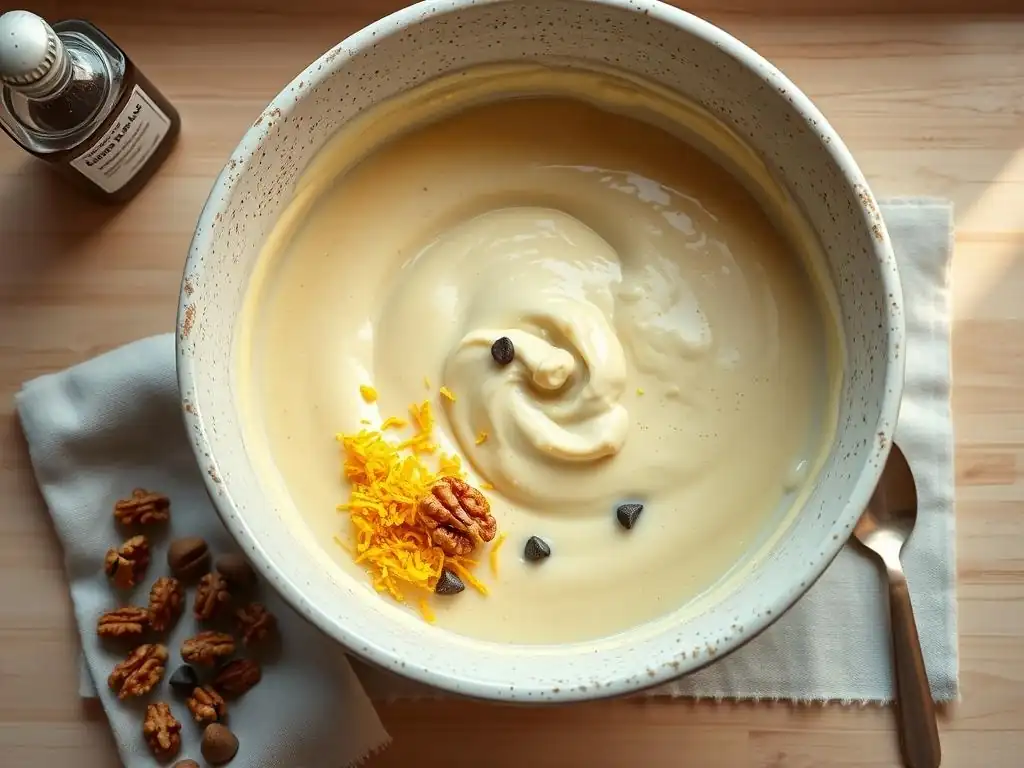
Mixing in Vanilla Extract or Lemon Zest
With the main ingredients combined, it's time to add your chosen flavor enhancers to the easy simple pound cake batter. Whether you opted for classic vanilla extract or bright lemon zest, incorporating them now distributes the flavor throughout the cake.
Add the measured vanilla extract or lemon zest to the batter. Mix on low speed or fold gently with a spatula for just a few seconds until the flavorings are evenly distributed. This step should be quick and not involve extensive mixing, especially if you've just finished incorporating the flour.
Step 6: Baking Your Simple Pound Cake
Oven Temperature and Baking Time
Preheating your oven correctly is vital for even baking of your easy simple pound cake. For most loaf pans and ovens, a temperature of 325°F to 350°F (160°C to 175°C) is ideal. Lower temperatures are often preferred for pound cakes as they allow the center to cook through before the outside gets too dark.
Pour the batter evenly into your prepared loaf pan. Smooth the top with a spatula. Bake in the preheated oven for approximately 60 to 75 minutes. Baking time can vary significantly depending on your oven, the pan material, and even ambient humidity, so it's important to start checking for doneness within the suggested time range.
Step 7: Checking for Doneness
The Toothpick Test
Knowing when your easy simple pound cake is perfectly baked is key to avoiding a dry cake or one with a raw center. The most reliable method for checking doneness is the toothpick test.
Insert a long wooden skewer or toothpick into the very center of the cake. If it comes out clean or with just a few moist crumbs attached, the cake is done. If it comes out with wet batter, the cake needs more time. Check every 5-10 minutes after the initial baking time until the toothpick test is successful. The top of the cake should be golden brown and might have a crack down the center.
Step 8: Cooling and Removing from Pan
Preventing Sticking and Cracking
Once your easy simple pound cake passes the toothpick test, remove it from the oven. Do not try to remove it from the pan immediately, as it is fragile when hot. Allowing it to cool slightly in the pan helps it firm up.
Let the cake cool in the loaf pan on a wire rack for about 10-15 minutes. This allows the structure to set. After this initial cooling period, carefully invert the pan onto the wire rack and lift the pan away. The cake should release easily if the pan was properly prepared. If it sticks, gently tap the bottom or sides of the pan. Allow the cake to cool completely on the wire rack before slicing. Cooling completely is important for the cake's structure and flavor development.
Tips and Tricks for the Best Simple Pound Cake Ever
Avoiding Common Pound Cake Mistakes
Overmixing the Batter
One of the most frequent errors when making an easy simple pound cake is overmixing the batter, especially after the flour has been added. Flour contains gluten, and the more you mix it once it's combined with liquid, the more gluten develops.
Excessive gluten development leads to a tough, dense, and sometimes chewy cake texture, which is the opposite of the desired tender crumb of a pound cake. To avoid this, mix or fold the dry ingredients into the wet ingredients only until just combined, stopping as soon as you no longer see streaks of dry flour. A few small lumps are preferable to a perfectly smooth but overmixed batter.
Overbaking the Cake
Another common pitfall that can ruin an otherwise perfect easy simple pound cake is overbaking. Baking the cake for too long, even by just a few minutes past the point of doneness, can result in a dry, crumbly texture and a thick, hard crust.
Always start checking for doneness at the lower end of the suggested baking time range. Use the toothpick test as your guide, not just the visual appearance of the top. Remember that ovens can vary, so trusting the toothpick is more reliable than strictly adhering to a timer. If the top is browning too quickly but the inside isn't done, you can loosely tent the pan with foil for the remaining baking time.
Variations on the Basic Simple Pound Cake Recipe
Chocolate Pound Cake: A Decadent Twist
Transform your easy simple pound cake into a rich chocolate version with a few simple adjustments. Cocoa powder adds deep flavor and a slightly different texture.
To make a chocolate pound cake, replace a small amount of the all-purpose flour with unsweetened cocoa powder. A common ratio is to substitute about 1/4 cup of flour with 1/4 cup of cocoa powder per 1.5-2 cups of flour in the original recipe. Sifting the cocoa powder with the flour helps prevent lumps. You can also add a handful of chocolate chips to the batter just before baking for extra decadence.
Marble Pound Cake: A Swirling Delight
Creating a marble effect adds visual appeal and combines two flavors in your easy simple pound cake. This variation usually involves dividing the batter and flavoring one portion differently.
After preparing the basic pound cake batter, divide it into two bowls. In one bowl, leave the batter plain. In the second bowl, gently swirl in melted chocolate (about 2-3 ounces, cooled slightly) or cocoa powder mixed with a little liquid (like milk or coffee). Spoon alternating dollops of plain and flavored batter into the prepared loaf pan. Swirl gently with a knife or skewer, being careful not to overmix, to create the marbled pattern.
Sour Cream Pound Cake: Adding Moisture and Tang
Adding sour cream is a popular way to enhance the moisture and tenderness of an easy simple pound cake, while also introducing a subtle tanginess that balances the sweetness.
To make a sour cream pound cake, you'll typically reduce the amount of butter and/or milk (if your basic recipe includes it) and add about 1/2 cup to 1 cup of full-fat sour cream to the batter. Add the sour cream after the eggs are incorporated and before adding the dry ingredients, mixing until just combined. The fat and acidity in the sour cream contribute to a wonderfully moist and fine-crumbed cake.
Serving and Storing Your Easy Simple Pound Cake
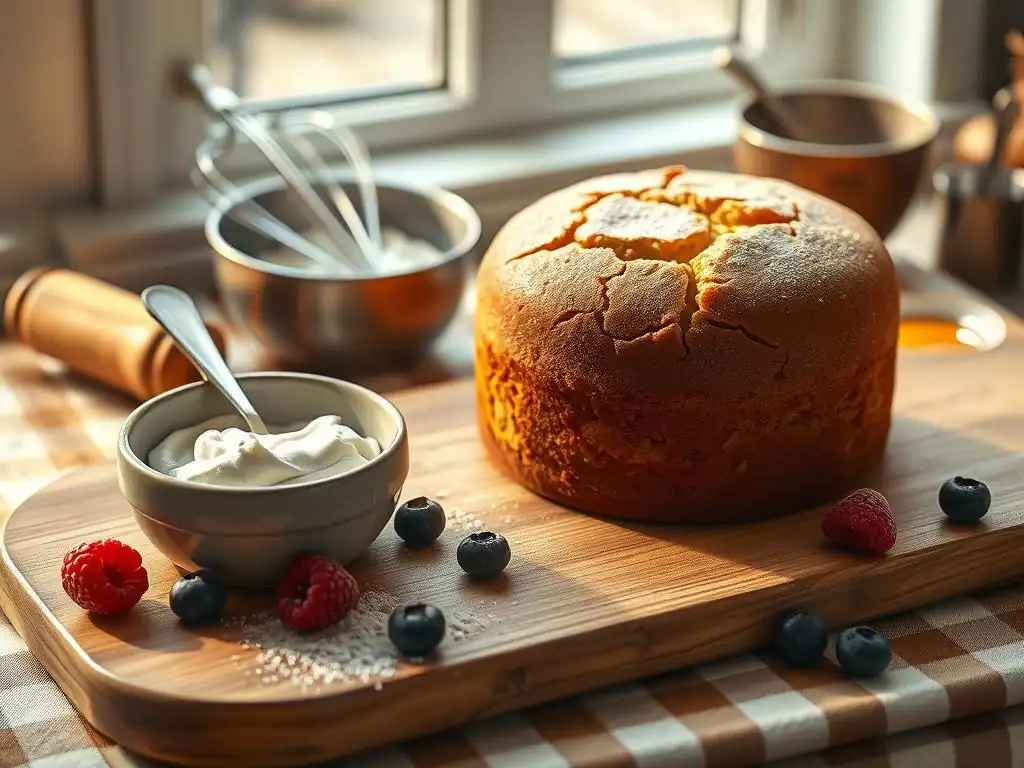
Serving Suggestions for a Classic Pound Cake
Simple Glazes and Toppings
While a classic easy simple pound cake is delicious on its own, a simple glaze or topping can elevate it further. A quick glaze adds a touch of sweetness and moisture to the top crust.
A basic powdered sugar glaze is easy to make: whisk together about 1 cup of powdered sugar with 1-3 tablespoons of milk, cream, or lemon juice until smooth and pourable. Drizzle this over the cooled cake. For more flavor, you can add a splash of vanilla extract or almond extract to the glaze. A dusting of powdered sugar is another effortless way to finish the cake.
Pairing with Berries and Cream
Serving slices of easy simple pound cake with fresh berries and whipped cream is a classic and delightful combination. The richness of the cake is perfectly complemented by the brightness of the fruit and the lightness of the cream.
Wash and prepare about 1-2 cups of your favorite berries, such as strawberries, blueberries, raspberries, or a mix. Lightly sweeten them with a tablespoon of sugar if desired. Serve generous slices of the cooled pound cake alongside a dollop of freshly whipped cream (whipped with a little sugar and vanilla extract) and a spoonful of the prepared berries.
Storing Your Pound Cake to Keep it Fresh
Proper Storage Techniques
To keep your easy simple pound cake tasting its best, proper storage is essential. Pound cake stays fresh at room temperature for several days if stored correctly.
Once the cake has cooled completely, wrap it tightly in plastic wrap, then wrap it again in aluminum foil or place it in an airtight container. Stored this way at room temperature, it should remain moist and fresh for about 3-4 days. For longer storage, pound cake freezes exceptionally well. Wrap the cooled cake (whole or sliced) tightly in plastic wrap and then in foil, or place in a freezer-safe bag. It can be frozen for up to 3 months. Thaw at room temperature.
Enjoy Your Homemade Easy Simple Pound Cake!
Congratulations on baking your very own easy simple pound cake! This classic recipe is a testament to the joy of simple baking, yielding a delicious and versatile cake that's perfect for any occasion, from a casual snack to a base for dessert.
We hope this easy simple pound cake recipe has given you the confidence to continue exploring the wonderful world of baking. Don't hesitate to try the variations suggested or come up with your own creative twists! We love seeing what our community bakes. Share photos of your beautiful, easy simple pound cake creations with us – tag BakeWithEase on social media or send us a picture. Happy baking!
Frequently Asked Questions
What makes this pound cake recipe "easy and simple"?
This recipe focuses on minimal ingredients and a straightforward mixing method, making it perfect for beginner bakers. It avoids complicated techniques and uses common pantry staples.
What are the key ingredients I need for this simple pound cake?
You'll primarily need butter, sugar, eggs, flour, and a leavening agent like baking powder. Some variations might include milk or vanilla extract for added flavor.
Can I customize this easy pound cake recipe with different flavors?
Absolutely! You can add citrus zest, extracts, or even chocolate chips to personalize your pound cake. Adjust the amounts to your liking and ensure they are evenly distributed.
What's the best way to ensure my pound cake is moist and not dry?
Avoid overbaking! Check for doneness with a toothpick; it should come out clean or with a few moist crumbs. Also, ensure your oven temperature is accurate.
How should I store my simple pound cake after baking?
Wrap the cooled pound cake tightly in plastic wrap or store it in an airtight container at room temperature. It will stay fresh for several days.
Final Reflection: The Enduring Allure of the Simple Pound Cake
The humble pound cake, a testament to the power of simple ingredients and masterful technique, remains a cornerstone of baking, transcending generations and offering a comforting familiarity in a rapidly changing world. Its ease of preparation belies the profound satisfaction derived from creating something so delicious from so few components. This recipe, designed for accessibility and success, aims to empower even novice bakers to experience the joy of baking a truly exceptional cake.
The enduring appeal of the pound cake lies not just in its taste, but in its symbolic representation of home, comfort, and shared moments. It's a cake that evokes memories of childhood birthdays, family gatherings, and the quiet satisfaction of a job well done. A cake is a celebration; it's a moment of joy, a reason to gather, and a symbol of love.
This simple truth resonates deeply with the pound cake's enduring popularity, making it more than just a dessert; it's a cultural artifact.
Now, I invite you to consider the possibilities. Don't just bake this cake; experience it. Savor the buttery richness, the delicate crumb, the subtle sweetness. Share it with loved ones, creating new memories around this timeless classic. Let the simplicity of this recipe inspire you to explore other baking adventures, embracing the joy of creating something delicious and meaningful with your own two hands. The world needs more moments of simple pleasure, and this pound cake is a perfect place to start.
Unlock Your Inner Baker: Master the Perfect Pound Cake!
Thanks for joining us on this baking adventure! We hope you've gained the confidence to tackle even the most classic desserts. Now it's time to put your newfound skills to the test.
- Bake your own pound cake today! Use the recipe from the article as your guide and let us know how it turns out. We'd love to see your creations!
- Share your baking triumph with friends and family – they'll be amazed by your newfound skills.
- Experiment with different flavorings and frostings to create your signature pound cake.
Ready to share your perfect pound cake with the BakeWithEase community? What unique twist are you planning to add to your next bake?