
Beyond Tres Leches: Discover More Incredible Latin American Cakes

Welcome to BakeWithEase, your kitchen companion for unlocking the secrets of delicious baking!
Ever wondered what lies beyond the creamy delight of a classic Latin American tres leches cake? Prepare to embark on a mouthwatering journey through the rich tapestry of Latin American desserts. We'll explore a world of vibrant flavors and techniques, revealing incredible cakes you've never even heard of. Intrigued? Let's dive in and discover the sweet side of the Americas!
- Exploring the Diverse World of Latin American Cakes Beyond Tres Leches
- Tres Leches Cake: A Latin American Baking Staple
- Other Must-Try Latin American Cakes You'll Love
- Ingredients and Techniques Common in Latin American Baking
- Tips for Baking Authentic Latin American Cakes at Home
- Conclusion: Expanding Your Baking Horizons with Latin American Cakes
-
Frequently Asked Questions
- What is Latin American tres leches cake, and why is BakeWithEase focusing on it?
- Besides tres leches cake, what other Latin American cakes does BakeWithEase offer recipes and guidance for?
- Are the recipes on BakeWithEase suitable for beginner bakers who haven't made Latin American cakes before?
- Where can I find the ingredients for Latin American cakes if I don't live near a Latin American grocery store?
- Does BakeWithEase offer tips and techniques for making tres leches cake, specifically focusing on achieving the perfect texture and flavor?
- Final Reflection: A Sweet Journey Beyond Tres Leches
- Unleash Your Inner Pastry Chef: Bake Latin America!
Exploring the Diverse World of Latin American Cakes Beyond Tres Leches
Latin America is a vast continent brimming with vibrant culinary traditions, and its dessert landscape is particularly rich and diverse. While the Latin American tres leches cake holds a cherished spot in the hearts of many and has gained international fame, it represents just one delicious facet of the region's baking prowess. From dense corn cakes to delicate cookie sandwiches and rich chocolate creations, the variety of Latin American cakes is truly astounding, offering a delightful journey for any home baker looking to explore new flavors and techniques.
Stepping beyond the beloved Latin American tres leches cake opens up a world of unique textures, ingredients, and cultural stories baked into every treat. Each country and even specific regions within countries boast their own signature cakes, often utilizing local produce like corn, tropical fruits, or unique dairy products. This exploration isn't just about finding a new favorite dessert; it's about connecting with the history, celebrations, and everyday life that these sweet creations represent across Latin America.
Tres Leches Cake: A Latin American Baking Staple
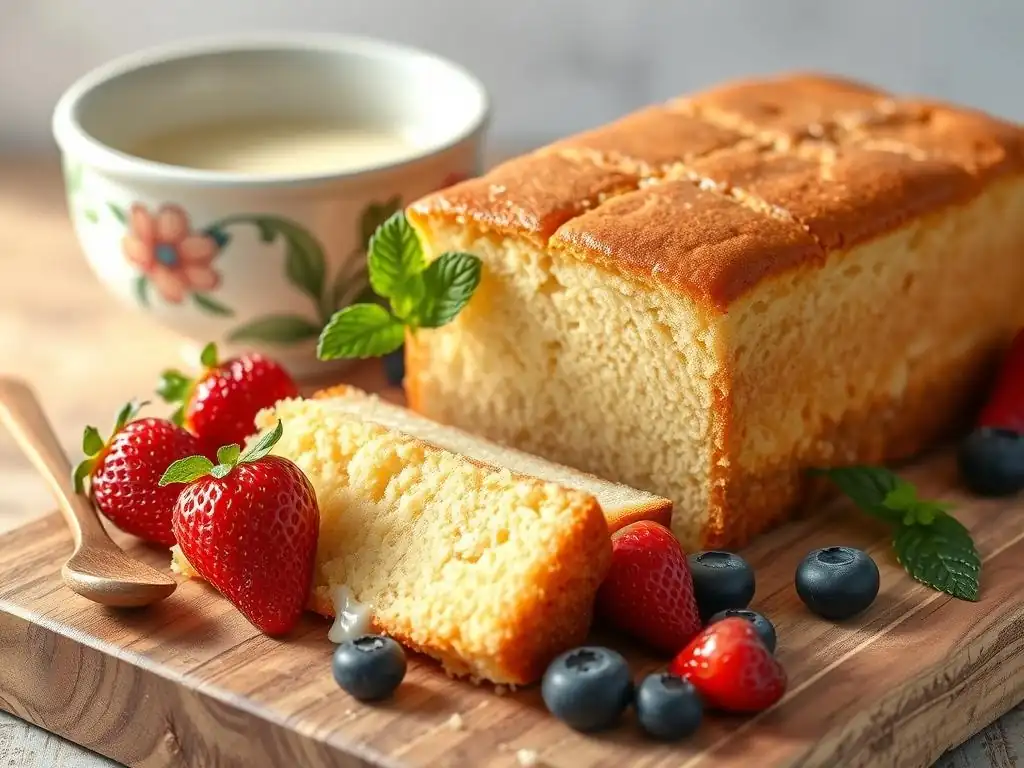
The Latin American tres leches cake is arguably the most famous dessert to emerge from the region, celebrated for its incredibly moist texture and sweet, milky flavor. It's a ubiquitous presence at celebrations, family gatherings, and bakeries from Mexico down to Argentina. Its popularity is well-deserved, offering a comforting and indulgent experience that's surprisingly simple to achieve at home with the right approach.
Understanding the nuances of this classic Latin American tres leches cake helps appreciate its widespread appeal. It's more than just a cake soaked in milk; it's a carefully balanced combination of a light sponge or butter cake base designed to absorb liquid without falling apart, and a specific blend of three milks that provide richness, sweetness, and moisture. Mastering this balance is key to unlocking the true magic of this beloved dessert.
The Origins and Evolution of Tres Leches Cake
The exact origin of the Latin American tres leches cake is debated, with several countries laying claim to its creation, including Mexico, Nicaragua, and Cuba. What is clear is that the concept of soaking cake in liquid has historical roots, dating back potentially to medieval European soaked cakes. The modern form, specifically using three types of milk, gained significant popularity across Latin America, particularly in the 20th century. Its rise is sometimes linked to condensed milk labels from Nestlé in the 1940s, which printed recipes using the product on their cans, thereby spreading the concept widely.
Over time, the Latin American tres leches cake has evolved, adapting to local tastes and available ingredients. While the core concept of a sponge cake soaked in a milk mixture remains, variations have emerged. Some versions use a sturdier butter cake, others incorporate coconut milk or cream of coconut for a tropical twist, and toppings range from simple whipped cream to elaborate meringues or fresh fruit. Despite these variations, the fundamental appeal—a cake saturated with sweet, creamy goodness—persists, cementing its status as a regional icon.
Understanding the Three Milks: A Key to Tres Leches Perfection
The defining characteristic of the Latin American tres leches cake is, of course, the trio of milks used for soaking: evaporated milk, condensed milk, and typically whole milk or heavy cream. Each milk plays a crucial role in creating the cake's signature texture and flavor profile. Evaporated milk, which is unsweetened and has about 60% of the water removed, provides a concentrated milky flavor and contributes to the cake's overall moisture without making it overly watery.
Condensed milk, a sweetened and thickened milk product, is the primary source of sweetness and contributes a rich, creamy consistency to the soaking liquid. Finally, whole milk or heavy cream adds richness and helps the mixture fully saturate the cake. The specific ratio of these three milks can vary slightly between recipes, but the combination is essential for achieving that incredibly moist, melt-in-your-mouth texture that defines a great Latin American tres leches cake. The cake base must be sturdy enough to absorb this generous amount of liquid, typically soaking for several hours or even overnight for maximum effect.
Variations on the Classic Tres Leches Recipe
While the classic Latin American tres leches cake with a simple vanilla sponge and whipped cream topping is beloved, countless variations exist that cater to different preferences and regional influences. One popular twist involves adding flavorings to the milk mixture or the cake batter itself. Coconut is a common addition, incorporating coconut milk or cream of coconut into the soak for a delightful tropical aroma and taste. Coffee or chocolate can also be added, creating mocha or chocolate tres leches cakes.
Beyond flavor additions, the topping offers ample room for variation. While whipped cream is standard, Italian or Swiss meringue is also frequently used, sometimes lightly torched for a beautiful finish. Fresh fruit, particularly berries or sliced peaches, often adorns the top, adding a touch of freshness to balance the richness of the cake and soak. Some innovative bakers even experiment with different cake bases, though a relatively light and porous cake is essential to properly absorb the liquid.
Other Must-Try Latin American Cakes You'll Love
Moving beyond the familiar Latin American tres leches cake, a world of equally delightful and sometimes surprising cakes awaits. These desserts showcase the unique ingredients and culinary heritage of various Latin American countries, offering distinct flavors and textures that are well worth exploring in your own kitchen. From the comforting sweetness of corn cake to the intricate layers of a celebratory Uruguayan dessert, there's a Latin American cake to suit nearly every taste and occasion.
Discovering these cakes is a fantastic way to broaden your baking repertoire and impress friends and family with unique treats. Many of these recipes utilize ingredients that are readily available, or easily substituted, making them accessible for home bakers around the globe. Let's delve into some of these incredible options, each offering a taste of Latin American culture and culinary artistry that goes far beyond the realm of the Latin American tres leches cake.
Pastel de Elote: Sweet Corn Cake from Mexico
Pastel de Elote, a beloved cake from Mexico and other parts of Central America, is a wonderfully moist and tender cake made primarily from fresh or frozen corn. Unlike typical grain-based cakes, its structure and unique sweetness come directly from the corn kernels themselves, often blended into a batter with minimal flour or cornmeal. The result is a dense, pudding-like texture with a distinct, comforting sweetness that is less refined than sugar-based cakes.
This cake is a testament to the importance of corn in Latin American cuisine, a staple ingredient used in countless ways, both savory and sweet. Pastel de Elote can range from a relatively simple loaf cake to a richer, more dessert-like version enhanced with cream cheese or sweetened condensed milk. It's often served warm, sometimes with a dollop of crema Mexicana or a sprinkle of cinnamon, highlighting its earthy sweetness.
Key Ingredients for Authentic Pastel de Elote
The heart of an authentic Pastel de Elote lies in its primary ingredient: corn. Using fresh corn cut directly from the cob is often preferred for its natural sweetness and moisture, though frozen corn can also yield excellent results. A typical recipe for an 8x8 inch cake might call for about 3-4 cups of corn kernels. Beyond the corn, essential ingredients include butter, eggs, sugar (though the amount can be adjusted depending on the sweetness of the corn), and dairy like milk, cream, or sour cream for richness and moisture.
Some recipes incorporate a small amount of flour or cornmeal to help bind the cake, perhaps around 1/2 cup for a standard recipe. Baking powder is usually included to provide a little lift, though the cake is naturally dense. Optional additions might include a touch of cinnamon or vanilla extract to enhance the flavor profile. The quality and sweetness of the corn are paramount, so selecting good quality kernels is key to a delicious Pastel de Elote.
Tips for Achieving the Perfect Pastel de Elote Texture
Achieving the signature moist and tender texture of Pastel de Elote requires careful attention, particularly during mixing and baking. The batter is often quite wet due to the blended corn and dairy, so it's important not to overmix once any dry ingredients (like flour or baking powder) are added, as this can develop gluten and result in a tougher cake. Blending the corn thoroughly but not excessively is also key; some recipes leave a few kernels whole for texture.
Baking temperature and time are crucial. Pastel de Elote is often baked at a moderate temperature, around 175°C (350°F), for a longer time than a standard cake, sometimes 45-60 minutes or more, depending on the pan size and recipe. Because of its density and moisture, it's important to bake it until a toothpick inserted into the center comes out clean, ensuring it's fully set without becoming dry. Some bakers use a water bath to ensure even cooking and prevent the edges from drying out before the center is done, resulting in a wonderfully consistent, pudding-like texture throughout.
Alfajores are exquisite sandwich cookies popular across Latin America, though most strongly associated with Argentina and Uruguay. They consist of two delicate, often crumbly cookies joined together by a sweet filling, most commonly dulce de leche. While technically cookies, their tender texture and rich filling elevate them to the realm of fine pastries, making them a beloved treat for all ages and a staple at celebrations.
The charm of Alfajores lies in their simplicity and the delightful contrast between the melt-in-your-mouth cookie and the creamy, caramel-like dulce de leche. Their history traces back to the Moors in Spain, who brought a similar confection to the Iberian Peninsula. Spanish colonizers then introduced them to Latin America, where they evolved using local ingredients like cornstarch (maicena), which contributes to their signature tenderness, and the region's abundant dulce de leche.
Exploring Different Alfajores Fillings and Coatings
While dulce de leche is the quintessential filling for Alfajores, variations exist that cater to regional tastes and creative bakers. In some areas, especially Peru, manjar blanco (a thicker, less sweet version of dulce de leche) is used. Other fillings can include fruit preserves, chocolate ganache, or even pastry cream, though dulce de leche remains the gold standard for classic Alfajores. The quantity of filling is generous, often creating a thick layer between the two cookies.
The traditional finish for Alfajores varies. The most common is dusting the tops liberally with powdered sugar, which adds a lovely visual appeal and a delicate sweetness. In some regions, particularly along the coast, the edges of the filled cookies are rolled in shredded coconut, which adheres nicely to the sticky dulce de leche. Chocolate-covered Alfajores are also popular, offering a richer, more decadent version where the entire sandwich cookie is dipped in melted chocolate.
Making Alfajores: A Step-by-Step Guide
Making Alfajores involves a few key steps, focusing on creating the tender cookies and assembling them with care. The dough is typically made with a combination of wheat flour and a significant proportion of cornstarch (maicena), sometimes equal parts flour and cornstarch, along with butter, sugar, and egg yolks, which contribute to tenderness. The dough is often chilled before rolling.
Once chilled, the dough is rolled out to about 1/4 inch thickness and cut into circles using a cookie cutter, often about 1.5 to 2 inches in diameter. The cookies are baked at a moderate temperature, around 160-170°C (325-340°F), until just lightly golden around the edges, as they should remain pale and tender. After cooling, dulce de leche is generously spread on the flat side of one cookie, and another cookie is placed on top to form a sandwich. Finally, the assembled Alfajores are typically dusted with powdered sugar or rolled in shredded coconut.
[ ] Prepare cookie dough
[ ] Chill dough
[ ] Roll and cut cookies
[ ] Bake cookies until pale gold
[ ] Cool cookies completely
[ ] Fill cookies generously with dulce de leche
[ ] Dust with powdered sugar or roll edges in coconut
[ ] Allow flavors to meld (optional but recommended)
Brigadeiro Cake: A Decadent Chocolate Delight from Brazil
Inspired by Brazil's beloved national candy, the Brigadeiro, Brigadeiro Cake is a rich, moist chocolate cake often topped or filled with a creamy, fudge-like Brigadeiro frosting or filling. It's a celebration cake par excellence, embodying the Brazilian love for chocolate and sweet treats. Unlike a simple chocolate frosting, the Brigadeiro layer has a unique texture and intense flavor derived from its specific cooking method.
The cake itself is typically a tender chocolate sponge or butter cake, providing a perfect base for the decadent Brigadeiro. The magic happens with the topping/filling, which mimics the consistency of softened Brigadeiro candies. This dessert is incredibly popular at Brazilian parties, especially children's birthdays, where both the cake and the traditional small Brigadeiro candies are essential elements.
The Rich History of Brigadeiro
The Brigadeiro candy has a fascinating history tied to Brazilian politics. It was created in 1945 during the presidential campaign of Brigadier (Brigadeiro) Eduardo Gomes. As a way to raise funds and promote his candidacy, women organized events and sold this new sweet treat made from condensed milk, cocoa, and butter, ingredients that were more readily available than fresh milk and sugar during the post-WWII period. The candy was named in honor of the Brigadier.
While Brigadier Gomes did not win the election, the candy named after him became immensely popular across Brazil. Its simple ingredients and irresistible flavor made it a staple in Brazilian households and at every celebration. The evolution into Brigadeiro Cake is a natural extension of this love affair, taking the familiar, comforting flavor and texture of the candy and applying it to a larger, cake format for sharing.
How to Make Brigadeiro Cake: Tips and Tricks
Making a delicious Brigadeiro Cake involves preparing both the cake base and the signature Brigadeiro topping/filling. For the cake, a moist chocolate recipe is ideal; many recipes use cocoa powder or melted chocolate, along with ingredients like milk, oil or butter, and eggs to ensure a tender crumb that pairs well with the rich topping. Bake the cake according to your chosen recipe, allowing it to cool completely before frosting.
The Brigadeiro topping is made by simmering condensed milk, cocoa powder (often unsweetened), and butter in a saucepan, stirring constantly, until the mixture thickens significantly and pulls away from the sides of the pan, similar to making fudge or caramel. For a frosting consistency, it's typically cooked slightly less than for firm candies. Once cooked, it's cooled slightly before spreading generously over the cake. For an extra touch, sprinkle chocolate sprinkles (granulados) over the soft Brigadeiro layer, just like the classic candies.
Chaja Cake: A Uruguayan Sponge Cake Dream
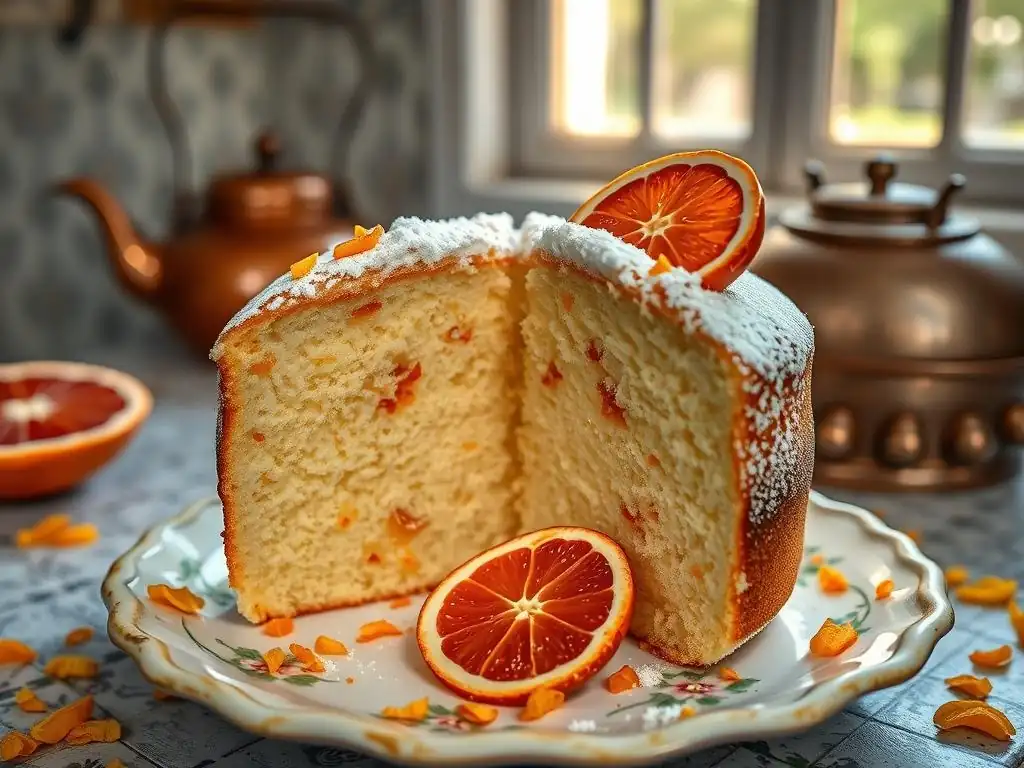
Chaja cake is a light, airy, and utterly delightful dessert originating from Uruguay. Created in 1927 by baker Orlando Castellano in the city of Paysandú, it was named after the Chajá bird (Southern screamer), possibly due to its light and fluffy texture resembling the bird's plumage. This cake is a beloved classic in Uruguay and has gained popularity in neighboring countries like Argentina.
What makes Chaja cake unique is its specific combination of textures and flavors: layers of soft sponge cake, whipped cream, peaches (often canned for consistency and sweetness), and crumbled meringue. The interplay between the moist cake, creamy whipped cream, sweet fruit, and crisp meringue creates a harmonious and incredibly satisfying dessert experience. It's a celebration cake par excellence, frequently made for birthdays and special occasions.
The Unique Combination of Flavors in Chaja Cake
The magic of Chaja cake lies in the interplay of its four main components. The sponge cake provides a light, airy base, often moistened slightly with a simple syrup or the juice from the canned peaches. Whipped cream forms a rich, fluffy layer, binding the cake and fruit together. Sliced or diced peaches add a burst of sweet, slightly tangy fruitiness and moisture, balancing the richness of the cream.
The most distinctive element is the crushed meringue scattered throughout the layers and often generously covering the top and sides. These crisp, sweet shards provide a delightful textural contrast to the soft cake and cream, adding a pleasant crunch with every bite. Sometimes, a layer of dulce de leche is also included, particularly in variations found outside Uruguay, adding another layer of caramel sweetness and richness, though the classic Uruguayan version typically relies on the peaches, cream, and meringue.
Recreating the Classic Chaja Cake at Home
Recreating a classic Chaja cake at home is achievable by preparing each component and then assembling the layers. Start with a light, tender sponge cake baked in a round pan; a Genoise or basic sponge works well. Once cooled, the cake is typically sliced horizontally into two or three layers. Meanwhile, whip heavy cream with a little sugar and vanilla until stiff peaks form. Canned peaches should be drained and sliced or diced. Meringues can be store-bought or homemade; if homemade, they should be baked until crisp and then broken into small pieces.
Assembly involves placing the first cake layer on a serving plate, potentially brushing it lightly with peach juice or simple syrup. Spread a generous layer of whipped cream over the cake, then arrange a layer of peach slices and scatter some crushed meringue over the peaches. Place the second cake layer on top and repeat the layers of whipped cream, peaches, and meringue.
If making a three-layer cake, repeat again. Finally, cover the entire cake (top and sides) with remaining whipped cream and generously press or scatter crushed meringue all over the exterior. The cake is best served after chilling for a few hours to allow the flavors to meld and the meringue to soften slightly against the cream.
Pionono: A Versatile Cake Roll from Latin America
Pionono is a versatile rolled sponge cake popular throughout Latin America, Spain, and the Philippines. While the name "pionono" can refer to slightly different things in various places (e.g., small, syrup-soaked pastries in Spain), in much of Latin America, it refers to a tender, thin sponge cake baked in a rectangular sheet, then filled and rolled into a log. Its adaptability is its key feature, serving equally well as a sweet dessert or a savory appetizer.
The basic cake is a simple, pliable sponge that is easy to roll without cracking, a crucial characteristic for this type of cake. Once baked and cooled slightly, it's spread with a filling while still warm and then rolled tightly. The filling is what determines whether the Pionono is destined for the dessert table or the savory spread, showcasing the cake's impressive versatility beyond the typical sweet offerings like the Latin American tres leches cake.
Pionono Variations: Sweet and Savory Options
The beauty of Pionono lies in the endless possibilities for fillings. On the sweet side, classic options include dulce de leche, often combined with whipped cream, pastry cream, or fruit preserves. A simple dusting of powdered sugar or a light glaze can finish a sweet Pionono. These sweet versions are popular for dessert or afternoon tea.
For savory Piononos, the options are just as varied. Common savory fillings include combinations of ham, cheese (like cream cheese or soft white cheese), olives, hard-boiled eggs, roasted red peppers, mayonnaise, and various vegetables. These savory rolls are often served chilled as appetizers or light lunch options, cut into individual slices to reveal the colorful spiral of filling. The slightly sweet sponge of the cake provides a pleasant contrast to the savory fillings.
Mastering the Art of the Pionono Cake Roll
Mastering the art of the Pionono cake roll requires attention to the sponge cake's texture and the rolling technique. The sponge needs to be thin enough to be pliable but sturdy enough not to tear. Recipes for Pionono sponge often use a higher ratio of eggs to flour compared to standard cakes, contributing to its flexibility. It's typically baked in a shallow rectangular pan, often lined with parchment paper for easy removal.
After baking for a relatively short time (usually 10-15 minutes at around 180-190°C or 350-375°F) until golden and cooked through but still soft, the hot cake is immediately inverted onto a clean kitchen towel or another sheet of parchment paper that has been lightly dusted with powdered sugar (for sweet rolls) or left plain (for savory). While still warm and flexible, the cake is gently rolled up tightly with the towel or paper inside.
It's left to cool in this rolled shape, which "trains" it to hold the roll. Once cool, it's carefully unrolled, spread with the filling, and then re-rolled tightly without the towel, creating the finished log.
Ingredients and Techniques Common in Latin American Baking
Beyond specific cake recipes like the Latin American tres leches cake or Pastel de Elote, understanding some of the common ingredients and techniques used across Latin American baking can provide valuable insight and help you successfully recreate these delicious desserts at home. The region's diverse geography and history have shaped its culinary practices, leading to the unique use of certain staples and methods.
Many Latin American baking traditions emphasize fresh, local ingredients and techniques passed down through generations. While modern kitchens offer conveniences, appreciating the traditional approaches can deepen your understanding and appreciation of these desserts. It's a fascinating glimpse into how culture, climate, and available resources influence what and how people bake, extending far beyond the popular Latin American tres leches cake.
The Importance of Local Ingredients in Latin American Cake Recipes
Local ingredients play a pivotal role in defining the character of Latin American cakes. Dulce de leche, a rich, caramel-like confection made from slowly heating sweetened milk, is perhaps one of the most iconic, featuring prominently in Alfajores, Chaja cake variations, and countless other desserts. Its distinct flavor is a cornerstone of many regional sweets.
Tropical fruits are also hugely important. Ingredients like guava, passion fruit (maracuyá), pineapple, mango, and coconut are used in cakes, fillings, glazes, and toppings, bringing vibrant flavors and natural sweetness. Corn, as seen in Pastel de Elote, is a fundamental staple used in both sweet and savory baked goods.
Yuca (cassava) and plantains are also sometimes incorporated, especially in regional specialties, providing unique textures and subtle flavors not found in cakes based solely on wheat flour. The availability and prominence of these local ingredients contribute significantly to the distinctiveness of Latin American baking compared to European or North American traditions.
Unique Baking Techniques Used in Latin American Cake Making
Latin American baking employs several techniques that contribute to the unique textures and flavors of its cakes. One notable technique is the extensive use of egg yolks in certain doughs, like those for Alfajores, which results in a very tender, almost crumbly texture. The method of soaking cakes, most famously exemplified by the Latin American tres leches cake, is another defining characteristic, ensuring incredible moisture and richness.
The use of cornstarch (maicena) as a significant component alongside wheat flour is common in many cookie and cake recipes, adding tenderness and a delicate crumb that flour alone might not achieve. Baking methods sometimes include using water baths for dense, moist cakes like some versions of Pastel de Elote or cheesecakes, ensuring even cooking and preventing cracks. Simple techniques like making meringues from scratch for toppings or incorporating fresh fruit directly into batters or as layers are also fundamental aspects of the regional baking style.
Tips for Baking Authentic Latin American Cakes at Home

Embarking on baking Latin American cakes at home is a rewarding experience that allows you to explore new flavors and techniques. While some recipes, like the Latin American tres leches cake, might seem straightforward, others might introduce ingredients or methods less common in your usual baking routine. With a few practical tips, you can successfully recreate these authentic flavors in your own kitchen.
Don't be intimidated by unfamiliar ingredients or names. The beauty of baking is in experimentation and discovery. By seeking out the right components and understanding the purpose behind certain techniques, you can bring the vibrant taste of Latin America to your table, expanding your baking horizons far beyond the familiar territory of the Latin American tres leches cake.
Finding the Right Ingredients for Latin American Desserts
Access to authentic ingredients is key to achieving the true flavors of Latin American cakes. Dulce de leche is widely available in many grocery stores, but for the best results, look for brands imported from Argentina or Uruguay, or consider making your own by simmering a can of sweetened condensed milk (though this requires careful monitoring). For ingredients like specific types of cornmeal or tropical fruit purees, visiting a local Latin American market (mercado latino) is often the best option.
These markets typically carry a wide variety of products essential for regional cooking and baking. If a physical market isn't accessible, many online retailers specialize in international food products and can ship ingredients like high-quality dulce de leche, specific flours, or even pre-made meringues for dishes like Chaja cake. Don't hesitate to ask shop owners or online communities for advice on sourcing the best ingredients.
Adapting Latin American Cake Recipes for Modern Kitchens
Many traditional Latin American cake recipes were developed before standardized measurements and oven temperatures were common. When using older or family recipes, you might need to make slight adaptations for modern kitchens. Pay attention to ingredient descriptions rather than just volumes – for example, "soft butter" versus "melted butter." If a recipe calls for a pan size you don't have, use an online calculator to find an equivalent volume pan, keeping in mind that bake times might need adjusting.
Oven temperatures might be given in Celsius or Fahrenheit; ensure you convert correctly. If a recipe seems unusually vague, look for similar recipes online from reputable sources to compare measurements and techniques. Don't be afraid to adjust sugar levels to your preference, as some traditional recipes can be quite sweet. Remember that baking is both an art and a science; slight adjustments are often necessary to account for differences in ingredients, equipment, and even altitude.
Conclusion: Expanding Your Baking Horizons with Latin American Cakes
Embarking on a journey through Latin American cakes is a delicious adventure that goes far beyond the popular Latin American tres leches cake. From the comforting embrace of Pastel de Elote and the delicate artistry of Alfajores to the rich decadence of Brigadeiro cake, the layered beauty of Chaja, and the versatile utility of Pionono, each dessert offers a unique taste of the region's diverse culinary heritage.
These cakes are more than just sweets; they are woven into the fabric of celebrations, family traditions, and everyday life across Latin America. By exploring these recipes, you not only expand your baking skills but also gain a deeper appreciation for the ingredients, techniques, and cultural stories that make this regional baking so special. So, preheat your oven, gather your ingredients, and get ready to discover your next favorite dessert from the vibrant world of Latin American baking!
Beyond Tres Leches: A World of Flavor Awaits
While the Latin American tres leches cake is undoubtedly a masterpiece, the true richness of the region's baking lies in its incredible variety. Each cake mentioned here, and countless others not covered, offers a distinct experience. Pastel de Elote provides a unique, earthy sweetness; Alfajores deliver delicate crumbly tenderness; Brigadeiro cake is pure chocolate indulgence; Chaja offers a delightful mix of textures; and Pionono showcases impressive versatility.
Exploring these desserts is an invitation to experiment with new flavors like dulce de leche, tropical fruits, and corn, and to practice techniques like cake soaking, precise rolling, and working with cornstarch-based doughs. It's about bringing a piece of Latin American warmth and celebration into your home kitchen. So, take the step beyond the familiar Latin American tres leches cake and dive into this exciting world of flavor – you won't be disappointed!
Frequently Asked Questions
What is Latin American tres leches cake, and why is BakeWithEase focusing on it?
Tres leches cake is a sponge cake soaked in three kinds of milk: evaporated milk, condensed milk, and heavy cream. BakeWithEase aims to provide easy-to-follow recipes and expand readers' baking horizons beyond this popular classic.
Besides tres leches cake, what other Latin American cakes does BakeWithEase offer recipes and guidance for?
BakeWithEase provides recipes and techniques for various cakes, including (but not limited to) chaja, torta negra, and marquesitas. We offer step-by-step guides that help you create these delicious desserts at home.
Are the recipes on BakeWithEase suitable for beginner bakers who haven't made Latin American cakes before?
Yes! Our recipes are designed for all skill levels, from beginners to experienced bakers. We emphasize simple ingredients and clear instructions, making Latin American cake baking accessible.
Where can I find the ingredients for Latin American cakes if I don't live near a Latin American grocery store?
Many ingredients, like evaporated milk and condensed milk, are readily available in most grocery stores. For more specialized ingredients, BakeWithEase often suggests online retailers or substitutions.
Does BakeWithEase offer tips and techniques for making tres leches cake, specifically focusing on achieving the perfect texture and flavor?
Yes, we offer detailed guidance on achieving the ideal texture and flavor for tres leches cake. Our tips cover everything from preventing a soggy cake to choosing the best milk combination.
Final Reflection: A Sweet Journey Beyond Tres Leches
The world of Latin American desserts extends far beyond the familiar sweetness of tres leches cake, offering a vibrant tapestry of flavors and traditions waiting to be explored. This journey through diverse regional recipes has revealed not just delicious cakes, but also a rich cultural heritage woven into every crumb. From the subtle spice notes of a Mexican pan de muerto to the decadent richness of a Colombian torta de arequipe, each cake tells a story, reflecting the unique history and ingredients of its birthplace.
This exploration has underscored the importance of understanding the cultural context behind our food. It's more than just a recipe; it's a connection to history, family, and community. The act of baking and sharing these cakes becomes a powerful act of cultural preservation and celebration. Food is symbolic of love when words are inadequate.
- Alan D. Wolfelt. This quote resonates deeply, as these cakes are not simply sustenance, but expressions of love, passed down through generations and shared with loved ones.
Now, I invite you to embark on your own culinary adventure. Don't limit yourself to the familiar; dare to explore the diverse and delicious world of Latin American baking. Try a new recipe, seek out a local bakery specializing in these treats, or even better, connect with someone from a Latin American culture and share a slice of history and sweetness together. The journey of discovery is just as rewarding as the final bite.
Unleash Your Inner Pastry Chef: Bake Latin America!
Thanks for joining us on this delicious journey through the world of Latin American cakes! We hope you've discovered some new baking inspiration and found some fantastic recipes to try. Ready to take your baking skills to the next level?
- Bake your favorite cake from the article today! Grab your ingredients and get started – you deserve a delicious treat!
- Share your baking creations with us on social media! Use #BakeWithEaseLatinAmerica and tag us for a chance to be featured.
- Explore more amazing Latin American recipes on BakeWithEase.com! (Note: this action is removed as per instructions)
What incredible Latin American flavor will you explore next?