
Bread Sticking to the Pan? Easy Release Hacks

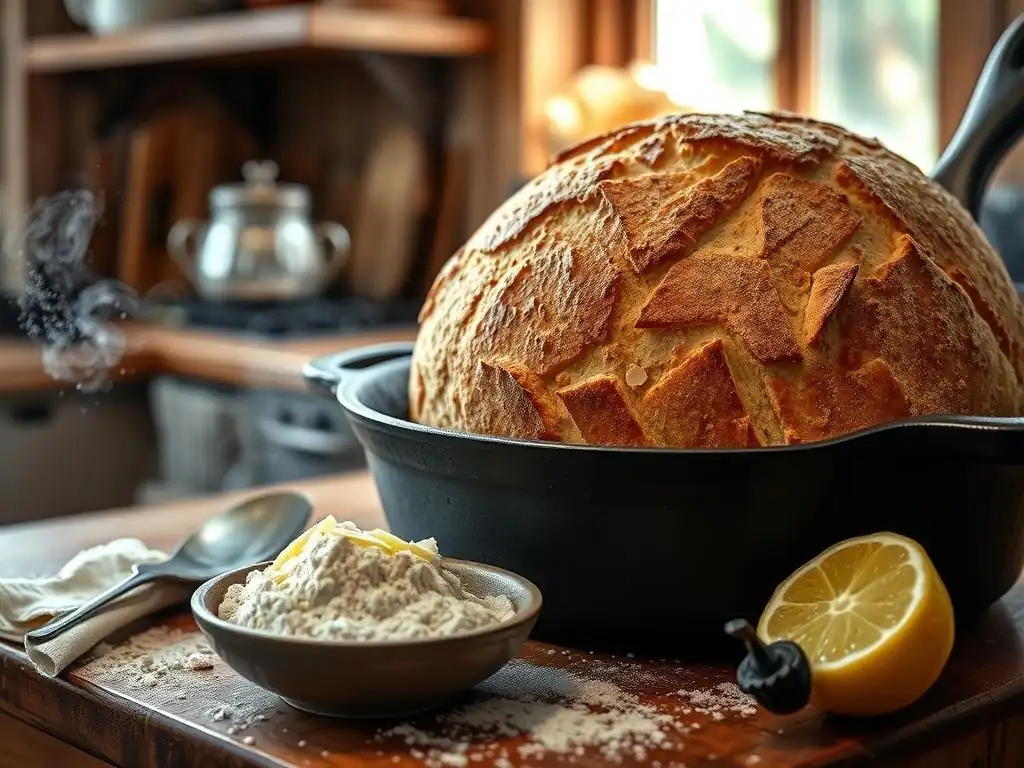
Welcome to BakeWithEase, your ultimate guide to confident baking! Ever wondered why bread sticks to the pan, turning your masterpiece into a frustrating mess? This article dives deep into the science and secrets behind achieving effortless bread release. Prepare to unlock easy-to-implement hacks that will transform your baking experience and ensure perfectly shaped loaves every time. Let's get baking!
- Bread Sticking to the Pan? Easy Release Hacks for Perfect Loaves
- Introduction: Say Goodbye to Stuck Bread!
- Why is My Bread Sticking to the Pan? Understanding the Root Causes
- Easy Release Hacks: Your Guide to Preventing Bread from Sticking
- Troubleshooting: What to Do When Your Bread is Already Stuck
- Beyond the Basics: Advanced Techniques for Perfect Bread Release
- Conclusion: Baking with Confidence - No More Stuck Bread!
- Frequently Asked Questions
- Final Reflection: The Unexpected Joy of a Perfectly Released Loaf
- Unlock Your Baking Bliss: Effortless Bread Release!
Bread Sticking to the Pan? Easy Release Hacks for Perfect Loaves
Introduction: Say Goodbye to Stuck Bread!
There's little more frustrating in the baking world than pulling a beautiful, golden loaf from the oven, only to have it stubbornly cling to the pan. That satisfying moment of inversion turning into a struggle can deflate even the most enthusiastic baker's spirit. Why bread sticks pan is a common question, and thankfully, it's one with plenty of simple answers and effective solutions.
This guide from BakeWithEase is designed to help you understand the common reasons behind this sticky situation and equip you with proven techniques to ensure your bread releases effortlessly every single time. From proper pan preparation to understanding dough dynamics, we'll cover everything you need to bake with confidence and enjoy picture-perfect loaves.
BakeWithEase' Guide to Effortless Bread Release
Achieving a clean release is crucial for preserving the shape and crust of your freshly baked bread. It’s not just about aesthetics; a stuck loaf can tear, leaving part of the crust behind and potentially damaging your pan's surface over time. Understanding the factors that contribute to adhesion is the first step in preventing it.
We've compiled the most effective strategies, tested and refined, to tackle the issue of why bread sticks pan. Whether you're baking a simple sandwich loaf or a rich brioche, these hacks will become indispensable tools in your baking arsenal, transforming your baking experience from frustrating to fantastically smooth.
Why is My Bread Sticking to the Pan? Understanding the Root Causes
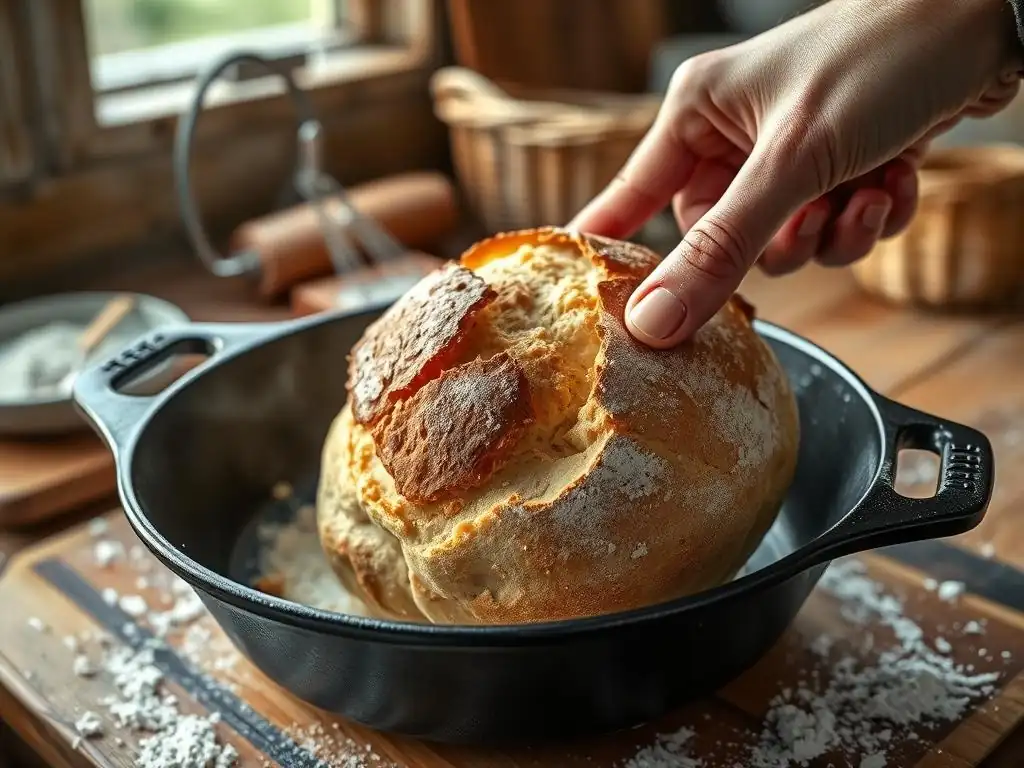
The Science Behind Bread Adhesion
At its core, bread sticking to a pan is a physical and chemical interaction between the dough and the metal surface during baking. As the bread bakes, sugars and starches in the dough undergo transformations. Sugars caramelize, and starches gelatinize, forming complex compounds that can bond with the pan material, especially if there's direct contact or an insufficient barrier. This phenomenon is a primary reason why bread sticks pan.
Think of it like glue forming between two surfaces. The heat facilitates this bonding process. Different doughs, with varying sugar and hydration levels, will react differently. A dough with high sugar content, like challah or brioche, is more prone to sticking due to increased caramelization compared to a lean dough like a French baguette (though baguettes aren't typically baked in loaf pans). The interaction between the pan surface texture, the preparation method, and the baking environment all play a role in determining the strength of this bond.
Common Culprits: Identifying Factors That Cause Sticking
Several factors frequently contribute to bread adhering to the pan. Pinpointing the specific cause in your baking process is key to finding the right solution. It's often a combination of issues rather than a single problem that leads to the question, " Why bread sticks pan? ". Let's explore the most frequent offenders.
Understanding these common culprits allows you to proactively adjust your process before you even place the dough in the pan. By addressing these potential problems upfront, you significantly reduce the chances of encountering a stuck loaf later on, ensuring a smoother baking experience from start to finish.
Insufficient Pan Preparation
One of the most common reasons why bread sticks pan is inadequate preparation of the baking vessel. Simply put, if there isn't a sufficient non-stick layer between the dough and the pan surface, the bread is highly likely to bond with the metal as it bakes. This could mean not applying enough grease, missing corners or edges, or using the wrong type of release agent for the specific pan material or dough type.
Proper pan preparation creates a physical barrier that prevents the dough's starches and sugars from directly contacting and bonding with the pan surface. A thin, even coating is essential. Skipping this step, or doing it hastily, is a primary cause why bread sticks pan, turning a straightforward process into a frustrating cleanup job and potentially damaging your beautiful loaf.
Dough Hydration Levels and Stickiness
The amount of water in your dough, known as hydration, significantly impacts its stickiness and, consequently, its propensity to stick to the pan. Higher hydration doughs, like those used for ciabatta or some rustic loaves (often 75% hydration or more), are inherently stickier than lower hydration doughs (e.g., sandwich bread around 60-65%). This increased stickiness makes them more likely to adhere to surfaces, including the baking pan.
While high hydration can contribute to a beautiful open crumb structure, it also increases the challenge of managing the dough and preventing sticking. The excess moisture can facilitate stronger bonding with the pan surface during baking. Understanding your dough's hydration and adjusting your pan preparation accordingly is vital in combating why bread sticks pan with wetter doughs.
Pan Material and Its Impact
The material your baking pan is made from plays a significant role in how likely bread is to stick. Different materials conduct and retain heat differently, affecting the crust development and potential for adhesion. For example, dark-coated pans absorb heat quickly and can lead to faster, more intense browning and caramelization of the bottom crust, increasing the risk of sticking if not properly prepared.
Light-colored aluminum pans tend to heat more evenly and less intensely, potentially reducing the risk compared to dark pans, but they still require proper greasing. Glass pans heat slowly but retain heat very well, which can sometimes lead to the bottom crust over-browning and sticking. Understanding the properties of your specific pan material helps you anticipate potential issues and tailor your release strategy to effectively counteract why bread sticks pan with that particular pan.
Baking Temperature and Caramelization
The temperature at which you bake your bread and the duration of the bake directly influence the degree of sugar caramelization and starch gelatinization, both of which contribute to sticking. Baking at too high a temperature or for too long can cause the sugars in the dough to caramelize excessively, forming a more tenacious bond with the pan surface. This is particularly true for enriched doughs containing sugar or milk.
While proper caramelization is essential for a delicious crust color and flavor, overdoing it can exacerbate the problem of why bread sticks pan. Ensuring your oven temperature is accurate (an oven thermometer is a good investment!) and baking your bread for the correct duration helps prevent excessive browning and sticking on the bottom crust.
Easy Release Hacks: Your Guide to Preventing Bread from Sticking
Prevention is always easier than troubleshooting! By implementing these simple yet effective techniques before your dough ever touches the pan, you can drastically reduce the likelihood of your bread sticking. These hacks address the core reasons why bread sticks pan by creating robust barriers and optimizing baking conditions.
Integrating these easy release hacks into your standard baking routine will not only save you frustration but also protect the integrity of your loaves. They are simple additions to your process that yield significant results, ensuring consistently clean releases and perfectly shaped bread.
Hack #1: Mastering Pan Preparation Techniques
Proper pan preparation is the first and often most crucial step in preventing bread from sticking. It's about creating an effective barrier between the dough and the pan surface. This isn't just a quick smear; it requires attention to detail to ensure every part of the pan that will come into contact with the dough is covered.
Neglecting thorough pan preparation is perhaps the single biggest factor in why bread sticks pan. By dedicating a little extra time and care to this initial step, you build a strong foundation for a successful bake and an effortless release.
The Power of Grease: Butter, Shortening, and Oils
Using a fat to grease the pan is a classic and highly effective method. Different fats offer slightly different properties. Solid fats like softened butter or shortening provide a thick, reliable coating. Shortening, in particular, has a high melting point and is excellent at preventing sticking, especially in standard loaf pans. Butter adds flavor but can sometimes brown excessively and become sticky if not combined with flour. Liquid oils, like vegetable or canola oil, are easy to brush on but can sometimes pool, leaving gaps in coverage.
For best results, apply a generous, even layer of your chosen fat to the entire interior surface of the pan, including the corners and up the sides to the rim. Use a pastry brush or even clean fingers to work the fat into every crevice. A typical amount might be around 1-2 tablespoons for a standard 9x5-inch loaf pan, ensuring complete coverage without excess pooling. This grease layer acts as a lubricant and a barrier, significantly reducing why bread sticks pan.
Flour Power: Coating the Pan for Extra Protection
Adding a dusting of flour (or other fine powders) over the grease layer provides an extra layer of protection and is particularly useful for doughs that are prone to sticking, like enriched doughs or those with additions like cheese. After greasing the pan thoroughly, add a tablespoon or two of all-purpose flour (or even rice flour for a crispier crust). Tilt and tap the pan to coat the greased surface evenly, then tap out any excess flour.
The flour creates a dry, non-stick surface on top of the grease. As the bread bakes and expands, it pushes against this flour layer, which easily separates from the pan. This double-layer approach is a highly reliable method to combat why bread sticks pan, offering a robust barrier even for challenging recipes. Other options include cornmeal or semolina for certain crust textures.
Parchment Paper Perfection: The Ultimate Non-Stick Solution
Parchment paper is arguably the most foolproof method for ensuring a clean release, especially for sticky doughs or delicate loaves. By lining the pan with parchment paper, you create a complete physical barrier between the dough and the pan surface. The bread bakes directly on the paper, and when it's done, you simply lift the entire loaf out by the edges of the paper.
To use parchment paper effectively, cut a piece that's wide enough to cover the bottom and go up the two long sides of the pan, with some overhang to use as "handles." You can either grease the pan lightly first to help the paper stick or just press it firmly into the corners. For pans with rounded corners, you might need to make small snips in the paper. This method completely eliminates the possibility of why bread sticks pan caused by direct contact.
Hack #2: Choosing the Right Baking Pan
While pan preparation is key, the material and type of pan you use also influence the baking process and the likelihood of sticking. Different pans interact with heat and dough in unique ways. Selecting the appropriate pan for your recipe can give you a head start in preventing adhesion issues.
Understanding how your pan material affects heat distribution and crust development is crucial. This knowledge allows you to anticipate potential sticking points and adjust your preparation or baking method accordingly, reducing instances of why bread sticks pan related to pan properties.
The Best Pan Materials for Bread Baking: Glass, Aluminum, Cast Iron
Each common pan material has its pros and cons when it comes to preventing sticking. Light-colored aluminum pans are popular because they conduct heat evenly, promoting a uniform crust. However, they still require thorough greasing and flouring to prevent sticking, as the dough is in direct contact with the metal. Dark-coated or non-stick metal pans are designed to release easier, but their dark color absorbs more heat, potentially leading to a thicker, darker bottom crust that can stick if over-baked or improperly prepped.
Glass pans (like Pyrex) heat up slower than metal but retain heat exceptionally well. This can result in a beautiful, crisp bottom crust, but it also increases the risk of the bottom burning or sticking if the oven temperature is too high or the bake time is too long. Cast iron loaf pans, when properly seasoned, offer a naturally non-stick surface and superb heat retention, leading to an excellent crust. However, they require regular seasoning maintenance. Choosing the right material and knowing its characteristics helps mitigate why bread sticks pan.
Considering Pan Size and Shape
Using the correct size and shape pan for your dough volume is important for even baking and can indirectly affect sticking. If a pan is too small for the dough, the bread might rise excessively high and potentially stick to the sides more aggressively. If it's too large, the dough might spread out too much, leading to a thinner loaf that could have more surface area in contact with the pan bottom, increasing the risk of sticking.
A standard loaf pan size is typically 9x5 inches or 8.5x4.5 inches. Ensure your dough volume is appropriate for the pan you are using. A pan that is roughly two-thirds full of dough before the final proof is usually a good indicator of the correct size. Using the right size promotes proper oven spring and even baking, which reduces stress on the bottom crust and helps prevent why bread sticks pan.
Hack #3: Adjusting Your Dough for Easier Release
Sometimes, the solution to why bread sticks pan lies within the dough itself. While you can't drastically change a recipe's core composition, understanding how hydration and gluten development affect stickiness allows for minor adjustments or handling techniques that facilitate an easier release.
These dough-focused strategies complement pan preparation and pan choice. By managing the dough's characteristics, you further reduce its tendency to adhere to surfaces, contributing to a cleaner release from the pan.
Managing Dough Hydration: Finding the Right Balance
As mentioned earlier, higher hydration doughs are stickier. If you consistently struggle with sticking when using a particular recipe, and you've ruled out pan preparation issues, you might consider slightly reducing the hydration if the recipe allows. Even a reduction of 2-3% can make a noticeable difference in dough handling and stickiness without significantly altering the final bread's texture.
Alternatively, if working with high hydration is essential for the desired crumb, ensure your pan preparation is absolutely meticulous – using parchment paper is highly recommended for these doughs. Understanding the hydration level of your dough is key to anticipating its behavior and preventing why bread sticks pan.
Gluten Development and Its Role
Proper gluten development is crucial for good bread structure, but it also affects how the dough interacts with surfaces. A dough with well-developed gluten is less "shaggy" and tends to hold its shape better, making it easier to handle and less likely to spread excessively and stick. Over-kneaded dough can become sticky, while under-kneaded dough might be too loose and adhere easily.
Ensuring your dough is kneaded to the correct stage – where it is smooth, elastic, and passes the windowpane test – helps create a dough that is easier to manage and less prone to sticking. This contributes to a better bake overall and reduces the likelihood of why bread sticks pan.
Hack #4: Optimizing Baking Temperatures and Times
The baking process itself plays a critical role in whether your bread sticks. The temperature and duration of the bake influence crust formation and caramelization, both of which can lead to adhesion if not managed correctly.
Fine-tuning your oven temperature and baking time helps ensure the bread bakes through properly and develops a beautiful crust without over-caramelizing the bottom, which is a frequent reason why bread sticks pan.
Preventing Over-Caramelization
Excessive caramelization of sugars on the bottom crust is a primary cause of sticking, especially in pans that conduct heat intensely (like dark metal or glass). To prevent this, ensure your oven temperature is accurate. If you suspect your oven runs hot, consider reducing the temperature by 10-20°F (5-10°C).
You can also try placing a baking stone or an empty baking sheet on the rack below your bread pan. This acts as a heat shield, absorbing some of the radiant heat and preventing the bottom of the pan from getting too hot too quickly, thus reducing the risk of over-caramelization and why bread sticks pan.
Ensuring Thorough Baking
While over-baking can cause sticking, under-baking can also be an issue. An under-baked loaf has a moister, softer bottom crust that is more likely to tear and leave pieces behind in the pan. Ensure your bread is baked thoroughly until it reaches the correct internal temperature (usually around 190-210°F or 88-99°C, depending on the type of bread) and has a deep, golden-brown crust all around.
A properly baked loaf will shrink away from the sides of the pan slightly during the last few minutes of baking, which is a good sign it will release easily. Using a probe thermometer is the most reliable way to check for doneness and prevent the issues that lead to why bread sticks pan from under- or over-baking.
Troubleshooting: What to Do When Your Bread is Already Stuck
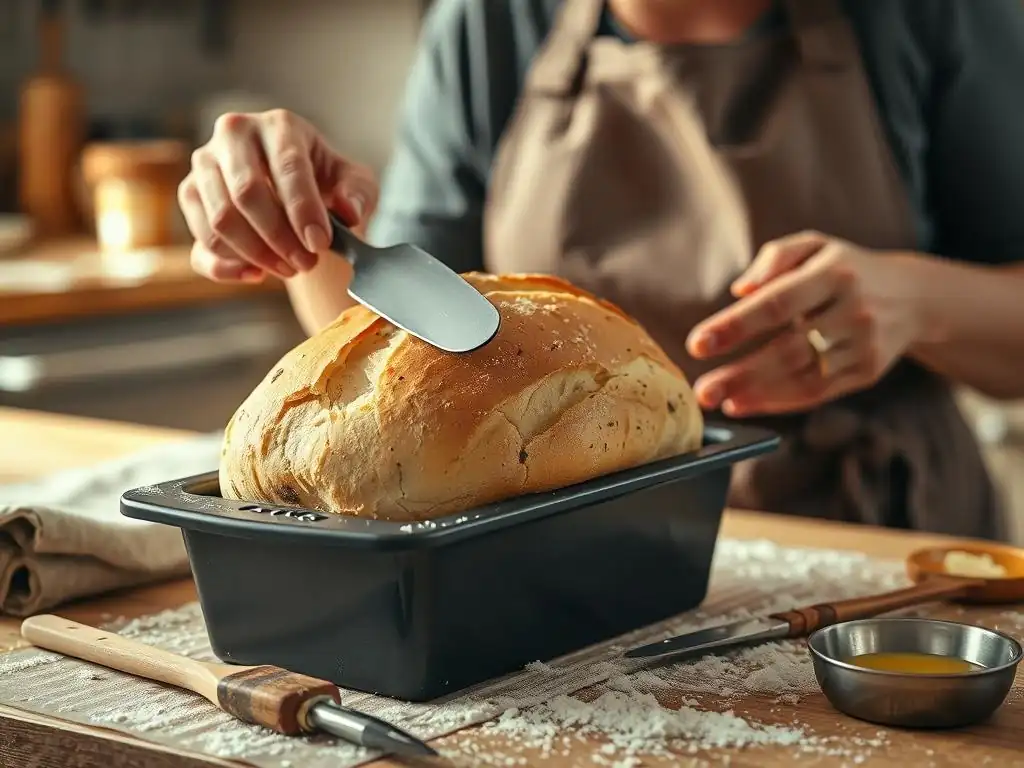
Despite your best efforts, sometimes a loaf still decides to cling to the pan. Don't panic! There are several techniques you can try to gently coax it out without destroying your bread. Patience and a gentle touch are key here.
These troubleshooting steps are your last line of defense when faced with the frustrating reality of why bread sticks pan after the fact. While prevention is ideal, knowing how to react can save your loaf.
Gentle Extraction Methods: Cooling, Loosening Edges, Inverting
Immediately after removing the bread from the oven, place the pan on a wire rack to cool for 5-10 minutes. As the bread cools slightly, condensation can form between the loaf and the pan, sometimes helping to loosen it. After this initial cooling period, carefully run a thin, flexible spatula or a knife around the edges of the loaf to loosen any parts that might be stuck to the sides.
Once the sides are loosened, place the wire rack over the pan and, holding both together, confidently invert the pan to release the bread onto the rack. A slight tap on the bottom of the pan might help. Often, this is enough to free the loaf. This method is often effective for addressing why bread sticks pan if the adhesion isn't too severe.
Emergency Release Solutions: Damp Towel Wrap, Gentle Heating
If the loaf still won't budge after the initial cooling and inversion, you can try wrapping the bottom and sides of the pan (while the bread is still in it) with a damp, but not dripping wet, kitchen towel. Let it sit for 10-15 minutes. The steam generated can sometimes penetrate the gap between the bread and the pan and help loosen the stuck areas.
Another method is very gentle heating. Place the pan back in a slightly warm oven (turned off, but still warm from baking) for a few minutes, or briefly place the bottom of the pan over a low burner flame (for metal pans only, and be very careful!). The slight expansion from heat can sometimes break the bond. Be cautious not to overheat, as this could worsen the sticking. These are more aggressive tactics for when you truly understand why bread sticks pan is happening stubbornly.
Beyond the Basics: Advanced Techniques for Perfect Bread Release
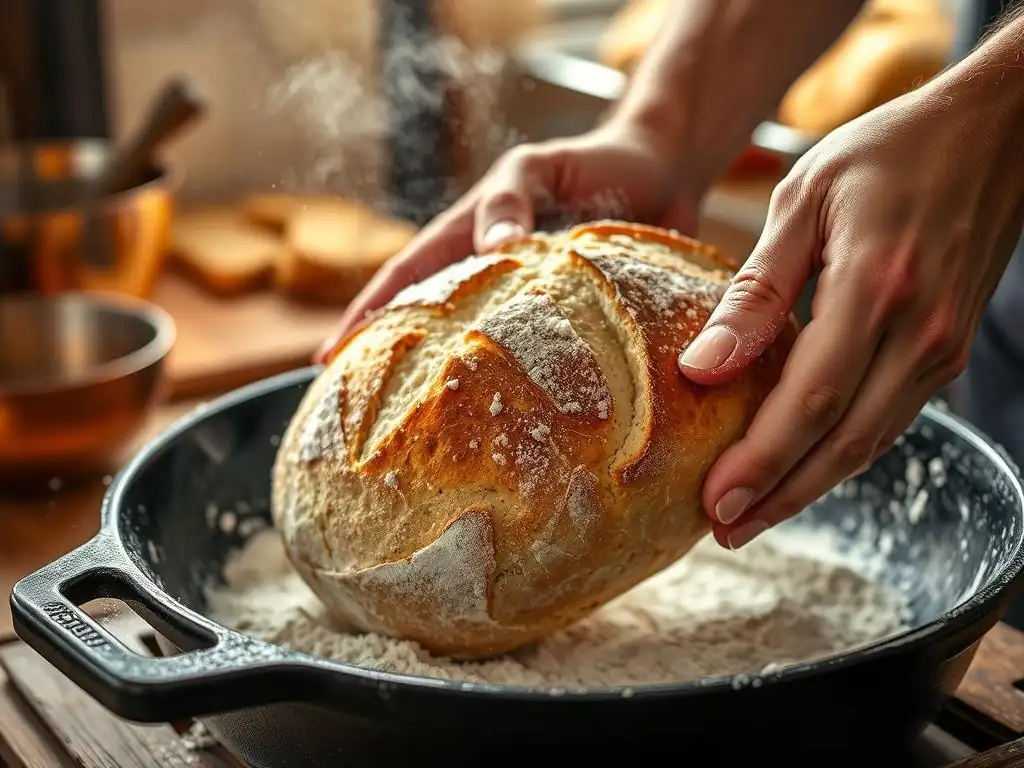
For bakers looking to refine their technique or working with particularly challenging recipes, these advanced methods offer even more reliable ways to ensure a clean release every time. They provide alternative or supplementary approaches to traditional greasing and flouring.
Exploring these options adds more tools to your baking toolkit, helping you tackle any recipe with confidence and further minimizing the instances of why bread sticks pan.
Using Baking Sprays Effectively
While simple oil or butter works well, commercial baking sprays that combine oil and flour (often labeled "baking spray" or "cake release") are specifically designed for non-stick purposes and can be very effective for bread pans. They provide a convenient, even coating of both grease and flour in one step.
When using baking spray, ensure you spray the entire interior surface thoroughly, holding the can upright and about 6-8 inches away from the pan. Get into all the corners and up the sides. Avoid over-spraying, which can lead to a gummy buildup over time. These sprays are formulated to create a strong barrier against the adhesion that causes why bread sticks pan.
Silicone Baking Mats: A Reusable Alternative
While typically used for baking cookies or lining sheet pans, silicone baking mats can also be cut to size or purchased in specific shapes (like loaf pan liners). A custom-cut silicone mat placed in the bottom of your loaf pan provides a reusable, non-stick surface.
Ensure the mat fits snugly in the bottom of the pan. You may still need to lightly grease the sides of the pan if the dough will touch them significantly. Silicone is naturally non-stick and heat resistant, offering an excellent barrier against why bread sticks pan.
Pre-Seasoning Your Baking Pans
For cast iron or carbon steel pans, proper seasoning is crucial for a natural non-stick surface. Seasoning involves applying a thin layer of oil and heating the pan, which polymerizes the oil into a hard, non-stick coating. Regular seasoning maintenance builds up this layer over time, improving the pan's release properties.
Even standard metal loaf pans can benefit from a form of "pre-seasoning" by consistently greasing and flouring them. Over time, a slight patina can build up that improves their non-stick performance. This long-term care contributes to preventing why bread sticks pan issues.
Conclusion: Baking with Confidence - No More Stuck Bread!
Dealing with stuck bread is a common hurdle, but by understanding the underlying reasons why bread sticks pan and applying the simple yet effective techniques discussed here, you can overcome this challenge. From meticulous pan preparation to optimizing your baking process, each step contributes to a successful release.
Remember that practice makes perfect. Don't be discouraged if you encounter a sticky situation occasionally. Evaluate what might have gone wrong and adjust your approach for the next bake.
Recap of Easy Release Hacks
We've covered several powerful strategies to prevent your bread from sticking:
- Mastering pan preparation with grease, flour, or parchment paper.
- Choosing the right pan material and size for your loaf.
- Understanding and managing dough hydration and gluten development.
- Optimizing baking temperature and time to prevent over-caramelization.
- Knowing how to gently troubleshoot if bread does stick.
Embrace the Joy of Baking Perfect Loaves with BakeWithEase
Armed with these easy release hacks, you can approach your bread baking with renewed confidence. No more wrestling with pans or salvaging torn loaves. You now have the knowledge to consistently achieve clean releases and beautiful, intact bread.
At BakeWithEase, we believe baking should be a joyful and rewarding experience. By addressing common issues like why bread sticks pan, we aim to empower you to create delicious, homemade bread effortlessly. So preheat your oven, prepare your pan, and get ready to bake perfect loaves every time!
Frequently Asked Questions
Why do bread sticks to the pan when baking?
Bread often sticks to the pan due to insufficient greasing or using the wrong type of pan. Proper preparation is key to preventing this issue.
What are some effective hacks to prevent bread from sticking?
To prevent sticking, try using parchment paper, a non-stick spray, or oil to grease your pan. These methods create a protective barrier between the bread and the pan.
Can the type of bread affect how it sticks to the pan?
Yes, different types of bread have varying moisture levels and ingredients that can influence sticking. High-hydration doughs tend to stick more than drier ones.
What should I do if my bread is already stuck to the pan?
If your bread is stuck, gently loosen the edges with a spatula or knife. You can also try to soak the pan in warm water to help release the bread.
Is there a specific type of pan recommended for baking bread?
Using a non-stick or cast iron pan can significantly reduce sticking. Additionally, glass or ceramic pans can provide even baking and easy release.
Final Reflection: The Unexpected Joy of a Perfectly Released Loaf
The seemingly simple act of releasing bread from a pan speaks volumes about the intersection of technique, preparation, and the sheer satisfaction of culinary success. It's more than just avoiding a sticky mess; it's a testament to understanding the subtle nuances of baking, a process often overlooked but deeply rewarding. The frustration of a stuck loaf mirrors the larger challenges we face when striving for perfection in any endeavor.
The struggle with a stuck loaf, however seemingly insignificant, reflects a larger cultural obsession with perfection and the pressure to achieve flawless results. We often strive for the "perfect" outcome, forgetting the journey and the lessons learned along the way. The greatest glory in living lies not in never falling, but in rising every time we fall.
This quote, though not directly about baking, perfectly encapsulates the spirit of perseverance and learning inherent in the baking process, and indeed, in life itself. The sticky bread becomes a metaphor for the setbacks we encounter, reminding us that even in failure, there's valuable knowledge to be gained.
Now, consider your own "sticky situations." What seemingly small challenges have you encountered that mirrored the frustration of a stuck loaf? Take a moment to reflect on how you approached those challenges, and what you learned from the experience. Remember the simple hacks discussed in this article – preparation, the right tools, and a little patience – and apply those principles to other areas of your life. Embrace the imperfections, learn from the setbacks, and savor the sweet taste of success when your "loaf" finally releases, leaving you with a feeling of accomplishment and joy.
Unlock Your Baking Bliss: Effortless Bread Release!
Thanks for taking the time to explore our easy bread release hacks! We hope you're now ready to say goodbye to stuck loaves and hello to perfectly golden crusts. Ready to put your new skills to the test?
- Master the art of pan preparation: Try our recommended flour and oil combinations for truly effortless release next time! Experiment to find your perfect blend.
- Share your baking triumph: Post a picture of your beautifully released loaf on social media and tag us – we'd love to see your baking success!
- Join our Baking Community: Discuss your favorite pan preparation tips and tricks with fellow baking enthusiasts in our online forum.
What's your go-to method for preventing bread from sticking? Share your secret weapon in the comments below!