
The Ultimate Guide to Baking Dark Rye Loaves

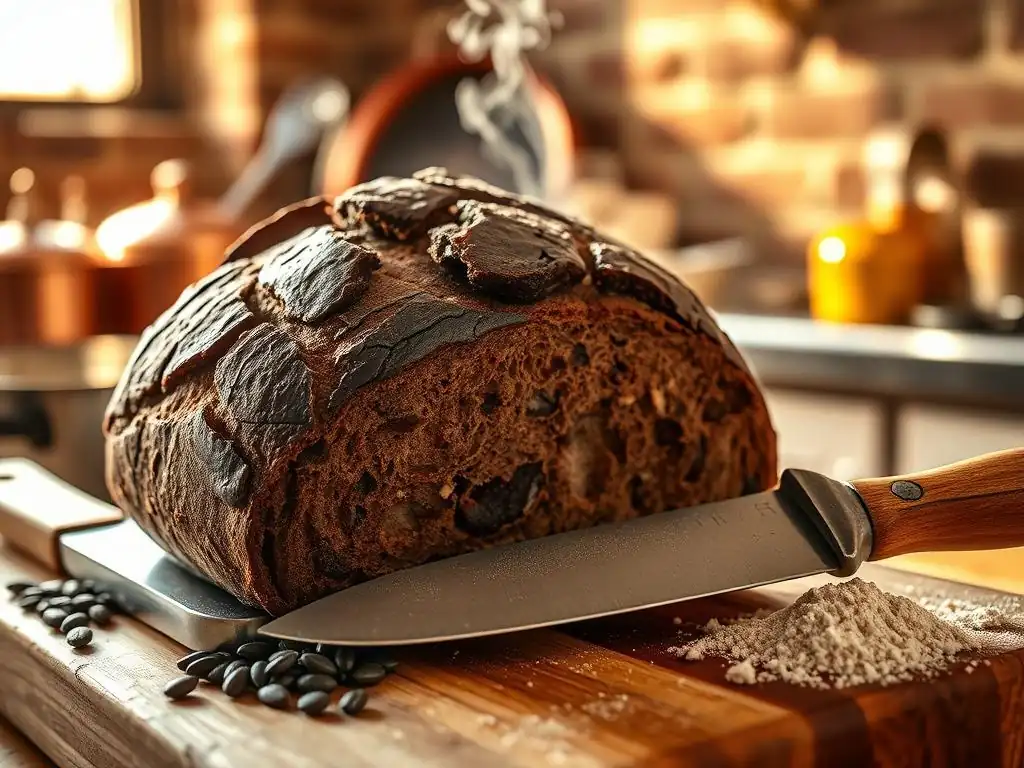
Welcome to BakeWithEase, your trusted companion on your baking journey! Ever wondered how to achieve that perfect, deeply flavorful loaf of dark rye bread? We're about to unlock the secrets. Get ready to discover our ultimate guide, packed with tips and tricks to help you bake a delicious, authentic dark rye loaf. Dive in and let's get baking – the aroma alone will have you hooked!
- The Ultimate Guide to Baking Sourdough Rye Loaves
- Introduction: Mastering the Art of Sourdough Rye Bread Baking
- Understanding Rye Flour: The Key Ingredient
- Essential Ingredients for Your Sourdough Rye Bread Recipe
-
Step-by-Step Sourdough Rye Bread Recipe: From Start to Finish
- Preparing Your Sourdough Starter
- Combining the Ingredients: The Autolyse and Mixing
- Kneading and Developing the Dough: Coil Folds and Lamination
- The First Rise: Bulk Fermentation Explained
- Shaping Your Sourdough Rye Loaf: Achieving the Perfect Form
- The Second Rise: Proofing for Optimal Texture
- Baking Your Sourdough Rye Bread: Temperature and Time
- Cooling and Slicing: The Final Touches
- Troubleshooting Common Sourdough Rye Bread Baking Problems
- Tips and Tricks for the Perfect Sourdough Rye Loaf
- Serving Suggestions: Enjoying Your Homemade Sourdough Rye
- Conclusion: Your Journey to Baking Delicious Sourdough Rye Bread
- Frequently Asked Questions
- Final Reflection: The Enduring Allure of Dark Rye
- Unlock Your Inner Rye Baker!
The Ultimate Guide to Baking Sourdough Rye Loaves
Introduction: Mastering the Art of Sourdough Rye Bread Baking
Welcome to the World of Authentic Sourdough Rye Bread
Stepping into the realm of baking authentic sourdough rye bread is a rewarding journey. It’s about more than just mixing ingredients; it’s an exploration of fermentation, flavor development, and the unique characteristics of rye flour. Unlike simple quick breads, a true sourdough rye loaf, especially a dark rye bread recipe, requires patience and attention to detail, but the result is a bread with unparalleled depth of flavor and a wonderfully complex texture that store-bought versions simply cannot replicate.
This guide is designed to demystify the process, making the art of crafting a beautiful sourdough rye bread recipe accessible to bakers of all levels. We'll walk through each stage, from understanding the star ingredient, rye flour, to troubleshooting common issues. Prepare to transform simple ingredients into a loaf that is not only delicious but also a testament to your baking skill.
Why Bake Your Own Sourdough Rye Loaf?
Baking your own sourdough rye loaf offers immense satisfaction. The aroma that fills your kitchen as it bakes is just the beginning. Homemade rye bread boasts a richer, tangier flavor profile compared to commercial loaves, often enhanced by the natural fermentation of the sourdough starter and ingredients like molasses and caraway seeds. You also have complete control over the quality and type of ingredients used, allowing you to tailor your dark rye bread recipe to your exact preferences, whether you favor a lighter loaf or a dense, hearty pumpernickel-style bread.
Beyond taste, the texture of homemade sourdough rye is distinct – a chewy crust giving way to a moist, dense crumb. This texture is often a hallmark of a well-executed sourdough rye bread recipe. The process itself, from feeding your starter to watching the dough transform, can be incredibly therapeutic and provides a tangible sense of accomplishment with each successful bake. It's an investment of time that pays dividends in flavor and personal satisfaction.
BakeWithEase's Commitment to Sourdough Rye Bread Recipes
At BakeWithEase, our passion is making baking approachable and enjoyable for everyone. We believe that even complex-sounding recipes, like a sourdough rye bread recipe, can be mastered with clear instructions and helpful tips. Our commitment is to provide you with reliable, easy-to-follow guides that empower you to create bakery-quality bread right in your own home.
We've meticulously tested the techniques and ingredient combinations presented in this guide to ensure they yield consistent, delicious results. We understand the nuances of working with rye flour and sourdough, and we've distilled that knowledge into practical advice. Think of this article as your friendly companion on the path to baking your best dark rye bread recipe yet. We're here to help you succeed and find joy in the process.
Understanding Rye Flour: The Key Ingredient
What is Rye Flour and Where to Find It?
Rye flour is milled from the grain of the rye plant ( Secale cereale), a hardy grass closely related to wheat and barley. It has been a staple grain in many parts of the world, particularly in Eastern and Northern Europe, for centuries. Unlike wheat flour, which forms a strong gluten network when hydrated and kneaded, rye flour contains much less gluten, and the gluten it does contain is less elastic. This fundamental difference significantly impacts how rye dough behaves.
Finding rye flour is relatively easy today. Most well-stocked supermarkets carry at least one type, often light or medium rye. Health food stores and specialty grocers are excellent sources for a wider variety, including dark rye flour (sometimes labeled pumpernickel flour) and whole rye flour. Online retailers also offer a broad selection, allowing you to explore different grinds and types for your dark rye bread recipe.
Different Types of Rye Flour: Light, Medium, and Dark
Rye flour is typically categorized by its "extraction rate," which refers to how much of the rye kernel (the bran, germ, and endosperm) is included in the final flour. This rate dictates the flour's color, nutrient content, and how it performs in baking.
- Light Rye Flour: Milled primarily from the endosperm, similar to white wheat flour. It has a lighter color and milder flavor than darker varieties. It contains the least amount of fiber and nutrients among the rye types. Dough made with light rye is often easier to handle than that made with darker flours.
- Medium Rye Flour: Contains more of the bran and germ than light rye, resulting in a darker color and more pronounced rye flavor. It's a good middle ground, offering a balance of flavor and handling properties for a sourdough rye bread recipe.
- Dark Rye Flour: Milled from almost the entire rye kernel, including a significant portion of the bran and germ. This gives it a deep color and a robust, earthy flavor. Pumpernickel flour is a type of dark rye flour, often coarsely ground. Using dark rye is essential for a truly authentic dark rye bread recipe. It absorbs more water and produces a denser loaf.
The Unique Characteristics of Rye Flour in Sourdough Baking
Rye flour behaves quite differently from wheat flour in baking, especially in a sourdough context. Its low gluten content means it doesn't develop the same elastic structure that allows wheat dough to trap gases and rise dramatically. Instead, rye flour contains high levels of pentosans, which are non-starch polysaccharides (gums). These pentosans absorb a significant amount of water, contributing to the characteristic stickiness of rye dough and the moistness of the final loaf.
In sourdough baking, the acidity produced by the lactic and acetic acids in the starter helps to protect the starch and pentosans in rye flour from enzymatic degradation during fermentation. Without this acidity, enzymes in rye flour can break down the dough structure, leading to a gummy, dense bread. This is why sourdough is particularly well-suited for high-percentage rye breads; the starter provides the necessary acidity to build a stable structure despite the low gluten content, crucial for a successful sourdough rye bread recipe.
How Rye Flour Affects Flavor and Texture
The impact of rye flour on the flavor and texture of bread is profound and is the primary reason bakers seek it out for a dark rye bread recipe. Flavor-wise, rye imparts a distinct earthy, slightly tangy, and sometimes subtly sweet taste. Darker rye flours, containing more bran and germ, have a more intense and robust flavor profile compared to lighter rye. This flavor pairs exceptionally well with fermentation notes from a sourdough starter, as well as additions like caraway, coriander, or molasses.
In terms of texture, rye flour contributes to a denser, moister crumb than wheat bread. The high pentosan content retains water effectively, preventing the bread from drying out quickly. While a high-rye loaf won't achieve the airy, open crumb of a white wheat sourdough, the texture is uniquely satisfying – substantial, chewy, and moist. A well-baked sourdough dark rye bread recipe will have a firm, chewy crust and a rich, dense interior.
Essential Ingredients for Your Sourdough Rye Bread Recipe
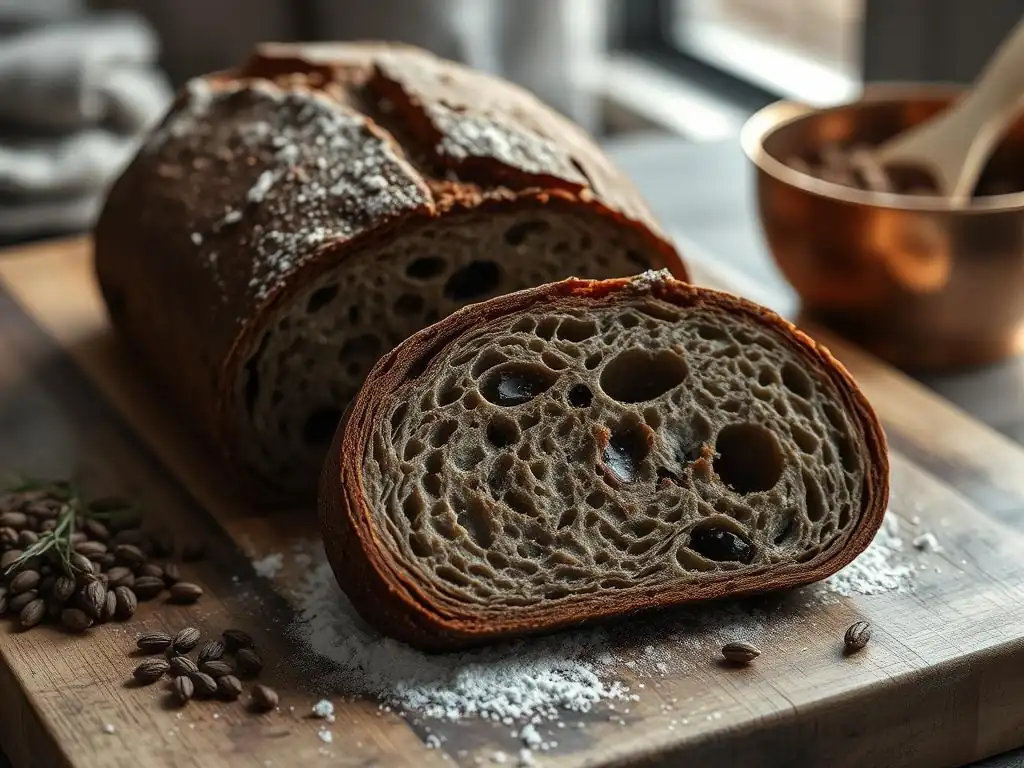
Rye Flour: Choosing the Right Type
Selecting the appropriate rye flour is perhaps the most critical step in crafting your sourdough rye bread recipe. For a classic dark rye bread recipe, using dark rye flour (or pumpernickel) is essential for achieving the characteristic color and deep flavor. However, working with 100% dark rye can be challenging due to its sticky nature and lack of gluten.
Many recipes, especially for those new to rye, recommend a blend of rye and wheat flour. A common starting point might be 60% rye (dark or medium) and 40% strong bread flour. The wheat flour provides gluten structure, making the dough easier to handle and resulting in a slightly lighter loaf. As you gain confidence, you can increase the percentage of rye, aiming for a 100% rye loaf if desired. Consider the flavor intensity and dough handling properties you prefer when making your choice.
Caraway Seeds: The Classic Rye Bread Flavor
Caraway seeds are the quintessential spice associated with rye bread, and they are a staple in many a dark rye bread recipe. Their distinctive warm, slightly peppery, and anise-like flavor perfectly complements the earthy notes of rye flour and the tang of sourdough. Including caraway seeds elevates the aroma and taste of your loaf, providing that familiar, comforting rye bread experience.
You can use whole caraway seeds, which provide bursts of flavor and texture throughout the crumb, or lightly crush them to release more of their aromatic oils. The amount used can be adjusted to your preference, but a typical sourdough rye bread recipe might call for 1 to 2 tablespoons of seeds per loaf. If you're not a fan of caraway, you can omit them or substitute with other spices like fennel seeds or coriander for a different flavor profile.
Molasses: Adding Depth and Color
Molasses is a common addition to many dark rye bread recipes, serving multiple purposes. It contributes to the rich, deep brown color characteristic of a true dark rye loaf, enhancing the visual appeal. More importantly, molasses adds a subtle sweetness that balances the tang of the sourdough and the earthiness of the rye. It also imparts a unique depth of flavor, often described as slightly smoky or caramelized.
Furthermore, molasses is hygroscopic, meaning it attracts and retains moisture. This property helps to keep the finished loaf moist and extends its shelf life, which is particularly beneficial for denser rye breads. Unsulfured blackstrap molasses is a popular choice for its robust flavor and color. A typical sourdough dark rye bread recipe might use 1 to 3 tablespoons of molasses per loaf, depending on the desired color and sweetness.
Sourdough Starter: Cultivating Your Rye Starter
The heart of any sourdough rye bread recipe is an active, healthy sourdough starter. While you can use a starter fed with wheat flour, a starter maintained with rye flour is often preferred for rye breads. Rye starters tend to be more vigorous and ferment faster than wheat starters, and they contribute a slightly different flavor profile that complements the rye flour.
To use your starter in a sourdough rye bread recipe, ensure it is active and bubbly. This usually means feeding it 4-12 hours before you plan to mix your dough. A healthy starter fed with a 1:2:2 ratio (1 part starter, 2 parts water, 2 parts flour by weight) at room temperature should typically double or triple in volume within 4-8 hours, depending on the ambient temperature. You can also maintain a stiff rye starter (lower hydration) or a more liquid one; both can work, but adjust your recipe hydration accordingly.
Other Optional Ingredients: Spices and Seeds
While rye flour, sourdough starter, and caraway are core to many sourdough rye bread recipes, a variety of other ingredients can be added to customize flavor and texture. Spices like ground coriander, fennel seeds, or even a pinch of allspice can add complexity and warmth. For a more traditional Russian or German style dark rye bread recipe, a touch of cocoa powder or ground coffee can deepen the color and add subtle bitter notes that enhance the rye flavor.
Incorporating seeds and nuts can also add texture and nutrients. Sunflower seeds, pumpkin seeds, walnuts, or even dried cranberries are popular choices. These can be mixed into the dough during the final stages or used as a topping. Soaking seeds overnight can help prevent them from absorbing moisture from the dough during baking, ensuring a moister crumb. Experimentation with these optional ingredients allows you to truly make the sourdough rye bread recipe your own.
Step-by-Step Sourdough Rye Bread Recipe: From Start to Finish
Preparing Your Sourdough Starter
Before you begin mixing your sourdough rye bread recipe, ensure your sourdough starter is vibrant and active. This is crucial for achieving a good rise and developing the characteristic sourdough tang. The night before or 4-12 hours prior to mixing, feed your starter with fresh rye flour and water. A common ratio is 1 part starter, 2 parts water, and 2 parts rye flour by weight (e.g., 25g starter, 50g water, 50g rye flour).
Leave the fed starter at room temperature (ideally 70-78°F or 21-26°C). It should become bubbly and at least double in size within a few hours. A good test for readiness is the "float test": drop a small spoonful of starter into a glass of water; if it floats, it's ready to use. An active starter will provide the necessary leavening power for your dense rye dough.
Combining the Ingredients: The Autolyse and Mixing
Many bakers start their sourdough rye bread recipe with an autolyse phase, especially if using a blend of rye and wheat flour. This involves mixing just the flour and water from the recipe and letting it rest for 20-60 minutes. The rest period allows the flour to fully hydrate and enzymes to begin breaking down starches, which can improve dough structure. While less critical for high-percentage rye doughs due to low gluten, it can still be beneficial.
After the autolyse (or immediately if skipping it), add your active sourdough starter, salt, molasses, caraway seeds, and any other optional ingredients. Mix everything together until no dry flour remains. Rye dough is naturally sticky, so don't be alarmed. Use a sturdy spoon, dough whisk, or stand mixer with a dough hook. Mix until the ingredients are just combined; extensive kneading is not necessary for high-rye dough.
Kneading and Developing the Dough: Coil Folds and Lamination
Unlike wheat dough, which requires vigorous kneading to develop a strong gluten network, rye dough benefits from a gentler approach. Due to rye's low gluten content, traditional kneading won't achieve the same elastic windowpane effect. Instead, structure is built through hydration management and periodic gentle folds during the bulk fermentation.
Techniques like coil folds or stretch and folds, performed every 30-60 minutes during the first couple of hours of bulk fermentation, are effective. To perform a coil fold, gently lift the dough from the center with wet hands, allowing the ends to fold under. Rotate the bowl and repeat several times. Aim for 2-4 sets of folds. This helps distribute the starter and build some tension without tearing the weak rye structure. For a dark rye bread recipe, expect the dough to remain soft and somewhat sticky throughout.
The First Rise: Bulk Fermentation Explained
Bulk fermentation is the crucial first rise where the sourdough starter gets to work, fermenting the sugars in the flour and producing carbon dioxide gas, which leavens the dough. The duration of bulk fermentation for a sourdough rye bread recipe is highly dependent on the ambient temperature and the activity of your starter, but typically ranges from 4 to 8 hours at room temperature (around 70-75°F or 21-24°C).
During this time, the dough will increase in volume, though perhaps not as dramatically as a wheat loaf (maybe 30-50% increase). You'll notice bubbles forming on the surface and throughout the dough. The dough will also become slightly lighter and more airy. Pay attention to the dough's activity rather than strictly following a time; if your kitchen is warm, it will ferment faster.
Shaping Your Sourdough Rye Loaf: Achieving the Perfect Form
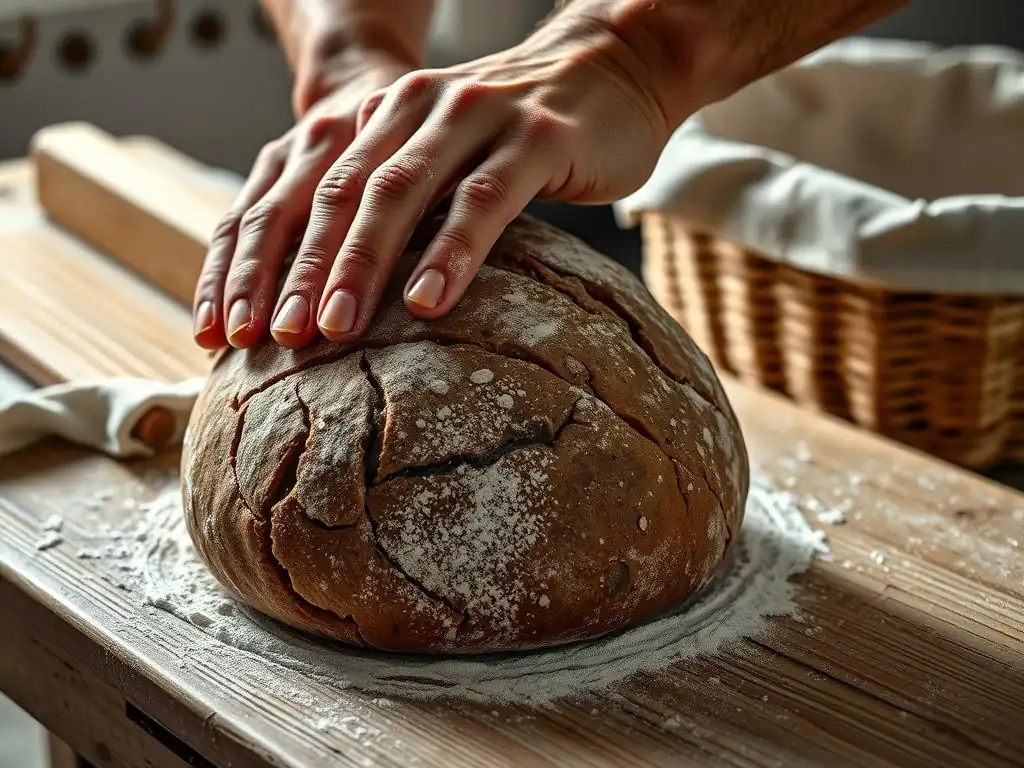
Shaping rye dough can be a bit challenging because of its stickiness and lack of strong gluten structure. Use wet hands or a dough scraper dipped in water to minimize sticking. Avoid using too much flour on your work surface, as this can create dry spots in the finished bread.
Gently turn the dough out onto a lightly wet surface. For a boule (round loaf), gently cup the dough with your hands and rotate it, tucking the edges underneath to create tension on the surface. For a batard (oval loaf), shape it into a rough rectangle, fold the top third down, the bottom third up, then fold in half lengthwise and seal the seam. Place the shaped loaf seam-side up into a well-floured proofing basket (banneton) or seam-side down into a greased loaf pan, which is often easier for high-rye doughs.
The Second Rise: Proofing for Optimal Texture
After shaping, the dough undergoes its final rise, known as proofing. This can be done at room temperature or in the refrigerator (cold proofing). Room temperature proofing is faster (typically 1-3 hours for rye), while cold proofing (12-24 hours in the fridge) develops more complex flavors and makes the sticky rye dough easier to handle and score before baking.
To test if your sourdough rye bread recipe dough is properly proofed, gently poke it with a wet finger. If the indentation springs back slowly and not completely, it's ready. If it springs back immediately, it needs more time. If it stays indented completely, it's likely over-proofed. Proper proofing is key to achieving a good texture in your finished loaf.
Baking Your Sourdough Rye Bread: Temperature and Time
Baking sourdough rye bread requires high heat and steam to achieve a good crust and oven spring (the final burst of rising in the oven). The best method is often using a preheated Dutch oven. Preheat your oven with the Dutch oven inside to a high temperature, such as 450-500°F (230-260°C), for at least 30-60 minutes.
Carefully transfer your proofed dough into the hot Dutch oven (scoring the top first if desired). Bake with the lid on for the first 20-25 minutes. The lid traps the steam released by the dough, keeping the surface moist and allowing the loaf to expand fully before the crust sets. After this initial period, remove the lid and continue baking for another 15-25 minutes, or until the crust is a deep golden brown (or dark brown for a dark rye bread recipe) and the internal temperature reaches 200-210°F (93-99°C).
Cooling and Slicing: The Final Touches
Once your sourdough rye bread recipe loaf is baked, it's crucial to let it cool completely on a wire rack. This is perhaps the most challenging step for eager bakers, but it's absolutely essential, especially for high-rye loaves. The internal structure of rye bread continues to set as it cools, and flavors meld and deepen.
Slicing a rye loaf too early will result in a gummy, unpleasant texture. Allow the bread to cool for at least 2-4 hours, and ideally longer (even overnight for very high-percentage rye). Resist the urge to cut into it while it's warm! Once fully cooled, slice with a sharp serrated knife. Admire the beautiful, moist crumb and the rich color of your homemade dark rye bread recipe success.
Troubleshooting Common Sourdough Rye Bread Baking Problems
Dense and Heavy Rye Bread: What Went Wrong?
One of the most common issues when baking a sourdough rye bread recipe is ending up with a loaf that is overly dense and heavy, sometimes described as a "brick." Several factors can contribute to this. The most frequent culprits are an inactive sourdough starter, under-proofing the dough, or slicing the loaf before it has fully cooled.
Ensure your starter is vigorous and active before using it – it should at least double in size within 4-6 hours after feeding. Under-proofing means the dough didn't ferment long enough to develop sufficient gas for leavening; give it more time, especially if your kitchen is cool. Finally, slicing warm rye bread compresses the still-setting crumb, leading to gumminess and density. Always allow sufficient cooling time (at least 2-4 hours). Using too high a percentage of rye flour without adjusting hydration or using a loaf pan for support can also contribute to density.
Sour or Bitter Taste: Adjusting Fermentation
While a pleasant tang is desirable in a sourdough rye bread recipe, an overly sour or even bitter taste indicates excessive fermentation. This can happen if the bulk fermentation or final proofing stages are too long, or if your starter itself is overly acidic from infrequent feeding.
To mitigate excessive sourness, try shortening your bulk fermentation time, especially if baking at warmer temperatures. You can also proof the shaped loaf in the refrigerator, which slows fermentation significantly and develops different types of acids (more acetic, less lactic) that some find less aggressively sour. Ensure your starter is healthy and regularly fed; a very hungry, neglected starter tends to produce more acetic acid, which can contribute to bitterness. Feeding your starter with a higher ratio of fresh flour and water (e.g., 1:3:3) before baking can also result in a milder flavor.
Cracked Crust: Controlling Humidity
A cracked crust on your sourdough rye bread recipe loaf, while sometimes aesthetically pleasing, can indicate issues with humidity during proofing or insufficient steam during baking. If the surface of the dough dries out during the final proof, it will set prematurely in the oven, and as the interior expands, it will crack the brittle surface.
To prevent this, ensure your dough is covered during proofing to keep the surface moist. You can use plastic wrap (lightly oiled), a damp kitchen towel, or proof in a covered container. During baking, sufficient steam is critical. Baking in a preheated Dutch oven is highly effective as it traps steam. If baking on a stone or tray, use a steam pan filled with hot water on a lower rack to create a humid environment in the oven for the first part of the bake.
Sticky Dough: Handling Rye Flour Properly
Rye dough is inherently stickier than wheat dough due to the high water absorption of its pentosans and low gluten development. Dealing with sticky dough is a common challenge in a sourdough rye bread recipe, but it can be managed with the right techniques.
Avoid the instinct to add excessive amounts of flour to your work surface or hands, as this can change the hydration of the dough and result in a dry crumb. Instead, use wet hands or a wet dough scraper when handling the dough. A small bowl of water nearby for dipping your hands is invaluable during mixing and shaping. Using a loaf pan for baking can also simplify the process, eliminating the need for complex free-form shaping of a very sticky dough. Embrace the stickiness as a characteristic of rye!
Tips and Tricks for the Perfect Sourdough Rye Loaf
Measuring Ingredients Accurately
Precision is key in baking, especially when working with a sensitive dough like a sourdough rye bread recipe. While volume measurements (cups and spoons) can work for some recipes, using a digital kitchen scale for all ingredients – flour, water, starter, salt, and even molasses – provides the most accurate and consistent results.
Different flours absorb moisture differently, and variations in how flour is scooped can lead to significant weight differences. Using a scale ensures you have the correct hydration level, which is crucial for rye dough's unique structure. Aim for a hydration level appropriate for the type of rye flour used; a dark rye bread recipe with 100% dark rye might have 80-90% hydration relative to the flour weight, while a blend with wheat might be lower, around 70-75%. Consistent measurement leads to predictable outcomes.
Maintaining the Right Dough Temperature
Dough temperature significantly impacts fermentation speed. For a sourdough rye bread recipe, maintaining a consistent temperature during bulk fermentation (ideally 70-78°F or 21-26°C) helps ensure the starter is active and the dough develops properly within the expected timeframe. Temperatures that are too cold will slow fermentation dramatically, while temperatures that are too warm can cause the dough to ferment too quickly, potentially leading to an overly sour taste or weakened structure.
If your kitchen is cool, consider using a proofing box, your oven with the light on (check the temperature first – it should be warm, not hot), or placing the dough in a warm spot near a heater (but not directly on it). Conversely, if your kitchen is very warm, you may need to shorten fermentation times or even use slightly cooler water when mixing the dough to control the temperature.
Using a Dutch Oven for Superior Crust
For many bakers, a preheated Dutch oven is the secret weapon for achieving a professional-quality crust on a sourdough rye bread recipe. The heavy pot, heated to a high temperature (e.g., 450-500°F or 230-260°C), mimics the environment of a professional bakery oven by trapping steam released from the dough.
This trapped steam keeps the surface of the loaf moist during the initial phase of baking, allowing it to expand fully (oven spring) before the crust hardens. Once the lid is removed, the dry heat finishes the bake, creating a wonderfully crisp and caramelized crust. This method is particularly effective for rye bread, which benefits from a strong crust to support its dense crumb. If you don't have a Dutch oven, you can achieve a similar effect using a baking stone and a steam pan filled with hot water placed on a lower rack.
Experimenting with Different Rye Flour Blends
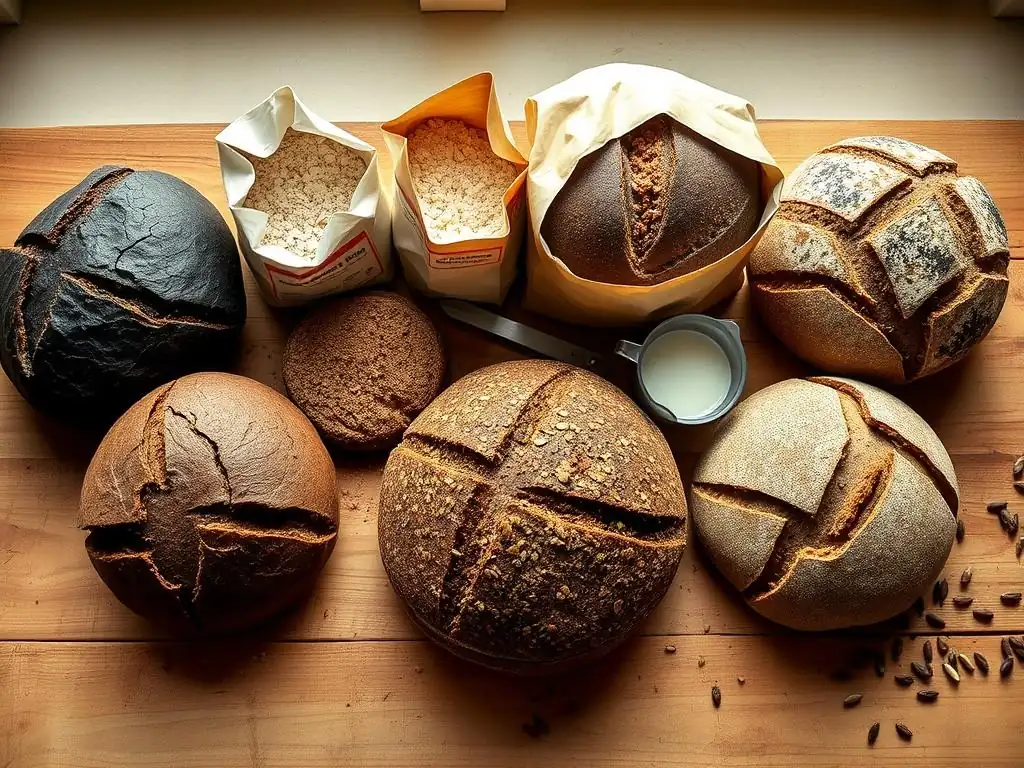
The world of sourdough rye bread recipes offers a wide spectrum of possibilities depending on the type and proportion of rye flour used. Don't be afraid to experiment beyond a single type of rye. Blending dark rye with medium or light rye can fine-tune the flavor and color.
Incorporating a percentage of wheat flour, such as bread flour or even whole wheat flour, can make the dough easier to handle and result in a lighter, less dense crumb. A blend like 50% dark rye and 50% strong bread flour is an excellent starting point for a flavorful loaf that's more manageable than 100% rye. As you become more comfortable, you can increase the rye percentage to create denser, more intensely flavored loaves, ultimately finding the perfect dark rye bread recipe blend for your taste.
Storing Your Sourdough Rye Bread for Freshness
Proper storage is essential to keep your homemade sourdough rye bread fresh and delicious. Unlike commercial breads that often contain preservatives, homemade bread has a shorter shelf life at room temperature. The best way to store a whole loaf is at room temperature, wrapped in a linen bread bag, beeswax wrap, or a clean kitchen towel. This allows the crust to breathe slightly while protecting the crumb from drying out too quickly.
Avoid refrigerating your rye bread, as this can actually accelerate staling. If you won't eat the entire loaf within 2-3 days, slicing it and freezing the slices in an airtight bag or container is the best option for longer storage (up to 3 months). You can then toast slices directly from frozen. A well-made dark rye bread recipe loaf is worth preserving properly!
Serving Suggestions: Enjoying Your Homemade Sourdough Rye
Classic Pairings: Cheese, Meats, Soups
Your freshly baked sourdough rye bread is a versatile foundation for countless delicious pairings. Its robust flavor and dense texture stand up beautifully to strong, flavorful accompaniments. Classic pairings include cream cheese or cultured butter, smoked salmon, cured meats like pastrami or corned beef, and sharp cheeses such as cheddar or Swiss.
Rye bread is also the perfect companion to hearty soups and stews. A slice smeared with butter alongside a bowl of borscht, goulash, or a rich lentil soup is incredibly satisfying. The bread's tanginess and density provide a wonderful contrast to the liquid and often rich flavors of these dishes. Enjoying these classic combinations is a simple pleasure that highlights the quality of your homemade dark rye bread recipe.
Creative Ideas: Sandwiches, Toasts, Appetizers
Beyond the classics, your homemade sourdough rye bread can inspire creative culinary uses. Its sturdy structure makes it ideal for open-faced sandwiches piled high with toppings. Think avocado and everything bagel seasoning, various spreads, or roasted vegetables.
Toasting slices brings out the nutty flavors of the rye and creates a delightful crisp texture. Sourdough rye toast is excellent with butter and jam, or as a base for crostini appetizers topped with anything from bruschetta to mushroom pâté. Even stale rye bread can be repurposed into flavorful croutons for salads or ground into breadcrumbs for cooking. A successful sourdough rye bread recipe provides a flavorful base for endless culinary exploration.
Sourdough Rye Bread as a Culinary Staple
Integrating homemade sourdough rye bread into your regular meals can elevate your culinary experience. Its unique flavor profile adds character to even simple dishes. It's more than just a vehicle for toppings; it's an ingredient in itself, contributing depth and complexity.
Whether it's the base of your morning toast, the star of a hearty sandwich, or served alongside a comforting dinner, your homemade rye loaf becomes a staple you can rely on. The satisfaction of using bread you baked yourself in your daily cooking and eating is immense. Mastering a dark rye bread recipe means you always have access to this wonderful, versatile bread.
Conclusion: Your Journey to Baking Delicious Sourdough Rye Bread
Recap of Key Steps and Techniques
Baking a delicious sourdough rye bread recipe is a rewarding process that involves understanding the unique properties of rye flour and mastering a few key techniques. We've walked through the importance of an active sourdough starter, the nuances of handling sticky rye dough with gentle folds rather than vigorous kneading, the critical role of proper bulk fermentation and proofing, and the benefits of baking with steam, often achieved using a Dutch oven.
Remembering the significance of allowing your loaf to cool completely before slicing is perhaps the most challenging but vital final step. Each stage, from ingredient selection to the final rest, contributes to the depth of flavor, moist crumb, and satisfying texture of your homemade loaf.
Continue Exploring Rye Bread Recipes with BakeWithEase
This guide provides a solid foundation for baking a classic sourdough rye bread recipe. But the world of rye bread is vast and exciting! We encourage you to continue exploring different variations. Experiment with varying percentages of rye and wheat flour, try different types of rye (light, medium, dark, pumpernickel), and play with additional ingredients like different seeds, nuts, spices, or even dried fruits.
BakeWithEase offers a variety of other bread recipes and baking guides to help you expand your skills. Don't hesitate to try another dark rye bread recipe with a slightly different approach or venture into other types of sourdough or yeasted breads. Each bake is a learning opportunity, bringing you closer to your perfect loaf.
There's nothing quite like the pride of pulling a beautiful, fragrant sourdough rye bread loaf from your oven. We love seeing your baking triumphs! Share photos of your finished loaves, tell us about your baking experiences, and let us know what variations you tried.
Your success is our success, and sharing your journey can inspire other bakers in the BakeWithEase community. Whether it's your first successful dark rye bread recipe or you've been baking for years, celebrate your accomplishment and enjoy the fruits of your labor – a delicious, homemade sourdough rye loaf.
Frequently Asked Questions
What makes dark rye bread dark?
The darkness in dark rye bread primarily comes from the type of rye flour used. Dark rye flour contains more of the bran and germ, resulting in a darker color and stronger flavor. Some recipes also use caramel coloring for added depth.
Is dark rye bread difficult for beginners to bake?
While it can be more challenging than basic white bread, our Ultimate Guide breaks down the process into manageable steps. Focusing on accurate measurements and proper kneading techniques will greatly improve your chances of success. Don't be afraid to experiment!
What are some common ingredients in dark rye bread, besides rye flour?
Besides rye flour (dark and sometimes light), common ingredients include wheat flour, water, salt, yeast (or sourdough starter), and often caraway seeds for flavor. Some recipes also incorporate molasses or cocoa powder for added depth and color.
How does sourdough starter affect the taste and texture of dark rye bread?
Using a sourdough starter in dark rye bread contributes to a tangier, more complex flavor and a chewier texture. The natural yeasts also help to improve the bread's keeping quality and digestibility compared to commercially yeasted versions.
Can I adapt your Ultimate Guide recipe to be gluten-free?
Adapting a dark rye bread recipe to be completely gluten-free can be tricky, as rye flour contains gluten. However, you can try substituting rye flour with a blend of gluten-free flours like brown rice flour, tapioca starch, and sorghum flour, but the texture and flavor will be different. Xanthan gum will also be necessary.
Final Reflection: The Enduring Allure of Dark Rye
The art of baking a perfect dark rye loaf transcends mere culinary skill; it's a connection to history, a testament to patience, and a celebration of deeply satisfying flavor. In a world of fast food and instant gratification, the deliberate process of crafting a dark rye bread, as detailed in this guide, offers a powerful counterpoint. The meticulous attention to detail, from selecting the right flour to mastering the perfect fermentation, yields a loaf that is both nourishing and deeply rewarding.
The enduring appeal of dark rye bread lies not only in its rich, complex taste but also in its cultural significance. It's a bread that speaks to generations of bakers and eaters, a symbol of tradition and resilience. Bread is the staff of life,
a familiar saying reminds us, and dark rye, with its robust character, embodies this sentiment perfectly. Its journey from humble beginnings to a cherished staple across cultures underscores its enduring power to connect us to our heritage and to each other through the shared experience of food.
Now, I invite you to step away from the screen, gather your ingredients, and embark on your own dark rye baking adventure. Don't be afraid to experiment, to adjust the recipe to your liking, and to savor the process as much as the final product. The journey of creating something beautiful and delicious with your own hands is a deeply fulfilling one, and the aroma of freshly baked dark rye bread filling your kitchen will be a testament to your dedication and skill. Let this guide be your companion, but let your own creativity be your ultimate ingredient.
Unlock Your Inner Rye Baker!
Thanks for joining us on this delicious journey into the world of dark rye bread! We hope you've gained valuable insights and inspiration to elevate your baking skills. Now it's time to put your newfound knowledge into practice.
- Bake your own masterpiece! Use the techniques and recipes outlined in the article to create your perfect dark rye loaf. Don't be afraid to experiment with different flours and additions!
- Share your baking journey! Snap a photo of your creation and share it on social media using #BakeWithEaseRye. We'd love to see your results!
- Explore our other recipes! Discover more baking inspiration on BakeWithEase.com – we've got a treasure trove of recipes just waiting for you to explore.
Ready to transform your kitchen into a bakery? What unique ingredient will you add to your next dark rye loaf?