
How to Achieve the Perfect Rise in YeastFree Keto Bread


Welcome to BakeWithEase, your culinary haven for baking adventures!
Ever wondered how to achieve that perfect rise in your yeast-free keto bread, even without the traditional lift? You're in the right place! We're diving deep into the secrets of crafting delicious, diet-friendly loaves that defy expectations. Get ready to unlock the techniques and ingredients that will revolutionize your low-carb baking, and discover how to make every slice a triumph. Ready to rise to the challenge? Let's get baking!
- Mastering the Rise in Yeast-Free Keto Bread
- Introduction: The Ultimate Guide to Keto Bread Without Yeast
- Understanding the Challenges of Yeast-Free Keto Bread
- Key Ingredients for a Successful Yeast-Free Keto Bread Rise
- Step-by-Step Guide to Optimizing Your Yeast-Free Keto Bread Rise
- Troubleshooting Common Yeast-Free Keto Bread Rise Problems
- Advanced Techniques for Enhancing Yeast-Free Keto Bread Rise
- Delicious Yeast-Free Keto Bread Recipes to Try
- Conclusion: Enjoying Fluffy, Yeast-Free Keto Bread
-
Frequently Asked Questions
- How can I get my yeast-free keto bread to rise without yeast?
- What role does gluten play in traditional bread rise, and how is that compensated for in yeast-free keto bread?
- What are common mistakes that prevent a good rise in yeast-free keto bread?
- How does temperature affect the rise of yeast-free keto bread?
- What is the best acidic ingredient to use in conjunction with baking soda for a good rise?
- Final Reflection: The Unexpected Joy of a Perfect Yeast-Free Keto Rise
- Unleash Your Inner Baker: Master Yeast-Free Keto Bread!
Mastering the Rise in Yeast-Free Keto Bread
Introduction: The Ultimate Guide to Keto Bread Without Yeast
Why Yeast-Free Keto Bread: Health and Baking Benefits
Choosing to bake yeast-free keto bread often stems from specific dietary needs and a desire for healthier low-carb options. Traditional bread relies on yeast consuming sugars to produce carbon dioxide, which creates the airy structure we love. However, this process also results in a higher carbohydrate count due to the sugar required for fermentation and the flour itself.
Yeast-free keto bread bypasses this by using alternative leavening methods and low-carb flours, making it suitable for ketogenic diets, individuals managing blood sugar levels, or those with yeast sensitivities. It provides a delicious way to enjoy bread while adhering to strict carbohydrate limits, typically aiming for less than 5 grams of net carbs per serving, a significant reduction from the 15-20+ grams found in standard wheat bread.
Beyond the health advantages, yeast-free keto baking offers practical benefits in the kitchen. Eliminating yeast removes the need for proofing time, which can often take hours. This significantly shortens the overall baking process, making it possible to whip up a loaf of fresh bread in under an hour from start to finish in many cases.
While mastering the perfect yeastfree keto bread rise presents its own unique challenges compared to traditional baking, the faster turnaround time and the ability to enjoy warm, homemade bread on a low-carb diet are compelling reasons to explore this type of baking. It's a rewarding way to expand your baking repertoire and enjoy dietary flexibility.
Understanding the Challenges of Yeast-Free Keto Bread
The Role of Yeast in Traditional Bread Making
In traditional bread making, yeast plays a fundamental role as the primary leavening agent. When yeast is combined with warm liquid, sugar (either added or naturally present in the flour), and warmth, it becomes active. Through a process called fermentation, the yeast consumes the sugars and produces ethanol and carbon dioxide gas.
This gas becomes trapped within the elastic network of gluten developed in wheat flour dough. As the dough proofs (rests and rises), the gas expands, causing the bread to increase significantly in volume and develop its characteristic airy texture. The yeast also contributes to the flavor profile of the bread through various metabolic byproducts.
Furthermore, yeast activity and the subsequent dough handling contribute to the development of gluten, the protein network in wheat flour that provides structure and elasticity. This structure is crucial for containing the carbon dioxide gas and allowing the bread to hold its shape during baking. The absence of yeast and the often gluten-free nature of keto flours mean that achieving a comparable structure and yeastfree keto bread rise requires a completely different approach, relying on chemical reactions and alternative binding agents to create lift and stability. Understanding this fundamental difference is key to successfully baking low-carb bread without yeast.
Why Keto Baking Requires Yeast-Free Alternatives: Carb Content and Dietary Restrictions
The ketogenic diet is centered around significantly reducing carbohydrate intake, typically to 20-50 grams per day, to encourage the body to enter a state of ketosis, burning fat for fuel. Traditional bread, made with wheat flour and often containing added sugars, is inherently high in carbohydrates. A single slice of conventional white bread can contain around 15 grams of total carbohydrates.
While some carbs are consumed by yeast during fermentation, a substantial amount remains in the final product, making traditional bread incompatible with the strict carb limits of a keto diet. Using yeast, even with low-carb flours, could potentially add unwanted carbs through fermentation byproducts or the need for small amounts of sugar to activate the yeast effectively, although this is less of a concern than the flour itself.
Consequently, keto baking necessitates the use of low-carb flours like almond flour or coconut flour and avoids yeast to keep the total carbohydrate count extremely low. These alternative flours have significantly fewer net carbs; for example, a quarter cup of almond flour might have around 3 grams of total carbs (with 1 gram of fiber), while coconut flour is even lower per volume but much more absorbent.
Relying on chemical leavening agents like baking powder and baking soda, which produce carbon dioxide through acid-base reactions rather than fermentation, allows for a reliable yeastfree keto bread rise without adding fermentable sugars or significant carbohydrates. This focus on low-carb ingredients and chemical leavening is fundamental to creating bread that fits within ketogenic macros and achieving that desired yeastfree keto bread rise.
Achieving a Good Rise Without Yeast
Achieving a good rise in yeast-free keto bread relies entirely on chemical leavening agents and the structural support provided by proteins and binders. Unlike the slow, steady fermentation of yeast, chemical leaveners like baking powder and baking soda create carbon dioxide gas rapidly when mixed with liquid and exposed to heat. Baking powder is a complete leavener, containing both an acid and a base, typically reacting twice – once when wet and again when heated.
Baking soda, on the other hand, requires an acidic ingredient (like vinegar, lemon juice, or cream of tartar, or even the acidity in some ingredients) to produce gas. The combination and proper activation of these agents are critical for lift.
However, simply creating gas isn't enough; the dough needs to be able to trap that gas and hold its structure as it bakes. This is where binding agents and proteins become vital for a successful yeastfree keto bread rise. Ingredients like psyllium husk powder or xanthan gum mimic the role of gluten by creating a gel-like matrix that traps the carbon dioxide bubbles.
Eggs also play a crucial part, providing structure through protein coagulation as they bake and adding some lift when whipped, incorporating air. Mastering the balance between leaveners, binders, and structural ingredients is the key to transforming dense keto dough into a loaf with a satisfying yeastfree keto bread rise and crumb.
Key Ingredients for a Successful Yeast-Free Keto Bread Rise
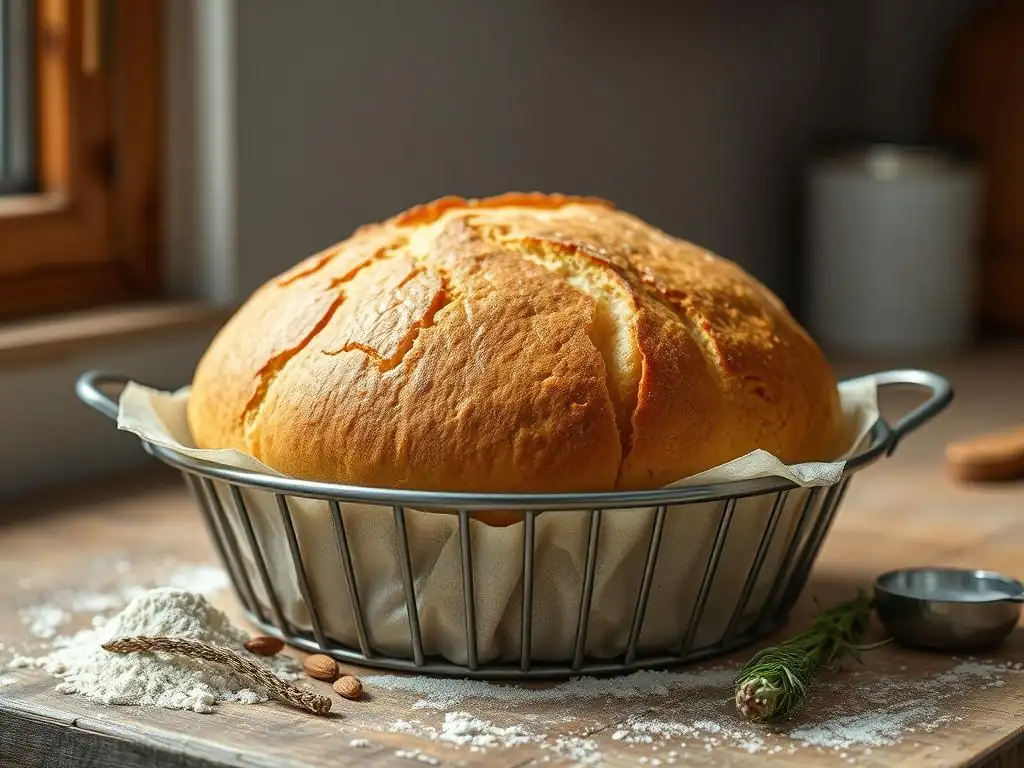
Gluten-Free Flours in Keto Baking: Almond Flour, Coconut Flour
Almond flour is one of the most popular bases for yeast-free keto bread due to its mild flavor and texture, which is relatively similar to wheat flour compared to other alternatives. It's made from ground almonds and is rich in fat, moderate in protein, and low in net carbs. However, almond flour lacks gluten, meaning it doesn't form an elastic network to trap gas like wheat flour does.
This necessitates the use of binding agents. A common measurement is that 1 cup of almond flour weighs approximately 96-100 grams. Its fat content (around 14-15 grams per quarter cup) can also affect the final texture, making the bread tender but potentially crumbly if not balanced with binders.
Coconut flour is another staple in keto baking, known for its extremely high absorbency and lower fat content compared to almond flour. It is made from dried, defatted coconut meat. Because it absorbs so much liquid, recipes typically use only a fraction of the amount of coconut flour compared to almond flour (e.g., 1/4 cup of coconut flour might replace 1 cup of almond flour, though ratios vary). This high absorbency can make dough very thick and impact the yeastfree keto bread rise if the liquid ratio isn't perfect.
Like almond flour, it is gluten-free and requires binders. Its distinct flavor is also something to consider, though it often mellows during baking. Understanding the unique properties of each flour is essential for formulating recipes that achieve a good yeastfree keto bread rise.
Binding Agents: Xanthan Gum, Psyllium Husk, and Their Impact on Texture and Rise
Xanthan gum is a powerful polysaccharide often used in gluten-free baking to provide elasticity and viscosity, mimicking some properties of gluten. Even a small amount, typically 1/4 to 1 teaspoon per cup of keto flour blend, can significantly improve the structure and help trap the gas produced by leavening agents, contributing to a better yeastfree keto bread rise. It works by creating a gel-like texture when hydrated, which helps hold the dough together and prevents it from crumbling. Using too much xanthan gum, however, can result in a gummy or unpleasant texture, so precise measurement is crucial.
Psyllium husk, particularly psyllium husk powder, is another excellent binder for yeast-free keto bread. It is derived from the seeds of the Plantago ovata plant and is almost pure soluble fiber. When mixed with liquid, it forms a thick gel that provides structure and elasticity to the dough, similar to gluten.
Psyllium is often used in larger quantities than xanthan gum, sometimes several tablespoons per loaf, and contributes significantly to the final texture and yeastfree keto bread rise. It can give the crumb a slightly chewy texture and a purplish hue, especially the whole husks or coarsely ground powder, although finely ground powder minimizes this. Both binders are vital for providing the necessary framework for chemical leaveners to work effectively and achieve a satisfying yeastfree keto bread rise.
Leavening Agents: Baking Powder and Baking Soda
Baking powder is a complete chemical leavener commonly used in yeast-free keto bread. Most baking powders are "double-acting," meaning they contain an acid and a base that react in two phases. The first reaction occurs when the powder is mixed with liquid, producing an initial release of carbon dioxide gas.
The second, more significant reaction happens when the mixture is exposed to heat in the oven. This dual action provides sustained lift throughout the baking process, which is essential for achieving a good yeastfree keto bread rise in dense keto doughs. Using fresh baking powder is critical, as its effectiveness diminishes over time; you can test its freshness by adding a teaspoon to hot water – it should bubble vigorously.
Baking soda (sodium bicarbonate) is a base and requires an acidic ingredient to produce carbon dioxide gas. Common acidic ingredients in yeast-free keto recipes might include apple cider vinegar, lemon juice, cream of tartar, or even the natural acidity present in some ingredients like sour cream or yogurt (though dairy is sometimes limited on strict keto). When baking soda is combined with an acid and liquid, it reacts immediately.
Recipes often use a combination of baking soda and baking powder to achieve optimal lift and texture. Baking soda provides a quick initial boost to the yeastfree keto bread rise, while baking powder offers sustained leavening. The ratio of baking soda to acid is important for the reaction and to avoid a soapy taste if too much unreacted baking soda remains.
The Importance of Eggs: Structure and Lift
Eggs are a cornerstone ingredient in many yeast-free keto bread recipes, serving multiple vital functions that contribute significantly to the structure and yeastfree keto bread rise. Their proteins, particularly albumin in the whites and globulins in the yolks, coagulate and set when heated in the oven. This creates a stable protein matrix that helps hold the bread's shape and provides structural integrity to the crumb. Think of it like a scaffold that supports the rising dough as the leavening agents produce gas. Without sufficient protein structure, the bread would likely collapse after rising.
Furthermore, eggs contribute to lift in two ways. First, if eggs (especially egg whites) are whipped before being added to the batter, they incorporate air bubbles, which expand during baking, adding volume. Second, the liquid content within the eggs turns to steam when heated in the oven.
This steam expansion also contributes to the overall yeastfree keto bread rise, particularly during the initial phase of baking (the "oven spring"). The fat in egg yolks also adds richness and tenderness. The number and size of eggs used in a recipe are carefully balanced to provide adequate binding, structure, and lift without making the bread too eggy or dense, directly impacting the final yeastfree keto bread rise.
Step-by-Step Guide to Optimizing Your Yeast-Free Keto Bread Rise
Step 1: Precise Measurement and Ingredient Ratio
Achieving a successful yeastfree keto bread rise begins with accuracy. Unlike traditional yeast bread where you can sometimes adjust flour and liquid by feel, keto baking relies on precise chemical reactions and the specific properties of low-carb flours and binders. Using too much or too little of key ingredients like baking powder, baking soda, psyllium husk, or xanthan gum can drastically affect the outcome.
For instance, excess binder can make the bread gummy and prevent expansion, while insufficient leavener means minimal yeastfree keto bread rise. Using a digital kitchen scale to weigh your dry ingredients (like almond flour or coconut flour) is highly recommended over volume measurements (cups), as density can vary. 1 cup of almond flour can range from 90g to 110g depending on how it's packed, a difference that matters in sensitive keto recipes.
Understanding the intended ratio of wet to dry ingredients and leaveners to binders in a specific recipe is critical. Keto flours absorb liquid differently; coconut flour is substantially more absorbent than almond flour. If a recipe calls for a specific amount of liquid, adding too much or too little can result in a batter that is too wet (leading to a dense, gummy texture) or too dry (preventing leaveners from activating properly and hindering the yeastfree keto bread rise).
Always double-check your measurements before mixing, ensuring you use the correct type of binder (e.g., psyllium husk powder vs. whole husks) and that your leavening agents haven't expired. Precision is your best friend for consistent results and a reliable yeastfree keto bread rise.
Step 2: Mixing Techniques: Achieving the Right Consistency
The way you mix your yeast-free keto bread dough significantly impacts the final yeastfree keto bread rise and texture. Most yeast-free keto bread doughs are more like thick batters than traditional elastic doughs. The process typically involves whisking together all the dry ingredients thoroughly first – this ensures that the leavening agents and binders are evenly distributed throughout the flour. Uneven distribution can lead to patches that don't rise properly. Then, the wet ingredients (eggs, liquid, melted fat, etc.) are added to the dry.
Mixing should be sufficient to combine everything until no dry streaks remain, but avoid over-mixing. While there's no gluten to develop, over-mixing can negatively affect the binders like psyllium husk, causing them to become overly gummy or stringy, which can weigh down the batter and restrict the yeastfree keto bread rise. Mix just until the batter is uniform and smooth.
The consistency should be thick but pourable or easily scoopable into the loaf pan – generally resembling a thick cake batter or muffin batter, not a kneadable dough. Getting this consistency right is key to allowing the leavening agents to expand the batter effectively during baking for a good yeastfree keto bread rise.
Step 3: Activating Leavening Agents
For chemical leaveners like baking powder and baking soda to work their magic and contribute to the yeastfree keto bread rise, they need to be activated. Baking powder begins its first reaction the moment it comes into contact with liquid. Baking soda activates when it meets an acid and liquid. This is why it's important to have all your ingredients measured and ready before you combine the wet and dry components. Once the wet ingredients are mixed with the dry, the clock starts ticking.
To maximize the yeastfree keto bread rise, it's crucial to get the batter into the oven relatively quickly after mixing. Allowing the batter to sit for too long on the counter after mixing can result in the initial gas production dissipating before the bread hits the heat of the oven, leading to a less impressive rise. While some recipes might call for a short rest period (e.g., 5-10 minutes) to allow binders like psyllium husk to gel, this is different from a long proofing time.
The primary lift comes from the heat activation of the leaveners in the oven. Ensure your oven is fully preheated to the correct temperature before you start mixing the wet and dry ingredients to capture all that leavening power for the best yeastfree keto bread rise.
Step 4: Shaping the Dough
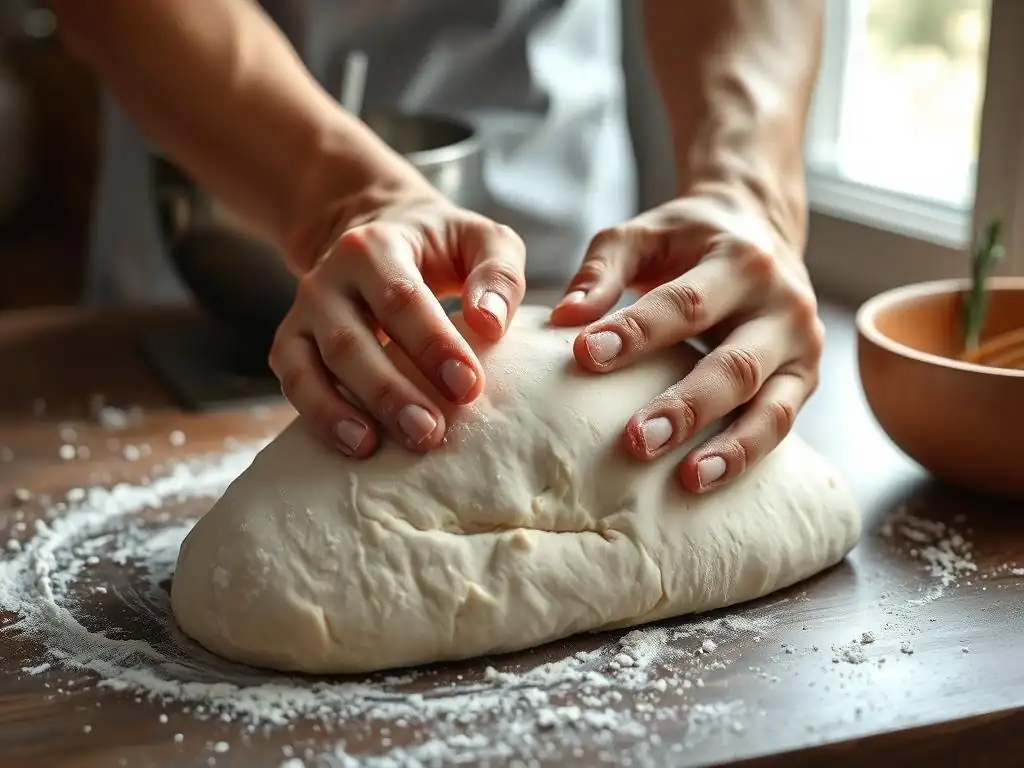
Unlike traditional bread doughs that require kneading and shaping, yeast-free keto bread "dough" is typically a thick batter that is simply transferred or scooped into a loaf pan. The consistency doesn't allow for traditional freeform shaping. The loaf pan provides the necessary structure for the batter to rise upwards rather than spreading outwards during baking. Using the correct size loaf pan is important; a pan that's too large will result in a flat, wide loaf with less vertical yeastfree keto bread rise, while a pan that's too small could cause the batter to overflow.
Once the batter is in the pan, gently smooth the top with a spatula. Avoid excessive tapping or banging the pan, as this can deflate some of the air bubbles already incorporated by mixing or the initial leavener reaction. The goal is to distribute the batter evenly without compacting it.
Some bakers like to score the top lightly with a knife or wet spatula just before baking; while not essential for yeast-free rise like it is for yeast bread crust development, it can sometimes help control how the top surface expands. Simple placement in the pan is usually sufficient for a good yeastfree keto bread rise.
Step 5: Baking Temperatures and Times
The correct baking temperature and duration are critical for setting the structure of yeast-free keto bread and locking in the yeastfree keto bread rise. Many recipes call for preheating the oven to a relatively high temperature, often around 350°F to 375°F (175°C to 190°C). A hot oven provides the necessary heat to quickly activate the second stage of double-acting baking powder and convert the liquid in the batter (especially from eggs) into steam, contributing to rapid expansion, often referred to as "oven spring."
Baking time varies depending on the recipe and the size of the loaf pan, but a standard loaf might bake for 40-60 minutes. The bread is done when it is golden brown on top, the edges pull slightly away from the pan, and a skewer or toothpick inserted into the center comes out clean. The internal temperature should ideally reach 200-210°F (93-99°C) to ensure the proteins are fully set and the crumb is cooked through.
Underbaking is a common cause of a dense or gummy texture, even if the yeastfree keto bread rise initially looked good. Allowing the bread to cool completely in the pan for a bit before transferring it to a wire rack is also important for the structure to stabilize.
Troubleshooting Common Yeast-Free Keto Bread Rise Problems
My Bread Didn't Rise: Possible Causes and Solutions
A disappointing lack of yeastfree keto bread rise is a common frustration. One primary culprit is inactive or expired leavening agents. Baking powder and baking soda lose their potency over time, so check the expiration dates and test their freshness (baking powder in hot water should bubble vigorously; baking soda in vinegar should fizz).
Another frequent issue is incorrect measurement of ingredients, particularly not enough baking powder/soda or insufficient binder (psyllium husk/xanthan gum) to create a structure capable of trapping gas. Using the wrong type of binder (e.g., whole psyllium husks when powder is specified) can also impact the rise.
Furthermore, incorrect mixing or letting the batter sit too long before baking can cause the initial leavening reaction's gas to escape before the heat can create the final lift. Ensure your oven is fully preheated to the correct temperature; insufficient heat will not properly activate the leaveners or create steam for oven spring, hindering the yeastfree keto bread rise.
Finally, checking that you haven't accidentally omitted a key ingredient, especially eggs or the specified liquid amount, is a simple but necessary step in troubleshooting. Reviewing the recipe steps and ingredient list carefully against your process can help pinpoint the issue.
The Bread Rose Too Much and Collapsed: How to Avoid Over-Rising
While less common than under-rising in yeast-free keto bread (which lacks the sustained, potentially problematic rise of yeast fermentation), collapsing can still occur. This is often a structural issue. Using too much leavening agent can cause the bread to expand too rapidly or too much for the protein and binder structure to support, leading to a collapse either during baking or shortly after being removed from the oven. Precision in measuring baking powder and soda is key to avoiding this over-zealous yeastfree keto bread rise that the structure can't hold.
Another cause can be insufficient binder or protein. If there aren't enough eggs, psyllium husk, or xanthan gum relative to the amount of flour and liquid, the framework holding the gas bubbles might be too weak. The trapped gases expand, but the walls of the bubbles are fragile and break, leading to a collapse.
Underbaking is also a major factor; if the internal structure hasn't fully set (reached 200-210°F), it won't be strong enough to support the loaf's height once it cools. Ensure you bake the bread fully and allow it to cool properly in the pan for a short period before transferring it to a rack, which helps the internal structure firm up and prevents a sad, sunken yeastfree keto bread rise.
Dense and Gummy Texture: Fixing Common Mistakes
A dense and gummy texture is a frequent complaint with yeast-free keto bread, often related to issues that also impact the yeastfree keto bread rise. One primary cause is too much liquid or not enough absorbent flour or binder. Keto flours and binders absorb liquid differently than wheat flour; if the ratio is off, the batter remains too wet internally, resulting in a heavy, moist, and gummy crumb. Ensure you are using the correct type and amount of psyllium husk or xanthan gum as specified by the recipe, as these are crucial for absorbing excess moisture and providing structure.
Another common mistake leading to density and gumminess is underbaking. The bread might look done on the outside, but if the internal temperature hasn't reached the target range (200-210°F), the proteins and starches haven't fully set, leaving a moist, uncooked interior. Over-mixing the batter, especially after adding binders, can also sometimes lead to a gummy texture by over-developing the gel-like structure of psyllium or xanthan gum.
Lastly, allowing the bread to cool properly is important; slicing into a hot loaf before the steam has dissipated can result in a denser texture, even if the yeastfree keto bread rise was initially good. Patience during the cooling phase is key to a good final texture.
Advanced Techniques for Enhancing Yeast-Free Keto Bread Rise
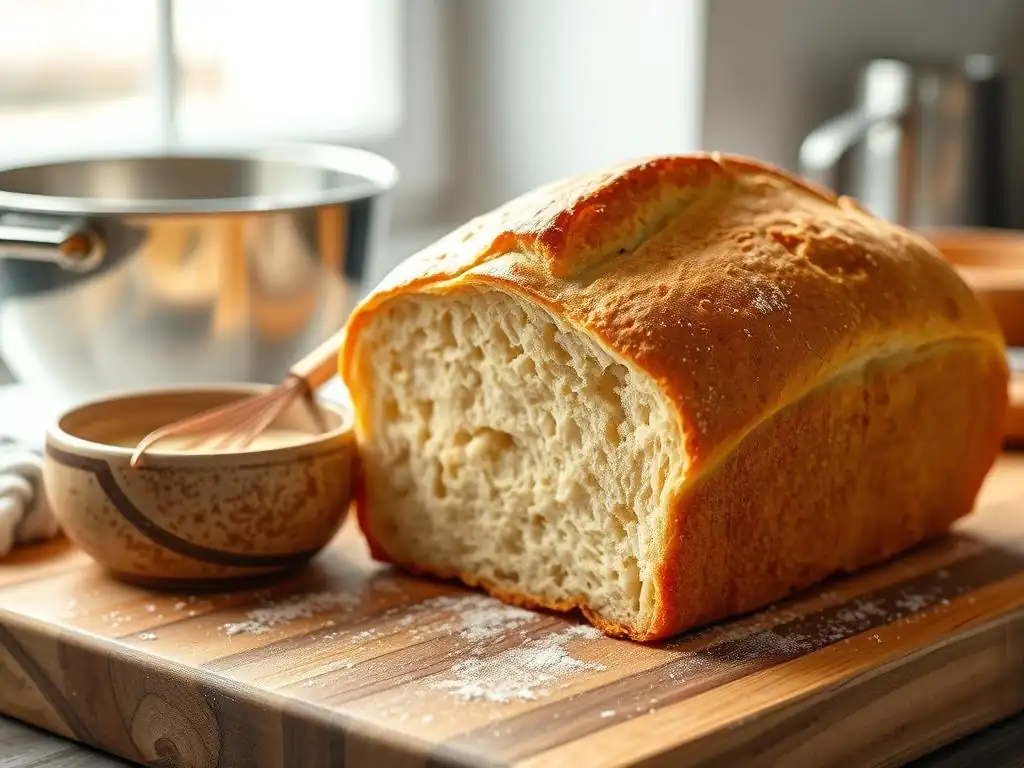
Using Egg Whites for Added Lift
Separating eggs and whipping the egg whites to stiff peaks before gently folding them into the batter is an advanced technique that can significantly enhance the yeastfree keto bread rise. When egg whites are whipped, they trap a large volume of air bubbles. These bubbles provide additional leavening power beyond the chemical leaveners already in the recipe. The protein structure within the whipped egg whites helps stabilize these air pockets.
After mixing the dry ingredients with the wet yolks (and other wet components), the whipped egg whites are carefully folded in. The key is to fold gently to incorporate the whites without deflating the air you've worked to build. This technique adds lightness and can contribute to a more open crumb structure and a taller yeastfree keto bread rise. It's a bit more effort than using whole eggs but can make a noticeable difference in the final volume and texture of your low-carb loaf.
The "Oven Spring" Effect: Maximizing Expansion
"Oven spring" refers to the rapid expansion that occurs in the first 10-15 minutes of baking as the dough or batter is exposed to high heat. In yeast bread, this is driven by yeast activity and steam. In yeast-free keto bread, oven spring is primarily fueled by the activation of chemical leaveners (especially the second reaction of double-acting baking powder) and the conversion of liquid within the batter into steam. To maximize this effect and boost your yeastfree keto bread rise, ensure your oven is fully preheated to the specified temperature, often 350-375°F (175-190°C).
Placing the loaf pan in a hot oven quickly helps the outside of the bread set while the inside is still rapidly expanding. Some bakers even start at a slightly higher temperature for the first 10-15 minutes before reducing it to ensure the interior cooks through without the crust burning.
While creating a humid environment (like with a pan of water) is crucial for crust development in yeast bread, it's less critical for the yeastfree keto bread rise itself, which relies more on internal gas production and structure setting. Focusing on starting temperature and ensuring your leaveners are fresh and properly activated is the best way to encourage a good oven spring in your yeast-free loaf.
Experimenting with Different Flour Combinations
While many yeast-free keto bread recipes rely primarily on almond flour or coconut flour, experimenting with combinations of low-carb flours can impact texture, flavor, and potentially the yeastfree keto bread rise. For example, combining almond flour with a smaller proportion of coconut flour can offer a balance between almond flour's tenderness and coconut flour's structure and absorbency. A common ratio might be 1 cup of almond flour to 1/4 cup of coconut flour, though this requires careful adjustment of liquids and binders.
Incorporating small amounts of other low-carb flours or ingredients like flaxseed meal, chia seed meal, or lupin flour can also alter the dough's properties. Flaxseed meal, for instance, absorbs a lot of liquid and helps create a binding, slightly chewy texture, which can support the yeastfree keto bread rise. Chia seeds, when ground, also form a gel. These additions can affect how the batter behaves, how quickly it thickens, and how it rises, requiring careful testing and adjustment of the primary flour, liquid, and binder ratios to maintain a desirable yeastfree keto bread rise and texture.
Delicious Yeast-Free Keto Bread Recipes to Try
Basic Yeast-Free Keto Bread Recipe
A basic yeast-free keto bread recipe typically forms the foundation for many variations. It usually involves a blend of a primary low-carb flour, most commonly almond flour, combined with a binder like psyllium husk powder or xanthan gum to provide structure in the absence of gluten. The leavening power comes from baking powder, often supplemented with baking soda if an acidic component is included. Eggs are almost always present, providing crucial structure and contributing to the yeastfree keto bread rise.
The wet ingredients usually include melted butter or oil, a liquid such as water, almond milk, or coconut milk, and sometimes a touch of vinegar or lemon juice if baking soda is used. The process generally involves mixing the dry ingredients, combining the wet ingredients separately, then mixing the wet into the dry until a thick batter forms.
This batter is then transferred to a greased or parchment-lined loaf pan and baked. This simple combination of ingredients and steps aims to produce a loaf with a decent yeastfree keto bread rise and a relatively neutral flavor profile suitable for various uses.
Variations and Flavor Combinations: Cheese & Herb, Garlic & Onion
Once you've mastered the basic yeastfree keto bread rise, you can easily customize your loaf with various flavor combinations. Adding savory elements is popular for creating versatile bread perfect for sandwiches or as a side dish. A Cheese & Herb variation might involve folding in shredded cheese (like cheddar, mozzarella, or parmesan) and chopped fresh or dried herbs (such as rosemary, thyme, or chives) into the batter just before transferring it to the pan. Approximately 1/2 cup of shredded cheese and 1-2 tablespoons of herbs per standard loaf is a good starting point.
For a Garlic & Onion flavor, you could sauté finely minced garlic and onion (or use garlic powder and onion powder) and mix them into the batter. Roughly 1-2 cloves of minced garlic and a quarter cup of finely diced onion (sautéed until soft) or 1-2 teaspoons of garlic powder and onion powder work well. These additions might slightly alter the batter consistency or weight, potentially impacting the yeastfree keto bread rise marginally, but the structural ingredients should compensate. Ensure any wet additions like sautéed vegetables are cooled slightly before adding them to the batter.
Conclusion: Enjoying Fluffy, Yeast-Free Keto Bread
Mastering the Art of Yeast-Free Keto Bread Baking
Mastering the art of baking yeast-free keto bread, particularly achieving that coveted yeastfree keto bread rise, is a rewarding endeavor that opens up a world of low-carb possibilities. It requires a shift in perspective from traditional baking, focusing intently on the precise interaction of chemical leaveners, low-carb flours, and crucial binders like psyllium husk and xanthan gum.
Understanding the role each ingredient plays – from the structural support of eggs to the gas production of baking powder – is fundamental. Success hinges on accurate measurements, proper mixing techniques, and ensuring your leavening agents are fresh and activated at the right time.
Troubleshooting is a natural part of the process. Learning to identify why your yeastfree keto bread rise wasn't ideal – whether it was old leavener, incorrect binder ratios, or underbaking – allows you to refine your technique with each loaf. Don't be discouraged by initial results; even experienced bakers tweak recipes. Paying attention to the batter consistency before baking and the internal temperature after baking are key indicators of success. With practice, you'll develop an intuition for how these unique ingredients behave, consistently producing bread with a satisfying yeastfree keto bread rise and texture.
Embrace the Challenge and Create Delicious, Low-Carb Breads.
Embracing the challenge of baking yeast-free keto bread is a journey towards greater dietary freedom and culinary skill. While it presents a different set of challenges compared to yeast-based baking, the principles are learnable, and the rewards are delicious. The ability to pull a warm, golden loaf of low-carb bread from your own oven is incredibly satisfying, whether you're strictly keto, managing blood sugar, or simply exploring healthier baking alternatives. The techniques you learn for achieving a great yeastfree keto bread rise can be applied to countless variations, from simple sandwich loaves to savory herb and cheese breads.
Persist through the initial trials, armed with the knowledge of how ingredients work and the steps to optimize your yeastfree keto bread rise. Each baking session is an opportunity to learn and improve. The result is not just a low-carb food item but a truly enjoyable bread that complements meals and snacks without the carbohydrate load of traditional loaves. So, gather your ingredients, preheat your oven, and confidently bake your way to delicious, fluffy, yeast-free keto bread.
Frequently Asked Questions
How can I get my yeast-free keto bread to rise without yeast?
Yeast-free keto bread relies on alternative rising agents like baking powder and baking soda, often combined with an acidic ingredient. These create a chemical reaction that produces carbon dioxide bubbles, mimicking yeast's effect.
What role does gluten play in traditional bread rise, and how is that compensated for in yeast-free keto bread?
Gluten provides the structure for traditional bread to trap gas and rise. Since keto bread is gluten-free, ingredients like psyllium husk or xanthan gum are crucial for providing structure and elasticity, allowing it to hold its shape.
What are common mistakes that prevent a good rise in yeast-free keto bread?
Common mistakes include using expired baking powder/soda, not using enough binding agents (like psyllium husk), or overmixing the batter, which can deflate the air bubbles.
How does temperature affect the rise of yeast-free keto bread?
While yeast requires warmth to activate, yeast-free keto bread is less temperature-sensitive. However, baking at the correct temperature is still crucial for setting the structure and ensuring even cooking, which contributes to the overall rise.
What is the best acidic ingredient to use in conjunction with baking soda for a good rise?
Common acidic ingredients include cream of tartar, lemon juice, or apple cider vinegar. These react with baking soda to produce carbon dioxide, aiding in the rise and also influencing the bread's flavor.
Final Reflection: The Unexpected Joy of a Perfect Yeast-Free Keto Rise
The quest for the perfect yeast-free keto bread rise isn't just about achieving a fluffy loaf; it's about reclaiming the joy of bread in a world of dietary restrictions. This seemingly simple culinary challenge speaks volumes about our relationship with food, our commitment to health, and the power of creative problem-solving in the kitchen. The techniques explored in this article – from understanding the role of alternative leavening agents to mastering hydration levels – are not merely recipes; they are keys to unlocking a more fulfilling and satisfying culinary experience.
The journey to mastering the yeast-free keto bread rise has been a personal one, filled with both frustration and immense satisfaction. It's a journey that mirrors the broader societal shift towards mindful eating and personalized diets. The desire for a delicious, healthy bread alternative reflects a growing awareness of the impact of food choices on our well-being. The best bread is the bread you bake with love and intention.
– This unspoken truth underscores the importance of the process itself, not just the final product. The techniques shared here are meant to empower you, the baker, to take control of your culinary destiny and create something truly special.
Now, I invite you to reflect on your own relationship with bread. Consider the challenges you've faced in finding suitable alternatives, and the joy you've experienced when you've succeeded. Don't be afraid to experiment with the techniques outlined in this article, to adapt them to your own preferences and ingredients. The perfect yeast-free keto bread rise awaits you – not as a destination, but as a continuous process of learning, refining, and ultimately, savoring the fruits of your labor. Embrace the challenge, and enjoy the journey!
Unleash Your Inner Baker: Master Yeast-Free Keto Bread!
Thanks for taking the time to explore the secrets of perfectly risen yeast-free keto bread! You've now got the knowledge to create amazing loaves. Ready to put your newfound skills to the test?
- Bake your masterpiece! Try out the recipe from the article today—we're confident you'll be amazed by the results.
- Share your baking triumph! Post a picture of your creation on social media and tag us – we love seeing your culinary creations!
- Experiment with different flours – What other keto-friendly flour blends will yield amazing results? Let us know in the comments!
What exciting flavor combinations will you create with your perfect yeast-free keto bread?