
The Role of Almonds in Classic Italian Baking

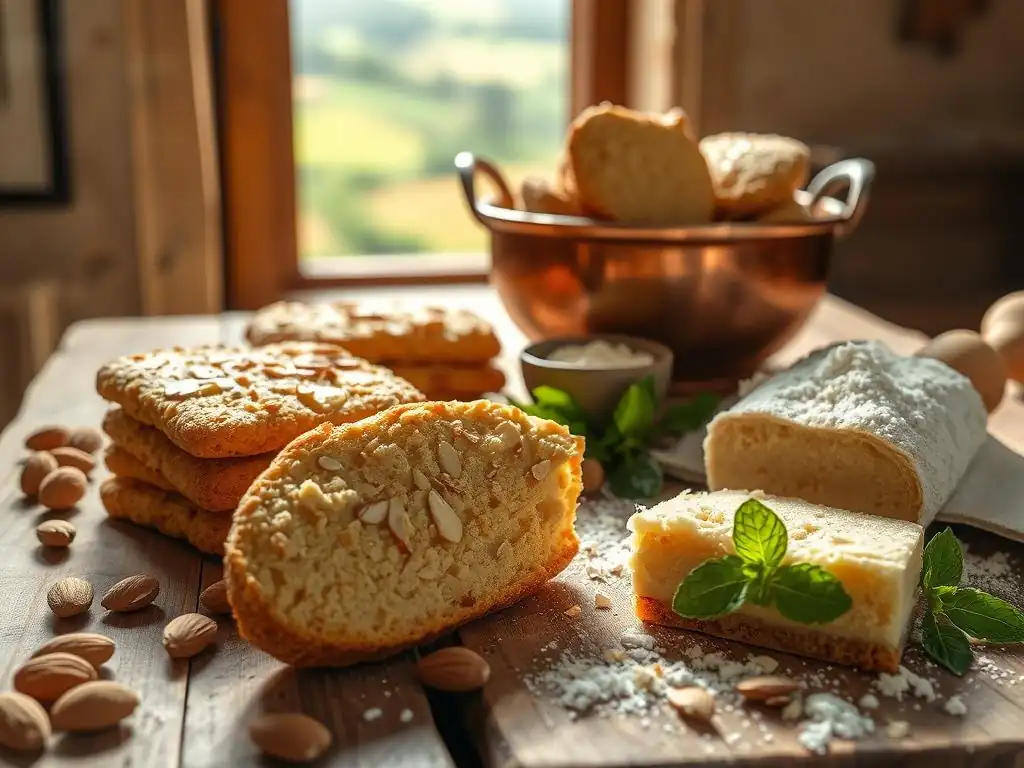
Welcome to BakeWithEase, where baking becomes a joy, not a chore! Ever wondered why almonds are so central to the heart of Italian sweets? This exploration of " The Role of Almonds in Classic Italian Baking" unveils centuries-old secrets and delightful almond baking recipes straight from Italy. Prepare to be transported to sun-drenched Italian kitchens and discover how this humble nut elevates traditional desserts. Intrigued? Let's begin your journey!
- The Role of Hazelnuts in Piedmontese Baking: A BakeWithEase Guide
- Introduction: Hazelnuts - A Cornerstone of Piedmontese Baking Traditions
- Exploring Hazelnut Baking in Piedmont
- Key Hazelnut Baking Recipes in Piedmont: From Classic to Contemporary
- The Best Types of Hazelnuts for Piedmontese Baking
- Tips and Tricks for Perfect Hazelnut Baking Recipes in Piedmont
- Conclusion: Celebrating the Versatility of Hazelnuts in Piedmontese Baking
-
Frequently Asked Questions
- What role do almonds typically play in Italian baking?
- What are some popular Italian desserts that prominently feature almonds?
- Are Italian almond baking recipes generally considered difficult to make?
- Where can I find high-quality almond baking recipes suitable for Italian desserts?
- What varieties of almonds are commonly used in Italian baking?
- Final Reflection: The Enduring Allure of Almonds in Italian Baking
- Unlock the Secrets of Almond-Infused Italian Baking!
The Role of Hazelnuts in Piedmontese Baking: A BakeWithEase Guide
Introduction: Hazelnuts - A Cornerstone of Piedmontese Baking Traditions
BakeWithEase Explores the Rich History of Hazelnuts in Piedmont
Piedmont, a stunning region in northwestern Italy, is renowned for its exquisite cuisine, and hazelnuts hold a particularly cherished place in its sweet traditions. The cultivation of hazelnuts, or nocciole, has deep historical roots in the rolling hills of the Langhe, Roero, and Monferrato areas. These lands, now a UNESCO World Heritage site, provide the ideal microclimate and soil conditions for growing some of the world's finest hazelnuts.
For centuries, hazelnut farming has been a vital part of the local economy and cultural identity, shaping the landscape and the lives of its people. The dedication to quality is so profound that the "Nocciola del Piemonte" or "Nocciola Tonda Gentile delle Langhe" has been granted Protected Geographical Indication (PGI) status by the European Union, recognizing its unique characteristics and origin.
The integration of hazelnuts into Piedmontese baking wasn't just a matter of convenience; it was a confluence of agricultural bounty and culinary innovation. As chocolate became more accessible, especially after historical periods like the Napoleonic Wars when cocoa imports were restricted, local chocolatiers and bakers found ingenious ways to combine the region's abundant hazelnuts with limited chocolate supplies.
This necessity spurred the creation of iconic sweets like Gianduja. Over time, hazelnuts became indispensable in a wide array of desserts, from simple roasted nuts enjoyed as a snack to complex cakes and pastries, solidifying their status as a true cornerstone of the region's sweet legacy.
Why Hazelnuts are Essential to Authentic Piedmontese Desserts
The Nocciola Tonda Gentile delle Langhe possesses a unique flavor profile that sets it apart and makes it essential for authentic Piedmontese desserts. When toasted, these hazelnuts release an intense, aromatic fragrance and a rich, complex nutty flavor that is less bitter than many other varieties. This distinct taste provides the fundamental base for numerous regional specialties, ensuring that the hazelnut flavor is not just a background note but a prominent, celebrated element. The high quality and consistent flavor of these nuts are paramount to achieving the true taste of Piedmontese baking.
Beyond flavor, hazelnuts contribute significantly to the texture and richness of baked goods. Their natural oils add moisture and tenderness to cakes and cookies, while chopped or whole nuts provide a delightful crunch. Ground hazelnuts, often used as a flour substitute or supplement, lend a unique density and crumb structure.
The versatility of hazelnuts – used whole, chopped, ground, or as a paste – allows for a wide range of textural experiences, from the melt-in-your-mouth quality of a hazelnut cake to the satisfying bite of a hazelnut cookie. Their presence is not merely decorative; it is integral to the structure, flavor, and overall sensory experience of authentic Piedmontese sweets.
Exploring Hazelnut Baking in Piedmont
Hazelnut Cakes: A Deep Dive
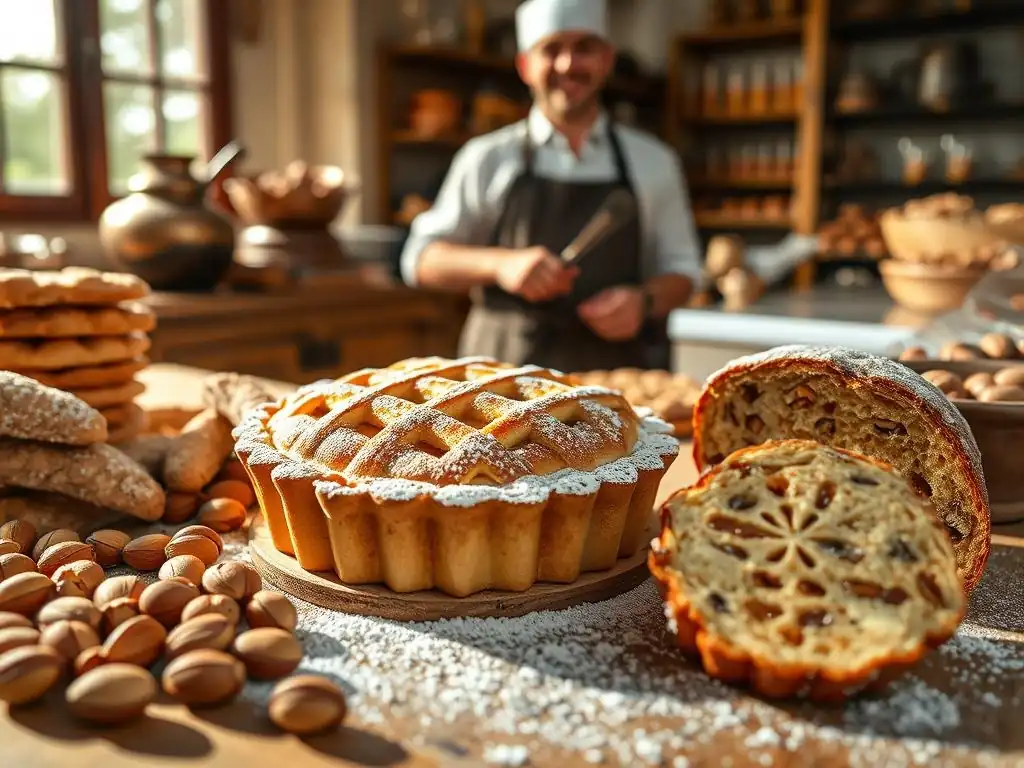
Hazelnut cakes are a crowning glory of Piedmontese baking, with Torta di Nocciole being the most celebrated example. Unlike many traditional cakes that rely heavily on wheat flour, the classic Piedmontese hazelnut cake places the nut front and center. Often containing a very high proportion of ground hazelnuts, or sometimes being entirely flourless, these cakes are characterized by their moist, dense texture and an incredibly intense hazelnut flavor. Found in bakeries and homes throughout the region, the Torta di Nocciole is a testament to the quality of local ingredients and simple, effective baking techniques.
Variations of the hazelnut cake exist, with some recipes incorporating a small amount of flour for a slightly different crumb structure, while others might include chocolate chips or a touch of liqueur. However, the heart of the cake remains the quality and quantity of the ground hazelnuts. The natural oils in the nuts contribute moisture, reducing the need for excessive butter, though butter and eggs are still key binding agents.
Mastering these cakes involves understanding the balance between wet and dry ingredients and handling the batter gently to preserve the delicate structure lent by the ground nuts. They are typically served simply, perhaps with a dusting of powdered sugar, or more elaborately with a dollop of whipped cream or a traditional zabaione.
The Art of Hazelnut Flour
Hazelnut flour is essentially finely ground hazelnuts, typically made from skinned nuts to prevent bitterness and achieve a smoother consistency. It serves multiple roles in baking: it can be used as a gluten-free alternative to wheat flour, add a rich, nutty flavor boost, or contribute moisture and tenderness due to its natural fat content. Creating quality hazelnut flour requires careful processing; over-grinding can lead to a greasy paste rather than a light, floury texture. Using fresh, properly toasted hazelnuts is crucial, as rancid nuts will impart an unpleasant flavor to your baked goods.
When substituting or incorporating hazelnut flour into recipes, it's important to consider its differences from wheat flour. Hazelnut flour has no gluten, meaning it won't provide the same structural network. Recipes relying heavily on it often require more eggs or other binders. Its higher fat content means you might need to adjust other fats in the recipe. Storing hazelnut flour correctly is also key; due to its fat content, it's prone to going rancid quickly. Keeping it in an airtight container in the refrigerator or freezer is highly recommended to maintain freshness and flavor.
Mastering Hazelnut Cake Recipes
Successfully baking a hazelnut cake hinges on a few key techniques. Starting with high-quality, freshly ground hazelnuts is paramount. Many traditional recipes involve creaming softened butter with sugar until light and fluffy, then incorporating eggs one by one. The ground hazelnuts are often folded in carefully, sometimes alternating with a small amount of flour if the recipe includes it. Overmixing should be avoided once the nuts are added, as this can develop gluten (if flour is present) or simply toughen the cake.
Baking time and temperature are critical for achieving the desired moist texture. A typical temperature might range from 160-180°C (325-350°F), with baking time varying depending on the size and thickness of the cake, usually between 30 to 50 minutes. The cake is done when a skewer inserted into the center comes out clean.
Troubleshooting common issues like a dry cake often points back to ingredient ratios or over-baking. Conversely, a cake that sinks in the middle might indicate under-baking or too much leavening relative to the heavy nut content. Patience and attention to detail are rewarded with a truly delicious hazelnut cake.
Piedmontese hazelnut cookies offer a more rustic yet equally delightful expression of the region's favorite nut. These cookies often feature simple ingredient lists, allowing the rich flavor of the hazelnut to shine. Their textures can vary widely, from crisp and crumbly biscotti-like treats to soft, chewy delights. They are a staple in local bakeries and a popular item to enjoy with coffee or a glass of local Moscato d'Asti. Their unpretentious charm makes them universally appealing.
Beyond the famous Baci di Dama, Piedmont boasts other hazelnut cookie variations. Some recipes involve chopped hazelnuts folded into simple shortbread doughs, while others might use hazelnut paste as a binder and flavor enhancer. Brutti ma Buoni, or "ugly but good," are another regional classic, though primarily meringue-based, they are packed with chopped hazelnuts, giving them a wonderfully chewy and crisp texture. These cookies often reflect the resourcefulness of home bakers, utilizing local ingredients to create simple yet deeply flavorful treats.
Baci di Dama: The Quintessential Piedmontese Hazelnut Cookie
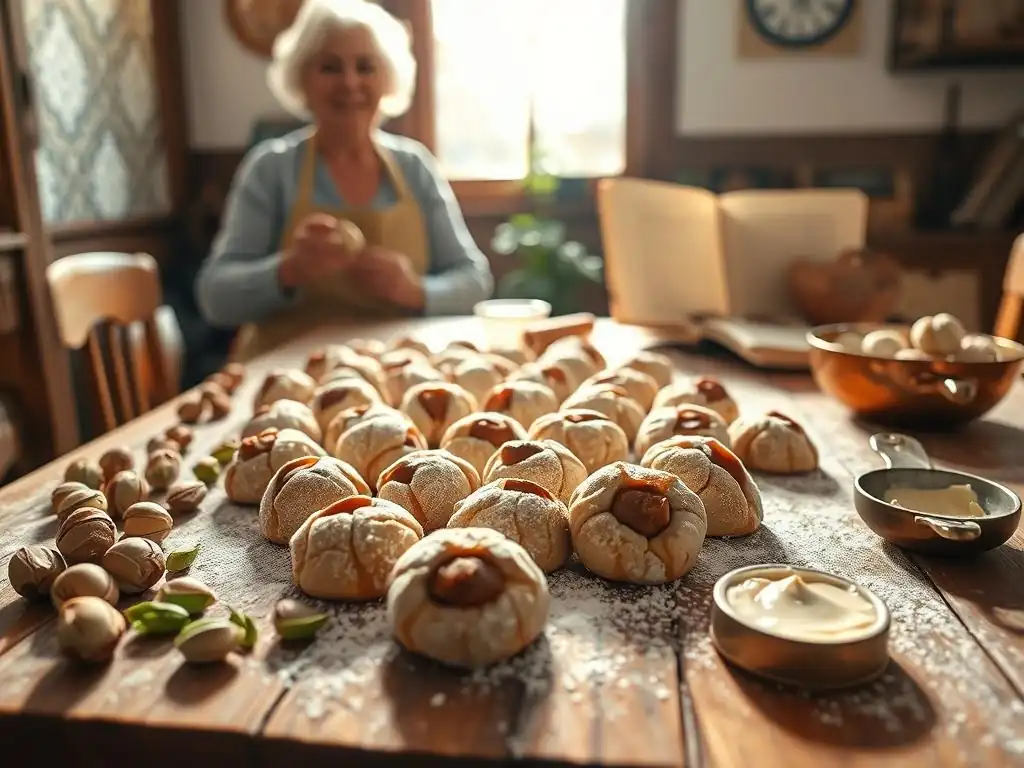
Baci di Dama, meaning "Lady's Kisses," are perhaps the most iconic hazelnut cookie from Piedmont. They consist of two small, domed hazelnut cookies sandwiched together with a layer of chocolate. The name is said to come from their resemblance to lips poised for a kiss. The cookie component is typically made from a mixture of ground hazelnuts (or hazelnut flour), sugar, butter, and a small amount of wheat flour. The dough is rolled into tiny balls, baked until lightly golden, and then cooled.
The filling is traditionally dark chocolate, melted and used to join two cookies together. The chocolate solidifies, creating a delightful contrast in texture between the crumbly, nutty cookie and the smooth, rich chocolate. The key to perfect Baci di Dama lies in achieving the right balance of ingredients for a tender, melt-in-your-mouth cookie base and using good quality chocolate for the filling. They are small, elegant, and utterly addictive, embodying the sophisticated simplicity of Piedmontese sweets.
Exploring Other Piedmontese Hazelnut Confections
While cakes and cookies are prominent, hazelnuts feature in numerous other Piedmontese sweets. Torrone, a traditional nougat, often includes generous amounts of local hazelnuts alongside honey and egg whites. Pasticcini, the term for small pastries, frequently feature hazelnut cream fillings, hazelnut meringue toppings, or are decorated with chopped nuts. Even simple roasted and caramelized hazelnuts are enjoyed as a popular sweet treat, showcasing the nut's inherent deliciousness with minimal intervention.
The diverse ways hazelnuts are incorporated into regional confections speak to their versatility and cultural significance. From the elaborate layers of a special occasion cake to the simple pleasure of a handful of sugar-coated nuts, hazelnuts are woven into the fabric of Piedmontese sweet-making. Exploring these different confections reveals the depth and breadth of the region's culinary creativity, always centered around its prized nocciole.
Hazelnut Spreads and Creams: A Sweet Legacy
Piedmont's connection between hazelnuts and chocolate has a long and fascinating history, culminating in the creation of world-famous spreads and creams. The region's abundance of hazelnuts, combined with a historical need to extend limited cocoa supplies, led to ingenious culinary developments. This legacy continues today, with Piedmont being a major center for the production of hazelnut-based chocolate products, including iconic spreads that are enjoyed globally.
The economic impact of these hazelnut and chocolate creations is significant. Companies originating from Piedmont have turned regional specialties into international phenomena. The tradition of combining the intense flavor of local hazelnuts with fine chocolate has not only created beloved treats but also cemented Piedmont's reputation as a powerhouse in the confectionery world, showcasing how regional ingredients can achieve global fame.
Gianduja: The Classic Hazelnut and Chocolate Spread
Gianduja's origin story is rooted in necessity and innovation. During the Napoleonic era (around 1806), a continental blockade limited cocoa imports to Europe, making chocolate expensive and scarce. Turin chocolatiers, faced with dwindling supplies, began mixing finely ground hazelnuts – which were readily available locally – into their chocolate mass to stretch it further.
This new mixture, named Gianduja after a local Carnival mask, was initially sold as a solid block ( Gianduiotto) before evolving into the creamy spread we know today. Caffarel is credited with pioneering the solid Gianduiotto in 1865, and later, Ferrero would popularize a spreadable version on a global scale (Nutella, though a variation, is inspired by Gianduja principles).
Authentic Gianduja is characterized by its high hazelnut content, typically ranging from 30% to 40% hazelnut paste, combined with chocolate and sugar. This high proportion of nuts gives it a distinctively rich, nutty flavor and a smooth, luxurious texture that melts easily. It's used not only as a spread but also as a filling for chocolates and pastries, a flavoring for gelato, and an ingredient in various desserts, showcasing its versatility beyond the breakfast table.
Nocciolata: A Creamy Hazelnut Delight
While Gianduja is the classic, the term Nocciolata can refer to a broader category of hazelnut creams and spreads originating from Piedmont. These spreads often share the core ingredients of hazelnuts, sugar, and cocoa or chocolate, but their ratios and additional components can vary. Some Nocciolata products might include milk powder or different types of vegetable fats, resulting in textures and flavor profiles that differ slightly from traditional Gianduja.
Nocciolata is incredibly versatile in baking and dessert-making. It can be used as a filling for tarts, cakes, or croissants, swirled into cheesecakes or brownies, or simply dolloped onto pancakes or waffles. Its creamy texture and intense hazelnut-chocolate flavor make it a popular ingredient for adding a touch of Piedmontese indulgence to a wide range of sweets, offering a convenient way to incorporate that beloved combination of flavors.
Key Hazelnut Baking Recipes in Piedmont: From Classic to Contemporary
Classic Hazelnut Baking Recipes in Piedmont
The heart of Piedmontese hazelnut baking lies in its traditional recipes, often passed down through generations. These classics emphasize simple techniques and the unparalleled quality of local ingredients, allowing the natural flavor of the hazelnut to truly shine. They represent the culinary heritage of the region, embodying centuries of farming and baking wisdom.
Two prime examples that stand out are the Torta di Nocciole and Brutti ma Buoni cookies. These recipes, while seemingly simple, require attention to detail and quality ingredients to achieve their authentic taste and texture. They are staples in local bakeries and a source of regional pride, representing the essence of Piedmontese sweet traditions.
Torta di Nocciole: A Timeless Piedmontese Cake
The Torta di Nocciole is arguably the most iconic Piedmontese hazelnut cake. Its composition typically includes a high ratio of finely ground hazelnuts mixed with eggs, sugar, and butter, sometimes with just a minimal amount of flour or none at all. This creates a cake that is wonderfully moist, dense, and intensely flavored with hazelnuts. The preparation often involves whipping egg whites separately and folding them in to provide some lift, despite the heavy nature of the nuts.
Baking this cake requires patience; it's often baked at a moderate temperature to ensure it cooks through without drying out. The result is a cake that is perfect on its own, perhaps simply dusted with powdered sugar. However, it's frequently served with a rich zabaione (an egg yolk, sugar, and Marsala wine custard) or fresh whipped cream, which complement the nutty flavor beautifully.
Brutti ma Buoni: A Crumbly Hazelnut Meringue Cookie
Brutti ma Buoni, literally meaning "ugly but good," are a delightful testament to the fact that appearance isn't everything when it comes to taste. These cookies are essentially a type of meringue made from whipped egg whites and sugar, into which a generous amount of roughly chopped or broken hazelnuts is folded. The mixture is then spooned onto a baking sheet in rustic, irregular shapes, justifying their name.
These cookies are baked at a very low temperature for an extended period, more akin to drying than baking, which gives them their characteristic texture: wonderfully chewy on the inside with a crisp exterior. The high proportion of hazelnuts ensures an intense nutty flavor, while the meringue base provides a light, airy contrast. They are simple, rustic, and incredibly addictive, a true reflection of Piedmontese ingenuity in making something delicious from basic ingredients.
Modern Twists on Traditional Piedmontese Hazelnut Desserts
While tradition is deeply respected, contemporary chefs and home bakers in Piedmont and beyond are also finding innovative ways to incorporate the region's prized hazelnuts into modern desserts. This evolution sees the classic flavors and textures of hazelnut baking reinterpreted in new forms, blending traditional ingredients with contemporary techniques.
This includes incorporating hazelnut elements into desserts not traditionally associated with the nut, such as panna cotta, semifreddo, or even using hazelnut praline in French-inspired pastries. These modern creations celebrate the versatility of the hazelnut while offering fresh perspectives on how its unique flavor and texture can be enjoyed, demonstrating that the legacy of Piedmontese hazelnut baking is alive and continues to evolve.
Hazelnut Panna Cotta with Chocolate Sauce
Panna Cotta, a classic Italian cooked cream dessert, is traditionally made with just cream, sugar, and gelatin. However, incorporating hazelnuts offers a delightful Piedmontese twist. This can be achieved by infusing the cream with toasted hazelnuts (steeping them and then straining the cream) or by whisking in a smooth hazelnut paste or Nocciolata. The result is a creamy, wobbly dessert with a subtle or pronounced hazelnut flavor, depending on the method used.
Pairing the hazelnut panna cotta with a rich chocolate sauce is a natural choice, echoing the classic Gianduja combination. A simple ganache made from dark chocolate and cream, or a smoother chocolate sauce, provides a perfect counterpoint to the creamy, nutty panna cotta. Garnishing with a few chopped, toasted hazelnuts adds a welcome textural contrast.
Hazelnut Semifreddo with Caramelized Hazelnuts
Semifreddo, meaning "half-frozen," is a popular Italian dessert that offers a creamy, ice cream-like texture without the need for churning. It's typically made from a base of whipped cream, egg yolks, and sugar, often flavored with fruit, chocolate, or nuts. Incorporating hazelnuts into a semifreddo can be done by folding in hazelnut paste, hazelnut praline (caramelized hazelnuts ground into a paste), or simply chopped toasted hazelnuts.
Adding caramelized hazelnuts provides a crucial element to the semifreddo. Hazelnuts are coated in sugar syrup and heated until the sugar caramelizes, creating brittle, crunchy nuts. These caramelized nuts, either left whole, roughly chopped, or crushed into a praline, are folded into the semifreddo mixture before freezing. The contrast between the smooth, cold, hazelnut-flavored semifreddo and the sweet, crunchy caramelized hazelnuts is utterly delightful, offering a sophisticated dessert experience.
The Best Types of Hazelnuts for Piedmontese Baking
Understanding Hazelnut Varieties for Optimal Flavor and Texture
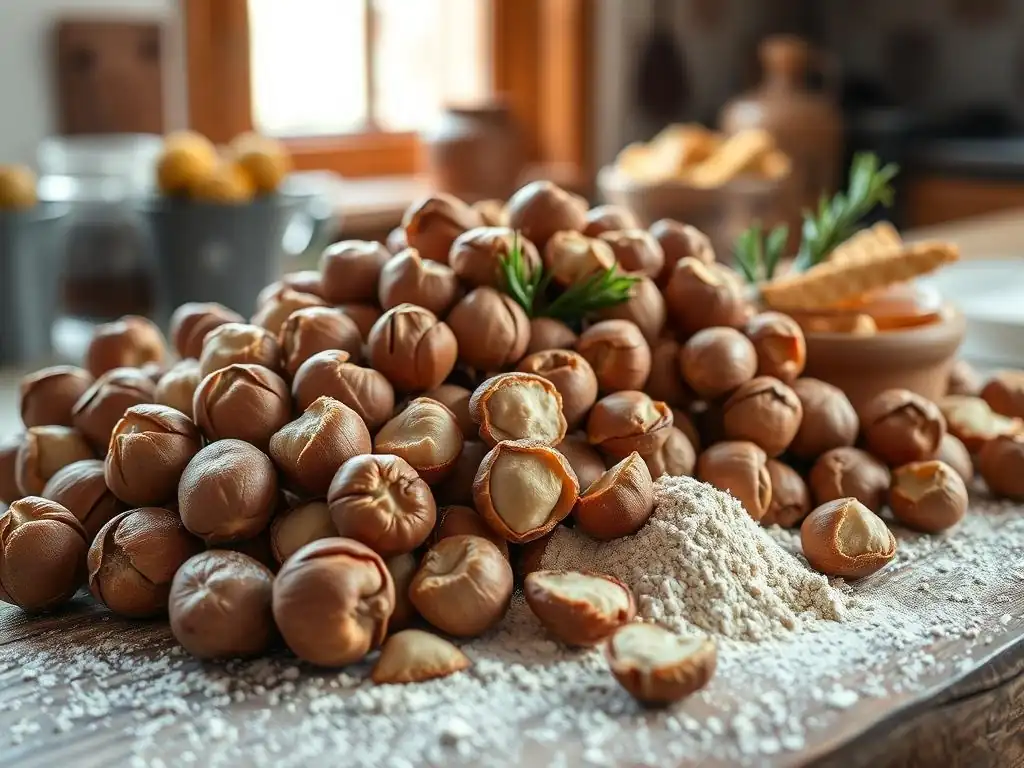
Not all hazelnuts are created equal, and the specific variety used can significantly impact the flavor and texture of your baked goods. Different varieties have varying levels of oil content, skin adherence, size, and most importantly, flavor profiles. For authentic Piedmontese results, understanding which nuts to use is key to unlocking the best possible taste.
Using fresh, high-quality nuts is always the first rule of thumb, regardless of variety. Stale nuts can impart off-flavors. However, selecting a variety known for its superior baking qualities will elevate your results, ensuring that the hazelnut flavor is clean, intense, and aromatic, and that the texture is desirable.
Tonda Gentile delle Langhe: The Premium Choice
For truly authentic Piedmontese baking, the Nocciola Tonda Gentile delle Langhe (now officially designated as Nocciola del Piemonte PGI) is considered the gold standard. Grown in the specific microclimate of the Langhe hills, this variety is prized for several reasons. Its shape is round and uniform, making processing easier. Crucially, its skin peels off very easily after roasting, which is vital for achieving smooth pastes or flours without bitter skin residue.
Furthermore, the Tonda Gentile has a lower fat content compared to some other varieties, which contributes to a longer shelf life for the nuts and reduces the risk of baked goods becoming oily or going rancid quickly. Most importantly, when toasted, it develops an exceptionally fine and intense aroma and flavor that is clean, persistent, and lacks the woody or bitter notes sometimes found in other hazelnuts. Its superior characteristics make it the preferred choice for high-quality confectionery and baking in Piedmont.
Other Hazelnut Varieties: A Versatile Option
While the Tonda Gentile delle Langhe is the ideal choice for authentic Piedmontese flavors, other hazelnut varieties are available globally and can be used successfully in baking. Varieties like the Roman hazelnut (from Italy) or Turkish hazelnuts are widely cultivated and accessible. These nuts can vary in shape, size, and how easily their skins are removed after roasting.
Their flavor profiles also differ; some might be slightly milder, while others could have a more pronounced earthy note. If using varieties other than Tonda Gentile, it's especially important to ensure they are fresh and to toast them properly to enhance their flavor. While the final result might not be identical to using the premium Piedmontese nut, high-quality nuts of other varieties can still produce delicious hazelnut baked goods.
Preparing Hazelnuts for Baking: Tips and Techniques
Proper preparation of hazelnuts before incorporating them into your baking is crucial for maximizing their flavor and ensuring the best texture in your finished product. Simply chopping raw nuts is rarely sufficient to unlock their full potential. The steps of toasting, skinning, and correctly grinding or chopping the nuts are fundamental techniques in hazelnut baking.
These preparation steps enhance the nut's natural oils, deepen its flavor, improve its texture, and remove potentially bitter elements like the skin. Taking the time to prepare your hazelnuts correctly will make a significant difference in the aroma and taste of your cakes, cookies, and other treats.
Toasting Hazelnuts for Enhanced Flavor
Toasting hazelnuts is a non-negotiable step for most baking applications. Heating the nuts intensifies their natural flavor compounds, making them more aromatic and nutty. It also helps to dry them out slightly, which can improve texture in baking, and crucially, it loosens the papery skins, making them easier to remove.
Hazelnuts can be toasted in a preheated oven at around 150-175°C (300-350°F) for 10-15 minutes, or until fragrant and lightly browned. Shake the pan halfway through for even toasting. Alternatively, they can be toasted in a dry skillet over medium heat, stirring constantly, which requires closer attention to prevent burning. The goal is to achieve a warm, nutty aroma and a slightly darker color without burning them, which would result in a bitter taste.
Skinning Hazelnuts
The thin, papery skin on hazelnuts can sometimes be bitter and can affect the texture and appearance of finely ground nuts or pastes. While some rustic recipes might leave the skins on, most Piedmontese hazelnut baking recipes call for skinned nuts, especially when making hazelnut flour or paste. Toasting is the first step in loosening the skins.
Once toasted and still warm (but cool enough to handle), place the hazelnuts in a clean kitchen towel, fold the towel over them, and rub vigorously. The friction should cause most of the skins to flake off. Don't worry if a few stubborn bits remain, but aim to remove the majority. This step is particularly easy with the Tonda Gentile variety due to its characteristics.
Grinding Hazelnuts for Baking: Achieving the Perfect Consistency
The way you grind or chop hazelnuts depends entirely on the recipe requirements. Some cookies might call for roughly chopped nuts for texture, while cakes often require finely ground nuts resembling flour. Pastes or creams necessitate grinding the nuts even further until their oils are released and they form a smooth consistency.
For chopped nuts, a knife or food processor on pulse works well. For hazelnut flour, use a food processor or a dedicated nut grinder. It's important to work in pulses and scrape down the sides frequently to avoid over-processing the nuts into butter. Grinding too long generates heat and can release too much oil prematurely. Aim for a fine, powdery texture for flour. For paste, continue processing beyond the flour stage until a smooth, spreadable consistency is achieved, adding a neutral oil if needed to help the process along. Always use freshly ground nuts for the best flavor.
Tips and Tricks for Perfect Hazelnut Baking Recipes in Piedmont
Achieving the Ideal Hazelnut Flavor in Your Baked Goods
The key to truly outstanding hazelnut baked goods lies in maximizing and preserving the natural flavor of the nuts. Starting with the best quality, freshest hazelnuts you can find is the most crucial step. If possible, source Nocciola del Piemonte PGI for an authentic taste. Ensure the nuts haven't been sitting on a shelf for too long, as their oils can become rancid, imparting an unpleasant flavor.
Proper toasting is essential for developing the nuts' full aromatic potential. Toast them until they are fragrant and just lightly browned, but stop before they burn. When grinding nuts for flour or paste, avoid over-processing, which generates heat that can degrade delicate flavor compounds. Store any unused hazelnut flour or paste in the refrigerator or freezer to maintain freshness. While hazelnut extract exists, relying primarily on the nuts themselves will give you a richer, more complex flavor.
Preventing Common Hazelnut Baking Mistakes
Working with hazelnuts in baking can present a few challenges. One common issue is dry hazelnut cakes; this often happens if too much regular flour is used relative to the ground nuts, or if the cake is over-baked. Hazelnuts contribute moisture through their oils, so recipes need to balance this correctly. Another issue is oily dough or batter, which can occur if hazelnuts are over-processed during grinding, turning them into a paste too early and releasing too much oil.
To prevent dryness, adhere closely to recipe ratios and avoid over-baking. For oily issues, grind nuts in short pulses and only to the consistency required. If making hazelnut flour, stop processing as soon as a flour-like texture is achieved. Using correctly toasted and skinned nuts also helps ensure the desired texture and flavor without bitterness. Paying attention to these details will significantly improve your hazelnut baking results.
Task List: Avoiding Hazelnut Baking Pitfalls
- [ ] Use fresh, high-quality hazelnuts.
- [ ] Toast hazelnuts properly to enhance flavor (150-175°C / 300-350°F for 10-15 mins).
- [ ] Skin toasted hazelnuts by rubbing in a towel.
- [ ] Grind nuts in pulses to avoid creating butter prematurely (for flour/chopped).
- [ ] Measure ground hazelnuts accurately (weight is best).
- [ ] Do not overmix batter after adding ground nuts.
- [ ] Bake at the correct temperature and time; check for doneness carefully.
- [ ] Store unused nuts/flour/paste properly (airtight, fridge/freezer).
Storing Hazelnut Baked Goods for Maximum Freshness
Because hazelnuts contain natural oils, baked goods made with them can be prone to staling or going rancid more quickly than those made solely with wheat flour. Proper storage is essential to maintain their delicious flavor and texture. Generally, allowing baked goods to cool completely before storing is important to prevent condensation, which can make them soggy.
Store hazelnut cakes, cookies, and other treats in airtight containers at room temperature for a few days. For longer storage, especially in warmer climates or for items containing creams or high fat content, refrigeration is recommended. Hazelnut cookies and many cakes can also be frozen; wrap them tightly in plastic wrap and then place them in a freezer-safe bag or container. Thaw at room temperature before serving. Proper storage ensures you can enjoy the fruits of your hazelnut baking efforts for as long as possible.
Conclusion: Celebrating the Versatility of Hazelnuts in Piedmontese Baking
BakeWithEase Encourages You to Explore Hazelnut Baking
Hazelnuts are far more than just a nut in Piedmont; they are a symbol of the region's agricultural richness and culinary ingenuity. Their deep history, unique flavor profile, and incredible versatility have cemented their place at the heart of Piedmontese sweet traditions. From the dense, aromatic Torta di Nocciole to the charming Baci di Dama and the globally popular Gianduja, hazelnuts offer a world of delicious possibilities for bakers.
At BakeWithEase, we believe that exploring regional baking traditions is a wonderful way to expand your skills and discover new favorite flavors. We encourage you to step into the world of Piedmontese hazelnut baking. With our guides and tips, bakers of all levels can confidently tackle these recipes and bring a taste of Italian authenticity into their own kitchens. The rewards of baking with high-quality hazelnuts are truly immense.
Further Resources for Piedmontese Baking Enthusiasts
For those eager to delve deeper into the art of Piedmontese hazelnut baking and regional Italian sweets, there are many avenues to explore. Seek out authentic Italian cookbooks that focus specifically on the cuisine of Piedmont; these often contain traditional recipes and insights into local techniques. Online resources dedicated to Italian regional cooking can also provide valuable information and community support.
Consider looking for suppliers who sell high-quality Nocciola del Piemonte PGI to experience the true flavor difference these nuts make. Joining online baking forums or social media groups focused on Italian baking can connect you with fellow enthusiasts, allowing you to share experiences, ask questions, and discover new recipes and tips from those who share your passion for delicious, authentic sweets.
Frequently Asked Questions
What role do almonds typically play in Italian baking?
Almonds are a staple ingredient in Italian baking, adding flavor and texture. They are used in a wide variety of desserts.
What are some popular Italian desserts that prominently feature almonds?
Popular examples include amaretti cookies, frangipane tarts, and almond biscotti. These desserts often showcase the distinct flavor of almonds.
Are Italian almond baking recipes generally considered difficult to make?
Not necessarily. Many recipes are surprisingly simple, even for beginner bakers. BakeWithEase provides easy-to-follow guides.
Where can I find high-quality almond baking recipes suitable for Italian desserts?
BakeWithEase.com offers a collection of almond baking recipes inspired by Italy. These recipes utilize step-by-step guides and easy-to-find ingredients.
What varieties of almonds are commonly used in Italian baking?
Both sweet and bitter almonds are used, depending on the desired flavor profile. Often, sweet almonds are preferred for their subtle sweetness.
Final Reflection: The Enduring Allure of Almonds in Italian Baking
The subtle crunch, the delicate aroma, the rich flavor – almonds are far more than just a simple ingredient in classic Italian baking; they are a cornerstone of its enduring legacy. Their presence speaks to a deep connection between culinary tradition and the land itself, a connection that remains vibrantly alive today, influencing both professional pastry chefs and home bakers alike. The recipes explored in this article represent only a fraction of the vast and delicious possibilities, highlighting the almond's versatility and its ability to elevate even the simplest of treats.
The influence of almonds extends beyond the purely gustatory; they represent a cultural heritage, passed down through generations of Italian families and artisans. Their use in iconic desserts like amaretti and biscotti speaks to a continuity of tradition, a testament to the enduring power of simple ingredients to create extraordinary experiences. As Carlo Petrini, founder of Slow Food, once said, Food is not just fuel; it is a celebration of life, a connection to our history and our culture.
This sentiment perfectly encapsulates the role of almonds in Italian baking – they are not merely ingredients, but threads in the rich tapestry of Italian culinary history.
Consider, for a moment, the simple act of biting into a perfectly crisp amaretto or the satisfying crumble of a biscotti dipped in Vin Santo. These are not just moments of indulgence; they are opportunities to connect with a culture, a history, and a tradition.
I invite you to explore the world of almond baking in Italy further, to experiment with the recipes presented here, and to discover your own unique interpretations of this timeless ingredient. Let the aroma of toasted almonds transport you to sun-drenched Italian hillsides, and let the taste inspire you to create your own culinary masterpieces.
Unlock the Secrets of Almond-Infused Italian Baking!
Thanks for exploring the delightful world of almonds in classic Italian baking! You've learned so much about their versatility and unique flavor profiles. Now it's time to put your newfound knowledge to the test.
Here's how you can take the next step:
- Bake your own Biscotti: This classic Italian treat is the perfect way to showcase the nutty deliciousness of almonds. Find a recipe online and let the aroma fill your kitchen!
- Share your baking journey: Post a picture of your almond-infused creation on social media and tag #BakeWithEaseAlmonds – let’s inspire each other!
- Try a surprising twist: Experiment with adding almonds to other Italian desserts, like panna cotta or even pizza dough! What unexpected flavor combinations can you create?
What unique almond-based Italian recipe will you try first? Let us know in the comments below!