
GlutenFree Lemon Meringue Pie: Perfecting the AcidSugar Balance

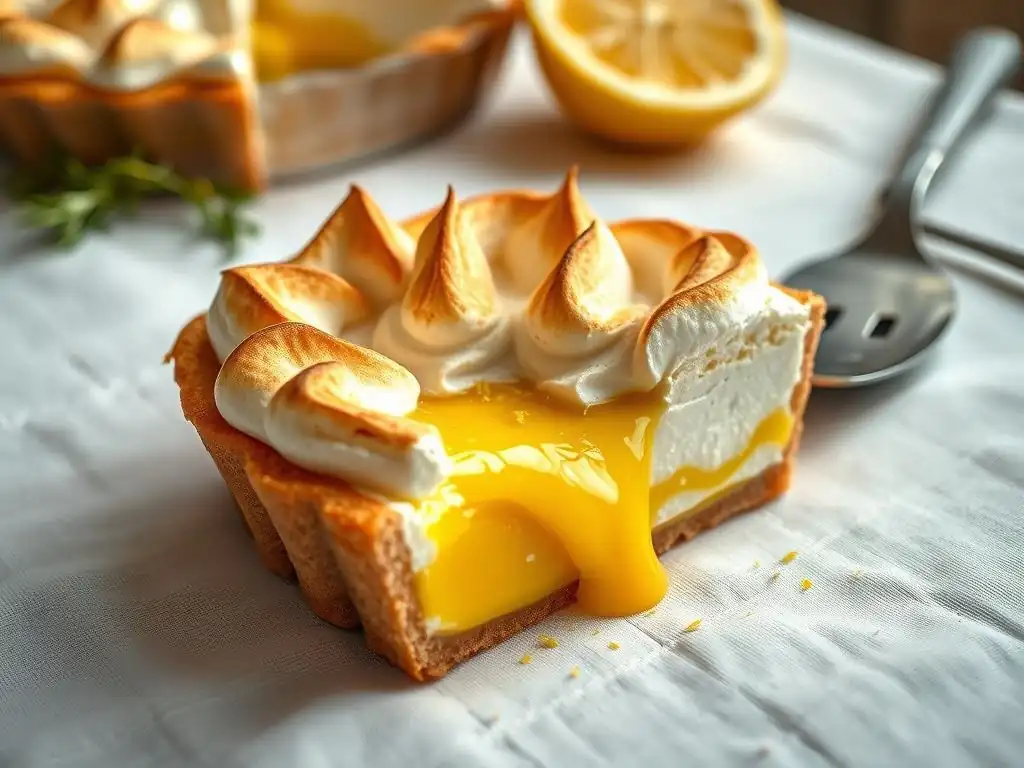
Welcome to BakeWithEase, your kitchen companion for effortless baking! Ever wondered if a truly decadent Gluten-Free Lemon Meringue Pie was within reach? It is! Prepare to discover the secrets to perfecting that delicate acid-sugar balance, achieving a flawless crust and airy meringue, all while catering to dietary needs. Intrigued? Let's get baking!
- Mastering Gluten-Free Lemon Meringue Pie
- Understanding Gluten-Free Baking for Pie
- Gluten-Free Lemon Meringue Pie Recipe: Detailed Instructions
- Tips for a Perfect Pie
- Variations on the Recipe
- Storing and Serving
- Gluten-Free Lemon Meringue Pie: A Delicious Treat
-
Frequently Asked Questions
- How does a gluten-free crust affect the overall texture of a lemon meringue pie?
- What are the key considerations for achieving the right acid-sugar balance in a gluten-free lemon meringue pie?
- Are there specific gluten-free flour blends recommended for the pie crust, and why?
- What are the common pitfalls when making a gluten-free meringue, and how can they be avoided?
- Can I use a pre-made gluten-free pie crust for this recipe, and what adjustments might be needed?
- Final Reflection: A Sweet Symphony of Flavor and Freedom
- Unleash Your Inner Pastry Chef!
Mastering Gluten-Free Lemon Meringue Pie
Crafting a classic lemon meringue pie is a delightful challenge, and making a truly exceptional gluten-free lemon meringue pie adds a layer of complexity that requires precision and understanding. The goal is to achieve that perfect harmony between the bright, tangy lemon filling and the sweet, cloud-like meringue topping, all resting on a sturdy yet tender gluten-free crust. This journey involves navigating the unique properties of gluten-free flours and ensuring every component contributes to the overall balance and texture.
This guide breaks down the process, from building a reliable gluten-free crust that won't crumble to achieving a stable, glossy meringue. We'll explore the science behind gluten-free baking and the techniques needed to create a gluten-free lemon meringue pie that rivals its traditional counterpart. By focusing on key steps and ingredients, you can confidently bake a pie that is not only safe for those with gluten sensitivities but also utterly delicious for everyone.
Balancing Sweet and Tart Flavors in Gluten-Free Baking
Achieving the ideal balance between sweetness and acidity is paramount in any lemon dessert, especially in a gluten-free lemon meringue pie. The lemon filling needs to be bright and tangy without being overly sour, while the meringue provides a necessary counterpoint of sweetness and airy texture. This balance prevents the dessert from tasting one-dimensional and ensures each bite is a dynamic interplay of flavors.
In a typical lemon filling, the ratio of lemon juice to sugar is critical. Using too little sugar results in an overwhelmingly sour curd, while too much can make it cloyingly sweet and mask the fresh lemon flavor. A common starting point might involve roughly equal parts lemon juice and sugar by volume, but adjustments are often needed based on the specific lemons used and personal preference.
For instance, using Eureka or Lisbon lemons, known for their high acidity, might require slightly more sugar than Meyer lemons, which are naturally sweeter. The sweetness of the meringue also plays a significant role; a French meringue tends to be sweeter and less stable than a Swiss or Italian meringue, impacting the overall flavor profile and texture contrast of the gluten-free lemon meringue pie.
Understanding Gluten-Free Baking for Pie
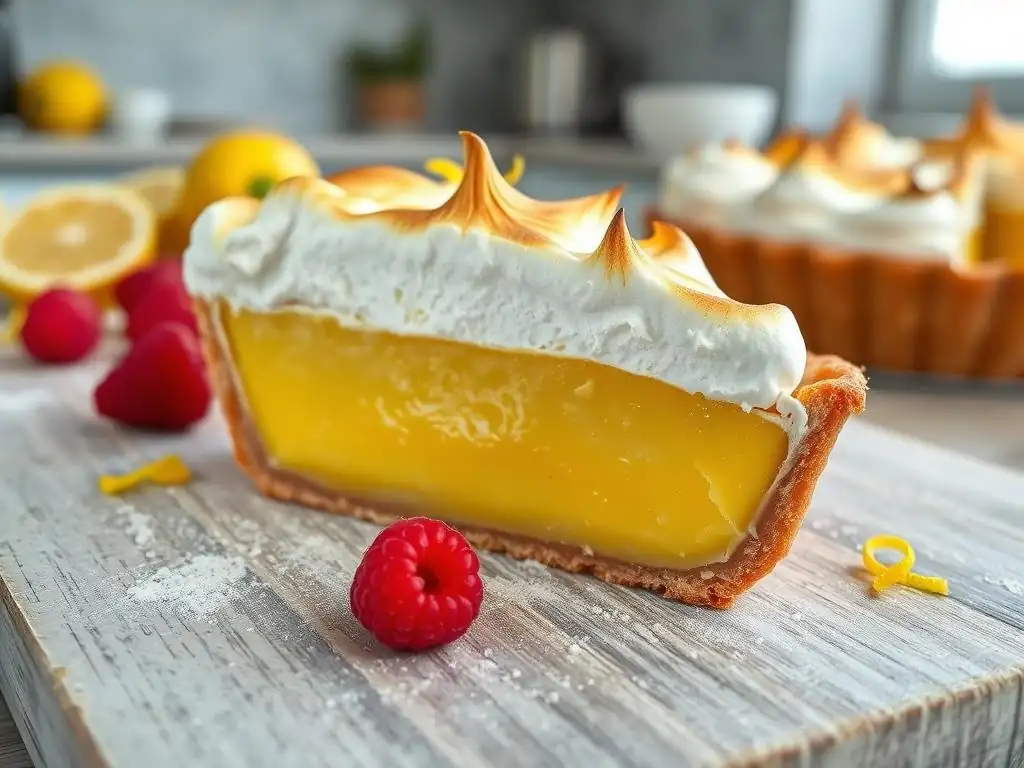
Gluten, the protein network formed when wheat flour is mixed with liquid, provides structure and elasticity to traditional baked goods. In pie crusts, gluten allows the dough to be rolled thin without tearing and contributes to a flaky texture. When baking a gluten-free lemon meringue pie, this essential protein is absent, requiring alternative ingredients and techniques to replicate those desirable characteristics.
Replacing gluten means relying on a blend of different flours and starches, each contributing unique properties. Rice flour provides structure, tapioca starch adds chewiness and helps with browning, and potato starch contributes tenderness. Without the elastic network of gluten, doughs made solely from these flours can be crumbly, difficult to handle, and may result in a dense or dry crust. Understanding these challenges is the first step to successfully creating a gluten-free pie crust that is both manageable to work with and delicious to eat.
Addressing Challenges with Gluten-Free Crusts
One of the primary hurdles in making a gluten-free pie crust is achieving a texture that is both tender and flaky, while also being cohesive enough to roll out without falling apart. Traditional wheat dough develops gluten strands that create layers of flakiness when fat is incorporated and melted during baking. In gluten-free dough, there's no gluten network to trap steam in the same way, often leading to a more crumbly or dense result.
To combat this, gluten-free pie crust recipes often rely on a higher proportion of fat compared to traditional recipes, sometimes increasing butter or shortening by 10-20%. This extra fat helps coat the flour particles, preventing them from binding too tightly and promoting tenderness. Additionally, chilling the dough extensively, often for at least an hour or two, is crucial.
Cold fat pieces remain solid during mixing and rolling, melting in the oven to create steam pockets that contribute to a flakier texture, much like in a traditional crust. Careful handling and minimal reworking of the dough also help prevent toughness and ensure a more delicate crumb for your gluten-free lemon meringue pie.
Selecting the Right Gluten-Free Flour Blend
Choosing the correct gluten-free flour blend is perhaps the most critical decision when baking a gluten-free lemon meringue pie crust. A single-ingredient flour like rice flour or almond flour alone typically won't yield a desirable texture. Instead, a blend of different flours and starches is needed to mimic the properties of wheat flour, providing structure, tenderness, and binding capabilities.
Commercial gluten-free all-purpose blends are widely available and often contain a mix of rice flour (brown and/or white), sorghum flour, potato starch, and tapioca starch. Some blends are formulated specifically for pastry or pie crusts. Alternatively, you can create your own blend, perhaps using a ratio like 40% brown rice flour, 20% white rice flour, 20% potato starch, and 20% tapioca starch. Experimentation is often necessary, as different blends perform differently, and the optimal choice can significantly impact the final texture of your gluten-free lemon meringue pie crust.
Xanthan Gum: An Essential Ingredient
Xanthan gum is a common additive in gluten-free baking that plays a vital role in providing structure and elasticity that gluten would normally provide. It is a polysaccharide produced by fermentation, and when hydrated, it creates a viscous, gel-like substance that helps bind ingredients together.
In a gluten-free pie crust, adding a small amount of xanthan gum, typically about 1/4 to 1/2 teaspoon per cup of flour blend, helps prevent the dough from becoming too crumbly and makes it easier to roll out and handle. It also contributes to a better texture after baking, reducing the likelihood of a dry or brittle crust. While too much xanthan gum can result in a gummy texture, the right amount is essential for a successful gluten-free lemon meringue pie crust that holds its shape and offers pleasant mouthfeel.
Gluten-Free Lemon Meringue Pie Recipe: Detailed Instructions
Creating a gluten-free lemon meringue pie involves mastering three distinct components: the crust, the filling, and the meringue. Each part requires careful attention to detail to ensure the final result is harmonious in texture and flavor. This detailed guide walks you through each step, providing specific instructions for success.
Follow these steps closely to build a delicious gluten-free foundation, a vibrant lemon center, and a stunning meringue topping. Precision in measurements and technique is key, especially when working with gluten-free ingredients. Get ready to bake a truly impressive gluten-free lemon meringue pie!
Part 1: Crafting the Gluten-Free Pie Crust
A good gluten-free lemon meringue pie starts with a reliable crust. This recipe focuses on achieving flakiness and stability.
Ingredients for a Flaky Crust
Gather your ingredients, ensuring they are cold.
1 1/2 cupsgluten-free all-purpose flour blend (with xanthan gum)1/4 teaspoonsalt1/2 cupcold unsalted butter, cut into small cubes1/4 cupcold vegetable shortening, cut into small cubes4-6 tablespoonsice water
Step 1: Combining Dry Ingredients
In a large bowl, whisk together the gluten-free flour blend and salt. Ensure the xanthan gum is either included in your blend or add the recommended amount (usually 1/2 teaspoon for this quantity of flour). This initial mix distributes the salt and xanthan gum evenly.
Mixing the dry ingredients thoroughly ensures that the salt is dispersed for flavor and that the xanthan gum is ready to hydrate evenly when liquid is added. Use a whisk to lighten the flour blend slightly before adding the fat.
Step 2: Incorporating Fat
Cut the cold butter and shortening into the flour mixture using a pastry blender, fork, or your fingertips. Work quickly until the mixture resembles coarse crumbs with some pea-sized pieces of fat remaining. These larger pieces of fat are crucial for creating flaky layers.
The goal is to coat the flour particles with fat while keeping some fat chunks intact. Avoid overworking the mixture, as this can melt the fat and result in a tough crust. The coldness of the fat is essential; it melts slower in the oven, producing steam that separates the dough layers.
Step 3: Chilling and Rolling
Gradually add the ice water, one tablespoon at a time, mixing until the dough just comes together. Do not add too much water; the dough should be moist enough to hold together but not sticky. Gather the dough into a disc, wrap tightly in plastic wrap, and chill in the refrigerator for at least 1 hour, or up to 2 days.
Chilling allows the gluten-free flour to hydrate fully and the fat to firm up, making the dough easier to roll and handle. When ready to roll, lightly flour your surface and rolling pin with gluten-free flour. Roll the dough from the center outwards, turning and lifting occasionally to prevent sticking, until it's about 1/8 inch thick and large enough to fit your 9-inch pie plate. Carefully transfer the dough to the pie plate, trim and crimp the edges.
Step 4: Blind Baking
Line the crust with parchment paper or foil and fill with pie weights, dried beans, or rice. Blind bake in a preheated oven at 375°F (190°C) for 15-20 minutes, or until the edges are lightly golden. Remove the weights and paper, then continue baking for another 10-15 minutes until the bottom is dry and lightly golden. Let cool completely on a wire rack.
Blind baking is essential for a gluten-free lemon meringue pie as it ensures the crust is fully cooked and firm before the wet filling is added, preventing a soggy bottom. The initial weighted bake sets the shape, while the second bake without weights crisps the bottom.
Part 2: Preparing the Lemon Filling
The heart of the gluten-free lemon meringue pie is its bright, tangy filling. Achieving the right consistency and flavor is key.
Ingredients for Tangy Lemon Curd
You'll need fresh ingredients for the best flavor.
1 1/2 cupsgranulated sugar1/2 cupcornstarch1/4 teaspoonsalt1 1/2 cupscold water1/2 cupfresh lemon juice (from about 3-4 lemons)2 tablespoonslemon zest (from about 2-3 lemons)4 largeegg yolks, beaten2 tablespoonsunsalted butter
Step 1: Zesting and Juicing
Before juicing, carefully zest the lemons, avoiding the white pith which is bitter. Aim for fine zest. Then, juice the lemons. Ensure you have the required amount of fresh juice.
Zesting first makes it easier to extract the zest. Fresh lemon juice is crucial for the vibrant, natural flavor of the filling; bottled juice often lacks the same brightness and complexity.
Step 2: Combining and Cooking
In a medium saucepan, whisk together the sugar, cornstarch, and salt. Gradually whisk in the cold water until smooth. Stir in the lemon juice and lemon zest. Cook over medium heat, stirring constantly, until the mixture thickens and boils. Boil for 1 minute, stirring vigorously, to activate the cornstarch.
This initial cooking step creates a thick base for the filling. Constant stirring prevents lumps and scorching. Boiling for a full minute is important for the cornstarch to reach its maximum thickening power.
Step 3: Achieving Perfect Consistency
Remove the saucepan from the heat. In a small bowl, whisk the beaten egg yolks. Gradually temper the egg yolks by slowly whisking about 1/2 cup of the hot lemon mixture into the yolks. Pour the tempered yolks back into the saucepan with the remaining lemon mixture. Return to low heat and cook, stirring constantly, for 2-3 minutes, until the filling is very thick and glossy. Do not boil after adding the eggs. Remove from heat and stir in the butter until melted and smooth.
Tempering the egg yolks prevents them from scrambling when added to the hot mixture. The gentle heating after adding the yolks further thickens the filling and adds richness and smoothness. The butter adds a luxurious texture and shine.
Part 3: Creating the Meringue Topping
The fluffy, sweet meringue is the crowning glory of a gluten-free lemon meringue pie. Stability is key to prevent weeping or shrinking.
Meringue Types: Italian, Swiss, French
There are three main types of meringue, distinguished by how the sugar is incorporated into the egg whites.
- French Meringue: Raw egg whites are whipped as sugar is gradually added. It's the least stable but easiest to make.
- Swiss Meringue: Egg whites and sugar are gently heated over a water bath while whisking, then whipped until stiff peaks form. This process partially cooks the egg whites and creates a more stable, glossy meringue.
- Italian Meringue: Hot sugar syrup is streamed into whipping egg whites. This results in the most stable and safest meringue as the egg whites are fully cooked by the hot syrup.
Selecting the Best Meringue
For a gluten-free lemon meringue pie, a stable meringue is highly desirable to prevent weeping (liquid seeping from the meringue) and shrinkage. Swiss or Italian meringue are generally preferred over French meringue for pies because their preparation method results in a more stable structure that holds peaks beautifully and is less prone to collapsing or weeping over time.
While Italian meringue is the most stable, Swiss meringue is often chosen for home bakers as it's slightly simpler than handling hot sugar syrup but still provides excellent stability and a smooth texture. For this recipe, we will detail a Swiss meringue method.
Ingredients for a Stable Meringue
Ensure your equipment is scrupulously clean and free of any grease.
4 largeegg whites (room temperature)1/2 teaspooncream of tartar (optional, helps stabilize)1 cupgranulated sugar
Step 1: Whipping Egg Whites
Combine the egg whites and sugar (and cream of tartar, if using) in a clean, heatproof bowl (preferably metal or glass). Set the bowl over a saucepan of simmering water, ensuring the bottom of the bowl does not touch the water. Whisk constantly by hand until the sugar is dissolved and the mixture is warm to the touch (about 130-140°F on an instant-read thermometer).
Heating the egg whites and sugar dissolves the sugar completely, resulting in a smoother meringue, and partially cooks the egg whites for stability. The constant whisking prevents the egg whites from cooking too quickly.
Step 2: Adding Sugar Gradually
Remove the bowl from the heat. Immediately start whipping the mixture with an electric mixer (stand mixer or hand mixer) on medium speed. Gradually increase the speed to high. Continue whipping until stiff, glossy peaks form and the meringue is cool to the touch. This can take 5-10 minutes depending on your mixer.
Whipping incorporates air and develops the protein structure of the egg whites. The dissolved sugar helps stabilize this structure, resulting in a firm, shiny meringue. Whipping until cool ensures the meringue holds its shape well before baking.
Step 3: Ensuring Meringue Stability
Properly whipped meringue should hold stiff peaks that stand straight up when the whisk is lifted. If the peaks curl over, continue whipping. The meringue should also feel smooth, not grainy (indicating sugar is fully dissolved), and be cool.
Using room temperature egg whites helps them whip to a greater volume. A tiny pinch of cream of tartar or a few drops of lemon juice can lower the pH of the egg whites, helping them whip faster and more stably. Avoid any trace of egg yolk in the whites, as fat prevents them from whipping properly.
Part 4: Assembling and Baking
Bringing all the components together is the final step before baking your beautiful gluten-free lemon meringue pie.
Step 1: Filling the Crust
Pour the cooled lemon filling into the blind-baked and cooled gluten-free pie crust. Spread evenly. Ensure the filling is still warm but not piping hot; if it's too hot, it can cause the meringue to weep immediately.
The filling should be spread right to the edges of the crust to provide a base for the meringue. A slightly warm filling helps the meringue adhere better, but excessive heat can break down the meringue's structure.
Step 2: Topping with Meringue
Immediately spoon or pipe the meringue onto the warm lemon filling. Ensure the meringue touches the edges of the crust all around. This seal prevents the meringue from shrinking away from the crust during baking. Create swirls and peaks with a spoon or spatula for visual appeal.
Covering the filling completely and sealing the edges is crucial for the structure and appearance of the gluten-free lemon meringue pie. Peaks will brown nicely in the oven, adding texture and visual interest.
Step 3: Baking to Perfection
Place the assembled pie in a preheated oven at 350°F (175°C). Bake for 10-15 minutes, or until the meringue peaks are golden brown. Keep a close eye on the meringue as it can brown quickly.
Baking the meringue sets its structure and gives it a lovely toasted flavor and color. The temperature should be hot enough to brown the meringue but not so hot that it scorches before setting.
Tips for a Perfect Pie
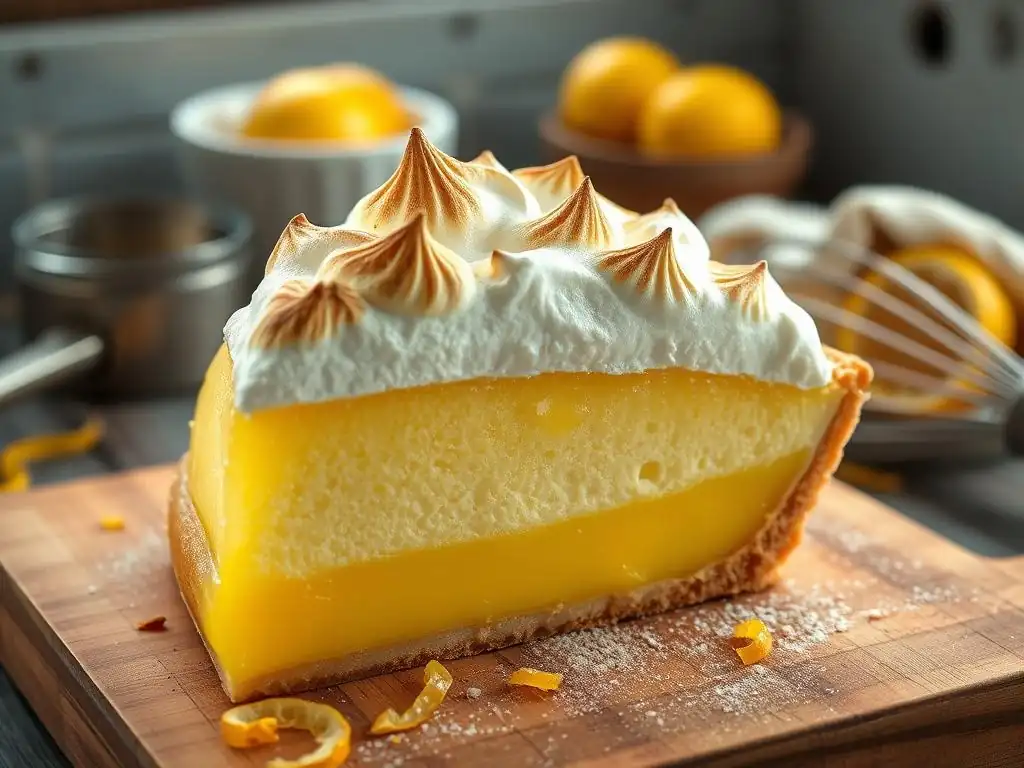
Achieving a truly perfect gluten-free lemon meringue pie involves attention to detail and knowing how to troubleshoot common issues.
Preventing a Soggy Crust
A soggy bottom crust is a common pitfall, especially with gluten-free doughs. The most effective way to prevent this is through proper blind baking. Ensure the crust is fully baked and lightly golden brown before adding the filling.
Additionally, ensuring the lemon filling isn't excessively wet or runny helps. Cooking the filling thoroughly until very thick is crucial. Allowing the blind-baked crust to cool slightly before adding the warm filling also minimizes steam buildup between the filling and the crust.
Achieving Meringue Peaks
Tall, defined meringue peaks are a hallmark of a beautiful lemon meringue pie. To achieve this, start with clean, grease-free equipment. Use room temperature egg whites for maximum volume.
Whip the egg whites until they reach soft peaks before gradually adding the sugar. Continue whipping on high speed until stiff, glossy peaks form and the meringue is cool. Avoid over-whipping, which can cause the meringue to become grainy or deflate.
Troubleshooting Common Problems
- Meringue Weeping: This can happen if the sugar wasn't fully dissolved, the meringue wasn't cooked (French meringue), or the meringue didn't seal properly to the crust. Using a Swiss or Italian meringue and ensuring it touches the crust edge helps prevent this.
- Meringue Shrinking: Often caused by the meringue not being sealed to the crust edge. It can also happen if the meringue is overbaked or if the pie cools too quickly.
- Crumbly Crust: This is a common gluten-free issue. Ensure you used enough fat and ice water, didn't overwork the dough, and chilled it properly. A good gluten-free blend with xanthan gum is also key.
Variations on the Recipe
Once you've mastered the basic gluten-free lemon meringue pie, you can explore variations to customize the flavor and texture.
Exploring Flour Combinations
Experimenting with different gluten-free flour blends can alter the crust's texture and flavor. For instance, adding a small amount of almond flour (e.g., replacing 1/4 cup of the blend) can add richness and tenderness, though it may make the dough slightly more delicate to handle.
Using a blend with a higher proportion of sorghum or millet flour can lend a slightly nutty flavor. Remember that different flours absorb liquid differently, so you might need to adjust the amount of ice water slightly. Always ensure your blend includes a binder like xanthan or guar gum.
Using Alternative Sweeteners
While granulated sugar provides structure and sweetness in both the filling and meringue, you can experiment with alternatives. For the lemon filling, a portion of the sugar could be replaced with a liquid sweetener like agave or maple syrup, though this will affect the consistency and may require adjusting the starch.
For the meringue, using powdered sugar can yield a slightly softer meringue, while some sugar substitutes can be used, though they may affect the meringue's ability to hold peaks and brown. It's best to research specific sugar substitutes designed for baking and meringues.
Adding Flavor Extracts
Enhance the flavor profile of your gluten-free lemon meringue pie with extracts. A touch of vanilla extract ( 1/2 teaspoon) added to the lemon filling can round out the tartness.
Consider adding 1/4 teaspoon of almond extract to the crust dough for a subtle nutty undertone that pairs well with lemon. Just a small amount can make a noticeable difference without overpowering the main flavors.
Storing and Serving
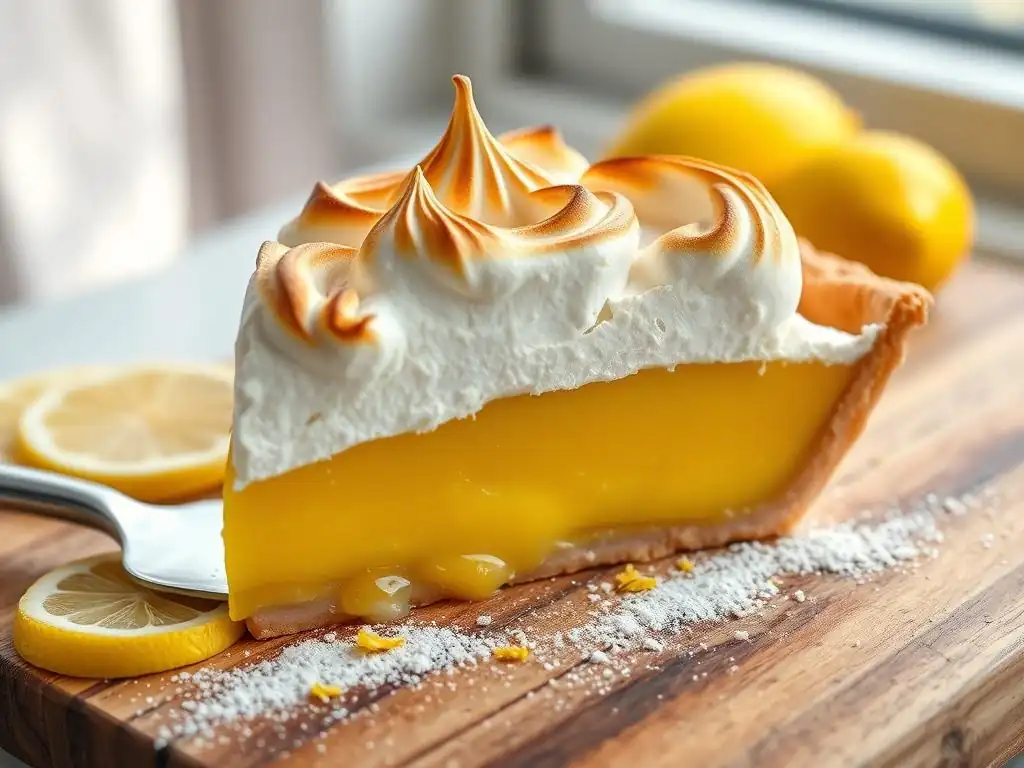
Proper storage ensures your gluten-free lemon meringue pie remains fresh and delicious.
Storage Tips for Freshness
Gluten-free lemon meringue pie is best enjoyed the day it is made, as meringue can start to weep and the crust can soften over time, especially with gluten-free varieties.
If you need to store it, cover loosely with plastic wrap or foil (avoiding direct contact with the meringue if possible) and refrigerate for up to 1-2 days. Do not freeze a pie with a meringue topping, as the meringue texture will be ruined upon thawing. Store any leftover filling separately in the refrigerator for up to 3-4 days.
Serving Suggestions
Serve gluten-free lemon meringue pie chilled or at room temperature. Use a sharp knife dipped in hot water and wiped clean between slices for neat cuts.
A dusting of powdered sugar or a garnish of fresh berries, such as raspberries or blueberries, can add visual appeal and a complementary flavor note. Enjoy your homemade gluten-free lemon meringue pie!
Gluten-Free Lemon Meringue Pie: A Delicious Treat
Creating a gluten-free lemon meringue pie is a rewarding process that results in a truly satisfying dessert. By understanding the unique aspects of gluten-free baking and following careful techniques for each layer – the flaky crust, the tangy filling, and the stable meringue – you can achieve perfect balance and texture. This gluten-free lemon meringue pie is a testament that dietary needs don't mean sacrificing classic flavors and textures. Enjoy baking and sharing this bright, delightful pie!
Frequently Asked Questions
How does a gluten-free crust affect the overall texture of a lemon meringue pie?
Gluten-free crusts can sometimes be more crumbly than traditional crusts. This is because they lack gluten's binding properties, requiring careful handling and often the addition of binding agents like xanthan gum.
What are the key considerations for achieving the right acid-sugar balance in a gluten-free lemon meringue pie?
The balance hinges on the lemon curd's tartness and the meringue's sweetness. Adjusting the sugar in both components is crucial to prevent one flavor from overpowering the other.
Are there specific gluten-free flour blends recommended for the pie crust, and why?
Yes, blends with a mix of flours like rice flour, tapioca starch, and almond flour often work well. These blends mimic the properties of wheat flour and provide a desirable texture.
What are the common pitfalls when making a gluten-free meringue, and how can they be avoided?
A common pitfall is a weepy or collapsing meringue. Ensuring a clean bowl, using room-temperature egg whites, and properly stabilizing the meringue with sugar are crucial to avoid this.
Can I use a pre-made gluten-free pie crust for this recipe, and what adjustments might be needed?
Yes, you can, but be aware of variations in flavor and texture between brands. You may need to adjust baking time or filling consistency slightly to compensate.
Final Reflection: A Sweet Symphony of Flavor and Freedom
The pursuit of a perfect gluten-free lemon meringue pie isn't just about avoiding gluten; it's about achieving a harmonious balance of tart and sweet, a testament to the power of culinary innovation. This recipe, meticulously crafted to deliver both exceptional taste and accessibility, highlights the exciting possibilities that exist within gluten-free baking. It proves that dietary restrictions needn't compromise on flavor or enjoyment.
The journey of perfecting this recipe underscored the importance of understanding the subtle interplay between ingredients, particularly in gluten-free baking where structure needs to be carefully rebuilt. The delicate balance of lemon's acidity and the meringue's sweetness is a microcosm of life itself – a constant striving for equilibrium. The best things in life are the simple things.
This simple truth rings especially true when considering the joy a perfectly crafted pie can bring, regardless of dietary needs.
Now, I invite you to consider your own culinary adventures. Perhaps you'll be inspired to experiment with different gluten-free flours, or maybe you'll find yourself drawn to explore other flavor combinations within the realm of lemon meringue pie. Whatever your path, remember the power of mindful baking – the ability to create something delicious and satisfying while also catering to individual needs. Embrace the challenge, savor the process, and enjoy the sweet rewards of your efforts.
Unleash Your Inner Pastry Chef!
Thanks for joining us on this delicious journey into the world of gluten-free lemon meringue pie! We hope you've gained valuable insights into achieving that perfect acid-sugar balance. Ready to take your baking skills to the next level?
- Bake your own masterpiece! Use the recipe from the article as your starting point and let your creativity shine. Experiment with different lemon varieties or add a hint of vanilla for an extra layer of flavor.
- Share your creation: Post a picture of your finished pie on social media and tag us—we'd love to see your culinary triumph! Use #BakeWithEaseGlutenFree.
- Join our baking community: Head over to our forum to share tips, ask questions, and connect with fellow baking enthusiasts. We’re always eager to hear your baking adventures!
What unique twist will you add to your gluten-free lemon meringue pie to make it truly your own?