
The Soul of Italy: Crafting Perfect Pane di Altamura

Welcome to BakeWithEase!
Ever dreamt of capturing the authentic taste of Italy in your own kitchen? Then you're in the right place. Discover the secrets behind the legendary Pane di Altamura sourdough recipe, a bread with a history as rich and complex as its flavor. We'll guide you through each step, ensuring even novice bakers can create this iconic loaf. Curious to unlock the secrets of this ancient grain and its incredible texture? Let's get started!
- The Soul of Altamura: Crafting Perfect Pane di Altamura
- Discovering Pane di Altamura: Italy's Ancient Bread
- Mastering the Pane di Altamura Sourdough Recipe
- Step-by-Step Guide: Baking Your Own Pane di Altamura
- Achieving the Perfect Crust and Crumb: Tips and Tricks
- Serving and Enjoying Your Homemade Pane di Altamura
- Pane di Altamura Variations and Adaptations
- Storing and Preserving Your Pane di Altamura
- Conclusion: The Joy of Baking Authentic Italian Bread
-
Frequently Asked Questions
- What makes Pane di Altamura sourdough different from other sourdough breads?
- Where can I find remilled durum wheat semola for this recipe?
- How long does the sourdough starter need to be active before using it in this recipe?
- Can I use a stand mixer to knead the Pane di Altamura dough?
- What's the best way to store Pane di Altamura to keep it fresh?
- Final Reflection: The Enduring Legacy of Pane di Altamura
- Unlock the Secrets of Authentic Pane di Altamura!
The Soul of Altamura: Crafting Perfect Pane di Altamura
Discovering Pane di Altamura: Italy's Ancient Bread
The History and Heritage of Pane di Altamura
Pane di Altamura is more than just bread; it's a symbol of history and tradition rooted deeply in the region of Apulia, in Southern Italy. Its origins trace back to ancient times, with evidence suggesting bread-making practices similar to Pane di Altamura existed in the area as early as the 1st century BC.
Farmers in the Murgia region would bake large loaves that could sustain them for up to a week while working in the fields, a testament to its incredible shelf life and nutritional value. This bread was so integral to the local culture that it was even mentioned by Roman poet Horace in 37 BC as the "best bread in the world."
The heritage of Pane di Altamura is officially recognized and protected. In 2003, it was granted the prestigious Protected Designation of Origin (PDO) status by the European Union. This designation ensures that only bread produced according to strict traditional methods within a specific geographical area of Altamura, using local ingredients, can carry the name "Pane di Altamura PDO." This rigorous standard preserves the authenticity and quality that have defined this bread for centuries, making a true Pane di Altamura sourdough recipe a link to this ancient past.
What Makes Authentic Pane di Altamura Unique?
Authentic Pane di Altamura stands out due to several key characteristics, primarily its ingredients, shape, crust, and crumb. Unlike many other breads, it is made exclusively with durum wheat semolina flour (specifically, semola rimacinata from specific cultivars grown in the region), natural sourdough starter ( lievito madre), water, and salt. This specific flour imparts a distinctive golden hue and nutty flavor that is hard to replicate with other types of wheat.
Beyond its ingredients, the unique properties of a traditional Pane di Altamura sourdough recipe lie in its structure. It features a thick, crunchy crust, at least 3 mm thick according to PDO standards, which contributes significantly to its long shelf life. The interior boasts a soft, elastic crumb with irregular, well-distributed holes (alveoli) and the same beautiful golden color as the exterior. The bread is traditionally baked in wood-fired ovens, often resulting in loaves weighing 1 kg or more, with specific shapes like the 'U skuanète' (crossed loaf) or 'A cappidd d' prevt' (priest's hat).
Mastering the Pane di Altamura Sourdough Recipe
Key Ingredients for Authentic Pane di Altamura
Crafting an authentic Pane di Altamura sourdough recipe requires adherence to specific ingredients. The most critical is Semola Rimacinata di Grano Duro, a twice-milled durum wheat semolina. This isn't your average pasta semolina; it's finer and specifically processed for bread making, providing the structure and color unique to this bread. You'll also need a robust, active sourdough starter ( lievito madre), which is a stiff, prefermented dough rather than a liquid starter, although a well-maintained liquid starter can be adapted.
High-quality water is also essential, ideally with a neutral pH and free from excessive chlorine. The amount of water used dictates the dough's hydration, which for Pane di Altamura is typically quite high, often ranging from 60% to 70% hydration relative to the flour weight, sometimes even higher. Finally, sea salt is added to enhance flavor and control fermentation. Using these specific ingredients is the first step in creating a truly authentic Pane di Altamura sourdough recipe at home.
Understanding the Semola Rimacinata Flour
Semola Rimacinata di Grano Duro is the cornerstone of any authentic Pane di Altamura sourdough recipe. It is produced by milling durum wheat, which is a harder wheat variety compared to common bread wheat. The term "rimacinata" means "twice-milled," indicating that the semolina has been ground a second time to achieve a finer texture, similar to all-purpose flour but still retaining the characteristic golden color and distinct flavor profile of durum wheat.
This flour has a high protein content, often around 12-14%, which contributes to a strong gluten network capable of supporting the high hydration levels typical in a Pane di Altamura sourdough recipe. It absorbs water differently than soft wheat flour, leading to a dough that can feel slightly tougher but develops incredible strength and elasticity with proper handling and fermentation. Working with semola rimacinata requires patience, as the dough develops structure more slowly than doughs made with soft wheat flour.
Sourdough Starter: The Heart of Pane di Altamura
The soul of the Pane di Altamura sourdough recipe is its starter, traditionally a lievito madre. This is a firm sourdough starter, maintained at a lower hydration level (around 45-50%) compared to the more common liquid starters (typically 100% hydration). A lievito madre tends to impart a milder, less acidic flavor to the bread and contributes to a more open crumb structure and robust oven spring.
While a traditional Pane di Altamura sourdough recipe uses lievito madre, you can certainly adapt a standard 100% hydration starter. The key is ensuring your starter is very active and healthy, capable of doubling or tripling in size within a few hours of feeding. A strong starter provides the necessary leavening power to lift the dense semola dough and develop the complex flavors characteristic of this bread. Feeding your starter regularly with semola rimacinata can also help acclimatize it and enhance the authentic flavor profile.
Step-by-Step Guide: Baking Your Own Pane di Altamura
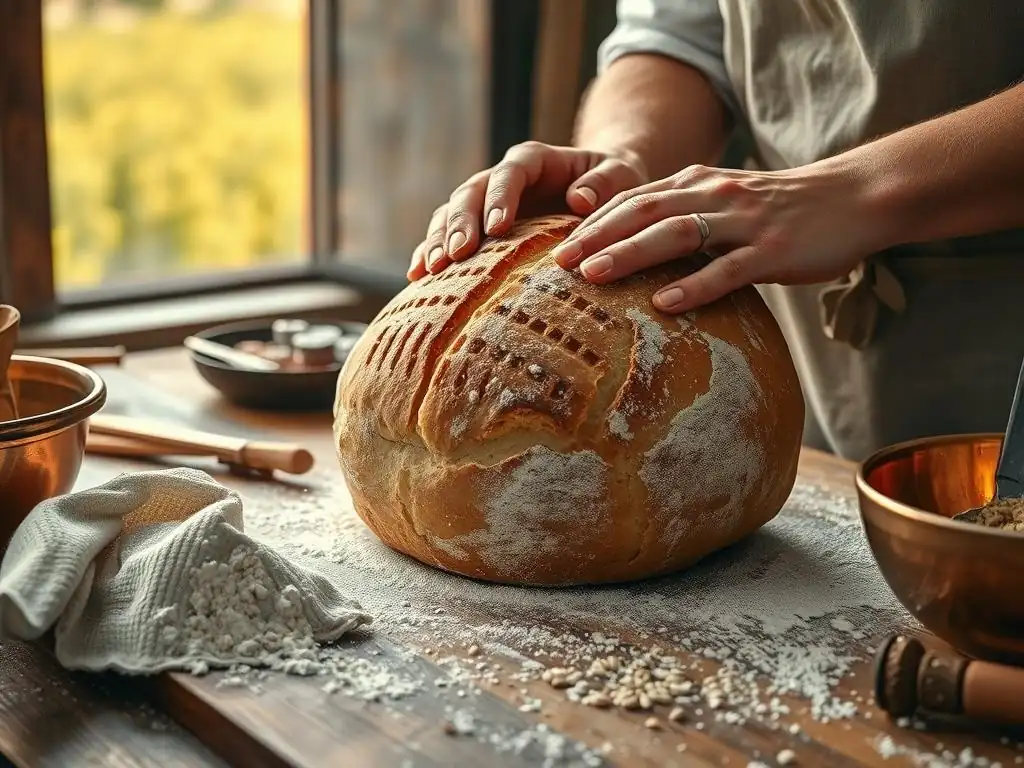
Step 1: Preparing the Sourdough Starter for Pane di Altamura
Before you begin mixing the dough for your Pane di Altamura sourdough recipe, ensure your starter is at peak activity. If using a lievito madre, refresh it 4-6 hours before mixing, or when it has doubled in size and is bubbly and fragrant. For a 100% hydration starter, feed it 6-8 hours prior, or when it shows significant activity and has roughly doubled. You want it to be potent enough to handle the rich semola flour.
Measure the required amount of active starter for your Pane di Altamura sourdough recipe. Ensure it passes the float test if you're unsure of its readiness – drop a small piece into water; it should float. This indicates sufficient gas production. Using a vigorous starter is crucial for achieving the desired rise and open crumb in this dense semola dough.
Step 2: Mixing the Dough – Achieving the Perfect Hydration
Mixing the dough for your Pane di Altamura sourdough recipe involves combining the semola rimacinata, water, and active starter. Start by dissolving the starter in most of the water in a large mixing bowl. Gradually add the semola flour, mixing until a shaggy dough forms. Allow this mixture to rest for 30-60 minutes, a process called autolyse. This rest period allows the flour to fully hydrate and gluten development to begin without the presence of salt, making the dough easier to work with later.
After the autolyse, add the salt and the remaining water (if any). Incorporate the salt fully into the dough, either by hand using techniques like kneading or stretch-and-folds, or with a stand mixer fitted with a dough hook. The dough will be quite wet and potentially sticky due to the high hydration and the nature of semola flour. Knead or perform stretches and folds until the dough becomes smoother and starts to show signs of gluten development, like passing the windowpane test partially.
Step 3: Bulk Fermentation: Developing Flavor and Structure
Bulk fermentation is a critical stage in the Pane di Altamura sourdough recipe, where the dough develops flavor, structure, and gas. Place the mixed dough in a lightly oiled container, covering it to prevent drying. During this stage, which can last anywhere from 3 to 6 hours or even longer depending on your kitchen temperature and starter activity, you'll perform several sets of stretch-and-folds.
Perform 3-4 sets of stretch-and-folds at 30-45 minute intervals during the first couple of hours of bulk fermentation. This helps build gluten strength and evenly distribute yeast activity. The dough should increase in volume by about 50-75% by the end of bulk fermentation, feel airy, and show bubbles on the surface. Over-fermentation can lead to a dense crumb, so watch the dough's activity closely rather than strictly adhering to time.
Step 4: Shaping the Traditional Pane di Altamura Loaf
Shaping is where your Pane di Altamura sourdough recipe starts to take its iconic form. Gently turn the dough out onto a lightly floured surface. Avoid degassing the dough too much. For traditional shapes like the 'U skuanète', the dough is often folded over itself multiple times to create layers and then folded into a characteristic crossed shape. Another common shape is the round loaf folded in half.
Regardless of the specific traditional shape you choose, the goal is to create surface tension while preserving the airy structure developed during bulk fermentation. After shaping, place the loaf seam-side up in a well-floured proofing basket (banneton). Allow the loaf to proof for a final time, either at room temperature for 1-3 hours or in the refrigerator for 8-18 hours for a slower, flavor-enhancing proof. The cold proof is often preferred for easier handling and scoring.
Step 5: Baking: Creating the Signature Crust and Crumb
Baking is the final step in bringing your Pane di Altamura sourdough recipe to life. Preheat your oven to a very high temperature, typically 230-250°C (450-480°F), with a baking stone or Dutch oven inside for at least 30-60 minutes. The high initial heat is essential for achieving maximum oven spring and developing the thick, crunchy crust characteristic of this bread.
Carefully transfer the proofed loaf onto the preheated stone or into the Dutch oven. Score the top of the loaf with a sharp blade to control expansion.
If baking on a stone, create steam in the oven by placing a tray of hot water on the bottom rack or by spraying water onto the oven walls. Bake covered (in a Dutch oven) or with steam for the first 15-20 minutes, then remove the lid/steam source and continue baking at a slightly lower temperature (around 220°C / 430°F) for another 25-35 minutes, or until the crust is deep golden brown and the internal temperature reaches around 96-99°C (205-210°F).
Achieving the Perfect Crust and Crumb: Tips and Tricks
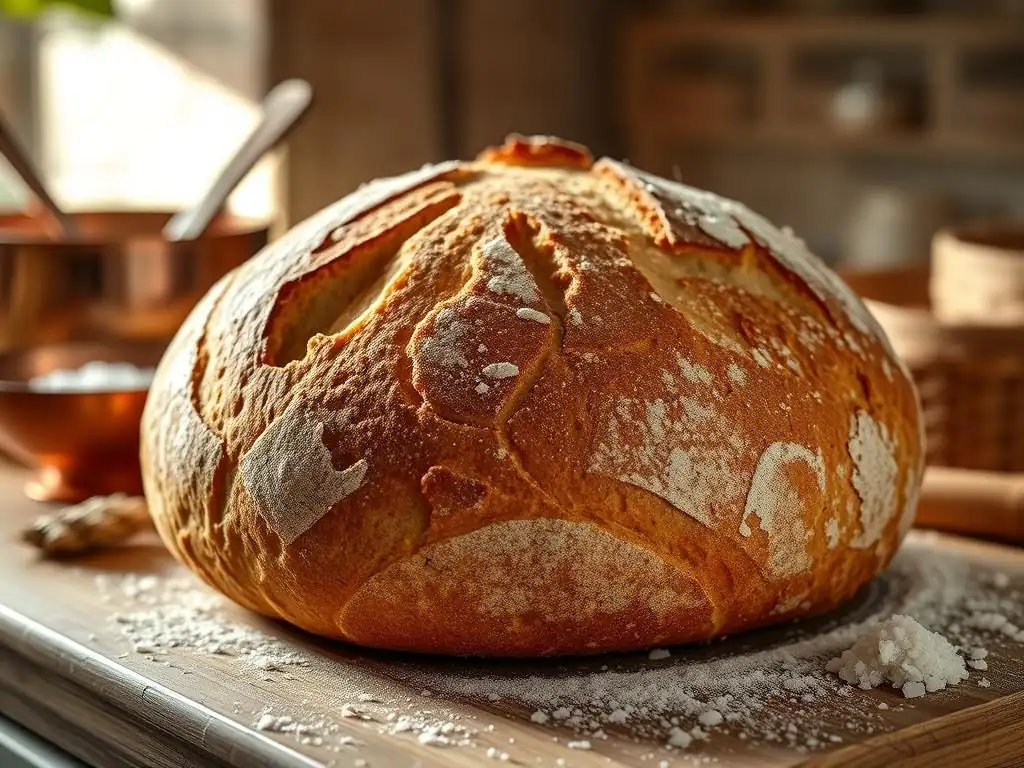
Troubleshooting Common Pane di Altamura Baking Issues
Baking a successful Pane di Altamura sourdough recipe can have its challenges. If your crust is too thin or soft, your oven temperature might not be high enough, or you might not be using enough steam in the initial phase. Try preheating your oven longer and using a reliable steam method. A dense crumb can result from an inactive starter, insufficient bulk fermentation, or overproofing. Ensure your starter is vigorous, and watch the dough's activity during bulk fermentation rather than just the clock.
Another common issue is a loaf that spreads too much during baking. This is often due to insufficient gluten development during mixing and bulk fermentation, or inadequate surface tension created during shaping. Make sure you are performing enough stretch-and-folds and practicing your shaping technique to create a tight surface skin on the loaf. Using a cold proof can also help the loaf hold its shape better when transferred to the hot oven.
Temperature and Humidity Control for Optimal Baking
Temperature and humidity play significant roles in the success of your Pane di Altamura sourdough recipe. During bulk fermentation, a consistent room temperature between 24-26°C (75-79°F) is ideal for optimal yeast and bacterial activity. If your kitchen is cooler, fermentation will take longer; warmer temperatures will speed it up. Using a proofing box or your oven with the light on can help maintain a stable temperature.
For baking, high heat and steam are crucial. The initial high temperature causes rapid expansion (oven spring) before the crust sets. Steam keeps the surface of the dough moist, allowing it to expand fully without cracking prematurely and contributing to the development of that characteristic thick, crunchy crust. Aim for a high initial oven temperature of 230-250°C (450-480°F) and maintain humidity for the first 15-20 minutes of baking.
Achieving the Signature Golden-Brown Crust
The deep golden-brown crust is a hallmark of an authentic Pane di Altamura sourdough recipe. This color comes partly from the Maillard reaction and caramelization that occur at high temperatures, but also significantly from the natural pigments present in the semola rimacinata flour. To achieve this rich color, ensure your oven is adequately preheated and maintain a high temperature throughout most of the bake.
Baking for the full recommended time, even after removing steam, is important for crust development. The crust continues to brown and crisp up in the dry heat. If your crust is browning too quickly before the inside is cooked, you can loosely tent the loaf with foil, but aim for a rich, deep color that indicates a well-developed, flavorful crust. A well-baked crust should sound hollow when tapped on the bottom.
Serving and Enjoying Your Homemade Pane di Altamura
Traditional Ways to Enjoy Pane di Altamura
Once your Pane di Altamura sourdough recipe yields a beautiful loaf, it's time to enjoy it! Traditionally, Pane di Altamura is served simply to highlight its incredible flavor and texture. A classic way is Pane e Olio, simply drizzled with high-quality extra virgin olive oil, perhaps from the same region of Apulia. The bread's sturdy crumb and thick crust hold up perfectly to the rich oil.
Another popular method is to use slightly stale Pane di Altamura for bruschetta or fettunta. Slices are grilled or toasted and then rubbed with garlic, drizzled with olive oil, and often topped with fresh tomatoes (for bruschetta) or just enjoyed plain (fettunta). Its robust structure also makes it perfect for soaking up sauces in dishes like acquasale, a simple peasant dish of stale bread, tomatoes, olive oil, and oregano, moistened with water.
Pane di Altamura: A Versatile Bread for Any Meal
Beyond traditional uses, the Pane di Altamura sourdough recipe produces a bread versatile enough for almost any meal. Its firm crumb makes it excellent for sandwiches, capable of holding substantial fillings without becoming soggy. It's also a fantastic accompaniment to soups and stews, perfect for dipping and soaking up flavorful broths.
Consider using it for a sturdy panzanella salad, where cubes of stale bread soak up a vinaigrette and the juices from fresh vegetables. It pairs beautifully with cheeses, cured meats, and antipasti. The slightly nutty, sweet flavor of the semola also makes it surprisingly good with sweet toppings like jam or honey, especially when toasted. Don't underestimate the power of a simple slice with butter!
Pane di Altamura Variations and Adaptations
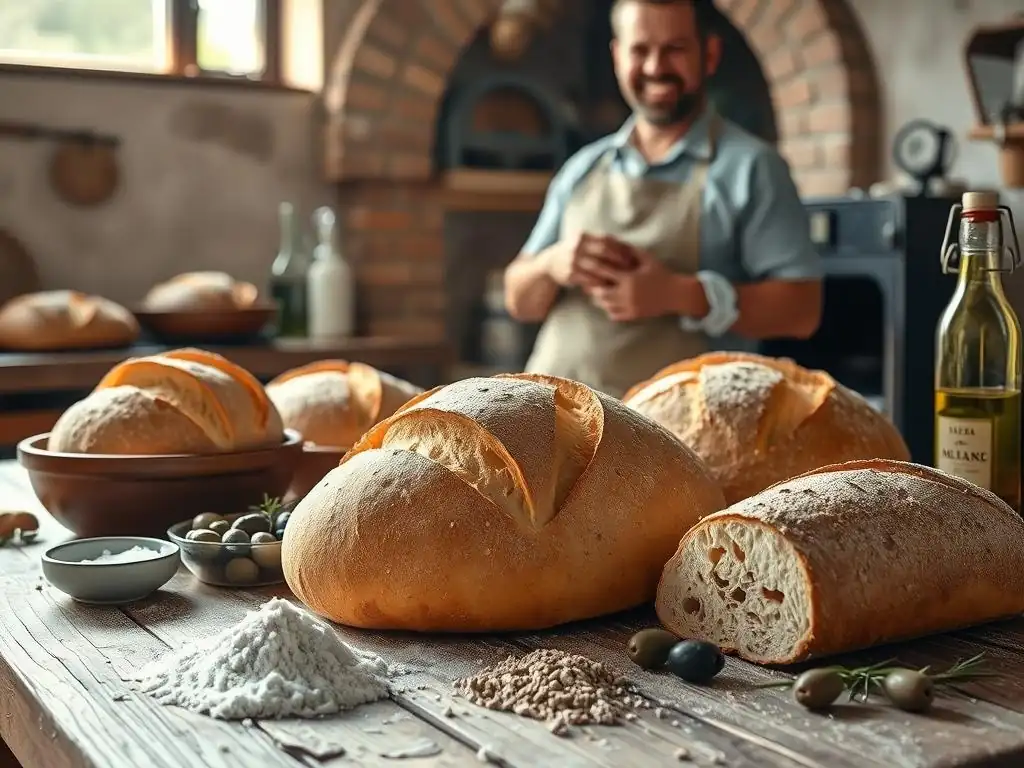
Exploring Different Flour Combinations
While an authentic Pane di Altamura sourdough recipe calls for 100% semola rimacinata, exploring variations can be a fun way to experiment. You could try substituting a small percentage (e.g., 10-20%) of the semola with strong bread flour made from soft wheat. This might make the dough slightly easier to handle, as soft wheat develops gluten differently, but it will alter the color and traditional flavor profile.
Another approach is to blend semola rimacinata with other types of durum wheat flour, such as whole durum or coarser semolina (though this would deviate more significantly from the PDO standard). Experimenting with hydration levels while keeping the flour blend mostly semola rimacinata is also a common adaptation, though increasing hydration too much can make the dough very challenging to manage.
Incorporating Local Herbs: A Regional Twist
Adding local herbs is a simple way to give your Pane di Altamura sourdough recipe a regional twist, though strictly speaking, this deviates from the traditional PDO ingredients. Herbs common in Apulian cuisine that could complement the bread's flavor include wild oregano, rosemary, or even a touch of dried chili flakes for a subtle warmth.
If adding herbs, incorporate them during the initial mixing phase or during the first set of stretch-and-folds. Be mindful that adding dry ingredients can slightly affect the dough's hydration, so you might need a tiny splash more water. Start with a small amount, perhaps 1-2% of the flour weight in dried herbs, to avoid overpowering the natural flavor of the semola and sourdough.
Storing and Preserving Your Pane di Altamura
Keeping Your Bread Fresh for Longer
One of the celebrated qualities of Pane di Altamura sourdough recipe is its exceptional shelf life, largely thanks to its thick crust and dense crumb. To keep it fresh at room temperature, store it properly. Avoid plastic bags, which trap moisture and will soften the crust and encourage mold. Instead, store the cooled loaf in a paper bag or wrapped in a clean linen towel.
Placed in a cool, dry spot, a well-baked Pane di Altamura can remain delicious for 4-7 days, sometimes even longer. The crust will soften slightly over time, but the interior crumb should remain moist. If the crust loses its crispness, you can revive it by placing slices or the whole loaf in a hot oven (around 180°C / 350°F) for a few minutes.
Freezing Pane di Altamura for Future Enjoyment
If you won't finish your loaf within its fresh lifespan, Pane di Altamura freezes beautifully. To freeze, ensure the bread is completely cooled. You can freeze it whole, in halves, or sliced. For best results, wrap the bread tightly in plastic wrap, then wrap it again in aluminum foil or place it in a freezer-safe bag. This double layer helps prevent freezer burn.
Properly wrapped, Pane di Altamura can be stored in the freezer for up to 3-4 months. To thaw, remove from the freezer and unwrap. Allow a whole loaf to thaw at room temperature for several hours. Slices thaw much faster. For a crisp crust, reheat thawed bread in a preheated oven at around 200°C (400°F) for 10-15 minutes for a whole loaf, or just a few minutes for slices, until warmed through and the crust is revived.
Conclusion: The Joy of Baking Authentic Italian Bread
Baking a Pane di Altamura sourdough recipe is more than just following instructions; it's engaging with centuries of Italian baking tradition. From understanding the unique properties of semola rimacinata to nurturing a sourdough starter and mastering the high-hydration dough, each step connects you to the skilled bakers of Altamura who perfected this craft over generations. The result is a loaf of unparalleled flavor, texture, and history.
Sharing your homemade Pane di Altamura is perhaps the greatest joy. Breaking bread with friends and family, offering a slice drizzled with olive oil, or using it as the base for a rustic Italian meal allows you to share not just delicious food, but a piece of cultural heritage. The satisfaction of pulling a golden, fragrant loaf from your oven, knowing you've successfully recreated this "best bread in the world," is truly rewarding and encourages you to continue exploring the wonderful world of authentic Italian baking.
Frequently Asked Questions
What makes Pane di Altamura sourdough different from other sourdough breads?
Pane di Altamura sourdough is unique due to its use of remilled durum wheat semola, sourced specifically from the Altamura region of Italy. This results in a bread with a distinct yellow hue, robust flavor, and exceptional keeping quality. The traditional baking process also contributes to its unique characteristics.
Where can I find remilled durum wheat semola for this recipe?
While authentic Altamura semola is ideal, you can find remilled durum wheat semola at specialty flour shops, online retailers, or some well-stocked grocery stores. Look for "semola rimacinata di grano duro" if you're searching internationally. If unavailable, a high-quality durum wheat flour can be used as a substitute, though the results might vary slightly.
How long does the sourdough starter need to be active before using it in this recipe?
Your sourdough starter should be very active and bubbly, having at least doubled in size after feeding, ideally within 4-6 hours. An active starter is crucial for proper leavening and the characteristic sourdough tang. A float test can help determine if it's ready.
Can I use a stand mixer to knead the Pane di Altamura dough?
Yes, you can use a stand mixer with a dough hook. However, be careful not to over-knead the dough. Aim for a smooth and elastic dough, but be mindful of the specific hydration levels of this recipe. Hand kneading is recommended for beginners to get a feel for the dough's texture.
What's the best way to store Pane di Altamura to keep it fresh?
Due to its unique properties, Pane di Altamura stays fresh for a longer period than many other breads. Store it in a linen or cotton bag at room temperature. Avoid plastic bags, as they can trap moisture and cause the crust to soften. You can also freeze slices for longer storage.
Final Reflection: The Enduring Legacy of Pane di Altamura
The simple act of baking Pane di Altamura is more than just following a recipe; it's a connection to history, tradition, and the very soul of Italy. This ancient bread, with its distinctive crust and airy crumb, continues to captivate palates worldwide, a testament to the enduring power of simple, quality ingredients and time-honored techniques. Its enduring popularity speaks volumes about our collective desire for authenticity and connection to the past in a rapidly changing world.
The journey of crafting this bread, from sourcing the durum wheat to the slow fermentation of the sourdough starter, is a meditative process. It's a reminder to slow down, to appreciate the nuances of each step, and to respect the ingredients and the generations of bakers who have perfected this art. Bread is the staff of life,
a simple phrase, yet it encapsulates the profound significance of this staple food, not just as sustenance, but as a symbol of culture and community. The process of making Pane di Altamura, in its meticulous detail, reflects this deep-seated cultural value.
Now, as you consider your own kitchen, I invite you to embrace the challenge of baking Pane di Altamura. Don't be intimidated by the seemingly complex process; rather, see it as an opportunity for self-discovery, a chance to connect with a rich culinary heritage, and a rewarding way to share a piece of Italy with those you love. The aroma alone, as the bread bakes, is a promise of the satisfaction that awaits – a taste of history, a taste of tradition, a taste of home.
Unlock the Secrets of Authentic Pane di Altamura!
Thanks for joining us on this delicious journey into the heart of Italy! You've learned the key techniques to crafting truly authentic Pane di Altamura – a bread as captivating as the region itself. Now it's time to put your new skills to the test!
- Bake your own masterpiece: Gather your ingredients and follow the recipe – you’ll be amazed at the results! Don't be afraid to experiment with slightly different flour blends.
- Share your creation: Post a picture of your Pane di Altamura on social media using #BakeWithEaseAltamura and inspire other baking enthusiasts!
- Dive deeper into Italian baking: Explore other regional breads on our website for more delicious recipes and techniques.
Ready to unleash your inner baker and share the taste of Italy with your loved ones? What unique twist will you add to your Pane di Altamura?