
The Ultimate Guide to Perfectly Nutty & Seedy Cookies

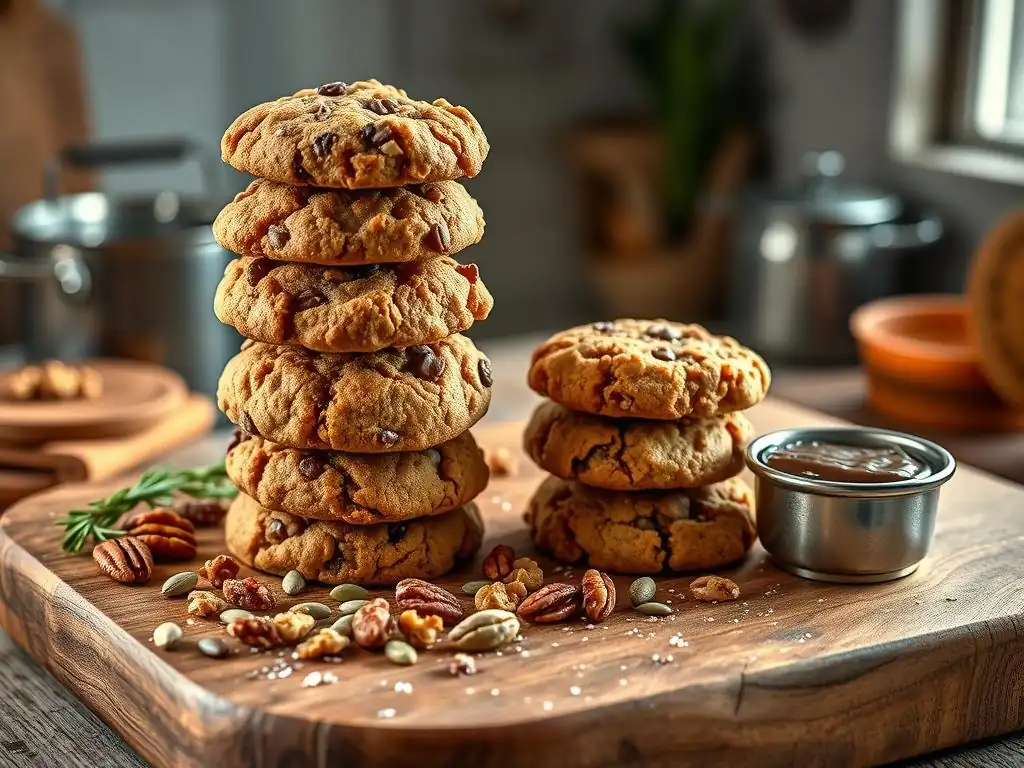
Welcome to BakeWithEase, your haven for unlocking baking brilliance! Ever wondered how to achieve that irresistible crunch and satisfying chew in a perfectly nutty seedy cookie? Prepare to dive deep into the secrets behind this delectable treat. We're not just sharing a recipe; we're revealing the ingredient deep dives that will transform your baking from good to unforgettable. What's the magic ratio of seeds to nuts? And how does toasting elevate the flavor profile? Let's find out!
- BakeWithEase: Mastering Oatmeal Raisin Cookies
- Why Oatmeal Raisin Cookies Are a Baking Delight
- Achieving Cookie Perfection: The Key to Oatmeal Raisin Goodness
- The Perfectly Oatmeal Raisin Cookies Recipe: A Step-by-Step Guide
- Variations on the Perfectly Oatmeal Raisin Cookies Recipe
- Troubleshooting Common Oatmeal Raisin Cookie Baking Problems
- Tips and Tricks for Elevating Your Oatmeal Raisin Cookie Game
- Beyond Basic: Advanced Oatmeal Raisin Cookie Techniques
- Enjoying Your Perfectly Oatmeal Raisin Cookies
- Frequently Asked Questions
- Final Reflection: The Enduring Allure of the Perfectly Nutty & Seedy Cookie
- Unleash Your Inner Cookie Master!
Welcome, fellow baking enthusiasts, to BakeWithEase! Today, we're diving into a true classic: the comforting, chewy, and utterly delightful oatmeal raisin cookie. These cookies hold a special place in many hearts, evoking feelings of warmth, nostalgia, and simple kitchen joy. Whether you're a seasoned baker or just starting out, mastering the oatmeal raisin cookie is a rewarding journey, promising delicious results every time.
At BakeWithEase, our goal is to demystify baking and make it accessible and enjoyable for everyone. We believe that with a little guidance and practice, anyone can create bakery-quality treats right in their own kitchen. In this ultimate guide, we'll walk you through every step of making perfectly oatmeal raisin cookies, from understanding the key ingredients to troubleshooting common issues and exploring exciting variations. Get ready to bake some seriously good cookies!
Oatmeal raisin cookies are more than just a simple sweet treat; they offer a wonderful combination of textures and flavors that satisfy the palate. The soft chewiness from the oats contrasts beautifully with the bursts of sweetness from the plump raisins, all held together by a rich, buttery dough often spiced with cinnamon. They are sturdy yet tender, making them perfect for dunking in milk or coffee.
Beyond their delicious taste and texture, oatmeal raisin cookies are relatively forgiving to bake, making them an excellent choice for beginners. The ingredients are common pantry staples, and the process, while requiring attention to detail, is straightforward. Plus, the aroma filling your home as these cookies bake is simply irresistible!
The Health Benefits of Baking with Oats and Raisins
While cookies are certainly a treat, incorporating ingredients like oats and raisins brings some notable nutritional benefits. Oats, particularly rolled oats, are an excellent source of dietary fiber, specifically soluble fiber like beta-glucan, which is known to help manage cholesterol levels. A half-cup serving of dry rolled oats contains roughly 4 grams of fiber, contributing significantly to daily intake recommendations.
Raisins, on the other hand, are concentrated sources of natural sugars, providing quick energy, but they also offer valuable nutrients. They contain antioxidants, potassium, and are a source of iron. For example, a small box of raisins (about 1.5 ounces) can provide about 0.5 to 1 milligram of iron, which is about 3-6% of the daily recommended intake for adults. While these benefits don't turn a cookie into a health food, they make oatmeal raisin cookies a slightly more nutrient-dense option compared to some other cookie varieties.
While the classic combination of oats, raisins, butter, sugar, and cinnamon is fantastic on its own, oatmeal raisin cookies are incredibly versatile and open to creative flavor explorations. Think of the basic dough as a canvas for other complementary tastes. Adding a touch of nutmeg or cloves alongside the cinnamon can deepen the spice profile, offering a warmer, more complex aroma and flavor.
Beyond spices, consider incorporating other mix-ins. A sprinkle of chopped walnuts or pecans adds a delightful crunch and nutty undertone that pairs wonderfully with the chewy oats and sweet raisins. Some bakers enjoy adding a touch of orange zest to brighten the flavor, while others might include a small amount of molasses for a richer, darker hue and a hint of caramel-like depth. These small additions can transform a standard oatmeal raisin cookie into something truly unique and personalized.
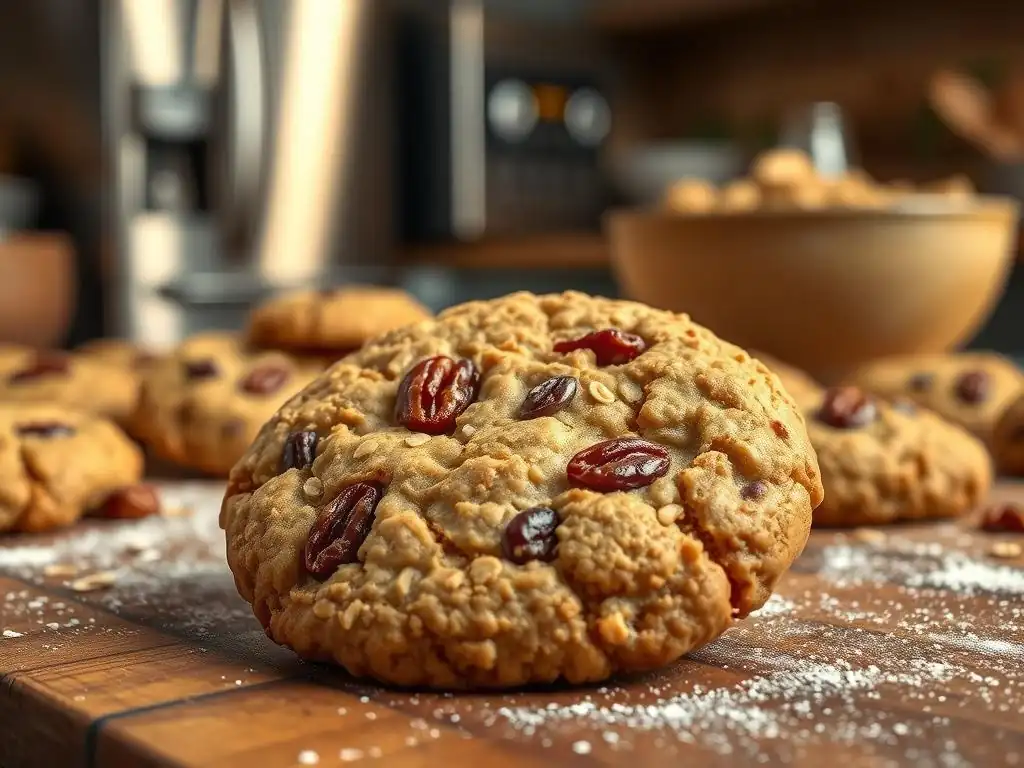
Baking the perfectly oatmeal raisin cookies involves more than just mixing ingredients; it's about understanding how those ingredients interact and applying specific techniques to achieve the desired texture and flavor. Whether you prefer your cookies soft and chewy or slightly crispy around the edges, attention to detail throughout the process is paramount.
Consistency is key in baking, and this holds true for oatmeal raisin cookies. Measuring your ingredients accurately, controlling the temperature of your butter, and managing the baking time are all critical factors that influence the final outcome. Don't be discouraged if your first batch isn't exactly perfect; baking is a skill that improves with practice and careful observation.
Each ingredient in an oatmeal raisin cookie recipe plays a vital role. Flour provides the structure; using too much can result in dry, tough cookies, while too little can cause excessive spreading. Sugar not only sweetens but also contributes to tenderness and browning; a mix of granulated and brown sugar is common, with brown sugar adding moisture and chewiness thanks to its molasses content.
Fat, typically butter, adds richness, flavor, and helps create a tender crumb. The state of the butter (softened, melted, or even browned) significantly impacts texture – softened butter creamed with sugar incorporates air for lift, while melted butter often leads to chewier cookies. Eggs bind everything together and add richness.
Leavening agents like baking soda react with acidic ingredients (like brown sugar or molasses, if used) to help the cookies spread and rise slightly, contributing to their texture. Finally, the stars: oats provide chewiness and texture, while raisins add sweetness and moisture pockets. Using rolled oats is generally recommended for that classic, hearty chew, while quick oats can result in a softer cookie.
Mastering the Techniques for Perfect Texture and Flavor
Several key techniques contribute to creating perfectly oatmeal raisin cookies. The creaming method, where softened butter and sugar are beaten together until light and fluffy, is crucial for incorporating air, which helps the cookies rise and spread evenly. This process should take several minutes, scraping down the bowl periodically.
Another critical step is not overmixing the dough once the dry ingredients are added. Overmixing can develop the gluten in the flour too much, resulting in tougher cookies. Mix just until the dry ingredients are incorporated. Chilling the dough before baking is also highly recommended. Chilling solidifies the fat, which prevents the cookies from spreading too quickly in the oven, resulting in thicker, chewier cookies with more developed flavor. Aim for at least 30 minutes of chilling, though several hours or even overnight can yield even better results.
Ready to bake? Here is a straightforward recipe designed to produce delicious and perfectly oatmeal raisin cookies every time. This recipe is balanced for classic flavor and texture, making it a great starting point for beginners.
This recipe yields approximately 24-30 cookies, depending on size. Prep time is about 15-20 minutes (plus chilling), and bake time is around 10-12 minutes per batch.
- 1 cup (2 sticks) unsalted butter, softened
- ¾ cup granulated sugar
- ¾ cup packed light brown sugar
- 2 large eggs
- 1 teaspoon vanilla extract
- 1 ¾ cups all-purpose flour
- 1 teaspoon baking soda
- ½ teaspoon salt
- 1 teaspoon ground cinnamon
- ¼ teaspoon ground nutmeg (optional)
- 3 cups rolled oats (not instant)
- 1 ½ cups raisins
Gathering all your ingredients before you begin ensures a smooth baking process. Make sure your butter is properly softened – it should be pliable but still cool to the touch, not melted or greasy.
Step 1: Preparing Your Raisins for Optimal Texture
This simple step can make a big difference in your oatmeal raisin cookies. Raisins can sometimes be a little dry, leading to hard bits in your finished cookies. To ensure they are plump and juicy, consider hydrating them slightly. Place the raisins in a small bowl and cover them with hot water. Let them sit for about 5-10 minutes.
After soaking, drain the raisins thoroughly in a fine-mesh sieve and pat them dry with a paper towel. This process adds moisture back into the raisins, preventing them from drying out further during baking and ensuring those lovely, soft pockets of sweetness within your cookies.
Begin by creaming the softened butter with both the granulated and brown sugars in a large bowl using an electric mixer on medium speed. Beat for 2-3 minutes, or until the mixture is light and fluffy. This step is crucial for incorporating air. Next, beat in the eggs one at a time, mixing well after each addition. Stir in the vanilla extract.
In a separate medium bowl, whisk together the all-purpose flour, baking soda, salt, cinnamon, and nutmeg (if using). Gradually add the dry ingredients to the wet ingredients, mixing on low speed just until combined. Do not overmix. Finally, stir in the rolled oats and the prepared raisins until they are evenly distributed throughout the dough. Once the dough is mixed, cover the bowl and chill the dough in the refrigerator for at least 30 minutes. Chilling helps prevent excessive spreading during baking.
Preheat your oven to 375°F (190°C). Line baking sheets with parchment paper. Scoop rounded tablespoons of dough onto the prepared baking sheets, spacing them about 2 inches apart. A standard cookie scoop (about 1.5 to 2 tablespoons) helps ensure uniform size and even baking.
Bake for 10-12 minutes, or until the edges are golden brown and the centers look set but still slightly soft. For chewier cookies, err on the side of slightly underbaking them; they will continue to cook slightly on the hot baking sheet. For crispier edges, bake for the full 12 minutes or until the golden color is more pronounced. Baking times can vary depending on your oven and cookie size, so watch the first batch carefully.
Step 4: Cooling and Storing Your Delicious Oatmeal Raisin Treats
Once the cookies are out of the oven, let them cool on the baking sheets for 2-3 minutes. This allows them to set up slightly before you attempt to move them. Using a spatula, carefully transfer the warm cookies to a wire rack to cool completely. Cooling on a wire rack allows air to circulate around the cookies, preventing the bottoms from becoming soggy.
Store cooled oatmeal raisin cookies in an airtight container at room temperature for up to 3-4 days. For longer storage, you can freeze baked cookies in a freezer-safe container for up to 2-3 months. Thaw at room temperature. You can also freeze the raw cookie dough balls; place scoops of dough on a baking sheet, freeze until solid, then transfer to a freezer bag. Bake from frozen, adding a couple of minutes to the baking time.
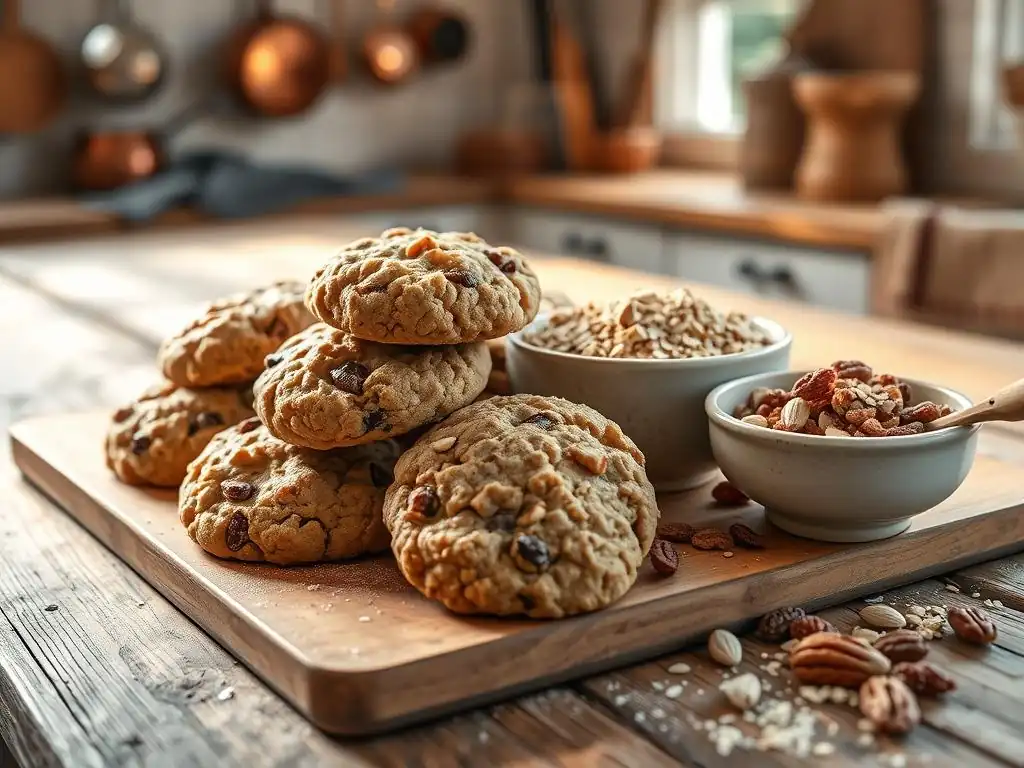
The basic oatmeal raisin cookie recipe is wonderfully adaptable. Once you've mastered the classic version, you can easily experiment with different additions and substitutions to create new flavor profiles and cater to dietary needs. These variations allow you to put your own spin on this beloved cookie.
Don't be afraid to play with the quantities slightly, but remember that significant changes to the fat, sugar, or flour ratios can impact the cookie's structure. For instance, adding a cup of extra mix-ins might require a slight adjustment to the baking time.
Adding Nuts for Extra Crunch and Flavor
Incorporating nuts is a popular way to add another layer of texture and a rich, earthy flavor to oatmeal raisin cookies. Walnuts and pecans are classic choices, their slightly bitter notes complementing the sweetness of the raisins and the warmth of the spices. For this recipe, you could add about 1 cup of chopped nuts along with the oats and raisins in Step 2.
For an even deeper flavor, try toasting the nuts before adding them to the dough. Spread the chopped nuts on a baking sheet and bake in a preheated oven at 350°F (175°C) for 8-10 minutes, or until fragrant and lightly browned. Let them cool completely before adding them to the cookie dough. This simple step enhances their natural oils and brings out a more intense nutty taste.
Experimenting with Different Spice Combinations
While cinnamon is the traditional spice in oatmeal raisin cookies, branching out can create exciting results. Adding ½ teaspoon of ground ginger can introduce a subtle warmth and gentle bite. A pinch of ground cloves (around ¼ teaspoon) adds a rich, pungent depth that pairs beautifully with both oats and raisins, especially during the cooler months.
Consider using a pre-mixed spice blend like pumpkin pie spice or apple pie spice, which typically include cinnamon, nutmeg, ginger, and cloves. You could substitute the recommended cinnamon and nutmeg with 1 to 1 ½ teaspoons of your chosen spice blend. Cardamom is another intriguing option; a small amount (¼ teaspoon) offers a unique, slightly floral and citrusy note that can elevate the cookie's flavor profile unexpectedly.
Adapting the oatmeal raisin cookie recipe for a gluten-free diet is quite achievable. The main substitutions involve the flour and the oats themselves. Replace the all-purpose flour with an equal amount of a good quality gluten-free all-purpose flour blend, preferably one that contains xanthan gum to help with structure.
Crucially, ensure the oats you use are certified gluten-free. While oats themselves are naturally gluten-free, they are often processed in facilities that also handle wheat, barley, and rye, leading to cross-contamination. Certified gluten-free oats are processed separately to prevent this. You'll use the same quantity of certified gluten-free rolled oats as regular rolled oats in the recipe. The texture might be slightly different, but you can still achieve a wonderfully chewy gluten-free oatmeal raisin cookie.
Creating vegan oatmeal raisin cookies involves substituting the butter and eggs. Vegan butter sticks (not margarine from a tub) can be used in place of dairy butter, using the same quantity (1 cup). Look for brands designed for baking. Eggs can be replaced with various binders. A common and effective method is using "flax eggs" (1 tablespoon ground flaxseed mixed with 3 tablespoons water per egg, let sit for 5 minutes until gelled). For this recipe requiring 2 eggs, you'd use 2 flax eggs.
Alternatively, you could use applesauce (about ¼ cup per egg) or a commercial egg replacer according to package directions. Keep in mind that using applesauce might make the cookies slightly softer and less rich. Ensure your sugar is vegan-friendly (some white sugar is processed with bone char, though brown sugar is usually fine, check brands if necessary). Follow the rest of the recipe steps as outlined for mixing and baking.
Even experienced bakers encounter issues sometimes. Understanding the common problems and their causes can help you diagnose what went wrong and improve your results next time. Don't get discouraged by a less-than-perfect batch; think of it as a learning opportunity in your baking journey.
Most cookie problems relate to ingredient ratios, temperature (of ingredients or the oven), or mixing technique. A little detective work can usually pinpoint the culprit.
One of the most frequent complaints is cookies spreading into flat, thin discs instead of retaining a nice shape and thickness. This can happen for several reasons. Using butter that is too soft or melted is a major cause, as the fat melts too quickly in the oven before the structure sets. Ensure your butter is just softened, not greasy.
Another culprit can be too little flour or too much leavening (baking soda). Using the correct measurements is vital. Finally, not chilling the dough sufficiently is a common reason for excessive spread. Chilling helps the fat solidify, allowing the cookies to hold their shape longer in the heat of the oven. Aim for at least 30 minutes of chilling, or even longer if your kitchen is warm.
Sometimes, cookies on the same sheet or across different sheets bake unevenly, with some being perfectly golden while others are pale or overdone. This is often due to hot spots in your oven or inconsistent cookie size. Ovens rarely heat perfectly evenly.
To combat this, rotate your baking sheet halfway through the baking time (e.g., after 5-6 minutes). If baking multiple sheets at once, swap their positions on the racks and rotate them. Also, ensure your cookie dough balls are all roughly the same size. Using a cookie scoop is an excellent way to achieve this consistency, leading to more uniform baking results across the batch.
If your oatmeal raisin cookies turn out dry, tough, or crumbly instead of chewy and moist, several factors could be at play. The most common cause is overmixing the dough, which develops gluten and makes the cookies tough. Mix the dry ingredients in only until just combined.
Another reason can be adding too much flour, often due to inaccurate measuring (like scooping flour directly with the measuring cup instead of spooning it in and leveling). Using a kitchen scale for flour is the most accurate method. Overbaking is also a frequent culprit; cookies continue to cook slightly after coming out of the oven, so pulling them out when the centers still look a little soft is key for chewiness. Finally, not enough fat or liquid in the recipe can also lead to dryness.
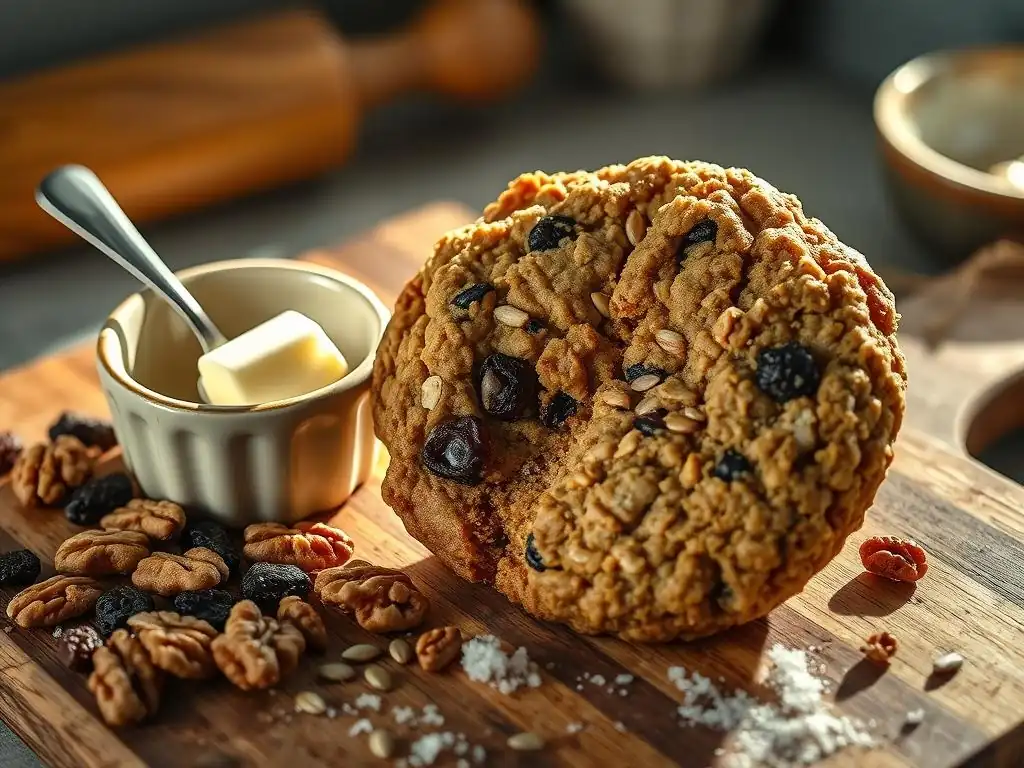
Beyond the basic recipe and troubleshooting, a few expert tips can take your oatmeal raisin cookies from good to truly exceptional. These small adjustments or ingredient choices can significantly impact the final flavor and texture, showcasing your growing baking skills.
Consider these ideas once you feel comfortable with the standard recipe. They are simple ways to add complexity and depth to your baking.
Using Brown Butter for Enhanced Flavor
Browning your butter before adding it to the dough is a fantastic way to introduce a rich, nutty, and caramelized flavor that complements the oats and raisins beautifully. To brown butter, melt the unsalted butter in a saucepan over medium heat. Continue to cook, stirring occasionally, past the melting point. The butter will foam, then the milk solids at the bottom will start to turn golden brown and smell nutty.
Watch carefully to prevent burning. Once the solids are a rich brown, remove from heat and immediately pour the brown butter (including the browned bits) into a heatproof bowl. Let it cool slightly but not solidify before using it in the recipe. You might lose a little moisture in the process, so some recipes recommend adding back a tablespoon or two of milk or water. This technique adds incredible depth compared to using regular softened butter.
The type of oats you use has a significant impact on the final texture of your oatmeal raisin cookies. For the classic chewy texture with distinct oat flakes, rolled oats (also called old-fashioned oats) are the preferred choice. These oats are steamed and then rolled flat, retaining much of their shape and providing that characteristic chewiness.
Quick oats, which are cut into smaller pieces and rolled thinner, will result in a softer, less textured cookie. While they work in a pinch, they won't give you that hearty, chewy bite associated with perfectly oatmeal raisin cookies. Avoid instant oats entirely for cookies, as they are precooked and processed to dissolve quickly, leading to a mushy texture.
The Importance of Quality Ingredients in Oatmeal Raisin Baking
While baking powder and flour might seem standard, the quality of your core flavor ingredients truly shines through in simple recipes like oatmeal raisin cookies. Using good quality unsalted butter makes a difference in flavor and performance. Fresh spices, particularly cinnamon and nutmeg, have a much more vibrant aroma and taste than older, stale ones. Spices lose potency over time, so check the dates on your spice jars.
And of course, the raisins! Plump, moist raisins are essential. If your raisins seem particularly dry, the hydration step mentioned earlier (Step 1) becomes even more important. Using good quality ingredients ensures that the inherent flavors of the oats, raisins, and spices can truly stand out, resulting in a more delicious cookie.
Once you've mastered the classic recipe and feel comfortable with variations, you might want to explore more advanced techniques or creative twists. These ideas can push your baking skills further and result in unique and memorable oatmeal raisin creations.
These techniques might require a bit more precision or involve additional steps, but the results can be well worth the effort for the adventurous baker.
Achieving the perfect chewiness is the holy grail for many oatmeal raisin cookie lovers. Several factors contribute to this desirable texture. Using a higher ratio of brown sugar to granulated sugar adds more moisture and chewiness. Using melted or browned butter instead of softened butter can also promote chewiness.
Undermixing the dry ingredients slightly helps prevent gluten development, keeping the cookies tender. Crucially, slightly underbaking the cookies is key. Pull them from the oven when the edges are set but the centers still look a bit soft and perhaps slightly glossy. As they cool on the baking sheet, they will finish cooking and set into that ideal chewy texture. Chilling the dough also concentrates flavors and contributes to a better texture overall.
Adding Chocolate Chips to Your Oatmeal Raisin Creations
While traditional oatmeal raisin cookies don't include chocolate, the combination of oats, raisins, and chocolate chips is incredibly popular and undeniably delicious. The sweetness of the chocolate provides a lovely counterpoint to the other flavors and textures.
You can easily adapt the recipe by adding about 1 cup of chocolate chips (milk, semi-sweet, or dark, depending on your preference) along with the oats and raisins in Step 2. This creates a hybrid cookie, often called "Oatmeal Everything" or simply "Oatmeal Chocolate Chip Raisin" cookies. The ratio of mix-ins can be adjusted; some prefer an equal mix of chocolate chips and raisins, while others might lean more heavily on one or the other.
For a truly decadent treat, transform your perfectly oatmeal raisin cookies into delightful sandwich cookies filled with a tangy cream cheese frosting. The slightly spiced, chewy cookies provide a wonderful contrast to the smooth, sweet, and slightly tart frosting.
To make the sandwiches, bake your cookies as directed, ensuring they are cooled completely. Prepare a simple cream cheese frosting (typically made with softened cream cheese, butter, powdered sugar, and vanilla extract). Spread a generous dollop of frosting on the flat side of one cookie, then top with the flat side of another cookie to create a sandwich. This elevates the humble oatmeal raisin cookie into a sophisticated dessert perfect for special occasions or when you simply want to indulge.
You've done it! You've baked a batch of perfectly oatmeal raisin cookies. Now comes the best part: enjoying the fruits of your labor. Whether you savor them warm from the oven or cooled, these cookies are meant to be shared and relished. Take a moment to appreciate the aroma, the texture, and the comforting flavor you've created.
Baking is a labor of love, and sharing homemade treats is a wonderful way to connect with others. Your perfectly oatmeal raisin cookies are sure to bring smiles to faces.
Oatmeal raisin cookies are incredibly versatile when it comes to pairings. A classic and comforting choice is a tall glass of cold milk; the creaminess of the milk complements the chewiness of the cookie beautifully. For a warmer beverage, they pair wonderfully with a cup of coffee, especially a medium roast, or a soothing cup of tea, such as black tea or even a spiced chai.
For a more indulgent treat, try crumbling a warm oatmeal raisin cookie over a scoop of vanilla ice cream or using them to sandwich some softened ice cream. The combination of warm cookie and cold ice cream is simply heavenly.
Homemade oatmeal raisin cookies make a thoughtful and much-appreciated gift. Whether for holidays, birthdays, or just because, a tin or box filled with your freshly baked treats is sure to be a hit. Ensure the cookies are completely cooled before packaging to prevent them from becoming soggy.
Layer the cookies in an airtight container, using parchment paper between layers if desired. Decorate the tin or box with a ribbon or a handwritten tag. Gifting homemade goods adds a personal touch that store-bought items can't match and shows you took the time and effort to create something special.
We love seeing what our community is baking! Once you've made your perfectly oatmeal raisin cookies using this guide, we encourage you to share your results. Take a picture of your delicious cookies and share them.
Connecting with other bakers is a great way to get inspiration, share tips, and celebrate your successes. Let us know how your cookies turned out, what variations you tried, or any tips you discovered along the way. Happy baking, and enjoy every last crumb of your wonderfully oatmeal raisin cookies!
Frequently Asked Questions
The recipe focuses on achieving a balance of nutty and seedy flavors and textures, ensuring each bite is satisfying. It uses specific ratios of nuts and seeds for optimal results.
Is this recipe suitable for beginner bakers?
Yes, the recipe is designed with easy-to-follow instructions and readily available ingredients. It includes step-by-step guides to help beginner bakers succeed.
While substitutions are possible, it's recommended to stick to the recipe for the best results. Changing the nuts or seeds might alter the flavor and texture significantly.
Store the cookies in an airtight container at room temperature to maintain their freshness. They should last for several days if stored properly.
Use a cookie scoop to ensure consistent dough portions. Also, chilling the dough before baking helps prevent excessive spreading and promotes a more uniform shape.
The quest for the perfect nutty and seedy cookie is more than just a recipe; it's a journey into the heart of comfort food. These seemingly simple treats hold a powerful ability to evoke memories, spark joy, and connect us to cherished traditions. The techniques and variations explored in this guide are not merely instructions, but keys to unlocking a world of flavor and texture possibilities.
The influence of these humble cookies on our cultural landscape is undeniable. From family gatherings where the aroma fills the air to the comforting presence of a warm cookie on a cold day, their impact transcends mere culinary satisfaction. A cookie is a little bit of happiness you can hold in your hand.
This sentiment perfectly captures the emotional resonance these treats possess. Their versatility allows for endless creativity, reflecting our individual tastes and preferences, while simultaneously uniting us through a shared appreciation for simple pleasures.
Now, I invite you to take what you've learned and embark on your own culinary adventure. Don't be afraid to experiment, to tweak the recipes, and to discover your own perfect blend of nuts and seeds. The journey to the ultimate nutty and seedy cookie is a personal one, and the reward – a delicious, handcrafted treat that brings joy to you and those you share it with – is well worth the effort. So, gather your ingredients, preheat your oven, and let the baking begin!
Thanks for joining us on this delicious journey into the world of nutty and seedy cookies! We hope you’ve picked up some baking inspiration and are ready to create some truly unforgettable treats. Now it's time to put your newfound knowledge into action.
- Bake your perfect batch: Grab those ingredients and try out your favorite recipe from the guide. Don't be afraid to experiment with different nuts and seeds!
- Share your creations: Post a picture of your masterpiece on social media and tag us! We’d love to see your baking success. Use #BakeWithEaseNuttyCookies.
- Discover a new favorite nut or seed: Explore our extensive ingredient guide (link removed per instructions) for inspiration on new flavor combinations.
What unique nut or seed combination will you try first? Let us know in the comments below!