
Unlock Flavor: Quick Sourdough Discard Flatbread Recipe

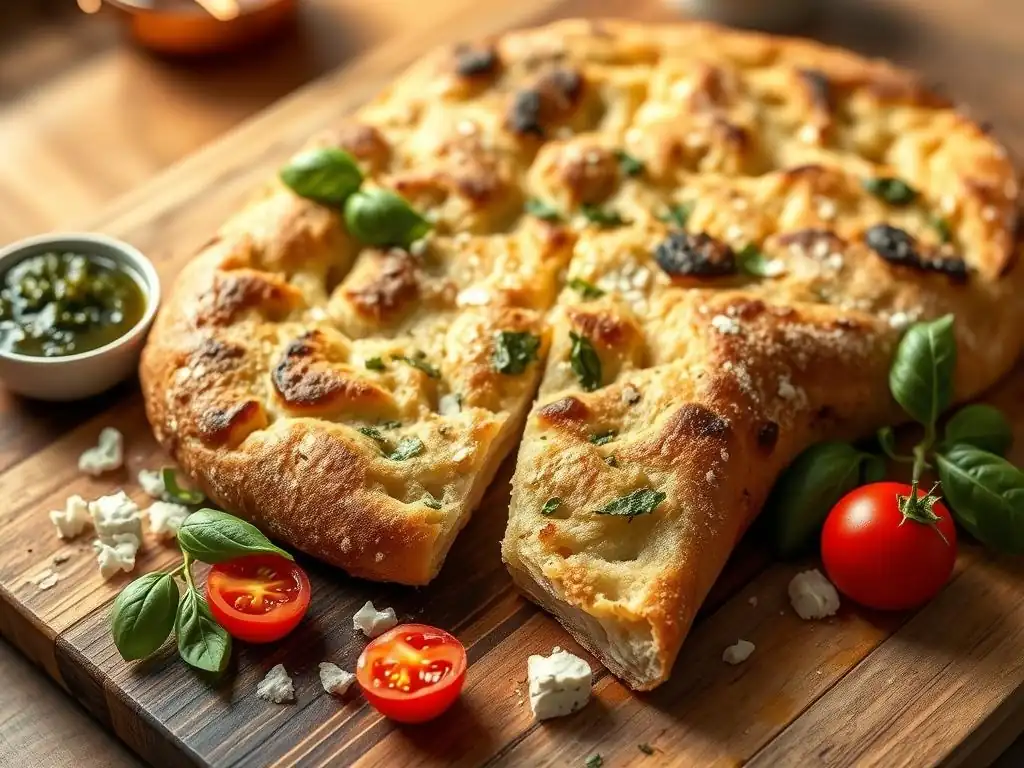
Welcome to BakeWithEase, your trusted companion in the delicious world of baking! Ever wondered what to do with that sourdough discard? Discover how to transform it into something incredible with our Quick Sourdough Discard Flatbread Recipe. This isn't just any flatbread; it's a flavorful, versatile delight you can whip up in no time. Intrigued? Let's unlock the secrets together!
- Introduction to Sourdough Discard Flatbreads: A BakeWithEase Staple
- Why This Quick Sourdough Discard Flatbread Recipe Works
- BakeWithEase’s Foolproof Quick Sourdough Discard Flatbread Recipe
- Step-by-Step Guide: Baking Your Sourdough Discard Flatbread
- Tips for the Perfect Sourdough Discard Flatbread Every Time
- Flavor Variations and Add-Ins for Sourdough Discard Flatbread
- Serving Suggestions for Your Sourdough Discard Flatbread
- Storing and Reheating Sourdough Discard Flatbread
- Troubleshooting Common Sourdough Discard Flatbread Issues
- The Benefits of Baking with Sourdough Discard
- Conclusion: Enjoy Your Homemade Sourdough Discard Flatbread!
- Frequently Asked Questions
- Final Reflection: The Unexpected Joy of Sourdough Discard
- Unleash Your Inner Baker: Make This Flatbread Today!
Introduction to Sourdough Discard Flatbreads: A BakeWithEase Staple
Sourdough baking is a rewarding journey, but it often leaves us with a common ingredient: sourdough discard. This unfed portion of your starter, while not active enough to leaven bread, is a treasure trove of flavor and offers incredible potential in other recipes. At BakeWithEase, we believe in making the most of every ingredient, and transforming sourdough discard into delicious, quick flatbreads is one of our favorite ways to do just that. These flatbreads are incredibly versatile, require minimal effort, and are ready in a flash, making them a perfect weeknight addition.
Unlike traditional leavened breads, a quick sourdough discard flatbread recipe doesn't rely on the discard for rise, but rather for its unique tangy flavor and chewy texture. This means you can whip them up without waiting hours for fermentation. They are an excellent entry point for bakers looking to utilize their discard beyond pancakes or crackers, offering a simple yet satisfying baking project that delivers impressive results with just a few basic ingredients you likely already have on hand.
Why This Quick Sourdough Discard Flatbread Recipe Works
This specific quick sourdough discard flatbread recipe stands out for its simplicity and efficiency, making it perfect for busy bakers. It leverages the unique properties of sourdough discard without the complexity of proofing or long fermentation times. The combination of readily available ingredients and a straightforward cooking method ensures success, even for those new to working with discard. It's a recipe designed for practicality and deliciousness, delivering flavorful flatbreads quickly.
The recipe's effectiveness lies in its focus on minimal steps and reliable results. By skipping the bulk fermentation and proofing stages typical of sourdough bread, we drastically cut down the time commitment. The heat from the cooking surface (whether a skillet, grill, or hot oven) provides the necessary lift and texture, creating a slightly chewy interior and a beautifully blistered exterior characteristic of great flatbreads.
Reducing Waste with Sourdough Discard
One of the most compelling reasons to embrace a quick sourdough discard flatbread recipe is its role in sustainable baking. Maintaining an active sourdough starter often requires regular feeding, which in turn generates discard. Instead of tossing this flavorful byproduct, incorporating it into recipes like flatbreads gives it a delicious second life. This not only reduces food waste but also adds a unique depth of flavor that you wouldn't get from a standard dough.
Consider the average sourdough baker who feeds their starter 2-3 times a week, discarding perhaps 50-100 grams each time. Over a month, this could amount to 400-1200 grams of discard! Utilizing even half of this in quick sourdough discard flatbreads or other recipes significantly cuts down on waste and maximizes the value of your starter. It's a simple practice that aligns perfectly with a mindful approach to baking and resource management.
The Delicious Versatility of Sourdough Flatbread
Sourdough discard flatbreads offer an incredible canvas for culinary creativity. Their subtle tangy flavor pairs well with a wide range of toppings and uses, making them far more versatile than many other quick bread options. From serving as a base for mini pizzas to wrapping around savory fillings or simply being enjoyed on their own with a dip, these flatbreads can adapt to almost any meal or snack occasion.
Their quick cooking time means you can prepare them fresh whenever needed, ensuring a warm, delicious result. Imagine whipping up a batch in under 20 minutes total prep and cook time for an impromptu appetizer, a quick lunch wrap, or a side dish for soup or curry. This adaptability makes the quick sourdough discard flatbread recipe a valuable addition to any home baker's repertoire, proving that utilizing discard doesn't mean sacrificing flavor or convenience.
BakeWithEase’s Foolproof Quick Sourdough Discard Flatbread Recipe
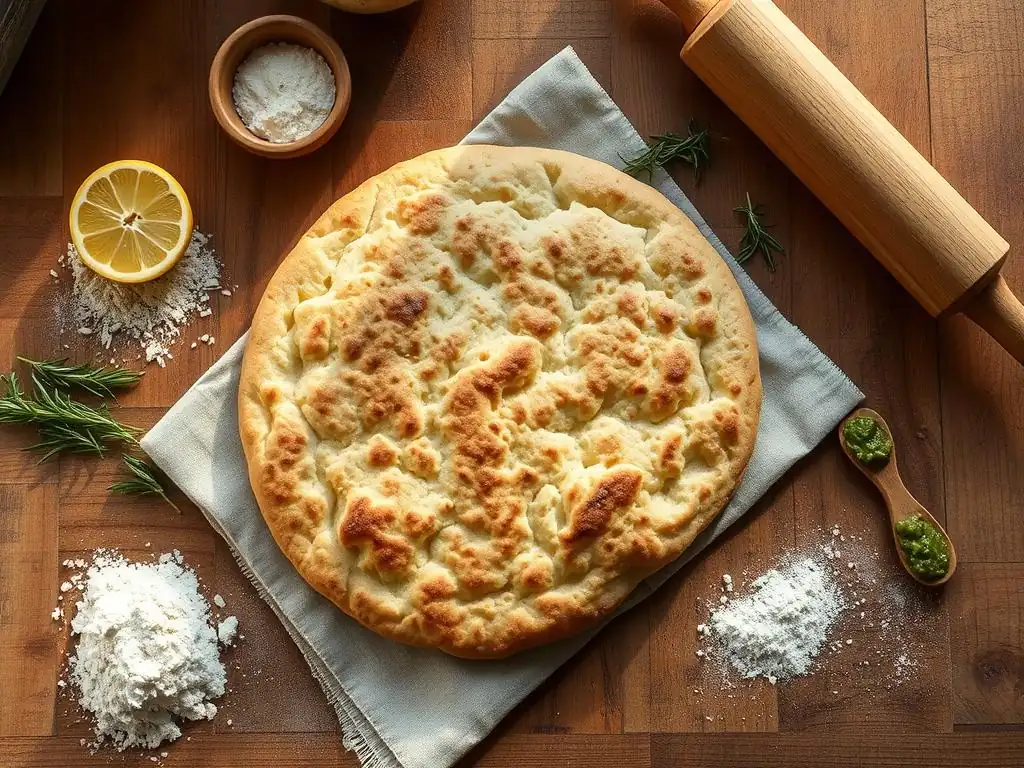
Welcome to our go-to quick sourdough discard flatbread recipe! We've fine-tuned this method at BakeWithEase to ensure it's simple, fast, and consistently delivers delicious results. This recipe is designed for bakers of all levels and is a fantastic way to turn that discard into something truly satisfying. It's perfect for a quick snack, a light lunch, or as a versatile base for various toppings.
We've tested this recipe using discard that's anywhere from a few hours old to a few days old, kept in the refrigerator. While the tanginess might vary slightly depending on the discard's age, the structure and cookability remain reliable. This flexibility is part of what makes this quick sourdough discard flatbread recipe so foolproof – you don't need perfectly fresh discard to make it work!
Yield and Prep Time
This quick sourdough discard flatbread recipe is designed for efficiency. From start to finish, you can expect to have warm, delicious flatbreads ready to eat in approximately 15-20 minutes. This includes the short mixing time, a brief rest, and the quick cooking process. It's genuinely a recipe you can decide to make just before a meal and have ready on time.
The typical yield for this recipe, using the specified ingredient quantities, is usually 4-6 flatbreads, depending on how large you shape them. Each flatbread is roughly 6-8 inches in diameter, making them perfect for individual servings as wraps or side dishes. If you need more, the recipe is easily scalable – simply double or triple the ingredients.
Ingredients for Quick Sourdough Discard Flatbread
Gathering the ingredients for this quick sourdough discard flatbread recipe is straightforward, as it uses common pantry staples. The star, of course, is the sourdough discard, but a few other basic items are needed to create the dough and ensure the flatbreads cook beautifully. Precision in measuring is helpful, especially for the flour and liquid components, but this recipe is quite forgiving.
Here is a list of the core ingredients you will need. Remember to use standard measuring cups and spoons for accuracy. Having your ingredients pre-measured before you start mixing makes the process even quicker and smoother.
Key Ingredient: Sourdough Discard
The essential ingredient for this quick sourdough discard flatbread recipe is, naturally, sourdough discard. This is the portion of your starter that you remove before feeding it. It should be at room temperature or cold from the fridge – both work, though cold discard can sometimes make the dough slightly stiffer initially. We recommend using discard that is at least a few days old for a more pronounced tangy flavor, though fresher discard works perfectly fine too.
For this recipe, we typically use about 1 cup (around 200-250 grams) of unfed sourdough discard. The hydration level of your starter will influence the final dough consistency slightly. If your starter is very thick, you might need a tiny splash more water; if it's very liquidy, a touch more flour might be helpful. However, the recipe is formulated to work well with most standard 100% hydration or slightly stiffer starters.
Other Essential Ingredients
Beyond the sourdough discard, you'll need just a few more items. All-purpose flour is the primary dry ingredient, providing the structure for the flatbreads. You'll need approximately 1 to 1.5 cups (120-180 grams), but the exact amount will depend on the hydration of your discard. A small amount of baking powder is often included to give the flatbreads a little extra puff when they hit the hot pan – usually about 1 teaspoon (around 4-5 grams).
Salt is crucial for enhancing the flavor – about 1/2 teaspoon (around 3 grams) is usually sufficient, but adjust to your preference. A tablespoon or two of olive oil or melted butter (around 15-30 ml) is added to the dough for tenderness and flavor, and a little extra oil is needed for cooking the flatbreads in the pan. These simple additions transform the discard into a pliable dough that cooks up into delicious flatbreads.
Step-by-Step Guide: Baking Your Sourdough Discard Flatbread
Follow these simple steps to create your quick sourdough discard flatbreads. This process is designed to be fast and easy, making it accessible for even the busiest schedules. Pay attention to dough consistency and pan temperature for the best results.
Step 1: Preparing the Dough
In a medium bowl, combine your sourdough discard, about 1 cup of the all-purpose flour, baking powder, and salt. Add the olive oil or melted butter. Stir everything together with a spoon or spatula until it starts to come together into a shaggy dough. At this point, it will likely be quite sticky.
Turn the dough out onto a lightly floured surface. Begin kneading gently, incorporating just enough of the remaining flour (up to the 1.5 cups total) as needed until the dough is soft, pliable, and no longer excessively sticky. You should be able to handle it without it clinging aggressively to your hands or the surface. Avoid adding too much flour, as this can make the flatbreads tough. Knead for just 1-2 minutes until smooth.
Step 2: Resting the Dough
Once the dough is kneaded and feels soft and smooth, cover it loosely. This is a very brief rest, typically just 5-10 minutes. This short rest allows the gluten to relax slightly, making the dough easier to roll out without springing back excessively. It also gives the flour a moment to fully hydrate with the liquid from the discard and oil.
While the dough rests, you can prepare your cooking surface. If using a skillet, place it over medium-high heat. If using the oven or grill, preheat it as instructed in the cooking options section below. This ensures everything is ready for the quick cooking process once the dough has had its short rest.
Step 3: Shaping the Flatbreads
Divide the rested dough into your desired number of portions (typically 4-6). Roll each portion into a ball. On a lightly floured surface, use a rolling pin to roll each ball into a thin circle or oval, about 1/8 to 1/4 inch thick. Aim for a rustic, uneven shape – perfection isn't necessary! The thinness is key for quick cooking and achieving a pleasant texture.
As you roll, try to maintain an even thickness across the flatbread to ensure it cooks uniformly. If the dough springs back, let it rest for another minute or two before continuing. Having the flatbreads shaped and ready before you start cooking is helpful, as the cooking process is very fast.
Step 4: Cooking the Flatbreads
Heat a little oil (about a teaspoon) in your chosen cooking vessel over medium-high heat. Once the oil is shimmering and hot, carefully place one or two flatbreads in the pan, ensuring they don't overlap. Cook for 2-3 minutes per side. You'll see bubbles forming on the surface, and the underside should develop beautiful golden-brown spots and blisters.
Flip the flatbreads and cook for another 2-3 minutes on the second side until cooked through and spotted. They should puff up slightly as they cook. Remove from the pan and repeat with the remaining dough, adding a little more oil to the pan as needed between batches.
Cooking Options: Skillet, Oven, or Grill
The most common and fastest method for this quick sourdough discard flatbread recipe is using a hot skillet on the stovetop. A cast iron skillet works exceptionally well due to its even heat distribution, but any heavy-bottomed pan will do. Ensure the pan is properly heated before adding the flatbreads; a temperature that's too low will result in dry, tough flatbreads, while too high can burn the outside before the inside cooks. Medium-high heat is usually the sweet spot.
Alternatively, you can cook these flatbreads on a preheated grill or in a very hot oven (around 450-500°F or 230-260°C) on a baking steel or stone. For the oven or grill, place the shaped flatbreads directly onto the hot surface and cook for 2-4 minutes per side, or until puffed and blistered. These methods often yield a slightly different texture, sometimes more intensely blistered and smoky if grilling, but are equally delicious ways to cook your quick sourdough discard flatbreads.
Tips for the Perfect Sourdough Discard Flatbread Every Time
Achieving consistently great results with your quick sourdough discard flatbread recipe is easy with a few key tips. Paying attention to the dough's feel and the cooking temperature are the most critical factors for success.
Achieving the Right Dough Consistency
The ideal dough for this quick sourdough discard flatbread recipe should be soft, smooth, and only slightly tacky. It should not be sticky to the point of being unmanageable, nor should it be stiff and dry. When kneading, add flour gradually, just until the dough comes together and is easy to handle. Over-flouring is a common mistake that leads to tough flatbreads.
If your dough feels too sticky after incorporating the initial amount of flour, add just a tablespoon at a time while kneading until it reaches the desired consistency. If it feels too dry, add a tiny splash of water or a teaspoon of oil. The goal is a dough that is pliable enough to roll thin without tearing but strong enough to hold its shape and puff slightly when cooked.
Mastering the Cooking Temperature
The temperature of your cooking surface is paramount for getting those beautiful blisters and ensuring the flatbread cooks quickly and evenly. Whether using a skillet, oven, or grill, it needs to be hot enough. For stovetop cooking, medium-high heat is generally recommended. You can test the temperature by flicking a tiny bit of water onto the pan; it should sizzle and evaporate immediately.
Cooking at a temperature that's too low will result in pale, dry flatbreads that take too long to cook. Cooking at a temperature that's too high can burn the exterior before the interior is fully cooked, leading to a raw center and a charred outside. Monitor the heat and adjust as needed between batches. If your pan gets too hot, remove it from the heat for a moment before adding the next flatbread.
Preventing Sticking
To prevent your quick sourdough discard flatbreads from sticking to the cooking surface, ensure you use a non-stick skillet or a well-seasoned cast iron pan. Adding a small amount of oil or butter to the hot pan before cooking each flatbread (or batch) is also crucial. Just a teaspoon is usually enough to create a barrier and help the flatbread brown beautifully.
If using a baking stone or steel in the oven, ensure it is thoroughly preheated. You can also lightly dust the surface with cornmeal or flour before placing the flatbreads on it. For grilling, make sure your grill grates are clean and well-oiled before placing the dough directly onto them. Proper heat and a little lubrication are your best defense against sticking.
Flavor Variations and Add-Ins for Sourdough Discard Flatbread

One of the most exciting aspects of this quick sourdough discard flatbread recipe is how easily you can customize it with different flavors. The basic dough is a fantastic base for both savory and sweet additions, transforming your flatbreads into something truly special.
Savory Flatbread Ideas
Savory additions are incredibly popular for sourdough discard flatbreads, turning them into flavorful snacks, appetizers, or components of a meal. You can incorporate ingredients directly into the dough or sprinkle them on top before cooking.
Garlic Herb Flatbread
Adding minced garlic and fresh or dried herbs to your quick sourdough discard flatbread dough is a simple way to infuse it with incredible aroma and taste. For a batch yielding 4-6 flatbreads, try adding 1-2 cloves of finely minced garlic and 1-2 tablespoons of chopped fresh herbs like rosemary, thyme, or chives (or 1-2 teaspoons of dried herbs). Mix them in during Step 1 when you combine the main ingredients.
Alternatively, you can brush the cooked flatbreads with melted butter or olive oil mixed with garlic powder and dried herbs immediately after they come off the pan. This creates a fragrant, flavorful crust that's perfect for dipping in marinara sauce or hummus. The tangy sourdough flavor complements the pungent garlic and earthy herbs beautifully.
Everything Bagel Flatbread
Embrace the popular everything bagel seasoning by incorporating it into your quick sourdough discard flatbread recipe. You can mix about 1-2 tablespoons of everything bagel seasoning directly into the dough in Step 1. This distributes the flavors throughout the flatbread.
For an even bolder flavor and visual appeal, sprinkle a generous amount of everything bagel seasoning onto the shaped flatbreads just before cooking. Press it in lightly so it adheres to the dough. Cook as usual. The seeds and spices will toast slightly on the hot surface, releasing their aromas and adding a delightful crunch. This variation is excellent served with cream cheese or used as a base for smoked salmon.
Sweet Flatbread Ideas
While savory options are common, don't overlook the potential for sweet sourdough discard flatbreads! A little sweetness can balance the tang of the sourdough discard beautifully, creating a unique dessert or snack.
Cinnamon Sugar Flatbread
Transform your quick sourdough discard flatbread into a sweet treat by turning it into a cinnamon sugar delight. Instead of adding savory elements to the dough, keep the basic recipe as is. As the flatbreads finish cooking and are still warm, brush them generously with melted butter.
Immediately after buttering, sprinkle a mixture of cinnamon and sugar over the warm flatbread. A ratio of about 1 tablespoon of cinnamon to 4 tablespoons of granulated sugar works well, but adjust to your taste. The warm butter helps the cinnamon sugar adhere and melt slightly, creating a comforting, sweet crust. This is wonderful served warm as a simple dessert or breakfast treat.
Chocolate Chip Flatbread
For a more decadent sweet option, add mini chocolate chips to your quick sourdough discard flatbread dough. Mix about 1/4 to 1/2 cup of mini chocolate chips into the dough during Step 1. Mini chips are preferred as they distribute more evenly and melt nicely without creating large pockets that might make rolling difficult.
Roll and cook the flatbreads as instructed. The chocolate chips will melt slightly as they cook, creating gooey pockets of chocolate within the tangy flatbread. Serve these warm on their own or with a scoop of ice cream for a simple dessert. The slight tang from the sourdough discard provides a fascinating contrast to the sweet chocolate.
Serving Suggestions for Your Sourdough Discard Flatbread
Once your quick sourdough discard flatbreads are cooked, the possibilities for serving them are nearly endless! Their versatility makes them suitable for various roles in a meal, from a quick main dish to a simple side.
Quick Meal Ideas
Use your quick sourdough discard flatbread as the base for a speedy personal pizza. Top with sauce, cheese, and your favorite toppings, then pop under a broiler or in a hot oven for a few minutes until the cheese is melted and bubbly. Alternatively, use them as wraps for grilled chicken, falafel, or roasted vegetables, creating a fast and satisfying lunch or dinner.
Another quick meal idea is to serve the flatbreads with a hearty soup or stew. Their sturdy yet soft texture makes them perfect for dipping and soaking up flavorful broths. A simple lentil soup or a quick chicken curry pairs wonderfully with warm sourdough discard flatbreads.
Appetizer Inspiration
Sourdough discard flatbreads make excellent appetizers. Serve them warm alongside a selection of dips like hummus, baba ghanoush, tzatziki, or a simple olive oil and balsamic vinegar mix. Cut the flatbreads into wedges or strips for easy dipping.
For a more elaborate appetizer, spread the warm flatbreads with ricotta cheese and top with roasted cherry tomatoes and basil, or spread with goat cheese and drizzle with honey. The quick cooking time means you can whip up a batch shortly before guests arrive, serving them fresh and warm.
Side Dish Pairings
These quick sourdough discard flatbreads are a fantastic side dish for many different cuisines. They are perfect with Mediterranean or Middle Eastern dishes like kebabs, tagines, or large salads.
They also pair beautifully with Indian curries or dahl, serving as a quick alternative to naan or roti for scooping up the flavorful sauces. Even alongside simple grilled meats or fish, a warm sourdough discard flatbread adds a touch of homemade goodness and a pleasant texture contrast.
Storing and Reheating Sourdough Discard Flatbread
While best enjoyed fresh and warm, quick sourdough discard flatbreads can be stored and reheated for later enjoyment. Proper storage helps maintain their texture and flavor.
Proper Storage Techniques
Once your quick sourdough discard flatbreads have cooled completely to room temperature, stack them with a piece of parchment paper in between each one to prevent sticking. Store them in an airtight container or a resealable plastic bag.
Stored properly at room temperature, they will keep for 1-2 days. For longer storage, you can refrigerate them for up to 4-5 days or freeze them for up to 2-3 months. If freezing, ensure they are wrapped tightly in plastic wrap or foil before placing them in a freezer bag to prevent freezer burn.
Reheating for Optimal Texture
To bring your stored quick sourdough discard flatbreads back to life, reheating is key. Avoid the microwave if possible, as it can make them tough.
The best way to reheat is in a dry skillet over medium heat for 1-2 minutes per side until warm and slightly pliable again. You can also warm them in a toaster oven or a regular oven preheated to about 350°F (175°C) for a few minutes. If frozen, thaw them at room temperature or in the refrigerator before reheating. Reheating in a skillet or oven helps crisp up the exterior slightly while keeping the interior soft.
Troubleshooting Common Sourdough Discard Flatbread Issues
Even with a foolproof recipe like this quick sourdough discard flatbread recipe, occasionally you might encounter minor issues. Here are some common problems and how to fix them.
Dough Too Sticky
If your dough is excessively sticky after kneading and adding the recommended amount of flour, it's likely due to the hydration level of your sourdough discard or atmospheric conditions. Don't panic!
Gradually add a small amount of flour (a tablespoon at a time) while gently kneading until the dough is manageable and no longer sticking aggressively to your hands or the surface. The final dough should be soft and slightly tacky, but not wet or difficult to handle. Ensure your hands and the work surface are also lightly floured when shaping.
Flatbreads Not Puffing Up
While this quick sourdough discard flatbread recipe doesn't rely on significant leavening from the discard, the baking powder and the hot cooking surface should help them puff up slightly and develop some internal air pockets. If they are staying completely flat and dense, a few factors could be at play.
Ensure your baking powder isn't expired; test it by adding a teaspoon to a small amount of hot water – it should fizz immediately. Also, verify that your cooking surface is hot enough (medium-high heat). If the pan isn't hot enough, the dough won't get the thermal shock needed to puff. Rolling the flatbreads too thick can also prevent them from puffing properly.
Burnt Flatbreads
Burning usually occurs because the cooking surface is too hot or the flatbreads are left on for too long without flipping. Remember that these cook very quickly, typically just 2-3 minutes per side.
If your flatbreads are burning on the outside before the inside is cooked, reduce the heat of your skillet or oven/grill. Monitor them closely while cooking, and don't be afraid to adjust the heat down if they are browning too quickly. Ensure you have enough oil or fat in the pan to prevent direct contact and sticking, which can lead to uneven burning.
The Benefits of Baking with Sourdough Discard
Beyond just making a delicious quick sourdough discard flatbread recipe, utilizing your sourdough discard offers several advantages for both you and the environment.
Sustainable Baking Practices
Using sourdough discard in recipes like flatbreads is a fantastic way to reduce food waste in your kitchen. Instead of discarding a portion of your starter regularly, you transform it into edible, delicious goods. This aligns with a more sustainable and mindful approach to baking and cooking, ensuring that the resources and effort put into maintaining your starter are fully utilized.
It's estimated that home bakers could potentially discard hundreds or even thousands of grams of starter annually depending on their feeding schedule. Incorporating just one or two discard recipes into your routine each week can significantly cut down on this waste, turning a potential byproduct into a valuable ingredient.
Unique Flavor Profiles
Sourdough discard, even unfed, carries the characteristic tangy flavor profile developed during fermentation. When used in recipes like this quick sourdough discard flatbread recipe, it imparts a subtle, pleasant tang that adds complexity and depth of flavor not found in recipes made with commercial yeast or no leavening at all.
The specific flavor will vary depending on your starter's unique microbial composition and how long the discard has been stored, but it consistently adds a layer of sophisticated taste that elevates simple baked goods. This unique flavor makes sourdough discard flatbreads stand out from standard quick flatbreads.
Exploring Different Sourdough Discard Recipes
Mastering this quick sourdough discard flatbread recipe is just the beginning! There is a whole world of delicious recipes waiting to utilize your discard. From pancakes and waffles to crackers, muffins, scones, and even pasta, sourdough discard can be incorporated into countless baked goods.
Experimenting with different discard recipes is a fun way to explore new baking techniques and flavors while being resourceful. Each recipe highlights the discard's unique properties in a different way, showcasing its versatility beyond just leavening bread. This quick sourdough discard flatbread recipe is an excellent starting point for your discard culinary adventures.
Conclusion: Enjoy Your Homemade Sourdough Discard Flatbread!
You've successfully transformed your sourdough discard into delicious, quick flatbreads! This quick sourdough discard flatbread recipe offers a simple, fast, and incredibly rewarding way to utilize that valuable ingredient. You've reduced waste, created a versatile base for countless meals and snacks, and enjoyed the unique tangy flavor that only sourdough can provide.
We hope this BakeWithEase guide empowers you to make these flatbreads a regular part of your baking routine. Whether you enjoy them plain, topped, or as a side, they are a testament to the creativity and resourcefulness that sourdough baking encourages. Keep experimenting with your discard, and happy baking!
Frequently Asked Questions
What is sourdough discard and why use it in flatbread?
Sourdough discard is the unwanted portion of your sourdough starter. Using it in flatbread adds a tangy flavor and reduces waste.
How "quick" is this quick sourdough discard flatbread recipe, really?
The recipe is quick because it requires no active fermentation or long proofing times. You can typically have flatbread ready in under an hour.
What kind of flour works best for this sourdough discard flatbread?
All-purpose flour is a good starting point, but you can also use whole wheat flour or a blend for a nuttier flavor and denser texture.
Can I add any flavorings to the sourdough discard flatbread?
Absolutely! Herbs like rosemary or thyme, spices like garlic powder or chili flakes, and even seeds like sesame or poppy seeds can be added for extra flavor and texture.
Is this recipe suitable for beginner bakers?
Yes, the Quick Sourdough Discard Flatbread Recipe is beginner-friendly. It uses simple ingredients and straightforward instructions.
Final Reflection: The Unexpected Joy of Sourdough Discard
The humble sourdough discard, once a symbol of baking waste, has been transformed into a culinary treasure. This simple flatbread recipe proves that even the smallest byproducts of our passions can yield surprising rewards, offering a delicious and sustainable approach to baking. The ease and speed of this recipe make it accessible to even the busiest home cooks, demonstrating that delicious, homemade food doesn't require hours of labor.
The impact of this simple recipe extends beyond just a tasty meal; it speaks to a broader cultural shift towards mindful consumption and reducing food waste. We've become increasingly aware of the environmental and economic costs of discarding food, and this recipe offers a tangible solution. It's a small act, but it's a powerful symbol of resourcefulness and creativity in the kitchen. Waste not, want not
– a timeless adage that resonates deeply with the ethos of this recipe and the growing movement towards sustainable living.
Now, I invite you to embrace the unexpected joy of sourdough discard. Don't let those precious scraps go to waste! Try this recipe, experiment with different toppings, and share your creations with friends and family. Let this simple flatbread be a reminder that even in the smallest of things, there's immense potential for flavor, creativity, and sustainability. The journey of mindful baking starts with a single discard, and the rewards are far greater than you might imagine.
Unleash Your Inner Baker: Make This Flatbread Today!
Thanks for taking the time to explore this quick and easy sourdough discard flatbread recipe! We hope you discovered a delicious way to use up that extra sourdough starter and create something truly amazing. Now, let's get baking!
- Bake your own flatbread today! Grab those ingredients and try out the recipe. It's faster and more rewarding than you think.
- Share your creations! Post a picture of your flatbread on social media and tag us – we'd love to see your culinary masterpiece!
- Experiment with different toppings! What unique flavors will you add to your flatbread?
What unexpected ingredient will you add to your next flatbread adventure? Let us know in the comments below!