
Apricot and Almond Tart: Simple & Sweet Recipe

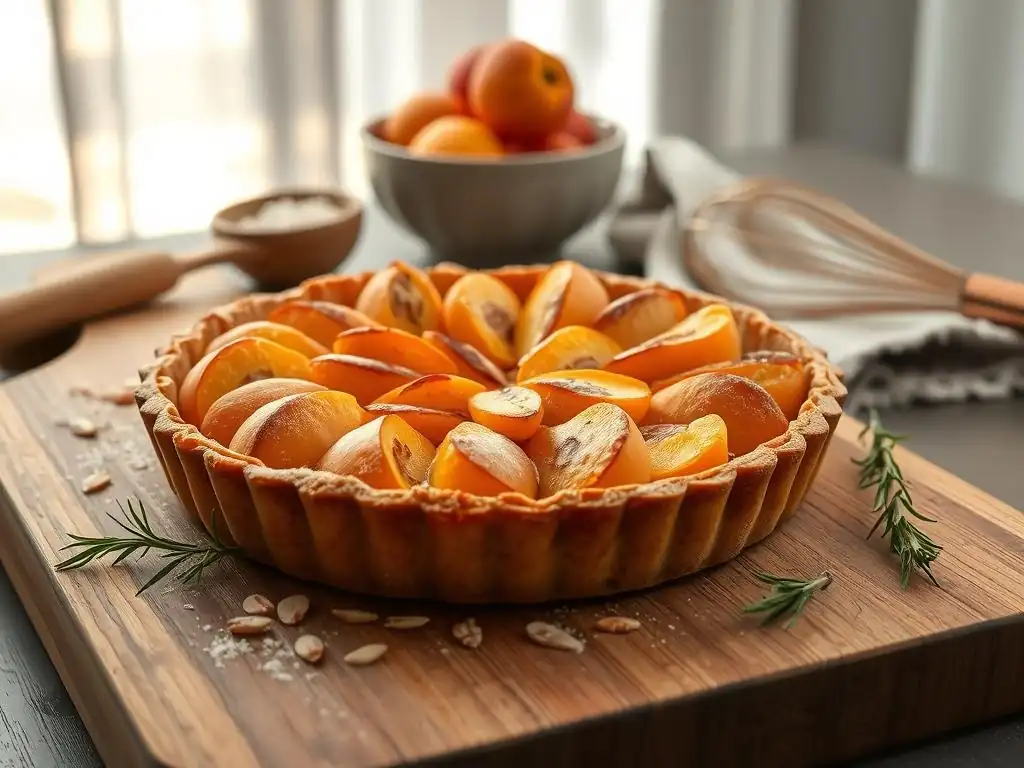
Welcome to BakeWithEase, your passport to pastry perfection! Ever dreamt of creating a stunning dessert that's both impressive and surprisingly simple? Our Apricot Almond Tart recipe is your answer. This isn't just another baking blog; it's your guide to unlocking the secrets of delicious, effortless baking. Intrigued? Discover how easy it is to craft this sweet masterpiece and wow your friends and family!
- Lemon and Blueberry Tart: A Refreshing Dessert
- Introduction to Baking a Lemon and Blueberry Tart
- Ingredients for Your Lemon and Blueberry Tart
- Step-by-Step Guide: Baking Your Lemon and Blueberry Tart
- Baking the Lemon and Blueberry Tart
- Tips for a Perfect Lemon and Blueberry Tart
- Variations and Customizations for Your Lemon Tart
- Storing and Serving Your Homemade Lemon and Blueberry Tart
- Lemon and Blueberry Tart Recipe: Printable Recipe Card
- Frequently Asked Questions
- Final Reflection: The Enduring Sweetness of Simple Things
- Unlock Your Inner Pastry Chef: Bake This Tart Today!
Lemon and Blueberry Tart: A Refreshing Dessert
Introduction to Baking a Lemon and Blueberry Tart
Baking a tart might seem daunting at first glance, but with the right guidance, it's a truly rewarding experience. A homemade lemon and blueberry tart combines the bright, zesty tang of lemon curd with the sweet burst of fresh blueberries, all nestled in a flaky, buttery crust. It's a dessert that feels sophisticated yet is entirely achievable in your own kitchen. This particular lemon blueberry tart recipe is designed to guide you through each step, ensuring a delicious outcome.
Making a lemon blueberry tart from scratch allows you to control the quality of ingredients and tailor the flavors to your preference. Unlike store-bought versions that can sometimes taste artificial or overly sweet, a homemade tart offers unparalleled freshness and depth of flavor. It's a perfect project for a weekend afternoon, resulting in a stunning dessert that's ideal for entertaining or simply enjoying with your family.
The Charm of Homemade Lemon and Blueberry Tart
There's something uniquely satisfying about presenting a dessert you've crafted yourself, especially one as visually appealing and delicious as a lemon and blueberry tart. The vibrant yellow of the lemon curd contrasting with the deep purple-blue of the berries creates a beautiful centerpiece for any table. Beyond the aesthetics, the flavor combination is a classic for a reason: the tartness of the lemon cuts through the sweetness, while the blueberries add a touch of natural sweetness and texture.
A homemade lemon blueberry tart isn't just a dessert; it's an experience. From the aroma filling your kitchen as it bakes to the first bite combining crisp crust, smooth curd, and juicy berries, it engages multiple senses. Sharing this creation with others adds another layer of joy. Many bakers find the process itself therapeutic, a focused activity that results in something tangible and delightful. This recipe provides a clear path to achieving that perfect balance of flavors and textures in your very own kitchen.
Why This Recipe is Great for Intermediate Bakers
This lemon blueberry tart recipe is specifically tailored for intermediate bakers, offering a chance to refine fundamental techniques while creating a beautiful and complex-tasting dessert. You'll work with classic pastry dough (pâte sucrée), master the art of blind baking, and learn how to make a smooth, luscious lemon curd. These skills are transferable to many other baking projects, making this tart an excellent learning opportunity.
While beginners can certainly attempt this recipe, its steps, such as properly blind baking the crust to prevent sogginess or cooking the lemon curd to just the right consistency, require a bit more attention to detail than a simple cake or cookie. It encourages precision and patience, two valuable traits for any baker looking to expand their repertoire. Successfully completing this lemon blueberry tart will build confidence and prepare you for even more ambitious baking adventures.
Ingredients for Your Lemon and Blueberry Tart
Gathering high-quality ingredients is the first step to a truly exceptional lemon and blueberry tart. Each component plays a crucial role, from the butter in the crust to the freshness of the fruit and citrus. Paying attention to the details when selecting your ingredients will significantly impact the final taste and texture of your homemade lemon blueberry tart.
For the best results, aim for fresh, in-season ingredients whenever possible. This is particularly true for the blueberries and lemons. The quality of your butter and eggs also matters, as they form the foundation of both the crust and the filling. Don't rush the shopping process; selecting the right ingredients is an investment in the success of your delicious lemon blueberry tart recipe.
Choosing the Best Blueberries: Fresh vs. Frozen
When making a lemon blueberry tart, the choice between fresh and frozen blueberries can impact the outcome. Fresh blueberries, especially those picked at their peak season, offer the best texture and most vibrant flavor. They tend to hold their shape better when baked, providing distinct bursts of fruitiness throughout the tart. Look for plump, firm berries with a dusty bloom.
Frozen blueberries can be used, but they release more liquid as they thaw and bake, which can sometimes make the filling slightly runnier. If using frozen berries, it's often recommended not to thaw them before adding them to the tart. Adding them frozen helps them retain some structure and prevents excess moisture from seeping into the filling prematurely. A quick rinse under cold water and then patting them very dry is sometimes advised, or simply add them directly from the freezer. Using about 1.5 to 2 cups of blueberries is typically ideal for a standard 9-inch tart.
Lemon Zest and Juice: Essential for Bright Flavor
The star of the filling is undoubtedly the lemon, and you'll need both the zest and the juice to achieve that signature bright, tangy flavor profile essential for a classic lemon blueberry tart recipe. Lemon zest contains the fruit's oils, which carry intense aromatic compounds. Using zest adds depth and a floral note that juice alone cannot provide. Aim to zest only the yellow part of the peel, avoiding the bitter white pith underneath.
Freshly squeezed lemon juice is non-negotiable for the filling. Bottled lemon juice lacks the vibrancy and complexity of fresh juice and often contains preservatives that can affect the taste. The amount of juice needed will depend on the recipe, but typically ranges from 1/2 cup to 3/4 cup for a 9-inch tart, providing the necessary acidity to balance the sweetness and set the curd. Using about 2-3 medium to large lemons should yield sufficient zest and juice.
Detailed Ingredient List with Quantities
To make a 9-inch Lemon and Blueberry Tart, you will need the following ingredients:
For the Pâte Sucrée (Sweet Pastry Crust):
- 1 ½ cups (190g) all-purpose flour
- ½ cup (60g) powdered sugar
- ¼ teaspoon salt
- ½ cup (113g) unsalted butter, very cold and cut into small cubes (about 1 cm)
- 1 large egg yolk
- 2-3 tablespoons ice water
For the Lemon Filling:
- ¾ cup (150g) granulated sugar
- ¼ cup (30g) all-purpose flour or cornstarch
- ¼ teaspoon salt
- ½ cup (120ml) fresh lemon juice (from about 2-3 lemons)
- 2 large eggs
- 2 large egg yolks
- ½ cup (113g) unsalted butter, cut into small pieces
- 1 tablespoon finely grated lemon zest (from about 1-2 lemons)
For the Blueberry Topping:
- 1 ½ to 2 cups (about 200-250g) fresh blueberries (or frozen, unthawed)
This list provides approximate weights and standard volume measurements, which can be helpful for consistency. Using a kitchen scale for the dry ingredients and butter is recommended for the most accurate results, especially for the pastry dough. Ensure all cold ingredients are indeed cold before starting the process.
Step-by-Step Guide: Baking Your Lemon and Blueberry Tart
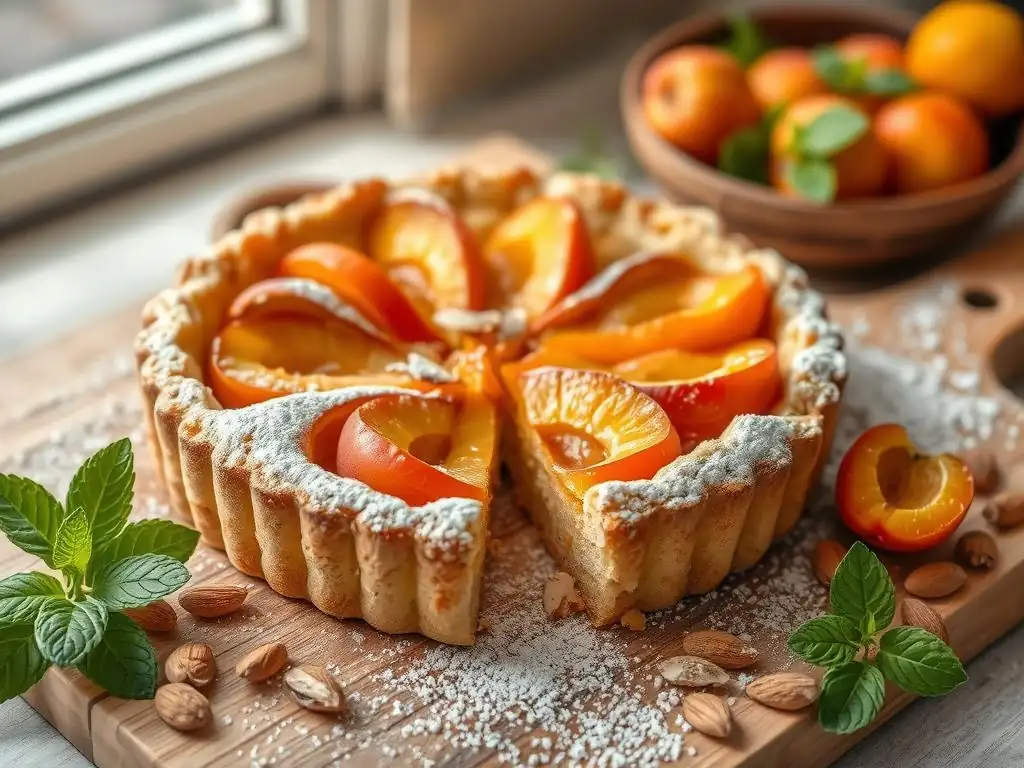
Baking a lemon and blueberry tart involves several distinct stages: preparing the crust, making the filling, assembling, and finally baking. Breaking down the process into manageable steps makes it less intimidating and helps ensure success. Follow these instructions carefully for a beautiful and delicious homemade lemon blueberry tart.
Patience is key throughout the process, particularly when chilling the dough and allowing the tart to cool properly. Rushing these steps can lead to a tough crust or a filling that doesn't set correctly. Take your time and enjoy the process of creating this delightful dessert from scratch.
Preparing the Tart Crust
A good tart begins with a great crust. For this lemon blueberry tart recipe, we recommend a pâte sucrée, a sweet, tender pastry dough that pairs wonderfully with the tangy filling. The key to a flaky, tender crust is keeping the ingredients cold and not overworking the dough.
Using very cold butter and handling the dough minimally helps prevent the gluten from developing too much, which can result in a tough crust. Chilling the dough before rolling and after fitting it into the pan is crucial for maintaining its shape during baking and ensuring a crisp texture.
Making a Pate Sucree: A Classic Approach
To make the pâte sucrée, whisk together the flour, powdered sugar, and salt in a large bowl. Add the very cold, cubed butter. Using a pastry blender, your fingertips, or a food processor, cut the butter into the dry ingredients until the mixture resembles coarse meal with some pea-sized pieces of butter still visible. This uneven distribution of butter is what creates flakiness as the butter melts in the oven.
In a small bowl, whisk the egg yolk with 2 tablespoons of ice water. Add this liquid mixture to the flour-butter mixture. Stir with a fork or pulse briefly in the food processor until the dough just begins to come together. If it seems too dry, add the remaining tablespoon of ice water, one teaspoon at a time, just until the dough forms a shaggy mass.
Be careful not to add too much liquid. Turn the dough out onto a lightly floured surface, gather it into a disk, wrap it tightly in plastic wrap, and refrigerate for at least 30-60 minutes. This chilling period is essential for the gluten to relax and the butter to firm up.
Blind Baking the Crust: Preventing a Soggy Bottom
Blind baking is a critical step for a tart with a wet filling like lemon curd; it partially or fully bakes the crust before the filling is added, preventing a soggy bottom. Preheat your oven to 375°F (190°C). On a lightly floured surface, roll out the chilled dough into a circle about 12 inches in diameter and about 1/8 inch thick. Carefully transfer the dough to a 9-inch tart pan with a removable bottom, pressing it gently into the bottom and up the sides.
Trim any excess dough, leaving about a 1/2-inch overhang. Prick the bottom of the crust all over with a fork. This helps prevent the crust from puffing up during baking.
Line the dough-lined tart pan with parchment paper or aluminum foil, pressing it against the sides and into the corners. Fill the pan with pie weights, dried beans, or uncooked rice, distributing them evenly to weigh down the bottom and sides. Bake for 15-20 minutes, or until the edges are lightly golden. Carefully remove the weights and the parchment/foil.
Return the crust to the oven and bake for another 5-10 minutes, or until the bottom is lightly golden and appears dry. The total blind baking time is typically between 20 and 30 minutes. This ensures the crust is sturdy enough to hold the lemon filling without becoming saturated.
Creating the Lemon Filling
The lemon filling, essentially a rich lemon curd, is the heart of this lemon blueberry tart recipe. Its texture should be smooth and creamy, and its flavor bright and tangy. Making curd involves gently cooking a mixture of citrus juice, eggs, sugar, and butter until it thickens.
Achieving the perfect consistency requires careful attention to temperature and constant stirring. Using a non-reactive saucepan, such as stainless steel or glass, is important as acidic lemon juice can react with certain metals, like aluminum, potentially causing an off-flavor or discoloration.
Combining Lemon Juice, Zest, Eggs, and Sugar
In a medium, non-reactive saucepan, whisk together the granulated sugar, flour (or cornstarch), and salt. The flour or cornstarch acts as a thickener, helping the curd set more firmly. Gradually whisk in the fresh lemon juice until smooth, ensuring there are no lumps of dry ingredients.
In a separate bowl, whisk together the whole eggs and egg yolks until well combined. The extra yolks contribute richness and help create a smoother, more luxurious texture in the finished curd. Slowly whisk the egg mixture into the lemon juice mixture in the saucepan. Stir in the finely grated lemon zest at this stage; its oils will infuse into the curd as it cooks.
Cooking the Lemon Curd: Achieving the Right Consistency
Place the saucepan over medium-low heat. Cook the mixture, stirring constantly with a whisk or a wooden spoon, scraping the bottom and sides of the pan. It is crucial to stir continuously to prevent the eggs from scrambling and the bottom from burning. The mixture will gradually thicken as it heats.
Continue cooking and stirring until the curd is thick enough to coat the back of a spoon (when you draw your finger across the spoon, the line should hold) and reaches a temperature of about 170°F (77°C). This typically takes 8-12 minutes. Do not let it boil vigorously, as this can curdle the eggs. Once thickened, remove the pan from the heat and immediately whisk in the cold butter pieces, one at a time, until fully melted and incorporated.
The butter adds richness, smoothness, and glossiness to the curd. For an extra smooth curd, you can strain it through a fine-mesh sieve into a clean bowl. Cover the surface directly with plastic wrap to prevent a skin from forming as it cools.
Assembling the Lemon and Blueberry Tart
With the crust blind-baked and the lemon filling ready, it's time to assemble your beautiful lemon blueberry tart. This step is straightforward but requires gentle handling, especially when arranging the delicate blueberries.
Ensuring the crust is properly cooled before adding the filling is important for texture. The filling should also be slightly cooled but still pourable for easy assembly. Have your blueberries ready before you begin pouring the curd.
Pouring the Lemon Filling into the Baked Crust
Make sure your blind-baked tart crust has cooled significantly, ideally to room temperature or at least until it is no longer hot to the touch. Remove the plastic wrap from the cooled (or still warm, if strained) lemon curd. Give the curd a quick whisk to ensure it's smooth and pourable.
Carefully pour the lemon filling into the pre-baked tart shell. Use an offset spatula or the back of a spoon to gently spread the filling evenly across the bottom of the crust, ensuring it fills the shell completely. Do not overfill the tart shell; leave a slight margin from the top edge to accommodate the blueberries.
Arranging the Blueberries on Top
Once the lemon filling is poured into the crust, it's time to add the blueberries. You can scatter them randomly over the surface of the filling, or for a more polished look, arrange them in concentric circles or another pattern. Gently press the blueberries slightly into the surface of the curd.
Using approximately 1 ½ to 2 cups of blueberries provides a good berry-to-curd ratio. If using frozen blueberries, add them directly from the freezer onto the filling. Their cold temperature will help keep them from sinking immediately, and they will thaw and soften as the tart bakes. Aim for even distribution so every slice of your lemon blueberry tart gets a good amount of fruit.
Baking the Lemon and Blueberry Tart
The final baking step for the lemon and blueberry tart is relatively quick compared to the preparation. Its purpose is primarily to set the lemon filling and allow the blueberries to soften slightly.
Monitoring the tart closely during this stage is important to prevent over-baking, which can result in a tough filling or burned blueberries. The edges of the crust should already be golden from the blind baking.
Oven Temperature and Baking Time for the Filling to Set
Preheat your oven to a slightly lower temperature, typically around 325°F (160°C) or 350°F (175°C), after the initial blind bake. The precise temperature might vary slightly depending on your oven and the specific recipe variation, but the goal is a gentle heat to set the delicate filling without curdling it.
Place the assembled lemon blueberry tart on a baking sheet (this makes it easier to transfer and catches any potential spills). Bake for approximately 20-30 minutes. The exact baking time will depend on the depth of your tart pan and the oven temperature. The key is to bake it just until the filling is mostly set.
How to Tell When the Filling is Properly Set
Determining when the lemon filling is set requires a visual check and a gentle test. The tart is ready when the edges of the filling appear set and slightly opaque, while the center still has a slight wobble when you gently shake the pan.
The center should not be liquid. As the tart cools, the residual heat will continue to cook and firm up the center. Over-baking will result in a tough, rubbery filling. If you insert a toothpick near the edge (but not in the very center), it should come out clean, similar to testing a cake for doneness. The blueberries should look softened and slightly sunken into the surface.
Cooling and Setting the Tart
Once the lemon blueberry tart is baked, carefully remove it from the oven and place it on a wire rack to cool completely. This cooling period is essential for the lemon filling to finish setting and firming up properly. Do not attempt to move or slice the tart while it is still warm, as the filling will likely be too soft.
Allow the tart to cool at room temperature for at least 2-3 hours. For the cleanest slices and the most stable filling, it's highly recommended to refrigerate the tart for at least another 2-4 hours, or preferably overnight, before serving. The cold temperature helps the butter in the curd solidify, resulting in a perfectly set, sliceable filling.
Tips for a Perfect Lemon and Blueberry Tart
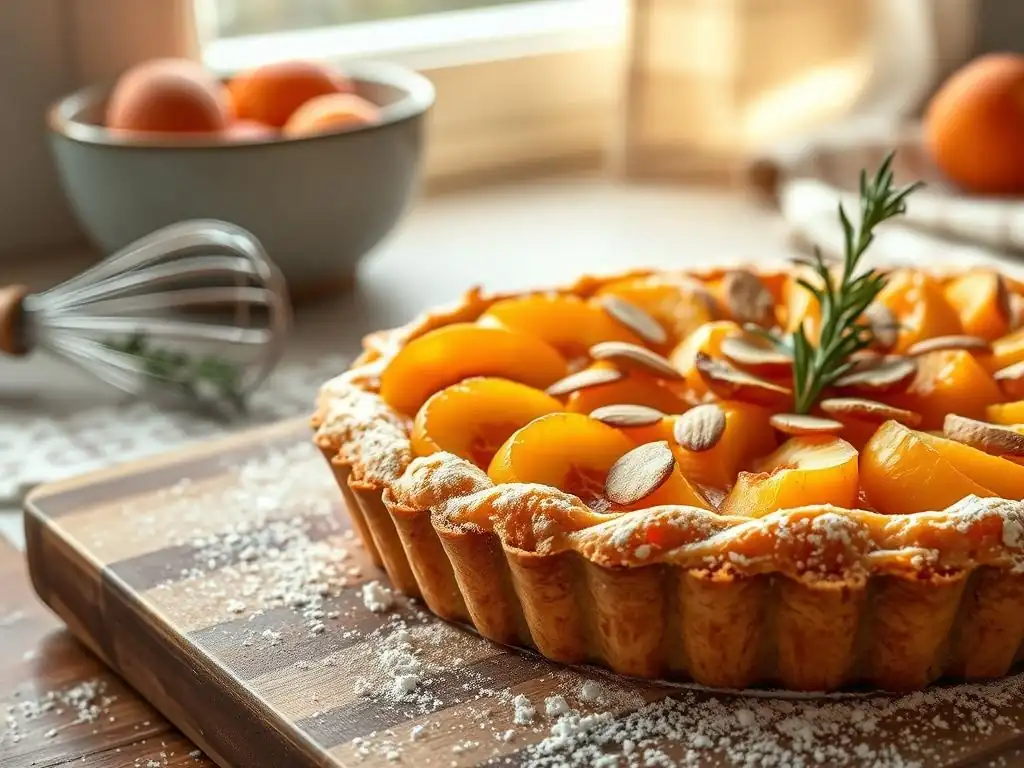
Baking is often about perfecting techniques, and a few simple tips can elevate your lemon blueberry tart from good to truly exceptional. Paying attention to details in ingredient preparation and baking methods makes a significant difference in the final result.
These tips address common challenges bakers face when making tarts and lemon fillings. Incorporating them into your process will help ensure a smooth, beautiful, and delicious outcome for your homemade lemon blueberry tart.
Achieving a Smooth and Creamy Lemon Filling
To ensure your lemon filling is perfectly smooth and creamy, start by whisking the dry ingredients (sugar, flour/cornstarch, salt) thoroughly before adding liquids. This prevents lumps. Whisking constantly while cooking over medium-low heat is crucial to prevent the eggs from scrambling and to promote even thickening.
If, despite your best efforts, you find small lumps or scrambled bits in your cooked curd, straining it through a fine-mesh sieve immediately after cooking (before adding the butter, or after, depending on preference, but typically before is easier) will remove them, resulting in a silky-smooth texture. Covering the surface of the hot curd directly with plastic wrap as it cools prevents a skin from forming, which can also affect smoothness.
Preventing the Blueberries from Sinking
Blueberries can sometimes sink to the bottom of the filling during baking, especially if the filling is too thin or the berries are very heavy. To help prevent this, ensure your lemon filling is cooked to the proper consistency – thick enough to coat the back of a spoon.
If using fresh blueberries, you can toss them lightly with a tablespoon of flour or cornstarch before adding them to the tart. The thin coating helps them suspend in the filling as it sets. If using frozen blueberries, adding them directly from the freezer onto the filling helps them retain their shape and position better as the tart bakes. Avoid overloading the tart with too many berries, as their weight can also cause them to sink.
Adding a Meringue Topping (Optional)
For an extra touch of elegance and a contrasting texture, consider adding a meringue topping to your lemon blueberry tart. A classic Italian or Swiss meringue works well as they are more stable than French meringue.
To add meringue, prepare your meringue according to a standard recipe (typically egg whites and sugar, whipped to stiff peaks). Once the tart has cooled slightly (but is still warm is fine), spread or pipe the meringue over the surface of the lemon filling, ensuring it touches the crust all around to prevent shrinkage.
You can then brown the meringue using a kitchen torch for a beautiful finish, or place the tart under a hot broiler for a minute or two, watching very carefully to prevent burning. The sweet, airy meringue provides a delightful contrast to the rich, tangy lemon curd and the soft berries.
Variations and Customizations for Your Lemon Tart
While the classic lemon and blueberry combination is undeniably delicious, this basic tart recipe provides a fantastic canvas for creative variations. Experimenting with different citrus fruits or berries can lead to exciting new flavor profiles.
Customizing your homemade lemon blueberry tart (or a variation of it) allows you to cater to personal preferences or seasonal availability. These simple swaps can transform the dessert while utilizing the same fundamental pastry and filling techniques.
Using Different Citrus: Lime or Grapefruit Variations
Instead of lemon, you can create a vibrant citrus tart using lime or grapefruit. A lime tart would offer a sharper, perhaps slightly more tropical tang. You would substitute lime juice and zest in equal amounts for the lemon. A lime blueberry tart would be particularly refreshing.
For a grapefruit variation, use fresh grapefruit juice and zest. Grapefruit curd tends to be slightly less acidic and can have a pleasant bitterness, especially pink or red varieties. You might need to adjust the sugar slightly depending on the sweetness of the grapefruit. A grapefruit and blueberry combination is less common but offers an intriguing sweet-tart dynamic. Always use fresh citrus for the best flavor, regardless of the type.
Incorporating Other Berries: Raspberry or Blackberry Variations
If blueberries aren't available or you prefer other flavors, this recipe works beautifully with raspberries or blackberries. A lemon raspberry tart is a classic pairing, with the tartness of the raspberries complementing the lemon curd perfectly. Raspberries tend to break down more during baking than blueberries, creating pockets of jammy fruit.
Blackberries offer a deeper, earthier flavor. A lemon blackberry tart would have a richer color and a lovely balance of sweet, tart, and earthy notes. Like raspberries, blackberries can release a fair amount of juice, so adding them frozen or tossing them lightly with starch can be helpful. You can also combine different berries, such as a mixed berry and lemon tart.
Making Individual Lemon and Blueberry Tartlets
This recipe can easily be adapted to make smaller, individual lemon and blueberry tartlets. Instead of a single 9-inch tart pan, use muffin tins or mini tart pans (about 3-4 inches in diameter). The quantity of dough and filling should yield approximately 8-12 tartlets, depending on the size of your pans.
The process for making tartlets is similar: roll out the dough, cut out circles to fit the smaller pans, prick, and blind bake. The blind baking time will be shorter, likely 10-15 minutes initially, then another 5-7 minutes after removing weights. Pour the lemon filling and add blueberries to each individual shell, then bake until the filling is set, which will also take less time, perhaps 15-25 minutes. Tartlets are perfect for portion control and make an elegant presentation for parties.
Storing and Serving Your Homemade Lemon and Blueberry Tart
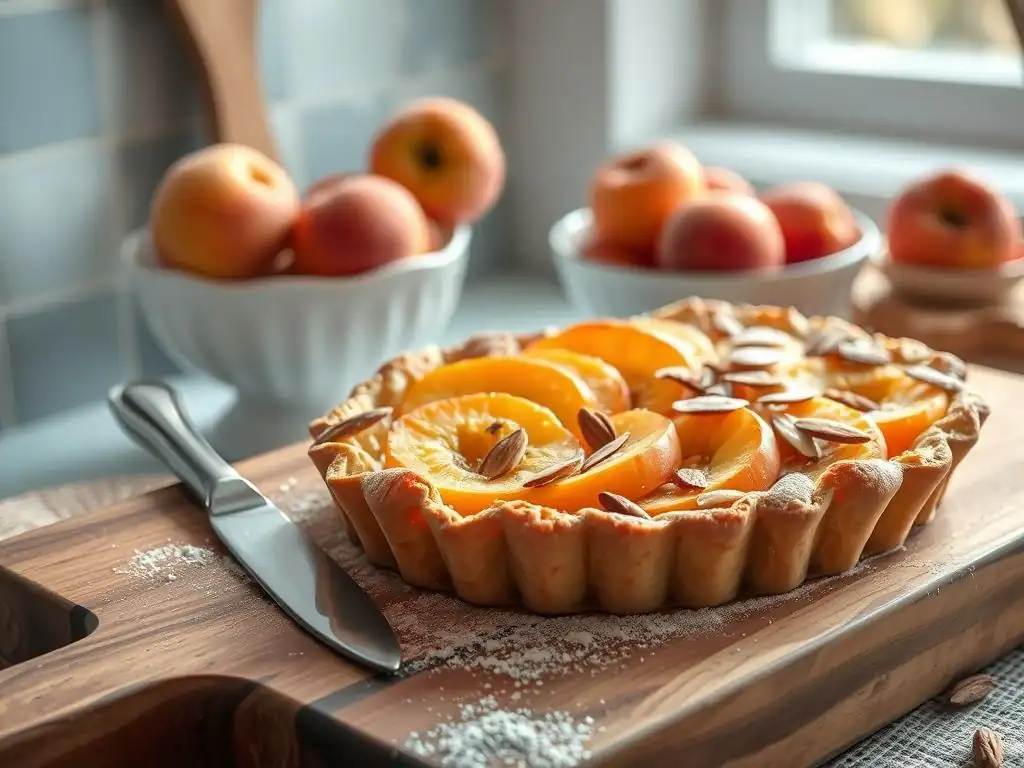
Once your beautiful lemon and blueberry tart is baked and fully cooled, proper storage is key to maintaining its freshness, texture, and flavor. Serving it correctly enhances the overall enjoyment of this delightful dessert.
Following these guidelines will ensure that each slice of your homemade lemon blueberry tart is as delicious as the first, whether you're serving it immediately or saving some for later.
How to Store Your Tart for Optimal Freshness
Due to the egg-based lemon curd filling and fresh fruit, a baked lemon and blueberry tart should be stored in the refrigerator. Once the tart has cooled completely to room temperature, cover it loosely with plastic wrap or aluminum foil. If your tart pan has a removable bottom, you can place the tart (still on its base) on a flat plate or cake stand before covering.
Stored properly in the refrigerator, the tart will keep well for 3-4 days. The crust may soften slightly over time, but the filling and berries should remain delicious. For best texture, avoid freezing the tart once it's assembled and baked, as freezing can negatively affect the texture of the curd and the crust.
Serving Suggestions: With Whipped Cream or a Dusting of Powdered Sugar
A slice of lemon and blueberry tart is wonderful on its own, but a simple accompaniment can elevate it further. A dollop of freshly whipped cream is a classic pairing. The light, airy sweetness of the cream provides a lovely contrast to the tangy lemon curd. Whip cold heavy cream with a little powdered sugar and vanilla extract until soft or medium peaks form.
Alternatively, a light dusting of powdered sugar over the top of the tart just before serving adds a touch of elegance and visual appeal. You can use a small sieve or shaker for an even distribution. Some people also enjoy serving a lemon blueberry tart with a scoop of vanilla ice cream or a berry coulis (a simple berry sauce). Serve the tart cold, directly from the refrigerator, for the best texture and flavor.
Lemon and Blueberry Tart Recipe: Printable Recipe Card
Here is a summary of the full recipe for your easy reference. This section provides the key steps and ingredients in a format suitable for quick use while baking.
- Yields: 8-10 servings
- Prep time: 45 minutes (plus chilling time)
- Bake time: 50-60 minutes total (blind bake + final bake)
### Ingredients:

**For the Crust:**
*   1 ½ cups (190g) all-purpose flour
*   ½ cup (60g) powdered sugar
*   ¼ tsp salt
*   ½ cup (113g) very cold unsalted butter, cubed
*   1 large egg yolk
*   2-3 tbsp ice water

**For the Filling:**
*   ¾ cup (150g) granulated sugar
*   ¼ cup (30g) flour or cornstarch
*   ¼ tsp salt
*   ½ cup (120ml) fresh lemon juice
*   2 large eggs
*   2 large egg yolks
*   ½ cup (113g) unsalted butter, cubed
*   1 tbsp lemon zest

**For the Topping:**
*   1 ½ - 2 cups (200-250g) blueberries (fresh or frozen)

### Instructions:

1.  **Make Crust:** Combine flour, sugar, salt. Cut in cold butter until coarse meal. Add egg yolk and ice water; mix until dough forms. Chill 30-60 mins.
2.  **Blind Bake Crust:** Roll dough, fit into 9-inch tart pan. Trim, prick bottom. Chill 15 mins. Line with parchment/foil, fill with weights. Bake at 375°F (190°C) for 15-20 mins. Remove weights/liner. Bake 5-10 mins more until light golden. Cool completely.
3.  **Make Filling:** Whisk sugar, flour/cornstarch, salt in saucepan. Whisk in lemon juice. Whisk eggs & yolks in separate bowl, then whisk into saucepan. Stir in lemon zest.
4.  **Cook Filling:** Cook over medium-low heat, stirring constantly, until thickened (170°F / 77°C). Remove from heat, whisk in butter until melted. (Optional: strain curd).
5.  **Assemble:** Pour cooled filling into cooled crust. Arrange blueberries on top.
6.  **Bake Tart:** Bake at 325-350°F (160-175°C) for 20-30 mins, until edges are set and center slightly wobbly.
7.  **Cool & Serve:** Cool on rack completely. Refrigerate 2-4 hours or overnight to set fully. Serve chilled.
Frequently Asked Questions
How easy is the Apricot and Almond Tart recipe really?
The recipe is designed to be easy for all skill levels. It uses simple ingredients and provides step-by-step instructions for a successful bake.
What are the key ingredients in the Apricot and Almond Tart?
The main ingredients are fresh apricots, almond flour, butter, sugar, and eggs. You may also need almond extract for added flavor.
Can I substitute the apricots with another fruit?
Yes, you can substitute apricots with other stone fruits like peaches or plums. Just ensure they are ripe but firm for the best results.
How long does it take to bake the Apricot and Almond Tart?
The tart typically bakes for 30-40 minutes at 350°F (175°C), or until the crust is golden brown and the filling is set. Always check for doneness.
What are some tips for making the tart crust extra flaky?
Use cold butter and ice water when making the crust. Avoid overmixing the dough to prevent gluten development, which leads to a tougher crust.
Final Reflection: The Enduring Sweetness of Simple Things
The seemingly simple act of baking an apricot and almond tart transcends mere culinary creation; it becomes a potent symbol of comfort, connection, and the enduring power of shared experiences. In a world often overwhelmed by complexity, the ease and accessibility of this recipe offer a welcome respite, a reminder that joy can be found in the simplest of pleasures. The fragrant aroma filling your kitchen, the satisfying crackle of the pastry, the burst of sweet apricot against the nutty almond – these are moments of mindful appreciation that we often overlook in our busy lives.
This recipe, for me, represents more than just a delicious dessert; it's a tangible link to cherished memories and the comforting rituals of home. It's a recipe passed down, perhaps adapted, perhaps invented, but always carrying with it the weight of shared moments and the warmth of connection. As the great Julia Child once said, Find something you're passionate about and keep tremendously interested in it.
For me, that passion is found in the simple act of baking, and sharing the results with those I love. The apricot and almond tart, in its simplicity, embodies this perfectly.
Now, I invite you to consider your own "simple sweets"—those moments, activities, or recipes that bring you joy and connect you to something larger than yourself. Perhaps it's a particular song, a cherished tradition, or a favorite family recipe. Take a moment to reflect on these simple pleasures, and allow them to nourish your soul as much as the apricot and almond tart nourishes the body. Embrace the simplicity, savor the moment, and share the sweetness with others. The world needs more moments of simple joy.
Unlock Your Inner Pastry Chef: Bake This Tart Today!
Thanks for joining us on this delicious journey into the world of apricot and almond tarts! We hope you've gained some confidence in tackling this seemingly complex, yet surprisingly simple, recipe. Now it's time to put your newfound skills to the test.
- Bake your own apricot and almond tart! This is your chance to impress yourself and loved ones with this delightful treat. Don't be afraid to experiment with different variations – maybe add a sprinkle of sea salt or a scoop of vanilla ice cream.
- Share your baking masterpiece! Snap a picture of your creation and tag us on social media – we'd love to see your delicious results!
- Explore other delightful recipes on BakeWithEase.com – perhaps try our award-winning lemon meringue pie next?
Ready to transform your kitchen into a sweet haven? What unique twist will you add to your apricot and almond tart?