
StepbyStep Guide to Creamy DairyFree Frosting Without Coconut Flavor

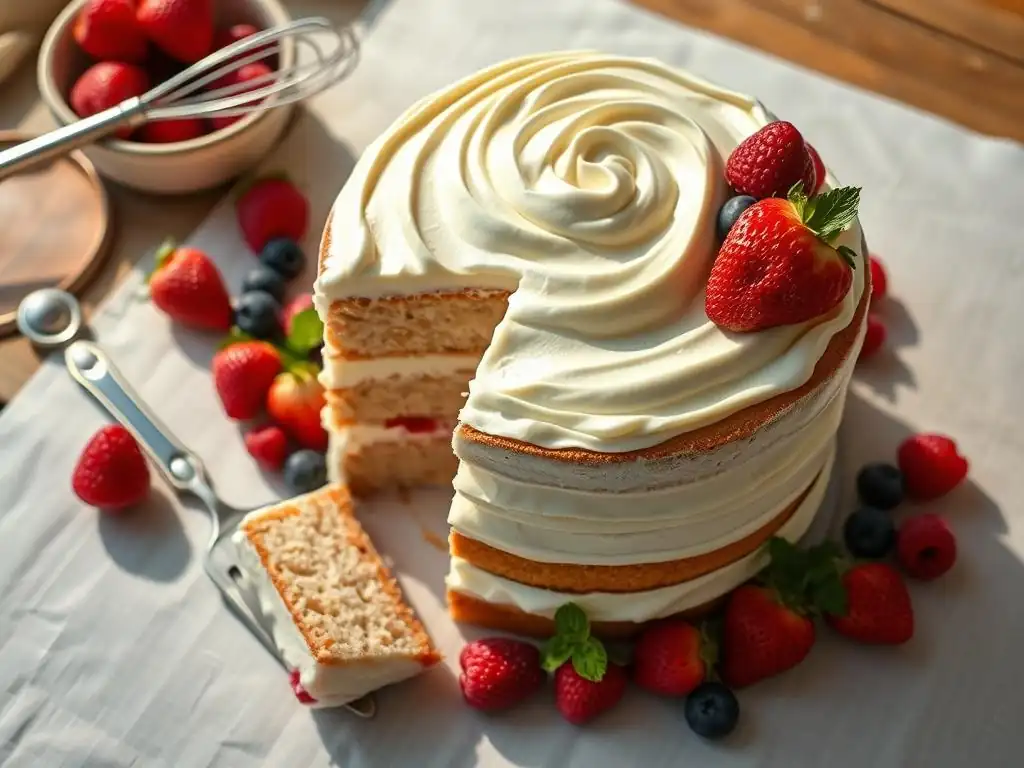
Welcome to BakeWithEase, your trusted guide to baking bliss! Ever dreamt of a luxuriously creamy frosting that's completely dairy-free and surprisingly doesn't taste like coconut? Our Step-by-Step Guide to Creamy DairyFree Frosting Without Coconut Flavor unlocks the secrets to this elusive treat, proving that allergy-friendly baking can be both delicious and accessible. Intrigued? Discover how to create this decadent delight and transform your cakes and cupcakes today!
- Step-by-Step Guide to Creamy Dairy-Free Vanilla Frosting Without Coconut Flavor
- Introduction to Dairy-Free Baking & Coconut-Free Frosting
- Gathering Your Ingredients for Coconut-Free Dairy-Free Vanilla Frosting
-
Step-by-Step: Making Your Dairy-Free, Coconut-Free Vanilla Frosting
- Step 1: Preparing the Dairy-Free Butter
- Step 2: Creaming the Dairy-Free Butter and Powdered Sugar
- Step 3: Adding the Liquid Ingredients (Vanilla Extract, Almond Milk)
- Step 4: Incorporating the Dry Ingredients (Tapioca Starch, Salt)
- Step 5: Achieving the Perfect Consistency: Tips and Tricks
- Step 6: Adjusting the Sweetness and Flavor
- Tips for Perfecting Your Dairy-Free Coconut-Free Vanilla Frosting
- Variations and Flavor Ideas for Your Dairy-Free Frosting
- Using Your Dairy-Free Coconut-Free Vanilla Frosting
- Conclusion: Enjoy Delicious, Dairy-Free Baking with Ease
- Frequently Asked Questions
- Final Reflection: Beyond the Coconut: Embracing Dairy-Free Delight
- Unlock Your Dairy-Free Baking Potential!
Step-by-Step Guide to Creamy Dairy-Free Vanilla Frosting Without Coconut Flavor
Introduction to Dairy-Free Baking & Coconut-Free Frosting
Why Dairy-Free Frosting? Understanding the Benefits
Millions of people globally navigate dietary restrictions related to dairy, whether due to allergies, lactose intolerance, or lifestyle choices such as following a vegan diet. Lactose intolerance alone is estimated to affect a significant portion of the world's population, making dairy-free alternatives essential for inclusive cooking and baking. Having a reliable recipe for dairy-free frosting means you can easily adapt classic desserts, ensuring everyone can enjoy a sweet treat without discomfort or health concerns.
Beyond necessity, mastering dairy-free baking expands your culinary horizons. It allows you to experiment with different ingredients and techniques, often resulting in surprisingly delicious outcomes. Offering a dairy-free option makes hosting easier and more welcoming, ensuring friends and family with specific needs don't feel left out. This guide provides a fantastic dairy-free coconut frosting recipe without the typical coconut flavor, opening up possibilities for traditional vanilla-flavored delights.
The Challenge: Achieving Creaminess Without Coconut
Coconut products, like coconut milk, cream, and oil, are frequently used in dairy-free frosting because of their high fat content, which helps replicate the richness and texture of dairy butter. However, while effective, coconut often imparts a distinct flavor that isn't always desired, especially when aiming for a pure vanilla, chocolate, or other non-tropical taste profile. Many bakers find themselves searching for a dairy-free coconut frosting recipe alternative that delivers on texture without the tropical hint.
Replicating the smooth, stable, and creamy texture of traditional buttercream using alternative fats can be tricky. Some plant-based fats can result in a greasy mouthfeel, a grainy texture, or a frosting that lacks structure and melts too easily. Finding the right balance of fat, liquid, and sweetener, along as a stabilizer, is key to achieving a truly satisfying coconut-free frosting.
A Simple Solution: A Delicious Dairy-Free Vanilla Frosting
Fortunately, achieving a rich and creamy dairy-free vanilla frosting that is also coconut-free is entirely possible with the right approach. This recipe focuses on using readily available ingredients designed to mimic the properties of dairy butter and powdered sugar, incorporating a simple stabilizer to ensure a perfect consistency. The result is a smooth, spreadable, and even pipeable frosting that tastes purely of sweet vanilla, ideal for a wide range of baked goods.
This guide provides a straightforward, step-by-step method that demystifies making dairy-free frosting without relying on coconut. By understanding the role of each ingredient and following simple techniques, you can confidently create a beautiful and delicious frosting that will impress everyone, regardless of dietary needs. Say goodbye to unwanted coconut flavor and hello to classic vanilla perfection!
Gathering Your Ingredients for Coconut-Free Dairy-Free Vanilla Frosting
Essential Ingredients for a Smooth & Stable Frosting
To create this delightful dairy-free vanilla frosting, you'll need a few core components. The foundation is a high-quality dairy-free butter alternative, specifically one designed for baking, combined with a significant amount of powdered sugar (also known as confectioners' sugar). You'll also need a small amount of unsweetened plant-based milk, pure vanilla extract for flavor, a pinch of salt to balance the sweetness, and a touch of starch, like tapioca starch or cornstarch, which acts as a crucial stabilizer in this dairy-free coconut frosting recipe variation.
Each ingredient plays a vital role. The dairy-free butter provides the necessary fat for richness and structure. Powdered sugar not only sweetens but its fine texture and added starch help create body. Plant milk adjusts the consistency, vanilla adds the signature flavor, salt enhances all the other tastes, and the added starch ensures the frosting remains stable, creamy, and doesn't separate, a common issue in dairy-free frosting without dairy proteins.
Dairy-Free Butter Alternatives: Choosing the Right One
The success of your dairy-free vanilla frosting heavily depends on the quality and type of dairy-free butter alternative you choose. Look for stick-style plant-based butters rather than spreadable versions in tubs. Sticks typically have a higher fat content, often around 70-80%, similar to dairy butter, and less water, which is essential for a firm, stable frosting. Brands formulated specifically for baking are usually the best candidates.
Avoid alternatives that are primarily oil-based liquids or have a very soft consistency at room temperature, as they may result in a greasy or runny frosting. Ingredient lists that feature a blend of oils (like palm, shea, or sunflower) along with emulsifiers tend to perform well. Experimentation with a few different brands might be necessary to find your favorite, but selecting a firm, high-fat stick is the critical first step for this dairy-free coconut frosting recipe alternative.
Sweetener Options: Finding the Perfect Sweetness Balance
For a classic buttercream texture, powdered sugar (confectioners' sugar) is the standard sweetener for this dairy-free vanilla frosting. Its superfine texture dissolves easily and contributes significantly to the frosting's structure and consistency. Most commercial powdered sugars also contain a small amount of cornstarch, which further aids in stabilizing the frosting. Granulated sugar will not work as it will result in a grainy texture.
While powdered sugar is the primary sweetener for this recipe, it is technically possible to use liquid sweeteners like maple syrup or agave nectar in dairy-free frosting. However, these will drastically change the texture, requiring significant adjustments to the other ingredients to achieve a frosting-like consistency. For this straightforward coconut-free frosting, sticking to powdered sugar is recommended for consistent, reliable results.
Other Key Ingredients: Vanilla Extract, Salt, Tapioca Starch
Pure vanilla extract is indispensable for creating a true dairy-free vanilla frosting. Opt for a high-quality extract for the best, most authentic flavor. The amount used can be adjusted slightly based on personal preference, but typically one to two teaspoons per batch provides a lovely vanilla note that isn't overpowering.
A small pinch of salt is crucial. It doesn't make the frosting salty, but rather enhances the sweetness and other flavors, creating a more balanced taste profile. Finally, the addition of tapioca starch (or cornstarch) is a simple but effective trick for achieving a stable, non-separating dairy-free frosting without coconut. Just a tablespoon or two helps bind the ingredients and provides a wonderfully smooth texture, preventing the frosting from becoming oily or weeping over time.
Step-by-Step: Making Your Dairy-Free, Coconut-Free Vanilla Frosting
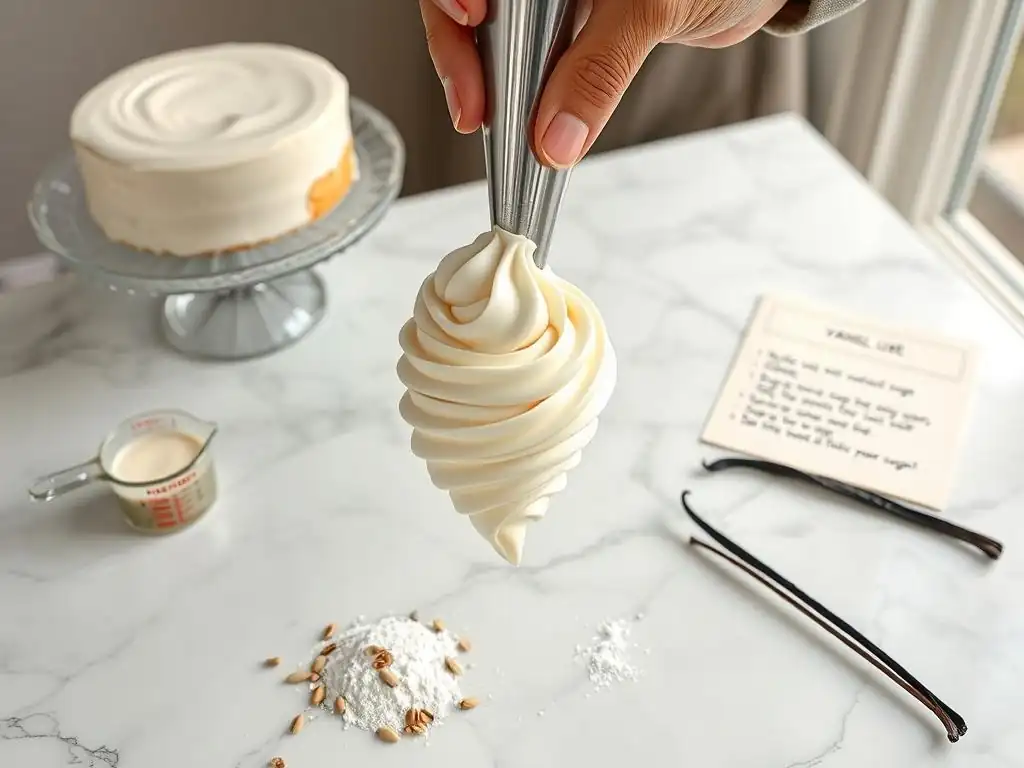
Step 1: Preparing the Dairy-Free Butter
Begin by ensuring your dairy-free butter alternative is at the correct temperature: softened, but not melted. This is arguably the most critical step for preventing a lumpy or greasy frosting. Softened butter should yield slightly when gently pressed with a finger but still hold its shape. Depending on your room temperature, this might take 30 minutes to an hour after taking it out of the refrigerator.
If you forget to take it out in advance, you can carefully microwave it for just a few seconds (think 5-10 seconds at a time) or cut it into smaller pieces to speed up the softening process. Avoid any visible melting, as this will negatively impact the frosting's texture and stability. Properly softened butter is key to a smooth, creamy dairy-free vanilla frosting.
Step 2: Creaming the Dairy-Free Butter and Powdered Sugar
Place the softened dairy-free butter in a large mixing bowl or the bowl of a stand mixer fitted with the paddle attachment. Beat the butter on medium speed for about a minute until it is smooth and creamy. Then, begin adding the powdered sugar gradually. It's best to add it one cup at a time, mixing on low speed until each addition is just incorporated into the butter before adding the next.
Adding the sugar slowly prevents a cloud of sugar from forming and ensures it is properly mixed in. Once all the powdered sugar has been added, the mixture will be quite thick and may look a little dry or crumbly. Don't worry; the next steps will transform it into a smooth dairy-free frosting.
Step 3: Adding the Liquid Ingredients (Vanilla Extract, Almond Milk)
Now it's time to add the flavor and adjust the consistency. Pour in the pure vanilla extract. Then, start adding the unsweetened plant-based milk (such as almond, soy, or oat milk). It's crucial to add the milk slowly, one tablespoon at a time, mixing well after each addition. The amount of milk needed will vary depending on the specific dairy-free butter used and the desired consistency.
Start with perhaps 2-3 tablespoons and mix thoroughly. Assess the consistency – is it coming together? Is it starting to look like frosting? Continue adding milk, a tablespoon at a time, until the mixture is smooth and reaches a spreadable consistency. For a firmer, pipeable dairy-free coconut-free vanilla frosting, you'll use less milk than for a softer, spreadable one.
Step 4: Incorporating the Dry Ingredients (Tapioca Starch, Salt)
With the liquid incorporated and the frosting starting to take shape, add the tapioca starch (or cornstarch) and the pinch of salt. These dry ingredients should be added directly to the mixing bowl.
Mix on low speed just until the starch and salt are evenly distributed throughout the frosting. Avoid overmixing after adding the starch. The starch will help stabilize the dairy-free frosting and improve its texture, ensuring it doesn't become oily or separate, which can sometimes happen with dairy-free coconut frosting recipe variations that lack a stabilizer.
Step 5: Achieving the Perfect Consistency: Tips and Tricks
Once all ingredients are added, increase the mixer speed to medium-high and beat the frosting for 2-3 minutes. This step is key to achieving a light, airy, and smooth texture. The frosting should become noticeably creamier and fluffier as air is incorporated. Scrape down the sides and bottom of the bowl occasionally to ensure everything is evenly mixed.
If the frosting is too thick after beating, add another teaspoon of plant milk and mix briefly. If it's too thin, add a tablespoon or two more of powdered sugar and mix until incorporated. Remember that the frosting will firm up slightly when chilled. Aim for a consistency that is easy to spread or pipe as desired.
Step 6: Adjusting the Sweetness and Flavor
Before declaring your dairy-free vanilla frosting complete, always give it a taste test! Sweetness preferences vary greatly from person to person. Take a small spoonful and check if it's to your liking.
If it's not sweet enough, you can mix in a little more powdered sugar (which will also thicken it slightly). If it's too sweet, a tiny pinch more salt can help balance it out, or you can add a splash more vanilla extract for a stronger vanilla flavor. Make small adjustments, mix briefly, and taste again until you achieve the perfect flavor profile for your dairy-free coconut-free vanilla frosting.
Tips for Perfecting Your Dairy-Free Coconut-Free Vanilla Frosting
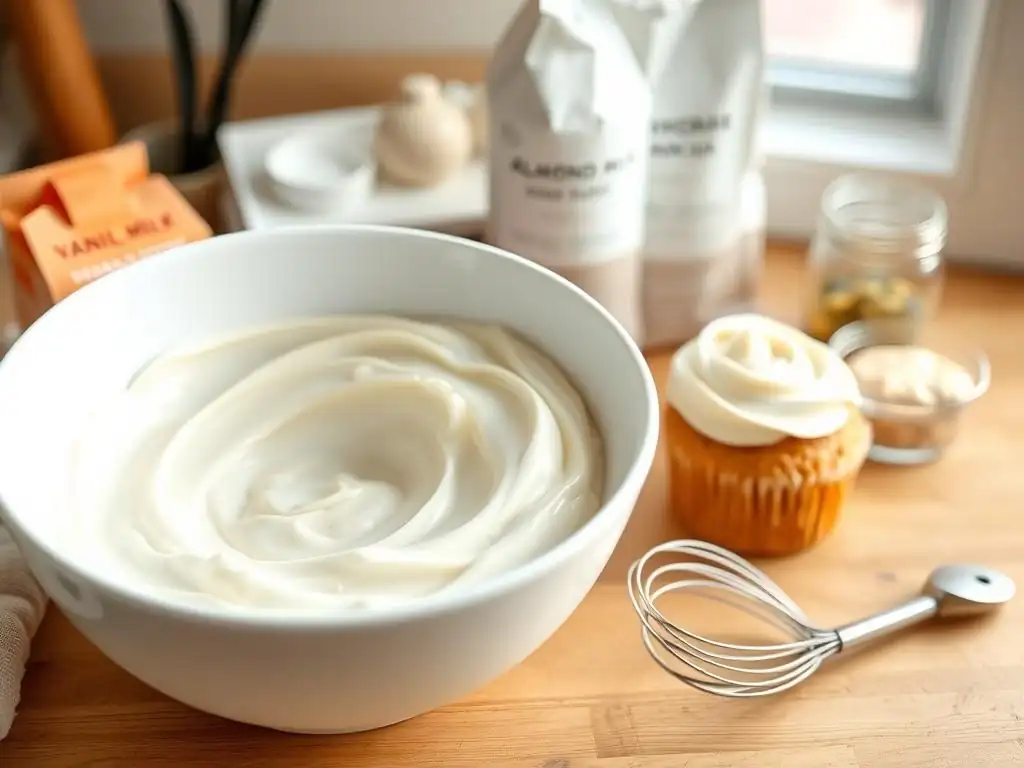
Avoiding Common Mistakes in Dairy-Free Frosting
Several common pitfalls can affect the outcome of dairy-free frosting. Using dairy-free butter that is too cold will result in a lumpy frosting that's difficult to make smooth. Conversely, using melted butter will lead to a greasy, runny mess that lacks structure. Not sifting your powdered sugar can introduce lumps that are hard to beat out.
Another frequent error is adding too much liquid (plant milk) at once. This is the fastest way to turn frosting into a glaze. Always add liquid a tablespoon or less at a time, especially when you're nearing the desired consistency. Patience and attention to ingredient temperature are key to a smooth, stable dairy-free vanilla frosting.
Troubleshooting: Fixing Lumpy or Runny Frosting
If your dairy-free frosting turns out lumpy, it's likely due to cold butter or unsifted sugar. Try gently warming the bowl over a warm water bath for a few seconds (don't melt the butter! ), then beat again vigorously. If the lumps are from sugar, pushing the frosting through a fine-mesh sieve can help, though this is labor-intensive.
For runny frosting, the solution is usually to add more powdered sugar. Add it a few tablespoons at a time, beating well after each addition, until the frosting thickens. Chilling the frosting in the refrigerator for 20-30 minutes can also help it firm up, especially if it's only slightly too soft. A combination of adding sugar and chilling often fixes a runny dairy-free coconut-free vanilla frosting.
Achieving a Pipeable Consistency: The Secret
A pipeable dairy-free frosting needs to be firmer and hold its shape better than frosting simply meant for spreading. The "secret" is often twofold: using slightly less liquid than you would for a spreadable frosting, and chilling. Once you've mixed your frosting to a consistency that seems just a little too firm for spreading but not quite pipeable, cover the bowl and refrigerate it for 15-30 minutes.
The chilling process firms up the fat in the dairy-free butter, giving the frosting more structure. Before piping, give the chilled frosting a quick whip with your mixer for about 30 seconds to make it smooth again. This chilled and slightly firmer consistency is perfect for holding decorative shapes when piped onto cakes or cupcakes, making your dairy-free vanilla frosting look as good as it tastes.
Variations and Flavor Ideas for Your Dairy-Free Frosting
Chocolate Dairy-Free Frosting (Coconut-Free)
Transforming your dairy-free vanilla frosting into a rich chocolate version is simple. Once you've completed Step 4 (incorporating dry ingredients), sift in about 1/2 to 3/4 cup of unsweetened cocoa powder, depending on how intense you want the chocolate flavor. Mix on low speed until the cocoa powder is fully incorporated.
Cocoa powder is dry and can make the frosting thicker, so you might need to add a tablespoon or two of additional plant milk to achieve the desired consistency, following the guidance in Step 5. Beat on medium-high speed for a couple of minutes to ensure it's smooth and fluffy. This yields a delicious dairy-free coconut frosting recipe for chocolate lovers.
Lemon Dairy-Free Frosting (Coconut-Free)
For a bright, citrusy alternative, add the zest of one or two lemons to your dairy-free vanilla frosting along with the vanilla extract in Step 3. Lemon zest contains the oils that provide intense lemon flavor without adding much liquid.
You can also add a tablespoon or two of fresh lemon juice for extra tang, but be mindful that acidic liquids can sometimes affect the texture of dairy-free frosting. If adding juice, reduce the amount of plant milk accordingly. Mix well until the lemon flavor is evenly distributed throughout the coconut-free frosting.
Berry Dairy-Free Frosting
Adding berry flavor to dairy-free frosting can be tricky due to the moisture content of fresh or frozen berries. A fantastic way to achieve vibrant color and flavor without compromising texture is to use freeze-dried berry powder. Crush freeze-dried strawberries, raspberries, or blueberries into a fine powder and add 2-4 tablespoons along with the powdered sugar in Step 2.
Alternatively, you can use a very small amount (1-2 tablespoons) of thick berry puree or jam, added in Step 3, but be prepared to potentially add extra powdered sugar in Step 5 to correct the consistency. Using powder is generally easier for maintaining a stable dairy-free coconut-free vanilla frosting.
Coffee Dairy-Free Frosting
Coffee and vanilla make a wonderful pairing! To create a coffee-flavored dairy-free frosting, dissolve 1-2 teaspoons of instant coffee granules or espresso powder in the small amount of plant milk you will be using in Step 3 before adding it to the butter and sugar mixture.
Mix as directed in the steps. The dissolved coffee will infuse the entire batch with a lovely coffee flavor, resulting in a delicious variation of your dairy-free vanilla frosting that's perfect for chocolate or coffee-flavored cakes and cupcakes.
Using Your Dairy-Free Coconut-Free Vanilla Frosting
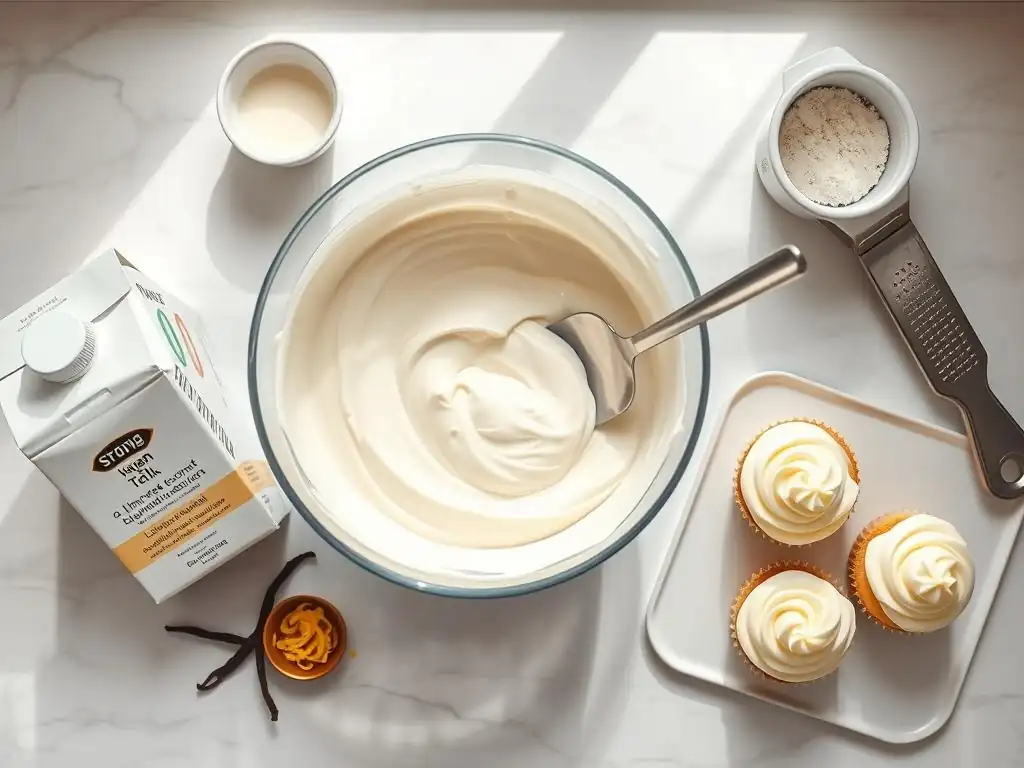
Once your dairy-free vanilla frosting is ready, it's time for the fun part – decorating! Ensure your baked goods are completely cooled before applying the frosting. Warm cakes or cookies will melt the frosting, causing it to slide off. You can use an offset spatula to spread the frosting smoothly over cakes or cookies.
For cupcakes or more decorative finishes, transfer the frosting to a piping bag fitted with your desired nozzle. The consistency achieved with this dairy-free coconut frosting recipe alternative is excellent for piping swirls, rosettes, or other designs. A standard batch of this frosting is typically enough to generously frost a dozen cupcakes or an 8-inch round cake.
Pairing Suggestions: What to Bake with This Frosting
This versatile dairy-free coconut-free vanilla frosting pairs wonderfully with a variety of baked goods. It's the perfect complement to a classic dairy-free vanilla cake or vanilla cupcakes, creating a beloved flavor combination. It also works beautifully with chocolate cake or cupcakes, providing a lovely contrast.
Consider using it on sugar cookies, spice cake, or even as a filling for sandwich cookies. If you're making a dairy-free red velvet cake, this frosting is the traditional pairing. Its clean vanilla flavor doesn't compete with other tastes, making it a go-to for many different dairy-free baking projects.
Storage Instructions for Dairy-Free Frosting
Proper storage ensures your delicious dairy-free vanilla frosting stays fresh and ready to use. Store any leftover frosting in an airtight container in the refrigerator.
When stored correctly, this dairy-free frosting typically lasts for 3 to 5 days in the fridge. When you're ready to use it again, remove it from the refrigerator and let it come back to room temperature for 30-60 minutes. It will be quite firm straight from the fridge. Once softened slightly, give it a quick whip with a spoon or mixer for about 30 seconds to restore its creamy texture before using.
Conclusion: Enjoy Delicious, Dairy-Free Baking with Ease
Mastering the Art of Dairy-Free Frosting Without Coconut Flavor
Creating a delicious, creamy dairy-free frosting that is also coconut-free is a valuable skill for any baker navigating dietary needs or preferences. This step-by-step guide provides a reliable dairy-free coconut frosting recipe alternative that delivers fantastic results without the overpowering taste of coconut often found in other recipes. By understanding the role of key ingredients like dairy-free butter alternatives, powdered sugar, and a simple starch stabilizer, you can achieve a smooth, stable, and flavorful vanilla frosting every time.
No longer do you have to compromise on taste or texture when baking dairy-free. This recipe opens up a world of possibilities for classic vanilla treats and serves as a versatile base for numerous other flavors. Mastering this technique means you can confidently whip up beautiful and delicious frosted cakes, cupcakes, and cookies that everyone can enjoy, regardless of whether they need a dairy-free coconut-free vanilla frosting.
Now that you have the tools to create incredible dairy-free vanilla frosting without coconut flavor, it's time to get baking! Enjoy the process of whipping up this simple yet effective recipe and the satisfaction of frosting your favorite dairy-free baked goods.
Baking and sharing delicious treats is one of life's simple pleasures. With this reliable dairy-free coconut frosting recipe alternative in your repertoire, you can easily share your creations with everyone, ensuring that dietary needs are met with deliciousness and ease. Happy baking!
Frequently Asked Questions
What makes this frosting dairy-free?
This frosting achieves its dairy-free status by using plant-based alternatives like vegan butter or shortening and dairy-free milk. The recipe avoids traditional dairy products like butter, cream, or milk.
Can I really make a creamy frosting without any dairy?
Yes! Using the right dairy-free ingredients and techniques allows you to create a rich, creamy frosting that tastes just as good as traditional frosting. It's all about finding the right balance.
Does this recipe taste like coconut since it's a dairy-free option?
No, this recipe is specifically designed to be dairy-free without a coconut flavor. We use ingredients and techniques to mask any potential coconut taste from certain substitutes.
What kind of cakes or cupcakes does this frosting pair well with?
This versatile dairy-free frosting complements a wide range of baked goods, including chocolate cake, vanilla cupcakes, red velvet cake, and even some fruit-based cakes. Its neutral flavor makes it a great all-purpose option.
What if I want to add some flavor to this dairy-free frosting?
Feel free to experiment with extracts like vanilla, almond, or lemon. You can also incorporate fruit purees, cocoa powder, or even a pinch of spices for added depth and complexity.
Final Reflection: Beyond the Coconut: Embracing Dairy-Free Delight
The quest for a delicious, creamy dairy-free frosting that avoids the ubiquitous coconut flavor is a journey many undertake, and its relevance today is undeniable. The growing demand for plant-based alternatives reflects a broader shift in dietary preferences and ethical considerations, highlighting the importance of accessible and enjoyable recipes for everyone. This isn't just about avoiding allergens; it's about expanding culinary horizons and embracing inclusivity.
Creating this recipe felt deeply personal; I wanted to prove that dairy-free baking could be just as rich and satisfying without relying on a single dominant flavor. The best things in life are simple,
a phrase often used, but in this case, it's about finding simple ingredients that deliver complex flavor profiles. The process of developing this recipe, of experimenting with different combinations and techniques, underscored the creativity and ingenuity possible within the realm of plant-based cooking. It's a testament to the power of experimentation and the joy of discovering new culinary possibilities.
Now, I invite you to take this recipe and make it your own. Experiment with different extracts, spices, or even fruit purees to personalize your frosting. Don't be afraid to adjust the sweetness or consistency to your liking. This recipe is a starting point, a foundation upon which you can build your own dairy-free baking masterpieces. Embrace the freedom of flavor, the satisfaction of creating something delicious and inclusive, and the joy of sharing it with others. Let this be the beginning of your own dairy-free culinary adventure!
Unlock Your Dairy-Free Baking Potential!
Thanks for taking the time to explore this dairy-free frosting recipe! We hope you gained some valuable tips and tricks for creating deliciously creamy, coconut-free sweetness. Ready to take your baking to the next level?
- Try the recipe today! Let us know how it turns out – we'd love to see your creations!
- Share your frosting masterpiece on social media using #BakeWithEaseDairyFree. Let's inspire other bakers!
- Experiment with different flavor extracts or additions to personalize your frosting. What unique flavor combination will you create?
What exciting dairy-free dessert will you frost first?