
Bring the Tandoor Home: Easy Naan Bread Recipe Without a Special Oven

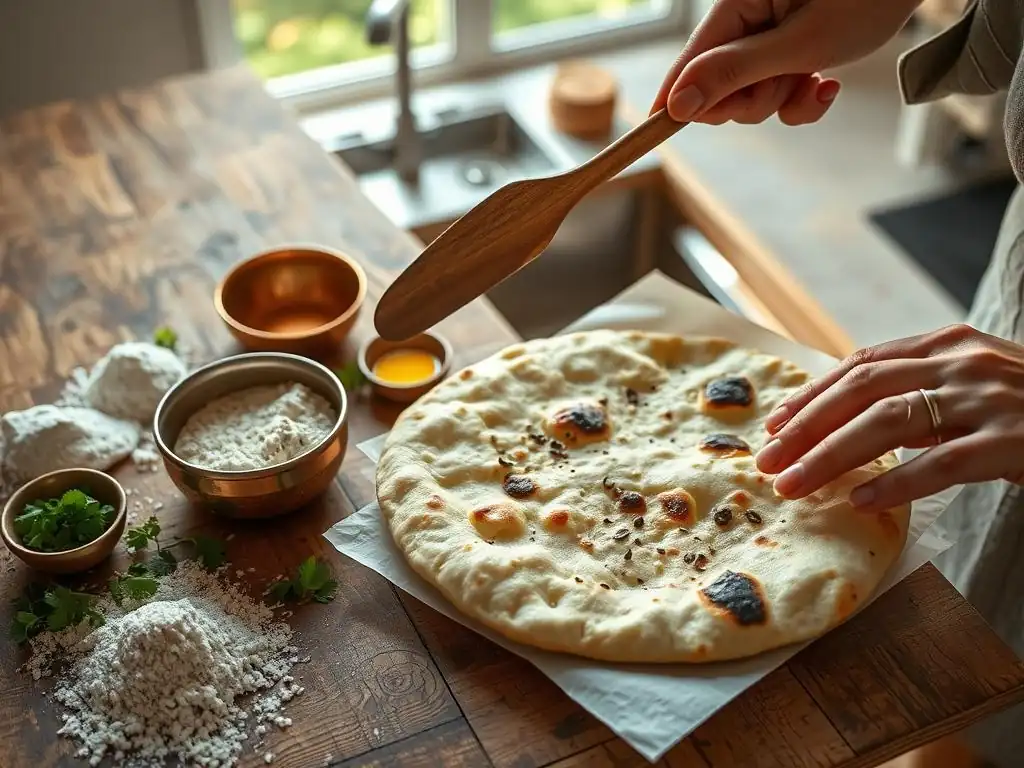
Welcome to BakeWithEase, your guide to unlocking the joy of homemade goodness! Ever dream of perfectly pillowy, blistered naan bread, but thought you needed a tandoor oven? Think again. Dive into our article and discover an easy naan bread recipe home that brings the authentic taste of India to your kitchen, no special equipment required. Intrigued? Let's get baking!
- Bake Delicious Naan at Home: A Simple Recipe for Beginners
- Understanding Naan Bread: Origins and Traditional Baking
- The Secret to Easy Homemade Naan: No Tandoor Required
- Step-by-Step: Easy Naan Bread Recipe Home
- Tips and Tricks for Baking Perfect Naan Bread at Home
- Serving Suggestions: Enjoying Your Homemade Naan Bread
- Mastering Naan: From Beginner to Expert Baker
- Frequently Asked Questions
- Final Reflection: The Humble Naan and the Global Kitchen
- Unleash Your Inner Naan Baker!
Bake Delicious Naan at Home: A Simple Recipe for Beginners
Embarking on the journey of baking naan bread at home might seem daunting, especially when you picture the traditional tandoor oven. However, achieving that soft, slightly chewy texture with those signature blisters is absolutely possible in a standard home kitchen. This guide provides an easy naan bread recipe designed specifically for home bakers, proving that you don't need specialized equipment to enjoy freshly made, authentic-tasting naan. We'll walk you through each step, from mixing the dough to cooking it on your stovetop, making this a truly accessible project for anyone eager to experience the joy of homemade flatbreads.
Our focus is on simplifying the process while retaining the essential characteristics that make naan so beloved. This easy naan bread recipe home edition is perfect for beginners looking to expand their baking repertoire beyond cakes and cookies. By following these steps, you're not just making bread; you're bringing a piece of culinary history into your kitchen and discovering how satisfying it is to pull warm, fragrant naan straight from your pan. Get ready to impress yourself and your loved ones with this surprisingly simple yet incredibly rewarding baking endeavor.
Understanding Naan Bread: Origins and Traditional Baking
What is Naan Bread? A Brief History
Naan is a leavened, oven-baked flatbread found in the cuisines of West Asia, South Asia, and the Caribbean. Its origins can be traced back thousands of years, with early forms potentially appearing in ancient Persia. The word "naan" itself derives from the Persian word for bread.
Over centuries, it spread across regions, becoming a staple in countries like India, Pakistan, Afghanistan, Iran, and Uzbekistan, adapting to local ingredients and culinary traditions along the way. Historical records from the Mughal era in India (roughly 16th to 19th centuries) specifically mention naan being served in the royal court, highlighting its long-standing status as a favored bread.
Traditionally, naan is made with white flour, yeast, and yogurt or milk, which gives it a softer texture compared to other flatbreads like roti. The use of dairy helps create a tender crumb and adds a subtle richness.
While variations exist, the fundamental process involves forming a soft dough, allowing it to rise, and then baking it at high heat. This historical context provides a fascinating backdrop to understanding why naan has such a unique texture and flavor profile, setting the stage for our easy naan bread recipe home version that aims to capture these qualities without the traditional setup.
The Traditional Tandoor Oven and Naan
The distinctive texture and appearance of authentic naan are largely due to its traditional baking method: the tandoor oven. A tandoor is a cylindrical clay or metal oven, typically heated by charcoal or wood fire to very high temperatures, often exceeding 900°F (approximately 480°C). The dough is slapped onto the inside wall of the hot oven, where it quickly puffs up and develops those characteristic dark blisters. The intense, radiant heat from the clay walls cooks the bread rapidly, resulting in a soft, airy interior and a slightly crisp, chewy exterior.
The high heat and unique cooking environment of the tandoor are challenging to replicate perfectly in a standard home oven or stovetop. However, the goal of an easy naan bread recipe home adaptation is to mimic these conditions as closely as possible using accessible equipment. While you might not get the exact char of a tandoor, techniques like using a screaming hot skillet or oven stone can achieve a surprisingly similar result, allowing you to enjoy delicious, freshly baked naan without needing a specialized clay oven in your backyard.
The Secret to Easy Homemade Naan: No Tandoor Required
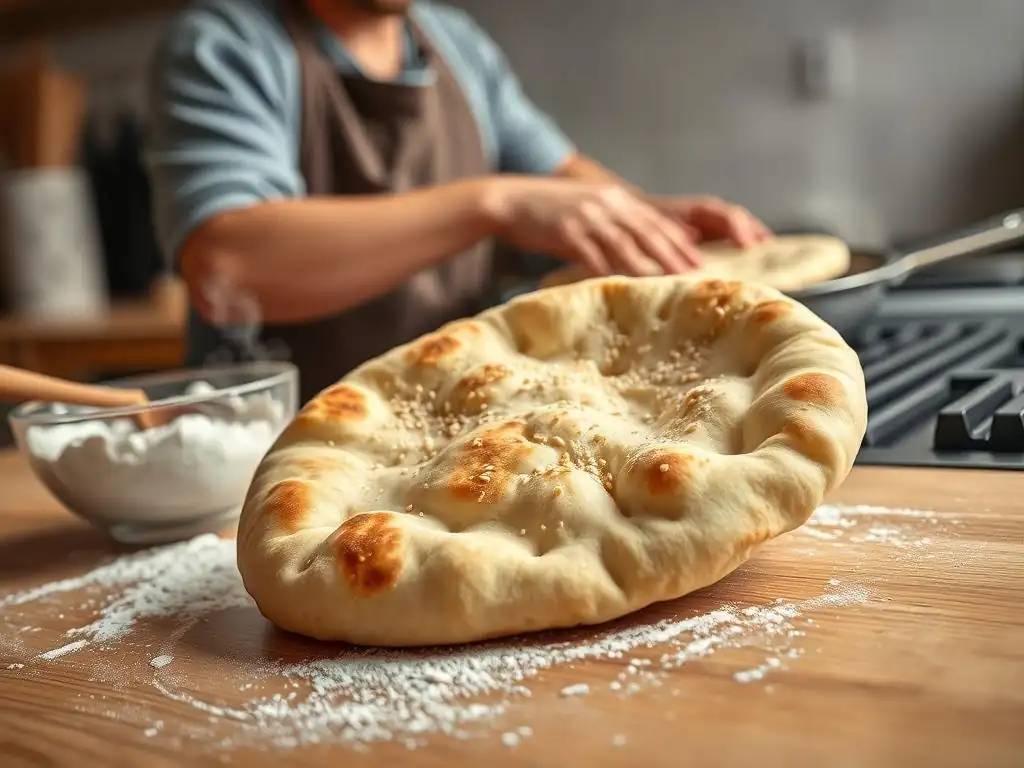
Achieving Authentic Naan Texture Without Special Equipment
The key to making authentic-tasting naan at home without a tandoor lies in replicating the high-heat environment. While a tandoor reaches extreme temperatures and cooks the bread vertically against a clay wall, a standard home oven or stovetop can be preheated to its maximum temperature to achieve a similar effect. Using a cast-iron skillet, a heavy-bottomed pan, or a pizza stone in a preheated oven are effective methods. These tools retain heat exceptionally well, providing the intense, direct heat needed to cook the naan quickly, causing it to puff up and develop desirable blisters.
The rapid cooking is crucial. When the dough hits the hot surface, the moisture within turns to steam, creating pockets of air and causing the bread to balloon. This process, known as oven spring (or in this case, pan spring! ), is what gives naan its characteristic airy texture. By preheating your pan or stone thoroughly – often for 20-30 minutes at high heat – you create a surface hot enough to mimic the initial intense heat of a tandoor wall, making an easy naan bread recipe home version achievable and delicious.
Key Ingredients for the Perfect Naan Bread Recipe
An easy naan bread recipe home requires a few key ingredients to achieve that classic soft and slightly tangy flavor. All-purpose flour is the standard base, providing the structure for the dough. Active dry yeast or instant yeast is essential for leavening, giving the naan its soft, airy texture. Sugar acts as food for the yeast, aiding in fermentation and contributing to browning. Salt balances the flavors.
One of the most important ingredients is plain yogurt or milk. Yogurt, in particular, adds moisture, tenderness, and a slight tanginess that is characteristic of traditional naan. Using full-fat yogurt often yields the most tender results. A little oil or melted butter can also be incorporated into the dough to further enhance softness and flavor. Ensuring your yeast is active and your dairy is fresh are simple steps that significantly impact the success of your easy naan bread recipe, contributing to a perfectly soft and pliable final product.
Step-by-Step: Easy Naan Bread Recipe Home
Step 1: Preparing the Dough - Mixing and Kneading
Begin your easy naan bread recipe home journey by activating the yeast. In a small bowl, combine warm water (around 105-115°F or 40-46°C), a pinch of sugar, and the yeast. Let it sit for 5-10 minutes until foamy. This confirms your yeast is active. In a large mixing bowl, whisk together the flour and salt. Create a well in the center. Pour in the activated yeast mixture, yogurt (or milk), and a tablespoon of oil or melted butter.
Using a spoon or your hands, mix everything together until a shaggy dough forms. Turn the dough out onto a lightly floured surface. Knead the dough for about 5-8 minutes. The dough should start sticky but become smooth, elastic, and less sticky as you knead. Avoid adding too much extra flour; a slightly tacky dough is desirable. Proper kneading develops the gluten, which is crucial for the naan's structure and chewiness, making this step vital for a successful easy naan bread recipe.
Step 2: First Rise - Allowing the Dough to Proof
After kneading, shape the dough into a ball. Lightly oil a clean bowl and place the dough inside, turning it to coat. Cover the bowl tightly with plastic wrap or a damp kitchen towel. Place the bowl in a warm spot, away from drafts, for the first rise. This process, known as proofing, allows the yeast to ferment, producing carbon dioxide gas that makes the dough expand.
The dough should double in size, which typically takes about 1 to 1.5 hours, depending on the temperature of your kitchen. A warmer environment, around 75-80°F (24-27°C), will speed up the rise. You can even place the bowl in a slightly warm, turned-off oven. This crucial step ensures the naan will be light and airy when cooked, a hallmark of a great easy naan bread recipe home-style bake.
Step 3: Shaping the Naan Bread
Once the dough has doubled, gently punch it down to release the air. Turn the dough out onto a lightly floured surface. Divide the dough into equal portions. For standard-sized naan, dividing it into 6-8 pieces is common, resulting in roughly 60-80 gram pieces. Roll each piece into a smooth ball. Cover the dough balls with a clean kitchen towel and let them rest for 10-15 minutes. This resting period allows the gluten to relax, making the dough easier to roll out.
After resting, take one dough ball at a time and flatten it with your hands or a rolling pin. Shape it into an oval or tear-drop shape, about 6-8 inches long and ¼ inch thick. Don't worry if the shape isn't perfectly uniform; the rustic, irregular shape is part of naan's charm. Shaping them thinly enough is key for quick cooking and achieving the signature blisters in this easy naan bread recipe home method.
Step 4: Cooking Naan on the Stovetop: The Skillet Method

This is where the magic happens in your easy naan bread recipe home adaptation. Heat a heavy-bottomed skillet, preferably cast iron, over medium-high to high heat. Let the skillet heat up for at least 5-10 minutes until it's very hot; you can test this by flicking a drop of water – it should sizzle and evaporate instantly. Do not add any oil to the pan at this stage.
Carefully place one shaped naan dough into the hot, dry skillet. Bubbles will start to appear on the surface within 30-60 seconds. Once the bottom is lightly browned and charred in spots, flip the naan using tongs. Cook the second side for another 1-2 minutes until it's also cooked through and has developed more blisters and color. The high heat cooks the bread quickly and effectively replicates the tandoor's searing heat.
Step 5: Adding Flavor: Garlic, Butter, and More
As soon as the naan is cooked and removed from the skillet, brush it generously with melted butter or ghee. This adds richness and keeps the naan soft. For classic garlic naan, stir minced fresh garlic into the melted butter before brushing. The heat of the naan will gently cook the garlic, releasing its aroma.
You can also sprinkle fresh chopped cilantro or parsley over the buttered naan for added flavor and freshness. Other popular variations include kalonji (nigella) seeds, sesame seeds, or even a sprinkle of red chili flakes for a touch of heat. Adding these finishing touches immediately after cooking ensures they adhere well and the flavors meld into the warm bread, completing your delicious easy naan bread recipe home creation.
Tips and Tricks for Baking Perfect Naan Bread at Home
Troubleshooting Common Naan Bread Issues
Even with an easy naan bread recipe home-style, you might encounter a few challenges. If your naan isn't puffing up, it could be due to inactive yeast (ensure your water is the right temperature and the yeast is fresh) or not enough gluten development (knead the dough adequately). Another common issue is the skillet not being hot enough; patience is key here, let that pan heat up properly before adding the dough.
If your naan is tough or dry, you might have added too much flour during kneading or rolling, or you might have overcooked it. Remember, naan cooks very quickly on high heat, usually just 2-3 minutes total per piece. Using yogurt or milk helps keep the dough moist, so ensure you're using the right amount of dairy called for in the recipe. Adjusting your technique slightly can overcome these hurdles and lead to consistently soft, pliable naan.
Variations: Experimenting with Flavors and Toppings
Once you've mastered the basic easy naan bread recipe home method, you can start experimenting with different flavors. Beyond the classic garlic and cilantro, consider adding finely chopped onions, grated cheese (like cheddar or mozzarella), or even mashed potatoes directly into the dough before the first rise for stuffed naan like Aloo Naan.
For a sweeter twist, you could incorporate raisins and nuts into the dough for Peshwari naan. Another simple variation is to sprinkle spices like cumin seeds, black sesame seeds, or dried fenugreek leaves (kasoori methi) onto the rolled-out dough just before cooking. These variations allow you to customize your homemade naan to perfectly complement different meals and cuisines, adding versatility to your baking skills.
Storing and Reheating Homemade Naan
Freshly baked naan is always best enjoyed warm, straight from the pan. However, if you have leftovers from your easy naan bread recipe home batch, they can be stored. Allow the naan to cool completely, then stack them with parchment paper in between to prevent sticking. Store them in an airtight container or a resealable plastic bag at room temperature for up to 2 days, or in the refrigerator for up to 4 days.
For longer storage, naan freezes exceptionally well. Wrap individual pieces or stacks tightly in plastic wrap, then place them in a freezer-safe bag. They can be frozen for up to 2-3 months. To reheat, sprinkle the naan lightly with water and warm it in a skillet over medium heat for a minute or two per side, or wrap it in foil and heat in a moderate oven (350°F or 175°C) for 5-10 minutes until soft and warm. Avoid microwaving, as it can make the naan rubbery.
Serving Suggestions: Enjoying Your Homemade Naan Bread

Pairing Naan with Your Favorite Dishes
Homemade naan is incredibly versatile and pairs wonderfully with a wide array of dishes, particularly those from Indian, Pakistani, and Middle Eastern cuisines. Its soft, absorbent texture makes it the perfect vehicle for scooping up rich curries, stews, and gravies like Butter Chicken, Lamb Rogan Josh, or Chana Masala. The subtle tang from the yogurt in the naan dough complements the complex spices in these dishes beautifully.
It's also fantastic with simple lentil dishes (dal), vegetable curries, or grilled meats. Consider serving it alongside dips like hummus, baba ghanoush, or raita (a yogurt-based condiment). The warmth and chewiness of fresh naan elevate even simple meals, demonstrating why mastering an easy naan bread recipe home is a fantastic addition to your culinary skills.
Naan Bread as a Delicious Side or Wrap
Beyond being a companion to main courses, naan bread can stand alone as a delicious side dish or be used creatively in other ways. A simple piece of warm, buttered naan is a comforting snack on its own. You can also use larger pieces as the base for personal pizzas, adding your favorite toppings and baking until the cheese is melted and bubbly.
Alternatively, naan makes an excellent wrap or sandwich bread. Fill it with grilled vegetables, kebabs, or even cold cuts and cheese for a flavorful and substantial meal. Its flexibility allows it to adapt to many different uses, making your easy naan bread recipe home efforts incredibly rewarding and practical for various meals throughout the week.
Mastering Naan: From Beginner to Expert Baker
Further Reading and Resources for Bread Baking Enthusiasts
Developing your bread baking skills, including making a perfect easy naan bread recipe home batch, is a rewarding journey. For those interested in exploring further, numerous resources are available. Classic bread baking books offer in-depth knowledge on yeast, flour types, and kneading techniques that apply to all kinds of bread, not just naan. Online baking communities and forums provide a space to ask questions, share experiences, and troubleshoot issues with fellow enthusiasts.
Exploring recipes for other flatbreads, such as pita, focaccia, or even simple chapati, can also deepen your understanding of dough hydration, shaping, and cooking methods. Each new bread type you tackle builds upon the fundamental principles of baking, enhancing your intuition and skill in the kitchen. Continuously seeking knowledge and practicing different techniques will refine your abilities as a baker.
Embrace the Art of Baking with BakeWithEase
At BakeWithEase, we believe that baking should be an enjoyable and accessible experience for everyone, regardless of their current skill level. Our goal is to demystify baking processes, providing clear, easy-to-follow instructions like this easy naan bread recipe home guide. We encourage you to embrace the art of baking, from the simple joy of mixing dough to the satisfaction of pulling a warm, fragrant loaf (or flatbread!) from your oven or stove.
Baking is a skill that improves with practice. Don't be discouraged by initial imperfections. Every bake is a learning opportunity. Whether you're perfecting your naan, attempting your first sourdough, or simply baking a batch of cookies, the process is as rewarding as the delicious results. Continue exploring new recipes, experimenting with flavors, and building your confidence in the kitchen. We are here to support your baking journey, one easy recipe at a time.
Frequently Asked Questions
What is the main focus of the article on Easy Naan Bread?
The article provides an easy naan bread recipe that can be made at home without needing a special oven. It emphasizes simple techniques and ingredients for everyone.
Can beginners follow the naan bread recipe?
Absolutely! The recipe is designed for bakers of all levels, including beginners. It includes clear, step-by-step instructions to ensure success.
What ingredients are needed for the naan bread?
To make naan bread at home, you will need easy-to-find ingredients such as flour, yogurt, and baking powder. The article lists all necessary components for convenience.
How long does it take to make naan bread using this recipe?
The entire process, from preparation to cooking, takes about 1 to 2 hours. This includes dough resting time, making it a quick and enjoyable baking experience.
Are there tips for perfecting the naan bread at home?
Yes! The article offers valuable tips and techniques to achieve the best texture and flavor. Following these can help elevate your naan-making skills.
Final Reflection: The Humble Naan and the Global Kitchen
The ease of making delicious naan bread at home has democratized a culinary experience once confined to specialized restaurants. This simple recipe, designed to bypass the traditional tandoor oven, empowers anyone with a passion for food to create authentic flavors in their own kitchen. It's a testament to the power of accessible recipes to bridge cultural divides and enrich our everyday lives.
The journey of naan, from a staple of South Asian cuisine to a beloved bread enjoyed globally, highlights the transformative power of food. It's more than just sustenance; it's a vehicle for cultural exchange, a symbol of shared experiences, and a source of immense joy. Food is symbolic of love when words are inadequate.
- Alan D. Wolfelt. This sentiment rings especially true when considering the simple act of sharing homemade naan, a gesture that transcends language and cultural barriers.
Now, consider your own kitchen. What other seemingly complex culinary traditions can you simplify and bring home? This naan recipe is a starting point, an invitation to explore the world of flavors and techniques, to experiment, and to discover the joy of creating something delicious and meaningful with your own hands. Embrace the challenge, share your creations, and let the aroma of freshly baked naan fill your home with warmth and the spirit of culinary adventure.
Unleash Your Inner Naan Baker!
Thanks for taking the time to explore the magic of homemade naan! You've now got the skills to create delicious, authentic bread – right in your own kitchen. Ready to take your baking to the next level?
- Master the art of naan: Try this recipe again, experimenting with different herbs and spices to personalize your bread. Imagine the possibilities!
- Share your naan success: Post a picture of your freshly baked naan on social media and tag #BakeWithEaseNaan – let's inspire others!
- Explore our other easy bread recipes: Discover more delightful baking adventures on BakeWithEase.com (this is an example, no actual links are needed) – from sourdough to focaccia, there's something for every baker.
What unique flavor combination will you create with your next batch of naan?