
Amaretti Cookies: Achieve the Perfect Crisp & Chewy

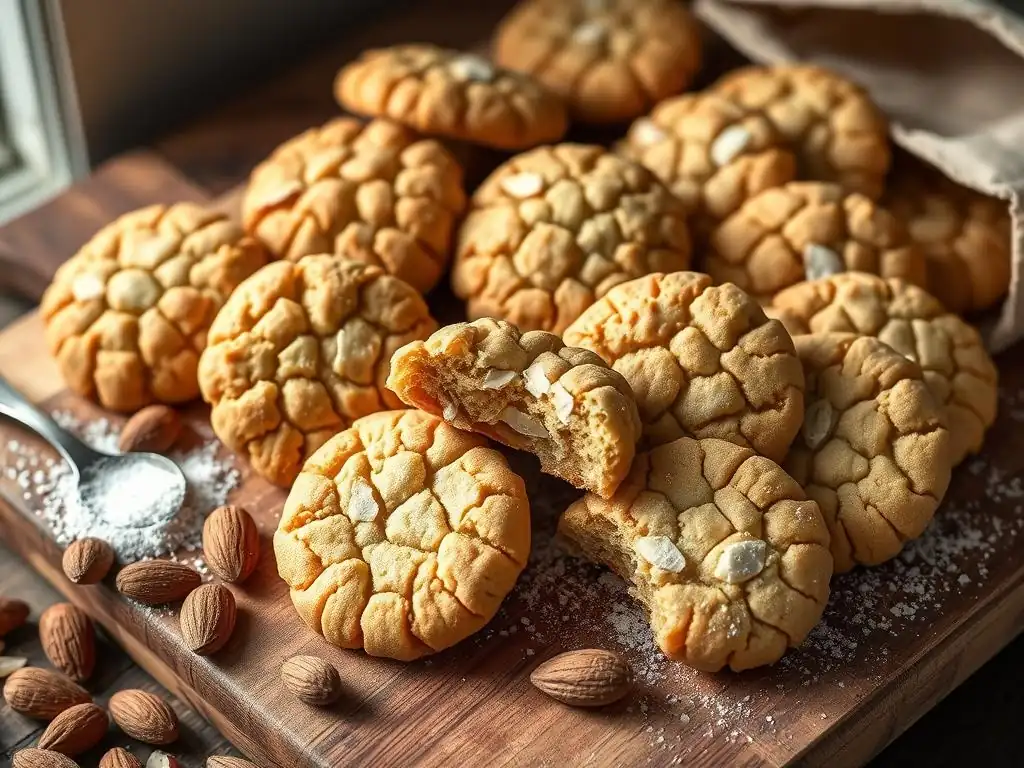
Welcome to BakeWithEase, your companion in the kitchen! Ever dreamt of achieving that elusive crisp exterior and perfectly chewy interior in a classic Italian treat? This week, we're unlocking the secrets to a Perfect Amaretti cookies recipe, a delightful journey into regional and cultural baking. Discover the simple steps and surprising tips that will elevate your baking game. Intrigued? Let's get started!
- Mastering the Perfect Amaretti Cookies Recipe
- Understanding Amaretti Cookies: An Italian Baking Tradition
- Step-by-Step Guide to Perfect Amaretti Cookies
- Tips & Tricks for Achieving Amaretti Perfection
- Flavor Variations and Creative Twists on the Amaretti Recipe
- Troubleshooting Your Amaretti Cookies: Common Mistakes and How to Fix Them
- Final Thoughts: Enjoying Your Homemade Amaretti Cookies
- Frequently Asked Questions
- Final Reflection: The Enduring Allure of the Perfect Amaretti
- Unlock Your Amaretti Mastery!
Welcome to the delightful world of Amaretti cookies! These small, almond-flavored treats are a staple of Italian baking, cherished for their intense flavor and signature texture. Whether you prefer them delightfully crisp or wonderfully chewy, mastering the perfect Amaretti cookies recipe is a rewarding journey for any baker. Our guide will walk you through the essential ingredients, techniques, and secrets to achieving bakery-quality results right in your own kitchen.
Embarking on this perfect Amaretti cookies adventure means understanding the delicate balance required. It's not just about mixing ingredients; it's about coaxing out the rich almond aroma and achieving that characteristic delicate shell with a tender interior (or a uniform crispness, depending on your preference). We'll cover everything from selecting the right almond flour to troubleshooting common baking pitfalls, ensuring your homemade Amaretti are truly exceptional.
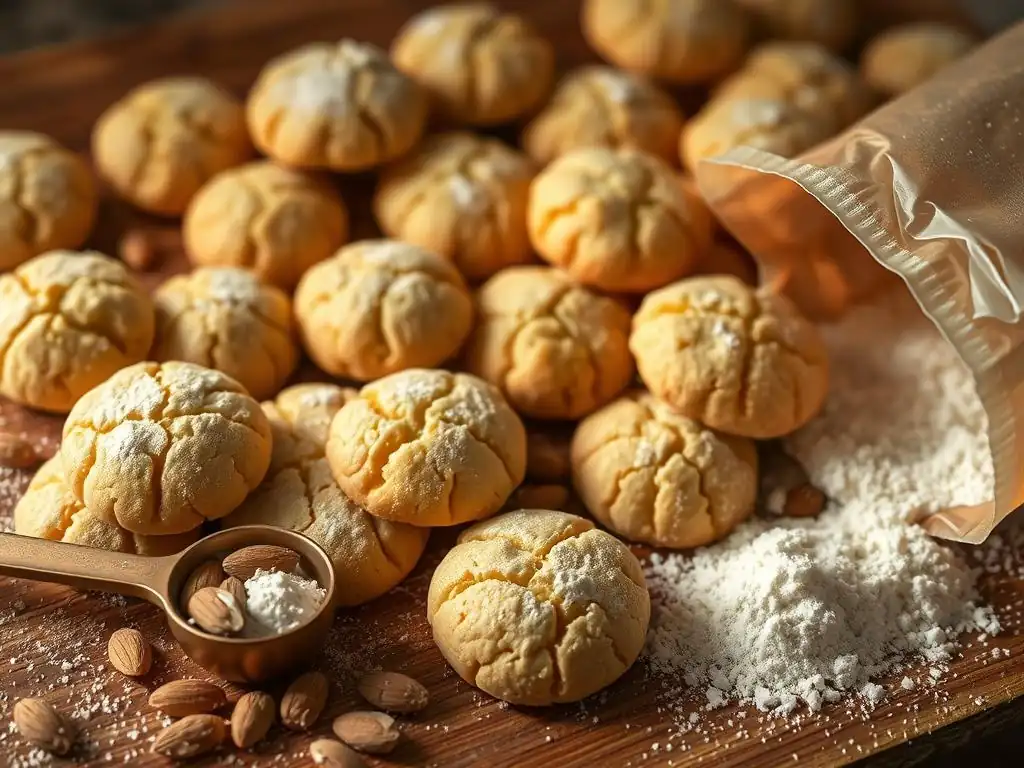
Amaretti cookies hold a special place in the heart of Italian culinary traditions. Originating centuries ago, likely in the Lombardy region, these simple yet elegant cookies quickly spread across Italy, with each region developing its own slight variations. They are typically made from a base of almond flour, sugar, and egg whites, flavored with bitter almond extract. The name "Amaretti" itself derives from the Italian word "amaro," meaning bitter, referencing the bitter almonds traditionally used alongside sweet almonds.
These cookies are more than just a sweet treat; they are often enjoyed with coffee, tea, or dessert wine, and are a popular ingredient in other Italian desserts, such as trifles or crumbled over gelato. Their rich history is intertwined with celebrations and daily life, making the process of baking them a connection to a long-standing cultural heritage. Achieving the perfect Amaretti cookies recipe is, in many ways, preserving a piece of this delicious history.
Amaretti cookies are traditional Italian almond biscuits. Their history is often traced back to the Middle Ages, with legends attributing their invention to various monasteries or convents. One popular story recounts their creation in Saronno, Lombardy, in the 18th century as a welcome gift for a cardinal. This led to the famous Amaretti di Saronno, known for their crisp texture and distinct packaging.
Over time, the recipe evolved, and different styles emerged. While the core ingredients remained consistent – ground almonds (or almond flour), sugar, and egg whites – regional variations introduced different proportions and techniques, leading to the two primary textures we know today: crisp and chewy. Understanding this history provides context for appreciating the simplicity and enduring appeal of these classic Italian cookies.
Crisp vs. Chewy: Exploring Amaretti Texture Variations
The most debated aspect of the perfect Amaretti cookies recipe is often the desired texture: crisp or chewy. Crisp amaretti, like the famous Amaretti di Saronno, are baked until completely dry and brittle, offering a satisfying snap. They are excellent for dunking into beverages or crumbling into other dishes. This texture is typically achieved by baking at a slightly lower temperature for a longer time, allowing the moisture to fully evaporate.
Chewy amaretti, on the other hand, have a softer center with a slightly crisp exterior shell, often characterized by beautiful cracks. This texture is generally preferred for direct consumption as a cookie. Achieving this requires careful control of baking time and temperature, often baking at a slightly higher temperature for a shorter duration to set the outside while keeping the inside moist and yielding. The moisture content of the dough also plays a crucial role, sometimes involving ingredients like apricot kernels for extra chewiness.
Creating authentic Amaretti cookies relies on a few core, high-quality ingredients. The simplicity of the recipe means that each component plays a significant role in the final taste and texture. Using fresh, flavorful ingredients is paramount to achieving the rich, nutty essence that defines these cookies. While variations exist, the foundation remains consistent across most perfect Amaretti cookies recipes.
The primary ingredients typically include almond flour, granulated sugar, egg whites, and almond extract, often with the addition of powdered sugar for coating. Some traditional recipes might call for ground bitter almonds or apricot kernels for a more intense flavor and specific texture. Understanding the function of each ingredient is key to manipulating the recipe to achieve your desired outcome, whether that's a crisp snap or a delightful chew.
Almond Flour: The Foundation of Amaretti Flavor
Almond flour is the cornerstone of any perfect Amaretti cookies recipe. It provides the primary flavor and structure of the cookie. It's crucial to use finely ground almond flour, not almond meal, which tends to be coarser and can result in a gritty texture. Blanched almond flour, made from almonds with the skins removed, is typically preferred for its lighter color and smoother consistency, contributing to the classic appearance of Amaretti.
The quality and freshness of the almond flour significantly impact the final taste. Stale almond flour can impart an off-flavor. For the most authentic taste, some bakers mix blanched almond flour with a small percentage of finely ground bitter almonds or apricot kernels, which contain benzaldehyde, the compound responsible for the intense almond aroma often associated with traditional Amaretti.
Almond Extract: Achieving the Signature Amaretti Taste
Almond extract is vital for amplifying the almond flavor in Amaretti cookies, especially when using only sweet almond flour. A good quality pure almond extract provides that characteristic intense, slightly bitter almond note that is essential to the cookie's identity. Without it, the flavor would be much milder and less distinctive.
Be mindful that almond extract is potent. Adding too much can result in an overpowering, artificial taste. The amount needed will vary slightly depending on the extract's concentration and your personal preference, but typically a small amount is sufficient to enhance the natural almond flavor from the flour. For a truly complex flavor profile in your perfect Amaretti cookies, consider using a combination of pure almond extract and a tiny amount of bitter almond extract (if available and safe to use in small quantities, as it contains trace amounts of cyanide).
Sugar Selection: Granulated vs. Powdered for Amaretti Texture
Sugar plays a dual role in Amaretti cookies: providing sweetness and contributing to texture. Granulated sugar is typically mixed directly into the dough. As the cookies bake, the sugar dissolves and helps create the structure. The amount of granulated sugar relative to almond flour influences both sweetness and how the cookie spreads and crisps. A higher sugar ratio can lead to a crispier cookie.
Powdered sugar is often used for rolling the shaped cookie dough before baking. This outer coating of powdered sugar contributes to the characteristic cracked appearance of chewy amaretti. As the cookie bakes and expands, the powdered sugar coating cracks beautifully. It also adds an extra layer of sweetness and a delicate, slightly crisp exterior texture that contrasts with a potentially chewy interior.
Egg Whites: Binding and Creating the Perfect Cracks
Egg whites are the primary binder in Amaretti cookies, holding the almond flour and sugar together to form a workable dough. When whipped, egg whites incorporate air, which contributes to the cookie's light texture and helps them puff slightly as they bake. The protein in the egg whites coagulates in the oven, setting the structure of the cookie.
The moisture content from the egg whites is also crucial, particularly for achieving chewy Amaretti. The amount of egg white used will affect the consistency of the dough – too little and it will be dry and crumbly, too much and it will be too wet and spread excessively. The rapid setting of the egg white protein on the surface while the interior expands is key to developing those coveted cracks in chewy Amaretti cookies.
Creating the perfect Amaretti cookies is a straightforward process, but attention to detail at each step is essential. From mixing the dough to baking them just right, following a clear process ensures success. This guide breaks down the journey into simple, manageable steps, designed for bakers of all skill levels.
By following these steps, you'll learn the techniques needed to transform simple ingredients into delicious, authentic Italian treats. We'll cover everything from achieving the correct dough consistency to recognizing when your cookies are perfectly baked for your desired texture. Let's get started on crafting your own perfect Amaretti cookies recipe.
Step 1: Preparing the Amaretti Dough
The foundation of great Amaretti is the dough. It's relatively simple, requiring minimal ingredients, but the technique of combining them is important. Unlike traditional cookie doughs that rely on creaming butter and sugar, Amaretti dough is more like a paste or batter, depending on the desired texture.
The key here is to create a homogeneous mixture where the almond flour and sugar are evenly distributed, and the egg whites bind everything together without being overworked. This initial preparation sets the stage for how the cookies will bake, spread, and develop their texture.
Combining Almond Flour and Sugar: Achieving the Right Consistency
Begin by whisking together the almond flour and granulated sugar in a bowl. It's important to ensure there are no lumps in the almond flour. Some recipes suggest sifting the dry ingredients, though this is less critical with finely ground almond flour. The ratio of almond flour to sugar varies, but a common starting point for a balanced texture is roughly equal parts by weight, or slightly more almond flour than sugar. For example, 200g almond flour to 180g granulated sugar.
Once combined, the mixture should look uniform. This dry base is then ready to receive the liquid components. Achieving the right consistency at this stage isn't just about mixing; it's about ensuring the foundation is well-integrated before adding the egg whites, which will transform the mixture into a dough.
Incorporating Almond Extract: Balancing Flavor Intensity
After the dry ingredients are mixed, it's time to add the almond extract. This is where the signature Amaretti flavor is truly enhanced. Add the recommended amount, typically around 1/2 to 1 teaspoon for a standard batch using 200g of almond flour. Start with the lower amount and taste a tiny bit of the dough (if using pasteurized egg whites and comfortable doing so) or rely on the aroma to gauge intensity.
Mix the extract into the dry ingredients briefly before adding the egg whites. This helps distribute the flavor more evenly. Remember, almond extract is potent, so a little goes a long way in your perfect Amaretti cookies recipe. For an extra layer of flavor, some bakers add a touch of vanilla extract or even a few drops of bitter almond extract (use with extreme caution and only from reputable sources in tiny quantities).
Whipping the Egg Whites: Creating Volume for a Light Texture
The egg whites are added last and act as the binder. Some recipes call for slightly whisking the egg whites until just frothy, while others recommend whipping them to soft or even stiff peaks. Whipping the egg whites to soft peaks incorporates more air, which can result in a lighter, puffier, and potentially more cracked cookie. For a denser, chewier cookie, less vigorous whisking might be preferred. Use approximately 2 large egg whites for 200g almond flour.
Gently fold the whisked egg whites into the almond flour and sugar mixture until just combined. Do not overmix. Overmixing can deflate the egg whites and develop gluten in the almond flour (yes, it contains a tiny amount), leading to tougher cookies. The final dough consistency should be thick and paste-like, scoopable but not runny.
Proper shaping is key to achieving the classic look and ensuring even baking for your perfect Amaretti cookies. The traditional shape is a small, round dome, often rolled in powdered sugar before baking. This step is relatively simple but impacts both the appearance and the texture development.
Uniformity in size is particularly important for consistent baking results. Cookies of different sizes will bake at different rates, making it difficult to achieve the desired crisp or chewy texture across the entire batch.
Using a Cookie Scoop: Ensuring Uniform Size and Baking
For consistent size and shape, using a small cookie scoop (about 1-inch or 2.5 cm diameter) is highly recommended. Scoop level portions of the dough and release them onto a plate or shallow bowl containing powdered sugar. This method ensures that each cookie is roughly the same size, which is critical for achieving uniform baking times and textures, whether you're aiming for crisp or chewy perfect Amaretti cookies.
If you don't have a scoop, you can roll the dough into small balls by hand. However, the dough can be quite sticky, so wetting your hands slightly or dusting them with powdered sugar can help. Aim for balls roughly the size of a small walnut. Place the scooped or rolled dough balls directly into the powdered sugar.
Rolling in Powdered Sugar: Achieving the Classic Look
Once the dough portions are shaped, roll each ball generously in powdered sugar. Ensure they are completely coated. This layer of powdered sugar serves several purposes: it prevents the cookies from sticking to the baking sheet, contributes to the characteristic cracked appearance of chewy Amaretti, and adds an extra touch of sweetness and visual appeal.
Gently shake off any excess powdered sugar before placing the cookies on a baking sheet lined with parchment paper. Leave sufficient space between the cookies (about 1.5 to 2 inches or 4-5 cm) as they will spread slightly during baking. This step is essential for the visual appeal of many perfect Amaretti cookies recipes, particularly those aiming for the classic cracked top.
Baking is arguably the most critical step in determining the final texture of your Amaretti cookies. The oven temperature and baking time must be carefully controlled to achieve either a crisp snap or a soft, chewy center. Preheat your oven accurately and resist the urge to open the door frequently, as temperature fluctuations can negatively impact the outcome.
The signs of doneness can be subtle, so knowing what to look for is key. The color, the development of cracks, and the firmness when gently touched are all indicators that your perfect Amaretti cookies are ready to come out of the oven.
Optimal Oven Temperature for Crisp & Chewy Amaretti
The optimal oven temperature depends on whether you are aiming for crisp or chewy Amaretti. For chewy cookies with soft centers and distinct cracks, a slightly higher temperature, typically around 325°F to 350°F (160°C to 175°C), is often used. This allows the exterior to set and crack relatively quickly while the interior remains moist.
For crisp Amaretti, a lower temperature, such as 300°F to 320°F (150°C to 160°C), is preferred. Baking at a lower temperature for a longer period allows the moisture to evaporate slowly and evenly throughout the cookie, resulting in a uniformly dry and crisp texture. Always preheat your oven thoroughly for at least 15-20 minutes to ensure the temperature is stable.
Baking Time: Achieving the Ideal Golden-Brown Color
Baking time for Amaretti cookies varies significantly based on size, oven temperature, and desired texture. For chewy Amaretti baked at 325-350°F, baking usually takes between 12 to 18 minutes. They are done when the edges are lightly set and the tops have developed prominent cracks, but the centers still look slightly soft. They should be pale or just barely golden around the base.
For crisp Amaretti baked at 300-320°F, the baking time will be longer, typically between 20 to 30 minutes. They are ready when they are uniformly golden-brown across the entire cookie and feel firm when gently pressed. It's essential to watch them closely, especially towards the end of the baking time, as they can go from perfectly baked to slightly burnt quickly due to their sugar content.
The Cracking Process: A Sign of Perfectly Baked Amaretti
For chewy Amaretti, the development of surface cracks is a key visual indicator of a successful bake and a sign that you've achieved a perfect Amaretti cookies recipe with the desired texture. These cracks appear as the cookie expands during baking while the powdered sugar coating and the surface layers of the dough set quickly. This differential expansion causes the top crust to break open.
If your chewy Amaretti aren't cracking, it might be due to insufficient air incorporated into the egg whites, a dough that is too dry, or baking at too low a temperature. For crisp Amaretti, cracking is less pronounced or absent, as the cookie dries out more evenly without significant expansion or a distinct surface crust forming before the interior sets. Observing the cracking pattern helps confirm you're on track for the desired texture.
Tips & Tricks for Achieving Amaretti Perfection
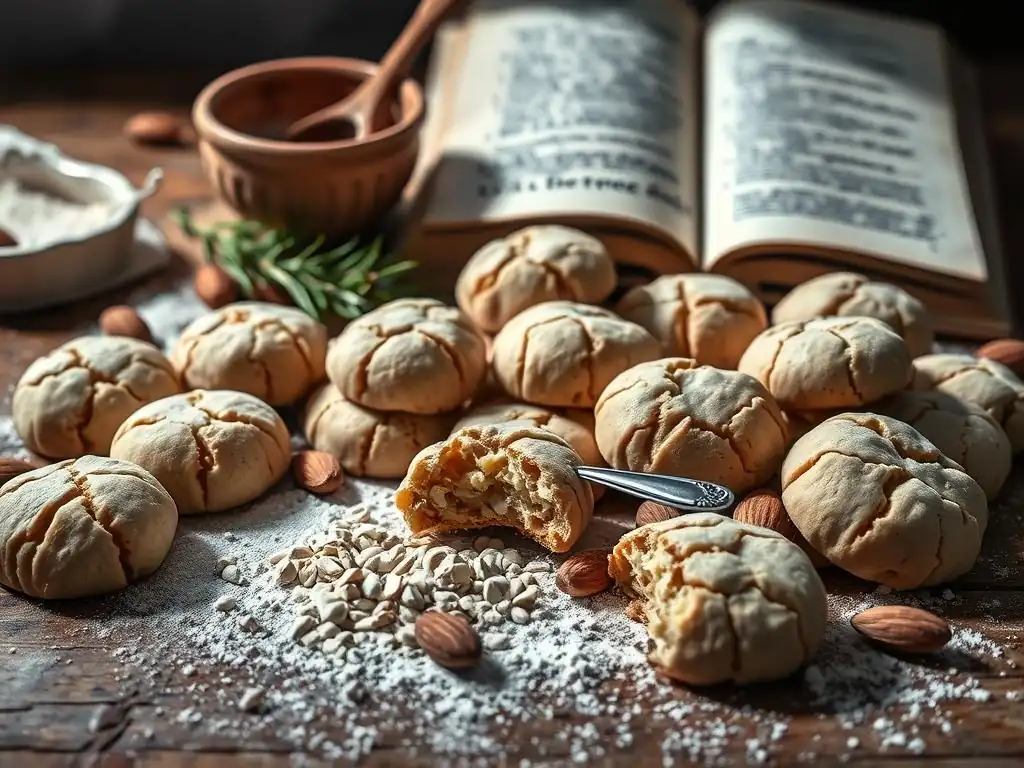
Beyond the basic steps, a few extra tips and tricks can elevate your Amaretti baking from good to truly perfect. These insights address common challenges and offer techniques to fine-tune your results, whether you're aiming for the ultimate crispness or a delightfully chewy bite. Mastering these nuances is part of the journey to perfecting your Amaretti cookies recipe.
From understanding the role of humidity to proper cooling and storage, these tips can make a significant difference in the final texture and longevity of your homemade Amaretti. Pay attention to these details, and you'll consistently produce cookies that impress.
Mastering the Crisp: Baking Techniques for Extra Crunch
To achieve the crispiest Amaretti, the goal is to remove as much moisture as possible during baking. As mentioned, using a lower oven temperature (around 300-320°F) for a longer duration is key. Another technique is to leave the cookies in the turned-off oven with the door slightly ajar for 15-30 minutes after the initial baking time is complete. This allows them to cool down slowly and continue drying out in the residual heat.
Ensure the dough isn't overly wet to begin with; a slightly drier dough consistency (still scoopable, not crumbly) is better for crispness. Using only granulated sugar in the dough (skipping the powdered sugar roll) can also contribute to a crispier, less cracked exterior. Store crisp amaretti in an airtight container at room temperature; exposure to humidity will quickly soften them.
Achieving a Chewy Center: Secrets to Soft-Bake Amaretti
For that coveted chewy interior with a delicate crackle top, precise baking time is crucial. Baking at a slightly higher temperature ( 325-350°F) helps set the exterior quickly while leaving the inside soft. Remove the cookies from the oven when the edges are just set and the tops are cracked, but the centers still look slightly underdone or moist. They will continue to cook slightly on the hot baking sheet.
Using slightly more egg white or incorporating a small amount of glucose syrup or honey (a few teaspoons per batch) can also help retain moisture and promote chewiness. Some traditional recipes include finely ground apricot kernels along with almonds, which are said to contribute to a unique chewiness and a more intense flavor profile in the perfect Amaretti cookies. Cool chewy Amaretti completely on the baking sheet before moving them, as they are delicate when warm.
Flat Amaretti can be disappointing. The most common culprits are usually dough consistency or oven temperature. If the dough is too wet (too much egg white or not enough almond flour/sugar), the cookies will spread excessively during baking. Ensure your dough is thick and holds its shape when scooped.
Baking at too low a temperature can also cause excessive spreading before the cookie structure sets. Ensure your oven thermostat is accurate; using an oven thermometer is a great investment for consistent baking results. Additionally, make sure your baking powder or baking soda (if your recipe calls for a tiny amount, though most traditional recipes don't) is fresh, although leavening isn't the primary factor in Amaretti structure. Chilling the shaped dough for 15-30 minutes before baking can sometimes help prevent spreading.
Proper storage is essential for maintaining the texture of your perfect Amaretti cookies. Crisp amaretti must be stored in a completely airtight container at room temperature. Any exposure to air and humidity will cause them to absorb moisture and lose their crispness. They can last for several weeks if stored correctly.
Chewy amaretti are also best stored in an airtight container at room temperature, but they tend to soften slightly over time even in ideal conditions. They are generally best enjoyed within 3-7 days of baking for optimal chewiness. If they lose some chewiness, you can sometimes slightly re-soften them by placing a small piece of bread or a marshmallow in the container (though this can introduce moisture and affect crisp exteriors). Avoid refrigerating Amaretti, as this can alter their texture.
Flavor Variations and Creative Twists on the Amaretti Recipe
While the classic almond flavor is beloved, the perfect Amaretti cookies recipe is also wonderfully adaptable to creative flavor variations. By adding a few simple ingredients, you can transform these traditional Italian cookies into exciting new treats. These variations maintain the core texture while offering delightful new taste experiences.
Experimenting with different extracts, spices, or additions like chocolate can open up a whole new world of Amaretti possibilities. These twists are perfect for tailoring your cookies to different occasions or personal preferences, adding a unique touch to this classic biscuit.
Chocolate Amaretti: Adding a Decadent Touch
Adding cocoa powder is a simple way to create decadent chocolate Amaretti. Replace a small portion of the almond flour (e.g., 20g cocoa powder for every 200g almond flour) with unsweetened cocoa powder, or simply add 2-3 tablespoons of cocoa powder to the dry ingredients. You might need a tiny bit more egg white or a splash of liquid (like coffee or milk) to maintain the correct dough consistency, as cocoa powder absorbs moisture.
Chocolate Amaretti pair beautifully with espresso or red wine. You can also dip half of the baked cookie in melted dark chocolate for an extra layer of indulgence. The slightly bitter notes of cocoa powder complement the sweet almond flavor wonderfully, creating a sophisticated twist on the perfect Amaretti cookies.
Lemon Amaretti: A Zesty and Refreshing Variation
For a bright and zesty twist, incorporate lemon zest and/or lemon extract into your Amaretti dough. Add the finely grated zest of one lemon to the dry ingredients along with the almond flour and sugar. You can also replace some or all of the almond extract with lemon extract, or use a combination of both for a complex citrus-almond profile.
Lemon Amaretti are particularly refreshing and make a lovely accompaniment to tea or a light dessert. The acidity from the lemon zest can also subtly impact the texture, sometimes resulting in a slightly softer cookie. Ensure you use fresh, unwaxed lemons for the best flavor from the zest.
Anise Amaretti: A Spicy and Aromatic Twist
Anise is a classic Italian flavor, often found in biscotti and other traditional baked goods. Adding anise extract or crushed anise seeds provides a warm, aromatic, and slightly spicy variation on the perfect Amaretti cookies. Add 1/2 to 1 teaspoon of anise extract or 1-2 teaspoons of lightly crushed anise seeds to the dough along with the almond extract.
This variation offers a more traditional, old-world Italian taste. Anise Amaretti are wonderful served with coffee or a digestif. The intensity of the anise can be adjusted to your preference, starting with a smaller amount and increasing in future batches if desired.
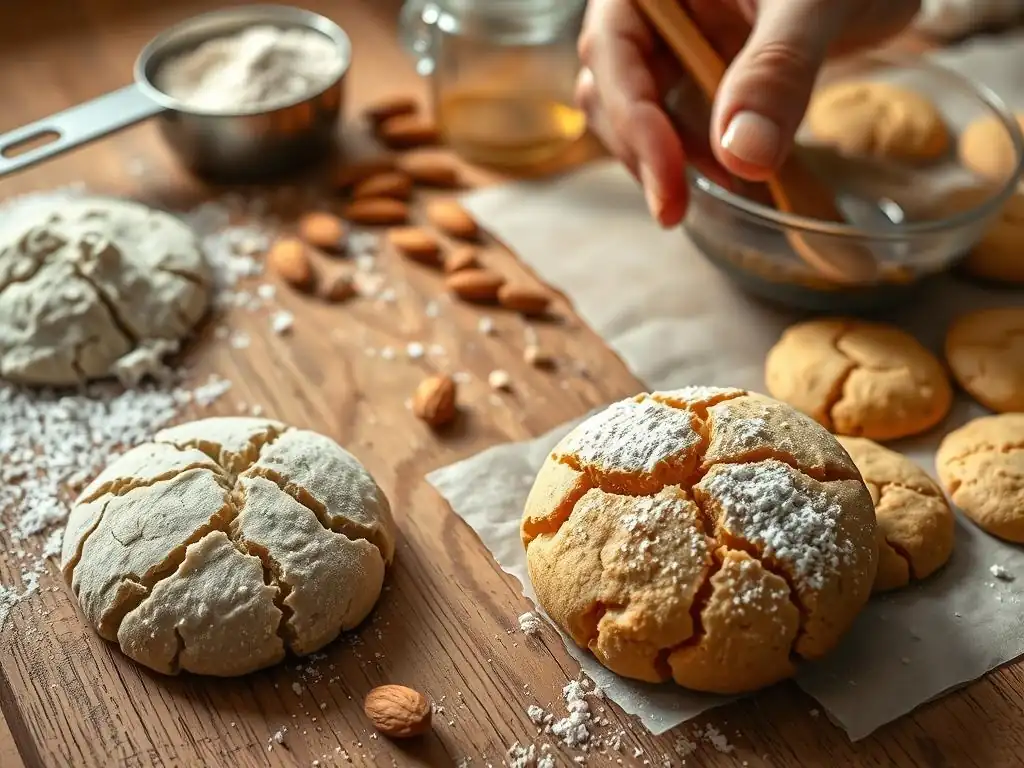
Even with a great recipe, baking can sometimes present challenges. Amaretti cookies, despite their simple ingredient list, can be finicky. Knowing how to identify and fix common issues is key to consistently achieving the perfect Amaretti cookies recipe. Don't get discouraged if your first batch isn't perfect; troubleshooting is part of the learning process.
Here are some common problems encountered when baking Amaretti and practical solutions to help you get back on track and bake beautiful, delicious cookies.
Excessive spreading is a frequent issue with Amaretti. The primary cause is usually a dough that is too wet. This can happen if you've used too much egg white, or if the almond flour wasn't finely ground or measured inaccurately. The consistency should be thick enough to hold its shape when scooped.
To fix a dough that's too wet, you can try adding a tablespoon or two more of finely ground almond flour and mixing gently until the desired consistency is achieved. Another factor can be baking at too low a temperature; ensure your oven is accurately preheated and maintaining the correct temperature, as a hot oven helps set the cookie structure quickly, limiting spread.
If your Amaretti turn out hard and dry (beyond a desired crispness), several factors could be at play. The dough might have been too dry initially, perhaps from using too little egg white or too much dry ingredient. Ensure your measurements are accurate, ideally using a kitchen scale.
Overbaking is another common reason for dry cookies. Even a minute or two too long in the oven can significantly dry out Amaretti, especially if aiming for a chewy texture. Make sure you are baking for the correct time based on your desired texture and oven temperature, and check for doneness using the visual cues mentioned earlier. Storing them improperly in a non-airtight container can also cause them to dry out further after baking.
For chewy Amaretti, the lack of characteristic cracks can be disappointing. This usually indicates that the surface of the cookie didn't set quickly enough relative to the expansion of the interior, or that there wasn't enough expansion to cause cracking. Rolling the dough in powdered sugar is crucial for promoting cracking, as the sugar forms a crust that breaks as the cookie expands.
Other reasons include baking at too low a temperature (which causes slow, even drying rather than rapid surface setting), a dough that is too dry (which limits expansion), or egg whites that weren't sufficiently incorporated to provide lift. Ensure you are baking at the recommended temperature for chewy Amaretti, using enough egg white for a slightly moist dough, and generously coating the shaped cookies in powdered sugar before baking.
Congratulations on baking your perfect Amaretti cookies! Whether you achieved a delightful crisp snap or a wonderfully chewy center, you've successfully created a classic Italian treat. Baking these cookies is a rewarding experience, connecting you to centuries of tradition and bringing delicious aromas into your home. Now, it's time to savor the fruits of your labor.
Amaretti are versatile and can be enjoyed in numerous ways. Take a moment to appreciate their simple elegance, their intense almond flavor, and their unique texture. Sharing them with others is also a beautiful way to spread a little culinary joy.
Serving Suggestions: Pairing Amaretti with Coffee, Tea, or Dessert Wine
One of the most classic ways to enjoy Amaretti cookies is alongside a hot beverage. Their sweet, nutty flavor and crisp or chewy texture make them a perfect companion for a robust espresso or a smooth cappuccino. They are also lovely with a cup of tea, offering a delicate sweetness that complements various tea profiles.
For a more sophisticated pairing, serve Amaretti with a dessert wine, such as Vin Santo, Moscato d'Asti, or a light Passito. The wine's sweetness and sometimes fruity notes harmonize beautifully with the almond flavor of the cookies. You can also use Amaretti as an ingredient in other desserts, like crumbling them over ice cream or incorporating them into a trifle or panna cotta.
Homemade Amaretti cookies make a wonderful gift. Pack them in a decorative tin or a cellophane bag tied with a ribbon. A batch of your perfect Amaretti cookies is a thoughtful and delicious present for friends, family, or neighbors, especially during the holidays or for special occasions. It's a gift that shows you've put time and care into creating something special.
Sharing your baking is also a great way to get feedback and encourage others to try their hand at baking. Don't hesitate to share your perfect Amaretti cookies recipe tips with fellow baking enthusiasts! Enjoy the process of sharing, and take pride in the delicious cookies you've created.
Frequently Asked Questions
This recipe focuses on achieving the ideal balance of crisp exterior and chewy interior, emphasizing techniques to prevent spreading and ensure a consistent texture. We provide step-by-step instructions for optimal results.
The main ingredients are almond flour, sugar, and egg whites. Often, almond extract is added to enhance the almond flavor, and sometimes a bitter almond extract is used for a more authentic taste.
Using finely ground almond flour is crucial. Also, ensure the egg whites are whipped to stiff peaks before incorporating them into the almond flour mixture. Chilling the dough before baking also helps.
While some substitutions are possible, it's not recommended to significantly alter the almond flour or egg white ratios. These are vital for the cookie's structure and texture. Experiment with flavor extracts if desired.
Store baked Amaretti cookies in an airtight container at room temperature. This prevents them from becoming too soft. Avoid storing them in the refrigerator, as excess moisture can affect their texture.
Final Reflection: The Enduring Allure of the Perfect Amaretti
The pursuit of the perfect amaretti cookie transcends mere baking; it's a journey into the heart of culinary precision and the delightful interplay of texture and taste. This article explored the nuances of achieving that ideal crisp-yet-chewy bite, delving into the science behind the ingredients and the art of the baking process. The quest for perfection, as we've seen, is a rewarding one, yielding results far beyond simple satisfaction.
The enduring appeal of the amaretti cookie lies not only in its deliciousness, but in its ability to evoke memories and connect us to culinary traditions. These little almond delights, with their delicate crumb and subtle sweetness, have graced tables for generations. They represent a simple pleasure, a testament to the power of carefully sourced ingredients and meticulous technique. The best things in life are simple,
a sentiment perfectly embodied by the amaretti cookie. This simple cookie holds a surprising depth, reflecting the care and attention we put into our culinary endeavors, and the joy they bring to those we share them with.
Now, I invite you to embrace the challenge. Don't just bake amaretti cookies; create them. Experiment with different almond varieties, explore variations in the recipe, and most importantly, savor the process. The journey towards the perfect amaretti is as rewarding as the final bite. Let this article serve as your guide, but let your own creativity and passion be the true driving force. The perfect amaretti awaits – and so does the satisfaction of achieving it.
Unlock Your Amaretti Mastery!
Thanks for joining us on this delicious journey into the world of perfect amaretti cookies! We hope you've gained valuable insights and inspiration to elevate your baking game. Ready to put your new skills to the test?
- Bake a batch of your own amaretti today! Use the recipe and tips from the article as your guide – we know you can achieve amazing results.
- Share your amaretti creations! Post a picture on social media using #BakeWithEaseAmaretti and inspire others.
- Experiment with different flavor variations: Try adding citrus zest, cocoa powder, or even chopped nuts – the possibilities are endless!
So, tell us: What unique twist will you add to your next batch of amaretti?