
Christmas Baking in Italy: Traditions & Recipes Made Simple

Welcome to BakeWithEase!
Ever wondered how Italian families create such magical and delicious holiday memories? This year, bring the warmth and joy of Italian Christmas traditions to your own kitchen! Dive into our guide on Easy Italian Christmas Baking and uncover simple, yet authentic, recipes that will impress your loved ones. Get ready to experience the dolce vita with every bite – the secret ingredients are simpler than you think. Ready to discover these delightful treats?
- Christmas Baking in Italy: Traditions & Recipes Made Simple | BakeWithEase
- Discover Authentic Italian Christmas Baking Traditions
- Simple Recipes for an Authentic Italian Christmas
- Tips for Easy Italian Christmas Baking Success
- Adapting Traditional Recipes for Modern Kitchens
- Beyond the Basics: Exploring More Italian Christmas Desserts
- Enjoying Your Easy Italian Christmas Baking
-
Frequently Asked Questions
- What makes Italian Christmas baking different from other holiday baking?
- Is Panettone the only traditional Italian Christmas bread?
- Are there any easy Italian Christmas cookie recipes suitable for beginners?
- Where can I find the ingredients needed for Italian Christmas baking?
- Can I adapt Italian Christmas baking recipes to be gluten-free or vegan?
- Final Reflection: The Sweet Taste of Italian Christmas Traditions
- Unleash Your Inner Italian Baker!
Christmas Baking in Italy: Traditions & Recipes Made Simple | BakeWithEase
Discover Authentic Italian Christmas Baking Traditions
The Allure of Italian Christmas Baking: A Festive Overview
Christmas in Italy is a time steeped in rich traditions, and none are perhaps as universally cherished as the array of festive baked goods. From the snowy peaks of the Alps to the sun-drenched coasts of Sicily, families gather to prepare and share an incredible variety of sweets, each with its own history and regional pride. This isn't just about dessert; it's a cultural experience, a way to connect with heritage and loved ones.
The scent of citrus zest, candied fruits, honey, and warm spices fills homes, creating an atmosphere of warmth and celebration that is truly unique. For many, the holiday season simply wouldn't be complete without these special treats gracing the table.
The sheer diversity of Italian Christmas baking is astounding. While certain sweets like Panettone and Pandoro have achieved international fame, countless regional specialties await discovery. These recipes, often passed down through generations, reflect the history, available ingredients, and culinary ingenuity of each area.
Think of the dense, spiced Panforte from Tuscany, the delicate almond Ricciarelli also from Siena, the honey-laden Struffoli from Naples, or the simple, rustic Biscotti di Prato. Mastering even a few of these allows you to bring a piece of authentic Italian holiday cheer into your own kitchen, making easy Italian Christmas baking a rewarding endeavor for any home baker.
Regional Christmas Baking Specialties: A Culinary Journey
Italy's distinct regional identities are nowhere more evident than in its Christmas baking traditions. Each region, and often each city, boasts its signature holiday sweets, telling a story of local ingredients and historical influences. For instance, Lombardy is the birthplace of Panettone, the iconic tall, domed bread studded with candied fruit and raisins.
Its rival from Veneto, Pandoro, is a star-shaped, vanilla-scented cake, typically dusted with powdered sugar to resemble the snowy Alps. These two giants dominate the national market, with millions of cakes sold annually across Italy and exported worldwide, yet they represent just a fraction of the regional bounty.
Further south, the traditions evolve. Campania is famous for Struffoli, small balls of fried dough coated in honey and decorated with colorful sprinkles and candied fruit, often piled high in a festive mound. Tuscany offers dense, chewy delights like Panforte (a medieval cake with nuts, fruit, and spices) and soft, almond-based Ricciarelli cookies.
Sicily contributes treats like Buccellati, fig-filled pastries, and almond paste fruits (Frutta Martorana). Calabria is known for its 'Nduja-spiced cookies (though this is less common than sweet options) and various fig and nut pastries. Exploring these regional specialties offers a delicious deep dive into Italy's diverse culinary landscape, proving that easy Italian Christmas baking can lead you on a fascinating journey.
Simple Recipes for an Authentic Italian Christmas
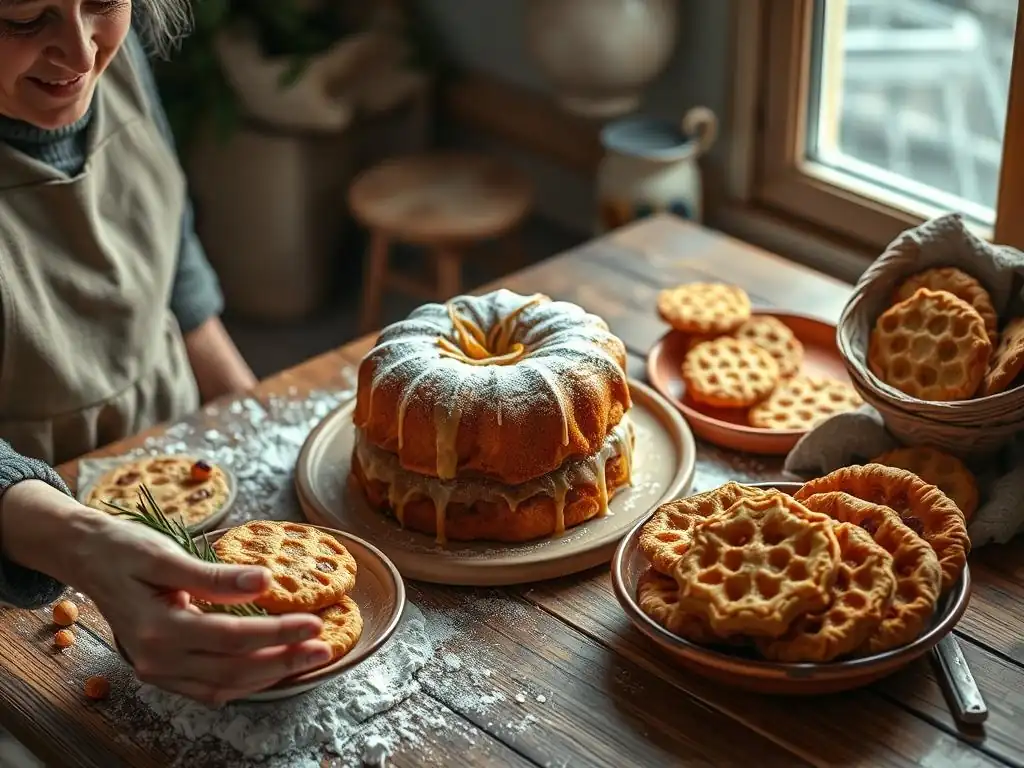
Panettone: The King of Italian Christmas Breads - A Simplified Recipe
Panettone is perhaps the most recognized symbol of Italian Christmas baking worldwide. Traditionally, it's a complex bake involving multiple long fermentation stages, making it a challenge for the home baker. However, simplified recipes exist that capture the essence of this tall, airy, sweet bread without requiring days of work or specialized sourdough starters.
The key lies in using commercial yeast effectively and managing the dough's enrichment with butter and eggs. While a classic Panettone tin is helpful for achieving its distinctive height, a tall cake pan or even a sturdy pot can work in a pinch for easy Italian Christmas baking at home.
This simplified approach typically involves a single dough mixed and kneaded, followed by a bulk fermentation, shaping into the characteristic dome in a tall paper liner, and a final proof before baking. Incorporating good quality candied orange peel, citron, and raisins is crucial for authentic flavor.
Some recipes might include a simple glaze on top before baking. While the texture won't be identical to a professionally made, naturally leavened Panettone which can take 36-48 hours to produce, this method yields a wonderfully fragrant and delicious bread that is much more accessible for the average home kitchen, making the dream of baking your own Panettone a reality.
Panettone Ingredients for Home Bakers
For a simplified Panettone suitable for a 1kg mold (or equivalent):
*   ~500g Strong Bread Flour
*   ~100g Granulated Sugar
*   ~10g Instant Dry Yeast (or equivalent active dry)
*   ~1 tsp Salt
*   Zest of 1 Orange and 1 Lemon
*   ~4-5 Large Eggs (at room temperature)
*   ~150g Unsalted Butter, softened
*   ~100ml Lukewarm Milk
*   ~150g Mixed Candied Fruit (orange, citron)
*   ~100g Raisins (soaked in warm water or rum)
*   Optional: Vanilla Extract or Paste
*   Optional: Almond glaze (almond flour, sugar, egg white) and pearl sugar for topping
These quantities are approximate and can be adjusted slightly based on flour absorption. Using high-quality ingredients, especially the candied fruit and butter, will significantly impact the final flavor and texture. Ensure all cold ingredients, particularly eggs and butter, are at room temperature for easier incorporation into the dough, which is vital for achieving the desired richness and structure in this easy Italian Christmas baking project. Soaking the raisins plumpens them and prevents them from drying out during baking.
Step-by-Step: Baking Panettone with Ease
Here's a general outline for a simplified Panettone bake:
- Activate Yeast: In a large bowl, mix lukewarm milk, a pinch of sugar, and the yeast. Let stand for 5-10 minutes until foamy.
- Mix Dough: Add flour, remaining sugar, salt, citrus zests, vanilla (if using), and eggs to the yeast mixture. Mix with a stand mixer fitted with a dough hook (or by hand) until a shaggy dough forms.
- Knead: Knead for 10-15 minutes until the dough is smooth and elastic.
- Add Butter: Gradually add the softened butter, a piece at a time, continuing to knead until all the butter is incorporated and the dough is glossy and pulls away from the sides of the bowl. This can take another 10-15 minutes.
- Incorporate Fruit: Gently knead in the drained raisins and candied fruit until evenly distributed.
- First Proof: Place the dough in a lightly oiled bowl, cover, and let rise in a warm place until doubled in size (approx. 1.5-2.5 hours).
- Shape: Punch down the dough gently. Shape it into a ball and place it into a greased and floured 1kg Panettone mold or tall pan.
- Second Proof: Cover and let rise again until the dough almost reaches the top of the mold (approx. 1.5-2.5 hours). This proof is crucial for height.
- Prepare for Baking: If using a glaze, gently brush it over the top. Score an "X" on top with a sharp blade or scissors. Place a knob of butter in the center of the "X".
- Bake: Preheat oven to 170-180°C (340-350°F). Bake for 40-60 minutes, or until a skewer inserted into the center comes out clean. The internal temperature should reach around 90-95°C (195-205°F).
- Cooling: Crucially, immediately after baking, suspend the Panettone upside down using skewers inserted through the bottom. This prevents it from collapsing as it cools. Let cool completely this way (several hours) before slicing.
Pandoro: A Starry Christmas Treat - Easy Pandoro Recipe
Pandoro, meaning "golden bread," is another iconic Italian Christmas cake, originating from Verona. Unlike Panettone, it's typically free of candied fruit and raisins, celebrated instead for its light, eggy, buttery texture and delicate vanilla aroma. Its distinctive frustum or star shape makes it instantly recognizable. While traditional Pandoro also involves complex yeasted dough and long fermentation, simpler versions are achievable for the home baker looking for easy Italian Christmas baking projects. The key challenge here is achieving the signature light, airy texture in a home environment without specialized equipment.
A simplified Pandoro recipe focuses on creating a rich, well-developed dough that proofs beautifully in its special star-shaped mold. The high butter and egg content contribute to its tender crumb and golden hue. Serving Pandoro is often a festive ritual; it's typically dusted generously with powdered sugar just before serving, often inside a plastic bag that comes with the cake, shaken to create a snowy effect. Slices are sometimes arranged to form a Christmas tree shape. This simpler approach allows more people to enjoy the rewarding process of baking this classic Italian holiday treat at home.
Pandoro Dough Made Easy
For a simplified Pandoro suitable for a large Pandoro mold (approx. 750g-1kg):
*   ~400g Strong Bread Flour
*   ~100g Granulated Sugar
*   ~7g Instant Dry Yeast
*   ~1/2 tsp Salt
*   Seeds from 1 Vanilla Bean or 1 tsp Vanilla Extract
*   ~4 Large Eggs (at room temperature)
*   ~150g Unsalted Butter, softened
*   ~50ml Lukewarm Milk
As with Panettone, the quality of ingredients, especially butter and vanilla, is paramount for an authentic Pandoro flavor. Ensuring eggs and butter are at room temperature is essential for creating a smooth, emulsified dough. This dough is rich and requires thorough kneading to develop strength despite the high fat content. Using a stand mixer is highly recommended for this recipe due to the stickiness and length of kneading required. This ingredient list makes easy Italian Christmas baking of Pandoro much more approachable.
Baking Pandoro: A Beginner's Guide
Here's a simplified process for baking Pandoro:
- Yeast Activation: Combine lukewarm milk, a pinch of sugar, and yeast in a bowl. Let sit until foamy (5-10 minutes).
- Mix Dough: In a large bowl, add flour, remaining sugar, salt, vanilla, and eggs. Add the yeast mixture. Mix until a rough dough forms.
- Knead: Knead the dough for about 10-15 minutes until it becomes smooth and elastic.
- Add Butter: Gradually incorporate the softened butter, piece by piece, kneading until the dough is fully enriched, glossy, and pulls away from the bowl (another 10-15 minutes). The dough will be soft and slightly sticky.
- First Proof: Place the dough in a lightly oiled bowl, cover, and let rise in a warm place until doubled (approx. 1.5-2.5 hours).
- Shape: Gently deflate the dough. Shape it into a ball and place it into a well-greased and floured Pandoro mold. Greasing the intricate mold properly is critical to prevent sticking.
- Second Proof: Cover the mold and let the dough rise until it almost reaches the top of the mold (approx. 2-3 hours). This proof takes time, but is vital for the Pandoro's height and lightness.
- Bake: Preheat oven to 170-180°C (340-350°F). Bake for 35-50 minutes, or until a skewer comes out clean. The internal temperature should be around 90-95°C (195-205°F). If the top browns too quickly, loosely tent with foil.
- Cool: Let the Pandoro cool in the mold for 10-15 minutes before carefully inverting it onto a wire rack to cool completely.
- Serve: Just before serving, place the cooled Pandoro in a large bag with powdered sugar and shake vigorously to coat. Slice horizontally to reveal the star shape.
Struffoli: Neapolitan Honey Balls - A Simple Recipe for Struffoli
Struffoli are a delightful Neapolitan Christmas tradition, consisting of many small balls of dough that are deep-fried and then coated in warm honey. They are typically arranged in a festive mound or ring and decorated with colorful sprinkles and candied fruit. While making the dough and frying requires a bit of attention, the process is relatively straightforward compared to the yeasted giants like Panettone or Pandoro, making Struffoli an excellent choice for easy Italian Christmas baking, especially for involving the whole family.
The charm of Struffoli lies in their simplicity and the warm, comforting coating of honey. The dough itself is a basic mix of flour, eggs, a little sugar, and sometimes a touch of citrus zest or liqueur for fragrance. Frying them quickly creates a slightly crisp exterior and a soft interior. The magic happens when they are tumbled in heated honey, which coats each little ball beautifully. The final decoration adds a festive touch, turning a simple sweet into a visually appealing holiday centerpiece. A large batch of Struffoli can feed a crowd, making them perfect for holiday gatherings.
Making Struffoli Dough: Tips & Tricks
For a generous batch of Struffoli:
*   ~500g All-Purpose Flour
*   ~4-5 Large Eggs
*   ~2 tbsp Granulated Sugar
*   Pinch of Salt
*   Zest of 1 Lemon or Orange
*   Optional: 1-2 tbsp Limoncello, Grappa, or Rum
*   Vegetable Oil for Frying (approx. 1-1.5 liters)
*   ~200-250g Honey
*   Decorations: Colored Sprinkles (diavulilli), Candied Cherries, Candied Citrus Peel
The dough is similar to a simple pasta or choux pastry dough base. The key is to work it until smooth and elastic, but not overly developed like bread dough.
- Mixing: Combine flour, sugar, salt, zest, and optional liqueur in a bowl. Make a well in the center and add the eggs. Gradually incorporate the dry ingredients into the wet, mixing until a dough forms.
- Kneading: Turn the dough out onto a lightly floured surface and knead for 5-10 minutes until smooth and pliable. It should be firm but not stiff. If too sticky, add a tiny bit more flour; if too dry, add a drop of water or milk.
- Resting: Cover the dough and let it rest for at least 30 minutes at room temperature. This relaxes the gluten and makes it easier to roll.
- Shaping: The traditional method involves rolling small pieces of dough into long ropes (about the thickness of a pencil) and then cutting them into tiny pieces, about the size of a chickpea or marble. This is the most time-consuming part, but can be a fun activity to do with others.
Frying and Coating Struffoli: A Sweet Finish
Frying Struffoli requires caution and a watchful eye:
- Heat Oil: Heat vegetable oil in a deep pot or fryer to about 170-180°C (340-350°F). It's important to maintain a consistent temperature – too low results in greasy Struffoli, too high and they'll burn quickly.
- Fry Struffoli: Carefully drop small batches of dough balls into the hot oil. Do not overcrowd the pot, as this lowers the oil temperature. Fry for 2-4 minutes, stirring gently, until they are golden brown and puffed.
- Drain: Remove the fried Struffoli with a slotted spoon and drain them on paper towels to remove excess oil. Repeat with remaining dough.
- Heat Honey: While the Struffoli are still warm (or gently reheated), warm the honey in a large pot or pan over low heat. Do not boil it, just make it fluid enough to coat the Struffoli.
- Coat: Add the drained, warm Struffoli to the warm honey. Gently stir or toss until all the balls are well coated.
- Shape and Decorate: Quickly transfer the honey-coated Struffoli to a serving platter. Shape them into a mound or ring while they are still warm and pliable. Immediately sprinkle with colorful sprinkles (diavulilli) and arrange candied fruit on top before the honey sets.
- Cool and Serve: Let the Struffoli cool completely before serving. The honey will harden slightly, holding the mound together. They are best enjoyed within a few days.
Ricciarelli are exquisite soft almond cookies originating from Siena, Tuscany. These delicate, chewy treats are traditionally made with almond paste, sugar, and egg whites, dusted with powdered sugar, and have a characteristic cracked surface. Their simplicity in ingredients belies their elegant flavor and texture, making them a sought-after holiday sweet. While traditional recipes can be specific about almond paste quality and resting times, a simplified approach still allows for beautiful, delicious Ricciarelli, fitting perfectly into the category of easy Italian Christmas baking.
The key to Ricciarelli is the almond base and the balance of moisture and sugar, which creates their unique chewy texture. They are naturally gluten-free, making them a wonderful option for those with dietary restrictions. Shaping them into their traditional elongated, diamond-like or oval shape can be done by hand or with a simple template. Baking them at a relatively low temperature is crucial to prevent them from drying out and to achieve the desired soft interior and slightly crisp exterior base. A batch of homemade Ricciarelli brings a touch of Sienese sophistication to your holiday table.
Ricciarelli Ingredients and Preparation
For approximately 20-25 Ricciarelli cookies:
*   ~250g Almond Paste (good quality, preferably 50% almond)
*   ~150g Powdered Sugar, plus extra for dusting
*   ~20g Granulated Sugar (optional, for texture)
*   ~1 Large Egg White
*   Optional: A few drops of Almond Extract
*   Optional: Zest of 1/2 Orange or Lemon
*   Optional: Pinch of Ground Vanilla or Cinnamon
Using good quality almond paste is essential for authentic Ricciarelli. Look for one with a high almond content (50% or more).
- Combine Ingredients: In a bowl, crumble the almond paste. Add the powdered sugar, optional granulated sugar, egg white, and any optional flavorings (extract, zest, spice).
- Mix: Mix the ingredients together. This can be done by hand or with a mixer fitted with a paddle attachment. Mix until a stiff, homogeneous paste forms. It might seem dry at first, but keep mixing; the egg white will bring it together. Do not overmix.
- Rest (Optional but Recommended): For best results, cover the dough and let it rest in the refrigerator for at least 1-2 hours. This helps the flavors meld and makes shaping easier.
Baking Ricciarelli: Achieving the Perfect Chew
Baking Ricciarelli requires a gentle touch:
- Preheat Oven: Preheat your oven to a relatively low temperature, around 140-150°C (285-300°F). Line baking sheets with parchment paper.
- Shape Cookies: Dust your hands and work surface generously with powdered sugar. Take small portions of the dough (about 20-25g each) and roll them into elongated, oval, or diamond shapes, slightly flattened. The traditional shape resembles a small slipper or boat.
- Dust: Place the shaped cookies on the prepared baking sheets, leaving some space between them. Sieve a generous amount of powdered sugar over the top of each cookie, ensuring they are completely covered. Gently tap off any excess.
- Bake: Bake for 12-20 minutes. The baking time varies greatly depending on size and oven. The cookies should look pale but be slightly firm around the edges and still soft in the center. They should not brown significantly. The surface will develop characteristic cracks.
- Cool: Let the Ricciarelli cool completely on the baking sheets before carefully transferring them to a wire rack. They are very delicate when warm.
- Serve/Store: Once cool, dust again lightly with powdered sugar if desired. Store in an airtight container at room temperature. They keep well for several days and even improve in texture slightly after a day or two.
Tips for Easy Italian Christmas Baking Success
Achieving wonderful results with easy Italian Christmas baking is within reach for any home baker with a few key considerations. Success often hinges on understanding the unique nature of these doughs and ingredients. Unlike some other baking traditions, Italian holiday sweets often rely on simple, high-quality components and specific techniques to develop flavor and texture. Paying attention to these details can elevate your baking from good to truly great, bringing the authentic taste of an Italian Christmas into your home with relative ease.
One of the most crucial aspects is patience, especially with yeasted doughs like Panettone and Pandoro, even in simplified recipes. While not requiring days, allowing adequate time for rising is non-negotiable for a light texture. For cookies like Ricciarelli or fried treats like Struffoli, accurate measurements and attention to detail during shaping and cooking (frying) are paramount. Don't be afraid to try a recipe multiple times; baking is a skill that improves with practice, and mastering even simple Italian Christmas baking techniques is incredibly rewarding.
Ingredient Selection for Authentic Italian Flavors
The soul of Italian baking lies in the quality of its ingredients. For easy Italian Christmas baking, sourcing the best possible components will make a significant difference in the final taste and aroma.
- Flour: While specific Italian "00" flour is traditional for some recipes, a good quality all-purpose flour or strong bread flour (for yeasted goods) available in your local supermarket will often suffice for simplified recipes. Look for unbleached varieties.
- Butter: Use unsalted butter with a good flavor profile. Many Italian recipes call for a significant amount of butter, so its quality is noticeable. European-style butters often have a higher fat content, which can be beneficial.
- Eggs: Use large, fresh eggs. Ensure they are at room temperature when the recipe requires it, as this helps with emulsification and dough structure.
- Citrus: Freshly zested oranges and lemons are indispensable. Avoid pre-grated zest, which lacks the vibrant oils. Candied citrus peel, especially from Calabria or Sicily, is a hallmark of Panettone and other sweets; seek out good quality, soft candied fruit.
- Raisins: Use good quality raisins. Soaking them in warm water, orange juice, or a spirit like rum or Marsala before adding to doughs prevents them from drying out during baking and adds moisture.
- Almond Paste: For Ricciarelli, a high-quality almond paste (ideally 50% almond content) is essential for the correct texture and flavor. Marzipan is not the same and will not yield the correct result.
- Honey: For Struffoli, a good quality, relatively mild-flavored honey works well. Acacia or wildflower honey are excellent choices.
Essential Baking Tools for Italian Christmas Treats
While you don't need a professional pastry kitchen for easy Italian Christmas baking, a few key tools can make the process smoother and more successful:
- Stand Mixer: Highly recommended for kneading rich, sticky doughs like Panettone and Pandoro. It develops gluten much more efficiently than hand kneading.
- Digital Scale: Baking is a science, and weighing ingredients is far more accurate than using volume measurements, especially for flour. This is crucial for consistent results.
- Thermometer: An instant-read thermometer is invaluable for checking the internal temperature of cakes and breads like Panettone and Pandoro to ensure they are fully baked without being dry (aim for 90-95°C or 195-205°F). An oil thermometer is essential for safely frying Struffoli at the correct temperature (170-180°C or 340-350°F).
- Panettone/Pandoro Molds: While substitutes exist, using the correct tall paper Panettone molds or a fluted Pandoro mold helps achieve the signature shapes and heights.
- Wire Racks: Essential for cooling baked goods properly, preventing soggy bottoms. For Panettone, you'll need long skewers and a way to suspend the bread upside down while cooling.
- Deep Pot or Fryer: Necessary for safely frying Struffoli, maintaining an even oil temperature.
- Fine-mesh Sieve: Perfect for dusting powdered sugar over Pandoro and Ricciarelli for that classic snowy finish.
Baking Ahead: Planning Your Christmas Baking Schedule
Easy Italian Christmas baking can become overwhelming if you try to do everything at the last minute. Planning ahead is key to enjoying the process and reducing stress during the busy holiday season. Many Italian Christmas treats can be made partially or entirely in advance.
- Struffoli: Can be made a day or two ahead. Keep them uncoated in an airtight container at room temperature. Coat with honey and decorate just before serving.
- Ricciarelli: These cookies actually benefit from resting for a day or two after baking, allowing their texture to soften and flavors to meld. Store them in an airtight container at room temperature. They keep well for up to a week or more.
- Panettone and Pandoro: Simplified recipes are best enjoyed within a few days of baking. However, the dough can sometimes be prepared the day before and refrigerated for the first rise, allowing you to bake the next day. Once baked and properly cooled, they can be stored wrapped tightly at room temperature for several days. For longer storage, they can be frozen (see below).
- Dough Preparation: For some recipes, like Struffoli or cookie doughs, you can prepare the dough a day or two in advance and store it in the refrigerator until you are ready to shape and bake/fry.
Creating a baking schedule that spreads out the tasks over a week or two leading up to Christmas can make easy Italian Christmas baking a much more manageable and enjoyable experience. Tackle doughs that require resting first, then move on to frying or baking cookies, and finally bake the larger cakes closer to the date.
Adapting Traditional Recipes for Modern Kitchens

Bringing authentic Italian Christmas baking into a modern home kitchen often involves making smart adaptations. Traditional recipes were developed in different times with different ingredients and equipment. While respecting the core flavors and techniques is important, adjusting for contemporary ingredients, dietary needs, and equipment availability can make these delicious treats accessible to a wider audience and simplify the process, embodying the spirit of easy Italian Christmas baking.
Adaptation isn't about sacrificing authenticity entirely but finding ways to achieve a similar spirit and flavor profile using readily available resources. This might involve using different types of flour, substituting fats, adjusting sugar levels, or incorporating alternative leavening methods. Understanding the function of each ingredient in the original recipe is key to making successful modifications.
Ingredient Substitutions for Dietary Needs
Many traditional Italian Christmas baked goods rely heavily on flour, eggs, butter, and sugar. However, with growing awareness of dietary restrictions, it's possible to adapt some recipes:
- Gluten-Free: Ricciarelli are naturally gluten-free as they are almond-based. For other recipes like Struffoli, gluten-free flour blends can sometimes be substituted, though the texture may differ. Adapting yeast-leavened cakes like Panettone or Pandoro to be completely gluten-free is significantly more challenging due to the role of gluten in their structure.
- Dairy-Free: Butter is a key ingredient in many recipes. In some cases, plant-based butters can be substituted, although they may affect the flavor and texture, especially in recipes like Pandoro where butter is central. Using oil is sometimes possible but will fundamentally change the crumb structure.
- Egg-Free/Vegan: Eggs provide structure and richness. Egg substitutes can work in some cookie or simple dough recipes, but replicating the function of eggs in complex structures like Panettone or Pandoro without specialized vegan recipes designed from the ground up is difficult.
- Reduced Sugar: Sugar plays roles beyond sweetness (moisture, browning, tenderness). Reducing sugar significantly or using alternative sweeteners can alter texture and shelf life. It's often best to make small reductions rather than large ones unless using a recipe specifically developed for lower sugar.
When making substitutions, start with recipes already adapted for specific needs or be prepared for some experimentation to achieve the desired results in your easy Italian Christmas baking endeavors.
Scaling Recipes Up or Down with Ease
Traditional Italian Christmas baking often involves making large quantities to share with family and friends. However, for smaller households or just wanting to try a single recipe, scaling recipes down is often necessary. Conversely, if you're hosting a large gathering, you might need to scale up.
- Simple Recipes (Cookies, Struffoli): Scaling is usually straightforward. Halving or doubling ingredients proportionally often works well. Be mindful of baking times, which might need slight adjustment for smaller or larger batches. For frying Struffoli, you'll simply fry more batches.
- Complex Recipes (Panettone, Pandoro): Scaling yeasted doughs can be trickier. Yeast quantity and proofing times are particularly sensitive to changes in batch size. It's often safer to bake multiple smaller cakes rather than attempting to scale a single large recipe significantly, unless the recipe specifically provides scaling instructions. For example, if a recipe is for a 1kg Panettone, baking two 500g cakes might be more reliable than trying to make a single 2kg cake by doubling everything.
- Baker's Percentage: If a recipe is given in baker's percentages (where all ingredients are a percentage of the flour weight), scaling becomes much easier. Simply decide on your desired flour weight and calculate the other ingredients based on their percentages.
When scaling, pay close attention to mixing times (larger batches might need longer) and oven space (ensure good air circulation if baking multiple items). Accurate weighing of ingredients is even more critical when scaling.
Storing Your Italian Christmas Baked Goods
Proper storage is key to keeping your easy Italian Christmas baking creations fresh and delicious for as long as possible:
- Panettone and Pandoro: Once completely cool, wrap them tightly in plastic wrap, then foil, or place in a large airtight bag or container. Store at room temperature. They are best consumed within 3-5 days, but can last a bit longer if stored properly. To refresh slightly stale slices, gently toast them. For longer storage (up to 2-3 months), slice the cooled cake and wrap individual slices or portions tightly before freezing. Thaw at room temperature.
- Struffoli: Store uncoated Struffoli in an airtight container at room temperature. Once coated in honey, they can be stored in a single layer (if possible, to prevent sticking) in an airtight container at room temperature for 3-5 days. The honey coating will firm up over time.
- Ricciarelli: Store in an airtight container at room temperature, separated by layers of parchment paper if stacking. They keep well for 1-2 weeks and maintain their soft texture. Freezing is not recommended as it can affect the texture.
- Other Cookies/Cakes: Most Italian Christmas cookies and cakes benefit from being stored in airtight containers at room temperature. Layering with parchment paper helps prevent them from sticking or breaking.
Always ensure baked goods are completely cool before storing to prevent condensation, which can lead to sogginess or spoilage.
Beyond the Basics: Exploring More Italian Christmas Desserts
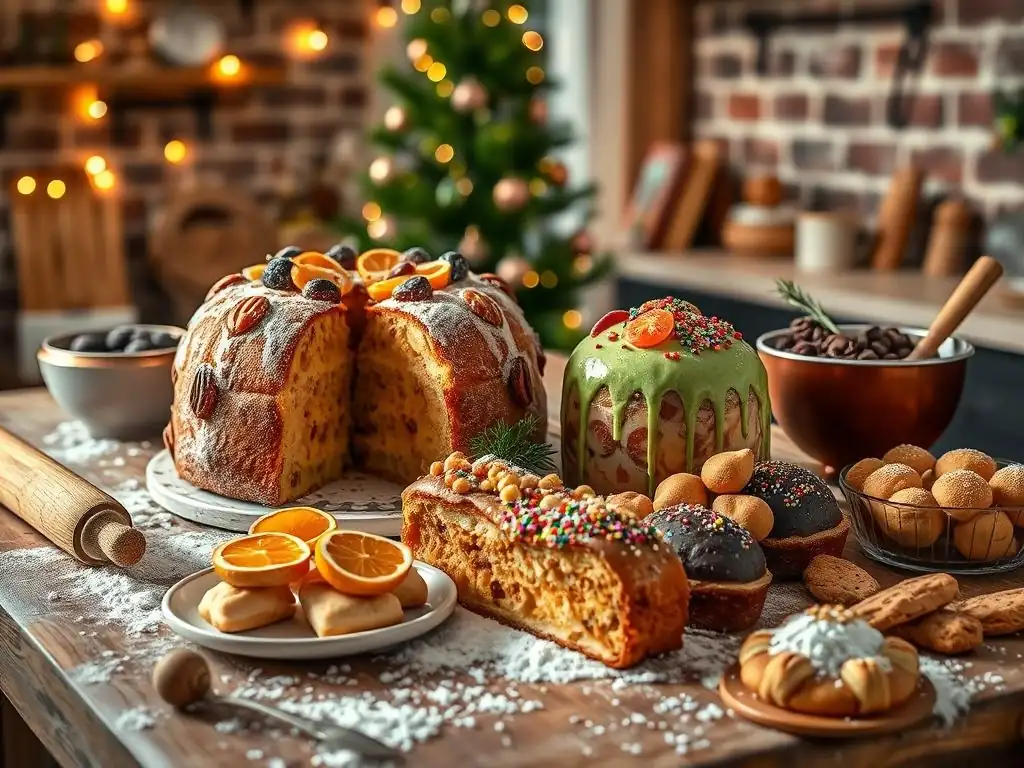
While Panettone, Pandoro, Struffoli, and Ricciarelli are among the most famous, the world of easy Italian Christmas baking extends much further. Italy boasts a treasury of regional holiday sweets, each with its own history and unique charm. Exploring some of these lesser-known but equally delicious treats offers a deeper appreciation for the breadth of Italian culinary traditions and provides exciting new challenges for the adventurous home baker.
These additional desserts often feature nuts, dried fruits, honey, and spices, reflecting the ingredients historically available during the winter months. Many have ancient origins, sometimes linked to monastic traditions or peasant ingenuity. Discovering and recreating these regional specialties is a rewarding way to expand your easy Italian Christmas baking repertoire and surprise your friends and family with unique flavors.
Torrone: Italian Nougat - A Festive Treat
Torrone is a classic Italian nougat candy, widely enjoyed during the Christmas season. It typically consists of honey, sugar, egg whites, and nuts (almonds, hazelnuts, or pistachios), often sandwiched between thin sheets of edible paper. Torrone comes in various textures, from soft and chewy (morbido) to hard and brittle (duro). While making traditional Torrone can be quite involved, requiring careful temperature control of boiling sugar and honey, simplified versions or kits exist, and understanding its components is key to appreciating this festive sweet.
The process involves cooking sugar and honey to specific temperatures, whipping egg whites into a meringue, and carefully combining the mixtures before folding in a large quantity of toasted nuts. The mixture is then spread into molds or onto a surface and pressed before being cut. High-quality Torrone relies on excellent nuts and patient cooking. It's a treat that showcases the simple elegance of nuts and honey, a staple of Italian holiday sweets, making even simplified easy Italian Christmas baking versions a delightful challenge.
Panforte: Sienese Christmas Cake - A Deep Dive
Panforte, meaning "strong bread," is a dense, chewy, spiced fruitcake from Siena, Tuscany. Its origins date back to the Middle Ages, and it was traditionally made with honey, dried fruits, nuts, and spices, often including black pepper, which gave it its "strong" name. There are two main types: Panforte Margherita (the classic, less spiced version with candied melon and citrus) and Panforte Nero (a darker version often containing cocoa and more robust spices). It's a relatively flat, round cake, typically dusted with powdered sugar.
Making Panforte involves heating honey and sugar, then stirring in a mixture of toasted nuts, dried/candied fruits, flour, and a generous amount of spices. The mixture is pressed into a round pan and baked at a moderate temperature. The high sugar and low moisture content give Panforte an incredibly long shelf life. It's traditionally served in small wedges, often with Vin Santo (a sweet Tuscan dessert wine), and its rich, complex flavor makes it a sophisticated addition to your easy Italian Christmas baking spread.
Cavallucci, also from Siena, are chewy, spiced cookies flavored primarily with anise, walnuts, and candied fruit (usually melon or orange peel). Their name, meaning "little horses," might refer to their historical association with travelers or perhaps their shape. They are typically rustic in appearance, often with a cracked surface, and have a firm, chewy texture rather than being crisp.
The dough is made from flour, sugar, nuts, candied fruit, and spices, bound together with honey or a sugar syrup. Anise seeds or liqueur provide the characteristic flavor. The dough is shaped into small oval or round cookies and baked at a moderate temperature until firm but not hard. Like Panforte and Ricciarelli, Cavallucci benefit from being stored for a few days after baking, allowing the flavors to deepen and the texture to soften slightly. They are less common outside of Tuscany than Ricciarelli but are a beloved part of Sienese easy Italian Christmas baking.
Enjoying Your Easy Italian Christmas Baking
The best part about easy Italian Christmas baking isn't just the process of creating these delicious treats, but the joy of sharing and savoring them. Italian culture places a strong emphasis on food as a way to gather and connect, and holiday sweets are at the heart of this tradition. Presenting a platter of homemade Italian Christmas goodies is a wonderful way to celebrate the season with family and friends, creating lasting memories around the table.
Enjoying these baked goods is also about understanding how they are traditionally served and paired. Whether it's dusting a Pandoro with a snowy layer of sugar, serving Panettone with a dollop of cream, or pairing almond cookies with a digestif, the presentation and accompaniment enhance the overall experience. So, take pride in your easy Italian Christmas baking efforts and share the sweet taste of Italy this holiday season.
Serving Suggestions for Italian Christmas Desserts
Presenting your easy Italian Christmas baking creations beautifully enhances their appeal:
- Panettone & Pandoro: Serve slices plain or with a dusting of powdered sugar. They are also wonderful with a side of mascarpone cream (mascarpone mixed with a little sugar and sometimes liqueur), whipped cream, or a fruit sauce. Slices can be arranged creatively on a platter, especially Pandoro slices stacked to resemble a Christmas tree.
- Struffoli: Arrange the honey-coated balls in a festive mound on a platter. Decorate generously with colorful sprinkles (diavulilli) and small pieces of candied fruit. They are typically served piled high.
- Ricciarelli: Arrange these delicate cookies on a plate or in small paper cases. A light dusting of extra powdered sugar before serving adds an elegant touch.
- Panforte & Cavallucci: These dense sweets are traditionally cut into small wedges or pieces and served as part of a larger dessert spread or with coffee or a digestif. Their rich flavors mean a small piece is often satisfying.
- Assorted Platter: Create a stunning display by arranging a variety of your easy Italian Christmas baking treats on a large platter. Mix shapes, colors, and textures – the tall Panettone/Pandoro, the mounded Struffoli, the pale Ricciarelli, and the dark Panforte.
Pairing Italian Christmas Sweets with Drinks
Choosing the right beverage can perfectly complement the flavors of your easy Italian Christmas baking:
- Panettone & Pandoro: These pair beautifully with Moscato d'Asti, a lightly sparkling, sweet white wine from Piedmont. Other good options include Vin Santo, Passito (a sweet Italian raisin wine), or even a dry Prosecco for contrast. Coffee and espresso are also classic accompaniments.
- Struffoli: The sweetness of the honey calls for a balancing drink. Vin Santo, Passito, or a sweet Marsala are good choices. Espresso or a strong black coffee also work well to cut through the richness.
- Ricciarelli, Panforte & Cavallucci: These spiced, nutty, or almond-based sweets are traditionally paired with Vin Santo, particularly in Tuscany. Other sweet wines like Passito or a rich Sherry can also be excellent matches. They are also superb with espresso or a strong Italian coffee.
- General Pairings: For a non-alcoholic option, a good quality sparkling cider or even a strong brewed tea can be lovely. Hot chocolate can also be a decadent pairing for some of the richer cakes.
Experiment with different pairings to find your personal favorites and impress your guests with thoughtful combinations alongside your easy Italian Christmas baking efforts.
The true spirit of easy Italian Christmas baking lies in the act of sharing. These treats are meant to be enjoyed in the company of family and friends, often exchanged as gifts or served during festive gatherings. Baking for others is a gesture of love and generosity, continuing a tradition that is deeply ingrained in Italian culture.
Whether you box up a selection of homemade cookies as a thoughtful gift, bring a freshly baked Panettone to a holiday party, or lay out a lavish spread for your own guests, the effort you put into your easy Italian Christmas baking will be appreciated. These aren't just desserts; they are edible expressions of holiday cheer, connecting you and your loved ones to centuries of Italian tradition. So bake with joy, share with generosity, and savor the sweet moments of an Italian-inspired Christmas.
Frequently Asked Questions
What makes Italian Christmas baking different from other holiday baking?
Italian Christmas baking often features regional specialties and emphasizes simple, rustic flavors using ingredients like nuts, dried fruits, and citrus. There's a strong tradition of family recipes passed down through generations.
Is Panettone the only traditional Italian Christmas bread?
No, while Panettone is very popular, other traditional Italian Christmas breads include Pandoro, a star-shaped sweet bread, and various regional loaves featuring local ingredients and unique techniques.
Yes! Many recipes for cookies like Ricciarelli (almond cookies) or Biscotti can be quite simple and require minimal ingredients and baking experience. These are great for getting started with Italian baking.
Where can I find the ingredients needed for Italian Christmas baking?
Most ingredients like flour, sugar, eggs, and butter are readily available at most grocery stores. For more specialized items like candied citrus peel or specific types of nuts, you might need to visit a specialty store or order online.
Can I adapt Italian Christmas baking recipes to be gluten-free or vegan?
Yes, with some adjustments. Gluten-free flour blends can be substituted in many recipes, and vegan alternatives like flax eggs and plant-based butter can be used to modify traditional recipes while still capturing the essence of Italian Christmas flavors.
Final Reflection: The Sweet Taste of Italian Christmas Traditions
The enduring appeal of Italian Christmas baking lies not just in the delicious results, but in the simple joy of creating cherished traditions. These recipes, passed down through generations, offer a tangible connection to family history and cultural heritage, a connection that resonates deeply even in our fast-paced modern world. The ease of preparation, highlighted throughout this article, ensures that anyone can participate in this heartwarming ritual, regardless of their baking experience.
The comforting aroma of biscotti and panettone filling a home during the holidays is more than just a scent; it's a powerful evocation of warmth, family, and shared experiences. It's a reminder of the importance of slowing down, connecting with loved ones, and savoring the simple pleasures in life. As the Italian writer Italo Calvino once said, The world is a beautiful place, and it's worth fighting for.
And for me, a part of that fight, a part of that beauty, is found in the shared act of creating and enjoying these simple, yet deeply meaningful, Italian Christmas treats.
This Christmas, I invite you to step away from the commercial frenzy and embrace the warmth of tradition. Choose a recipe, gather your loved ones, and experience the magic of creating something delicious together. Let the sweet aroma of cinnamon and citrus fill your home, and let the simple act of baking become a cherished memory, a testament to the enduring power of family, culture, and the timeless joy of Italian Christmas baking. Don't just bake; create a legacy.
Unleash Your Inner Italian Baker!
Thanks for joining us on this delicious journey through Italian Christmas baking! We hope you’ve discovered some new traditions and inspiring recipes to try. Now it's time to get baking!
- Master a new festive treat: Choose your favorite recipe from the article and start baking! Imagine the aroma filling your kitchen...and the happy faces around your table.
- Share your creations: Post a picture of your masterpiece on social media and tag #BakeWithEaseChristmas – let's inspire each other!
- Explore regional variations: Dive deeper into Italian baking traditions by researching regional specialties. What other Christmas treats does Italy have to offer?
Ready to sprinkle some Italian magic into your holiday season?