
Spices for Beginners: Your First Spice Rack Essentials

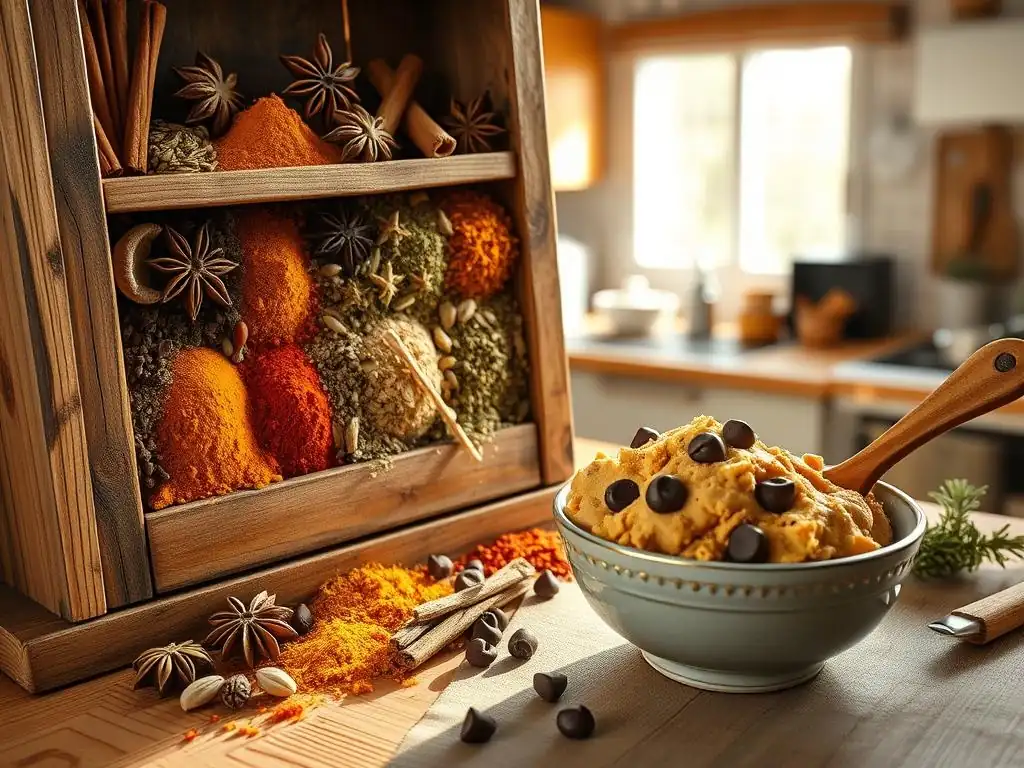
Welcome to BakeWithEase, where we unlock the secrets to delicious baking! Ever wondered how a simple pinch of the right spice can transform a basic recipe into a culinary masterpiece? This week, we’re diving deep into the world of easy spices for beginner baking. Discover the essential spices every baker should have in their pantry and how to use them to elevate your creations. Intrigued? Keep reading to build your first spice rack and embark on a flavor-filled baking journey!
- Spices for Beginners: Your First Spice Rack Essentials - BakeWithEase
- Bake With Ease: Building Your Beginner Baking Spice Rack
- Essential Spices for Baking: A Beginner's Guide
- Beyond the Basics: Expanding Your Spice Collection for Baking
- Storing Your Baking Spices for Optimal Flavor
- Baking with Spices: Easy Tips and Techniques for Beginners
- Easy Baking Recipes to Showcase Your New Spice Rack
- Mastering the Art of Baking with Spices: A Journey Begins
-
Frequently Asked Questions
- What are the absolute essential spices for a beginner baker to start with?
- Where should I store my spices to keep them fresh for longer?
- How can I tell if my spices are still good to use?
- What's the difference between ground spices and whole spices, and which should a beginner baker use?
- Can I substitute one spice for another in a baking recipe?
- Final Reflection: Unlocking Flavor: Your Culinary Journey Begins Here
- Unleash Your Inner Spice Master!
Spices for Beginners: Your First Spice Rack Essentials - BakeWithEase
Bake With Ease: Building Your Beginner Baking Spice Rack
Welcome to the World of Baking Spices!
Embarking on your baking journey is exciting, and one of the most rewarding parts is discovering how simple ingredients transform into delicious treats. While flour, sugar, and butter are the foundation, spices are the magical fairy dust that elevates your baked goods from good to unforgettable. For beginners, diving into the vast world of spices can seem daunting, but don't worry! We're here to guide you through building your first essential spice rack, focusing on easy spices that are perfect for beginner baking. These foundational spices are versatile, widely available, and incredibly forgiving, making them ideal for getting started.
Building a well-stocked spice rack doesn't happen overnight, and you certainly don't need every spice under the sun when you're just starting out. The goal is to select a few key players that offer maximum flavor impact with minimal fuss. Think of this as your starter pack for adding warmth, aroma, and depth to your cookies, cakes, muffins, and more. Focusing on these easy spices for beginner baking will help you build confidence and understand how different flavors interact, setting you up for future baking success.
Why Spices are Essential for Baking Success
Spices are far more than just flavor enhancers; they are integral components that contribute to the overall sensory experience of baked goods. They provide aroma, warmth, depth, and complexity that plain sugar and flour cannot. Imagine a simple apple pie without cinnamon or a gingerbread cookie missing that characteristic kick from ginger – they just wouldn't be the same!
Spices help balance sweetness, add intriguing layers of flavor, and even contribute to the color and texture of your creations. For instance, a sprinkle of nutmeg in a creamy custard or a pinch of cloves in a pumpkin pie can dramatically change the flavor profile, turning a simple dessert into a comforting classic.
Furthermore, using spices effectively is a key step in mastering baking. Learning how much spice to add, when to add it, and how different spices complement each other is a skill developed over time. Starting with easy spices for beginner baking allows you to practice these fundamental techniques without being overwhelmed. These essential spices are forgiving, meaning a little too much or too little won't typically ruin your entire batch, unlike some finickier ingredients. They provide a fantastic foundation for understanding flavor profiles and experimenting with combinations, making your baking journey both educational and delicious.
Essential Spices for Baking: A Beginner's Guide
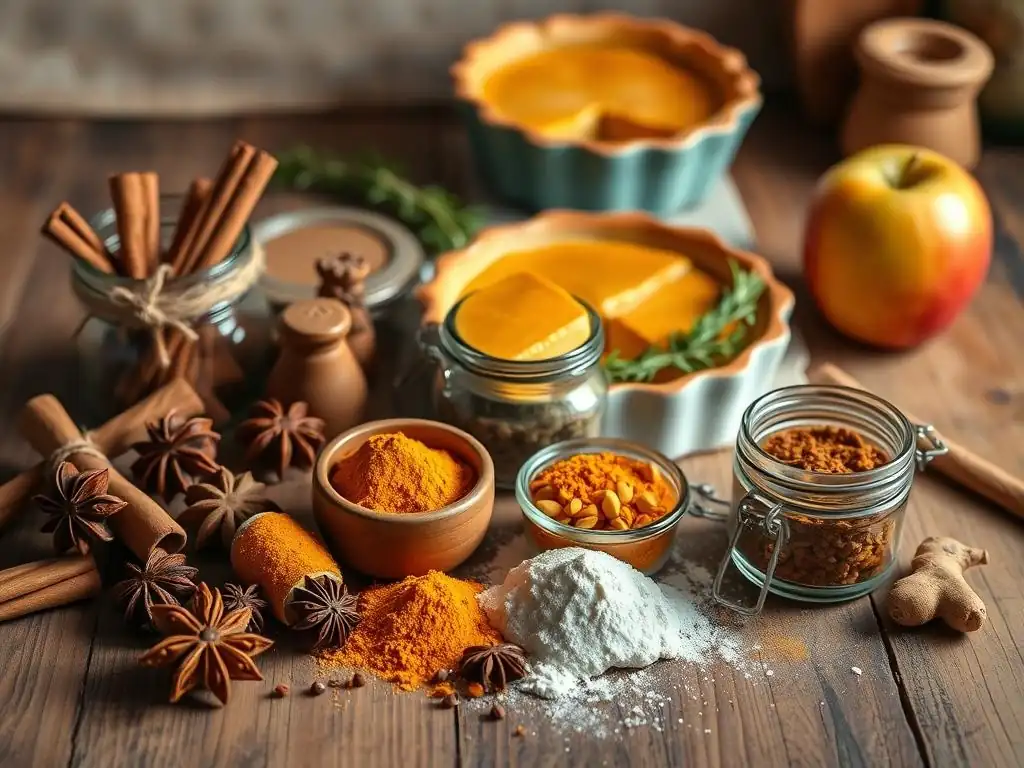
The Top 5 Easy Spices Every Beginner Baker Needs
1. Cinnamon: The Versatile Baking Spice
Cinnamon is arguably the most popular baking spice worldwide, and for good reason! Its warm, sweet, and slightly spicy notes are incredibly versatile, pairing beautifully with fruits like apples, pears, and berries, as well as chocolate and vanilla. It's an absolute must-have for any beginner baker. A small jar of ground cinnamon can last through dozens of batches of cookies, muffins, and quick breads, offering fantastic value and flavor. It's one of the easiest spices to incorporate into recipes, usually just requiring a simple stir into your dry ingredients.
From classic cinnamon sugar toast to elaborate layer cakes, cinnamon fits almost anywhere. It's a key ingredient in beloved recipes like apple pie, snickerdoodle cookies, and French toast. Its comforting aroma fills the kitchen, instantly signaling homemade goodness. When starting out, don't hesitate to add a teaspoon or two of cinnamon to your basic muffin or pancake batter for an instant flavor boost.
Understanding Cinnamon Varieties: Ceylon vs. Cassia
While most grocery stores stock "cinnamon" which is typically Cassia cinnamon, it's helpful to know there are different varieties. Cassia cinnamon, the most common in North America, is bolder, stronger, and has a slightly spicier kick due to a higher coumarin content. It's perfect for robust baked goods where you want the cinnamon flavor to stand out, like cinnamon rolls or gingerbread.
Ceylon cinnamon, often called "true cinnamon," is more delicate, subtly sweet, and has a complex, almost floral aroma. It's lighter in color and texture. While Cassia is often preferred for baking due to its stronger flavor that holds up to heat, Ceylon is sometimes favored for dishes where cinnamon is used raw or in lighter preparations. For beginner baking, ground Cassia cinnamon is usually what recipes call for and is the easiest to find and use effectively.
Best Uses for Cinnamon in Baking Recipes
Cinnamon is incredibly adaptable. It's a staple in apple desserts – think apple pie, apple crumble, or baked apples, often using 1-2 teaspoons per standard pie. It's essential for classic cookies like snickerdoodles, where it's mixed with sugar for rolling. Quick breads and muffins, such as banana bread or blueberry muffins, benefit greatly from a teaspoon of cinnamon added to the batter.
Beyond these classics, cinnamon can be added to chocolate chip cookies, oatmeal cookies, pancake and waffle batter, and even savory-sweet dishes like sweet potato casserole. Its warmth makes it perfect for fall and winter baking, but its versatility means it can be enjoyed year-round. Start by adding 1/2 to 1 teaspoon to your favorite simple recipes and adjust to your taste.
2. Nutmeg: Adding Warmth and Depth
Nutmeg brings a distinctively warm, slightly sweet, and nutty flavor to baked goods. It pairs wonderfully with dairy, eggs, and fruits, making it a key player in custards, pies, and spiced cakes. While powerful, a little nutmeg goes a long way to add depth and complexity that you can't get from other spices. It's a fantastic addition to your easy spices for beginner baking collection.
Nutmeg is often used in combination with other spices like cinnamon and cloves, but it can also shine on its own. It's a traditional ingredient in eggnog, béchamel sauce (for savory uses), and many holiday baked goods. For beginners, adding a pinch (about 1/4 teaspoon) to a recipe that already uses cinnamon is a great way to start exploring its flavor profile.
Whole Nutmeg vs. Ground Nutmeg: Which to Choose?
For the absolute best flavor, whole nutmeg grated fresh is superior. Whole nutmeg retains its volatile oils much longer than ground nutmeg, resulting in a more potent aroma and richer taste. You can buy whole nutmeg "nuts" and grate them using a microplane or a special nutmeg grater just before adding to your recipe. A single whole nutmeg can yield several teaspoons of grated spice.
However, for convenience, especially for beginners, pre-ground nutmeg is perfectly acceptable and much easier to use. It's ready to measure and add directly to your batter. Just be aware that ground nutmeg loses its potency relatively quickly, so it's best to buy small quantities and store it properly. If using ground, you might need slightly more than fresh-grated for the same intensity of flavor.
Baking Recipes That Showcase Nutmeg's Flavor
Nutmeg is indispensable in many classic desserts. It's a key component in pumpkin pie spice blends and a must-add to pumpkin pie filling, often used at about 1/2 to 1 teaspoon per pie. Custard-based desserts like bread pudding, crème brûlée, and flans benefit from a pinch of nutmeg. It's also excellent in spiced cakes, muffins (like apple or pumpkin muffins), and even sugar cookies for a subtle warmth.
Consider adding about 1/4 to 1/2 teaspoon of ground nutmeg to your next batch of sugar cookies or a simple pound cake batter. It provides a lovely background note that enhances other flavors without overpowering them. Remember, nutmeg is potent, so start with a small amount and add more if needed in future batches.
3. Ginger: A Zesty Baking Must-Have
Ginger brings a warm, pungent, and slightly spicy kick to baked goods. It's a star player in gingerbread, gingersnap cookies, and many fall and winter treats. Its unique flavor profile adds excitement and warmth, making it an essential easy spice for beginner baking. Ground ginger is the most common form used in baking and is very easy to incorporate.
Ginger pairs wonderfully with molasses, brown sugar, and other warm spices like cinnamon and cloves. It can range from subtly warm to intensely spicy depending on the quantity used. It's a fantastic spice to experiment with as you become more comfortable in the kitchen.
Ground Ginger vs. Fresh Ginger in Baking
For most baking recipes, ground ginger is the standard ingredient called for. It's dried and powdered ginger root, offering a concentrated, consistent flavor that integrates easily into dry ingredients. Using ground ginger makes measuring straightforward and ensures even distribution throughout your batter or dough. It's the go-to for classics like gingerbread cookies and spice cakes.
Fresh ginger, on the other hand, has a brighter, more pungent, and slightly citrusy flavor. While wonderful in savory dishes and some wet applications like glazes or syrups, it's less commonly used directly in baked goods themselves unless specifically called for in a recipe. Its moisture content and fibrous texture make it less ideal for dry doughs or batters. Stick to ground ginger for your beginner baking adventures.
Ginger-Infused Baking: Cookies, Cakes, and More
Gingerbread cookies are perhaps the most iconic use of ground ginger, often requiring 1-2 teaspoons per batch. Ginger also shines in spice cakes, muffins, and quick breads, adding warmth and complexity. Try adding 1 teaspoon of ground ginger to your next batch of pumpkin muffins or banana bread alongside cinnamon and nutmeg.
Beyond the classics, ginger can add an unexpected twist to apple crisp toppings, pear tarts, and even chocolate desserts. Its zesty warmth cuts through richness and sweetness beautifully. It's also a key flavor in ginger snaps and ginger cake, often combined with molasses for that signature deep, spicy-sweet taste.
4. Allspice: A Blend in a Single Spice
Allspice is a unique spice because its name sounds like a blend of several spices, but it actually comes from the dried, unripe berries of a single evergreen tree native to the Caribbean and Central America. Its flavor profile indeed resembles a combination of cinnamon, cloves, and nutmeg, offering warmth and complexity in one convenient package. This makes it an excellent easy spice for beginner baking, as it provides a layered flavor without needing multiple jars.
Allspice is available both whole (small berries) and ground. For baking, ground allspice is the easiest to use, integrating seamlessly into batters and doughs. It's less potent than ground cloves but offers a similar warm, aromatic quality.
What Flavors Make Up Allspice?
The flavor of allspice is a harmonious blend. It has the warmth and slight sweetness of cinnamon, the pungent, aromatic depth of cloves, and the nutty undertones of nutmeg. Because it contains notes of these popular baking spices, it often pairs well with recipes that would traditionally use one or more of them. It provides a comforting, familiar taste profile.
This natural blend makes allspice incredibly versatile. You can often use it as a substitute for a combination of cinnamon, nutmeg, and cloves in recipes, although the exact ratio might need adjustment depending on the desired intensity. For beginners, simply using the amount specified in a recipe is the easiest approach.
Allspice in Baking: From Pies to Quick Breads
Allspice is a traditional ingredient in pumpkin pie spice, often making up about 1/4 to 1/2 of the blend. It's also commonly used in fruit pies (especially apple and cherry), spiced cakes, gingerbread, and quick breads like banana bread or zucchini bread. Its warm notes complement both fruit and spice-heavy recipes.
Consider adding 1/2 teaspoon of ground allspice to your next batch of apple muffins or a simple spice cake. It adds a depth of flavor similar to using multiple spices, but with the ease of measuring just one. It's also excellent in baked goods featuring pears or cranberries.
5. Cloves: A Powerful Aromatic Spice
Cloves are the dried flower buds of an evergreen tree and are one of the most intensely aromatic spices available. They have a pungent, sweet, and slightly bitter flavor with warming notes. Like nutmeg, a little bit of clove goes a very long way in baking. While powerful, it's an easy spice to add to your beginner baking repertoire if used mindfully.
Ground cloves are the most common form used in baking. They are a key component in many spice blends, including pumpkin pie spice and apple pie spice. Cloves pair exceptionally well with apples, pumpkin, chocolate, and other warm spices.
Ground Cloves: Use Sparingly!
This is the golden rule for ground cloves: use them sparingly! Their flavor is very concentrated, and too much can easily overpower other ingredients and leave a slightly medicinal or bitter taste. Recipes typically call for very small amounts, often 1/4 teaspoon or less for an entire cake or batch of cookies.
When starting out, it's better to use slightly too little clove than too much. You can always add a tiny pinch next time if you feel the flavor wasn't strong enough. Measure carefully, ideally using measuring spoons dedicated to small quantities.
Baking with Cloves: Cakes, Pies, and Spiced Breads
Cloves are essential for classic spiced baked goods. They are a core ingredient in pumpkin pie, often used at about 1/4 to 1/2 teaspoon per pie. Apple pies, spice cakes, gingerbread, and some fruitcakes also benefit from the addition of cloves. They contribute significantly to the warm, complex flavor profile of these traditional recipes.
Try adding just a pinch (about 1/8 teaspoon) of ground cloves to your next apple crisp topping or banana bread batter alongside cinnamon. It adds a subtle layer of warmth and spice. Cloves are also excellent in mulled wine or cider recipes, often used whole, but in baking, ground is preferred for even distribution.
Beyond the Basics: Expanding Your Spice Collection for Baking
Other Beginner-Friendly Baking Spices to Consider
Once you're comfortable with the top 5 easy spices for beginner baking, you might want to explore a few more that are still relatively easy to use and add exciting new dimensions to your baking. These spices offer unique flavors that can elevate your simple recipes.
Consider adding these to your collection when you're ready to venture slightly beyond the absolute essentials. They are versatile enough to be used in many different types of baked goods and are generally forgiving for beginners.
Cardamom: An Exotic Baking Spice
Cardamom has a unique, aromatic flavor that is slightly sweet, floral, and citrusy with hints of eucalyptus. It's a staple in Scandinavian and Middle Eastern baking and pairs beautifully with coffee, citrus, and nuts. Ground cardamom is the easiest form for beginners to use.
It adds a sophisticated twist to simple baked goods like sugar cookies, muffins, and coffee cakes. Try adding 1/2 teaspoon of ground cardamom to your next batch of snickerdoodles or a simple lemon pound cake for a delightful surprise. It's also fantastic in baked goods featuring apples or pears.
Vanilla Bean Powder: A Pure Vanilla Flavor
While technically not a spice in the traditional sense (it's ground vanilla beans), vanilla bean powder offers a pure, intense vanilla flavor without the alcohol base of extract. It's more expensive than extract but provides a different depth and visible flecks of vanilla bean.
A small amount (1/4 to 1/2 teaspoon) can significantly boost the vanilla flavor in cookies, cakes, and custards. It's particularly good in recipes where the vanilla flavor is meant to be prominent, like shortbread or vanilla bean ice cream (baked). It's an easy way to add gourmet flair.
Orange Zest: A Bright Citrus Flavor
Orange zest, the colorful outer layer of the orange peel, is packed with fragrant oils that add a bright, citrusy note to baked goods. While not a dried spice, it's used similarly to add flavor and is incredibly easy for beginners to incorporate. It pairs wonderfully with chocolate, cranberries, and warm spices like cinnamon and ginger.
Finely grated orange zest (about 1-2 teaspoons per recipe) can be added to cake batters, cookie doughs, muffins, and glazes. It brightens flavors and adds a lovely aroma. Always use a microplane or fine grater and avoid the bitter white pith underneath the zest.
Storing Your Baking Spices for Optimal Flavor
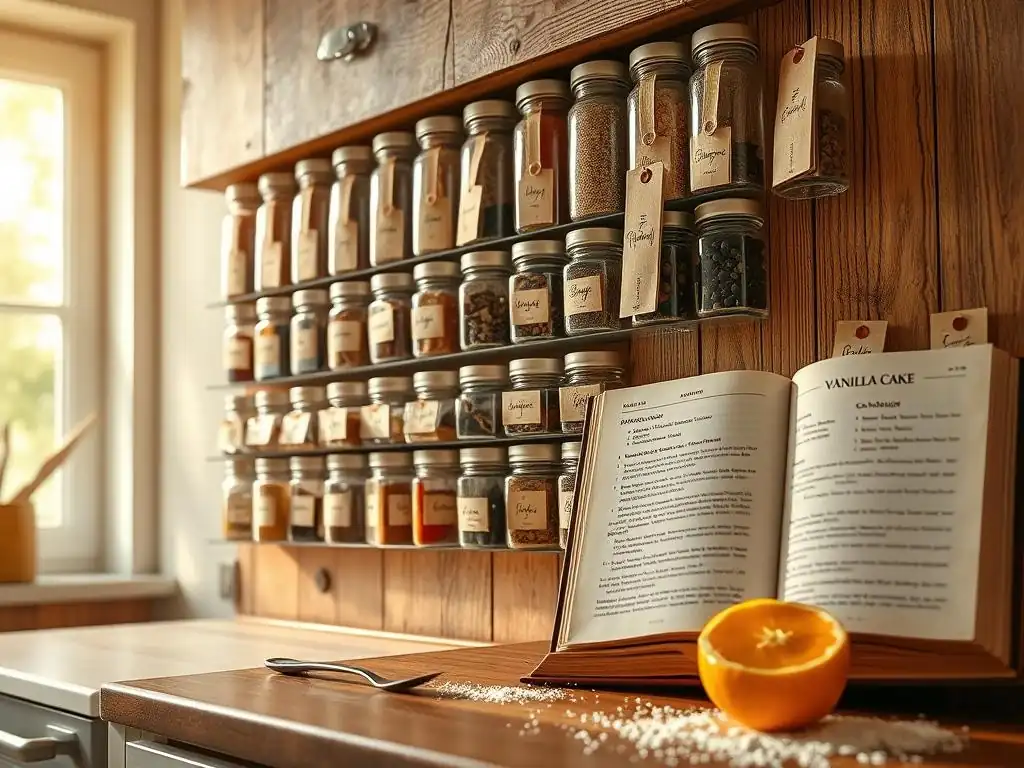
Proper storage is crucial for keeping your easy spices for beginner baking potent and flavorful. Spices lose their intensity over time, and improper storage accelerates this process. Heat, light, and air are the main culprits.
Investing a little time in proper storage will ensure that every pinch and teaspoon of spice you use delivers the maximum flavor impact, making your baking even more successful.
Tips for Keeping Your Spices Fresh and Potent
- Keep them away from heat: Avoid storing spices above your stove, oven, or dishwasher. The heat fluctuations will degrade their quality quickly.
- Protect them from light: Store spices in opaque containers or in a dark cupboard or pantry. Direct sunlight is particularly harmful.
- Minimize exposure to air: Ensure lids are tightly sealed after each use. Air exposure causes the volatile oils in spices to evaporate.
- Avoid moisture: Don't sprinkle spices directly from the jar over a steaming pot or pan; the steam can introduce moisture into the container, leading to clumping and spoilage. Measure into a spoon first.
- Buy in small quantities: Especially for ground spices, buy only what you expect to use within 6-12 months. While they won't necessarily "go bad" in the sense of being unsafe, their flavor will significantly diminish. Whole spices last longer, often 2-3 years.
Following these simple tips will help preserve the vibrant flavors of your essential spices, ensuring your baked goods always taste their best.
Best Spice Storage Containers and Methods
A dark, cool pantry or cupboard is the ideal location for storing spices. As for containers, opaque glass jars with tight-fitting lids are excellent. Metal tins also work well as they block light completely. Clear glass jars are acceptable if stored in a dark place.
Consider using containers of appropriate size for the amount of spice you have; minimizing the air space in the jar helps maintain freshness. Label your containers clearly with the spice name and the date you purchased it or opened the package to help you track freshness. Some people even note the date they should aim to replace it by.
Baking with Spices: Easy Tips and Techniques for Beginners
Using spices in baking is straightforward, but a few simple techniques can enhance their impact. For beginners, understanding how to measure and when to add spices is key to achieving delicious results.
Don't be intimidated by spice measurements in recipes. They are usually quite precise for a reason. Following these basic tips will help you integrate spices into your baking with confidence.
Measuring Spices Accurately for Baking
Accuracy in measuring spices is important, especially for potent ones like cloves or ginger. Use proper measuring spoons designed for dry ingredients. Fill the spoon and level it off with a straight edge (like the back of a knife or a small spatula) to ensure you have the exact amount called for in the recipe.
- Ground Spices: Measure directly into the measuring spoon.
- Whole Spices (if grating fresh): Grate directly over the measuring spoon or into a small bowl and then measure.
- Pinch/Dash: If a recipe calls for a "pinch" or "dash," it's a very small, unmeasured amount – typically less than 1/8 teaspoon. For beginners, it's often better to measure small amounts precisely (e.g., 1/8 tsp) if the recipe gives a specific measurement.
Consistent measurement helps ensure consistent results every time you bake a recipe.
Blooming Spices for Enhanced Flavor
Blooming spices means gently heating them to release their aromatic oils, intensifying their flavor and aroma. This technique is more common in savory cooking but can occasionally be used in baking, particularly for spices added to liquids or fats before being incorporated into the main batter.
For example, you might gently heat ground cinnamon or cardamom in melted butter or oil for a minute or two before adding the mixture to a cake batter. This brief heating step "blooms" the spices, making their flavor more prominent. However, be careful not to burn them, as this will result in a bitter taste. For most beginner baking recipes, simply adding the spices as directed (usually with the dry ingredients) is sufficient and much easier.
Substituting Spices in Baking Recipes
While it's best to follow a recipe exactly when starting out, sometimes you might find yourself without a specific spice. Substituting spices is possible, but it requires understanding their flavor profiles. For the easy spices beginner baking relies on, there are some common substitutions:
- Cinnamon: Not easily substituted for its core flavor, but other warm spices can add similar notes.
- Nutmeg: Allspice can be a decent substitute, using slightly less. Mace (the outer covering of the nutmeg seed) has a similar but more delicate flavor.
- Ginger: Allspice or a mix of cinnamon and a tiny pinch of clove can sometimes work, but the zesty kick is hard to replicate.
- Allspice: Use a blend of cinnamon, nutmeg, and clove. A common starting ratio is 1 part ground clove, 1 part ground nutmeg, and 2 parts ground cinnamon. Use the same total amount as the allspice called for, or slightly less initially.
- Cloves: Allspice is the best substitute, using slightly more than the amount of clove called for. Use cautiously!
Task List: Spice Substitution Checklist
- [ ] Identify the required spice you are missing.
- [ ] Consider the primary flavor notes of the missing spice.
- [ ] Choose a substitute with similar notes (e.g., warmth, sweetness, pungency).
- [ ] Start with a smaller amount of the substitute than the original spice called for.
- [ ] Taste (if possible, e.g., in a batter) and adjust.
- [ ] Note the substitution for future reference.
Remember that substitutions will alter the final flavor profile, but they can be a great way to experiment and learn about spice combinations.
Easy Baking Recipes to Showcase Your New Spice Rack
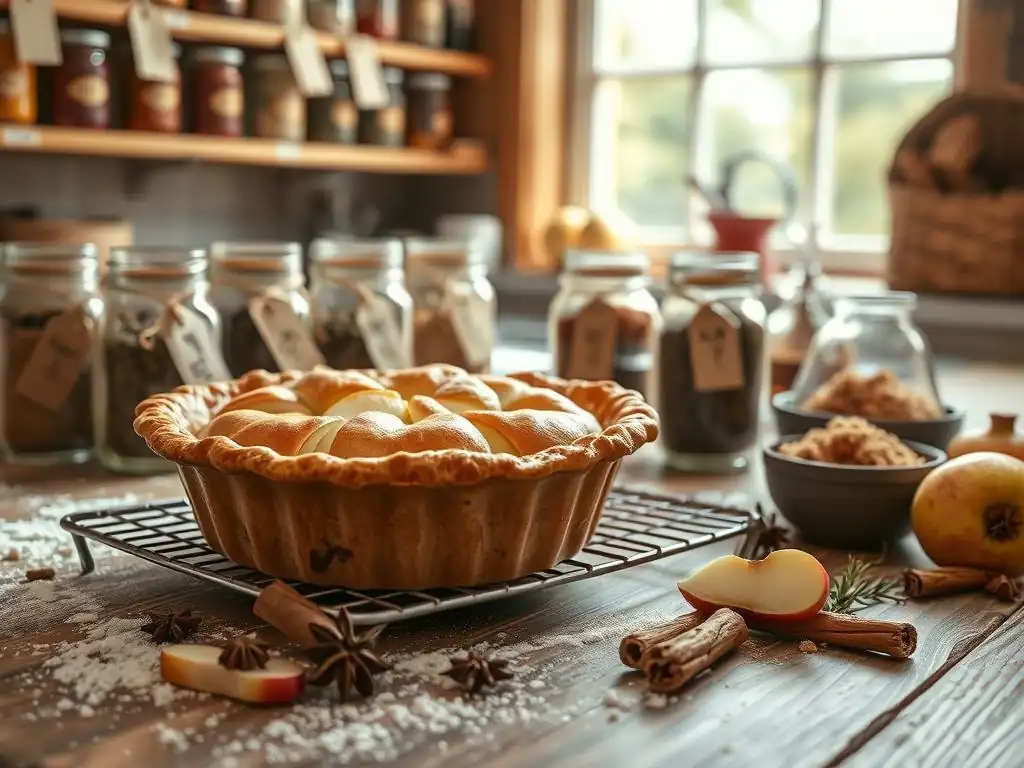
Ready to put your new collection of easy spices for beginner baking to use? Here are a few classic, beginner-friendly recipes that highlight the flavors of your essential spices. These recipes are straightforward and guaranteed to smell amazing while baking!
Cinnamon Rolls for Beginners
Yields: ~8-12 rolls
Prep time: ~30 minutes + rising time
Bake time: ~20-25 minutes
These simple cinnamon rolls are a perfect way to use your cinnamon. The dough is forgiving, and the filling is just butter, sugar, and plenty of cinnamon.
- Ingredients:
- Dough: All-purpose flour, sugar, yeast, milk, butter, salt
- Filling: Brown sugar, ground cinnamon (approx. 1-2 tablespoons), softened butter
- Icing: Powdered sugar, milk, vanilla extract
- Key Spice: Cinnamon (generously used in the filling)
- Technique Focus: Working with yeast dough, rolling and slicing.
Note: A typical recipe might use 1.5 tablespoons of ground cinnamon for the filling of 8-10 rolls.
Yields: ~24-36 cookies
Prep time: ~20 minutes + chilling time
Bake time: ~8-11 minutes per batch
These cookies are a fantastic way to use ground ginger, cinnamon, and cloves, often with a hint of nutmeg and allspice. Their sturdy texture makes them great for decorating.
- Ingredients: All-purpose flour, ground ginger (approx. 1-2 teaspoons), ground cinnamon (approx. 1 teaspoon), ground cloves (approx. 1/4 teaspoon), ground nutmeg (approx. 1/2 teaspoon), baking soda, salt, butter, brown sugar, molasses, egg, vanilla extract.
- Key Spices: Ginger, Cinnamon, Cloves, Nutmeg (sometimes Allspice)
- Technique Focus: Creaming butter and sugar, working with stiff dough, rolling and cutting shapes.
Code Block Example (Simplified Spice Mix):
# Example Spice Blend for Gingerbread (adjust to taste)
gingerbread_spices = {
    "ground_ginger": "1.5 tsp",
    "ground_cinnamon": "1 tsp",
    "ground_cloves": "0.25 tsp",
    "ground_nutmeg": "0.5 tsp"
}

print("Typical Gingerbread Spice Blend:")
for spice, amount in gingerbread_spices.items():
    print(f"- {amount} {spice}")
Spiced Apple Cake
Yields: One 8x8 inch cake
Prep time: ~15 minutes
Bake time: ~40-45 minutes
This moist cake is packed with apples and features a warm blend of cinnamon, nutmeg, and allspice. It's incredibly easy to mix up and always a crowd-pleaser.
- Ingredients: All-purpose flour, sugar, ground cinnamon (approx. 1 teaspoon), ground nutmeg (approx. 1/2 teaspoon), ground allspice (approx. 1/4 teaspoon), baking soda, salt, eggs, vegetable oil, vanilla extract, chopped apples (approx. 2 cups).
- Key Spices: Cinnamon, Nutmeg, Allspice
- Technique Focus: Simple cake mixing (one-bowl or two-bowl method), incorporating fruit.
Block Quote Tip:
When baking with apples, using a mix of apple varieties can add more complex flavor and texture to your cake or pie. Consider combining tart and sweet apples.
These recipes provide a delicious starting point for using your easy spices for beginner baking. Don't be afraid to try them out!
Mastering the Art of Baking with Spices: A Journey Begins
From Beginner to Spice Expert: Keep Exploring!
You've taken the first step by building your essential spice rack for beginner baking. These foundational spices – cinnamon, nutmeg, ginger, allspice, and cloves – are your gateway to a world of flavor. As you become more comfortable using them, you'll develop a sense for how they interact and how much you prefer in different recipes. Remember that spice preferences are personal, so feel free to slightly adjust quantities in recipes once you've made them as written the first time.
The journey from beginner baker to spice expert is one of delicious discovery. As your confidence grows, you can gradually add more spices to your collection, like cardamom, star anise, or even make your own spice blends. Continue to bake, experiment, and taste. Your easy spices for beginner baking are just the beginning of a flavorful adventure in the kitchen. Happy baking!
Frequently Asked Questions
What are the absolute essential spices for a beginner baker to start with?
The must-have spices for beginner baking are cinnamon, nutmeg, vanilla extract (though technically an extract, it's often considered a spice), and allspice. These provide a versatile base for many recipes.
Where should I store my spices to keep them fresh for longer?
Spices should be stored in a cool, dark, and dry place. Avoid storing them near the oven or in direct sunlight, as heat and light can degrade their flavor and potency.
How can I tell if my spices are still good to use?
A good way to tell if your spices are still good is by smelling them. If they have lost their aroma and smell weak or musty, they are likely past their prime and won't add much flavor to your baked goods.
What's the difference between ground spices and whole spices, and which should a beginner baker use?
Ground spices are pre-ground, making them convenient for immediate use. Whole spices require grinding but offer a stronger, fresher flavor. For beginners, ground spices are generally recommended for ease of use.
Can I substitute one spice for another in a baking recipe?
While some substitutions are possible, it's important to be cautious. Similar flavor profiles can sometimes be swapped, but be sure to research the substitution and adjust the amount accordingly to avoid altering the recipe's outcome.
Final Reflection: Unlocking Flavor: Your Culinary Journey Begins Here
The world of spices is vast and intimidating, but mastering a few key ingredients unlocks a universe of flavor possibilities, making even simple baking recipes extraordinary. This is especially true for beginners who often feel overwhelmed by the sheer variety available. This article aimed to demystify the process, providing a practical guide to building a foundational spice rack, and empowering you to confidently experiment in the kitchen.
The impact of readily available spices on our culinary landscape is undeniable. From the subtle warmth of cinnamon in a morning muffin to the vibrant zing of ginger in a holiday cookie, spices add depth and complexity to our everyday meals. The spice trade changed the world, and the spices themselves continue to change our plates.
This simple statement highlights the enduring power of these seemingly small ingredients to shape our cultural experiences and personal connections to food. Learning to use them effectively is not just about improving recipes; it's about enriching our lives through the art of cooking.
Now, it's your turn. Don't be afraid to experiment! Start with the essentials outlined in this article, and gradually expand your spice collection as your confidence grows. Each new spice you discover is an invitation to explore new flavors, new cultures, and new culinary adventures. Embrace the journey, savor the process, and remember that even the simplest baked good can become a masterpiece with the right touch of spice.
Unleash Your Inner Spice Master!
Thanks for taking the time to explore the wonderful world of spices with us! We hope you're feeling inspired and ready to elevate your cooking. Now it's time to put your newfound knowledge into action.
- Craft your dream spice rack: Start with the essential spices we covered – cinnamon, cumin, turmeric, paprika, and black pepper – and gradually expand your collection as your confidence grows. Don't forget to label everything!
- Share your spice journey: Tell us about your favorite spice combinations or any exciting recipes you create using these new flavors. We’d love to hear from you in the comments below!
- Experiment with a new recipe: Find a recipe that utilizes some of the spices discussed and give it a try! Let the aromatic adventure begin.
Ready to embark on a flavorful journey? What's the first spice-infused recipe you'll be tackling?