
The Intriguing Story Behind New England's Anadama Bread


Welcome to BakeWithEase, your trusted guide to the wonderful world of baking! Ever heard of a bread born from a baker's frustration and a wife named Anna? Get ready to uncover the intriguing story behind New England's beloved Anadama bread recipe. Discover its humble beginnings and the secrets to recreating this unique, cornmeal-infused loaf in your own kitchen. Are you ready to bake a piece of New England history?
- Unveiling the Mystery of Anadama Bread: A New England Baking Tradition
- What is Anadama Bread? Defining a Regional Classic
- The Legend of Anadama: Tracing the Origins of This New England Staple
- The Evolution of the Anadama Bread Recipe: From Colonial Times to Today
- Baking Your Own Anadama Bread: A Step-by-Step Guide
- Anadama Bread's Place in New England Cuisine: More Than Just a Recipe
- The Enduring Appeal of Anadama Bread: Why This Classic Recipe Remains Beloved
- Frequently Asked Questions
- Final Reflection: The Enduring Legacy of Anadama Bread
- Unleash Your Inner Baker: Make Anadama Bread Today!
Unveiling the Mystery of Anadama Bread: A New England Baking Tradition
New England is steeped in rich culinary history, and few regional specialties capture the essence of its baking heritage quite like Anadama bread. This distinctive loaf, known for its slightly sweet, coarse texture and golden hue, holds a special place in the hearts and ovens of bakers throughout Massachusetts, Maine, and beyond. It's more than just a simple bread; it's a tie to the past, a comforting staple often found on dinner tables or served alongside chowders and stews. The story behind its curious name and unique composition adds layers of intrigue to an already beloved classic.
Exploring the origins and evolution of Anadama bread reveals fascinating insights into the ingredients and techniques that shaped early American baking. From its humble beginnings, likely in a coastal New England kitchen, to its status today as a sought-after regional delicacy, this bread embodies resilience and tradition. Understanding the elements that make a perfect New England Anadama bread recipe is key to appreciating its enduring appeal and successfully recreating this historical treasure in your own home kitchen.
What is Anadama Bread? Defining a Regional Classic
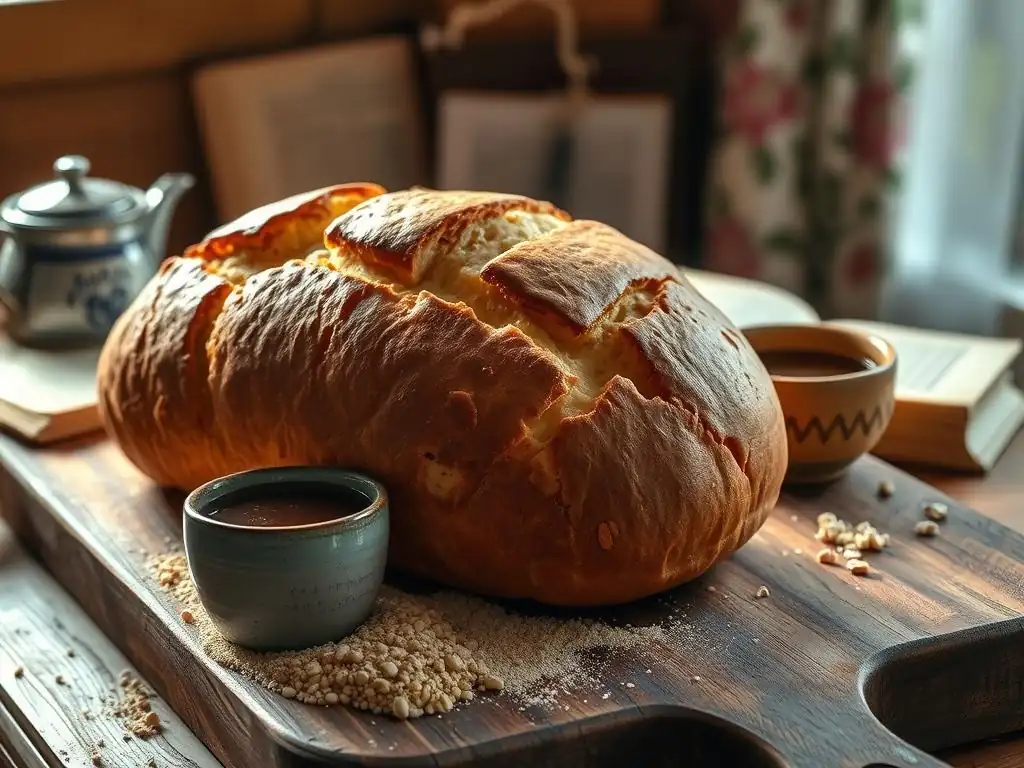
Anadama bread stands out in the world of loaves, primarily defined by its inclusion of cornmeal and molasses alongside traditional wheat flour. This combination imparts a unique flavor profile that is simultaneously sweet and slightly savory, with a texture that is denser and heartier than typical white bread. The cornmeal contributes a subtle grit and a lovely golden color to the crumb, while the molasses provides depth of flavor, natural sweetness, and a characteristic dark crust when baked.
While variations exist, a classic Anadama loaf is often a slightly oblong or round freeform boule, though it can also be baked in a pan. Its aroma is unmistakable – a warm, earthy sweetness that evokes cozy kitchens and New England autumns. This bread isn't just a vehicle for butter; it's a flavorful component of a meal in itself, capable of holding up to hearty toppings or standing alone as a satisfying snack. Getting the balance right in a New England Anadama bread recipe is crucial for achieving that perfect harmony of textures and flavors.
Exploring the Unique Characteristics of Anadama Bread
The defining characteristic of Anadama bread is its texture, a delightful contrast between a firm, chewy crust and a moist, slightly crumbly interior. The inclusion of cornmeal, typically yellow cornmeal though white can be used, is responsible for the fine, sandy texture found throughout the crumb. This isn't a light, airy loaf; it's substantial and satisfying, perfect for slicing thickly. A well-made Anadama loaf will have a tight but not overly dense crumb, with visible flecks of cornmeal distributed evenly.
Beyond texture, the flavor profile is equally distinctive. The molasses provides a deep, slightly smoky sweetness that is more complex than granulated sugar. This sweetness is balanced by the inherent earthiness of the cornmeal and the savory notes from the yeast and wheat flour.
Some traditional recipes might include a touch of butter or oil for richness, further enhancing the flavor and keeping the crumb moist. The aroma, too, is a key characteristic, a warm, inviting scent of baked grain and molasses that fills the kitchen as it bakes. Achieving these characteristics is the goal of any authentic New England Anadama bread recipe.
The Key Ingredients in a Traditional Anadama Bread Recipe: Cornmeal, Molasses, and More
At the heart of any authentic New England Anadama bread recipe are the core ingredients: wheat flour, cornmeal, and molasses. While all-purpose white flour is commonly used, some recipes might incorporate a portion of whole wheat flour for added depth and nutrition. The cornmeal is typically fine or medium grind yellow cornmeal, which provides the characteristic texture and color.
The amount of cornmeal relative to flour is a significant factor in the final bread's texture; too much can make it overly dense and crumbly, while too little diminishes its unique character. A common ratio might see cornmeal making up about 15-25% of the total flour weight.
Molasses is the primary sweetener and flavor agent. Dark, unsulphured molasses is often preferred for its robust flavor, though lighter varieties can be used for a milder sweetness. The quantity of molasses can vary, typically ranging from a few tablespoons to half a cup or more per standard loaf, directly impacting the bread's sweetness and crust color.
Other standard bread ingredients like yeast (active dry or instant), salt, and water (or milk) are also essential. Some recipes might include a small amount of butter or oil for tenderness, or perhaps a touch of sugar or honey in addition to the molasses to boost fermentation. Precision in measuring these key ingredients is vital for a successful New England Anadama bread recipe.
The Legend of Anadama: Tracing the Origins of This New England Staple
The history of Anadama bread is shrouded in a charming, albeit likely apocryphal, legend that has become synonymous with the bread itself. While the exact origins are debated, the story provides a colorful narrative for this beloved New England staple. Like many folk tales, it speaks to the simple domestic life and resourceful nature often associated with early American households. Pinpointing the precise moment and location of the first loaf is challenging, but the legend offers a compelling explanation for its unusual name.
Historically, breads incorporating cornmeal were common in colonial New England due to the availability of corn (maize). Molasses, a byproduct of sugar refining, was also a readily available and affordable sweetener compared to sugar. Combining these ingredients in various forms of bread and porridge was a practical and nutritious practice. The Anadama bread recipe likely evolved from simpler cornmeal and molasses porridges or baked goods, gradually incorporating wheat flour and yeast as they became more accessible, transforming it into the leavened loaf we know today.
The Baker's Wife's Lament: The Famous Anadama Bread Origin Story
The most widely circulated origin story for Anadama bread tells of a fisherman or farmer in coastal New England, perhaps in Rockport, Massachusetts, or another nearby town. This man was apparently quite fond of a simple cornmeal and molasses porridge or gruel. His wife, Anna, grew tired of preparing this dish repeatedly. One day, in frustration while making the same old thing, she supposedly muttered something to the effect of, "Anna, damn her! I'll make you some bread!" and threw together flour, cornmeal, and molasses, perhaps adding yeast and water, to create a new kind of loaf.
According to the tale, the resulting bread was surprisingly delicious and became a household favorite. Over time, the mumbled phrase "Anna, damn her" was slurred and shortened into "Anadama," giving the bread its unique and memorable name. This story, while endearing and widely repeated, lacks solid historical documentation. It fits the character of New England folklore, often featuring strong-willed individuals and practical solutions born of necessity or frustration, but historians generally view it as a charming myth rather than verifiable fact regarding the first New England Anadama bread recipe.
Fact vs. Fiction: Separating Myth from Reality in the Anadama Bread Narrative
While the "Anna, damn her" story provides a colorful origin, historical evidence suggests a more gradual evolution of the Anadama bread recipe. Cornmeal and molasses were indeed staple ingredients in colonial New England diets. Many early American baked goods, like johnnycakes, cornbread, and Indian pudding (which also features cornmeal and molasses), demonstrate the common use of these ingredients. It's highly probable that a leavened bread combining these elements developed organically over time as bakers experimented with available resources.
Alternative theories suggest the name might be a corruption of other words or phrases, perhaps related to the ingredients themselves or a place name, though none are as widely known or captivating as the Anna legend. What is factual is the bread's deep roots in New England's culinary landscape, particularly in coastal communities where molasses was readily imported.
Regardless of the true naming origin, the Anadama bread recipe became firmly established as a regional classic, passed down through generations and celebrated for its distinctive flavor and texture. The enduring popularity speaks more to the quality of the bread itself than the veracity of its founding myth.
The Evolution of the Anadama Bread Recipe: From Colonial Times to Today

The Anadama bread recipe, like many traditional foods, has not remained static over centuries. Its evolution reflects changes in ingredient availability, baking technology, and regional preferences. From its likely origins as a relatively simple, hearty loaf, it has seen adaptations in sweetness levels, texture, and even the type of leavening used. Understanding this evolution helps appreciate the variations found today and how different factors influenced the development of this New England staple.
Early versions were likely simpler, perhaps relying more heavily on cornmeal or using natural leavening methods. As wheat flour became more readily available and commercial yeast was introduced in the 19th century, the recipe likely shifted towards a more consistent, leavened loaf closer to what we recognize today. Regional nuances also played a role, with different areas or even individual families developing their preferred ratios of cornmeal to flour or varying the amount of molasses used, leading to subtle differences in sweetness and density across New England.
Early Anadama Bread Variations: Exploring Regional Differences in Sweetness and Texture
Historical accounts and old cookbooks suggest that early Anadama bread recipes varied considerably depending on the region and the baker's resources. In some areas, particularly those with strong maritime connections, molasses might have been more abundant, leading to sweeter loaves with a darker crust. In inland areas, the emphasis might have been more on the cornmeal as a primary grain source, resulting in denser, less sweet breads. For instance, a recipe from a mid-19th-century Massachusetts cookbook might call for a higher proportion of molasses than one from a rural Vermont community.
The texture also varied. Some early methods might have involved scalding the cornmeal with hot water before adding it to the dough, a technique still used in some modern recipes to soften the cornmeal and improve the crumb texture. The type of cornmeal used – coarse "Indian meal" versus finer grades – would also significantly impact the final loaf's feel. These regional and historical variations highlight that there isn't one single "original" New England Anadama bread recipe, but rather a family of similar breads that adapted to local conditions and tastes over time.
Modern Adaptations of the Anadama Bread Recipe: Experimenting with Sourdough and Whole Wheat
Today, the New England Anadama bread recipe continues to evolve. While classic versions remain popular, modern bakers experiment with different flours and leavening agents. One common adaptation is incorporating whole wheat flour alongside or instead of some of the white flour, adding more fiber and a nuttier flavor that complements the molasses well. Using a mix of all-purpose and whole wheat flour, perhaps a 50/50 split, can create a loaf with increased nutritional value without sacrificing too much of the traditional texture.
Another significant modern variation is using a sourdough starter instead of commercial yeast. A sourdough Anadama bread recipe introduces a tangy complexity that contrasts beautifully with the sweetness of the molasses. This requires a longer fermentation period, often involving an overnight rise, which can also develop more nuanced flavors and improve the bread's texture and keeping qualities. These modern twists demonstrate the versatility of the core Anadama concept, allowing bakers to put their own spin on this historic New England bread while respecting its fundamental character.
Baking Your Own Anadama Bread: A Step-by-Step Guide
Baking your own New England Anadama bread can be a rewarding experience, filling your home with its signature sweet aroma. While specific measurements vary between recipes, the general process involves combining the unique ingredients and allowing time for fermentation and baking. Patience is key, as with most yeast breads, allowing the dough sufficient time to develop flavor and structure. Don't be intimidated by the unique ingredients; they are readily available and easy to work with.
A typical Anadama bread recipe follows the standard steps of mixing, kneading, rising, shaping, and baking. The inclusion of cornmeal and molasses requires careful attention to hydration, as cornmeal absorbs liquid differently than wheat flour. Often, the cornmeal is soaked in hot water or milk first to soften it before being added to the rest of the ingredients. Following the steps precisely will help ensure a successful, delicious loaf that captures the essence of this New England classic.
Preparing the Dough: The Foundation of a Perfect Anadama Loaf
The first step in most New England Anadama bread recipes involves activating the yeast and potentially scalding the cornmeal. If using active dry yeast, it's typically dissolved in warm water (around 105-115°F or 40-46°C) with a pinch of sugar or molasses to help it bloom. Meanwhile, the cornmeal might be combined with boiling water or milk and left to cool slightly.
This scalding step helps prevent the cornmeal from making the dough gritty. Once the cornmeal mixture has cooled to a lukewarm temperature, it's combined with the proofed yeast, molasses, salt, and a portion of the wheat flour in a large mixing bowl.
Gradually adding the remaining flour, the dough is mixed until it comes together. Kneading is crucial for developing gluten, which gives the bread structure. This can be done by hand on a floured surface for 8-10 minutes or in a stand mixer with a dough hook for 6-8 minutes.
The dough should be smooth, elastic, and slightly tacky. After kneading, the dough is placed in a greased bowl, covered, and left to rise in a warm place until it has doubled in size, which typically takes 1-1.5 hours depending on the temperature and yeast activity. This initial rise is vital for developing flavor and creating a light texture in your New England Anadama bread.
Baking to Perfection: Achieving the Ideal Texture and Crust
Once the dough has completed its first rise, it's gently deflated, shaped into a loaf (either freeform or placed in a greased loaf pan), and allowed to undergo a second rise. This final proofing usually takes another 45-60 minutes, or until the loaf looks puffy and has increased significantly in size. While the dough is proofing, the oven should be preheated, typically to around 375°F (190°C). A baking stone or steel can be used for freeform loaves to help create a crispier bottom crust, preheating it with the oven.
Before baking, the top of the loaf can be brushed with a little water or milk for a softer crust, or an egg wash for a glossier finish. The bread is then baked for approximately 45-60 minutes, or until it is deep golden brown and sounds hollow when tapped on the bottom. An internal temperature of 190-200°F (88-93°C) indicates it is fully baked. Allowing the loaf to cool completely on a wire rack before slicing is essential for the crumb to set properly. This final bake transforms the dough into the delicious, aromatic New England Anadama bread we crave.
Tips and Tricks for a Successful New England Anadama Bread Recipe
Achieving a perfect New England Anadama bread recipe involves paying attention to a few key details. Firstly, ensure your yeast is fresh and active. If using active dry yeast, proofing it in warm liquid first confirms its viability. Secondly, the temperature of your liquids is important; water or milk that is too hot can kill the yeast, while liquid that is too cold will slow down fermentation significantly. Aim for lukewarm, around 105-115°F (40-46°C).
The consistency of the dough is also crucial. It should be soft and slightly sticky after kneading, but not wet. If it's too dry, the bread will be dense; if too wet, it will be difficult to handle and might collapse during baking. Don't be afraid to adjust the flour slightly during kneading. Finally, allowing sufficient time for both the first and second rises is critical for developing a light, flavorful crumb. Baking this classic New England Anadama bread recipe is a practice that rewards patience and attention to detail.
Anadama Bread's Place in New England Cuisine: More Than Just a Recipe
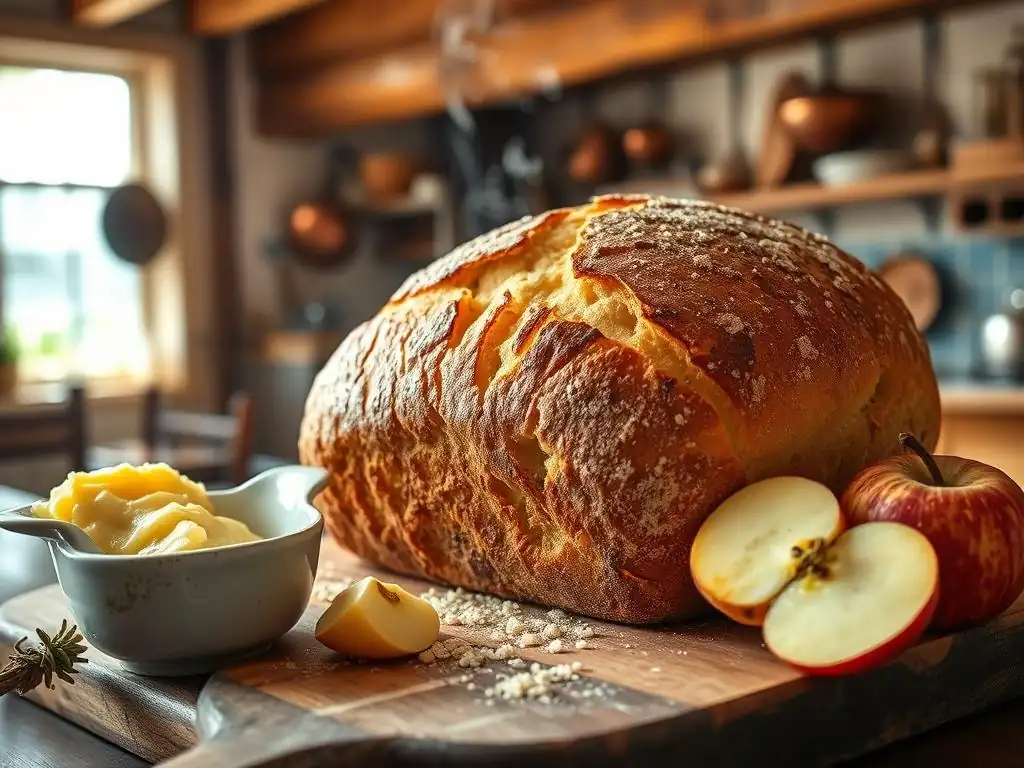
Anadama bread is deeply woven into the fabric of New England's culinary identity. It's not just a standalone bread; it's a versatile component of meals, often served in ways that highlight its unique characteristics. Its slightly sweet and hearty nature makes it an excellent accompaniment to both sweet and savory dishes, reflecting the practical and diverse nature of traditional New England fare. From simple breakfasts to elaborate seafood dinners, Anadama bread finds its place.
Historically, it would have been a common bread served with everyday meals, providing sustenance and flavor. Today, it retains that role while also being celebrated as a regional specialty. Its presence on bakery shelves and restaurant menus, particularly in coastal areas, signifies its continued importance. Enjoying a slice of Anadama bread is often an experience that connects one to the region's past and its enduring culinary traditions.
Anadama Bread Pairings: What to Serve with This Sweet and Savory Bread
The unique flavor profile of New England Anadama bread makes it incredibly versatile for pairings. Its subtle sweetness and hearty texture are a natural match for classic New England seafood dishes. A thick slice served alongside a steaming bowl of clam chowder or a lobster roll is a quintessential experience. The bread's sweetness contrasts nicely with the savory richness of the seafood. It also pairs wonderfully with baked beans, another regional staple, soaking up the flavorful sauce.
Beyond savory dishes, Anadama bread is excellent simply toasted and slathered with butter, jam, or honey for breakfast or a snack. The molasses flavor is enhanced by sweet spreads. For a more substantial breakfast, try it French toasted; the dense crumb holds up well to the custard, and the inherent sweetness means you might need less syrup. It can also be used for sandwiches, particularly those with robust fillings like sharp cheddar cheese or smoked ham, where its sweetness provides a pleasant counterpoint. Experimenting with pairings is part of the fun of a New England Anadama bread recipe.
Anadama Bread in Local Bakeries: Exploring Bakeries in Rockport, MA and Plymouth, MA
Coastal New England towns, particularly those with a rich history, often feature Anadama bread prominently in local bakeries. Rockport, Massachusetts, a charming seaside town often cited in the bread's origin legend, is a place where you can frequently find fresh Anadama loaves. Bakeries and specialty food shops there understand the local demand for this classic. While exact numbers are difficult to pinpoint, local estimates suggest bakeries in towns like Rockport might bake dozens of Anadama loaves daily, especially during tourist season.
Similarly, in Plymouth, Massachusetts, a town steeped in colonial history, Anadama bread is a recognized regional product. Bakeries and historical sites often feature it. These local establishments play a crucial role in keeping the tradition alive, using methods that may be close to the historic New England Anadama bread recipe, or their own time-tested variations. Visiting these bakeries offers a chance to taste authentic, locally-made versions and experience the bread's cultural significance firsthand. For example, a well-known bakery in Plymouth might sell upwards of 50-100 Anadama loaves on a busy weekend.
The Enduring Appeal of Anadama Bread: Why This Classic Recipe Remains Beloved
Despite the proliferation of countless bread varieties, the New England Anadama bread recipe has maintained its popularity and appeal for generations. Its survival speaks to more than just its unique flavor; it's tied to feelings of comfort, nostalgia, and a connection to a specific place and history. In a world of rapidly changing food trends, Anadama bread offers a taste of tradition and a reminder of simpler times.
Its continued presence in home kitchens, local bakeries, and regional restaurants underscores its status as a true New England icon. For many, the smell of Anadama bread baking evokes warm memories of childhood or visits to the coast. It's a bread that satisfies not just hunger, but also a longing for connection to heritage and place.
The Comfort and Nostalgia of a Traditional Anadama Bread Recipe
For those who grew up in or around New England, the taste and smell of Anadama bread are often deeply linked to comfort and nostalgia. It's the bread served at family gatherings, the accompaniment to a hearty winter soup, or the special treat found at a local farm stand. The simple, wholesome ingredients and the slightly sweet, earthy flavor provide a sense of warmth and familiarity. Baking a New England Anadama bread recipe at home is often a way to recreate these cherished memories and share a piece of regional history with others.
The process of making it, from the mixing of the slightly gritty cornmeal dough to the rich aroma that fills the kitchen as it bakes, is itself a comforting ritual. This connection to the past, combined with the bread's inherently satisfying texture and flavor, ensures its continued place as a beloved comfort food for many. It's a taste that transports you back, offering a moment of simple pleasure in a complex world.
Preserving the Legacy of New England's Anadama Bread
Preserving the legacy of the New England Anadama bread recipe is important for maintaining a connection to the region's culinary heritage. This involves sharing traditional recipes, teaching new generations how to bake it, and supporting the local bakeries that continue to produce it using time-honored methods. Efforts by food historians, regional cookbooks, and community events also play a role in documenting and celebrating this unique bread.
By understanding the history, appreciating the unique characteristics, and mastering the techniques of a traditional Anadama bread recipe, we help ensure that this delicious piece of New England culture continues to thrive. Whether you bake it from scratch using a classic method or seek it out in a local bakery, enjoying Anadama bread is an act of participating in and preserving a rich regional tradition.
Frequently Asked Questions
What exactly is New England Anadama bread?
Anadama bread is a traditional New England loaf known for its unique texture and slightly sweet flavor. It's characterized by the inclusion of cornmeal and molasses, giving it a distinctive taste and crumb.
Where does the name "Anadama" come from?
The origin of the name "Anadama" is rooted in folklore. Legend says it originated from a frustrated fisherman whose wife, Anna, refused to cook anything besides cornmeal. He exclaimed, "Anna, damn her!," giving the bread its unusual moniker.
Is Anadama bread difficult to make at home?
Not at all! BakeWithEase provides simple recipes and step-by-step guides making it accessible for bakers of all levels. Even beginners can successfully bake a delicious loaf of Anadama bread.
What makes BakeWithEase's Anadama bread recipe stand out?
Our recipe emphasizes easy-to-find ingredients and clear instructions. We focus on techniques that produce a reliably delicious loaf, even for those new to bread baking.
Can I modify the Anadama bread recipe to suit my preferences?
Absolutely! Feel free to experiment with different types of flour, or add ingredients like raisins or nuts for a personalized touch. BakeWithEase encourages creativity in the kitchen!
Final Reflection: The Enduring Legacy of Anadama Bread
The simple act of baking Anadama bread connects us to a rich history of resourcefulness and community, a legacy that remains surprisingly relevant in today's world. In a time of increasing food insecurity and a growing appreciation for sustainable practices, the story of this humble bread—born from necessity and refined by generations—serves as a powerful reminder of the ingenuity of our ancestors and the importance of valuing every ingredient.
The enduring appeal of Anadama bread lies not just in its delicious taste, but in its symbolic representation of resilience and adaptation. It's a testament to the human spirit's ability to overcome hardship and create something beautiful from seemingly limited resources. Necessity is the mother of invention,
and Anadama bread is a perfect embodiment of this timeless adage. Its continued popularity, even in a world overflowing with culinary options, speaks volumes about its enduring charm and the deep connection it fosters with New England's cultural heritage.
Consider, for a moment, the simplicity of the recipe, the accessibility of the ingredients. Now, consider the profound story it tells. You, too, can bake a piece of history, a tangible link to the past. Try your hand at making Anadama bread; savor its flavor, and reflect on the ingenuity and resourcefulness that birthed this culinary treasure. Let its story inspire you to find creativity and resourcefulness in your own life, to appreciate the simple things, and to connect with the rich tapestry of our shared culinary heritage.
Unleash Your Inner Baker: Make Anadama Bread Today!
Thanks for taking the time to explore the fascinating history of Anadama bread! We hope you enjoyed learning about its unique origins and delicious flavor. Now it's time to put your newfound knowledge to the test.
- Bake a loaf of Anadama bread: This is your chance to experience the rich history and delightful taste firsthand. Follow your favorite recipe or try a new one inspired by our article.
- Share your baking journey: Snap a picture of your finished loaf and share it on social media using #AnadamaBreadBakeWithEase. Let's build a community of Anadama bread enthusiasts!
- Explore variations: Try adding different spices, nuts, or fruits to your Anadama bread to create a unique twist on this classic recipe. Get creative and see what culinary magic you can conjure!
What unexpected ingredient will you add to your next Anadama bread creation to give it your own personal flair?