
Avoiding Common Food Safety Mistakes Home Bakers Make

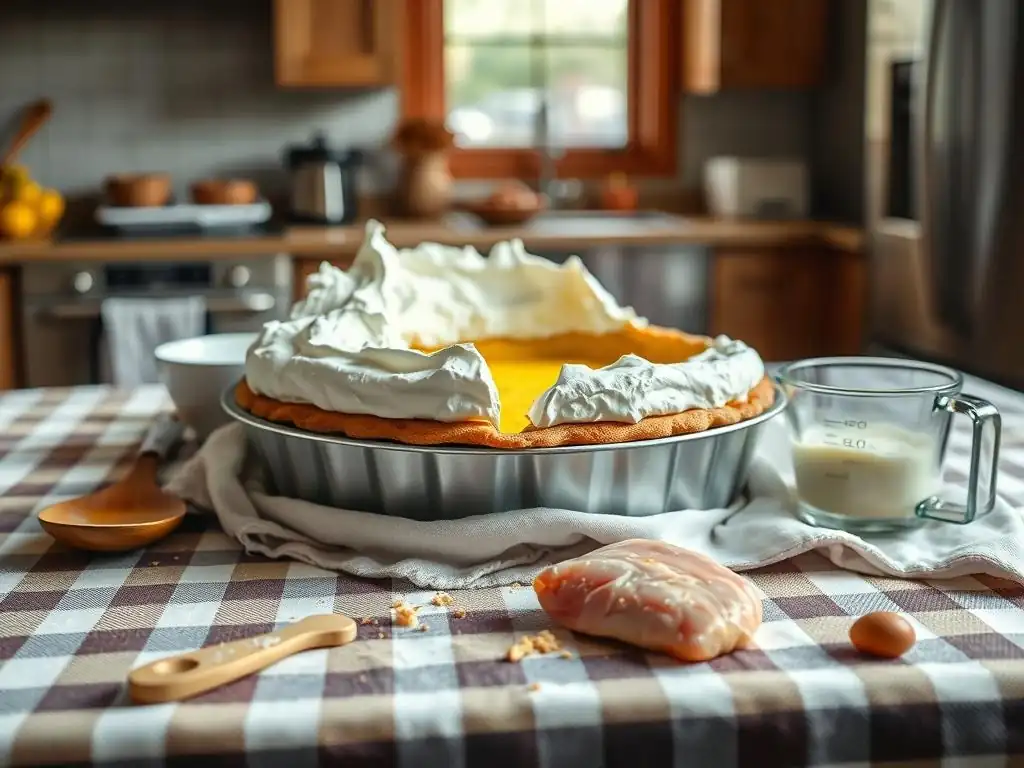
Welcome to BakeWithEase, where we believe everyone can create delicious baked goods! Are you unknowingly making food safety baking mistakes that could compromise your creations? Discover the hidden dangers and learn how to protect yourself and your loved ones with our comprehensive guide. Dive in to ensure your delicious treats are also safe to enjoy!
- Introduction: Ensuring Food Safety in Your Home Bakery
- Top Food Safety Baking Mistakes and How to Avoid Them
- Implementing a Food Safety Plan for Your Home Baking Business
- Resources for Food Safety in Home Baking
- Conclusion: Baking Safely and Deliciously
-
Frequently Asked Questions
- What are some common food safety baking mistakes beginners often make?
- Why is it crucial to use accurate temperature readings when baking?
- How can I prevent cross-contamination when baking different types of foods?
- What are the risks of using expired baking ingredients like flour or baking powder?
- What are the best practices for storing baked goods to prevent foodborne illnesses?
- Final Reflection: Baking with Confidence: Safe Practices for a Sweet Success
- Level Up Your Baking Game: Master Food Safety Today!
Introduction: Ensuring Food Safety in Your Home Bakery
Baking at home brings immense joy, filling your kitchen with wonderful aromas and your table with delicious treats. Whether you're baking for family, friends, or selling your goods, ensuring food safety is paramount. It's not just about following a recipe; it's about understanding how to handle ingredients and finished products to prevent foodborne illnesses. Even small-scale home baking requires diligent practices to protect yourself and those who enjoy your creations.
Why Food Safety Matters for Home Bakers
Food safety is critical because improperly handled food can harbor harmful bacteria, viruses, or other pathogens that cause illness. For home bakers, this is especially important if you're sharing or selling your baked goods, as you become responsible for the health of others. A single instance of poor hygiene or improper storage can lead to widespread sickness, damaging your reputation and potentially causing serious health issues for consumers. Understanding common food safety baking mistakes and how to avoid them is a foundational skill for any baker.
Beyond the health risks, maintaining high food safety standards builds trust. When customers or loved ones know you prioritize cleanliness and safe practices, they can enjoy your delicious baked goods with confidence. This trust is invaluable, particularly if you're operating a home baking business, where word-of-mouth and reputation are key. Implementing robust food safety measures demonstrates professionalism and care, setting you apart and ensuring your baking journey is both rewarding and safe.
Common Food Safety Hazards in Home Baking
Several hazards can compromise food safety in a home baking environment. Biological hazards, such as bacteria (like Salmonella or E. coli), viruses, and molds, are perhaps the most common. These can be introduced through contaminated ingredients, improper handling, or inadequate cooking temperatures. For example, using raw eggs contaminated with Salmonella is a classic risk in baking.
Chemical hazards, though less frequent in typical home baking, can include cleaning supplies accidentally contacting food, or pesticides if ingredients aren't washed properly (though most baking ingredients like flour and sugar don't require washing). Physical hazards involve foreign objects getting into food, such as hair, jewelry, or pieces of packaging. Avoiding these common food safety baking mistakes requires vigilance at every step, from sourcing ingredients to the final packaging.
Top Food Safety Baking Mistakes and How to Avoid Them
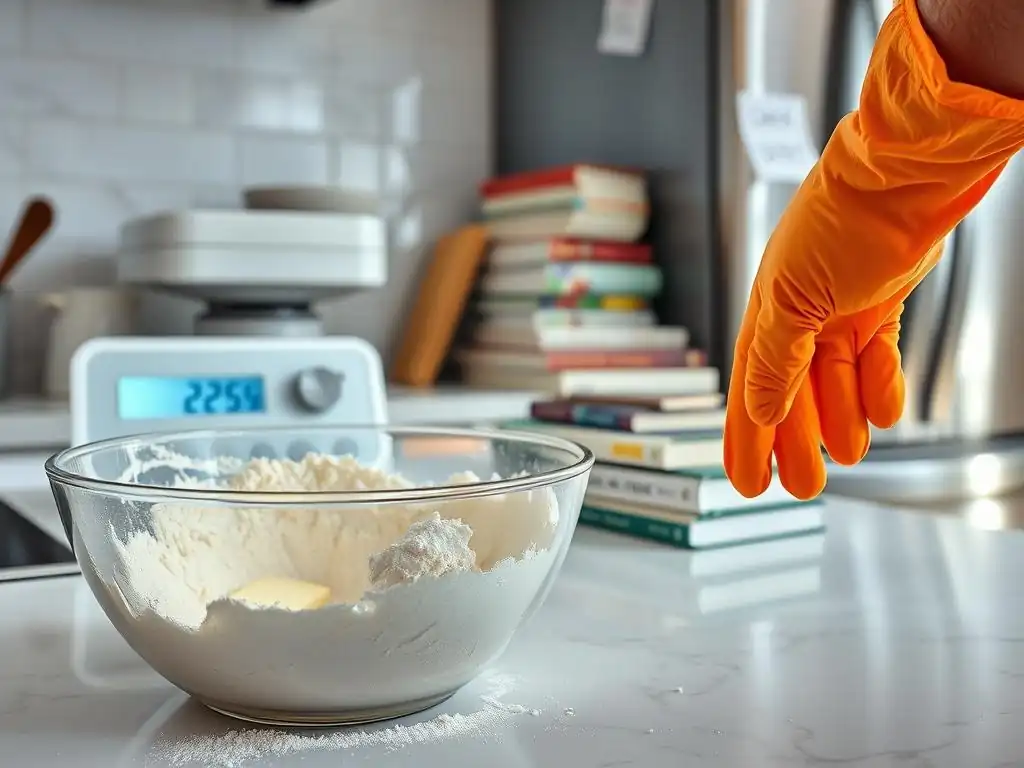
Mistake #1: Neglecting Proper Handwashing Hygiene
One of the most fundamental steps in preventing the spread of germs is proper handwashing. Many home bakers underestimate how often and how thoroughly they need to wash their hands, leading to potential contamination of ingredients, equipment, and finished products. Hands touch numerous surfaces and ingredients, making them primary vectors for transferring bacteria and viruses.
Think about it: you might touch raw eggs, then the flour bag, then your mixer, then the oven door handle. Without washing your hands between these steps, you can easily spread pathogens. Studies show that proper handwashing can reduce the risk of respiratory illnesses by 16-21% and diarrheal illnesses by 30-58%. For a baker, this simple act is the first line of defense against major food safety baking mistakes.
Why Handwashing is Crucial for Preventing Foodborne Illness
Our hands constantly pick up microorganisms from everything we touch. These microorganisms can include harmful bacteria like Staphylococcus aureus, which is commonly found on skin and can produce toxins in food, or E. coli, often associated with raw meat but easily spread to other surfaces. When these pathogens transfer from hands to food that won't be cooked further (like frosting or pre-baked cookie dough), or aren't killed during cooking, they can cause severe foodborne illness.
For example, if your hands are contaminated after handling raw chicken (even if you're baking later), and you then touch a kitchen towel that you use to dry your hands before handling baked goods, you've created a cross-contamination risk. Proper handwashing physically removes or inactivates these pathogens, drastically reducing the chance they will end up in your delicious baked goods. This is arguably the most critical step in avoiding food safety baking mistakes.
The Correct Handwashing Technique for Bakers
Effective handwashing requires more than just a quick rinse under the tap. The Centers for Disease Control and Prevention (CDC) recommends a five-step process: wet hands with clean, running water (warm or cold), apply soap and lather thoroughly, scrub hands for at least 20 seconds (about the time it takes to sing "Happy Birthday" twice), rinse hands well under clean, running water, and dry hands using a clean towel or air dryer.
Bakers should wash their hands frequently: before starting any baking task, after handling raw ingredients (like eggs or raw dough), after using the restroom, after touching pets, after coughing or sneezing, after touching garbage, and any time hands look or feel dirty. Keeping fingernails short and clean also helps prevent bacteria from hiding underneath. This consistent practice is fundamental to preventing many common food safety baking mistakes.
Mistake #2: Cross-Contamination Concerns in Baking
Cross-contamination occurs when bacteria or other microorganisms are transferred from one substance or object to another, with harmful effect. In baking, this often involves the transfer of pathogens from raw ingredients (like raw eggs or unpasteurized dairy) to ready-to-eat items (like baked cookies or frosting), or from unclean surfaces and utensils to food.
A common scenario involves using the same cutting board for raw cookie dough (which might contain raw egg) and then, without proper cleaning, using it for slicing a finished cake. Pathogens from the raw dough can transfer to the cooked cake. Preventing cross-contamination is a key challenge and a frequent source of food safety baking mistakes.
Understanding Cross-Contamination in the Kitchen
Cross-contamination can happen in various ways: direct contact (e.g., raw meat juices dripping onto vegetables in the fridge, although less common in baking, the principle applies to raw batter), indirect contact via hands (as discussed in handwashing), and indirect contact via equipment or surfaces (using an unwashed knife or cutting board). Even seemingly innocuous items like sponges or dishcloths can harbor bacteria if not regularly cleaned and sanitized.
Consider a scenario where you're making a meringue using raw egg whites. If you then use the same whisk or bowl, without washing and sanitizing, to prepare a whipped cream topping for the finished pie, you risk transferring potential Salmonella from the raw egg to the ready-to-eat cream. Recognizing these pathways is the first step in preventing cross-contamination and avoiding serious food safety baking mistakes.
Preventing Cross-Contamination: Surfaces and Utensils
Effective prevention involves separating raw and ready-to-eat items and ensuring all surfaces and utensils are thoroughly cleaned and sanitized. Use separate cutting boards for ingredients that pose higher risks (like raw eggs or dough containing them) if possible, or wash and sanitize boards thoroughly between uses. Sanitize means reducing the number of harmful microorganisms to a safe level, often done with a diluted bleach solution (e.g., 1 teaspoon of bleach per quart of water) or a commercial food-safe sanitizer after cleaning with soap and hot water.
All utensils – whisks, spatulas, bowls, measuring cups – that come into contact with raw ingredients should be washed and sanitized before being used for cooked or ready-to-eat items. Regularly clean and sanitize countertops, sink areas, and appliance handles. Using color-coded cutting boards, if you have multiple, can be a simple visual reminder to prevent this type of food safety baking mistake.
Safe Food Storage Practices to Prevent Cross-Contamination
Proper storage is vital to prevent cross-contamination in the refrigerator. Store raw ingredients, especially those containing raw eggs or unpasteurized dairy, below ready-to-eat items. This prevents any potential drips from contaminating foods that won't be cooked further. Use airtight containers to store ingredients and finished baked goods, keeping them separate.
For example, if you have leftover cookie dough containing raw egg chilling in the fridge, place it on a lower shelf, ideally in a sealed container, and ensure it's not stored above baked cookies or frosting. Keep your refrigerator clean and check temperatures regularly; it should be kept at or below 40°F (4°C) to slow bacterial growth. These storage practices significantly reduce the risk of cross-contamination, helping you avoid common food safety baking mistakes.
Mistake #3: Improper Temperature Control During Baking and Cooling
Temperature plays a critical role in food safety. Pathogenic bacteria thrive within a specific temperature range, and cooking to the correct internal temperature is essential to kill them. Conversely, cooling baked goods too slowly can allow any surviving bacteria or spores to multiply to dangerous levels.
Under-baking, especially items containing eggs or dairy, is a direct food safety risk. For instance, cheesecakes or quiches made with eggs need to reach a safe internal temperature. Similarly, leaving warm baked goods sitting at room temperature for too long before storing them is a common oversight that can lead to bacterial growth, representing a significant food safety baking mistake.
The Danger Zone: Why Temperature Matters
The "Danger Zone" for bacterial growth is the temperature range between 40°F (4°C) and 140°F (60°C). Within this range, bacteria can multiply rapidly, potentially doubling in number every 20 minutes. Foods that remain in this zone for more than two hours should be discarded, as they may contain dangerous levels of bacteria or toxins, even if they are subsequently cooked.
Many baked goods, particularly those containing moist fillings, custards, or dairy, are susceptible to bacterial growth if held in the Danger Zone. For example, a cream pie left on the counter for several hours after baking allows any heat-resistant bacteria that survived baking, or new bacteria introduced during handling, to multiply rapidly, turning a delicious dessert into a potential health hazard. Understanding and avoiding the Danger Zone is crucial for preventing food safety baking mistakes.
Ensuring Safe Baking Temperatures
While baking ovens operate at temperatures well above the Danger Zone (often 300°F - 450°F / 150°C - 230°C), the critical factor is the internal temperature reached within the food itself, especially for items containing eggs or dairy. For instance, casseroles or quiches containing eggs should be cooked to an internal temperature of 160°F (71°C). Even things like bread need to reach a high enough internal temperature (often around 190°F-210°F / 88°C-99°C) to be properly cooked, though the main safety concern here is more about the dough ingredients being exposed to heat.
Using a food thermometer is the most reliable way to ensure safe internal temperatures, particularly for moist items like pumpkin pie, quiche, or bread puddings. Don't rely solely on visual cues like browning. For items like cookies or muffins, where the batter is relatively uniform and cooks quickly at high temperatures, the risk is lower, but ensuring they are fully baked helps destroy any potential pathogens from the raw ingredients. Prioritizing internal temperature is key to avoiding food safety baking mistakes related to cooking.
Safe Cooling Procedures for Baked Goods
Once baked, food must be cooled quickly to pass through the Danger Zone as rapidly as possible. Leaving large items like cakes, loaves of bread, or pies to cool at room temperature for extended periods (more than two hours total time spent in the Danger Zone, including cooling) allows any surviving bacteria to multiply. While a loaf of crusty bread might be less risky than a custard pie, it's still a good practice for all baked goods.
To cool faster, place items on a wire rack to allow air circulation around all sides. Large items can be cut into smaller portions once they've cooled slightly (but are still warm) to increase surface area and speed cooling, provided you use clean utensils and surfaces. Once items have cooled sufficiently (ideally to below 40°F/4°C), they should be refrigerated or frozen if they are perishable (like cheesecakes, cream-filled pastries, or items with dairy/egg fillings). Rapid cooling is a vital step often overlooked, contributing to food safety baking mistakes.
Mistake #4: Incorrect Storage of Baking Ingredients
The safety of your finished product starts with the safety of your ingredients. Storing baking ingredients improperly can lead to spoilage, contamination, or pest infestation, all of which compromise food safety. Flour, sugar, leavening agents, extracts, and especially perishable items like eggs and dairy require specific storage conditions to remain safe and effective.
Leaving bags of flour open, storing butter or milk at room temperature, or failing to check storage instructions on packaging are common oversights. These seemingly small errors can introduce mold, bacteria, or pests into your ingredients, leading to significant food safety baking mistakes before you even start mixing.
Best Practices for Storing Flour, Sugar, and Other Staples
Dry baking staples like flour, sugar, cocoa powder, cornstarch, and baking soda/powder should be stored in airtight containers in a cool, dry place away from direct sunlight. This prevents moisture absorption (which can lead to clumping, mold, or spoilage) and protects against pantry pests like weevils or moths. While these dry goods are less prone to rapid bacterial growth than moist foods, contamination can still occur.
For example, flour can sometimes be a vehicle for E. coli, though it's typically killed during baking. However, if contaminated flour is used in a no-bake recipe or contaminates other surfaces, it poses a risk. Storing these items properly, ideally off the floor and away from walls to allow air circulation, minimizes risks and maintains quality. Using clear containers can help you easily check for signs of pests or spoilage, preventing a common food safety baking mistake.
Proper Storage of Eggs and Dairy Products
Eggs and dairy products (milk, butter, cream, cheese) are perishable and require refrigeration to prevent the growth of harmful bacteria like Salmonella (in eggs) or Listeria (in dairy). Eggs should be stored in their original carton in the coldest part of the refrigerator, not in the door where temperatures fluctuate. The carton helps protect them and prevents them from absorbing odors.
Dairy products should be kept sealed and refrigerated at 40°F (4°C) or below. Pay close attention to 'Use By' dates. While butter is less prone to bacterial growth due to its fat content, it can still go rancid or absorb odors if not stored properly wrapped and refrigerated or frozen. Using fresh, properly stored eggs and dairy is fundamental to avoiding food safety baking mistakes involving these high-risk ingredients.
Preventing Pantry Pests in Your Baking Ingredients
Pantry pests like weevils, moths, and beetles are not just unpleasant; their presence can contaminate ingredients with waste and potentially introduce bacteria. Preventing them starts with inspecting ingredients before purchase and upon storage. Transferring dry goods like flour, grains, and sugar into sturdy, airtight containers made of glass, metal, or thick plastic is the best defense.
Clean up spills immediately. Regularly clean pantry shelves, especially corners and crevices, using a vacuum cleaner to remove any errant crumbs or eggs, and wipe down with soap and water. Store new ingredients separately from old ones if possible, or use them first ('first-in, first-out' method). If you discover pests, discard all affected items, clean the area thoroughly, and consider storing susceptible items in the freezer for a few days to kill any remaining eggs or larvae. Pest control is an often-overlooked aspect of preventing food safety baking mistakes.
Mistake #5: Ignoring Expiration Dates and Food Spoilage
Using ingredients past their prime or showing signs of spoilage is a clear food safety risk. While some ingredients might just lose quality (like stale baking powder), others can develop harmful bacteria or toxins (like mold on cheese or rancid oils). Understanding the difference between 'Best By,' 'Sell By,' and 'Use By' dates is important, especially for perishable items.
A common food safety baking mistake is assuming dry goods last forever or just cutting mold off cheese and using the rest. While some hard cheeses can be salvaged this way, many ingredients, particularly moist or liquid ones, should be discarded if mold or off-odors are present.
Why Expiration Dates are Important
'Use By' dates are about safety. This date indicates when the product is no longer safe to eat. 'Best By' or 'Best Before' dates are about quality; the food may still be safe to eat after this date but might not be at its peak flavor or texture. 'Sell By' dates are for retailers to manage inventory. For bakers, paying closest attention to 'Use By' dates on perishable items like milk, cream cheese, and yogurt is crucial.
Even for ingredients with 'Best By' dates, like flour or baking powder, quality degrades over time, which can affect the outcome of your baking. More importantly, if these items are stored improperly, they can spoil or become contaminated well before their printed date. Regularly checking dates and ingredient condition is a simple way to prevent significant food safety baking mistakes.
Recognizing Signs of Food Spoilage in Baking Ingredients
Spoilage can manifest in various ways. For dry goods like flour or sugar, look for clumps that don't break apart easily, off-colors, mold growth, or the presence of pests. Oils or fats can become rancid, developing a harsh, unpleasant smell or taste – this isn't just a quality issue; rancidity involves chemical changes that can produce harmful compounds.
Perishable items like dairy will show obvious signs: sour smell, curdling, or mold. Eggs might float in water (indicating they are old, though not necessarily unsafe if cooked thoroughly, but quality suffers) or have a sulfurous smell. Mold on ingredients like nuts, dried fruits, or cheese means they should likely be discarded, as mold can produce invisible toxins. Trust your senses – if something looks, smells, or tastes off, it's best to err on the side of caution to avoid food safety baking mistakes.
Safe Disposal of Spoiled Baking Ingredients
When an ingredient is spoiled or past its 'Use By' date, dispose of it properly to prevent it from contaminating other foods or attracting pests. Seal the spoiled item in a plastic bag before placing it in the garbage bin, especially if it's moldy or smelly.
Clean any surfaces or containers that came into contact with the spoiled ingredient. For example, if a bag of flour was infested with weevils, discard the flour, vacuum the pantry shelf thoroughly, and wipe it down with a cleaning solution. Proper disposal is the final step in managing spoiled ingredients and preventing them from causing further food safety baking mistakes in your kitchen.
Implementing a Food Safety Plan for Your Home Baking Business
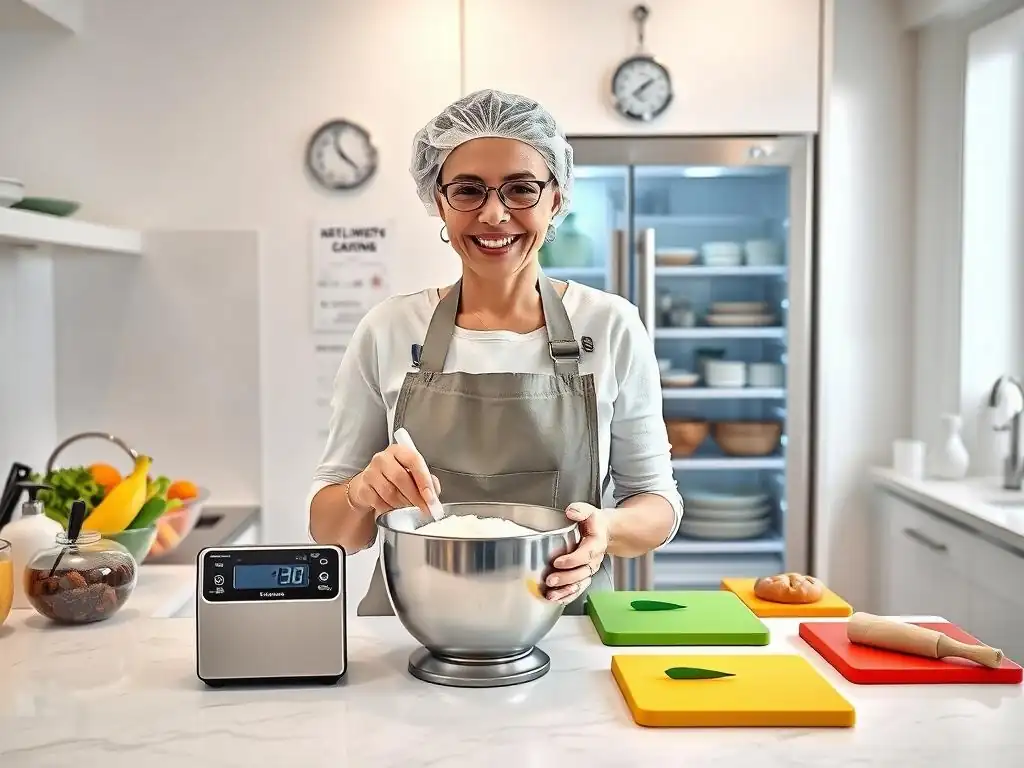
If you're selling your baked goods, implementing a more structured food safety plan moves from best practice to necessity. Many local regulations require home-based food businesses to follow specific guidelines, often based on HACCP (Hazard Analysis and Critical Control Points) principles. While a full HACCP plan might be complex for a small home operation, adapting its core ideas is highly beneficial.
This involves identifying potential hazards (biological, chemical, physical), determining critical points where these hazards can be controlled (like cooking temperature or cooling time), establishing monitoring procedures, and having corrective actions in place. A simple, documented plan helps ensure consistency and provides a framework for avoiding common food safety baking mistakes systematically.
Developing a Basic Food Safety Checklist
A practical first step is creating a simple checklist for your baking process. This list can include daily tasks (e.g., check refrigerator temperature, sanitize countertops, wash hands frequently) and task-specific checks (e.g., verify internal temperature of quiche, ensure cooling is completed within two hours).
Example checklist items:
- Wash hands before starting.
- Sanitize all surfaces before use.
- Check ingredient expiration dates.
- Store raw ingredients separately.
- Use a thermometer for internal temperatures (if needed).
- Cool baked goods on a rack.
- Refrigerate perishable items within 2 hours.
- Clean up spills immediately.
- Wash and sanitize all equipment after use.
Reviewing and using this checklist regularly helps reinforce good habits and minimizes the chances of overlooking critical steps, which are common food safety baking mistakes.
Training and Education for Home Bakers on Food Safety
Continuous learning is key. Educate yourself and anyone helping you bake about proper food handling techniques. This includes understanding the Danger Zone, recognizing signs of spoilage, safe storage methods, and the importance of hygiene. There are many online resources, workshops, and even free courses offered by health departments or food safety organizations.
For instance, basic food handler training courses, often available online for a small fee or even free, cover essential principles like time and temperature control, preventing cross-contamination, and personal hygiene. Investing time in education is an investment in the safety and success of your home baking endeavors, actively working to prevent food safety baking mistakes through knowledge.
Maintaining a Clean and Sanitary Baking Environment
A clean kitchen is a safe kitchen. Establish a routine for cleaning and sanitizing all areas used for baking. This includes countertops, sinks, floors, equipment (mixers, ovens, proofers), and storage areas (pantry, refrigerator). Use appropriate cleaning agents and sanitizers according to product instructions.
Beyond routine cleaning, consider deep cleaning tasks periodically, such as cleaning out the refrigerator, sanitizing storage containers, or cleaning oven interiors. Keep pets out of the baking area during food preparation. Ensure pest control measures are in place. A consistently clean and organized workspace not only makes baking more pleasant but significantly reduces the risk of contamination, preventing many potential food safety baking mistakes.
Resources for Food Safety in Home Baking

Accessing reliable information is crucial for staying informed about best practices and regulations. Numerous government agencies and non-profit organizations provide free resources specifically tailored to food safety.
Government Food Safety Websites
- Food and Drug Administration (FDA): The FDA website (fda.gov) offers extensive resources on food safety for consumers and businesses, including guidance on safe food handling, storage, and preventing foodborne illness. They have sections dedicated to various food types and general safe practices.
- U.S. Department of Agriculture (USDA): The USDA's Food Safety and Inspection Service (FSIS) website (fsis.usda.gov) provides information primarily related to meat, poultry, and egg products, but their general safe handling guidelines are applicable. Their Ask Karen chat bot can answer many food safety questions.
- Local Health Department: Your local or state health department is an invaluable resource, especially if you are operating a home baking business. They can provide information on specific local regulations, permitting requirements, and offer guidance tailored to your area.
These sites offer fact sheets, posters, and detailed guides that can help home bakers understand and mitigate risks, avoiding common food safety baking mistakes.
Food Safety Organizations
- Partnership for Food Safety Education: This non-profit (fightbac.org) offers practical, consumer-friendly information on the four core practices of food safety: Clean, Separate, Cook, Chill. Their resources are easy to understand and apply in a home kitchen setting.
- National Center for Home Food Preservation: While focused on canning and preserving, this site (nchfp.uga.edu) from the University of Georgia provides science-based recommendations relevant to safe food handling and storage temperatures that are useful for any home food preparer.
Exploring resources from these reputable sources can provide a deeper understanding of food safety principles and help you implement the best practices to avoid food safety baking mistakes.
Conclusion: Baking Safely and Deliciously
Mastering the art of baking involves not just perfecting your crumb or rise, but also ensuring every treat you create is safe to eat. By understanding and actively preventing common food safety baking mistakes, you protect the health of your loved ones and customers, build trust, and elevate your baking practice.
From the simple yet critical act of washing your hands correctly to managing temperatures and storing ingredients properly, every step matters. Implementing a basic food safety checklist and staying informed through reliable resources are powerful tools for any home baker.
Key Takeaways for Avoiding Food Safety Baking Mistakes
Remember these essential points to ensure food safety in your home baking:
- Wash Your Hands: Frequently and thoroughly, using soap and water for at least 20 seconds.
- Prevent Cross-Contamination: Keep raw ingredients separate from ready-to-eat foods, and wash and sanitize all surfaces and utensils between uses.
- Control Temperatures: Cook to safe internal temperatures and cool baked goods quickly to pass through the Danger Zone (40°F-140°F / 4°C-60°C) rapidly.
- Store Ingredients Properly: Use airtight containers for dry goods and refrigerate perishables at 40°F (4°C) or below, checking expiration dates.
- Inspect for Spoilage: Be vigilant about recognizing and discarding ingredients that show signs of spoilage or are past their 'Use By' date.
- Stay Educated: Continuously learn about food safety best practices and regulations.
By making these practices a consistent part of your baking routine, you can confidently create delicious goods while minimizing the risk of food safety baking mistakes. Happy and safe baking!
Frequently Asked Questions
What are some common food safety baking mistakes beginners often make?
Beginners often fail to properly wash their hands before handling ingredients, use expired ingredients, or cross-contaminate raw and cooked foods.
Why is it crucial to use accurate temperature readings when baking?
Using an inaccurate oven temperature can lead to undercooked pastries, which may contain harmful bacteria. A reliable thermometer ensures food reaches a safe internal temperature.
How can I prevent cross-contamination when baking different types of foods?
Use separate cutting boards and utensils for raw and cooked ingredients to avoid transferring bacteria. Thoroughly wash and sanitize all surfaces after contact with raw foods.
What are the risks of using expired baking ingredients like flour or baking powder?
Expired ingredients may lose their leavening power, leading to poor results. More importantly, some can harbor harmful molds or bacteria, posing a health risk.
What are the best practices for storing baked goods to prevent foodborne illnesses?
Store baked goods in airtight containers to prevent contamination and maintain freshness. Refrigerate items that contain perishable ingredients like cream or eggs immediately after cooling.
Final Reflection: Baking with Confidence: Safe Practices for a Sweet Success
The pursuit of culinary perfection shouldn't come at the cost of our health. Foodborne illnesses, often easily preventable, can significantly impact our well-being and enjoyment of homemade treats. This article highlighted crucial food safety practices frequently overlooked by home bakers, emphasizing the importance of vigilance in every stage of the baking process, from ingredient selection to final storage.
The impact of safe food handling practices extends far beyond individual kitchens; it contributes to a healthier community. Understanding and implementing these practices fosters a culture of responsibility and care, ensuring that the joy of baking is shared safely with loved ones. As the renowned chef Julia Child once said, If you're afraid of butter, use cream.
While this is a humorous take on culinary creativity, it underscores the importance of understanding the potential risks associated with food preparation and taking appropriate precautions. The knowledge gained from understanding food safety isn't just about avoiding illness; it's about empowering ourselves to create delicious and safe food for ourselves and others.
Now, consider your own baking habits. Reflect on the practices discussed in this article – proper handwashing, temperature control, and safe storage techniques. Are there areas where you can improve? Commit to incorporating these simple yet powerful steps into your baking routine. By prioritizing food safety, you not only protect your health but also elevate the entire baking experience, transforming it into a confident and fulfilling endeavor. Embrace the knowledge, bake with confidence, and share the joy of safe and delicious treats with those you love.
Level Up Your Baking Game: Master Food Safety Today!
Thanks for taking the time to learn about safe baking practices! You've now got the knowledge to create delicious and safe treats. Ready to put your new skills into action?
- Prioritize food safety in your next bake: Take a moment to review the key points from the article, focusing on the area you found most challenging. Is it handwashing, temperature control, or something else? Make a conscious effort to implement that key point in your next baking project.
- Share your newfound baking wisdom: Discuss this article with fellow baking enthusiasts, whether it’s online or in person. Spread the word about safe baking practices!
- Explore our additional resources: Look through our website for more tips and tricks on safe food handling.
What's one food safety practice you're most excited to implement in your next baking adventure?