
Safe Practices for Using Perishable Fillings and Frostings

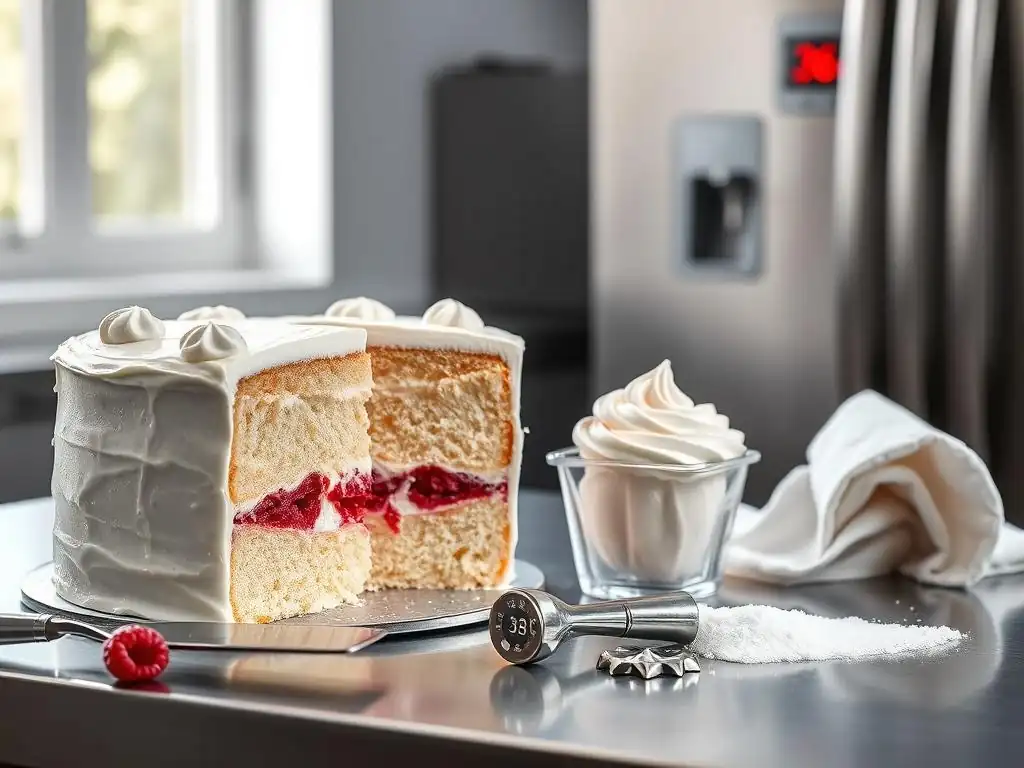
Welcome to BakeWithEase, your trusted guide to baking perfection! Ever wondered if you're storing your buttercream correctly? This article delves into the crucial proper frosting storage temperature guidelines and how they impact the safety and quality of your baked goods. Discover how to keep your creations tasting their best and learn essential safe practices, especially important for those running a home baking business. Are you ready to unlock the secrets to flawlessly preserved frostings and fillings?
- Safe Practices for Using Perishable Fillings and Frostings in Baking
- Understanding Food Safety for Homemade Frostings and Fillings
- Proper Frosting Storage Temperature Guidelines: Key to Food Safety
- Safe Handling Practices for Homemade Frostings and Fillings
- Storing Frostings and Fillings: Refrigerator and Freezer Guidelines
- Identifying Spoiled Frosting and Fillings: Signs to Watch For
- Recipes and Frosting Types: Specific Safety Considerations
- Best Practices for Transporting Cakes with Perishable Frosting
- Troubleshooting Common Frosting Issues: Food Safety Perspective
- Resources for Food Safety Education for Home Bakers
-
Frequently Asked Questions
- What is the most important reason to follow proper frosting storage temperature guidelines?
- What is the ideal temperature range for storing frostings containing dairy or eggs?
- How long can I safely leave a perishable frosting at room temperature?
- What are some telltale signs that a frosting has gone bad and should be discarded?
- Can I freeze frostings to extend their shelf life, and if so, what are the key considerations?
- Final Reflection: The Sweet Science of Safe Frosting
- Unlock Your Baking Confidence: Mastering Perishable Fillings & Frostings
Safe Practices for Using Perishable Fillings and Frostings in Baking
Baking is a wonderful way to express creativity and share joy, but when your delicious creations include perishable fillings and frostings, food safety becomes paramount. Understanding how to handle and store these components correctly ensures that your treats are not only tasty but also safe for everyone to enjoy. This guide covers the essential practices every home baker should know to prevent foodborne illness.
Understanding Food Safety for Homemade Frostings and Fillings
Creating delightful cakes, cupcakes, and pastries often involves using ingredients that require careful handling to prevent bacterial growth. Unlike shelf-stable items, perishable fillings and frostings provide an ideal environment for microorganisms to multiply if not kept at the right temperatures and handled hygienically.
The Importance of Food Safety in Home Baking
Ensuring food safety in your home baking is crucial, especially if you share your baked goods with others or sell them as a home-based business. Pathogenic bacteria, like Salmonella, Listeria, and E. coli, can thrive in many common baking ingredients and cause serious illness. Proper handling, cooling, and storage are your primary defenses against these risks.
A single gram of food can contain millions of bacteria. While many are harmless, some can cause illness. For instance, Salmonella can multiply rapidly at room temperature in foods containing raw eggs or dairy. By following safe practices, you significantly reduce the risk of contamination and ensure that your delicious creations are safe to eat.
Perishable Ingredients Commonly Used in Fillings and Frostings
Many beloved fillings and frostings rely on ingredients that are highly susceptible to spoilage and bacterial growth if left at incorrect temperatures. These include dairy products like milk, cream, butter, and cream cheese, as well as eggs (especially raw or lightly cooked), fresh fruits, and some types of nuts.
Consider a classic cream cheese frosting. It contains cream cheese and butter, both dairy products. Left at room temperature for too long, the bacteria naturally present in these ingredients can multiply exponentially. Similarly, fillings made with fresh berries, while delicious, can become breeding grounds for mold and yeast if not handled and stored properly. Understanding which ingredients are high-risk is the first step in practicing good food safety.
Proper Frosting Storage Temperature Guidelines: Key to Food Safety
The temperature at which you store your frostings and fillings is arguably the most critical factor in preventing bacterial growth and ensuring safety. Knowing the correct temperature ranges is essential for maintaining both quality and safety. Proper frosting storage temperature guidelines are not just recommendations; they are vital rules for perishable items.
Defining Perishable Fillings and Frostings
Perishable fillings and frostings are those that contain ingredients like dairy, eggs, fresh fruit, or other components that can support the rapid growth of bacteria at room temperature. Examples include cream cheese frosting, meringue frostings made with egg whites, custard fillings, pastry cream, whipped cream, and fresh fruit purees or slices used as fillings.
In contrast, frostings made primarily from powdered sugar and fat (like shortening or butter) with minimal liquid (like a classic American buttercream made only with butter, powdered sugar, and a splash of milk/vanilla) are generally less perishable, though they can still spoil. However, any frosting or filling containing significant amounts of dairy, eggs, or fresh fruit must be treated as perishable and stored according to strict temperature guidelines.
The Danger Zone: Temperature Ranges to Avoid
The "Danger Zone" is the temperature range where bacteria multiply most rapidly. According to food safety authorities, this range is typically between 40°F (4°C) and 140°F (60°C). Perishable foods, including many frostings and fillings, should not be left in this temperature range for more than two hours total (and even less if the ambient temperature is above 90°F/32°C).
Think of it this way: a single bacterium can become over 4 million in just 10 hours if left in the danger zone. This rapid multiplication is why leaving a cake with cream cheese frosting out on the counter overnight is a significant food safety risk. Understanding and avoiding the danger zone is fundamental to proper frosting storage temperature guidelines.
Ideal Storage Temperatures for Different Types of Frostings
Keeping perishable frostings and fillings consistently cold is key. The ideal storage temperature for these items is at or below 40°F (4°C) in the refrigerator. This temperature significantly slows down bacterial growth, preserving the safety and quality of your baked goods.
While 40°F (4°C) is the maximum safe temperature, aiming for slightly colder, around 35-38°F (2-3°C), can provide an extra margin of safety. Ensure your refrigerator is properly calibrated and check its temperature periodically with a thermometer.
Storing Cream Cheese Frosting Safely
Cream cheese frosting is a classic example of a perishable frosting that requires strict adherence to proper frosting storage temperature guidelines. Due to its high dairy content, it should always be stored in the refrigerator at or below 40°F (4°C).
After making cream cheese frosting, use it immediately or cover it tightly and refrigerate. Once applied to a cake or cupcakes, the finished dessert must also be refrigerated if it contains this frosting. Cream cheese frosting should generally be consumed within 3-4 days when stored properly in the refrigerator.
Best Practices for Meringue-Based Frostings
Meringue-based frostings, such as Swiss meringue or Italian meringue, often contain egg whites. While the heating process in some methods (like Italian meringue where hot sugar syrup is added) cooks the eggs, others (like French meringue) use raw egg whites. Even cooked meringue can support bacterial growth due to moisture and protein content.
Store meringue-based frostings in an airtight container in the refrigerator at or below 40°F (4°C). They are best used within 3-5 days. If using raw egg whites, consider using pasteurized eggs or a recipe that cooks the meringue sufficiently (like baked meringue or Italian meringue) to reduce the risk of Salmonella.
Handling Custard and Pastry Cream Fillings
Custard and pastry cream fillings are highly perishable due to their primary ingredients: milk, eggs, and sugar, which are cooked together. This cooking process kills many initial bacteria, but the rich, moist environment is perfect for rapid bacterial growth if not cooled and stored correctly.
These fillings must be cooled rapidly after cooking (more on this later) and stored immediately in the refrigerator at or below 40°F (4°C). They have a shorter shelf life than many frostings, typically only 2-3 days when properly refrigerated. Any pastry item filled with custard or pastry cream must also be refrigerated.
Safe Handling Practices for Homemade Frostings and Fillings

Beyond proper frosting storage temperature guidelines, how you handle ingredients and finished products during preparation is equally important for preventing contamination. Good hygiene and careful procedures minimize the introduction and growth of harmful microorganisms.
Minimizing Bacteria Growth During Preparation
The kitchen environment can be a source of bacteria if not kept clean. Simple, consistent practices during the preparation phase make a big difference in the safety of your perishable frostings and fillings.
Using Clean Utensils and Surfaces
Before you begin measuring, mixing, or spreading, ensure all your utensils, bowls, mixers, and countertops are thoroughly cleaned with hot, soapy water. Sanitize surfaces with a food-safe sanitizer or a diluted bleach solution (about 1 teaspoon of bleach per quart of water) and let them air dry.
Dirty surfaces can harbor bacteria from previous tasks, like preparing raw meat or washing vegetables. Using clean equipment prevents transferring these bacteria to your frosting or filling ingredients. This step is foundational to preventing contamination from the start.
Preventing Cross-Contamination
Cross-contamination occurs when bacteria are transferred from one food item or surface to another, often from raw foods (like raw meat or unwashed produce) to ready-to-eat foods (like your finished frosting). Always wash your hands thoroughly with soap and warm water for at least 20 seconds before handling ingredients, after handling raw foods, and after using the restroom.
Use separate cutting boards and utensils for raw ingredients (if applicable in your baking process, e.g., fresh fruit) and ingredients that will not be cooked. Never place ready-to-eat frosting or filling on a surface that previously held raw ingredients without thorough cleaning and sanitizing.
Cooling Frostings and Fillings Correctly
Rapid cooling is vital for perishable items, especially cooked fillings like custard or pastry cream. Leaving warm food out to cool slowly allows it to spend too much time in the danger zone (40°F to 140°F / 4°C to 60°C), giving bacteria ample opportunity to multiply.
Rapid Cooling Methods for Food Safety
To cool perishable fillings and some frostings quickly, divide large batches into smaller, shallower containers. This increases the surface area and allows the heat to dissipate faster. Place the containers in the refrigerator immediately after they are prepared or have cooled slightly to a safe handling temperature.
For very hot items like pastry cream, an ice bath is an excellent method for rapid cooling. Place the pot or bowl containing the filling into a larger bowl filled with ice and water, stirring the filling occasionally until it reaches 40°F (4°C) or below.
Avoiding Room Temperature Cooling
Never leave perishable frostings or fillings out on the counter for extended periods to cool down. Even if the room feels cool, the internal temperature of the food will remain in the danger zone for too long. This is one of the most common mistakes leading to potential foodborne illness.
As mentioned, the "two-hour rule" is critical: perishable foods should not be at temperatures between 40°F (4°C) and 140°F (60°C) for more than two hours total. If your frosting or filling has been left out longer, it's safest to discard it, regardless of whether it looks or smells okay.
Storing Frostings and Fillings: Refrigerator and Freezer Guidelines
Once your perishable frostings and fillings are prepared and cooled, proper storage at safe temperatures is key to maintaining their safety and extending their usable life. Understanding appropriate containers and storage durations is part of mastering proper frosting storage temperature guidelines.
How to Store Frostings in the Refrigerator: Best Practices
Storing perishable frostings correctly in the refrigerator involves using the right containers and labeling clearly. This helps maintain freshness, prevents contamination, and keeps track of how long items have been stored.
Appropriate Containers for Refrigeration
Use airtight containers for storing frostings and fillings in the refrigerator. This prevents them from absorbing odors from other foods and protects them from airborne bacteria. Glass, plastic, or stainless steel containers with tight-fitting lids work well.
Ensure the container is clean and dry before adding the frosting. Fill the container leaving minimal air space, as less air can help slow down oxidation and maintain texture, although the primary benefit of an airtight container is preventing contamination and odor absorption.
Labeling and Dating Storage Containers
Always label your stored frostings and fillings with the contents and the date they were made or stored. This simple practice helps you easily identify what's in the container and, more importantly, track its freshness and safety.
For example, a label might read: Cream Cheese Frosting - Made 10/26. This allows you to quickly determine if the frosting is still within its safe storage window (typically 3-4 days for cream cheese frosting). Don't rely on memory; labeling is a crucial step in preventing accidental consumption of spoiled food.
Freezing Frostings and Fillings: Extending Shelf Life
Freezing is an excellent way to extend the shelf life of many frostings and some fillings, keeping them safe for much longer periods than refrigeration. The freezing process stops bacterial growth entirely, though it doesn't kill all bacteria present.
Suitable Frostings for Freezing
Not all frostings freeze equally well. Buttercream frostings (especially American buttercream made with butter and powdered sugar) and cream cheese frostings generally freeze very well. They might require a quick whip with a mixer after thawing to restore their smooth texture.
Frostings that don't freeze well include those made with cooked egg whites (like boiled icing or some meringues, which can become watery) and frostings with a high water content or delicate structure. Custard and pastry cream fillings can sometimes be frozen, but their texture may change significantly upon thawing, becoming thinner or grainy.
Thawing Frostings Safely
The safest way to thaw frozen frosting or filling is slowly in the refrigerator. Transfer the container from the freezer to the refrigerator and allow it to thaw completely. This typically takes at least 24 hours for a standard-sized container.
Avoid thawing perishable items on the counter at room temperature, as this allows the outer layers to enter the danger zone while the inside is still frozen. Once thawed, the frosting should be treated like fresh frosting and used within 3-4 days. Do not refreeze frosting or filling that has been thawed.
Identifying Spoiled Frosting and Fillings: Signs to Watch For
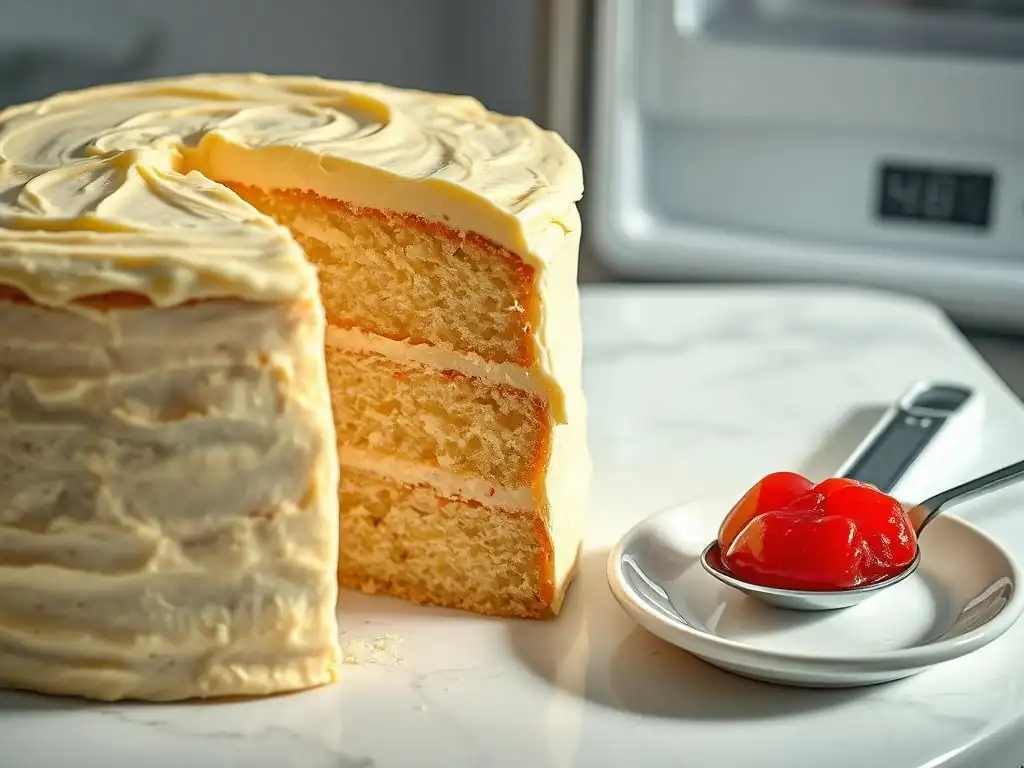
Even with the best practices, it's important to be able to recognize the signs that a perishable frosting or filling has gone bad. Using spoiled ingredients can lead to foodborne illness. When in doubt, throw it out!
Visual Indicators of Spoilage
The first signs of spoilage are often visual. Pay close attention to the appearance of your stored frostings and fillings before using them.
Changes in Color and Texture
Spoiled frosting or filling might show noticeable changes in color. Cream cheese frosting, for example, might develop a yellowish or grayish tint instead of its usual white or off-white color. Custard fillings could darken or show discoloration.
Texture changes are also common. Frostings might become excessively runny, separated, or develop a hard crust that isn't typical. Mold growth, appearing as fuzzy or discolored spots (often green, black, or white), is a clear sign of spoilage and means the entire batch should be discarded immediately.
Smell and Taste Tests: Proceed with Caution
While smell and taste can indicate spoilage, relying solely on these methods is risky, especially with perishable items. Some dangerous bacteria do not produce noticeable odors or flavors.
However, a sour, off, or yeasty smell is a strong indicator that the frosting or filling has gone bad. If it smells wrong, do not taste it. Tasting even a small amount of food containing dangerous toxins or high levels of bacteria can make you sick.
Discarding Spoiled Frostings and Fillings Properly
If you suspect a frosting or filling is spoiled based on appearance, smell, or if it has exceeded its safe storage time, it's best to discard it. Do not try to salvage it by heating or removing the visible mold, as toxins and bacteria may be present throughout the product.
Dispose of spoiled food in a sealed bag in the trash to prevent contaminating other surfaces or attracting pests. Clean and sanitize the container it was stored in thoroughly before reusing it.
Recipes and Frosting Types: Specific Safety Considerations
Different types of frostings and fillings have unique compositions that affect their perishability and require specific handling and proper frosting storage temperature guidelines.
Buttercream Frosting: Storage and Handling Tips
American buttercream, made primarily of butter and powdered sugar, is relatively stable compared to dairy or egg-heavy frostings. It can often sit at cool room temperature (below 70°F / 21°C) for a few hours without issue, but for longer storage or in warmer conditions, refrigeration is necessary.
For extended storage, cover tightly and refrigerate for up to a week. Bring to room temperature and re-whip before using to restore texture. Meringue buttercreams (Swiss, Italian, French) are made with butter and an egg white base. While the egg whites are often cooked, the high butter and egg content makes them perishable. They must be refrigerated and are best used within 5-7 days.
Chocolate Ganache: Safe Preparation and Storage
Chocolate ganache, a mixture of chocolate and cream, is also perishable due to the cream content. The higher the cream ratio, the more perishable it is. While the heat from the cream helps initially, it must be cooled and stored properly.
Store ganache in an airtight container in the refrigerator. It will firm up when chilled. It can be stored for about 1-2 weeks in the refrigerator. To use, let it sit at room temperature until spreadable or gently warm it. Pay attention to proper frosting storage temperature guidelines even for ganache; keeping it cold is key.
Fruit-Based Fillings: Preventing Mold Growth
Fillings made with fresh fruit, fruit purees, or compotes are prone to mold and yeast growth, as well as bacterial spoilage. The natural sugars and moisture provide a good environment for microorganisms.
Cooked fruit fillings are safer than raw ones. Adding a bit of lemon juice or other acid can help lower the pH, which inhibits some bacterial growth, but it doesn't eliminate the need for refrigeration. Always store fruit-based fillings in the refrigerator in airtight containers and use within 3-5 days. Watch for any signs of mold or fermentation (like bubbling or off smells).
Best Practices for Transporting Cakes with Perishable Frosting
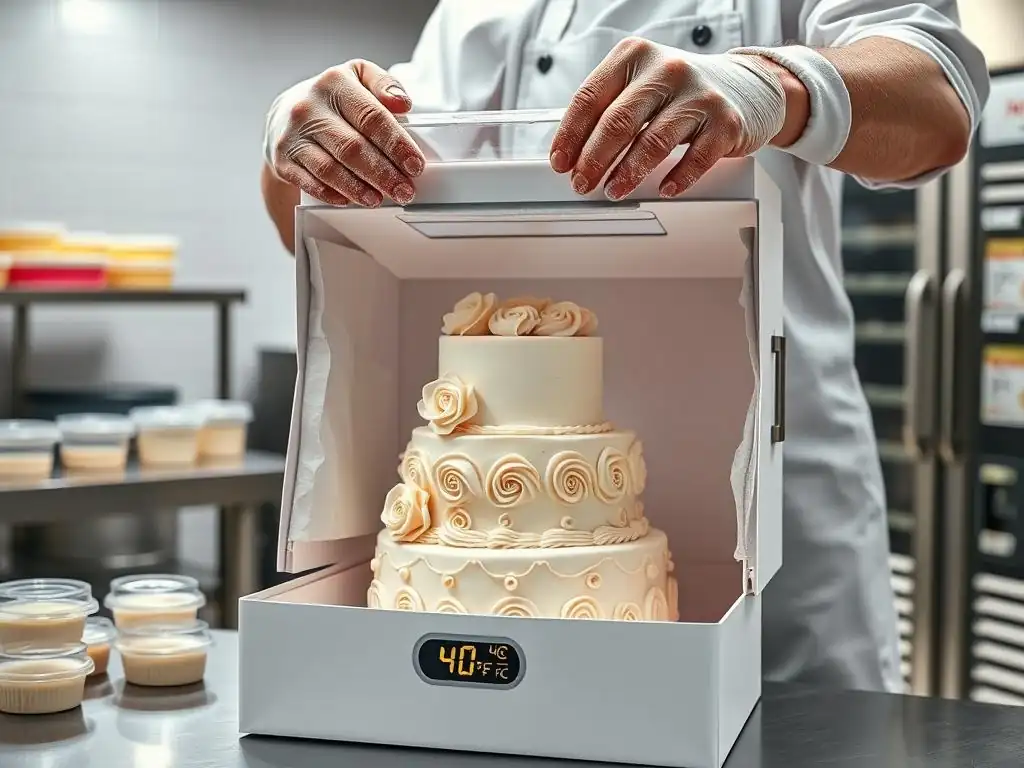
Transporting a beautifully decorated cake, especially one with perishable frosting or filling, requires careful planning to maintain its safety and appearance. Temperature control is paramount during transit.
Maintaining Cold Temperatures During Transport
If your cake contains perishable components requiring refrigeration (like cream cheese frosting, custard filling, or meringue buttercream), it must be kept cold during transport. The goal is to keep the cake's temperature at or below 40°F (4°C) as much as possible.
For short trips (under an hour) in a cool vehicle, a well-chilled cake might be okay. However, for longer trips, warm weather, or if the cake will be sitting out before serving, active cooling measures are necessary. This reinforces the importance of understanding proper frosting storage temperature guidelines extends beyond your refrigerator.
Using Insulated Containers
The best way to maintain a cold temperature during transport is to use an insulated container. A clean cooler or insulated cake carrier works well. Place the cake box inside the cooler.
To keep the temperature down, use ice packs, gel packs, or even bags of ice placed around (but not directly touching, to avoid condensation) the cake box inside the cooler. Ensure the cooler is sealed tightly. This creates a temporary refrigerated environment for your baked goods.
Preventing Melting or Structural Damage During Transport
Perishable frostings, especially those high in butter or cream cheese, can soften or melt in warm conditions, leading to drips, sags, or even structural collapse of the cake. Keeping the cake cold in transit helps prevent this.
Position the cake securely in the vehicle so it doesn't shift during turns or stops. Place the cooler on a flat surface. Drive carefully, avoiding sudden movements. Arriving with a safe, intact, and beautiful cake is the goal!
Troubleshooting Common Frosting Issues: Food Safety Perspective
Sometimes frostings don't behave as expected. While texture or consistency issues can be frustrating, it's important to consider if a food safety issue might be the underlying cause or consequence.
Addressing Changes in Texture or Consistency Due to Temperature
Improper storage temperature can significantly impact frosting texture. If buttercream becomes too soft or runny, it's often because it got too warm. While chilling it again might restore the texture, if it spent too long in the danger zone, it may no longer be safe to consume, even if it firms up.
Conversely, some frostings stored too cold might become very hard or separated. While warming them gently and re-whipping can fix the texture, ensure they were stored properly the entire time they were chilled. If there's any doubt about temperature abuse, prioritize safety over saving the batch.
Identifying Possible Contamination Sources
If a frosting develops an off smell or appearance sooner than expected, consider potential contamination sources during preparation or storage. Was the equipment clean? Were hands washed properly? Was the frosting left out at room temperature for too long before storing?
Even a small amount of bacteria introduced during handling, combined with time in the danger zone, can lead to rapid spoilage. Reviewing your preparation and storage steps can help identify where contamination might have occurred and prevent it in the future.
Resources for Food Safety Education for Home Bakers
Continuous learning is key to safe baking. Several reputable resources offer valuable information and training on food safety practices relevant to home bakers and small home-based businesses.
Links to Relevant Food Safety Websites
(Note: Per instructions, no actual links can be provided, but here are examples of types of resources.)
- Government food safety agencies (e.g., FDA in the US, Food Standards Agency in the UK, local health department websites) often provide guidelines for safe food handling and storage temperatures, including specific advice for dairy and egg products. Searching their sites for terms like "food safety temperature guidelines" or "safe home baking" can yield helpful information.
- Extension offices associated with universities often publish research-based fact sheets and guides on food preservation and safety for home kitchens.
Recommended Courses or Certifications
(Note: Per instructions, no actual links or course names can be provided, but here are examples of types of resources.)
- Basic food handler training courses, often available online or through local health departments, cover fundamental food safety principles applicable to any food preparation, including baking.
- Courses specifically designed for cottage food operations or home-based food businesses often include modules on safe handling, storage, and labeling requirements.
Investing time in understanding and implementing proper frosting storage temperature guidelines and overall safe handling practices ensures that your delicious baked goods are always a source of joy, not worry. Happy and safe baking!
Frequently Asked Questions
What is the most important reason to follow proper frosting storage temperature guidelines?
Following proper frosting storage temperature guidelines is crucial to prevent bacterial growth and foodborne illnesses. Improper storage can lead to unsafe consumption.
What is the ideal temperature range for storing frostings containing dairy or eggs?
Frostings containing dairy or eggs should be stored in the refrigerator at a temperature between 32°F and 40°F (0°C and 4°C). This range helps to slow down spoilage and maintain freshness.
How long can I safely leave a perishable frosting at room temperature?
Perishable frostings should not be left at room temperature for more than two hours. After this time, the risk of bacterial contamination increases significantly.
What are some telltale signs that a frosting has gone bad and should be discarded?
Signs of spoilage include an off odor, visible mold, or a change in texture or color. If you notice any of these, discard the frosting immediately.
Can I freeze frostings to extend their shelf life, and if so, what are the key considerations?
Yes, many frostings can be frozen. Ensure the frosting is in an airtight container to prevent freezer burn and thaw it in the refrigerator before use for best results.
Final Reflection: The Sweet Science of Safe Frosting
The proper storage of perishable frostings and fillings isn't just about preventing a soggy cake; it's about ensuring food safety and preventing illness. Ignoring these crucial guidelines can have serious consequences, impacting both the quality of your baked goods and the health of those who consume them. The seemingly simple act of refrigeration becomes a critical step in maintaining food safety standards.
The impact of proper food handling practices extends far beyond the individual baker. It influences the entire culinary landscape, from professional kitchens to home baking enthusiasts. We've seen a growing awareness of food safety in recent years, driven by increased education and a greater understanding of the risks associated with improper food handling. This shift is crucial, and as we strive for excellence in our baking, we must also prioritize safety. Food safety is not just a matter of regulations; it's a matter of responsibility.
Now, consider your own baking practices. Are you consistently adhering to the temperature guidelines outlined in this article? Take a moment to review your techniques and identify areas for improvement. By committing to safe food handling, you're not only protecting yourself and others but also elevating the quality and integrity of your baking. Let's make delicious, safe treats a priority.
Unlock Your Baking Confidence: Mastering Perishable Fillings & Frostings
Thanks for taking the time to learn about safe handling of your delicious creations! You've now got the knowledge to bake with confidence. Ready to put your newfound expertise into practice?
- Prioritize food safety: Implement the temperature guidelines and storage techniques discussed to ensure your creations stay fresh and safe. This is the most critical step to prevent foodborne illness.
- Share your baking wisdom: Tell your friends and family about these essential food safety tips – spread the word and help everyone bake with confidence!
- Experiment with new techniques: Try out a new recipe with a perishable filling, remembering your new safety strategies. What exciting flavor combinations will you create?
What's your favorite tip for keeping perishable fillings and frostings safe and delicious? Let’s discuss in the comments below!