
The Healthiest Way to Eat Bread? Sourdough Rye Explained


Welcome to BakeWithEase, your haven for all things baking! Ever wondered if there's a way to enjoy bread and boost your well-being? Dive into our latest article and unravel the secrets behind sourdough rye health benefits. Discover how this ancient grain, fermented to perfection, can transform your relationship with bread. Prepare to be surprised – and maybe even inspired to bake your own!
- The Healthiest Way to Eat Bread? Exploring Sourdough Rye
- Introduction to Sourdough Rye Bread and its Health Benefits
- Understanding Sourdough Rye: Nutrition and Composition
- The Sourdough Fermentation Process and Digestibility
- Sourdough Rye Health Benefits: Specific Advantages
- Comparing Sourdough Rye to Other Breads: A Health-Focused Analysis
- Incorporating Sourdough Rye into a Balanced Diet
- Choosing the Right Sourdough Rye Bread
- Baking Sourdough Rye at Home: A Simplified Approach
- Conclusion: The Health Benefits of Sourdough Rye
-
Frequently Asked Questions
- How does sourdough rye differ from regular rye bread in terms of health benefits?
- What are the primary health benefits associated with consuming sourdough rye?
- Does sourdough rye contain more fiber than other types of bread, and if so, what are the advantages of this?
- Can sourdough rye be a good option for individuals with gluten sensitivities?
- What makes sourdough rye a healthier bread choice compared to commercially produced white bread?
- Final Reflection: The Enduring Power of Sourdough Rye
- Unleash the Power of Sourdough Rye!
The Healthiest Way to Eat Bread? Exploring Sourdough Rye
Introduction to Sourdough Rye Bread and its Health Benefits
What is Sourdough Rye Bread?
Sourdough rye bread is a traditional bread made primarily from rye flour using a sourdough starter. This starter is a living culture of wild yeast and lactic acid bacteria cultivated from flour and water, rather than relying on commercial baker's yeast. The process involves a long fermentation period, where the microorganisms in the starter break down components in the flour, contributing to the bread's unique tangy flavor, chewy texture, and distinct aroma.
The creation of sourdough rye is a patient process. It begins by feeding the starter regularly to keep it active. When ready to bake, a portion of the active starter is mixed with rye flour, water, and salt. The dough then undergoes a bulk fermentation phase, often lasting several hours, followed by shaping and a final proofing period, which can extend for many more hours, sometimes even overnight in a cool place. This extended fermentation is key to developing the complex flavors and unlocking potential sourdough rye health benefits.
Why Sourdough Rye is a Healthy Choice
Many people are turning to sourdough rye bread as a healthier alternative to conventional loaves, and for good reason. The natural fermentation process significantly alters the composition of the flour, making nutrients more accessible and potentially improving digestibility. Unlike many commercially produced breads that rely on rapid yeast action and often contain additives, traditional sourdough rye is typically made with minimal ingredients and undergoes a slow, natural transformation.
The health benefits of sourdough rye stem largely from this unique fermentation. The process can reduce the glycemic impact of the bread, making it a better choice for managing blood sugar levels. Furthermore, the breakdown of certain compounds during fermentation, combined with the inherent properties of rye flour, contributes to better gut health and enhanced absorption of vital minerals. Exploring the specific sourdough rye health benefits reveals why it's often considered a superior bread option.
Understanding Sourdough Rye: Nutrition and Composition
Nutritional Profile of Sourdough Rye Bread
Sourdough rye bread offers a robust nutritional profile, particularly when made with whole rye flour. A typical slice (around 50 grams) can provide approximately 120-150 calories, with a good balance of carbohydrates, protein, and fiber. It's notably higher in fiber than many white or even some whole wheat breads, often containing around 3-4 grams per slice, depending on the proportion of whole rye used.
Beyond macronutrients, sourdough rye is a source of various micronutrients. It contains B vitamins like B1 (thiamine) and B3 (niacin), essential for energy metabolism. Minerals such as iron, magnesium, zinc, and phosphorus are also present. While the exact amounts can vary based on flour type and preparation, the nutritional density of sourdough rye contributes significantly to its overall sourdough rye health benefits.
Key Components: Fiber, Vitamins, and Minerals
Fiber is a standout component in rye bread. Rye grain contains both soluble and insoluble fiber, including unique fibers like arabinoxylans and beta-glucans. These fibers are crucial for digestive health, helping to regulate bowel movements, increase satiety, and contribute to stable blood sugar levels. The fermentation process in sourdough can make these fibers even more accessible to gut bacteria.
In addition to fiber, rye flour is inherently richer in certain vitamins and minerals compared to refined wheat flour. As mentioned, minerals like magnesium, important for muscle and nerve function, and iron, vital for oxygen transport, are found in significant amounts. The presence of these key components underscores the nutritional value and the potential sourdough rye health benefits derived from this ancient grain and fermentation method.
The Sourdough Fermentation Process and Digestibility
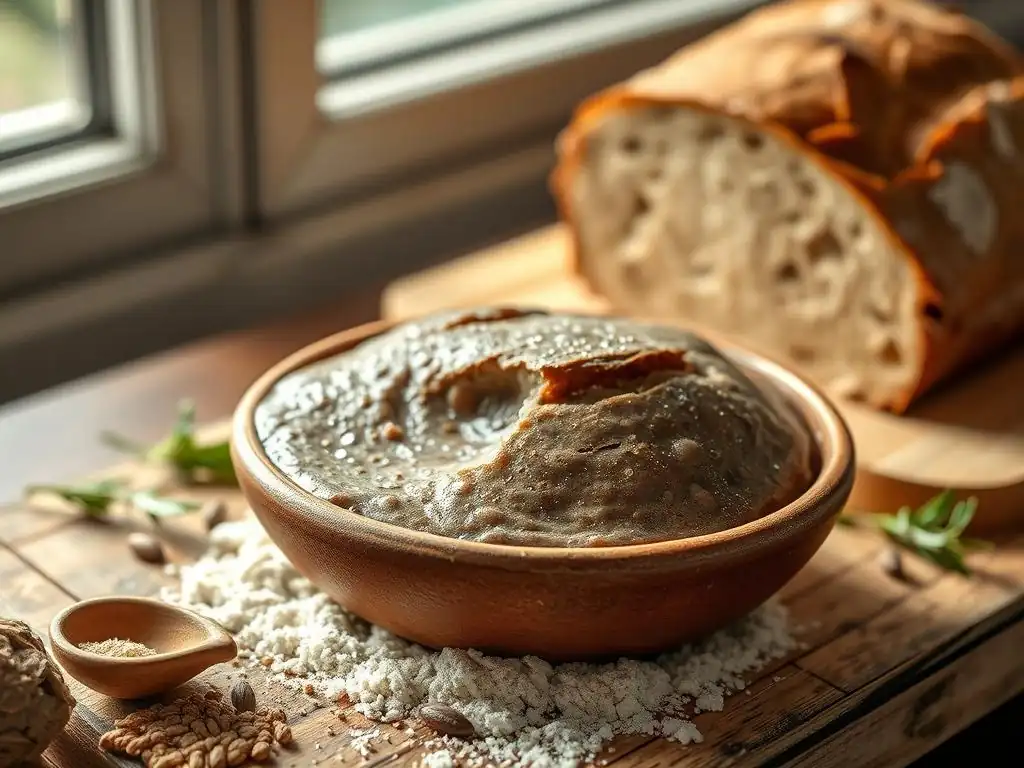
How Sourdough Fermentation Impacts Digestion
The magic of sourdough lies in its fermentation process. The lactic acid bacteria (LAB) in the starter produce organic acids, primarily lactic and acetic acids. These acids, along with enzymatic activity from both the flour and the starter, begin to break down complex carbohydrates and proteins in the dough before it's even baked. This pre-digestion can make the bread easier on the digestive system for some individuals.
Furthermore, fermentation significantly reduces the levels of phytic acid, a naturally occurring compound in grains that can bind to minerals (like iron, zinc, and calcium) and inhibit their absorption in the gut. By lowering phytic acid levels, sourdough fermentation enhances the bioavailability of these important nutrients, contributing directly to the sourdough rye health benefits related to mineral uptake.
Gluten Reduction and its Significance
While sourdough fermentation does not make bread gluten-free, the long fermentation period can partially break down gluten proteins. Enzymes present in the flour and the starter work on the gluten network, altering its structure and potentially reducing the amount of certain peptides that can cause sensitivities in some people. This process is complex and varies depending on fermentation time, temperature, and the specific starter culture.
For individuals with non-celiac gluten sensitivity, this partial breakdown might lead to better tolerance compared to conventionally leavened breads. However, it is absolutely crucial to understand that this bread still contains gluten and is not suitable for individuals diagnosed with celiac disease, for whom even trace amounts of gluten can cause severe reactions. The potential for improved tolerance is a specific aspect of the sourdough rye health benefits for a subset of the population.
Gut Health Benefits of Sourdough Rye
The fiber content of rye, combined with the metabolic activity of the sourdough starter, contributes positively to gut health. The specific fibers in rye, like arabinoxylans, act as prebiotics, meaning they feed beneficial bacteria in the colon. A thriving population of these good bacteria is linked to numerous health advantages, including improved digestion, enhanced immune function, and even mood regulation.
Although most of the live bacteria from the starter do not survive the baking process, the fermentation produces beneficial metabolites, such as short-chain fatty acids (SCFAs), which can nourish the cells lining the gut and support a healthy gut barrier. Regular consumption of sourdough rye, as part of a fiber-rich diet, can therefore play a role in fostering a more balanced and healthy gut microbiome, adding another layer to the significant sourdough rye health benefits.
Sourdough Rye Health Benefits: Specific Advantages
Sourdough Rye and Blood Sugar Management
One of the most cited sourdough rye health benefits is its favorable impact on blood sugar levels. Sourdough rye bread typically has a lower glycemic index (GI) compared to white bread and even many whole wheat breads. The GI is a measure of how quickly a food causes blood glucose levels to rise after eating. While values can vary, traditional sourdough rye often has a GI ranging from approximately 50 to 60, whereas white bread is typically 70 or higher.
The lower GI is attributed to several factors, including the presence of organic acids produced during fermentation and the high soluble fiber content of rye. These components slow down the digestion and absorption of carbohydrates, resulting in a more gradual and sustained release of glucose into the bloodstream. This can help prevent sharp blood sugar spikes and subsequent crashes, which is particularly beneficial for individuals managing diabetes or seeking more stable energy levels throughout the day.
The Role of Fiber in Promoting Digestive Health
As highlighted earlier, rye is exceptionally rich in dietary fiber, and this is a cornerstone of the sourdough rye health benefits. The substantial fiber content adds bulk to stool, promoting regular bowel movements and helping to prevent constipation. This mechanical action is essential for maintaining a healthy and efficient digestive system.
Beyond its physical effects, the fiber in rye, especially the soluble components, ferments in the colon, producing beneficial compounds. This fermentation process is fueled by the gut microbiota and contributes to a healthy gut environment. A well-functioning digestive system is fundamental to overall health, and the high fiber in sourdough rye plays a significant role in supporting it.
Impact on Mineral Absorption
The reduction of phytic acid during the long sourdough fermentation process has a direct positive impact on the absorption of essential minerals present in the rye flour. Phytic acid, or phytate, is considered an "anti-nutrient" because it can bind to minerals like iron, zinc, calcium, and magnesium, making them less available for the body to absorb.
By significantly decreasing phytate levels, sourdough fermentation unlocks these minerals, allowing your body to utilize them more effectively. This enhanced mineral bioavailability means that when you eat sourdough rye bread, you're not only consuming these valuable nutrients but also improving your chances of absorbing them, contributing significantly to the nutritional advantages and overall sourdough rye health benefits.
Comparing Sourdough Rye to Other Breads: A Health-Focused Analysis

Sourdough Rye vs. White Bread: A Detailed Comparison
When comparing sourdough rye to white bread, the health differences are stark. White bread is made from refined wheat flour, which has been stripped of its bran and germ, removing most of the fiber, vitamins, and minerals. It typically has a high glycemic index, leading to rapid blood sugar spikes. In contrast, sourdough rye, especially when made with whole rye flour, retains significantly more fiber and nutrients.
The sourdough fermentation process further distinguishes it by lowering the glycemic index and reducing phytic acid, enhancing nutrient absorption. White bread lacks this beneficial fermentation step. Therefore, from a nutritional standpoint, sourdough rye offers superior fiber content, a richer profile of vitamins and minerals, and a more controlled impact on blood sugar compared to standard white bread.
Sourdough Rye vs. Whole Wheat Bread: Evaluating the Differences
Whole wheat bread is generally considered a healthy choice due to its fiber content and retention of nutrients from the whole grain. However, sourdough rye often presents additional advantages. While whole wheat is high in fiber, rye flour, pound for pound, can sometimes offer slightly more, particularly certain types of soluble fiber like arabinoxylans, which have specific prebiotic effects.
Furthermore, the sourdough fermentation process tends to have a more pronounced effect on the glycemic response and phytic acid reduction compared to simply making whole wheat bread with commercial yeast. While it is possible to make sourdough whole wheat bread, traditional sourdough rye combines the benefits of the fermentation with the unique nutritional properties of rye grain, potentially offering a slightly lower GI and better mineral availability than commercially yeasted whole wheat bread.
Glycemic Index Considerations
The glycemic index (GI) is a crucial factor when choosing bread for health, especially for blood sugar management. As mentioned, white bread typically has a high GI (70+), causing a rapid rise in blood glucose. Whole wheat bread can vary widely depending on processing, but often falls in the medium to high range (around 60-70). Traditional sourdough bread, regardless of the flour used, often has a lower GI than its commercially yeasted counterpart.
Sourdough rye bread, thanks to the rye flour's properties and the fermentation-produced acids, consistently ranks lower on the GI scale, often in the low to medium range (50-60). This makes it a more favorable choice for maintaining stable blood sugar levels, reducing the risk of energy crashes, and contributing positively to long-term metabolic health. Understanding these GI differences is key to appreciating the unique sourdough rye health benefits.
Incorporating Sourdough Rye into a Balanced Diet
Delicious and Healthy Ways to Enjoy Sourdough Rye
Incorporating sourdough rye into your daily meals is easy and adds a delicious, tangy twist. One simple way is toasting slices and topping them with healthy fats like avocado or nut butter. It also pairs wonderfully with lean proteins such as smoked salmon, eggs, or cottage cheese for a nutrient-packed breakfast or snack. The dense texture holds up well to various toppings.
Another delightful approach is using sourdough rye as the base for open-faced sandwiches or alongside soups and stews. Its robust flavor complements hearty dishes beautifully. Consider pairing it with vegetable-rich spreads, hummus, or lean protein salads. The key is to combine the nutritious bread with other whole foods to create balanced and satisfying meals that maximize the overall health benefits.
Sourdough Rye Sandwich Ideas
Sourdough rye bread makes an excellent foundation for healthy and flavorful sandwiches. Try a classic combination like lean pastrami or turkey with mustard and sauerkraut – the sauerkraut provides probiotics and tang that complement the bread. Another great option is layering smoked salmon, cream cheese (or a lighter alternative like Greek yogurt), and fresh dill for omega-3s and flavor.
For a vegetarian option, pile on mashed avocado, sliced tomatoes, sprouts, and a sprinkle of everything bagel seasoning. Or, spread hummus and top with cucumber, bell peppers, and feta cheese. These examples showcase how sourdough rye's structure and taste enhance healthy fillings, making your sandwich not just delicious but also contributing to your daily nutrient intake.
Sourdough Rye as Part of a Meal
Beyond sandwiches, sourdough rye can be a valuable component of various meals. Serve a slice or two alongside a large salad topped with protein for a complete and satisfying lunch. It's also perfect for dipping into hearty vegetable soups or stews, adding substance and fiber.
Consider enjoying sourdough rye with breakfast alongside eggs and vegetables, or as a base for healthy tartines topped with fruit and yogurt. Portion control is still important, but incorporating this nutrient-dense bread into balanced meals helps ensure you benefit from the sourdough rye health benefits while enjoying diverse and flavorful food.
Choosing the Right Sourdough Rye Bread

Identifying Quality Sourdough Rye Bread
Choosing a quality sourdough rye bread is crucial to fully reap the sourdough rye health benefits. Look for loaves with a dense, slightly chewy crumb and a robust, tangy aroma. The crust should be firm and potentially crackly. A truly traditional sourdough process results in a bread that feels substantial for its size.
Examine the ingredient list carefully. Authentic sourdough bread should have a very simple list: rye flour, water, sourdough starter (sometimes listed as "naturally leavened"), and salt. Avoid loaves with added commercial yeast, sugars, oils, dough conditioners, or preservatives, as these indicate a less traditional process that may not offer the same level of fermentation benefits.
Examining Ingredients and Additives
A short ingredient list is the first sign of a high-quality sourdough rye. The primary ingredient should be rye flour, ideally whole rye flour for maximum fiber and nutrients. Water and salt are standard. The presence of "sourdough culture" or "natural leaven" indicates it uses a starter. Be wary of breads labeled "sourdough style" that list commercial yeast (often listed as "yeast," "active dry yeast," or "instant yeast") high up on the ingredient list.
Additives like added sugars (sucrose, corn syrup, etc. ), vegetable oils, emulsifiers (like DATEM), or preservatives detract from the natural purity and potential health advantages. These ingredients are often used to speed up the process, improve shelf life, or alter texture in ways that traditional sourdough does not require. Prioritizing simple, whole ingredients ensures you're getting the genuine sourdough rye health benefits.
Understanding Flour Types in Sourdough Rye
The type of rye flour used significantly impacts the bread's nutrition and character. Whole rye flour includes the entire grain kernel and is the most nutrient-dense option, providing the highest levels of fiber, vitamins, and minerals. Breads made with 100% whole rye flour will be dense and have a strong rye flavor.
Lighter rye flours (like medium or light rye) have some of the bran and germ removed, resulting in a lighter color and milder flavor, but with less fiber and fewer nutrients than whole rye. Pumpernickel is a coarse-ground whole rye flour, often used in very dense, dark, long-baked rye breads. Breads using higher proportions of whole or dark rye flour will generally offer more pronounced sourdough rye health benefits, particularly regarding fiber and mineral content.
Baking Sourdough Rye at Home: A Simplified Approach
Essential Equipment and Ingredients
Baking sourdough rye at home can be a rewarding way to ensure quality and maximize sourdough rye health benefits. Essential equipment includes a digital scale for accurate measurements, mixing bowls, a dough scraper, and something to bake the bread in that creates steam, such as a Dutch oven or a baking stone with a steam pan.
The core ingredients are simple: an active sourdough starter (ideally one that has been fed with rye flour for a few cycles), rye flour (start with medium or whole rye), water, and salt. Having a blend of rye and strong bread flour can sometimes make the dough easier to handle for beginners, but pure rye sourdough is achievable with practice.
Basic Sourdough Rye Baking Instructions
A simplified approach to sourdough rye baking involves a few key steps. First, mix the active starter with water and flour (rye or a rye/wheat blend) to create the dough. Allow it to rest briefly (autolyse), then mix in the salt. The dough then undergoes bulk fermentation, with a few "stretch and folds" over the first couple of hours to develop structure.
After bulk fermentation, shape the dough and place it in a proofing basket or bowl for its final rise, often in the refrigerator overnight for flavor development and easier handling. Preheat your oven with your Dutch oven or baking stone inside. Score the dough, transfer it to the hot baking vessel, and bake, initially covered (in a Dutch oven) or with steam, then uncovered to finish the crust.
Tips for Achieving a Good Crust and Crumb
Achieving the desired dense, moist crumb and a good crust on sourdough rye requires attention. Proper dough hydration is key; rye flour absorbs a lot of water, but too much can make the dough difficult to manage. Getting enough tension during shaping helps the loaf hold its structure and contributes to a better crumb.
Steam is crucial during the initial phase of baking to allow the crust to expand fully before hardening, resulting in better oven spring and a thinner, crispier crust. Baking in a preheated Dutch oven traps the dough's own steam effectively. Don't rush the fermentation or proofing; adequate time is essential for flavor development and the enzymatic breakdown that contributes to the unique texture and sourdough rye health benefits.
Conclusion: The Health Benefits of Sourdough Rye
Sourdough Rye: A Nutritious and Flavorful Bread Option
Sourdough rye bread stands out as a remarkably nutritious and flavorful bread choice. Its traditional preparation method, relying on natural fermentation rather than commercial yeast, unlocks a range of health advantages. From its lower glycemic impact and higher fiber content compared to many conventional breads to improved mineral absorption and potential benefits for gut health, the sourdough rye health benefits are substantial and well-documented.
Choosing sourdough rye, especially varieties made with a high proportion of whole rye flour and minimal additives, is a simple yet effective way to enhance the nutritional quality of your diet. Whether you purchase it from a quality bakery or venture into baking it yourself, incorporating this unique bread into your meals offers a delicious path towards supporting your digestive health, managing blood sugar, and enjoying a truly wholesome food.
Frequently Asked Questions
How does sourdough rye differ from regular rye bread in terms of health benefits?
Sourdough rye offers increased nutritional value due to the fermentation process. This process breaks down phytic acid, enhancing the absorption of essential minerals and making it more digestible than regular rye bread.
What are the primary health benefits associated with consuming sourdough rye?
Sourdough rye boasts several health benefits, including improved gut health thanks to probiotics from fermentation. It also offers better blood sugar control and potentially reduced inflammation compared to other breads.
Does sourdough rye contain more fiber than other types of bread, and if so, what are the advantages of this?
Yes, sourdough rye generally has a higher fiber content. This increased fiber promotes digestive health, helps regulate blood sugar levels, and contributes to feelings of fullness, which can aid in weight management.
Can sourdough rye be a good option for individuals with gluten sensitivities?
While not gluten-free, the fermentation process in sourdough can break down some gluten proteins. This may make sourdough rye more tolerable for some with mild gluten sensitivities, but it's not suitable for those with celiac disease.
What makes sourdough rye a healthier bread choice compared to commercially produced white bread?
Sourdough rye boasts a lower glycemic index, meaning it causes a slower and steadier rise in blood sugar. Plus, it is often made with whole grains and without added sugars or preservatives, making it a healthier option than white bread.
Final Reflection: The Enduring Power of Sourdough Rye
The resurgence of sourdough rye isn't just a culinary trend; it's a testament to our growing understanding of gut health and the importance of traditional food preparation. Sourdough's unique fermentation process, as detailed throughout this article, offers a compelling alternative to mass-produced breads, promising a wealth of nutritional and digestive benefits often overlooked in modern diets.
The shift towards mindful eating and a deeper appreciation for the connection between food and well-being is profoundly impacting our cultural landscape. We're seeing a move away from processed foods and a renewed interest in traditional methods, reflecting a desire for both better health and a more sustainable food system. The food you eat can be either the safest and most powerful form of medicine or the slowest form of poison.
This quote, often attributed to Hippocrates, rings truer than ever as we grapple with the long-term consequences of our dietary choices. The rise of sourdough rye, with its emphasis on natural fermentation and whole grains, speaks directly to this growing awareness.
Consider the impact of your own food choices. What role does bread play in your diet? Are you aware of the potential benefits – and drawbacks – of different types of bread? I encourage you to explore the world of sourdough rye, not just as a delicious alternative, but as a conscious step towards a healthier and more fulfilling relationship with food. Experiment with different recipes, savor the unique flavor and texture, and experience firsthand the potential benefits this ancient bread has to offer your body and well-being.
Unleash the Power of Sourdough Rye!
Thanks for diving deep into the world of sourdough rye bread! You've learned about its incredible health benefits and unique flavor profile. Now it's time to put that knowledge into practice.
Here's how you can take the next step:
- Bake your own sourdough rye loaf! Our website is packed with easy-to-follow recipes and helpful tips to guide you through the process. This is your chance to experience the true magic of homemade sourdough.
- Share your baking journey! Snap a picture of your finished loaf and post it on social media using #BakeWithEaseSourdough. Let's inspire each other!
- Explore different rye flours and experiment with unique additions like seeds or herbs to create your signature sourdough rye recipe.
Ready to transform your baking routine and enjoy the incredible taste and health benefits of sourdough rye? What unique ingredient will you add to your first loaf?