
The Charm of Swedish Cardamom Bread (Kardemummabröd)

Welcome to BakeWithEase!
Ever dreamt of filling your kitchen with the warm, aromatic scent of freshly baked bread? Then you're in the right place! Discover the magic of baking with our easy-to-follow guides and simple recipes. Today, we're diving into a beloved classic: Swedish Cardamom Bread (Kardemummabröd). Get ready to unlock the secrets to this delightful treat with our Swedish cardamom bread recipe easy guide. Intrigued? Let's get baking and explore the irresistible flavors that await!
- The Charm of Swedish Cardamom Bread (Kardemummabröd): An Easy Recipe
- Discover the Delight of Authentic Swedish Cardamom Bread
- What is Swedish Kardemummabröd? A Journey into Scandinavian Baking
- BakeWithEase's Easy Swedish Cardamom Bread Recipe
- Mastering the Art of Cardamom Flavor in Your Swedish Bread
- Variations and Customizations for Your Swedish Cardamom Bread
- Tips for Storing and Serving Your Homemade Kardemummabröd
- Troubleshooting Your Swedish Cardamom Bread Baking
- Enjoy Your Homemade Swedish Cardamom Bread (Kardemummabröd)!
-
Frequently Asked Questions
- What makes Swedish Cardamom Bread (Kardemummabröd) so special?
- Is the Swedish Cardamom Bread recipe on BakeWithEase.com easy to follow?
- What are the key ingredients in an easy Swedish Cardamom Bread recipe?
- Can I adapt the BakeWithEase.com Swedish Cardamom Bread recipe if I have dietary restrictions?
- Where can I find the "Swedish cardamom bread recipe easy" on BakeWithEase.com?
- Final Reflection: The Enduring Allure of Kardemummabröd
- Unleash Your Inner Baker: Bake Your Own Kardemummabröd!
The Charm of Swedish Cardamom Bread (Kardemummabröd): An Easy Recipe
Discover the Delight of Authentic Swedish Cardamom Bread
Welcome to the wonderful world of Swedish baking! If you're looking for a truly comforting and fragrant treat, Swedish cardamom bread, known as kardemummabröd, is an absolute must-try. This sweet, enriched bread is a staple in Swedish fika, the cherished tradition of taking a coffee break, usually accompanied by pastries or sandwiches. Its distinctive aroma, dominated by the warm, pungent spice of cardamom, fills the kitchen with an inviting scent that promises pure delight.
Making this delicious bread might seem intimidating at first, but with the right guidance, creating your own kardemummabröd is surprisingly accessible. Our goal at BakeWithEase is to provide you with an easy Swedish cardamom bread recipe that delivers authentic flavor without unnecessary complexity. We'll walk you through each step, from mixing the dough to achieving that perfect golden-brown crust, ensuring your baking journey is smooth and rewarding. Get ready to fill your home with the irresistible fragrance of freshly baked Swedish cardamom bread!
Kardemummabröd is more than just bread; it's a cultural icon in Sweden. It belongs to a family of sweet, yeasted dough pastries popular across Scandinavia, often braided or shaped into knots and swirls. While variations exist, the defining characteristic is the generous use of cardamom, which infuses the entire loaf with its signature warmth and aroma. Unlike a simple loaf of bread, kardemummabröd is enriched with butter, sugar, and sometimes eggs, giving it a tender crumb and a slightly sweet taste that pairs beautifully with coffee or tea.
This delightful bread serves multiple purposes in Swedish daily life. It's a common treat for fika, a celebratory bake for holidays like Christmas or Easter, and a simple pleasure enjoyed at breakfast or as an afternoon snack. Learning to make an easy Swedish cardamom bread recipe allows you to bring a piece of this cozy Scandinavian tradition into your own home, sharing its unique charm with family and friends.
Exploring the History and Tradition of Swedish Cardamom Bread
The tradition of baking sweet, spiced breads has deep roots in Scandinavia, dating back centuries. While the exact origin of kardemummabröd is difficult to pinpoint, enriched doughs became more common as ingredients like sugar, butter, and spices became more accessible to a wider population, particularly from the 18th and 19th centuries onwards. Cardamom itself has been traded for thousands of years, eventually making its way to Northern Europe via spice routes, where it found a beloved home in Swedish baking.
Kardemummabröd holds a special place in Swedish culture, closely tied to the concept of fika. Fika is not just a coffee break; it's a social institution, a moment to pause, connect, and enjoy simple pleasures. Serving homemade kardemummabröd during fika is an act of hospitality and warmth. While traditional recipes might involve complex shaping or lengthy resting periods, modern methods have made creating a delicious Swedish cardamom bread recipe easy enough for home bakers to participate in this cherished tradition regularly.
Understanding the Unique Flavor Profile of Kardemummabröd
The defining flavor of kardemummabröd comes, unequivocally, from cardamom. Unlike the blended spice profiles found in many baked goods, cardamom takes center stage here. It provides a complex taste that is warm, slightly citrusy, and subtly floral, with hints of eucalyptus and pepper. This unique spice is complemented by the richness of butter and the sweetness of sugar, which enhance its aromatic qualities and create a balanced, comforting flavor.
Beyond the star spice, the flavor profile is built upon the foundation of a soft, slightly sweet enriched dough. The yeast contributes a subtle tanginess that provides depth, while the butter adds richness and tenderness to the crumb. When baked, the sugars caramelize slightly on the crust, adding another layer of flavor. The combination of the intensely fragrant cardamom with the sweet, buttery dough creates a truly distinctive and addictive taste that is instantly recognizable as authentic Swedish cardamom bread.
BakeWithEase's Easy Swedish Cardamom Bread Recipe
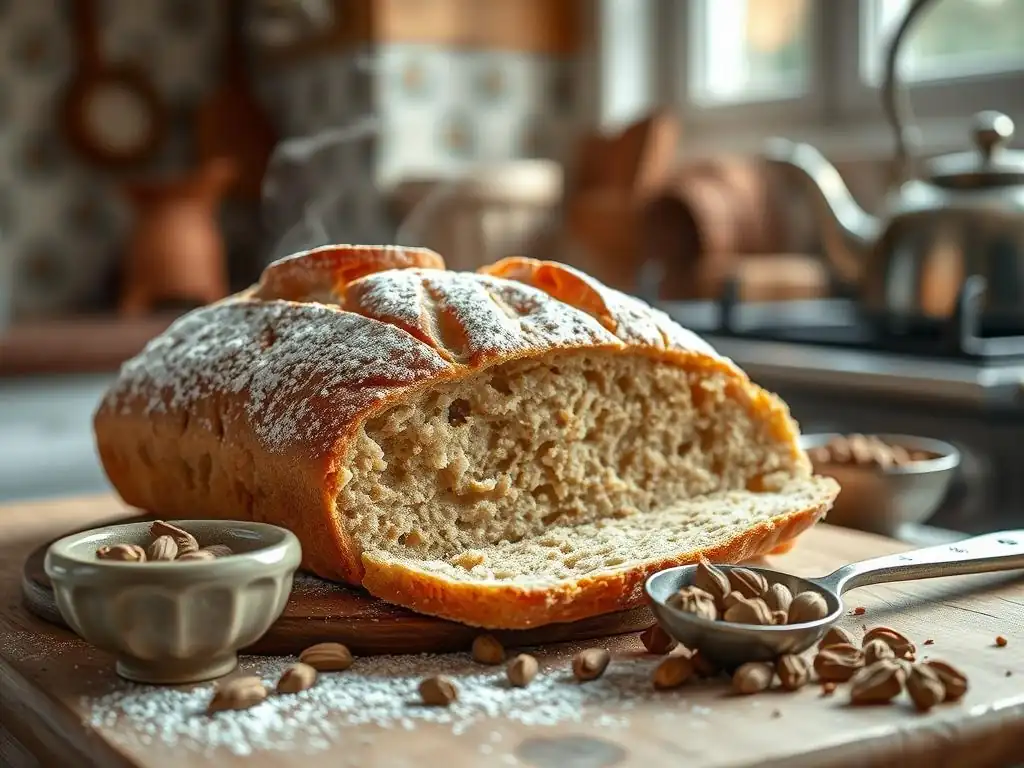
Ready to bake? This easy Swedish cardamom bread recipe is designed for home bakers of all levels. We've simplified the process without compromising on flavor or texture, ensuring you can achieve a beautiful and delicious loaf with confidence. Follow these steps, and you'll be enjoying warm, homemade kardemummabröd in no time.
Ingredients for the Perfect Kardemummabröd
Gathering your ingredients is the first step to baking success. For this easy Swedish cardamom bread recipe, you'll need standard pantry staples plus one key spice. Accuracy in measurements is important for yeast doughs, so using kitchen scales is recommended, especially for flour.
Key Ingredients Breakdown: Cardamom, Yeast, and Flour
- Cardamom: This is the heart of kardemummabröd. For the best flavor, use green cardamom pods or freshly ground green cardamom powder. Approximately 1 to 1.5 tablespoons of ground cardamom is typical for a standard loaf, but feel free to adjust to your preference. Ensure your spice is fresh for maximum aroma.
- Yeast: Active dry yeast or instant yeast will work for this recipe. Instant yeast can often be mixed directly with the dry ingredients, while active dry yeast usually requires proofing in warm liquid first. A standard 7-gram packet of yeast is usually sufficient for a loaf using around 300-400 grams of flour.
- Flour: All-purpose flour is perfectly suitable and yields a tender crumb. Using a flour with a moderate protein content (around 10-12%) is ideal for enriched doughs, providing enough structure to handle the butter and sugar. Approximately 350-400 grams of flour will make a good-sized loaf or several smaller rolls.
- Liquid: Milk is traditionally used as it contributes to a softer crumb compared to water. It should be warmed to a specific temperature range – around 40-45°C (105-115°F) for active dry yeast, or slightly cooler (around 35-40°C or 95-105°F) for instant yeast, if proofing separately. About 200-250 ml of milk is usually needed.
- Butter: Unsalted butter is preferred so you can control the salt level. Melted or softened butter is incorporated into the dough, adding richness and helping to create a tender texture. Around 50-75 grams of butter is typical.
- Sugar: Granulated sugar provides sweetness and also helps activate the yeast. A moderate amount, perhaps 50-70 grams, is enough to sweeten the bread without making it overly cake-like.
- Egg: One large egg, often incorporated into the dough, adds richness, color, and helps bind the ingredients. An additional egg can be used for an egg wash to give the crust a beautiful sheen.
- Salt: Essential for balancing the sweetness and enhancing the overall flavor. A teaspoon or so is usually sufficient.
Ingredient Substitutions and Tips for Baking Success
While the classic ingredients yield the most authentic result, some substitutions are possible. For a dairy-free version, use a plant-based milk (like almond or soy milk) and a good quality vegan butter substitute. Ensure the plant milk is warmed appropriately for the yeast. If you don't have fresh cardamom pods, pre-ground cardamom can be used, but check its freshness – ground spices lose potency quickly.
- Tip 1: Always check the expiration date on your yeast! Inactive yeast is the most common reason for dough not rising.
- Tip 2: Measure flour by weight (grams) for accuracy. Volume measurements (cups) can vary significantly depending on how the flour is scooped.
- Tip 3: Ensure your milk is warm, but not hot. Liquid that is too hot will kill the yeast.
- Tip 4: Use room temperature eggs; they incorporate into the dough more evenly.
Step-by-Step Guide: Baking Your Own Kardemummabröd at Home
Follow these steps carefully to bake a beautiful and delicious Swedish cardamom bread. This easy Swedish cardamom bread recipe breaks down the process into manageable stages.
Preparing the Dough: Mixing and Kneading Techniques
Start by warming your milk in a saucepan or microwave until it reaches the correct temperature (40-45°C for active dry, 35-40°C for instant). If using active dry yeast, sprinkle it over the warm milk with a pinch of sugar and let it sit for 5-10 minutes until frothy. If using instant yeast, you can skip this proofing step and mix it directly with the dry ingredients.
In a large mixing bowl, combine the flour, remaining sugar, salt, and ground cardamom. If using instant yeast, whisk it in now. Make a well in the center. Add the warm milk (with proofed yeast, if applicable), melted butter, and egg to the well. Stir with a wooden spoon or spatula until the dough starts to come together.
Turn the dough out onto a lightly floured surface and knead. Kneading develops the gluten structure, which is crucial for a soft, airy bread. Knead for 8-10 minutes by hand, or 5-7 minutes using a stand mixer with a dough hook, until the dough is smooth, elastic, and no longer sticky. It should pass the windowpane test (you can stretch a small piece thin enough to see light through it without tearing).
The First Rise: Achieving the Perfect Dough Texture
After kneading, the dough needs time to rise. Lightly grease a clean bowl with butter or oil. Place the dough in the bowl, turning it to coat all sides. Cover the bowl tightly with plastic wrap or a clean kitchen towel.
Place the covered bowl in a warm, draft-free place. An oven with the light on (but the oven off) is an ideal spot. The dough should double in size, which typically takes 60 to 90 minutes, depending on the temperature of your room and the activity of your yeast. This first rise, also known as bulk fermentation, allows the yeast to produce gases that create air pockets, contributing to the bread's light texture.
Shaping the Bread: Traditional Braids and Knots
Once the dough has doubled, gently punch it down to release the air. Turn the dough out onto a lightly floured surface. For a traditional loaf, you can divide the dough into three equal pieces and roll each into a rope about 40-50 cm long. Braid the three ropes together, pinching the ends to seal. Alternatively, you can divide the dough into smaller portions (around 60-80 grams each) to make individual knots or swirls, which are also very traditional for kardemummabröd.
To make knots, roll a piece of dough into a thin rope, then tie it into a simple knot. For swirls, roll the dough into a rectangle, spread with a filling (like butter, sugar, and more cardamom), roll up like a jelly roll, and slice into rounds. Arrange the shaped dough on a baking sheet lined with parchment paper, leaving space between them as they will rise again.
The Second Rise: Ensuring a Light and Airy Bread
After shaping, the dough needs a second rise, often called proofing. Cover the baking sheet loosely with plastic wrap or a kitchen towel.
Let the shaped dough rise again in a warm place for another 30-45 minutes, or until noticeably puffy and increased in size (though usually not quite doubled this time). This second rise is crucial for achieving a light and airy texture in the final baked bread. While the dough is proofing, preheat your oven to the correct temperature.
Baking to Perfection: Temperature and Time Considerations
Preheat your oven to 190°C (375°F). While the oven heats, you can prepare an egg wash by whisking one egg with a tablespoon of water or milk. Gently brush the top of the proofed dough with the egg wash; this gives the crust a lovely golden color and shine. You can also sprinkle pearl sugar (Swedish pärlsocker) on top at this stage for a classic finish.
Bake the Swedish cardamom bread in the preheated oven. A large loaf will typically take 25-35 minutes, while smaller rolls or knots might only need 15-20 minutes. The bread is done when it is golden brown on top and sounds hollow when tapped on the bottom. You can also check the internal temperature with a probe thermometer; it should read around 90-95°C (195-205°F). If the top is browning too quickly, you can loosely tent it with aluminum foil. Let the bread cool slightly on a wire rack before slicing and serving.
Mastering the Art of Cardamom Flavor in Your Swedish Bread
Achieving that signature, vibrant cardamom flavor is key to a truly authentic kardemummabröd. The spice shouldn't be merely present; it should sing!
Grinding Your Own Cardamom: Freshness Matters
Using freshly ground cardamom makes a significant difference in the intensity and complexity of the flavor. Pre-ground cardamom can lose its volatile oils and aroma relatively quickly once exposed to air. Starting with whole green cardamom pods ensures you capture the full spectrum of its flavor.
To grind your own, gently crush the green pods to release the small, black, aromatic seeds inside. Discard the papery green husks. Grind the black seeds using a mortar and pestle or a spice grinder (a clean coffee grinder works well). Grind just before adding to your dough for maximum impact. You'll notice the difference immediately in the potent aroma released during grinding compared to opening a jar of pre-ground spice. For this easy Swedish cardamom bread recipe, aiming for about 1 to 1.5 tablespoons of freshly ground cardamom is a good starting point.
Enhancing the Cardamom Flavor: Tips and Tricks
Beyond using fresh spice, there are a few ways to ensure the cardamom flavor truly shines in your kardemummabröd. One common technique is to incorporate cardamom into both the dough and a filling. A simple filling can be made by creaming softened butter with sugar and a generous amount of ground cardamom, which is then spread on the rolled-out dough before shaping.
Another tip is to gently warm the ground cardamom briefly in a little melted butter or milk before adding it to the dough mixture. This can help release its oils and infuse the liquid base with flavor from the start. However, be careful not to overheat, as this can make the flavor bitter. Simply stirring the fresh ground spice directly into the dry ingredients or the liquid is usually sufficient, especially when using high-quality, fresh cardamom. Don't be shy with the amount; Swedish baking is known for its generous hand with this spice.
Variations and Customizations for Your Swedish Cardamom Bread
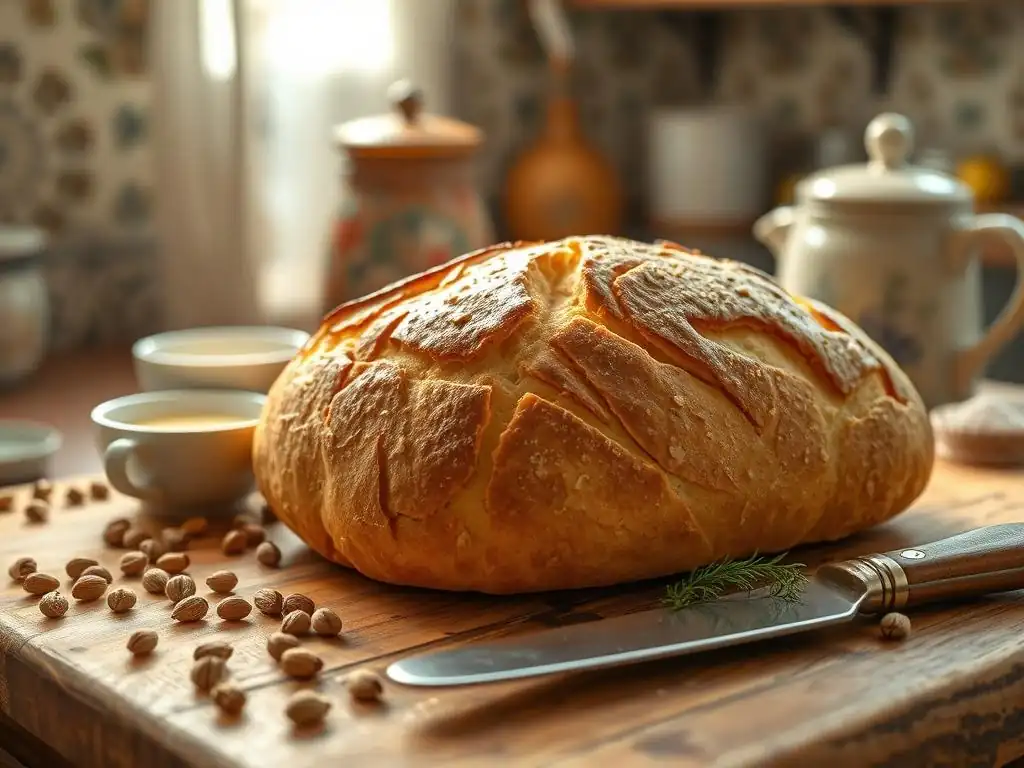
While the classic kardemummabröd is wonderful on its own, this easy Swedish cardamom bread recipe is a great base for delightful variations.
Adding Pearl Sugar for a Classic Finish
Pearl sugar ( pärlsocker in Swedish) is a traditional topping for many Scandinavian baked goods, including kardemummabröd. These are coarse granules of sugar that don't melt during baking, providing a lovely crunchy texture and sparkling appearance on the crust.
After brushing the shaped dough with egg wash just before baking, generously sprinkle pearl sugar over the top. The egg wash helps the sugar adhere. Approximately 1-2 tablespoons per loaf or sheet of rolls is a typical amount. This simple addition not only enhances the visual appeal but also adds a pleasant textural contrast to the soft bread.
Incorporating Almond Paste for Extra Richness
Adding almond paste ( mandelmassa) is a popular way to enrich kardemummabröd and add another layer of flavor. Almond paste is a sweet mixture of ground almonds and sugar, often used in Scandinavian pastries.
You can incorporate almond paste in a couple of ways. One method is to roll out the dough into a rectangle, spread a thin layer of softened almond paste over it (perhaps mixed with a little butter and cardamom), then roll up the dough and slice it into swirls before the second rise. Another approach is to break small pieces of almond paste and tuck them into the folds or knots when shaping the bread.
This adds pockets of rich, sweet almond flavor that complement the cardamom beautifully. About 50-100 grams of almond paste would be sufficient for a batch.
Exploring Different Fillings: Nuts, Seeds, and Dried Fruits
Beyond the classic cardamom-sugar-butter filling or almond paste, you can get creative with other additions. A simple filling of brown sugar, cinnamon (though less traditional than cardamom), and chopped nuts like almonds or walnuts can be spread on the rolled dough before shaping into swirls.
Dried fruits such as raisins or currants can be kneaded directly into the dough towards the end of the kneading process, or included in a filling mixture. Seeds like poppy seeds or sesame seeds can also be used as a topping along with or instead of pearl sugar. Experimenting with these additions allows you to personalize your easy Swedish cardamom bread recipe and discover new favorite combinations.
Tips for Storing and Serving Your Homemade Kardemummabröd
Once your beautiful Swedish cardamom bread is baked and cooled, knowing how to store it properly will ensure you can enjoy its freshness for as long as possible.
Keeping Your Bread Fresh: Storage Solutions
Like most homemade yeast breads, kardemummabröd is best enjoyed the day it is baked, when its aroma is strongest and its texture is softest. However, it will keep well for a few days if stored correctly.
Once completely cooled, wrap the bread tightly in plastic wrap, then place it in a bread box or a resealable plastic bag. Stored at room temperature, it should remain fresh for 2-3 days. For longer storage, kardemummabröd freezes exceptionally well. Wrap individual slices or the whole loaf tightly in plastic wrap, then again in aluminum foil or place in a freezer-safe bag.
Frozen bread can last for up to 2-3 months. To thaw, simply leave it wrapped at room temperature for a few hours. For a "just baked" experience, you can gently warm slices in a toaster or oven after thawing.
Serving Suggestions: Pairings and Enjoyment
The most traditional way to enjoy kardemummabröd is during fika, paired with a cup of hot coffee. The strong, rich flavor of coffee provides a perfect contrast to the sweet, spiced bread. Tea, particularly black tea or herbal varieties, also makes a lovely accompaniment.
Serve slices or individual rolls slightly warm, perhaps with a smear of butter, although the bread is often rich enough to be enjoyed plain. Kardemummabröd is also wonderful for breakfast, toasted and served with jam or cream cheese. Don't hesitate to enjoy it as an afternoon snack or a simple dessert. Its comforting aroma and flavor make it perfect for cozy moments.
Troubleshooting Your Swedish Cardamom Bread Baking
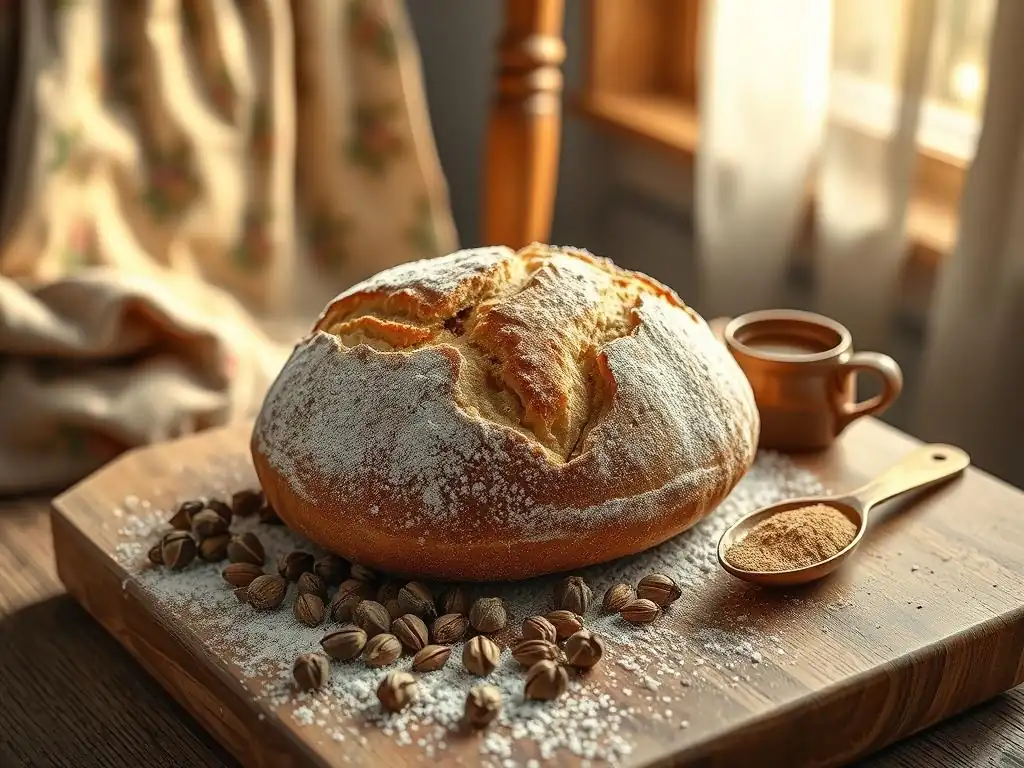
Even with an easy Swedish cardamom bread recipe, baking can sometimes present challenges. Don't worry; most common issues are easily fixable or avoidable with a little knowledge.
Common Baking Mistakes and How to Avoid Them
One frequent issue is bread that is too dense or doesn't rise properly. This is often due to inactive yeast or incorrect liquid temperature. Ensure your yeast is fresh and your milk is warmed to the recommended temperature range – too hot will kill the yeast, too cold won't activate it. Using too much flour can also result in a dense loaf; measure flour by weight if possible, or use the "spoon and level" method if measuring by volume.
Another common problem is bread that browns too quickly on the outside but is undercooked inside. This usually means the oven temperature is too high. Using an oven thermometer can help verify your oven's actual temperature. If the top is browning rapidly, loosely tenting the bread with aluminum foil partway through baking will protect the crust while the inside finishes cooking. Over-kneading is less common but can result in a tough texture; knead until the dough is smooth and elastic, but not overly stiff.
Addressing Dough Issues: Too Dry, Too Sticky, or Not Rising
- Dough is too dry: This usually means you've added too much flour or not enough liquid. Add liquid (milk or water) a tablespoon at a time while kneading until the dough reaches the correct consistency – it should be slightly sticky but manageable.
- Dough is too sticky: This is usually caused by too much liquid or not enough flour. Add flour a tablespoon at a time while kneading until the dough is smooth and no longer excessively sticky. The humidity of your kitchen can also affect dough consistency.
- Dough is not rising: The primary culprits are inactive yeast or a cold environment. Check your yeast's expiration date. Ensure your liquid was the correct temperature. Make sure the dough is in a warm, draft-free spot for its rise. If your kitchen is cool, use the oven-with-the-light-on trick. Give it adequate time – rising times can vary depending on temperature. If after 60-90 minutes there's no noticeable change, your yeast might be dead, and you may need to start over.
Enjoy Your Homemade Swedish Cardamom Bread (Kardemummabröd)!
You've done it! You've successfully baked your very own Swedish cardamom bread using our easy recipe. The aroma filling your kitchen is a testament to your efforts and the simple magic of baking.
Now comes the best part – enjoying the fruits of your labor! Slice into your warm kardemummabröd and savor the soft texture and intoxicating cardamom flavor. This bread is versatile and perfect for numerous occasions.
Start your day with a slice for breakfast, elevate your afternoon coffee break with an authentic fika experience, or share it with loved ones during holidays or gatherings. The act of sharing homemade bread is a gesture of warmth and care. We hope this easy Swedish cardamom bread recipe becomes a favorite in your baking repertoire, bringing a touch of Swedish charm and deliciousness to your home.
Frequently Asked Questions
What makes Swedish Cardamom Bread (Kardemummabröd) so special?
It's the unique combination of soft, enriched dough and the aromatic cardamom spice. The distinct flavor and texture make it a beloved treat.
Is the Swedish Cardamom Bread recipe on BakeWithEase.com easy to follow?
Yes! BakeWithEase.com prides itself on providing easy-to-follow recipes with step-by-step instructions, even for beginners wanting to try this delicious bread.
What are the key ingredients in an easy Swedish Cardamom Bread recipe?
Essential ingredients include flour, yeast, butter, sugar, milk, and of course, the crucial ingredient: ground cardamom.
Can I adapt the BakeWithEase.com Swedish Cardamom Bread recipe if I have dietary restrictions?
Absolutely! The website offers tips for substituting ingredients, like using gluten-free flour or dairy-free milk, to accommodate dietary needs.
Where can I find the "Swedish cardamom bread recipe easy" on BakeWithEase.com?
Simply search for "Swedish Cardamom Bread" or "Kardemummabröd" on the BakeWithEase.com website to find our dedicated recipe page.
Final Reflection: The Enduring Allure of Kardemummabröd
The simple act of baking Swedish cardamom bread transcends a mere recipe; it's a journey through generations of tradition and a testament to the comforting power of warm spices. This easy-to-follow recipe, designed to demystify the process of creating this beloved treat, aims to bring the joy of Kardemummabröd to kitchens worldwide. Its current popularity, fueled by the growing interest in global baking and the desire for comforting homemade goods, highlights its enduring appeal.
The aroma of cardamom, warm and inviting, evokes a sense of nostalgia and home, regardless of one's cultural background. It's a scent that speaks to the heart, transporting us to cozy kitchens and shared moments of warmth and connection. The best things in life are simple,
a phrase often used, rings particularly true when considering the humble yet deeply satisfying experience of baking and sharing Kardemummabröd. This simple bread, with its complex flavors, has woven itself into the fabric of Swedish culture, representing more than just a culinary delight; it represents community, tradition, and the simple pleasures of life.
So, I invite you to try your hand at this recipe. Don't be intimidated by the seemingly simple ingredients; let the process be a moment of mindful creation, a chance to connect with something larger than yourself. Embrace the warmth of the cardamom, the soft texture of the bread, and the satisfaction of sharing your creation with loved ones. Let the charm of Kardemummabröd enrich your life, one delicious slice at a time.
Unleash Your Inner Baker: Bake Your Own Kardemummabröd!
Thanks for joining us on this delicious journey into the world of Swedish cardamom bread! We hope you've gained a newfound appreciation for this aromatic treat and the simple joy of baking. Now it's time to put your knowledge to the test!
- Bake a batch of Kardemummabröd: This is your chance to experience the fragrant magic firsthand. Follow our recipe (you can find it here - link to recipe on bakewithease.com would go here if allowed) and let the warm spices fill your kitchen.
- Share your baking journey: Snap a picture of your masterpiece and share it on social media using #BakeWithEaseKardemumma. Let's inspire each other!
- Explore other Swedish treats: Discover more delightful recipes on our website, including other Scandinavian favorites.
Ready to embark on your Kardemummabröd adventure? What unique twist will you add to your baking experience?