
Adding Seeds to Your Bread Rolls: A Flavor Boost

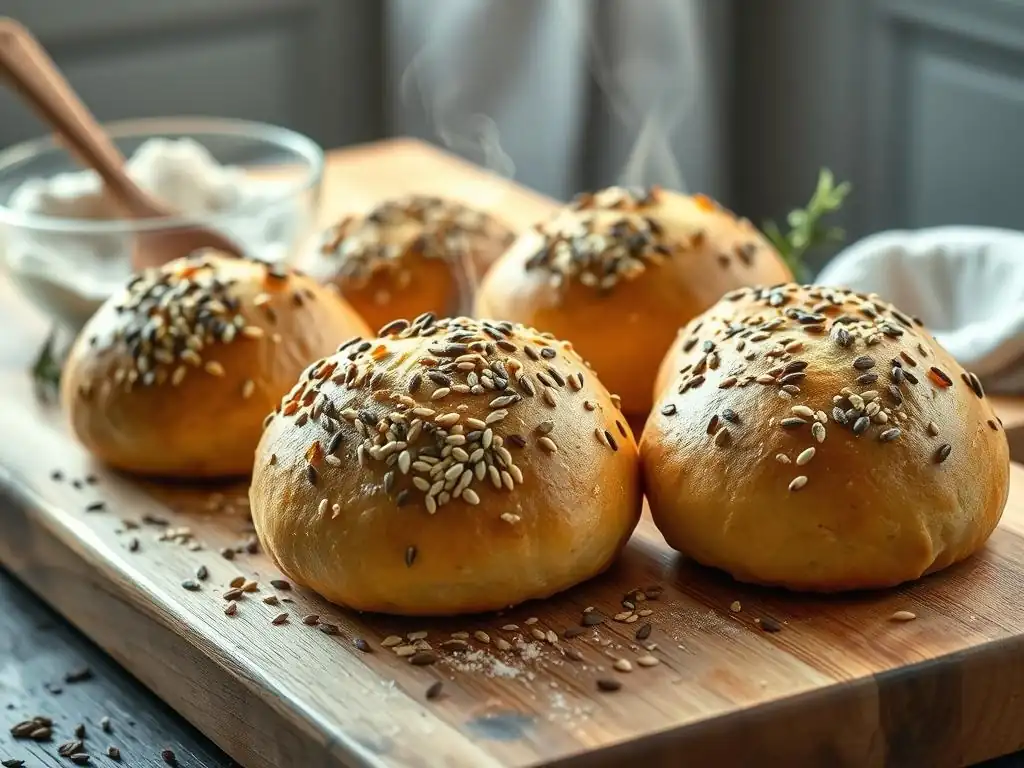
Welcome to BakeWithEase, your haven for baking success! Are you ready to elevate your bread baking game? In this guide, we'll unlock the secrets to crafting incredibly delicious and satisfying easy seed bread rolls. Discover how a simple addition can transform ordinary dough into a flavourful and textured delight. Intrigued? Let's get baking!
- Elevating Bread Rolls with Seeds: A Flavor and Texture Guide
- Seeded Bread Rolls: Enhancing Your Baking
- The Benefits of Adding Seeds to Bread Rolls
- Selecting the Best Seeds for Your Bread Rolls
- Recipe: Seeded Whole Wheat Bread Rolls
- Tips for Perfect Seeded Bread Rolls
- Seeded Bread Roll Variations
- Enjoying Your Seeded Whole Wheat Bread Rolls
-
Frequently Asked Questions
- What are the easiest types of seeds to add to bread rolls for a flavor boost?
- How much seed should I add to my bread rolls for the best flavor?
- Can I add seeds inside the dough, or only on top?
- How do I prevent the seeds from falling off the rolls after baking?
- What are some other ways to add flavor to easy seed bread rolls, besides just using seeds?
- Final Reflection: The Humble Seed, a World of Flavor
- Unleash Your Inner Baker: Elevate Your Rolls!
Elevating Bread Rolls with Seeds: A Flavor and Texture Guide
Seeded Bread Rolls: Enhancing Your Baking
Adding seeds to your bread rolls is a simple yet incredibly effective way to transform an ordinary bake into something special. Whether you're a beginner looking to make easy seed bread rolls or an experienced baker seeking new textures and flavors, incorporating seeds offers a wealth of possibilities. This practice not only enhances the sensory experience of eating bread – providing delightful pops, crunches, and nutty undertones – but also boosts the nutritional profile, making your homemade rolls even more wholesome.
Beyond just mixing seeds into the dough, there are various techniques you can employ, such as coating the rolls before baking or even toasting the seeds beforehand to unlock deeper flavors. The type of seed you choose can dramatically alter the final result, from the subtle nutty notes of sesame to the earthy robustness of pumpkin seeds. Mastering the art of adding seeds allows for endless creativity in your bread baking journey, turning simple bread rolls into artisanal delights.
The Benefits of Adding Seeds to Bread Rolls
Flavor and Texture Enhancement Through Seed Incorporation
Incorporating seeds into easy seed bread rolls dramatically elevates their flavor profile and texture. Seeds like sesame, poppy, sunflower, and pumpkin each contribute unique tastes, ranging from mild and nutty to earthy and slightly sweet. For instance, a study published in the Journal of Food Science indicated that adding toasted sesame seeds significantly increased the perceived nuttiness and overall aroma of bread. The textures provided by seeds are equally diverse; poppy seeds offer a delicate crunch, while sunflower and pumpkin seeds provide a more substantial bite.
Consider a standard white bread roll recipe. By simply adding 5-10% of the flour weight in a mix of seeds, you introduce layers of flavor and a satisfying chewiness or crunch that isn't present in a plain roll. This textural contrast is particularly appealing, breaking up the soft interior crumb and adding interest to every bite. Using a blend, perhaps 3% sesame, 2% poppy, and 5% sunflower seeds based on flour weight, can create a complex mouthfeel that makes your easy seed bread rolls stand out.
Nutritional Advantages of Seed-Enriched Bread
Seeds are nutritional powerhouses, packing essential nutrients, healthy fats, fiber, and protein into a small package. Adding them to bread rolls significantly boosts their dietary value. For example, just 2 tablespoons (about 18 grams) of flax seeds contain roughly 3.7 grams of fiber and 2.4 grams of protein, along with beneficial Omega-3 fatty acids. Incorporating these into your easy seed bread rolls increases the fiber content, aiding digestion and promoting fullness.
Beyond fiber and protein, seeds are rich in vitamins and minerals such as Vitamin E, magnesium, zinc, and selenium. Sunflower seeds, for instance, are an excellent source of Vitamin E. Adding 10% sunflower seeds to a batch of rolls can notably increase the Vitamin E content compared to seedless rolls. While the total amount of nutrients will depend on the quantity and type of seeds used, even a modest addition provides a tangible nutritional uplift, turning a simple carbohydrate source into a more balanced and beneficial food item.
Visual Appeal: Enhancing the Look of Your Bread Rolls
Adding seeds is one of the simplest ways to make your homemade easy seed bread rolls look professionally baked and incredibly appealing. A generous coating of seeds, whether sesame, poppy, or a mix, creates a beautiful crust that catches the eye. The contrast between the golden-brown crust of the roll and the varied colors and textures of the seeds provides a rustic, artisanal look that is hard to achieve with plain rolls.
Imagine a basket of freshly baked rolls, some adorned with a sprinkle of golden sesame, others with tiny black poppy seeds, and some perhaps studded with larger pumpkin seeds. This visual variety makes your easy seed bread rolls not just a food item, but a centerpiece. Even incorporating seeds directly into the dough adds visual interest, creating speckles and textures within the crumb itself. This aesthetic enhancement is crucial, as people often eat with their eyes first, and a visually appealing roll is far more enticing.
Selecting the Best Seeds for Your Bread Rolls
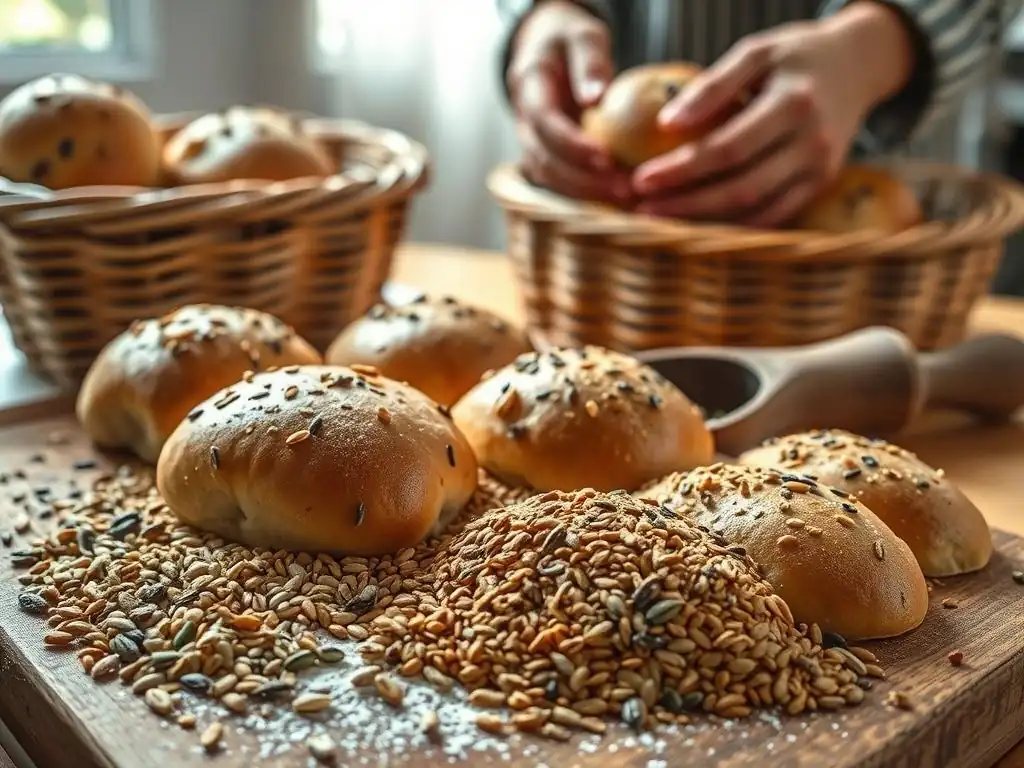
Popular Seed Choices for Bread Making
Choosing the right seeds is key to making delicious easy seed bread rolls. Several varieties are particularly well-suited for baking due to their flavor, texture, and how well they integrate with dough. Understanding the characteristics of each can help you select the best options or create appealing blends for your specific recipe.
The most common seeds used in bread making include sesame, poppy, sunflower, pumpkin (pepitas), and flax seeds. Each brings something unique to the table, from the subtle nuttiness of sesame to the earthy crunch of pumpkin seeds. Often, bakers will use a combination of these seeds to achieve a complex flavor profile and varied texture, enhancing the overall experience of eating their easy seed bread rolls.
Sesame Seeds: A Classic Nutty Flavor
Sesame seeds are arguably one of the most popular choices for bread rolls, and for good reason. They offer a mild, nutty flavor that complements a wide range of bread types, from simple white rolls to enriched brioche. Their small size makes them easy to incorporate into dough or use as a coating, providing a delicate crunch without being overly dominant.
Toasting sesame seeds lightly before adding them can significantly deepen their nutty flavor and enhance their aroma. Approximately 5-7% of the flour weight in sesame seeds is a good starting point for incorporation into the dough, while a generous sprinkle on top before baking provides a beautiful golden finish and classic taste for easy seed bread rolls.
Poppy Seeds: Adding a Delicate Crunch
Poppy seeds are tiny powerhouses of texture, offering a distinct, delicate crunch that is instantly recognizable. While their flavor is subtle, slightly nutty, it's their texture that makes them a favorite for topping rolls and bagels. Their small size means they don't dramatically alter the dough structure when mixed in, but they provide delightful little pops when chewed.
Often used as a decorative and textural element, poppy seeds are best sprinkled generously over the top of shaped rolls before baking. A typical coating might use 1-2 tablespoons of poppy seeds per batch of 8-12 rolls. They contribute minimal moisture, making them easy to handle and ensuring a crisp crust on your easy seed bread rolls.
Sunflower Seeds: A Mild and Earthy Taste
Sunflower seeds, particularly hulled sunflower kernels, add a pleasant, mild, and slightly earthy flavor to bread rolls. Their larger size compared to sesame or poppy seeds provides a more substantial bite and a satisfying chewiness when baked into the dough. They are relatively soft, so they don't create a hard crunch, but rather a tender resistance.
Incorporating sunflower seeds into the dough at about 8-12% of the flour weight adds noticeable flavor and texture without making the rolls too dense. They can also be used as a topping, pressed lightly into the dough before baking, to create a rustic, visually appealing crust on easy seed bread rolls. Their healthy fat content contributes to a tender crumb.
Pumpkin Seeds (Pepitas): A Robust and Nutty Addition
Pumpkin seeds, or pepitas, offer a more robust, intensely nutty, and slightly sweet flavor compared to other seeds. Their larger, flatter shape and vibrant green color (when unshelled) or creamy white color (when shelled) make them a visually striking addition. They provide a distinct, firm crunch when baked into bread.
Pumpkin seeds are excellent mixed into dough, often at a rate of 10-15% of the flour weight, or used as a prominent topping. Their rich flavor pairs particularly well with whole wheat or rustic bread recipes. Pressing them firmly into the top of the rolls ensures they adhere during baking, resulting in beautiful and flavorful easy seed bread rolls with a satisfying bite.
Flax Seeds: Boosting Fiber and Omega-3s
Flax seeds are primarily prized for their nutritional benefits, being an excellent source of fiber and Omega-3 fatty acids. While their flavor is mild and slightly nutty, they contribute a unique texture; when exposed to moisture, they develop a mucilaginous coating, which can help keep bread moist.
Both whole and ground flax seeds can be used in bread rolls. Whole flax seeds add little pops of texture, while ground flax seeds (flax meal) absorb more liquid and can affect dough hydration, often requiring a slight increase in water. Adding flax seeds at 5-8% of the flour weight boosts the nutritional profile significantly, making your easy seed bread rolls healthier.
Seed and Dough Compatibility Considerations
When adding seeds to bread dough, it's important to consider how they interact with the dough's hydration and structure. Some seeds, like flax or chia seeds, absorb a significant amount of liquid, which might require you to slightly increase the water content in your recipe to maintain the desired dough consistency. For example, for every 10 grams of flax seeds added, you might need an additional 5-10 ml of water, depending on whether they are whole or ground.
Larger seeds like sunflower or pumpkin seeds can sometimes interfere with gluten development if added in very large quantities (over 20% of flour weight), potentially resulting in a slightly denser crumb. However, within typical usage ranges (5-15%), they primarily add texture and flavor without negatively impacting the dough's structure. Experimenting with small batches of easy seed bread rolls is the best way to find the perfect balance for your preferred seeds and recipe.
Recipe: Seeded Whole Wheat Bread Rolls
Making easy seed bread rolls at home is a rewarding process. This recipe for seeded whole wheat rolls combines the nutty flavor of whole wheat with a mix of complementary seeds, creating a wholesome and delicious result.
Ingredients for Seeded Whole Wheat Bread Rolls
- 300g (approx. 2 ¼ cups) Whole Wheat Flour
- 200g (approx. 1 ½ cups) All-Purpose Flour
- 10g (approx. 2 tsp) Instant Yeast
- 8g (approx. 1 ½ tsp) Salt
- 10g (approx. 2 tsp) Sugar or Honey
- 350ml (approx. 1 ½ cups) Warm Water (around 105-115°F / 40-46°C)
- 30g (approx. ¼ cup) Mixed Seeds (e.g., 10g sesame, 10g sunflower, 10g pumpkin) + extra for topping
- 10g (approx. 2 tsp) Olive Oil or Melted Butter
Preparing the Dough for Seed Integration
In a large mixing bowl, whisk together the whole wheat flour, all-purpose flour, instant yeast, salt, and sugar. In a separate bowl or jug, combine the warm water and olive oil. Pour the wet ingredients into the dry ingredients and mix with a wooden spoon or in a stand mixer with a dough hook until a shaggy dough forms and no dry flour remains.
Turn the dough out onto a lightly floured surface and knead for about 8-10 minutes, or mix in a stand mixer on medium speed for 6-8 minutes, until the dough is smooth and elastic. It should pass the windowpane test (you can stretch a small piece thin enough to see light through it without tearing).
Incorporating Seeds into the Dough
There are two primary methods for adding seeds to your easy seed bread rolls: mixing them directly into the dough or using them as a coating. Each method yields a different result in terms of texture and visual appeal.
Combining both methods is also an option; you can add a portion of the seeds into the dough for internal texture and flavor, and reserve some to coat the outside for visual appeal and a crispy crust.
Method 1: Kneading Seeds into the Dough
Once the dough is smooth and has developed sufficient gluten, flatten it slightly on your work surface. Sprinkle the measured mixed seeds (30g in this recipe) evenly over the surface of the dough. Fold the dough over the seeds and continue kneading for another 2-3 minutes, or until the seeds are evenly distributed throughout the dough.
Be patient, as it might take a little while for the seeds to fully incorporate without falling out. This method ensures that seeds are present throughout the crumb of your easy seed bread rolls, providing texture in every bite. Place the dough in a lightly oiled bowl, cover, and let rise until doubled in size, typically 60-90 minutes at room temperature (around 70-75°F / 21-24°C).
Method 2: Coating Rolls with Seeds Before Baking
If you prefer the seeds to be primarily on the outside of your easy seed bread rolls, incorporate them after shaping. After the first rise, gently deflate the dough and divide it into your desired number of rolls (this recipe typically makes 8-10 rolls). Shape each piece into a tight ball. Prepare a shallow dish with a few tablespoons of your chosen seeds (e.g., a mix of sesame, poppy, and sunflower).
Lightly brush the tops and sides of the shaped rolls with water or a simple egg wash (1 egg whisked with 1 tbsp water). Roll or dip the moistened surface of each roll into the dish of seeds, pressing gently to ensure good adhesion. Place the coated rolls seam-side down on a baking sheet lined with parchment paper, leaving space between them for expansion during the second rise.
Shaping Seeded Whole Wheat Bread Rolls
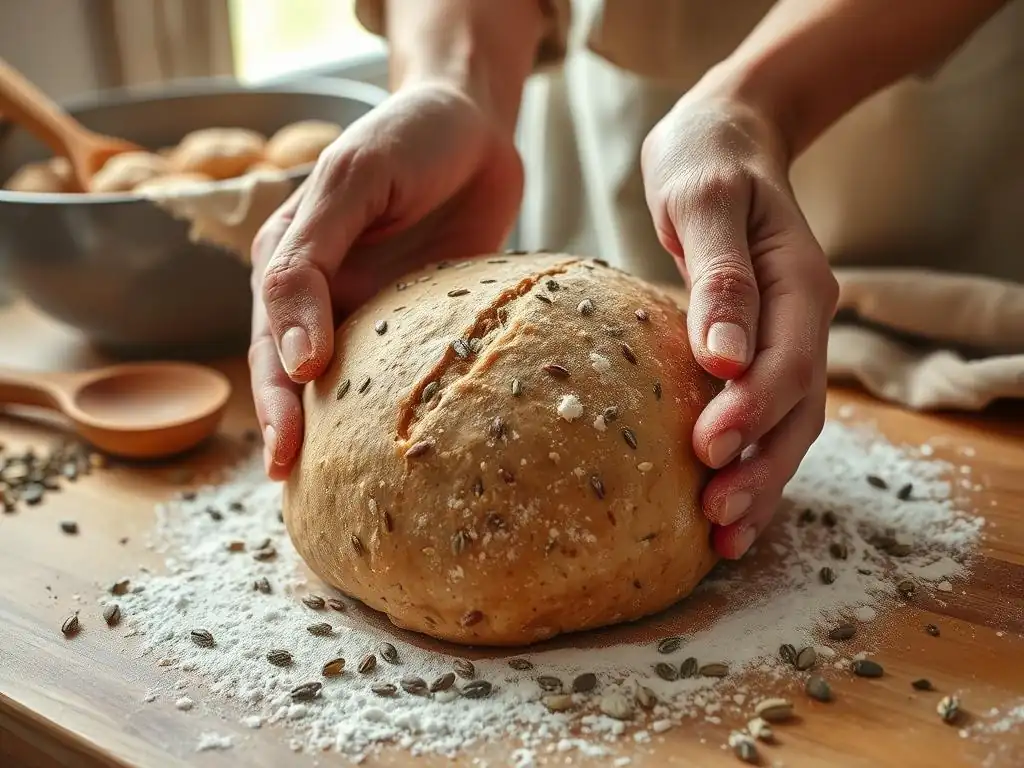
After the first rise (if incorporating seeds into the dough) or after dividing (if coating later), gently punch down the dough to release air. Turn the dough out onto a lightly floured surface. Divide the dough into equal portions, typically ranging from 80g to 120g per roll, depending on your desired size. For easy seed bread rolls, consistent size helps with even baking.
Shape each portion into a smooth, round ball by pulling the edges underneath and pinching the seam closed, or by using the palm of your hand to roll it against the counter in a circular motion. Ensure the surface is taut. Place the shaped rolls on a baking sheet lined with parchment paper, leaving approximately 2-3 inches (5-7 cm) between them to allow for expansion.
Baking Seed-Enriched Whole Wheat Bread Rolls
Once shaped and, if using Method 2, coated with seeds, cover the rolls loosely with plastic wrap or a clean kitchen towel and let them undergo their second rise (proofing). This usually takes 30-45 minutes, or until they are visibly puffy and have increased in size by about 50%. While they are proofing, preheat your oven to 375°F (190°C).
If you used Method 1 (seeds in the dough), you can brush the tops with water or egg wash and sprinkle with additional seeds just before baking for extra visual appeal. Bake the easy seed bread rolls in the preheated oven for 18-25 minutes, or until they are golden brown on top and sound hollow when tapped on the bottom. The internal temperature should reach around 200-210°F (93-99°C).
Tips for Perfect Seeded Bread Rolls
Achieving perfect easy seed bread rolls goes beyond just following a recipe. A few key tips can help ensure your rolls are not only delicious but also look great and have the desired texture.
Paying attention to details like seed adherence, flavor enhancement through toasting, and proper storage will elevate your baking results and make your homemade seeded rolls truly shine.
Ensuring Seed Adherence: Preventing Seed Loss
One common challenge with seeded bread rolls is ensuring the seeds stick firmly during baking and handling. When using seeds as a coating, adequate moisture on the surface of the dough is crucial. Brushing the shaped rolls with water, milk, or an egg wash (a mixture of egg and a little water or milk) provides a sticky surface for the seeds to adhere to. Egg wash tends to give the best adhesion and a beautiful golden color.
After applying the moisture, gently but firmly press the rolls into a dish of seeds, ensuring the seeds are well embedded in the surface. For larger seeds like pumpkin or sunflower seeds on top, pressing them slightly into the dough before the second rise can also help them stay put. Avoid excessive handling once the seeds are applied.
Toasting Seeds for Deeper Flavor (Optional)
Toasting seeds before adding them to your easy seed bread rolls can significantly enhance their flavor profile, bringing out richer, nuttier notes. This step is entirely optional but highly recommended for maximum flavor impact.
To toast seeds, spread them in a single layer on a dry skillet over medium heat. Stir or shake the pan frequently. Toasting times vary by seed type; smaller seeds like sesame or poppy might only take 3-5 minutes, while larger seeds like sunflower or pumpkin could take 5-8 minutes. Toast until they are fragrant and lightly golden brown. Be careful not to burn them, as burnt seeds will taste bitter. Let them cool completely before adding them to the dough or using as a topping.
Adjusting Baking Times for Seeded Rolls
While adding seeds doesn't drastically alter the baking time for most bread rolls, it's worth keeping an eye on them, especially if you've used a heavy seed coating. The seeds on the surface can brown quickly. If they seem to be browning too fast before the rolls are fully baked through, you can loosely tent the rolls with aluminum foil for the remainder of the baking time.
The internal temperature is the most reliable indicator of doneness. Aim for an internal temperature of 200-210°F (93-99°C). Using a digital thermometer ensures your easy seed bread rolls are perfectly baked inside and out.
Storing Homemade Seeded Bread Rolls
Homemade seeded bread rolls are best enjoyed fresh, but they can be stored to maintain their quality. Once completely cooled, store them in an airtight container or a bread bag at room temperature for 2-3 days. The seeds, particularly those on the crust, can help maintain freshness slightly longer by protecting the interior crumb.
For longer storage, easy seed bread rolls freeze exceptionally well. Wrap cooled rolls individually or in pairs in plastic wrap, then place them in a freezer bag or airtight container. They can be frozen for up to 2-3 months. To thaw, simply leave them at room temperature, or for a warm, crusty roll, reheat them in a preheated oven at 350°F (175°C) for 5-10 minutes.
Seeded Bread Roll Variations
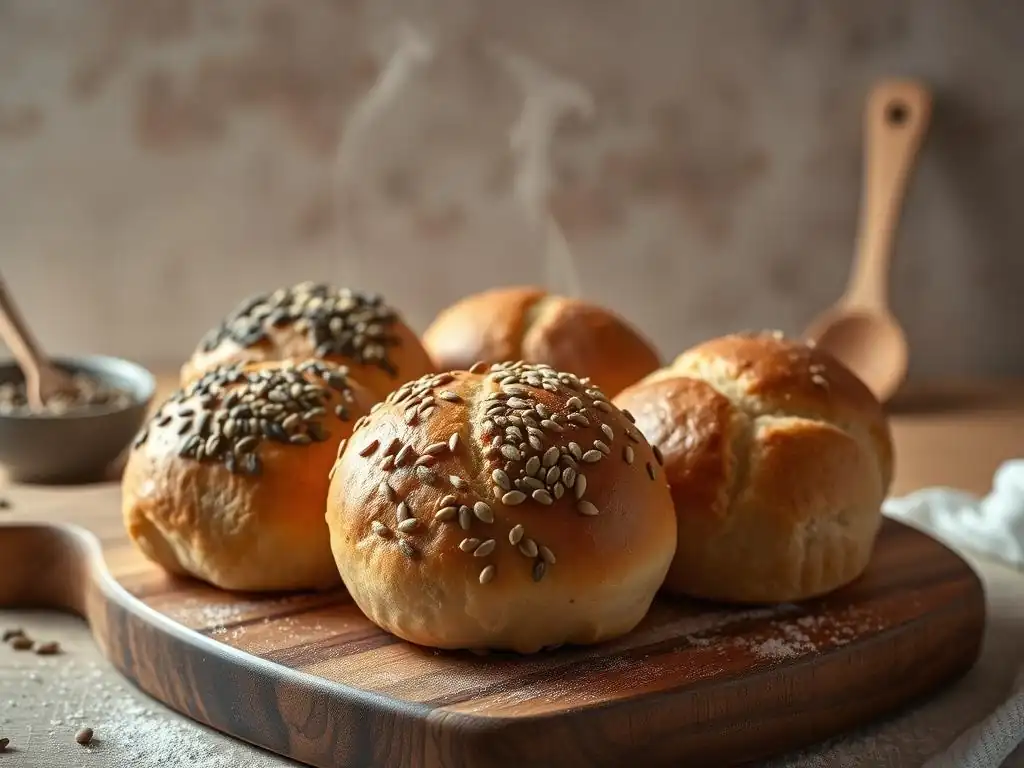
Once you've mastered the basic easy seed bread rolls, the possibilities for variation are endless. Experimenting with different seed blends or adding other ingredients can create unique and exciting rolls.
Consider incorporating other grains, herbs, or even different types of flour to develop new flavors and textures in your seeded creations.
Seeded Multigrain Bread Rolls: A Hearty Blend
Elevate your easy seed bread rolls by turning them into hearty multigrain versions. This involves adding a blend of whole grains and seeds to the dough. Typically, a multigrain mix might include rolled oats, cracked wheat, barley flakes, and a variety of seeds like flax, sunflower, and sesame.
A common ratio is replacing 10-20% of the total flour weight with a cooked or soaked grain and seed mix. For example, soaking 50g of a grain/seed blend in 100ml of hot water for 30 minutes before adding it to the dough can create incredibly moist and flavorful easy seed bread rolls with a substantial texture.
Seeded Herb Bread Rolls: Infusing Aromatic Flavors
Combining seeds with fresh or dried herbs adds an aromatic dimension to your bread rolls. Herbs like rosemary, thyme, oregano, or chives pair wonderfully with the nutty flavors of seeds.
Finely chopped fresh herbs (about 1-2 tablespoons per batch) or dried herbs (about 1-2 teaspoons) can be mixed into the dough along with the seeds during the kneading process. This creates easy seed bread rolls with delightful savory notes, perfect for accompanying meals or enjoying on their own.
Seeded Spelt Bread Rolls: A Nutty Alternative
For a different flavor profile and nutritional boost, try making easy seed bread rolls using spelt flour. Spelt is an ancient grain with a slightly nutty, sweeter flavor compared to modern wheat and is often easier for some people to digest.
You can replace a portion (e.g., 50-100%) of the whole wheat or all-purpose flour with spelt flour in a standard recipe. Spelt dough can be a bit stickier and requires gentle handling, but it pairs beautifully with seeds like sunflower, pumpkin, and sesame, resulting in delicious and wholesome seeded spelt bread rolls.
Enjoying Your Seeded Whole Wheat Bread Rolls
After the anticipation of mixing, rising, shaping, and baking, the best part is finally enjoying your warm, homemade easy seed bread rolls. Let them cool slightly on a wire rack to allow the crust to set and the internal moisture to redistribute.
Serve them warm with butter, use them for sandwiches, or simply enjoy them as a side with soup or salad. The beautiful crust, soft interior, and nutty seed flavors make them a delightful addition to any meal.
Serving Suggestions and Pairing Ideas
Easy seed bread rolls are incredibly versatile. Serve them warm with a smear of butter for a simple pleasure. Their sturdy structure makes them excellent for sandwiches, holding up well to various fillings. A seeded roll filled with turkey and cheese, or grilled vegetables, is a satisfying lunch option.
They pair wonderfully with savory dishes. Serve them alongside hearty soups like lentil or tomato, or stews. They are also a great accompaniment to salads, providing a textural contrast to crisp greens. For a breakfast treat, slice and lightly toast a seeded roll and serve with cream cheese or avocado. The possibilities are truly endless for enjoying your delicious, easy seed bread rolls.
Frequently Asked Questions
What are the easiest types of seeds to add to bread rolls for a flavor boost?
The easiest seeds to add include sesame, poppy, and sunflower seeds. They're readily available and don't require pre-soaking.
How much seed should I add to my bread rolls for the best flavor?
Generally, adding 1-2 tablespoons of seeds per batch of dough provides a noticeable flavor boost. Adjust to your personal taste preference.
Can I add seeds inside the dough, or only on top?
Yes, you can add seeds both inside the dough and on top. Adding them inside gives a subtle nutty flavor, while topping provides a visual appeal.
How do I prevent the seeds from falling off the rolls after baking?
Brush the rolls with egg wash or milk before adding the seeds. This acts as a glue and helps them adhere better during baking.
What are some other ways to add flavor to easy seed bread rolls, besides just using seeds?
You can enhance the flavor by adding herbs like rosemary or thyme, or by using different types of flour, such as whole wheat or rye.
Final Reflection: The Humble Seed, a World of Flavor
Adding seeds to your bread rolls isn't just a culinary trick; it's a gateway to a deeper, more nuanced baking experience. The seemingly simple act of sprinkling seeds onto dough unlocks a world of texture, flavor, and nutritional benefits, transforming ordinary rolls into something truly special. This ease of enhancement belies the profound impact a small addition can have.
The influence of seeds extends far beyond the individual roll; it speaks to a growing appreciation for simple, wholesome ingredients and a return to traditional baking methods. We're witnessing a renewed interest in handcrafted foods, a desire to connect with the origins of our food, and seeds perfectly embody this trend. Bread is the staff of life,
they say, and by adding seeds, we're not just adding flavor, we're adding substance and meaning to this fundamental food.
Now, consider your own baking journey. What seeds will you add to your next batch of rolls? Will you experiment with the earthy notes of flax, the satisfying crunch of sunflower, or the subtle sweetness of pumpkin seeds? Don't be afraid to explore, to innovate, and to discover the unique flavor profile that speaks to your palate. The possibilities are as limitless as your imagination, and the reward? A roll so delicious, it will leave you wanting more.
Unleash Your Inner Baker: Elevate Your Rolls!
Thanks for taking the time to explore the delicious world of seed-enhanced bread rolls! We hope you've gained some inspiring ideas to boost your baking. Ready to take your skills to the next level?
- Experiment with different seeds: Try adding sunflower, poppy, or sesame seeds to your next batch – the possibilities are endless! This is the perfect chance to get creative in the kitchen.
- Share your creations: Post a picture of your seed-studded rolls on social media and tag us @BakeWithEase – we'd love to see them!
- Dive deeper into seed varieties: Explore the nutritional benefits and unique flavor profiles of various seeds for even more exciting culinary adventures.
What exciting seed combination will you try first?