
Achieving an Even Bake on Your Baguettes

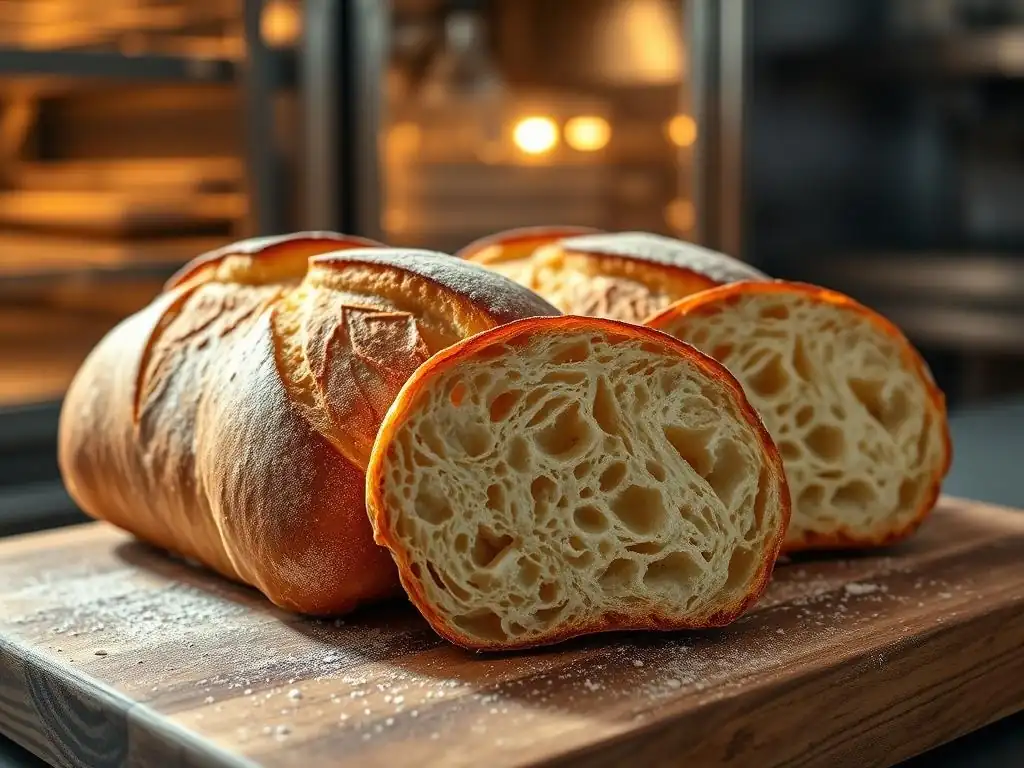
Welcome to BakeWithEase, your partner in creating delicious baked goods! Ever dreamt of that perfectly golden, evenly baked baguette? It's within reach. Discover the secrets to achieving even baguette bake consistency in our latest article, where we demystify the process and share pro tips for bakery-worthy results. Ready to banish uneven bakes forever and unlock the perfect crust? Let's get baking!
- Achieving an Even Bake on Your Baguettes: BakeWithEase Guide
- Introduction: The Quest for Perfectly Baked Baguettes
- Understanding the Challenges of Uneven Baguette Baking
- Key Factors for Achieving an Even Baguette Bake
- Troubleshooting Uneven Baguette Bake Consistency
- Advanced Techniques for Perfect Baguette Baking
- Troubleshooting Uneven Baguette Bake Consistency
- Advanced Techniques for Perfect Baguette Baking
- Conclusion: Mastering the Art of Even Baguette Baking
- Frequently Asked Questions
- Final Reflection: The Pursuit of the Perfect Crust
- Unleash Your Inner Boulanger: Perfect Baguettes Await!
Achieving an Even Bake on Your Baguettes: BakeWithEase Guide
Introduction: The Quest for Perfectly Baked Baguettes
Why Consistent Baking Matters for Baguette Perfection
Achieving an even bake on your baguettes is the hallmark of a truly successful loaf. It's not just about aesthetics; uniform baking ensures a consistent texture from end to end – a crisp, golden crust yielding to a soft, airy interior. An unevenly baked baguette might have a beautiful crust on one side but be pale and doughy on the other, or worse, burnt ends with an undercooked middle.
This inconsistency significantly impacts the eating experience, making the difference between a good baguette and a truly exceptional one. For home bakers aiming for that professional-level result, mastering even baguette bake consistency is a fundamental skill.
Beyond texture, proper and even baking also contributes significantly to flavor development. The Maillard reaction, responsible for the rich brown crust color and complex flavors, occurs optimally and uniformly when heat is distributed evenly. If parts of the baguette are exposed to different temperatures, flavor development will be inconsistent, resulting in a less satisfying taste. Striving for evenness ensures that every bite delivers the full potential of your carefully crafted dough, making your efforts in mixing, kneading, and shaping truly worthwhile.
BakeWithEase's Approach to Even Baguette Bake Consistency
At BakeWithEase, we believe that achieving an even baguette bake consistency is entirely within reach for any home baker, regardless of their oven setup. Our approach breaks down the process into manageable steps, focusing on understanding the core principles of heat transfer, dough handling, and environmental control within your oven. We don't just offer recipes; we provide the knowledge and techniques needed to troubleshoot common issues and build confidence. Think of us as your friendly guide, demystifying the science behind a perfect, uniform bake.
Our guidance covers everything from calibrating your oven's temperature – a common source of unevenness – to mastering the subtle art of dough shaping and oven steaming. We emphasize practical tips that you can implement immediately, using standard home baking equipment. By focusing on these foundational elements, you'll gain the ability to identify and correct the factors that lead to uneven baking, ultimately leading you towards consistently beautiful and delicious baguettes every time you bake.
Understanding the Challenges of Uneven Baguette Baking
Common Culprits Behind Unevenly Baked Baguettes
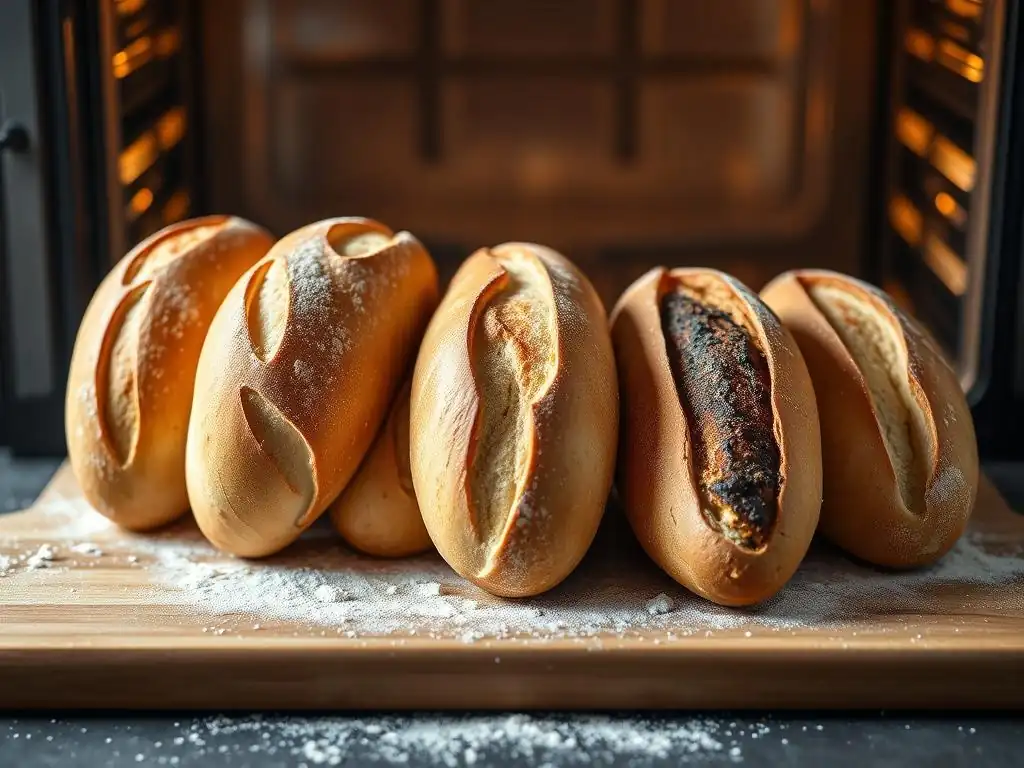
Several factors can conspire against achieving an even baguette bake. One of the most frequent issues stems from the oven itself: temperature fluctuations and uneven heat distribution. Home ovens often have hotspots, areas that are significantly hotter than the average temperature, and cold spots, where heat doesn't circulate as effectively. This means that even if your oven thermostat is set to 450°F (approx.
230°C), different parts of your oven cavity might vary by 20-30°F (approx. 10-15°C) or more. Baguettes placed in hotter areas will darken faster, while those in colder spots will lag behind, resulting in uneven baguette bake consistency across the batch.
Another significant culprit is inconsistent dough handling during shaping. If sections of the baguette are thicker or thinner than others, they will bake at different rates. Thin spots cook through and brown more quickly, potentially burning, while thicker sections may remain undercooked or dense. Similarly, uneven scoring can impact how the crust expands and bakes. A poorly scored baguette might tear irregularly, exposing parts of the interior dough at different times, leading to uneven browning and texture.
Identifying Hotspots and Coldspots in Your Oven
Identifying the hotspots and coldspots in your specific oven is a crucial step towards achieving a more even baguette bake consistency. A simple method is the "toast test." Preheat your oven to a moderate temperature, say 350°F (approx. 175°C). Arrange slices of plain white bread or crackers across the entire oven rack, covering as much surface area as possible. Bake them for about 5-10 minutes, or until some slices begin to brown. Observe which slices brown fastest (hotspots) and which remain pale (coldspots). Repeat this test on different rack levels if you typically bake on multiple shelves.
Keep a simple map or mental note of where these temperature variations occur. For instance, you might find the back-left corner is hotter, while the front-right is cooler. Knowing this allows you to strategically place your baguettes or plan for rotation during the bake cycle to compensate for these variations. While this test provides a good approximation, the exact pattern can shift slightly depending on the temperature setting and whether your oven's heating element is on.
The Impact of Dough Handling on Baking Consistency
The way you handle your dough before it enters the oven profoundly impacts even baguette bake consistency. During shaping, it's vital to create consistent tension throughout the length of each baguette. If one end is rolled tighter or looser than the other, it will bake differently. Imagine trying to bake a rope that's thick in some parts and thin in others – the thinner parts will heat up and cook much faster. Aim for a uniform diameter and density along the entire length of the baguette.
Furthermore, the surface tension created during the final shaping and proofing stages affects how the baguette expands in the oven (oven spring) and how the heat penetrates. A properly shaped baguette with good surface tension will expand predictably along the scores, allowing for even exposure to heat. Conversely, a poorly shaped or proofed loaf might burst irregularly, creating uneven surfaces that bake at different rates. Taking a few extra moments to ensure consistent shaping pays dividends in the final, evenly baked result.
Key Factors for Achieving an Even Baguette Bake
1. Oven Temperature Control for Uniform Baking
Calibrating Your Oven for Accurate Temperature
Many home ovens do not accurately reflect the temperature displayed on their dial or digital readout. Variations of 10-50°F (approx. 5-30°C) are common. This inaccuracy is a major obstacle to consistent baguette baking. To address this, use an independent oven thermometer, preferably one that hangs or stands on the oven rack. Place it near where you bake your baguettes and preheat your oven to your typical baking temperature (e.g., 450°F / 230°C). Let it stabilize for at least 30-45 minutes, then read the actual temperature. Note the difference between the oven setting and the thermometer reading.
Once you know the discrepancy, you can adjust your oven setting accordingly. If your oven reads 450°F but the thermometer shows 430°F (approx. 220°C), you'll know to set your oven to 470°F (approx. 245°C) to reach the desired 450°F. Some modern ovens even have a calibration setting you can adjust permanently. Regularly checking your oven's temperature is a simple but highly effective step towards improving even baguette bake consistency.
The Importance of a Baking Stone or Steel for Baguettes
A preheated baking stone or steel is arguably one of the most critical tools for achieving an even baguette bake, especially for the bottom crust. These surfaces absorb and retain a significant amount of heat. When the relatively cool dough is placed onto the hot stone or steel, it receives a powerful, even burst of heat from underneath. This rapid heat transfer is essential for achieving good oven spring and ensures the bottom of the baguette bakes thoroughly and develops a crisp crust at the same rate as the top.
Without a stone or steel, baking baguettes directly on a thin baking sheet often results in a pale, soft bottom crust because the metal sheet heats up and cools down too quickly and doesn't hold enough thermal mass. A baking steel, typically made of thick carbon steel, holds even more heat than a stone and transfers it more efficiently, often providing superior results for the bottom bake. Preheating your stone or steel for a minimum of 45-60 minutes at your target baking temperature is crucial to ensure it's saturated with enough heat for optimal performance.
Monitoring Oven Temperature During Baking
Even with a calibrated oven and preheated stone, oven temperatures can fluctuate throughout the bake cycle, especially when you open the door to load the bread or add steam. Using your independent oven thermometer during the bake can help you understand these fluctuations. While you can't constantly adjust the temperature mid-bake, being aware of dips (like after adding steam) or rises can inform future adjustments or expectations.
Some bakers find it helpful to note how their oven recovers temperature after the initial steam period. For instance, if your oven drops significantly after adding water for steam, you might consider slightly increasing the temperature setting before loading the bread to compensate. Consistent monitoring helps you learn your oven's unique behavior, allowing you to anticipate and manage temperature variations, which is key for consistent baguette baking.
2. Mastering Baguette Shaping for Uniform Baking
Consistent Dough Tension During Shaping
Creating consistent tension throughout the baguette during shaping is paramount for achieving an even bake. This involves gently degassing the dough, folding it correctly, and then rolling or stretching it into a cylinder or log of uniform thickness. The goal is to create a smooth, taut surface on the outside, which will expand predictably along the scores. If parts of the baguette are rolled loosely, they will be less dense and expand differently than tighter sections, leading to uneven thickness and baking rates.
Practice makes perfect here. Focus on using consistent pressure as you shape, ensuring the dough is neither stretched too thin in places nor left too thick. A good technique involves folding the dough onto itself several times, pressing gently with the heel of your hand to seal seams, and then rolling it out while maintaining even pressure from the center outwards. Aim for baguettes of roughly the same length and diameter within a batch to ensure they all bake similarly.
Avoiding Thin Spots in Your Baguettes
Thin spots in a baguette are guaranteed to bake faster and potentially burn before the rest of the loaf is done, severely impacting even baguette bake consistency. These often occur during the final shaping process if the dough is stretched unevenly or if pressure is applied inconsistently while rolling. Overworking or tearing the dough in specific areas can also create weak points that become thin during proofing or baking.
To avoid thin spots, handle the dough gently but firmly during shaping. Ensure your work surface is lightly floured, not sticky, which can cause the dough to catch and stretch unevenly. As you roll or stretch the baguette, periodically lift it and check for uniform thickness by sight and feel. If you notice a thinner area developing, try to gently coax dough from thicker sections towards it or adjust your rolling technique to apply less pressure to that spot.
Proper Baguette Scoring Techniques
Scoring, or slashing, the surface of the baguette before baking is not just for appearance; it's functional. It controls where the bread expands during oven spring, allowing the steam trapped inside to escape in a controlled manner. Proper scoring leads to a beautiful "ear" (the flap of crust that lifts) and an evenly opened loaf. Incorrect or inconsistent scoring, however, can lead to blowouts (uncontrolled tearing) or uneven expansion, resulting in a strangely shaped baguette with uneven crust development and thus impacting even baguette bake consistency.
Use a sharp lame or razor blade held at a shallow angle (about 20-30 degrees) to make overlapping cuts along the length of the baguette. The cuts should be decisive and swift, about ¼ to ½ inch (approx. 0.5-1 cm) deep. Ensure the depth and angle of each score are consistent. For a standard baguette, 3-5 overlapping scores are typical. Consistent scoring allows the loaf to expand uniformly, exposing the interior dough evenly to the heat and steam, promoting a beautiful and consistent crust color.
3. Optimizing Oven Steam for Crust and Even Baking
Creating Sufficient Steam for Baguette Baking
Steam is crucial in the initial phase of baking baguettes. It keeps the surface of the dough soft and pliable, allowing it to expand fully during oven spring without forming a hard crust too early. This expansion is vital for achieving a light, airy interior and contributes to an even bake by allowing the loaf to reach its intended shape uniformly. Without enough steam, the crust sets prematurely, restricting expansion and often leading to a dense interior and a dull, cracked crust.
There are several ways to create steam in a home oven. A popular method is to place a cast iron pan or a dedicated steam tray on the bottom rack while preheating. Just before loading the baguettes, carefully pour about 1 cup (approx. 240ml) of boiling water into the hot pan.
This generates a large burst of steam. Caution: Use oven mitts and be careful of the hot steam. Another method is to place ice cubes in the hot pan. For even more consistent steam, some bakers use lava rocks or crumpled metal chains in the steam pan to increase the surface area for water to evaporate from.
The Role of Steam in Even Heat Distribution
While its primary role is keeping the crust pliable, steam also plays a part in promoting an even baguette bake. Hot steam circulates within the oven cavity, helping to transfer heat efficiently to the surface of the bread. This moist heat ensures that the surface temperature of the dough rises gradually and uniformly, preventing hot spots from scorching the crust before the interior has had a chance to bake properly.
Think of it like cooking with moist heat versus dry heat – moist heat tends to cook more evenly. In the oven, steam creates a humid microenvironment around the bread, buffering the dough from the intense radiant heat of the elements or stone. This allows the starches on the surface to gelatinize, contributing to a crisp crust later, while facilitating even heat penetration throughout the loaf during the critical initial expansion phase.
Steam Release Timing for Perfect Crust Development
Maintaining steam for the right amount of time is as important as creating it. Typically, steam is needed for the first 10-15 minutes of baking, during which the majority of oven spring occurs and the crust is formed. After this period, the steam should be released to allow the crust to dry out and crisp up, developing its final color and texture. Leaving steam in for too long can result in a thick, tough crust.
To release steam, carefully open the oven door for 10-20 seconds to allow the humid air to escape. If you used a steam pan with water, you might also remove the pan at this point (again, with caution!). After releasing the steam, close the oven door and continue baking at the appropriate temperature (sometimes slightly reduced, depending on the recipe) until the baguettes are golden brown and cooked through. Proper steam timing is a critical factor in achieving both a beautiful crust and an even baguette bake consistency.
4. Baguette Placement and Rotation for Uniform Baking
Optimal Baguette Placement on the Baking Stone
Where you place your baguettes on the baking stone or steel can significantly influence how evenly they bake, especially if your oven has known hotspots or coldspots. If you've done the toast test, place the ends of the baguettes that you want to brown faster in the hotter zones. For example, if the back of your oven is hotter, place the ends of your baguettes closest to the back.
It's also important not to overcrowd the stone. Leaving adequate space between baguettes allows hot air and steam to circulate freely around each loaf. Crowding can lead to uneven heating, where the sides of the baguettes facing each other remain paler while the exposed sides brown faster. Most home ovens can comfortably bake 2-3 standard-sized baguettes side-by-side on a stone or steel.
The Necessity of Baguette Rotation During Baking
Even with careful placement, rotating your baguettes halfway through the baking time is often necessary to compensate for oven inconsistencies and ensure an even baguette bake consistency. This is particularly true if you notice one side of a baguette browning faster than the other or if baguettes on one side of the stone are baking more quickly than those on the other.
Around the 10-15 minute mark, after the initial steam period and release, carefully open the oven and use a peel or spatula to rotate each baguette 180 degrees. This exposes all sides of the loaf equally to the oven's heat. If baking multiple baguettes, you might also consider swapping their positions on the stone (e.g., move the left baguette to the right spot). Perform this rotation quickly to minimize heat loss from the oven.
Adjusting Baking Time Based on Visual Cues
While recipes provide estimated baking times, your baguettes are done when they look and feel done, not just when the timer goes off. Visual cues are essential for judging the evenness and doneness of your bake. Look for a deep, golden-brown crust color across the entire surface of the baguette, including the bottom. The scores should be wide open, and the baguette should look crisp and well-defined.
If one baguette is browning significantly faster than the others, you might remove it a few minutes earlier. Conversely, if some parts are still pale, they may need a few extra minutes. You can also check for doneness by tapping the bottom of the baguette; it should sound hollow. Relying solely on the timer without observing the baguettes can lead to unevenly baked results. Learn to trust your eyes and adjust baking times slightly as needed to achieve that perfect, even finish.
Troubleshooting Uneven Baguette Bake Consistency
Baguettes Darkening Too Quickly: Solutions
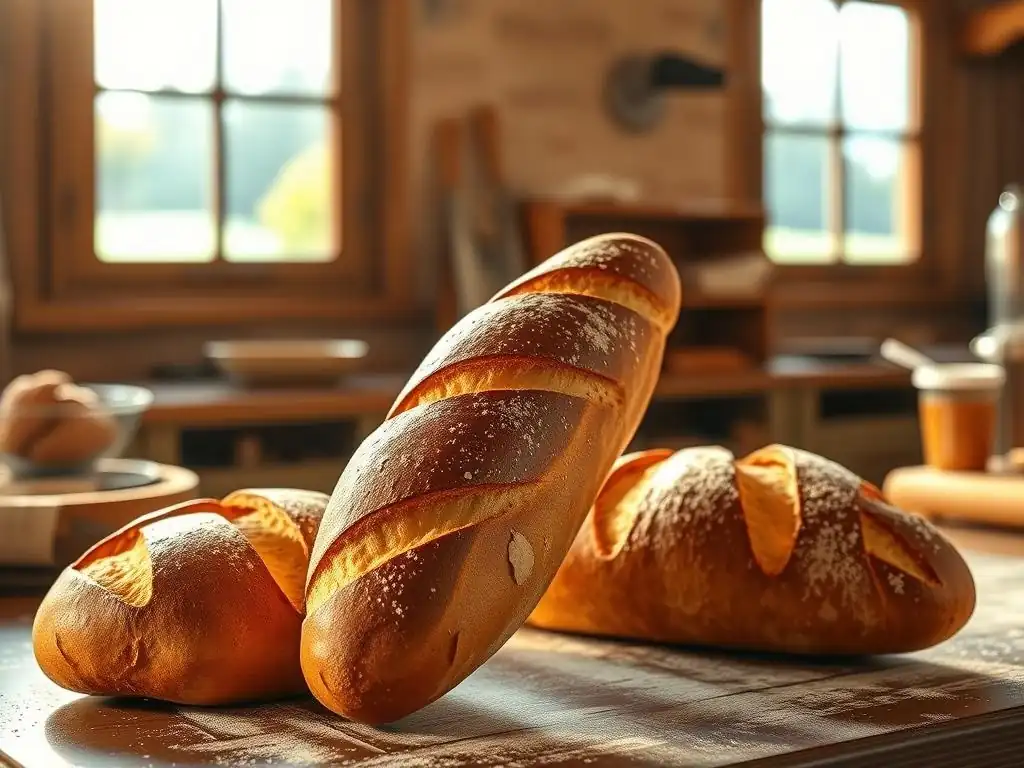
If your baguettes are browning excessively fast, potentially before the interior is fully cooked, it indicates too much heat, likely from the top or sides. This could be due to your oven running too hot, the baguettes being too close to the top heating element, or intense hotspots. First, verify your oven temperature with an independent thermometer; you may need to lower your oven setting by 10-20°F (approx. 5-10°C).
Consider moving your baking stone or steel to a lower rack position to increase the distance from the top element. If specific spots are darkening, ensure you are rotating your baguettes halfway through the bake. If only the top is too dark, you can loosely tent the baguettes with aluminum foil for the last 5-10 minutes of baking, being careful not to flatten the crust. This shields the top from radiant heat while allowing the interior to finish baking.
Baguettes Pale in the Middle: Solutions
A pale middle section on your baguettes, while the ends look done, often points to insufficient heat transfer or inconsistent shaping. This could be a cold spot in your oven's center, inadequate preheating of your baking surface, or thicker dough in the middle. Ensure your baking stone or steel is preheated for the recommended 45-60 minutes to provide sufficient heat from below.
If you suspect a cold spot, adjust your baguette placement or increase the frequency or method of rotation. For instance, instead of just rotating 180 degrees, you might swap positions or turn the baguettes end-for-end as well. Revisit your shaping technique to ensure uniform thickness along the entire loaf. Sometimes, slightly extending the baking time by 2-5 minutes can help the middle catch up, provided the ends aren't burning – if they are, tent them.
Baguettes with Uneven Crust Color: Solutions
Uneven crust color, where sections are golden brown while others remain pale or spotty, is a classic sign of uneven heat distribution or inconsistent steam during the initial bake. This could be due to oven hotspots/coldspots, improper steam generation or retention, or inconsistent scoring. Confirm your oven's temperature accuracy and identify hotspots using the toast test.
Ensure you are generating ample steam in the first 10-15 minutes; insufficient steam causes the crust to set too early and unevenly. Check that your steam method is effective and that you aren't opening the oven door too frequently during the steaming phase. Refine your scoring technique for consistent depth and angle, allowing for uniform expansion. Regular rotation (every 10-15 minutes) is often the most effective way to mitigate uneven coloring caused by oven variations, promoting overall even baguette bake consistency.
Advanced Techniques for Perfect Baguette Baking
Using a Dutch Oven for Baguettes
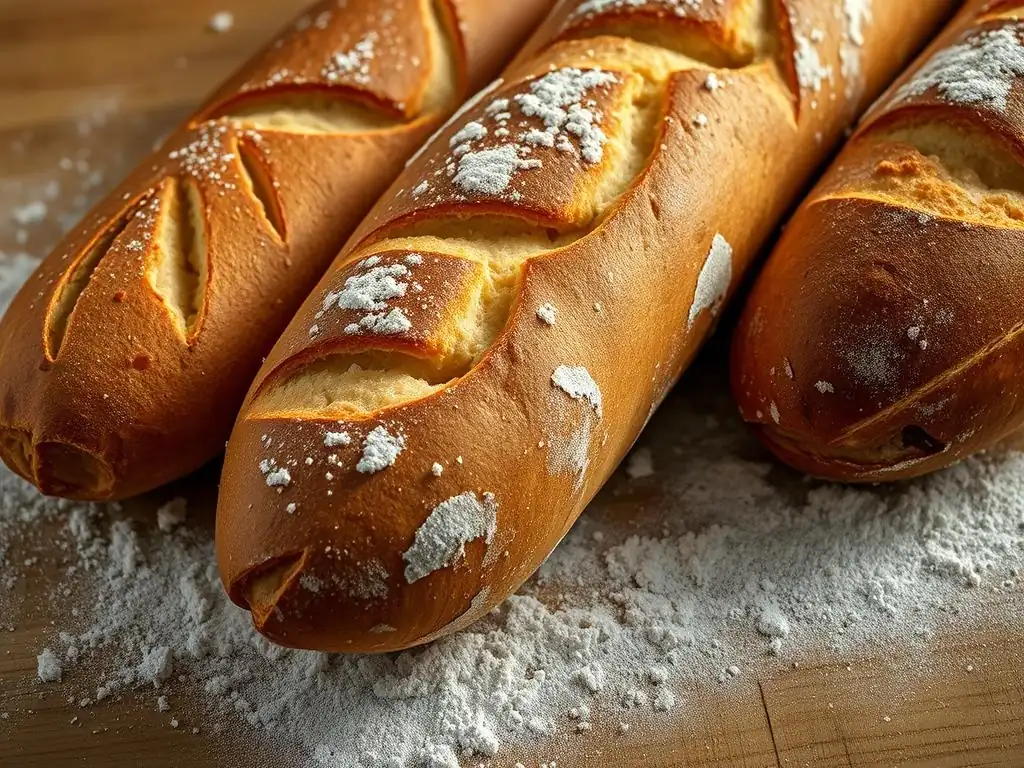
While not the traditional method for long baguettes, a Dutch oven (or a cloche) is an excellent tool for achieving incredible crust and evenness, especially for shorter batards or demi-baguettes that fit comfortably inside. The enclosed environment of the Dutch oven traps all the moisture released by the dough as it bakes, creating a perfect, self-steaming environment without needing external steam methods. This consistent, high-humidity environment promotes excellent oven spring and ensures the crust remains pliable, leading to uniform expansion and a beautiful, even bake.
To use a Dutch oven for baguettes, preheat it with the lid on in your oven at your target temperature (often high, like 475-500°F / approx. 245-260°C) for at least 30-60 minutes. Carefully transfer the proofed baguette dough into the hot Dutch oven using parchment paper. Score the dough, place the lid back on, and bake for the first 15-20 minutes. Then, remove the lid and continue baking for another 15-20 minutes, or until the crust is deep golden brown. This method often yields unparalleled evenness and crust development.
Utilizing a Convection Oven for Even Baking
Convection ovens use a fan to circulate hot air, which theoretically should lead to a more even distribution of heat and thus a more even baguette bake consistency. However, the forced air can also cause the crust to set faster, potentially restricting oven spring or leading to a thicker crust. When using a convection oven for baguettes, it's crucial to adjust your temperature and timing.
Many bakers find success by reducing the temperature by about 25°F (approx. 15°C) compared to a conventional oven setting. You may also need to reduce the baking time slightly. Steam is still necessary in a convection oven, but the fan can sometimes dissipate it quickly. Some convection ovens have a steam injection feature; otherwise, use a robust steam method like pouring boiling water into a hot pan. Monitor the baguettes closely, as convection baking can accelerate browning. Experimentation with temperature, time, and steam is key to mastering convection baking for baguettes.
Experimenting with Different Baking Temperatures
The ideal baking temperature for baguettes often falls between 450°F and 500°F (approx. 230-260°C). Baking at a high temperature provides the necessary thermal energy for rapid oven spring and quick crust development. However, the exact optimal temperature can vary depending on your oven, the dough hydration, and your desired crust characteristics. Experimenting with slight temperature variations can help you fine-tune your process for the best possible even baguette bake consistency.
For example, if your crust is consistently getting too dark before the interior is done, try lowering the temperature by 10-15°F (approx. 5-8°C) and extending the baking time slightly. If your crust is too pale, you might increase the temperature slightly. Some bakers start at a very high temperature (e.g., 500°F / 260°C) for the first 10 minutes with steam, then reduce it (e.g., to 450°F / 230°C) for the remainder of the bake after releasing steam. Keep notes on your results to identify what works best in your specific oven.
Troubleshooting Uneven Baguette Bake Consistency
- Issue: Baguettes are dark on the ends but pale in the middle.
- Possible Cause: Oven hotspots at the front/back, baguettes too long for the oven/stone, inconsistent shaping (thicker middle).
- Potential Solutions:
- Identify oven hotspots (toast test).
- Rotate baguettes 180 degrees halfway through baking.
- Ensure uniform shaping along the entire length.
- If ends burn, tent them with foil.
- Issue: Baguettes are pale on the bottom but brown on top.
- Possible Cause: Insufficiently preheated baking stone/steel, stone/steel too thin, stone/steel not hot enough.
- Potential Solutions:
- Preheat stone/steel for at least 45-60 minutes.
- Ensure oven temperature is accurate with a thermometer.
- Consider using a thicker stone or a baking steel.
- Issue: Baguettes have pale spots or stripes on the crust.
- Possible Cause: Inconsistent steam, uneven heat circulation, dough touching (if crowded), improper scoring.
- Potential Solutions:
- Ensure sufficient steam is generated and maintained for the first 10-15 minutes.
- Do not overcrowd the baking surface; leave space between baguettes.
- Rotate baguettes during baking.
- Refine scoring technique for consistent depth and angle.
- Check for cold spots in the oven.
- Issue: Baguettes are dark on one side, pale on the other.
- Possible Cause: Oven hotspot/coldspot on one side, baguettes too close to the oven wall, convection fan blowing unevenly.
- Potential Solutions:
- Identify side-to-side oven variations.
- Rotate baguettes 180 degrees halfway through baking.
- Avoid placing baguettes directly against oven walls.
- If using convection, try lowering temperature or adjusting fan settings if possible.
Advanced Techniques for Perfect Baguette Baking
Using a Dutch Oven for Baguettes
Using a Dutch oven is an excellent way to guarantee consistent steam and even heat transfer for shorter baguettes or batards.
- Steps:
- Preheat Dutch oven with lid inside the oven at your target temperature (e.g., 475°F / 245°C) for 45-60 minutes.
- Carefully transfer proofed dough (on parchment) into the hot Dutch oven.
- Score the dough.
- Bake with lid on for 15-20 minutes.
- Carefully remove lid and continue baking for another 15-20 minutes, or until deep golden brown.
- Benefit: Creates a perfect self-steaming environment, leading to excellent oven spring and uniform crust development without external steam methods.
Utilizing a Convection Oven for Even Baking
Convection ovens can help with even heat distribution, but require adjustments.
- Tips:
- Reduce temperature by ~25°F (15°C) compared to conventional baking.
- Monitor browning closely; baking time may be shorter.
- Ensure adequate steam, as the fan can disperse it. Consider using a robust steam method or a convection oven with steam injection.
- Consideration: The fan can sometimes lead to faster crust setting; monitor oven spring.
Experimenting with Different Baking Temperatures
Finding the optimal temperature range for your oven and recipe is key to consistent results.
- Process:
- Start with a standard recipe temperature (e.g., 450-475°F / 230-245°C).
- Observe results (crust color, interior doneness).
- If crust is too dark too fast, lower temperature by 10-15°F (5-8°C) on next bake.
- If crust is too pale, raise temperature by 10-15°F (5-8°C).
- Keep notes on temperature, time, and results.
- Benefit: Allows fine-tuning the heat exposure for your specific oven and dough, leading to improved even baguette bake consistency.
Conclusion: Mastering the Art of Even Baguette Baking
Recap of Key Techniques for Consistent Results
Achieving an even baguette bake consistency is a journey that involves attention to detail at multiple stages. We've covered the critical elements: understanding your oven's unique characteristics (hotspots and coldspots), ensuring accurate temperature control through calibration and monitoring, leveraging the power of a preheated baking stone or steel, mastering consistent dough shaping and scoring, optimizing oven steam, and strategically placing and rotating your baguettes during the bake. Troubleshooting common issues like uneven browning requires patience and a willingness to adjust your process based on visual cues.
Remember that each oven is different, and even small variations in dough hydration or ambient temperature can affect the bake. By focusing on these fundamental techniques – knowing your oven, preparing your dough meticulously, controlling the baking environment, and actively managing the bake cycle – you gain the tools to tackle unevenness head-on. Consistent practice and careful observation are your best allies in this quest.
BakeWithEase's Promise: Your Journey to Perfect Baguettes
At BakeWithEase, our goal is to empower you to bake with confidence and achieve the kind of results you've always dreamed of. Mastering even baguette bake consistency might seem challenging initially, but by breaking it down into these actionable steps, you can systematically improve your technique. We are committed to providing you with clear, friendly guidance and practical tips that work in a home baking environment.
We encourage you to embrace the learning process. Don't be discouraged by imperfect bakes; view them as opportunities to learn more about your oven and your dough. With each batch, you'll refine your skills and get closer to that ideal, perfectly golden, and evenly baked baguette. Keep experimenting, keep practicing, and trust that with the knowledge and techniques shared here, consistently beautiful and delicious baguettes are well within your reach. Happy baking!
Frequently Asked Questions
What is the importance of achieving an even bake on baguettes?
An even bake ensures that your baguettes have a consistent texture and flavor throughout. This results in a well-balanced crust and crumb, enhancing the overall eating experience.
How can I ensure my baguettes have an even bake consistency?
To achieve even bake consistency, maintain a consistent oven temperature and use a baking stone. Additionally, proper shaping and scoring techniques can help in achieving uniformity.
What role does steam play in baking baguettes?
Steam is crucial in the first few minutes of baking as it helps to create a crispy crust while allowing the dough to rise. This contributes to the lightness and airy texture of the baguette.
Can I use different flours for my baguette recipe?
Yes, using different flours can affect the texture and flavor of your baguettes. For a classic taste, use bread flour, but experimenting with other flours can lead to unique results.
What are some common mistakes that lead to an uneven bake?
Common mistakes include not preheating the oven enough, overcrowding the baking sheet, and incorrect shaping. Each of these factors can contribute to an uneven bake, impacting the final product.
Final Reflection: The Pursuit of the Perfect Crust
The quest for an even bake on a baguette transcends mere culinary technique; it's a pursuit of perfection, a testament to the power of precision and understanding in the kitchen. Achieving that flawlessly golden-brown crust, consistent from tip to heel, is a journey that demands attention to detail, from the initial dough hydration to the final steam blast. This article has explored the crucial steps involved, highlighting the impact of temperature control, proper shaping, and the often-overlooked art of steam management. The results, as many bakers will attest, are worth the effort.
The pursuit of even baking consistency in baguettes reflects a broader human desire for mastery and control. We strive for perfection in our crafts, seeking that moment where technique and ingredient meet in harmonious balance. This resonates far beyond the baking world; it's a reflection of our inherent drive to improve and refine our skills. As the renowned baker, Lionel Poilâne, once said: Bread is a mirror of the baker's soul.
The even bake, therefore, becomes a symbol of the baker's dedication and understanding of their craft.
Now, I invite you to consider your own baking journey. Perhaps you've already mastered the art of the even bake, or maybe you're still refining your technique. Regardless, remember that the pursuit of perfection is an ongoing process. Embrace the challenges, celebrate the small victories, and never stop learning. The next time you shape your dough, remember the principles outlined in this article, and strive for that perfect, evenly baked baguette – a testament to your dedication and skill. The reward? A crust so satisfying, it will leave you breathless.
Unleash Your Inner Boulanger: Perfect Baguettes Await!
Thanks for joining us on this journey to baguette baking bliss! You've now unlocked the secrets to achieving that perfectly even bake – crispy crust, airy crumb, and a truly satisfying loaf. Ready to take your skills to the next level?
- Master the art of scoring: Practice your techniques on a few extra dough pieces before tackling your next baguette. Aim for consistent depth and precision!
- Share your baking triumph: Post a picture of your perfectly baked baguette on social media and tag us – we'd love to see your results!
- Explore our advanced techniques: Discover more tips and recipes on our website for even more amazing bread-baking adventures.
So, what's your next baking challenge – will it be a rustic sourdough or a chewy ciabatta? Let's discuss!