
Beyond Mango Sticky Rice: Simple Thai & Vietnamese Desserts

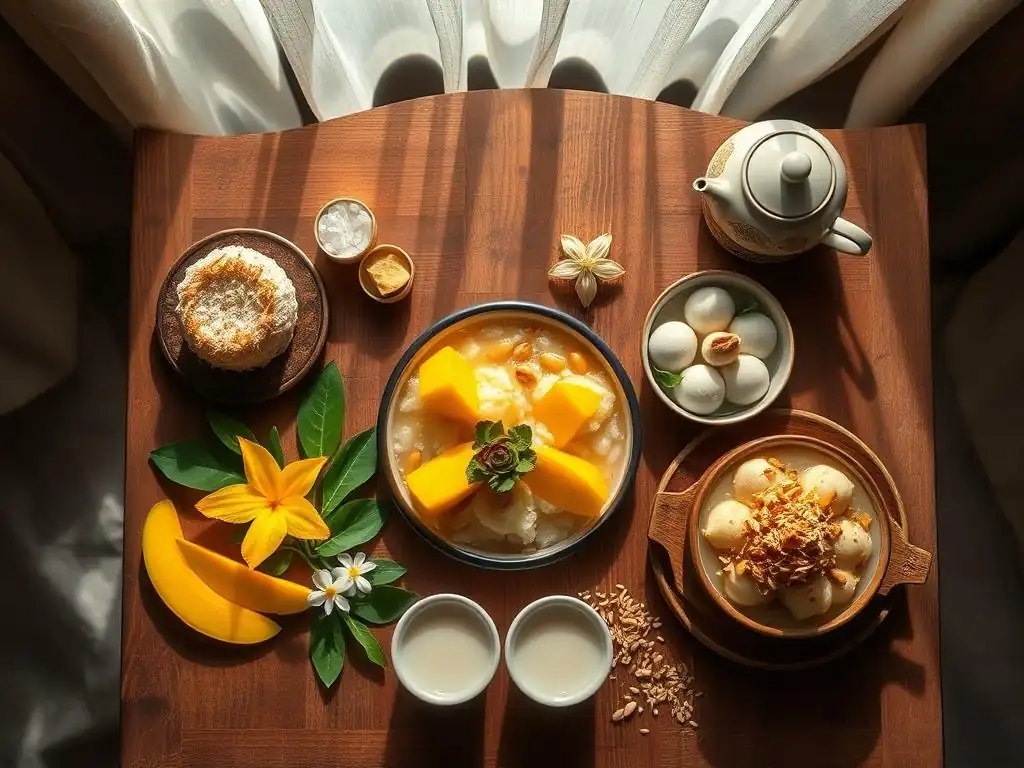
Welcome to BakeWithEase, where the joy of baking meets effortless execution. Ever wondered if you could bring the exotic flavors of Southeast Asia to your own kitchen? Beyond Mango Sticky Rice: Simple Thai & Vietnamese Desserts await your discovery! Prepare to be amazed by our collection of easy Thai Vietnamese dessert recipes, and uncover a world of sweet possibilities you never knew existed. What hidden gems will you uncover?
- Introduction to Easy Thai & Vietnamese Dessert Recipes
- Thai Dessert Delights: Easy Recipes to Try
- Vietnamese Dessert Gems: Simple & Delicious Recipes
- Key Ingredients for Easy Thai & Vietnamese Desserts
- Tips and Tricks for Perfecting Your Thai & Vietnamese Desserts
- Thai & Vietnamese Dessert Options
- Conclusion: Enjoying the Simplicity of Thai & Vietnamese Desserts
-
Frequently Asked Questions
- How difficult are the Thai and Vietnamese dessert recipes on BakeWithEase.com?
- Does BakeWithEase.com only offer Mango Sticky Rice recipes when it comes to Thai and Vietnamese desserts?
- Are the ingredients for these Thai and Vietnamese desserts easy to find?
- What kind of desserts can I expect to find beyond Mango Sticky Rice?
- Are there step-by-step guides for the dessert recipes?
- Final Reflection: The Sweetness of Shared Culinary Heritage
- Unlock Your Inner Dessert Chef: Sweeten Your Life with Thai & Vietnamese Treats!
Introduction to Easy Thai & Vietnamese Dessert Recipes
Exploring the World of Southeast Asian Sweets
Southeast Asian cuisine is celebrated globally for its vibrant flavors, aromatic spices, and harmonious balance of sweet, sour, salty, and spicy elements. While many focus on savory dishes, the dessert landscape of countries like Thailand and Vietnam is equally rich and diverse, offering a delightful conclusion to any meal or a satisfying sweet treat on its own.
These desserts often feature local ingredients such as coconut milk, rice flour, tapioca pearls, tropical fruits like bananas and mangoes, and various beans and seeds. The preparation methods range from simple steaming and boiling to intricate layering, yet many core recipes are surprisingly accessible for the home baker.
Unlike Western desserts that often rely heavily on ovens, many traditional Thai and Vietnamese sweets are prepared using stovetop methods like simmering, steaming, or chilling. This makes them particularly appealing for those looking for easy Thai Vietnamese dessert recipes that don't require specialized baking equipment.
The textures are often soft, sometimes chewy (thanks to tapioca or glutinous rice), and the sweetness is usually balanced by the richness of coconut milk or the freshness of fruit. Exploring these desserts opens up a new world of flavors and techniques, proving that delicious sweet creations are within reach for anyone, regardless of their baking experience level.
Why Look Beyond Mango Sticky Rice?
Mango Sticky Rice (Khao Niao Mamuang) is undeniably a beloved and iconic Thai dessert, famous for its perfect combination of sweet sticky rice, creamy coconut milk, and fresh mango slices. It's a fantastic introduction to Thai sweets for many. However, focusing solely on this one dish means missing out on a vast and fascinating array of other easy Thai Vietnamese dessert recipes that are just as delicious and often even simpler to prepare. Many traditional desserts from this region are everyday treats enjoyed by locals, made with readily available ingredients and straightforward techniques.
Expanding your repertoire beyond Mango Sticky Rice allows you to experience the true breadth of Southeast Asian dessert traditions. You'll discover comforting puddings, refreshing chilled treats, delicate pancakes, and unique combinations of textures and flavors that are distinct from anything you might have tried before.
For instance, Thai desserts like Kanom Krok (coconut pancakes) offer a delightful crispy-outside, soft-inside texture, while Vietnamese Che (sweet soups or puddings) present a whole category of warm or chilled delights featuring ingredients like beans, fruits, and tapioca. Exploring these alternatives provides not only new culinary experiences but also enhances your understanding of the diverse sweet heritage of Thailand and Vietnam.
Thai Dessert Delights: Easy Recipes to Try
Understanding Thai Dessert Flavors and Ingredients
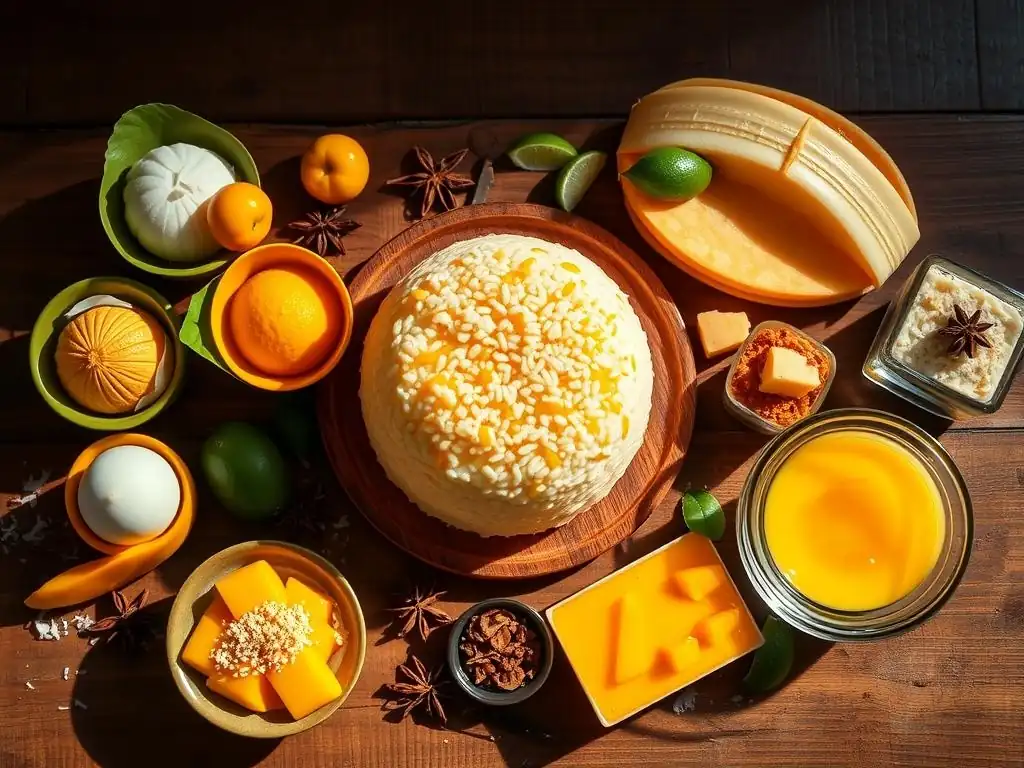
Thai desserts, known collectively as "Kanom Thai," are characterized by their vibrant colors, intricate shapes (in more complex varieties), and a reliance on core ingredients like coconut milk, glutinous rice, palm sugar, and pandan leaf extract for fragrance and color. Unlike Western desserts that often feature butter, flour, and eggs prominently, many Thai sweets use rice flour, tapioca starch, and beans as their base. The sweetness often comes from natural sources like palm sugar or fruit, and the richness is almost always provided by creamy coconut milk.
A key flavor profile in many easy Thai Vietnamese dessert recipes is the combination of creamy coconut and slightly savory notes, often achieved with a pinch of salt added to the coconut milk topping or sauce. This balance prevents the dessert from being overly cloying. Pandan leaf is another ubiquitous ingredient, lending a unique, aromatic vanilla-like fragrance and a natural green hue. Other common ingredients include taro, corn, various types of beans (like black beans or mung beans), and tropical fruits. Understanding these core components is the first step to mastering simple Thai dessert recipes at home.
Quick and Easy Thai Coconut Pancakes (Kanom Krok) Recipe
Kanom Krok are small, slightly crispy coconut pancakes with a soft, creamy interior, traditionally cooked in a special cast-iron pan with multiple indentations. While a specific pan helps achieve the classic shape, you can approximate them using a standard non-stick pan or even a takoyaki pan. The basic batter is incredibly simple, typically consisting of rice flour, coconut milk, sugar, and sometimes a little tapioca starch for chewiness. A common variation includes adding corn or green onions to the center for a sweet and savory contrast.
To make a batch of approximately 20-25 pancakes, you'd typically mix about 1 cup of rice flour with 1.5 cups of coconut milk, 1/4 cup sugar, and a pinch of salt. Heat your pan, lightly grease it, and pour a small amount of batter into each mold. Cook for a few minutes until the edges are crispy and the center is set but still soft.
This process takes just a few minutes per batch, making Kanom Krok one of the fastest and most satisfying easy Thai Vietnamese dessert recipes to prepare for a small gathering or a personal treat. They are best served warm, offering a delightful textural contrast and a rich coconut flavor.
Thai Banana in Coconut Milk (Kluay Buat Chee): A Simple Comfort Dessert
Kluay Buat Chee is a classic, comforting Thai dessert featuring ripe bananas simmered gently in sweet coconut milk. Its simplicity is its charm, requiring minimal ingredients and effort, yet delivering a warm, soothing, and naturally sweet dish. This dessert is particularly popular for its ease of preparation, making it a prime example of easy Thai Vietnamese dessert recipes perfect for beginners. The key is using ripe but still firm bananas (like Thai bananas if available, or small, sweet varieties), as overly soft bananas can disintegrate during cooking.
To prepare Kluay Buat Chee, slice about 4-6 ripe bananas into chunks. Gently heat 2 cups of coconut milk with 1/4 to 1/2 cup of palm sugar (or granulated sugar), a pinch of salt, and perhaps a knot of pandan leaf for fragrance. Once the sugar is dissolved and the mixture is warm, add the banana slices and simmer for 5-10 minutes, or until the bananas are tender and have absorbed some of the coconut milk's richness.
Avoid boiling vigorously, which can break down the bananas. Served warm, this dessert is incredibly soothing, with the natural sweetness of the banana complementing the creamy, slightly savory coconut milk. It's a perfect illustration of how simple ingredients can create profoundly satisfying flavors.
Sweet Sticky Rice with Black Beans: A Thai Twist
While Mango Sticky Rice is well-known, sticky rice is a versatile base for many other Thai desserts, including those incorporating beans. Sweet Sticky Rice with Black Beans (Khao Niao Tua Dam) is a less common but equally delicious option, showcasing the Thai preference for combining sweet flavors with the earthy texture of legumes. This dessert uses glutinous rice cooked until tender and chewy, then mixed with cooked black beans and sweetened coconut milk. It's often served warm and has a delightful contrast between the sticky rice and the slightly firmer beans.
Preparing this dish involves cooking glutinous rice (about 1 cup dry) by soaking it first for at least 30 minutes, then steaming or cooking it in a rice cooker until tender. Separately, black beans (about 1/2 cup dry) are boiled until soft. A sweet coconut sauce is made by heating 1 cup of coconut milk with 1/4 cup sugar and a pinch of salt until the sugar dissolves.
The cooked sticky rice and black beans are then combined and sometimes gently heated together with a portion of the coconut sauce, allowing the flavors to meld. This results in a hearty, comforting dessert that highlights the unique combination of textures and flavors found in many easy Thai Vietnamese dessert recipes. A drizzle of extra unsweetened coconut milk can be added before serving for extra richness.
Vietnamese Dessert Gems: Simple & Delicious Recipes
Discovering the Simplicity of Vietnamese Sweet Treats
Vietnamese desserts, often referred to as "Chè," represent a vast category of sweet beverages, soups, puddings, and jellies. Unlike the sometimes elaborate presentations of Thai desserts, Vietnamese sweets often emphasize simplicity, natural ingredients, and refreshing textures. They frequently feature ingredients like beans (mung beans, black-eyed peas, kidney beans), grains (corn, rice, lotus seeds), fruits, tapioca pearls, and jellies, all served in a base of sweetened coconut milk, water, or a light syrup. Many Chè dishes can be served warm or cold, making them suitable for any climate.
The ease of preparation is a hallmark of many Vietnamese desserts, fitting perfectly into the category of easy Thai Vietnamese dessert recipes. Most require simple stovetop cooking – boiling beans, simmering tapioca, or dissolving sugar in liquid. They often don't require precise measurements or complicated techniques, encouraging improvisation and adaptation to available ingredients. This focus on natural flavors and straightforward methods makes Vietnamese desserts incredibly approachable for home cooks and bakers looking to explore new, simple sweet options.
Che Chuoi (Vietnamese Banana Tapioca Dessert): An Easy Recipe
Che Chuoi is a beloved Vietnamese dessert featuring ripe bananas cooked in a rich, creamy coconut milk base thickened with small tapioca pearls. It's a comforting, warm pudding that's incredibly easy to make, making it a staple among easy Thai Vietnamese dessert recipes. The combination of sweet, soft banana, chewy tapioca, and fragrant coconut milk is both satisfying and simple. Using ripe, sweet bananas (again, Vietnamese or Thai bananas are ideal, but any ripe, sweet variety works) is crucial for the best flavor.
To prepare Che Chuoi, you'll need about 4-5 ripe bananas, 1 cup of small tapioca pearls, 3 cups of coconut milk, and 1/4 to 1/2 cup of sugar. First, soak the tapioca pearls in warm water for about 15-20 minutes until slightly softened. Drain them. Slice the bananas into chunks. In a pot, combine the coconut milk, sugar, and a pinch of salt.
Heat gently until the sugar dissolves. Add the soaked tapioca pearls and cook, stirring constantly, until they become translucent (about 5-10 minutes). Add the banana slices and cook for another 5-7 minutes, or until the bananas are tender and the pudding has thickened slightly. Serve warm, perhaps garnished with roasted sesame seeds for a touch of texture and nuttiness.
Vietnamese Sweet Corn Pudding (Che Bap): A Quick Dessert
Che Bap is a delightful and surprisingly simple Vietnamese dessert made with fresh or frozen corn, glutinous rice, and coconut milk. It's a comforting, slightly chewy pudding that highlights the natural sweetness of corn. This dessert is incredibly quick to assemble, solidifying its place among easy Thai Vietnamese dessert recipes. It's often made using just a few core ingredients and a single pot, making cleanup minimal.
To make Che Bap, you'll need about 2 cups of fresh or frozen corn kernels, 1/4 cup of glutinous rice, 3 cups of coconut milk, and 1/4 to 1/3 cup of sugar. Rinse the glutinous rice and drain. In a pot, combine the corn, rinsed glutinous rice, and 2 cups of the coconut milk. Bring to a gentle simmer, stirring occasionally to prevent sticking. Cook for about 15-20 minutes, or until the rice is tender and the mixture has thickened.
Stir in the sugar and continue cooking for a few more minutes until dissolved. Meanwhile, heat the remaining 1 cup of coconut milk with a pinch of salt in a separate small pan for a topping. Serve the Che Bap warm, spooning the slightly savory coconut milk topping over each bowl. The combination of sweet corn, chewy rice, and creamy coconut is a simple yet effective flavor profile.
Three Color Dessert (Che Ba Mau): A Colorful and Easy Vietnamese Dessert
Che Ba Mau, or Three Color Dessert, is a visually appealing and refreshing Vietnamese treat. It's a layered dessert typically featuring three distinct components: sweetened red beans, pandan-flavored mung bean paste (or jelly), and green jelly, all topped with crushed ice and a generous amount of coconut milk. While it involves a few separate steps, each component is relatively simple to prepare, making the assembly of this vibrant dessert quite easy, fitting well within the spectrum of easy Thai Vietnamese dessert recipes. The layers create a delightful textural and flavor contrast.
To make Che Ba Mau, you'll need to prepare three main parts. First, sweeten cooked red beans (about 1 cup dry, soaked and boiled until soft) by simmering them with sugar. Second, make a green jelly, often using agar-agar or gelatin with pandan extract.
Third, prepare a yellow mung bean paste by cooking split mung beans (about 1/2 cup dry) until soft, then blending them with sugar and a little coconut milk into a thick paste. Alternatively, a pandan jelly can be used for one layer. To assemble, spoon layers of the red beans, green jelly (cut into cubes), and yellow paste into a tall glass.
Fill the glass with crushed ice and pour sweet coconut milk (coconut milk mixed with sugar and a pinch of salt) over the top. This dessert is served cold and is wonderfully refreshing, offering a mix of textures from soft beans, chewy jelly, and creamy liquid.
Key Ingredients for Easy Thai & Vietnamese Desserts
Essential Pantry Staples for Southeast Asian Baking
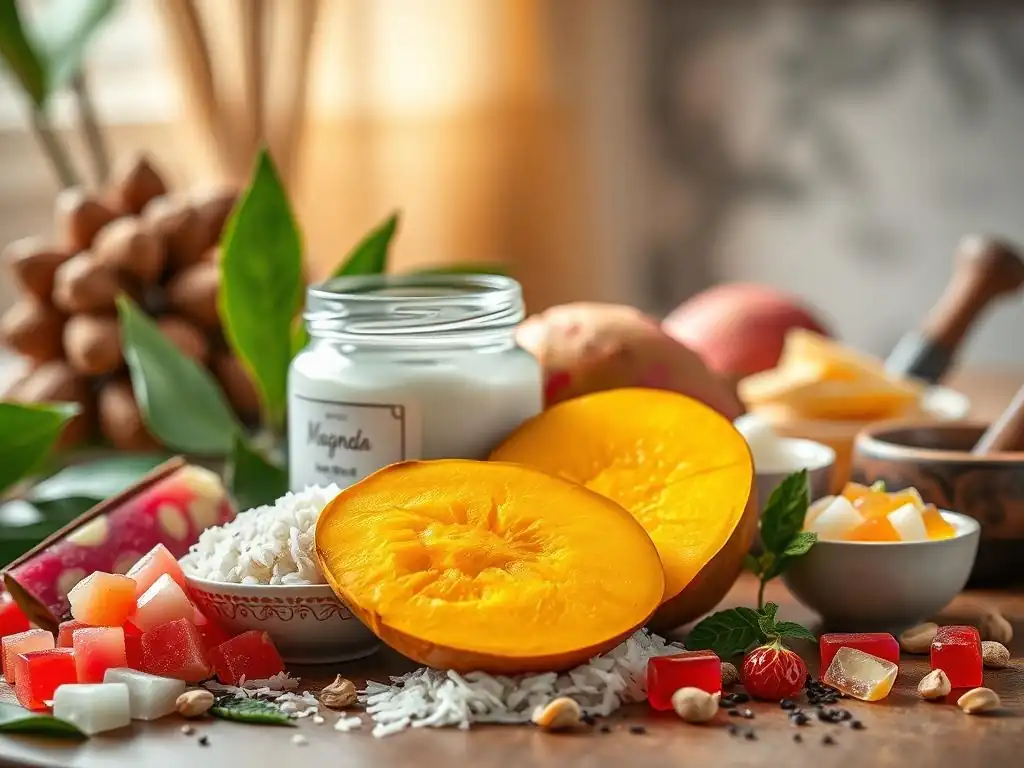
Embarking on the journey of making easy Thai Vietnamese dessert recipes requires stocking your pantry with a few key ingredients that form the base of many dishes. Coconut milk is arguably the most crucial, providing the signature richness and creamy texture. Opt for full-fat canned coconut milk for the best results, as light versions may lack the necessary body and flavor. Glutinous rice (also known as sticky rice) is another fundamental ingredient, used in everything from simple sweet rice dishes to puddings and cakes. It has a unique chewy texture when cooked.
Palm sugar, with its caramel-like notes, is the traditional sweetener in many Southeast Asian desserts, offering a more complex sweetness than granulated white sugar. While white sugar can be substituted, palm sugar provides a more authentic flavor. Rice flour and tapioca starch are commonly used as thickeners or to create chewy textures in pancakes, cakes, and puddings. Pandan extract is essential for adding a distinctive fragrance and vibrant green color to many sweets. Keeping these staples on hand will allow you to whip up a variety of easy Thai Vietnamese dessert recipes whenever the craving strikes.
Where to Find Authentic Ingredients
Finding authentic ingredients for easy Thai Vietnamese dessert recipes is becoming increasingly accessible. Asian grocery stores, often referred to as "supermarkets" or "markets," are the best source. These stores typically carry a wide range of coconut milk brands, various types of rice and flours, palm sugar, pandan extract, and fresh or frozen tropical fruits and beans. Don't be intimidated by the selection; store employees are often helpful if you're unsure which product to choose.
If you don't have a large Asian grocery store nearby, many standard supermarkets now carry a basic selection of international ingredients, including coconut milk, rice flour, and sometimes tapioca pearls. Online retailers specializing in Asian foods are also an excellent resource, offering a vast selection of ingredients delivered directly to your door. While some ingredients like fresh pandan leaves might be harder to source, widely available extracts or dried leaves can often be used as substitutes. With a little effort, you can easily find everything needed to make delicious easy Thai Vietnamese dessert recipes at home.
Tips and Tricks for Perfecting Your Thai & Vietnamese Desserts
Achieving the Right Texture and Sweetness
Texture is just as important as flavor in many easy Thai Vietnamese dessert recipes. Achieving the desired consistency often depends on the correct use of starches and cooking times. For dishes using glutinous rice, proper soaking and steaming are key to ensuring a tender, chewy result. When using tapioca pearls, cooking them until they are fully translucent indicates they are done and will provide the right chewiness without being hard in the center. Overcooking starches can lead to a gummy texture, so pay attention to the recipe's timing and visual cues.
Sweetness levels in Southeast Asian desserts can vary widely, and traditional recipes often use less sugar than their Western counterparts. It's always a good idea to start with the lower end of the sugar amount specified in a recipe and taste as you go, adjusting to your preference. The use of salt is also crucial; a small pinch of salt added to coconut milk enhances its richness and balances the sweetness, preventing the dessert from tasting flat. Don't skip this small but impactful step when making easy Thai Vietnamese dessert recipes.
Adapting Recipes to Your Taste
One of the joys of cooking easy Thai Vietnamese dessert recipes is their flexibility. Many traditional recipes are more like guidelines, passed down through generations with variations based on family preference or available ingredients. Feel free to adapt recipes to suit your taste and what you have on hand. For example, if you prefer a thicker pudding, you can add a little more tapioca starch or reduce the liquid slightly. If you find a dessert too sweet, simply reduce the sugar next time.
Experiment with adding different fruits or beans to basic pudding recipes. While bananas are classic in Che Chuoi, you could try taro, sweet potato, or even durian if you're adventurous. Similarly, basic sweet sticky rice can be paired with various fruits or beans beyond mango and black beans. Adjusting the amount of coconut milk can change the richness and consistency. Don't be afraid to play with these easy Thai Vietnamese dessert recipes – they are forgiving and encourage personal touches.
Serving Suggestions and Presentation Ideas
While many easy Thai Vietnamese dessert recipes are humble and enjoyed casually, a little attention to serving and presentation can elevate the experience. Traditional serving vessels range from simple bowls to more decorative ceramic dishes or even glasses for layered desserts like Che Ba Mau. Serving warm desserts like Kluay Buat Chee or Che Chuoi in small, comforting bowls is perfect.
For chilled desserts or those with multiple components, like Che Ba Mau or even simple sticky rice with toppings, using clear glasses allows the beautiful layers and colors to be visible. Garnishes can be simple but effective: a sprinkle of roasted sesame seeds, a few fresh mint leaves, a drizzle of extra thick coconut cream, or a scattering of toasted coconut flakes. Serving easy Thai Vietnamese dessert recipes family-style in a large bowl with individual smaller bowls for scooping is also a common and friendly approach, encouraging sharing and conversation.
Thai & Vietnamese Dessert Options
Beginner-Friendly Options
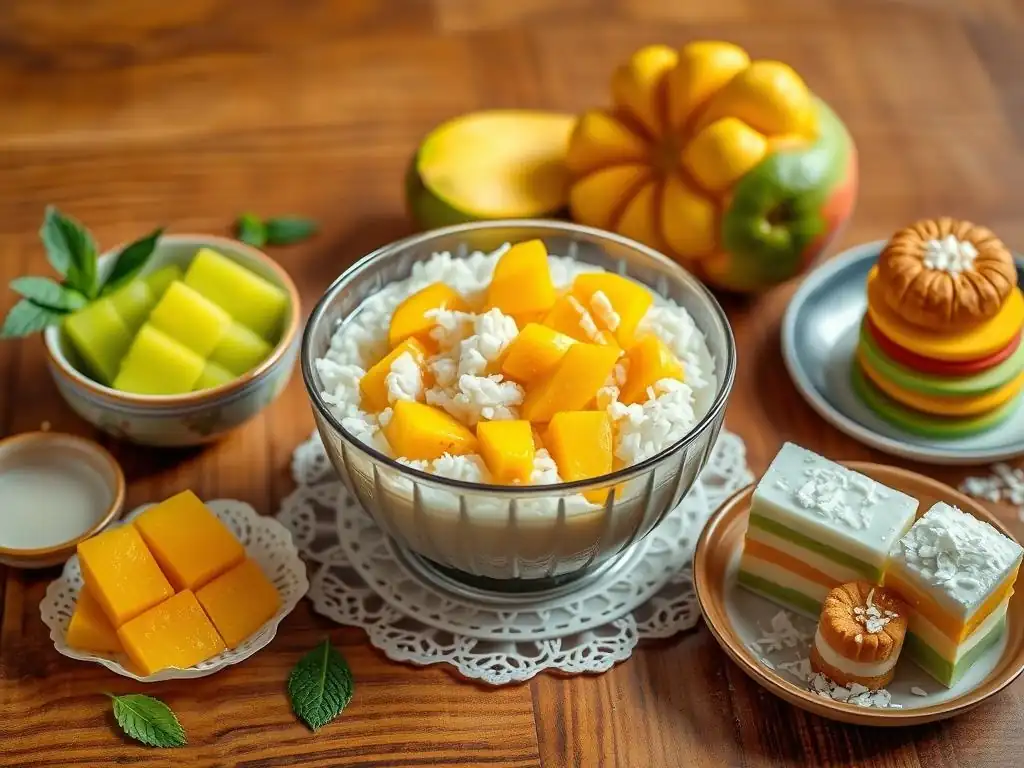
For those new to making easy Thai Vietnamese dessert recipes, starting with dishes that have minimal ingredients and straightforward cooking methods is recommended. Kluay Buat Chee (Thai Banana in Coconut Milk) is perhaps one of the simplest, requiring just bananas, coconut milk, sugar, and salt. Che Chuoi (Vietnamese Banana Tapioca) is similarly easy, adding just tapioca pearls to the mix. Both are cooked entirely on the stovetop and are very forgiving.
Another great starting point is simple Sweet Sticky Rice. While plain sticky rice is easy to cook, adding a sweet coconut sauce is also very simple and forms the base for numerous variations. Kanom Krok (Thai Coconut Pancakes), while requiring a specific pan for the traditional shape, has a very basic batter that is quick to cook. These options provide a gentle introduction to the flavors and textures prevalent in easy Thai Vietnamese dessert recipes without overwhelming the beginner cook.
More Complex Recipes
Once you've mastered the basics, you can explore slightly more involved easy Thai Vietnamese dessert recipes that might require more steps or ingredients, though they are still quite manageable for the home kitchen. Layered jellies, like some variations of Vietnamese Che or Thai desserts incorporating multiple colored layers made from different starches (like rice flour and mung bean starch), require preparing each layer separately and allowing them to set.
Desserts involving stuffed components, such as certain types of sticky rice cakes filled with bean paste or coconut, might require shaping and steaming techniques. While not overly difficult, they demand a bit more time and precision than simple puddings. Exploring these recipes offers a chance to expand your skills while still enjoying the delicious results of traditional Thai and Vietnamese sweets.
Conclusion: Enjoying the Simplicity of Thai & Vietnamese Desserts
Embrace the Flavors of Southeast Asia in Your Kitchen
Exploring easy Thai Vietnamese dessert recipes is a delightful way to bring the exotic and comforting flavors of Southeast Asia into your own kitchen. These desserts, with their reliance on ingredients like coconut milk, rice, tropical fruits, and beans, offer a refreshing alternative to Western sweets. They prove that delicious, satisfying desserts don't need to be complicated or require hours in the oven. From warm, creamy puddings like Kluay Buat Chee and Che Chuoi to refreshing layered treats like Che Ba Mau, there's a wide variety of simple options waiting to be discovered.
By stocking a few key ingredients and following straightforward techniques, anyone can successfully recreate these authentic flavors at home. These easy Thai Vietnamese dessert recipes are perfect for ending a meal, serving at a gathering, or simply enjoying as a comforting treat. They invite you to experiment, adapt, and savor the unique taste profiles that make Thai and Vietnamese cuisine so beloved worldwide. So, go beyond the familiar Mango Sticky Rice and delve into this rich and accessible world of sweet delights.
Further Exploration of Asian Inspired Baking
The journey into easy Thai Vietnamese dessert recipes is just one step into the vast and fascinating world of Asian-inspired baking and dessert making. Each country in Asia boasts its own unique sweet traditions, ingredients, and techniques. From the delicate mochi of Japan and the intricate pastries of China to the spiced desserts of India and the unique use of ingredients like red bean paste and matcha across various cultures, there is an endless array of recipes to explore.
Continuing to explore Asian-inspired baking can introduce you to new flours (like mochi flour or various rice flours), sweeteners, flavorings (like matcha, red bean, or black sesame), and cooking methods (like steaming, pan-frying, or chilling). Many of these recipes also fall into the category of being relatively easy to make at home, expanding your repertoire of accessible and delicious treats. Dive deeper into the regional and cultural baking traditions of Asia and discover your next favorite dessert.
Frequently Asked Questions
How difficult are the Thai and Vietnamese dessert recipes on BakeWithEase.com?
These recipes are designed to be easy and accessible to bakers of all skill levels. You'll find simple instructions and readily available ingredients.
Does BakeWithEase.com only offer Mango Sticky Rice recipes when it comes to Thai and Vietnamese desserts?
No, BakeWithEase.com goes beyond Mango Sticky Rice, offering a variety of simple Thai and Vietnamese dessert recipes. We explore other delicious options.
Are the ingredients for these Thai and Vietnamese desserts easy to find?
Yes, we prioritize recipes that utilize easy-to-find ingredients. You shouldn't have trouble sourcing them at your local grocery store or Asian market.
What kind of desserts can I expect to find beyond Mango Sticky Rice?
You can expect to find a range of desserts including puddings, cakes, sweet soups (chè), and other popular Thai and Vietnamese treats. These are all designed to be easy to make.
Are there step-by-step guides for the dessert recipes?
Absolutely! BakeWithEase.com provides step-by-step guides with clear instructions for each recipe. This makes it easier for bakers of all levels to follow along.
The vibrant flavors of Thai and Vietnamese desserts are more than just delicious treats; they are a testament to the enduring power of culinary traditions and a gateway to deeper cultural understanding. These simple recipes, easily accessible to home cooks, offer a delicious path to exploring the rich tapestry of Southeast Asian cuisine, a path that's becoming increasingly popular in a world craving authentic and flavorful experiences.
The enduring appeal of these desserts lies not just in their taste, but in their ability to connect us to a history and culture often overlooked. They represent a shared heritage, subtly different yet undeniably linked, reflecting the historical and geographical proximity of Thailand and Vietnam. These recipes, passed down through generations, are a living testament to the resilience and adaptability of culinary traditions. Food is symbolic of love when words are inadequate.
- Alan D. Wolfelt. This sentiment rings especially true when considering the emotional connection many people have with the desserts of their heritage, and how these recipes can bridge cultural divides.
Now, consider the ingredients you have in your kitchen. Perhaps you've already been inspired to try one of these recipes. I invite you to not just follow the instructions, but to engage with the process, to savor the aromas, and to share the resulting sweetness with those you love. Let these simple desserts be a starting point for a deeper exploration of Thai and Vietnamese culture, a journey fueled by the deliciousness of shared culinary heritage. The next time you crave a sweet treat, remember the power of simple recipes to connect us to something larger than ourselves.
Unlock Your Inner Dessert Chef: Sweeten Your Life with Thai & Vietnamese Treats!
Thanks for exploring the delicious world of Thai and Vietnamese desserts with us! We hope you've discovered some new favorites and feel inspired to try your hand at these delightful treats.
Ready to dive deeper into the sweet side of Southeast Asia? Here's what you can do next:
- Try one recipe today! Pick your favorite from the article and get baking (or cooking!). Even a small step will make a big difference in your culinary adventure.
- Share your creations! Post a picture of your masterpiece on social media using #BakeWithEaseThaiVietnameseDesserts – we’d love to see your sweet success!
- Explore more global dessert recipes on our website! We're constantly adding new and exciting recipes from around the world; you never know what sweet surprise awaits you.
What unique twist will you add to your chosen dessert to make it truly your own?