
Easy Vietnamese Che Desserts: Sweet Soups & Puddings

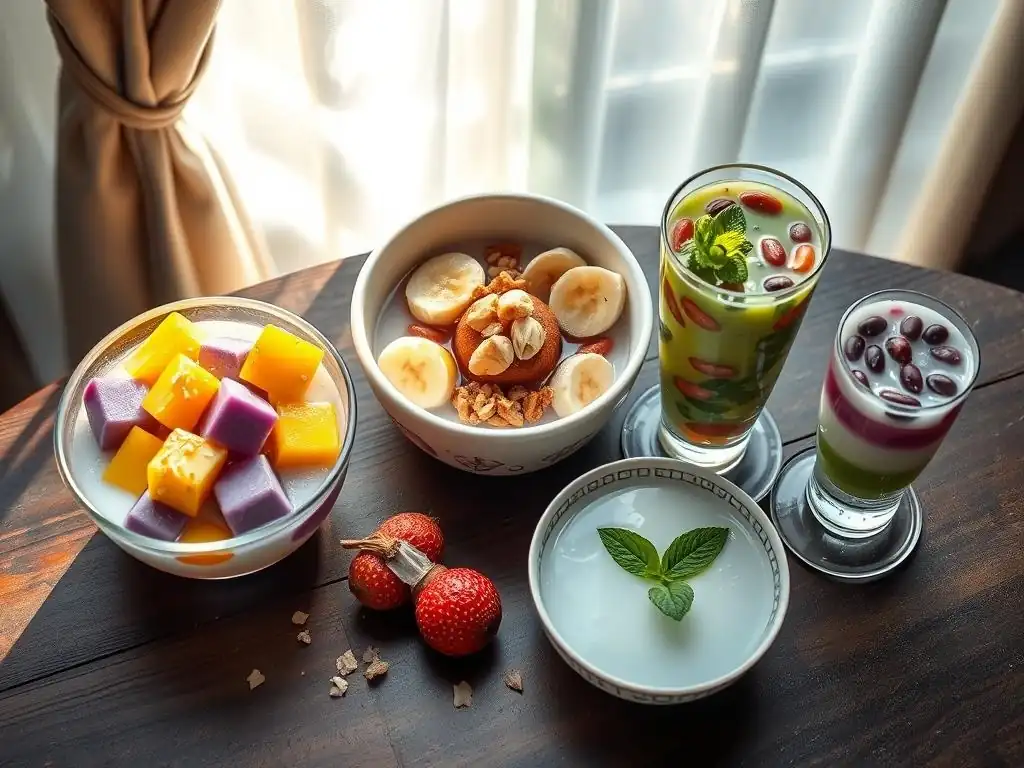
Welcome to BakeWithEase, your passport to a world of delectable delights! Ever dreamt of crafting authentic Vietnamese desserts at home? Dive into our collection of easy Vietnamese dessert recipes, and discover the secrets behind creating sweet soups and puddings (Chè) that will tantalize your taste buds. Intrigued? Keep reading to explore these vibrant flavors and unlock the art of Vietnamese baking!
- Easy Vietnamese Chè Desserts: Sweet Soups & Puddings - BakeWithEase
- Discover the World of Vietnamese Chè: Easy Dessert Recipes
- What is Chè? An Introduction to Vietnamese Sweet Soups and Puddings
- Easy Vietnamese Chè Recipes for Beginners
- More Delicious and Easy Chè Dessert Ideas
- Tips for Making the Best Vietnamese Chè at Home
- Variations and Adaptations of Vietnamese Chè Recipes
- Serving and Enjoying Your Homemade Vietnamese Chè
- Explore More Asian-Inspired Dessert Recipes on BakeWithEase.com
- Frequently Asked Questions
- Final Reflection: The Enduring Sweetness of Vietnamese Che
- Unlock the Sweet Secrets of Vietnamese Che!
Easy Vietnamese Chè Desserts: Sweet Soups & Puddings - BakeWithEase
Discover the World of Vietnamese Chè: Easy Dessert Recipes
Welcome to the delightful world of Vietnamese chè, a versatile category of sweet soups, puddings, and beverages that are incredibly popular throughout Vietnam. These easy Vietnamese dessert recipes are perfect for home bakers looking to explore new flavors and textures without needing complicated techniques. From warm, comforting bowls to chilled, refreshing concoctions, chè offers something for every palate and occasion. Learning to make these simple Vietnamese desserts is a rewarding experience, bringing a taste of Southeast Asia right into your kitchen.
Chè is more than just a dessert; it's often enjoyed as a snack, a light meal, or even a refreshing drink, especially during hot weather. The beauty of chè lies in its adaptability, allowing for endless combinations of ingredients. Whether you're craving something creamy, chewy, or light and fruity, there's an easy chè recipe waiting for you to discover. Let's dive into what makes chè so unique and how you can start making these delicious treats at home.
What is Chè? An Introduction to Vietnamese Sweet Soups and Puddings
Chè encompasses a wide variety of sweet dishes in Vietnamese cuisine, typically served in a bowl or glass. Unlike many Western desserts that rely heavily on flour and butter, chè often features ingredients like beans, grains, fruits, vegetables, and tapioca, usually cooked in a sweet liquid base, most commonly coconut milk or sweetened water. The texture is a key element, with many chè dishes showcasing a delightful mix of soft, chewy, and creamy components.
The term "chè" itself is quite broad, covering everything from thick puddings to thin, soup-like drinks with various mix-ins. This diversity is what makes exploring easy Vietnamese dessert recipes so exciting. You might find chè made with simple ingredients like mung beans and sugar, or elaborate versions featuring dozens of different fruits, jellies, and legumes. Regardless of complexity, the core principle remains: a sweet, often refreshing, and texturally interesting treat.
Understanding the Basics of Chè: Key Ingredients and Flavors
At its heart, chè relies on a few foundational ingredients that contribute to its unique profile. A common base is coconut milk ( nước cốt dừa), providing rich creaminess, often enhanced with pandan leaves for a fragrant aroma. Sweeteners range from simple granulated sugar to palm sugar or even rock sugar, each lending a slightly different depth of flavor. The body of the chè comes from ingredients like various beans (mung beans, black beans, kidney beans), glutinous rice, tapioca pearls, fruits (banana, corn, longan, jackfruit), and jellies.
Flavor profiles in chè are typically sweet, often balanced by the richness of coconut milk and sometimes accented with ginger, pandan, or even a pinch of salt to enhance the sweetness. For instance, Chè Đậu Xanh (mung bean chè) highlights the earthy sweetness of the bean, while Chè Chuối (banana chè) focuses on the natural sweetness of ripe bananas complemented by creamy coconut. Many easy Vietnamese dessert recipes leverage these core elements, making them accessible for beginners.
Chè vs. Other Asian Desserts: Distinguishing Characteristics
While other Asian cuisines feature sweet soups and puddings, chè has distinct characteristics. Compared to Chinese tong sui (sweet soups), chè often incorporates a wider variety of textures and ingredients within a single bowl. For example, a single serving of Chè Thái might contain jackfruit, longan, water chestnuts, jelly, and pandan-flavored noodles, all bathed in a creamy coconut milk base. Korean patbingsu (shaved ice dessert) or Japanese mochi (rice cakes) offer different forms and textures entirely.
One notable difference is the prevalence of coconut milk as the primary liquid base in many Vietnamese chè recipes, lending a richness less common in, say, Japanese zenzai (red bean soup). The emphasis on combining multiple textures – the chewiness of tapioca, the softness of cooked beans, the firmness of fruit – is also a hallmark of chè. These easy Vietnamese dessert recipes stand out for their vibrant combinations and often lighter, more refreshing quality compared to denser Western desserts.
Easy Vietnamese Chè Recipes for Beginners
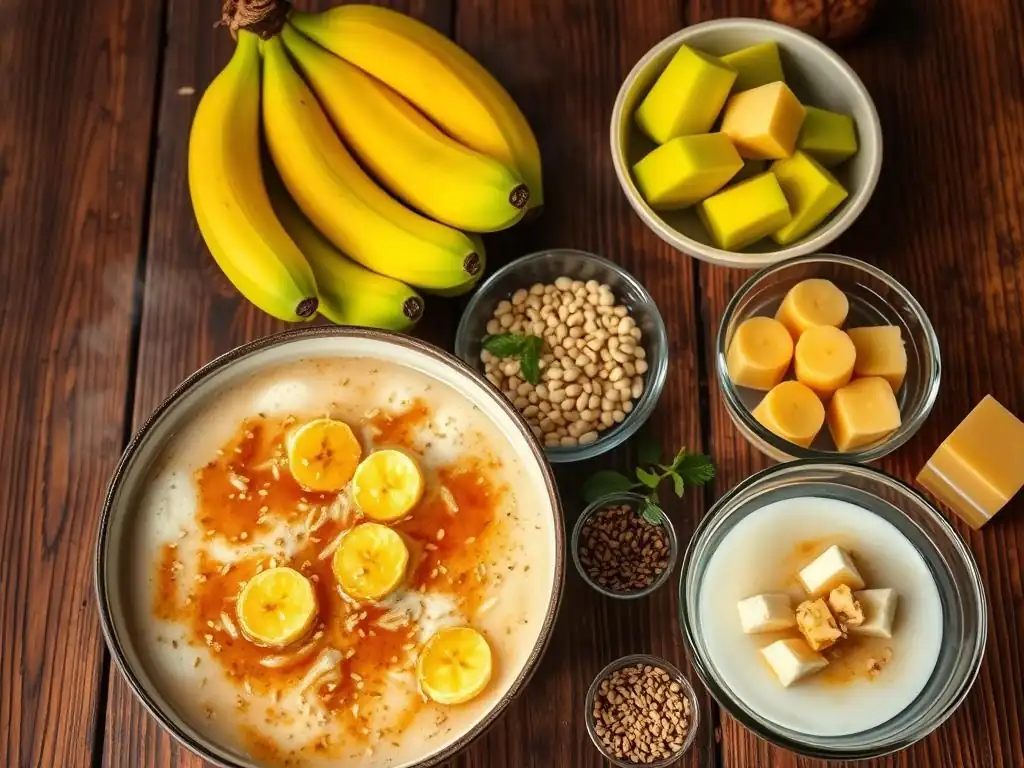
For those new to making Vietnamese sweets, starting with simple recipes is key. These easy Vietnamese dessert recipes provide a great introduction to the ingredients and techniques used in chè preparation. They require minimal specialized equipment and focus on fundamental steps like simmering, sweetening, and combining textures.
Beginning with classics like mung bean or banana tapioca chè allows you to build confidence before tackling more complex variations. These recipes demonstrate the core principles of chè making: softening the main ingredient, creating a sweet liquid base, and often adding a creamy element like coconut milk. Let's explore two foundational easy chè recipes perfect for beginners.
Chè Đậu Xanh: Mung Bean Sweet Soup - A Simple Starting Point
Chè Đậu Xanh is perhaps one of the simplest and most comforting Vietnamese sweet soups. It primarily consists of split mung beans cooked until very soft, sweetened, and often served with a drizzle of rich coconut milk. This easy chè recipe is a fantastic way to get acquainted with the texture and flavor profile of bean-based desserts common in Vietnamese cuisine.
Making Chè Đậu Xanh requires just a few basic ingredients and relatively little active cooking time. The main step involves simmering the beans until they break down into a creamy consistency. It's a forgiving recipe, making it ideal for anyone exploring easy Vietnamese dessert recipes for the first time.
Ingredients for Chè Đậu Xanh: A Detailed List
To make a batch of Chè Đậu Xanh serving approximately 4-6 people, you will need:
- 1 cup (about 200g) split mung beans (
đậu xanh cà vỏ), rinsed - 6-8 cups water (approximately 1.5-2 liters)
- About 1/2 to 1 cup (approximately 100g-200g) granulated sugar, or to taste
- Pinch of salt
- Optional: 1 can (approximately 400ml) full-fat coconut milk
- Optional: Sesame seeds, toasted, for garnish
Task list:
- [ ] Rinse mung beans thoroughly.
- [ ] Measure water and sugar.
- [ ] Prepare coconut milk (if using).
Step-by-Step Guide to Making Chè Đậu Xanh at Home
- Soak and Cook the Beans: Rinse the split mung beans several times until the water runs clear. You can optionally soak them for 30 minutes to an hour to reduce cooking time, though it's not strictly necessary for split beans. Place the rinsed beans in a pot with 6-8 cups of water. Bring to a boil, then reduce heat to low, cover, and simmer for about 30-40 minutes, or until the beans are very soft and starting to break apart. Stir occasionally to prevent sticking.
- Sweeten and Thicken: Once the beans are soft, stir in the sugar and a pinch of salt. Cook for another 5-10 minutes, stirring, until the sugar is fully dissolved and the chè has thickened slightly. The consistency should be like a thick soup or thin pudding. You can adjust the sugar level here based on your preference.
- Serve: Ladle the warm Chè Đậu Xanh into bowls. Drizzle generously with coconut milk (if using) and sprinkle with toasted sesame seeds. It can be enjoyed warm or chilled.
---
Tips and Tricks for Perfect Chè Đậu Xanh Consistency
Achieving the right consistency is key to great Chè Đậu Xanh. If your chè is too thin after simmering the recommended time, you can uncover the pot and let it simmer gently for a few more minutes to allow some water to evaporate. If it's too thick, simply add a little more hot water until you reach your desired consistency. Remember that it will thicken slightly as it cools.
Using split mung beans (without the skin) is crucial for this recipe as they break down easily to create the creamy texture. Whole mung beans with skin require much longer cooking time and won't yield the same smooth result. Don't be afraid to adjust the sugar; Vietnamese desserts can vary greatly in sweetness, so taste and adjust as you go.
Chè Chuối: Banana Tapioca Pudding - A Classic Vietnamese Treat
Chè Chuối is a beloved Vietnamese dessert featuring ripe bananas cooked in a creamy coconut milk base with small tapioca pearls. It's warm, comforting, and incredibly easy to make, making it a staple among easy Vietnamese dessert recipes. The combination of sweet, soft banana and chewy tapioca in rich coconut milk is simply irresistible.
This recipe highlights the use of fruit in chè and introduces small tapioca pearls, a common element providing delightful chewiness. It's a comforting dessert often enjoyed during cooler months, though it can certainly be enjoyed year-round.
Preparing the Bananas for Chè Chuối: Achieving the Right Sweetness
The type and ripeness of bananas are crucial for Chè Chuối. Ideally, use ripe, but still firm, small Asian bananas (like the 'chuối sứ' or 'chuối xiêm' varieties). If these are unavailable, use ripe regular bananas that aren't overly soft or mushy. You'll need about 3-4 medium ripe bananas for a batch. Peel and slice the bananas into rounds about 1/2 inch thick.
Some recipes suggest briefly tossing the banana slices with a tablespoon or two of sugar before adding them to the pot. This helps them retain their shape slightly and enhances their natural sweetness as they cook in the coconut milk. Don't cook the bananas for too long, or they will disintegrate completely; they just need a few minutes to soften and absorb the flavors.
Creating the Tapioca Base for Chè Chuối: A Smooth and Creamy Texture
Small tapioca pearls are essential for the chewy texture of Chè Chuối. For a standard recipe, you might use about 1/4 cup of small tapioca pearls. Rinse the tapioca pearls under cold water before adding them to the pot with the coconut milk base.
The base is typically made by combining full-fat coconut milk (about 1-1.5 cans, roughly 600-800ml), water (about 1-2 cups), and sugar (start with 1/4 to 1/2 cup, adjusting to taste). Bring this mixture to a gentle simmer over medium heat. Add the rinsed tapioca pearls and cook, stirring constantly at first to prevent sticking, until they become translucent, which usually takes about 10-15 minutes.
---
Assembling and Serving Chè Chuối: Warm or Cold?
Once the tapioca pearls are translucent and the base is simmering, gently add the prepared banana slices to the pot. Cook for just 3-5 minutes, stirring gently, until the bananas are heated through and slightly softened. Be careful not to overcook. Remove from heat.
Chè Chuối is traditionally served warm, which enhances the comforting flavors of banana and coconut. Ladle it into bowls and serve immediately. However, some people enjoy it chilled, especially on a hot day. If serving cold, allow it to cool completely at room temperature before refrigerating. It will thicken as it cools.
More Delicious and Easy Chè Dessert Ideas
Beyond the basic mung bean and banana chè, there are many other easy Vietnamese dessert recipes to explore. These often combine various fruits, jellies, and legumes with creamy coconut milk or sweet syrups, offering vibrant colors and exciting textures.
Expanding your chè repertoire is a great way to enjoy the diversity of Vietnamese sweets. Many of these recipes follow similar principles to the beginner ones – cooking the main ingredients, preparing a sweet liquid, and combining them. Let's look at a couple more popular and relatively easy options.
Chè Thái: A Colorful and Flavorful Tropical Fruit Chè
Chè Thái, despite its name suggesting Thai origin, is a popular variation found in Vietnam, particularly in the South. It's a vibrant, refreshing, and visually stunning chè that combines a medley of tropical fruits, colorful jellies, and sometimes water chestnuts, all served in a sweet, creamy coconut milk base, often over crushed ice. It's one of the more elaborate easy chè recipes, yet still manageable for home cooks.
This chè is a celebration of textures and flavors. The coolness of the ice, the creaminess of the coconut milk, the sweetness of the fruit, and the chewiness of the jellies and tapioca create a delightful sensory experience. It's perfect for a hot summer day.
Choosing the Right Fruits for Chè Thái: A Guide to Tropical Flavors
The beauty of Chè Thái lies in its flexibility regarding fruit. Common choices include ripe jackfruit (fresh or canned), longan (fresh or canned), sliced ripe mango, and sometimes sliced rambutan. Canned versions of jackfruit and longan packed in syrup are widely available and easy to use, requiring minimal preparation.
You can also include other fruits like sliced strawberries, melon cubes, or grapes, though traditional Chè Thái leans towards distinct tropical flavors. Aim for about 1-2 cups of mixed prepared fruit for a batch serving 4-6. Ensure fruits like jackfruit and longan are drained if using canned.
Making the Coconut Milk Base for Chè Thái: Creaminess is Key
The base for Chè Thái is a sweetened coconut milk mixture. Combine 1-2 cans (approximately 400-800ml) of good quality full-fat coconut milk with 1-2 cups of water or milk. Add 1/4 to 1/2 cup of sugar, or to taste. You can also add a knotted pandan leaf to infuse the base with its distinctive aroma during simmering.
Gently heat this mixture over medium heat until it just reaches a simmer. Do not boil vigorously, as this can cause the coconut milk to split. Stir until the sugar is dissolved. Remove the pandan leaf if used. Let the base cool completely before assembling the chè. Some recipes also add a bit of condensed milk for extra richness and sweetness.
---
Assembling Chè Thái: A Vibrant and Refreshing Dessert
Assembling Chè Thái is about layering the ingredients. In individual serving glasses or bowls, add a generous amount of crushed ice. Then, layer in your prepared tropical fruits, various colorful jellies (like grass jelly, agar-agar jelly, or pandan jelly, often found pre-made at Asian markets), and perhaps some cooked small tapioca pearls or soaked basil seeds if desired.
Finally, ladle the cooled, creamy coconut milk base over the ingredients. The result is a visually appealing and texturally exciting dessert. Some versions also include pandan-flavored noodles or small water chestnut pieces coated in tapioca starch, offering a unique crunch. It's a celebration of vibrant flavors and textures, making it a popular and easy chè recipe variation.
Chè Trôi Nước: Sweet Rice Balls in Ginger Syrup - A Comforting Vietnamese Dessert
Chè Trôi Nước translates literally to "dessert floating on water," referring to the glutinous rice balls that float when cooked. This warm dessert features soft, chewy glutinous rice balls, often filled with sweetened mung bean paste, served in a fragrant, warm ginger syrup. It's a comforting and traditional chè, particularly enjoyed during cooler weather or for special occasions. While it involves a few steps, it's still considered one of the more accessible easy Vietnamese dessert recipes involving dough.
The contrast between the soft, slightly chewy rice ball and the sweet, slightly spicy ginger syrup is what makes this dessert so appealing. The sweet mung bean filling adds another layer of flavor and texture.
Preparing the Glutinous Rice Dough for Chè Trôi Nước: A Smooth and Chewy Texture
The dough for Chè Trôi Nước is made from glutinous rice flour (also known as sweet rice flour). For the dough, you'll need about 1 cup (approximately 120g) of glutinous rice flour and gradually add warm water (approximately 1/2 cup, or about 120ml) until a smooth, pliable dough forms. The exact amount of water can vary depending on the flour. Knead it briefly until it's smooth and doesn't stick to your hands.
For the filling, you'll need about 1/2 cup of cooked and mashed split mung beans, sweetened with sugar (about 2-3 tablespoons) and optionally mixed with a little coconut milk or oil to make a smooth paste. Roll the mung bean paste into small balls, about 1/2 inch in diameter. Divide the glutinous rice dough into equal portions, flatten each portion, place a mung bean ball in the center, and carefully wrap the dough around it, rolling it into a smooth ball about 1 inch in diameter.
Making the Ginger Syrup for Chè Trôi Nước: Balancing Sweetness and Spice
The syrup is a crucial component of Chè Trôi Nước. It's typically made with water, sugar, and fresh ginger. For a batch serving 4-6, combine 4-6 cups of water with 1/2 to 1 cup of sugar (adjust to your preference) and several slices (about 1-2 inches) of fresh ginger, peeled and lightly bruised or sliced.
Bring the water, sugar, and ginger to a boil, then reduce the heat and simmer for at least 10-15 minutes to allow the ginger flavor to infuse the syrup. The longer it simmers, the stronger the ginger flavor will be. Keep the syrup warm while you cook the rice balls.
---
Assembling and Serving Chè Trôi Nước: A Warm and Inviting Treat
To cook the rice balls, bring a large pot of water to a rolling boil. Carefully drop the rice balls into the boiling water, ensuring they don't stick together initially. They will sink to the bottom. Cook them until they float to the surface and continue to cook for another 1-2 minutes to ensure they are cooked through.
Using a slotted spoon, transfer the cooked rice balls directly into the warm ginger syrup. Let them simmer gently in the syrup for 5-10 minutes to absorb the flavors. Serve the Chè Trôi Nước warm in bowls, making sure each bowl gets rice balls and plenty of the fragrant ginger syrup. It's often garnished with toasted sesame seeds and sometimes a drizzle of coconut milk for extra richness.
Tips for Making the Best Vietnamese Chè at Home
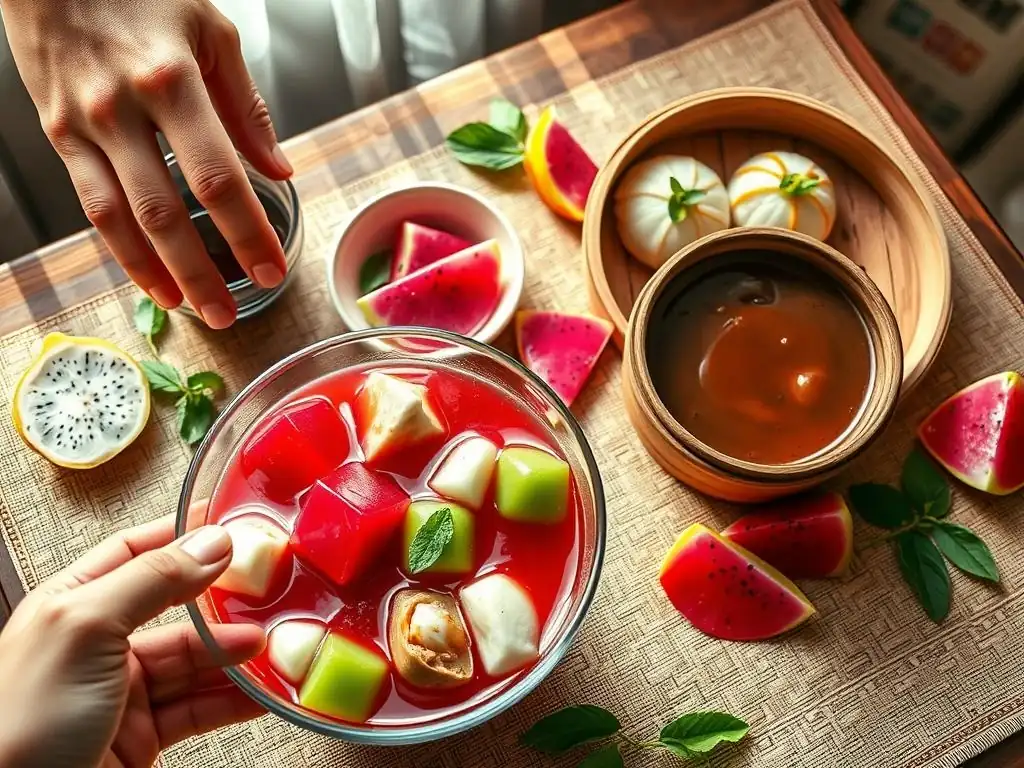
Making delicious chè is achievable for anyone, even beginners. Following a few key tips can elevate your homemade easy Vietnamese dessert recipes from good to great. These tips focus on ingredient quality, flavor balance, and texture control.
Paying attention to these details will help you replicate the authentic flavors and textures you find in traditional Vietnamese chè. Don't be afraid to experiment and adjust recipes to suit your personal taste preferences.
Sourcing Authentic Vietnamese Ingredients for Your Chè
Using the right ingredients makes a significant difference in the outcome of your chè. While many ingredients like sugar, water, and standard fruits are readily available, some key components are best sourced from Asian grocery stores. Look for good quality full-fat coconut milk (brands vary in richness), split mung beans, small tapioca pearls, glutinous rice flour, pandan leaves (fresh or frozen), and specific canned fruits like jackfruit or longan.
These stores also carry pre-made jellies and other common chè mix-ins, which can save you time. If you can't find a specific ingredient, look for the closest approximation, but be aware that it might slightly alter the final taste or texture. For example, using large tapioca pearls instead of small ones will require longer cooking time and result in a different chew.
Mastering the Art of Sweetness: Adjusting Sugar Levels in Chè
Sweetness is subjective, and Vietnamese chè can range from moderately sweet to quite sweet. Most easy Vietnamese dessert recipes provide a sugar range (e.g., 1/4 to 1/2 cup). It's always better to start with the lower end of the range and taste as you go, adding more sugar until it suits your preference. Remember that flavors can change slightly as the chè cools.
Some chè recipes also benefit from a tiny pinch of salt added to the sweet base or coconut milk topping. This might seem counterintuitive, but salt enhances the sweetness and balances the flavors, preventing the dessert from tasting flat. For creamy chè with coconut milk, the salt contrasts nicely with the richness.
Achieving the Perfect Texture: Tips for Tapioca, Beans, and Rice
Texture is paramount in chè. For tapioca pearls, ensure you rinse them before cooking to remove excess starch and cook them until they are completely translucent with no white core. Stir frequently, especially at the beginning, to prevent them from clumping or sticking to the pot.
When cooking beans (like mung beans), ensure they are cooked until very soft, almost falling apart, for a creamy consistency. Soaking beans beforehand can help speed this process. For glutinous rice balls (Chè Trôi Nước), use warm water to mix the dough for better pliability, and cook them in boiling water until they float and are cooked through, testing one if necessary to ensure the inside isn't still powdery.
Variations and Adaptations of Vietnamese Chè Recipes
The beauty of chè lies in its incredible versatility. Once you're comfortable with basic easy Vietnamese dessert recipes, you can explore numerous variations and adapt them to dietary needs or personal preferences. This allows for creativity and ensures that everyone can enjoy these delightful treats.
From making chè vegan or gluten-free to trying out unique regional variations, the possibilities are vast. These adaptations often involve simple ingredient swaps or minor adjustments to the cooking process.
Vegan and Vegetarian Chè Options: Plant-Based Delight
Most traditional chè recipes are naturally vegetarian, relying on plant-based ingredients like beans, fruits, and grains. To make them vegan, the primary consideration is the coconut milk topping, which is already plant-based. Ensure any added ingredients like jellies are also vegan (check for gelatin). Sugar is typically vegan, but some refined sugars use bone char in processing, so look for certified vegan sugar if this is a concern.
Many easy Vietnamese dessert recipes featuring coconut milk bases are already fully vegan. For recipes that might traditionally use dairy (though this is less common in authentic chè), simply substitute with more coconut milk or other plant-based milks like almond or soy, though coconut milk provides the most authentic richness.
Gluten-Free Chè Recipes: Adapting for Dietary Needs
The majority of chè recipes are inherently gluten-free. Ingredients like beans, fruits, tapioca pearls (made from cassava), coconut milk, and sugar do not contain gluten. Chè made with glutinous rice flour, like Chè Trôi Nước or Chè Bắp (sweet corn pudding often thickened with glutinous rice flour), are also naturally gluten-free, as glutinous rice, despite its name, contains no gluten.
The main area to check for gluten is in any pre-made additions like certain types of jellies or toppings, although most traditional chè ingredients are gluten-free. This makes chè a fantastic option among easy Vietnamese dessert recipes for those with gluten sensitivities or celiac disease.
Chè Bắp: Sweet Corn Pudding - A Creamy Variation
Chè Bắp is a popular and easy chè recipe featuring sweet corn kernels cooked in a creamy coconut milk base, often thickened slightly with glutinous rice flour or tapioca starch and sometimes including small tapioca pearls. It highlights the natural sweetness of corn in a dessert context.
To make Chè Bắp, you'll typically combine fresh or frozen sweet corn kernels (about 1-2 cups) with coconut milk (1-1.5 cans), water (1-2 cups), and sugar (1/4 to 1/2 cup). Simmer until the corn is tender. Thicken the mixture by stirring in a slurry of glutinous rice flour or tapioca starch mixed with a little water, cooking until it reaches a pudding-like consistency. Adding small tapioca pearls cooked separately and added at the end provides a lovely chewy contrast. It's usually served warm with an extra drizzle of coconut milk.
Serving and Enjoying Your Homemade Vietnamese Chè
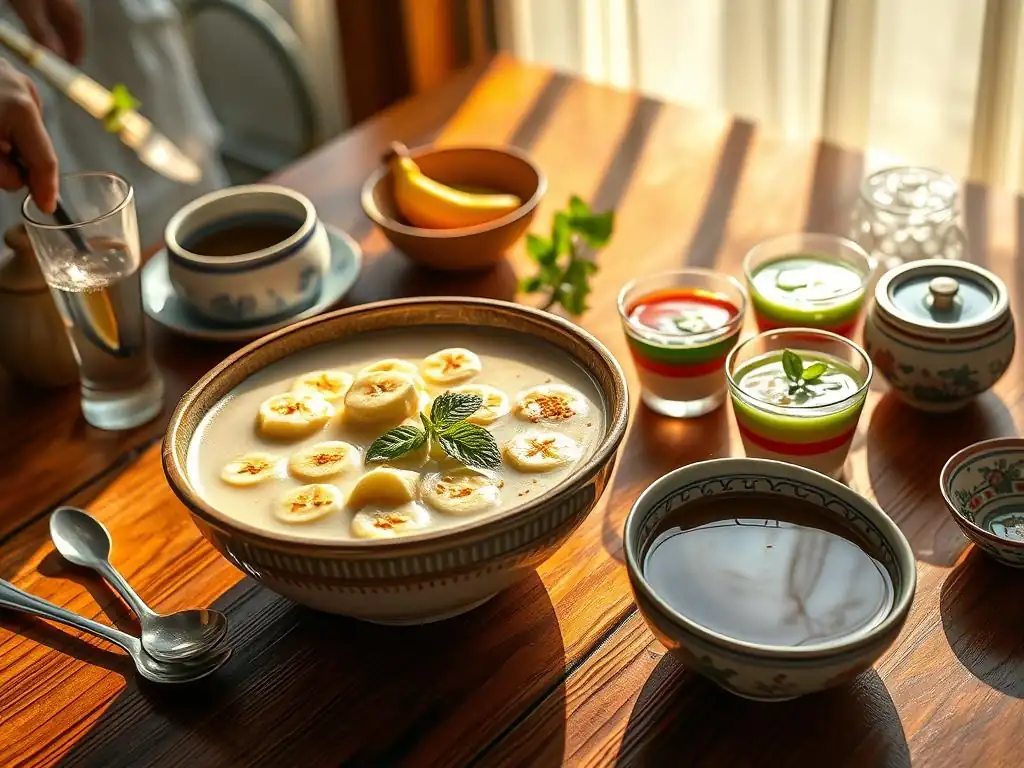
You've made your delicious chè! Now it's time to serve and enjoy the fruits of your labor. The presentation and how you serve chè can enhance the experience, whether it's a simple bowl or a more elaborate layered glass.
Chè can be enjoyed on its own as a delightful dessert or snack, or it can be paired with other Vietnamese dishes for a complete meal experience. Proper storage is also key to keeping your chè fresh and tasty for later.
Garnishing Chè: Adding Visual Appeal
Garnishes add both visual appeal and sometimes extra texture and flavor to chè. For creamy chè like Chè Đậu Xanh or Chè Chuối, a drizzle of extra thick coconut milk on top is standard and highly recommended. Toasted sesame seeds are a common garnish for many types of chè, including Chè Đậu Xanh and Chè Trôi Nước, adding a nutty crunch.
For fruit-based chè like Chè Thái, additional fresh fruit slices (like mango or jackfruit) or a sprig of mint can brighten the presentation. Some chè variations might also be garnished with crushed peanuts or toasted coconut flakes. Simple garnishes can make your easy Vietnamese dessert recipes look as good as they taste.
Pairing Chè with Other Vietnamese Dishes
Chè is often enjoyed as a refreshing end to a savory Vietnamese meal. Its sweetness provides a perfect contrast to the sometimes spicy, salty, or sour flavors of main courses like phở, bún chả, or cơm tấm. A light, fruity chè like Chè Thái is particularly good after a rich or heavy meal.
For a lighter pairing, a comforting warm chè like Chè Đậu Xanh or Chè Chuối can follow a simple dish like spring rolls or a light salad. Chè is versatile enough to fit into almost any Vietnamese dining experience, serving as a sweet palate cleanser or a satisfying conclusion.
Storing Chè for Later Enjoyment: Maintaining Freshness
Most chè can be stored in the refrigerator for 2-3 days. Store chè in airtight containers to maintain freshness and prevent it from absorbing odors from other foods. Creamy chè with coconut milk should be kept well chilled.
When reheating warm chè varieties like Chè Đậu Xanh, Chè Chuối, or Chè Trôi Nước, gently heat them on the stovetop over low heat, stirring occasionally. You might need to add a splash of water or coconut milk if it has thickened too much in the fridge. Chilled chè like Chè Thái is best assembled fresh with ice just before serving, but the base and prepared ingredients can be stored separately in the refrigerator.
Explore More Asian-Inspired Dessert Recipes on BakeWithEase.com
Dive deeper into the world of Asian sweets! Once you've mastered these easy Vietnamese dessert recipes, there's a whole continent of delicious treats waiting for you.
Frequently Asked Questions
What exactly is chè and what makes it unique?
Chè is a broad term for Vietnamese sweet desserts, often translated as puddings or sweet soups. They are unique due to their diverse ingredients and varied textures, ranging from creamy to chewy.
Are chè recipes generally difficult to make?
Not at all! BakeWithEase focuses on easy Vietnamese dessert recipes. Many recipes utilize simple ingredients and straightforward techniques, making them accessible for beginners.
Where can I find the ingredients needed for these chè recipes?
Most ingredients are available at Asian grocery stores. Some, like coconut milk and tapioca pearls, can even be found in larger supermarkets.
What kinds of variations exist within chè desserts?
The variations are endless! You'll find chè made with beans, fruits, jellies, tapioca, and more. Some are served hot, while others are enjoyed chilled.
Can I adapt these chè recipes to be healthier or suit dietary restrictions?
Absolutely! You can often adjust the sweetness level, use alternative sweeteners, or substitute ingredients to fit your dietary needs. Experiment with vegan or gluten-free versions of your favorite chè.
Final Reflection: The Enduring Sweetness of Vietnamese Che
The vibrant world of Vietnamese che desserts offers more than just delicious recipes; it offers a window into a rich culinary heritage and a surprisingly accessible path to culinary creativity. These simple yet elegant sweet soups and puddings are experiencing a well-deserved surge in popularity, proving that authentic flavors and ease of preparation can coexist beautifully.
The enduring appeal of che lies not only in its delightful taste but also in its ability to evoke powerful memories and cultural connections. For many, a bowl of che represents cherished family traditions, shared moments of joy, and a comforting link to their roots. Food is symbolic of love when words are inadequate.
– Alan D. Wolfelt. This sentiment perfectly encapsulates the emotional resonance of che, transcending mere sustenance to become a powerful symbol of connection and belonging. The simple act of making and sharing these desserts fosters a sense of community and cultural preservation, ensuring these treasured recipes continue to thrive for generations to come.
Now, I invite you to explore the world of che for yourself. Don't be intimidated by unfamiliar ingredients or techniques; embrace the journey of discovery. Experiment with different combinations of flavors and textures, and most importantly, share your creations with loved ones. Let the sweet simplicity of che inspire you to connect with your own heritage, or perhaps, to create new traditions and memories around this delightful corner of Vietnamese cuisine. The sweetness you create will be far more than just a dessert; it will be a testament to the power of food to connect us all.
Unlock the Sweet Secrets of Vietnamese Che!
Thanks for joining us on this delicious journey into the world of Vietnamese Che! We hope you've discovered some new favorite sweet treats. Ready to take your culinary adventures further?
- Whip up your own Che today! Start with your favorite recipe from the article – the coconut milk pudding is a great place to begin.
- Share your Che creations! Post a picture on your favorite social media platform and tag #BakeWithEaseChe – let's build a sweet community!
- Explore other Vietnamese desserts: Use what you've learned about the flavors and techniques to try out more delicious treats.
What unique twist will you add to your next Che masterpiece?