
Simple Korean Rice Cakes (Tteok) for Dessert

Welcome to BakeWithEase!
Ever wondered how to create a delightful and subtly sweet dessert using simple ingredients? Get ready to embark on a flavorful journey to Korea! In this article, we'll unveil a simple Korean rice cakes dessert recipe, also known as Tteok. Discover the secrets to crafting these chewy, satisfying treats, perfect for impressing your friends and family with a unique and authentic taste of Korean cuisine. Are you ready to transform ordinary rice cakes into an extraordinary dessert? Let's get baking!
- Honey Tteok: A Simple & Delicious Korean Dessert
- Introduction to Honey Tteok
- Understanding Garaetteok: The Base for Honey Tteok
-
Easy Honey Tteok Recipe: Step-by-Step
- Ingredients for Homemade Honey Tteok
- Equipment Needed: A Skillet or Pan
- Preparing the Garaetteok: Softening and Cutting (If Necessary)
- Cooking the Tteok: Sautéing with Honey
- Step 1: Preparing the Garaetteok for Cooking
- Step 2: Sautéing the Garaetteok with Honey
- Step 3: Achieving the Perfect Golden-Brown Glaze
- Delicious Variations and Serving Suggestions
- Tips and Tricks for Perfect Honey Tteok Every Time
- Exploring Other Korean Desserts
- Conclusion: Enjoying Your Homemade Honey Tteok
- Frequently Asked Questions
- Final Reflection: The Sweet Simplicity of Tteok and the Enduring Power of Tradition
- Unleash Your Inner Dessert Chef!
Honey Tteok: A Simple & Delicious Korean Dessert
Introduction to Honey Tteok
Discovering the Sweetness of Garaetteok with Honey
Korean cuisine is rich with delightful desserts, and among the simplest yet most satisfying is Honey Tteok, often made using garaetteok. This particular Korean rice cakes dessert recipe highlights the inherent chewiness of rice cake by pairing it with the comforting sweetness of honey. Unlike some elaborate Korean confections that require intricate steaming or shaping, Honey Tteok focuses on minimal ingredients and a quick preparation method, making it accessible for anyone looking to explore Korean sweets at home.
The beauty of this simple Korean rice cakes dessert lies in its humble origins and widespread appeal. Garaetteok, the cylindrical white rice cake, is a staple in Korean cooking, commonly used in savory dishes like tteokbokki. However, when gently sautéed and coated in warm honey, its transformation into a sweet treat is remarkable. This dessert proves that sometimes, the most delicious results come from combining just a few high-quality ingredients using a straightforward technique, perfect for beginners trying a Korean rice cakes dessert recipe for the first time.
Why Honey Tteok is a Perfect Simple Dessert
Honey Tteok stands out as an ideal simple dessert for several reasons. Firstly, its ingredient list is incredibly short, typically requiring only garaetteok and honey, sometimes with optional toppings like sesame seeds or nuts. This minimal requirement means it's easy to gather everything you need without a special trip to an Asian market if you already have these staples. Secondly, the preparation time is remarkably quick, often taking less than 10-15 minutes from start to finish, making it perfect for an impromptu sweet craving or a last-minute addition to a meal.
Furthermore, this Korean rice cakes dessert recipe is highly adaptable. While simple honey is the classic coating, you can easily experiment with additions like a pinch of cinnamon, a dash of soy sauce for a sweet-savory twist, or different types of honey for varied flavor profiles. Its inherent chewiness provides a unique textural experience that is distinct from Western desserts, offering an exciting new sensation for your palate. It's a delightful introduction to Korean rice cakes prepared as a dessert.
Understanding Garaetteok: The Base for Honey Tteok
What is Garaetteok? Exploring its Texture and Uses
Garaetteok is a type of Korean rice cake made from non-glutinous rice flour (or a mix including glutinous rice flour), water, and sometimes salt. The mixture is steamed, then pounded or extruded into long, thick cylinders. These cylinders are typically about 2-3 centimeters in diameter. The defining characteristic of garaetteok is its incredibly chewy, dense texture. When fresh, it's soft and pliable, but it becomes quite firm and hard when refrigerated or frozen.
This versatile rice cake is a cornerstone of Korean cuisine, appearing in both savory and sweet dishes. Its most famous savory application is in tteokbokki, a popular street food dish where it's simmered in a spicy gochujang-based sauce. It's also sliced thin for use in soups like tteokguk, a traditional dish served on Korean New Year. Its neutral flavor makes it a perfect canvas, absorbing the tastes of whatever sauce or seasoning it's paired with, including the simple sweetness of honey in our Korean rice cakes dessert recipe.
Key Ingredients: Garaetteok and Honey
The foundation of this simple Korean rice cakes dessert recipe rests on just two core ingredients: garaetteok and honey. The quality of these ingredients significantly impacts the final taste and texture. For garaetteok, using fresh rice cake is highly recommended, as it will soften and become delightfully chewy when cooked. If using refrigerated or frozen garaetteok, proper preparation (like soaking in warm water) is crucial to restore its texture.
Honey provides the primary flavor and glaze for this dessert. The type of honey you choose can slightly alter the taste – a mild acacia honey will provide a clean sweetness, while a darker, more robust buckwheat honey will add deeper notes. Approximately 2 to 3 tablespoons of honey are typically needed per 100 grams of garaetteok, but this can be adjusted based on personal preference for sweetness. Some recipes might also include a tiny amount of oil (like sesame oil or neutral cooking oil) for sautéing to prevent sticking and help achieve a nice glaze.
The Simplicity of Honey Tteok Compared to Other Tteok
Compared to many other forms of tteok which can involve complex processes like layering different colored rice flours, incorporating various fillings (like red bean paste), or intricate shaping, Honey Tteok is remarkably simple. Traditional tteok varieties like songpyeon (half-moon shaped rice cakes) require specific molds and fillings, and sirutteok (steamed layered rice cake) involves steaming different components for extended periods.
This simple Korean rice cakes dessert recipe requires none of that complexity. It essentially involves preparing the garaetteok and then quickly cooking it in honey. There's no long steaming time, no difficult shaping, and no need for specialized equipment beyond a basic pan. This ease of preparation makes Honey Tteok an excellent entry point for anyone new to making tteok or seeking a quick and easy Korean dessert option. It truly embodies a straightforward approach to a delicious Korean rice cakes dessert.
Easy Honey Tteok Recipe: Step-by-Step
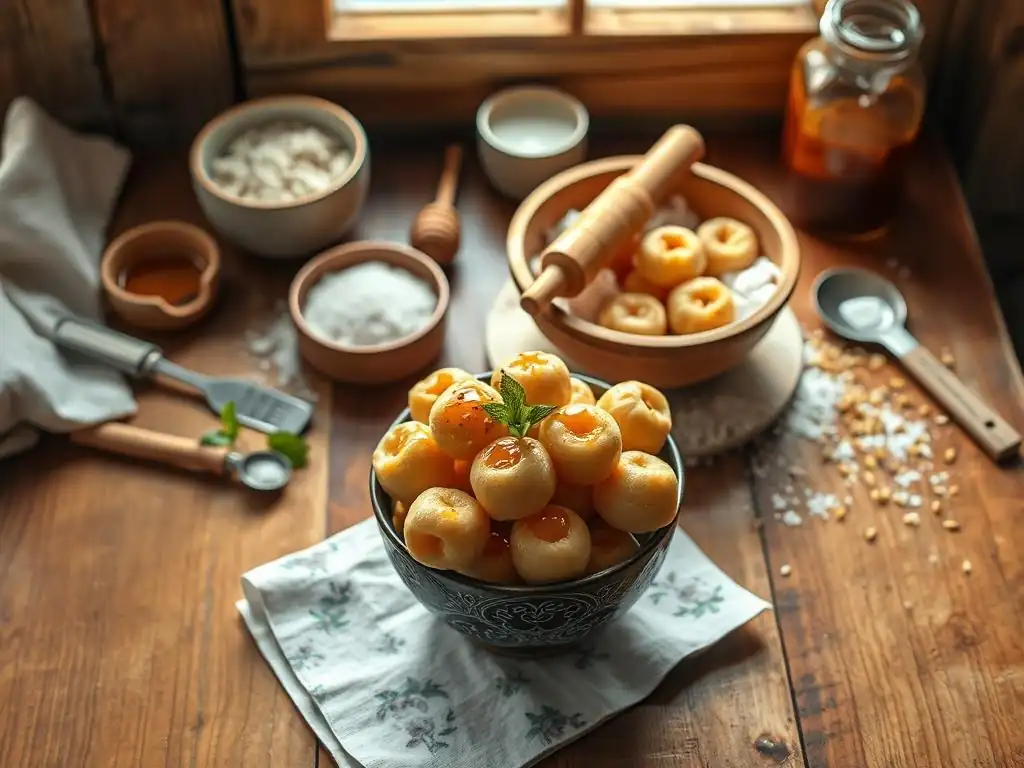
Ingredients for Homemade Honey Tteok
To make this simple Korean rice cakes dessert, you'll need:
- Approximately 200 grams of garaetteok (cylindrical rice cakes)
- 3-4 tablespoons of honey (adjust to your sweetness preference)
- 1 teaspoon of neutral cooking oil (optional, to prevent sticking)
- Optional toppings: Toasted sesame seeds, chopped nuts (like walnuts or peanuts)
This quantity typically serves 1-2 people as a small dessert. It's easy to scale up the ingredients if you're serving more. Using good quality honey will make a noticeable difference in the final flavor of your Korean rice cakes dessert.
Equipment Needed: A Skillet or Pan
The primary piece of equipment required for this Korean rice cakes dessert recipe is a non-stick skillet or a regular frying pan. A medium-sized pan, about 8-10 inches in diameter, works well for the quantity listed above.
You'll also need:
- A cutting board and knife (if using longer garaetteok that needs slicing)
- A spatula or cooking spoon for stirring
- A bowl for soaking the garaetteok (if using refrigerated or frozen)
That's essentially it! No fancy gadgets or specialized baking equipment are necessary, reinforcing the simplicity of this Korean rice cakes dessert.
Preparing the Garaetteok: Softening and Cutting (If Necessary)
If you are using fresh, soft garaetteok, you may only need to cut it into shorter, manageable pieces if it's in long strands. Aim for pieces about 5-7 centimeters (2-3 inches) long.
If your garaetteok is refrigerated or frozen, it will be hard and needs to be softened before cooking.
- Place the hard garaetteok in a bowl.
- Pour enough warm (not boiling) water over the rice cakes to fully submerge them.
- Let them soak for about 10-20 minutes, or until they are pliable and slightly soft to the touch. Do not soak for too long, as they can become mushy.
- Drain the water thoroughly before proceeding.
- Cut the softened garaetteok into 5-7 cm pieces if needed.
Properly preparing the garaetteok ensures it cooks evenly and achieves the desired chewy texture in your Korean rice cakes dessert.
Cooking the Tteok: Sautéing with Honey
Cooking Honey Tteok is a quick sautéing process. The goal is to heat the rice cakes through, soften them further, and coat them evenly with the honey glaze.
- Heat a non-stick skillet over medium heat.
- Add the optional teaspoon of oil if using.
- Add the prepared garaetteok pieces to the hot pan.
- Sauté the rice cakes for 3-5 minutes, stirring occasionally, until they start to become slightly golden in spots and feel soft and heated through. This step helps develop a slight crust and ensures they are cooked properly.
Once the rice cakes are heated, you'll add the honey. This should be done carefully to prevent the honey from burning. Keep the heat moderate.
Step 1: Preparing the Garaetteok for Cooking
Begin by ensuring your garaetteok is ready for the pan. As mentioned earlier, this involves either simply cutting fresh rice cakes into uniform pieces or soaking refrigerated/frozen ones in warm water until pliable and then cutting them. Uniform pieces ensure even cooking. For instance, if you have long strings of garaetteok fresh from the store, cutting them into 5-7 cm segments (roughly the length of your finger) is ideal. If they are already sliced into thinner rounds (though garaetteok is usually cylindrical), simply use those.
The soaking step for hard garaetteok is critical for achieving the right texture. Imagine trying to fry a hard candy; it won't soften properly. Similarly, hard rice cakes need moisture to become chewy again. Soaking for too short a time leaves them tough, while soaking for too long can make the surface mushy while the inside remains firm. Aim for a texture that is soft enough to bend without breaking easily. Drain very well after soaking, as excess water can make the honey glaze watery.
Step 2: Sautéing the Garaetteok with Honey
Once the garaetteok is prepared, heat your skillet over medium heat. Add a tiny bit of oil if desired – about half a teaspoon to a teaspoon is plenty for 200g of rice cakes. This helps prevent sticking, especially if your pan isn't perfectly non-stick, and can contribute to a nicer exterior texture. Add the garaetteok pieces to the hot pan. Stir and flip them frequently for about 3-5 minutes. You'll notice them becoming slightly softer and perhaps developing a very light golden hue in places.
Now, reduce the heat to low or medium-low. Pour the honey directly over the rice cakes in the pan. Stir gently but consistently to coat each piece of garaetteok evenly with the honey. Continue cooking for another 2-4 minutes. The honey will heat up and become more liquid initially, then start to thicken slightly as it coats the rice cakes. The lower heat here is crucial to prevent the honey from caramelizing too quickly or burning, which can result in a bitter taste.
Step 3: Achieving the Perfect Golden-Brown Glaze
The final stage involves letting the honey glaze cling beautifully to the garaetteok. After the honey has been added and stirred in for a couple of minutes on low heat, continue to gently sauté and stir. As the honey heats and interacts with the surface of the rice cakes, it will form a slightly thicker, glossy coating. Some pieces might develop a lovely golden-brown sheen, indicating the honey is perfectly caramelized onto the surface without burning.
This glazing process typically takes an additional 2-3 minutes after the honey is added. Watch carefully and stir constantly to ensure the glaze is even and no pieces stick or burn. The rice cakes should be soft and chewy inside with a slightly sticky, sweet exterior. Once they are well-coated and have that inviting glossy look, immediately remove the pan from the heat. The Korean rice cakes dessert is now ready to be served.
Delicious Variations and Serving Suggestions
Adding Sesame Seeds for Texture and Flavor
A classic addition to Honey Tteok is toasted sesame seeds. They provide a subtle nutty flavor and a pleasant textural contrast to the chewy rice cakes.
- Lightly toast white or black sesame seeds in a dry pan over low heat until fragrant (about 2-3 minutes). Be careful not to burn them.
- Sprinkle the toasted sesame seeds over the Honey Tteok just before serving, or add them to the pan during the last minute of cooking with the honey.
Approximately 1-2 teaspoons of toasted sesame seeds per serving is usually sufficient to add flavor without overpowering the dish. This simple step elevates the basic Korean rice cakes dessert recipe.
Toasted Nuts as a Crunchy Topping
For an extra layer of flavor and crunch, toasted nuts make an excellent topping. Walnuts, peanuts, or almonds work particularly well.
- Roughly chop your chosen nuts.
- Toast them in a dry pan over medium-low heat until fragrant and lightly browned (about 3-5 minutes), stirring frequently.
- Sprinkle the toasted nuts over the finished Honey Tteok just before serving.
The combination of the soft, chewy rice cake, the sticky sweet honey glaze, and the crunchy nuts is incredibly satisfying. This variation adds complexity to the simple Korean rice cakes dessert.
Pairing with a Warm Beverage: Tea or Milk
Honey Tteok is wonderfully comforting when paired with a warm drink.
- A cup of traditional Korean barley tea (boricha) or corn tea (oksusu-cha) offers a soothing, slightly roasted counterpoint to the sweetness.
- Green tea, especially a less bitter variety, can also cleanse the palate between bites.
- Warm milk or soy milk provides a creamy pairing that complements the chewy texture.
Serving this Korean rice cakes dessert with a beverage enhances the overall experience, making it a perfect snack or light dessert.
Serving Warm or at Room Temperature
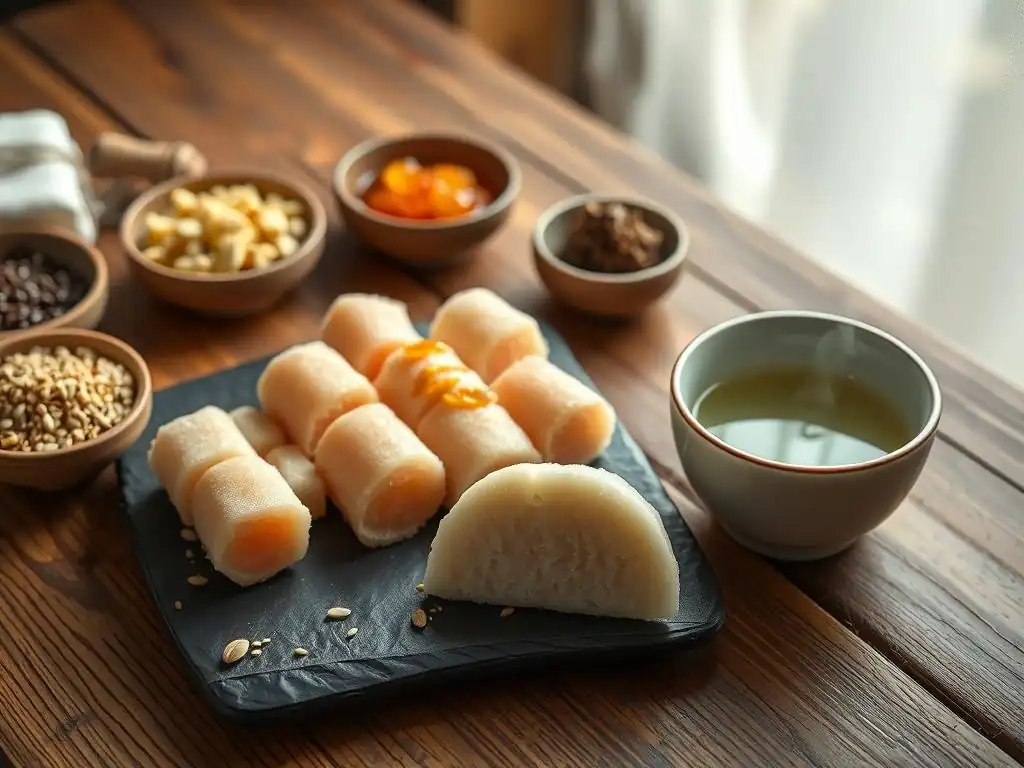
Honey Tteok is best enjoyed while still warm, shortly after it's made. The rice cakes are softest and chewiest when warm, and the honey glaze is perfectly sticky and glossy.
While it can be eaten at room temperature, the texture of the garaetteok will firm up as it cools, becoming chewier and potentially harder. If you have leftovers, it's best to reheat them gently in a pan over low heat with a tiny bit more honey or water to soften them again. Avoid microwaving, as this can make the texture uneven or rubbery.
Drizzling with Additional Honey Before Serving
For those with a sweet tooth, an extra drizzle of honey just before serving can add another layer of lusciousness to your Korean rice cakes dessert.
- Have a small pitcher or spoon of honey ready.
- Once the Honey Tteok is plated, artfully drizzle a little more honey over the top of the rice cakes.
This not only adds more sweetness but also makes for a visually appealing presentation. Use a high-quality finishing honey for the best flavor impact.
Tips and Tricks for Perfect Honey Tteok Every Time
Achieving the Right Texture: Soft and Slightly Crispy
The ideal Honey Tteok has a soft, wonderfully chewy interior and a slightly caramelized, sometimes barely crispy exterior thanks to the honey glaze. To achieve this, proper preparation of the garaetteok is paramount. If using refrigerated or frozen rice cakes, soaking them in warm water until they are pliable is non-negotiable. This rehydrates the rice starch, allowing it to soften properly when heated.
During the sautéing process before adding honey, giving the rice cakes a few minutes in the hot pan helps to heat them through evenly and can start to develop a thin, slightly firm skin on the outside, which contributes to that desirable slight crispiness when coated in honey. Don't rush this initial heating step; ensure they are heated through before adding the honey.
Preventing the Honey from Burning
Honey can burn quite easily due to its sugar content, resulting in a bitter taste. The key to preventing this when making your Korean rice cakes dessert is controlling the heat. After the initial heating of the garaetteok, reduce the heat to low or medium-low before adding the honey.
Once the honey is added, stir continuously. The total time the honey is in the pan should be relatively short, usually just 3-5 minutes, enough time to heat through and coat the rice cakes. If you notice the honey changing color rapidly to a dark brown or smelling burnt, remove the pan from the heat immediately. Using a non-stick pan also greatly reduces the risk of the honey sticking and burning onto the surface.
Using High-Quality Honey for the Best Flavor
Since honey is one of only two main ingredients in this Korean rice cakes dessert recipe, its quality significantly impacts the final flavor. A mild, pleasant-tasting honey will allow the subtle sweetness to shine without overpowering the rice cake itself.
Consider using locally sourced honey if available, as it often has unique floral notes. Varieties like acacia, clover, or wildflower honey are generally good choices as they offer a clean, straightforward sweetness. Avoid strongly flavored or very dark honeies unless you specifically want those notes to dominate. Using a high-quality honey elevates this simple dish from good to truly excellent.
Tip 1: Choosing the Right Type of Honey
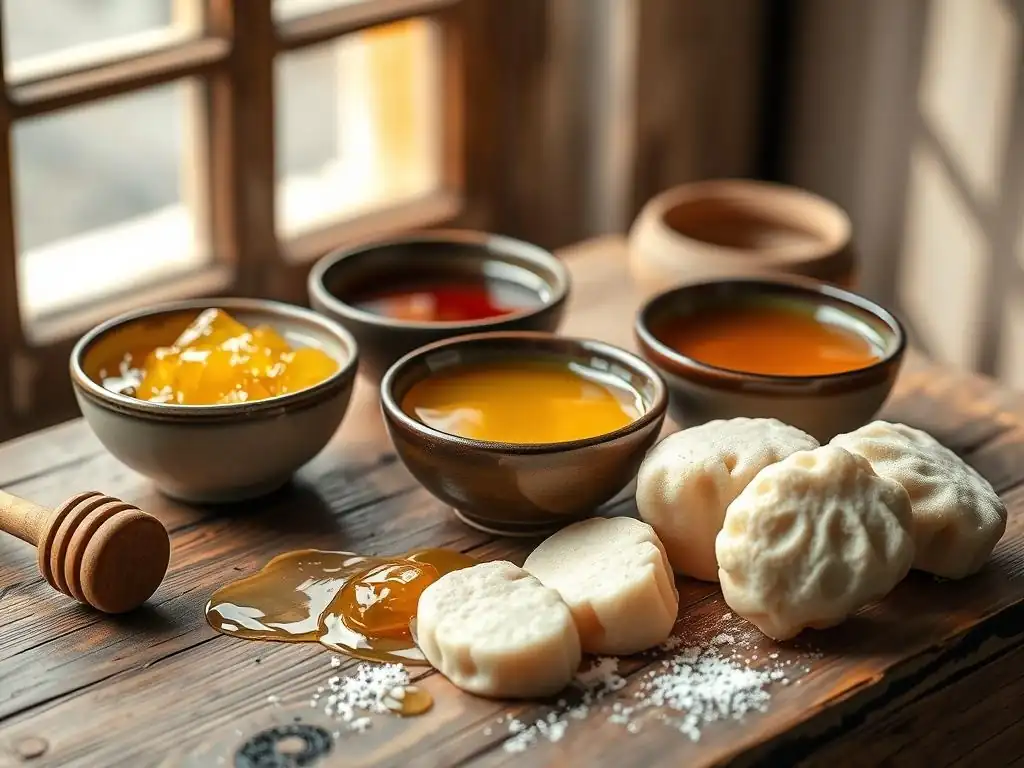
The selection of honey can subtly but importantly influence the taste of your Korean rice cakes dessert. As mentioned, mild honeys like acacia or clover are popular choices because they provide a clean, sweet flavor that complements the neutral taste of the garaetteok without competing with it. These types of honey typically have a higher fructose content, which makes them less likely to crystallize quickly and provides a consistent sweetness.
However, don't be afraid to experiment! A slightly more floral honey can add aromatic complexity, while a buckwheat honey, though stronger, can introduce deeper, molasses-like undertones. The key is to choose a honey you enjoy the taste of on its own, as its flavor will be prominent in the final dish. Approximately 3-4 tablespoons for 200g of garaetteok is a standard starting point, providing enough sweetness to coat the rice cakes nicely without making them overly sticky or cloying.
Tip 2: Controlling the Heat for Even Cooking
Maintaining the correct temperature is vital for successful Honey Tteok. Start with medium heat to warm and slightly firm up the garaetteok initially. This phase helps prepare the surface of the rice cakes to receive the honey glaze evenly and ensures the interior softens properly. Sautéing for 3-5 minutes at this stage is usually sufficient, depending on the pan and stove.
Crucially, reduce the heat to low or medium-low before adding the honey. Honey's sugar content means it can scorch quickly at high temperatures, resulting in a bitter, unpleasant flavor. Sautéing in honey for another 3-5 minutes on low heat allows the honey to warm, become fluid, and coat the rice cakes beautifully without burning. Stirring constantly during this phase ensures even heating and coating, preventing any single piece from sticking or caramelizing too darkly.
Tip 3: Ensuring the Garaetteok is Fresh
The texture of the garaetteok is paramount to the success of this Korean rice cakes dessert recipe. While refrigerated or frozen garaetteok can certainly be used after proper soaking, using fresh garaetteok whenever possible will yield the best results. Fresh garaetteok is naturally soft and pliable, requiring minimal or no soaking, which reduces the risk of the rice cakes becoming waterlogged or unevenly textured.
If you purchase fresh garaetteok, plan to use it within a day or two for optimal texture. Store it in the refrigerator in an airtight container. If you must use refrigerated garaetteok, ensure you soak it until it is uniformly soft and pliable all the way through, not just on the surface. Frozen garaetteok will require a longer soaking time. A good test is to try bending a piece; it should bend significantly without cracking or breaking easily.
Exploring Other Korean Desserts
There are many other wonderful Korean desserts to explore beyond this simple Korean rice cakes dessert recipe. One popular option is Yakgwa, traditional Korean honey cookies known for their beautiful shape and rich, sweet flavor profile. These cookies are made from wheat flour, honey, sesame oil, and ginger juice, then deep-fried and soaked in a honey-ginger syrup. They offer a different texture and taste experience compared to chewy rice cakes, providing another delightful example of Korean sweets that utilize the comforting sweetness of honey.
Conclusion: Enjoying Your Homemade Honey Tteok
The Joy of Making Honey Tteok: A Quick and Satisfying Treat
Making Honey Tteok is a truly rewarding experience. It's a Korean rice cakes dessert recipe that is incredibly quick to execute, often taking less than 15 minutes from start to finish, yet it delivers a deeply satisfying result. The simple process of transforming humble rice cakes into a warm, chewy, honey-glazed treat is accessible for even the most novice home cook. It’s a perfect example of how delicious desserts don't need to be complicated.
This simple Korean rice cakes dessert is perfect for a quick snack, a light end to a meal, or even a comforting treat on a chilly day. The combination of textures and the pure, sweet flavor of honey makes it universally appealing. Plus, the minimal cleanup is an added bonus! Give this easy Korean rice cakes dessert recipe a try and discover how simple and enjoyable making Tteok at home can be.
We love seeing what you bake and create! If you try this simple Korean rice cakes dessert recipe for Honey Tteok, we'd be thrilled to hear about your experience. Did you add sesame seeds? Did you try a different type of honey?
Making this easy Korean rice cakes dessert is a great way to explore Korean flavors right in your own kitchen. Don't hesitate to experiment with the toppings or the amount of honey to find your perfect version. Happy baking (or in this case, happy sautéing!) your delicious Korean rice cakes dessert!
Frequently Asked Questions
What exactly are Korean rice cakes (Tteok)?
Tteok are a category of Korean rice cakes made from steamed flour, typically glutinous rice flour. They come in various shapes, sizes, and flavors, and are often used in both savory and sweet dishes.
Is this recipe difficult for a beginner baker?
No, this Simple Korean Rice Cakes (Tteok) for Dessert recipe is designed to be beginner-friendly. The steps are straightforward, and the ingredients are easy to find.
What makes this recipe specifically for a dessert version of Tteok?
This recipe focuses on using sweeteners and dessert-friendly toppings, like fruit, honey, or sweet red bean paste, to create a delightful and satisfying dessert. It highlights the inherent sweetness of the rice cakes.
Can I substitute any ingredients in this Korean rice cakes dessert recipe?
While following the recipe closely is recommended for the best results, you can experiment with different types of sweeteners or toppings. However, altering the rice flour may impact the texture.
How should I store leftover Korean rice cake dessert?
Store leftover Tteok in an airtight container in the refrigerator. They are best enjoyed fresh, but can be gently reheated in a microwave or pan. Note that they may become slightly harder upon refrigeration.
Final Reflection: The Sweet Simplicity of Tteok and the Enduring Power of Tradition
The enduring appeal of simple Korean rice cakes (tteok) as a dessert transcends mere culinary enjoyment; it's a testament to the power of tradition and the beauty of uncomplicated flavors. In a world increasingly obsessed with complex recipes and exotic ingredients, the humble tteok offers a refreshing counterpoint, reminding us that sometimes, the most satisfying experiences are the simplest. This article explored various recipes, highlighting the versatility and adaptability of this beloved Korean treat.
The influence of tteok on Korean culture extends far beyond the dessert table; it's deeply woven into the fabric of celebrations, festivals, and everyday life. From the celebratory injeolmi to the comforting garaetteok, these rice cakes represent more than just food; they symbolize shared moments, family traditions, and the enduring spirit of Korean heritage. Food is symbolic of love when words are inadequate.
- Alan D. Wolfelt. This quote perfectly encapsulates the emotional resonance of tteok, a sweet symbol of connection and cultural identity.
Now, I invite you to explore the world of tteok beyond this article. Try your hand at one of the recipes, perhaps even experimenting with your own variations. More importantly, consider the deeper meaning behind this simple dessert: the value of tradition, the joy of shared meals, and the power of uncomplicated pleasures. Let the sweet simplicity of tteok inspire you to savor the moments, appreciate the familiar, and embrace the beauty of culinary heritage in your own life.
Unleash Your Inner Dessert Chef!
Thanks for joining us on this delicious journey into the world of Korean rice cakes! We hope you gained some valuable insights and inspiration for creating sweet treats. Now it's time to put your newfound knowledge into action.
- Try your hand at making these Tteok today! Grab your ingredients and let’s get baking (or rather, simmering!). This recipe is easier than you think!
- Share your creations! Post a picture of your delicious Tteok on social media and tag us – we’d love to see your culinary masterpiece.
- Explore other simple dessert recipes on BakeWithEase.com – we have tons of easy, fun recipes waiting for you!
What unique twist will you add to your Tteok to make it truly your own? Let us know in the comments below!