
Regional Doughnuts: Beyond the Glaze (Exploring Fastnachts & More!)

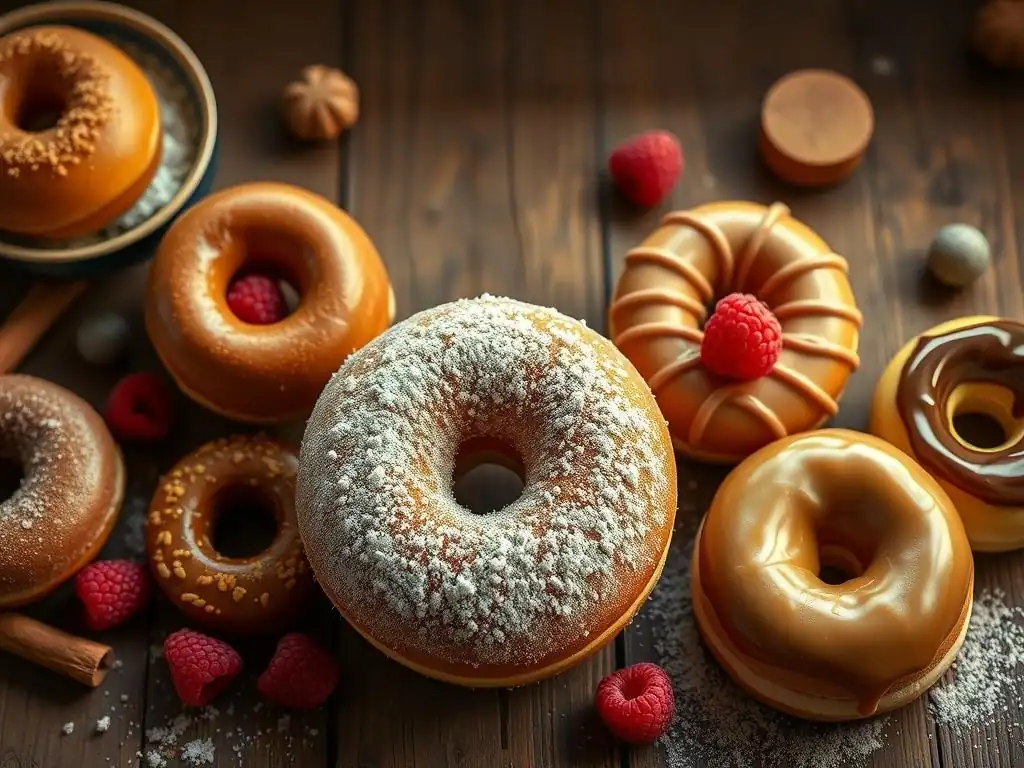
Welcome to BakeWithEase, your passport to a world of delightful baking adventures! Ever wondered how doughnuts differ across regions, each with its own unique story and flavor profile? This week, we're diving deep into the fascinating world of regional doughnut recipes variations, exploring everything from the traditional German Fastnacht to other lesser-known, equally delicious treats. Get ready to uncover the secrets behind these delectable doughs – you might just discover your new favorite!
- Discovering Regional Doughnut Variations in American Baking
- Fastnacht Doughnuts: A Pennsylvania Dutch Tradition
- Beignets: A Taste of New Orleans
- Spudnuts: The Potato Doughnut Phenomenon
- Apple Cider Doughnuts: An Autumn Favorite
- Beyond the Basics: Other Notable Regional Doughnut Recipes
- Tips for Perfecting Your Regional Doughnut Recipes
- The Joy of Baking Regional Doughnuts at Home
-
Frequently Asked Questions
- What are "Regional Doughnuts" and why are they special?
- What is a "Fastnacht" and where does it originate from?
- Does BakeWithEase offer recipes for doughnuts beyond just Fastnachts?
- Are the recipes on BakeWithEase suitable for beginner bakers?
- How can I find the "Regional Doughnuts Recipes Variations" on BakeWithEase?
- Final Reflection: A Sweet Legacy, A Doughy Future
- Unleash Your Inner Baker: Doughnut Adventures Await!
Discovering Regional Doughnut Variations in American Baking
Exploring the Diverse World of American Regional Doughnuts
When you think of a doughnut, a classic glazed ring often comes to mind. However, across the United States, a rich tapestry of regional doughnuts recipes variations exists, each telling a story of local ingredients, cultural heritage, and unique baking traditions. From the sticky sweetness of Louisiana beignets to the hearty simplicity of Pennsylvania Dutch fastnachts, these regional delights offer a fascinating glimpse into America's diverse culinary landscape, proving that the world of doughnuts extends far beyond the standard bakery case offerings.
Exploring these regional doughnuts recipes variations is not just about tasting different flavors; it's about connecting with history and community. Many of these treats are tied to specific holidays, seasons, or historical events, making them more than just a snack – they are edible traditions. Whether you're looking for a new challenge in the kitchen or simply curious about the origins of your favorite fried dough, delving into the world of American regional doughnuts provides a delicious journey worth taking.
Fastnacht Doughnuts: A Pennsylvania Dutch Tradition
What Makes Fastnachts Unique? (Unleavened, Potato-Based, Fried, Powdered Sugar)
Fastnachts, traditionally enjoyed on Shrove Tuesday (the day before Ash Wednesday), are a distinctive Pennsylvania Dutch doughnut. What sets them apart are several key characteristics. Unlike many modern doughnuts that use yeast for leavening, traditional fastnachts are often unleavened or use minimal leavening, resulting in a denser, more substantial dough. A significant feature is the inclusion of potato or potato water in the dough, which contributes to a uniquely moist texture and slightly richer flavor compared to standard flour-based doughnuts.
The preparation also follows a specific pattern: the dough is typically rolled out and cut into squares or triangles, not rings. They are then fried until golden brown. The traditional finishing touch for these regional doughnuts recipes variations is a generous dusting of powdered sugar, often applied while the doughnuts are still warm, creating a sweet, slightly messy coating that is instantly recognizable and utterly delicious. Some variations might use molasses or other simple glazes, but powdered sugar remains the classic.
Fastnacht Recipe Variations: From Classic to Modern Twists
While the core elements of potato, frying, and powdered sugar define the classic Fastnacht, regional doughnuts recipes variations within this tradition do exist. The most traditional recipes rely heavily on mashed potatoes and might use baking powder or soda as the primary leavening. These often produce a denser, almost biscuit-like texture. Some home bakers and bakeries have adapted the recipe over time, incorporating a small amount of yeast alongside the potato for a slightly lighter crumb, though still maintaining the characteristic density distinct from airy yeast doughnuts.
Modern interpretations might introduce subtle flavorings like nutmeg or vanilla into the dough, or offer alternative finishes beyond just powdered sugar, such as cinnamon sugar or a simple vanilla glaze. However, purists argue that the true Fastnacht experience lies in its simplicity and the unique texture imparted by the potato and minimal leavening. Exploring these regional doughnuts recipes variations allows bakers to appreciate the evolution of a beloved tradition while honoring its roots.
Beignets: A Taste of New Orleans
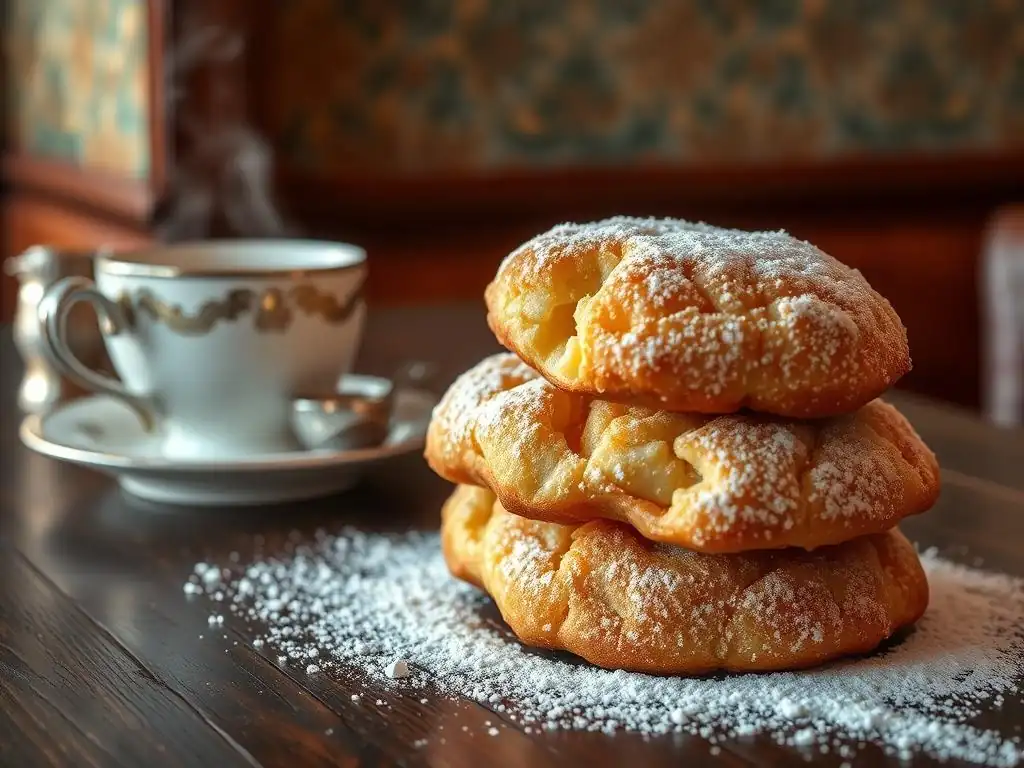
The History and Charm of New Orleans Beignets
Beignets are synonymous with the vibrant culture of New Orleans. These square, puffy pieces of fried dough trace their origins back to French colonists who brought the tradition of fried fritters to Louisiana. Over time, they evolved into the iconic beignet we know today, a staple of New Orleans cafes, most famously at the historic Café Du Monde, which has been serving them since 1862. Beignets are more than just a pastry; they are a cultural institution, often enjoyed with a cup of chicory coffee.
What gives New Orleans beignets their charm is their simple yet perfect execution. Made from a relatively simple yeast dough, they are cut into squares and deep-fried until they puff up dramatically, creating hollow interiors. The final touch, and perhaps their most defining characteristic, is an absolutely copious amount of powdered sugar piled high on top. It's impossible to eat a beignet without getting powdered sugar everywhere, which is part of the fun and experience. These regional doughnuts recipes variations are a beloved symbol of the city's culinary heritage.
Beignet Recipe: Achieving Fluffy Perfection at Home
Mastering the beignet at home requires attention to a few key details to achieve that signature fluffy, airy texture. The dough is typically a simple blend of flour, yeast, sugar, milk, and egg. Proper proofing is crucial; allowing the dough sufficient time to rise develops the gluten and the yeast, which is essential for the dough to puff up when fried. Many recipes suggest a first rise followed by rolling and cutting, and then a short second rest period before frying.
Frying technique is paramount for achieving fluffy perfection. The oil needs to be hot, typically around 360-370°F (182-188°C). Frying them in hot oil causes the moisture in the dough to rapidly turn to steam, creating those large pockets of air inside.
It's important not to overcrowd the frying pan, as this lowers the oil temperature and results in greasy, dense beignets rather than light, airy ones. Once golden brown on both sides, they are immediately transferred to a wire rack and then generously dusted with powdered sugar, ready to be enjoyed as part of your own regional doughnuts recipes variations exploration.
Spudnuts: The Potato Doughnut Phenomenon
The Secret Ingredient: Potato Doughnuts and Their Unique Texture
Spudnuts, as the name suggests, are doughnuts made with potato. This isn't just a regional quirk; it was the basis of a once-nationwide chain of Spudnut Shops, founded in 1940, though today they primarily exist as independent regional bakeries. The key ingredient is typically potato flour, dried potato flakes, or even mashed potatoes incorporated into the dough. This addition has a remarkable effect on the final product, setting it apart from traditional flour-based doughnuts.
The potato starch contributes to a doughnut that is often described as exceptionally light, moist, and tender. While some potato-based doughnuts like fastnachts can be dense, well-made Spudnuts are surprisingly airy with a fine crumb. The potato also seems to help the doughnuts stay fresh longer. This unique texture is the defining characteristic of Spudnuts and is why they remain a beloved regional variation, sought after by those who appreciate their distinct mouthfeel compared to standard cake or yeast doughnuts.
Spudnut Recipe: Recreating This Classic American Treat
Making Spudnuts at home involves incorporating the potato component into a standard doughnut dough base, which is often a yeast-leavened recipe. Using potato flour is the most common method for home bakers seeking to replicate the classic texture, though some recipes call for rehydrated potato flakes or even cold mashed potatoes. The potato ingredient is typically combined with flour, yeast, sugar, eggs, and milk or water to form a soft dough.
After kneading and proofing, the dough is rolled out and cut into shapes, usually rings or bismarks (filled doughnuts). Like other regional doughnuts recipes variations, proper frying is essential. Frying at the correct temperature (around 365°F or 185°C) is key to achieving that light, fluffy interior and golden exterior. Spudnuts are versatile and can be finished with various glazes, frostings, or simply a dusting of powdered sugar, making them a rewarding addition to your repertoire of regional doughnuts recipes variations.
Apple Cider Doughnuts: An Autumn Favorite
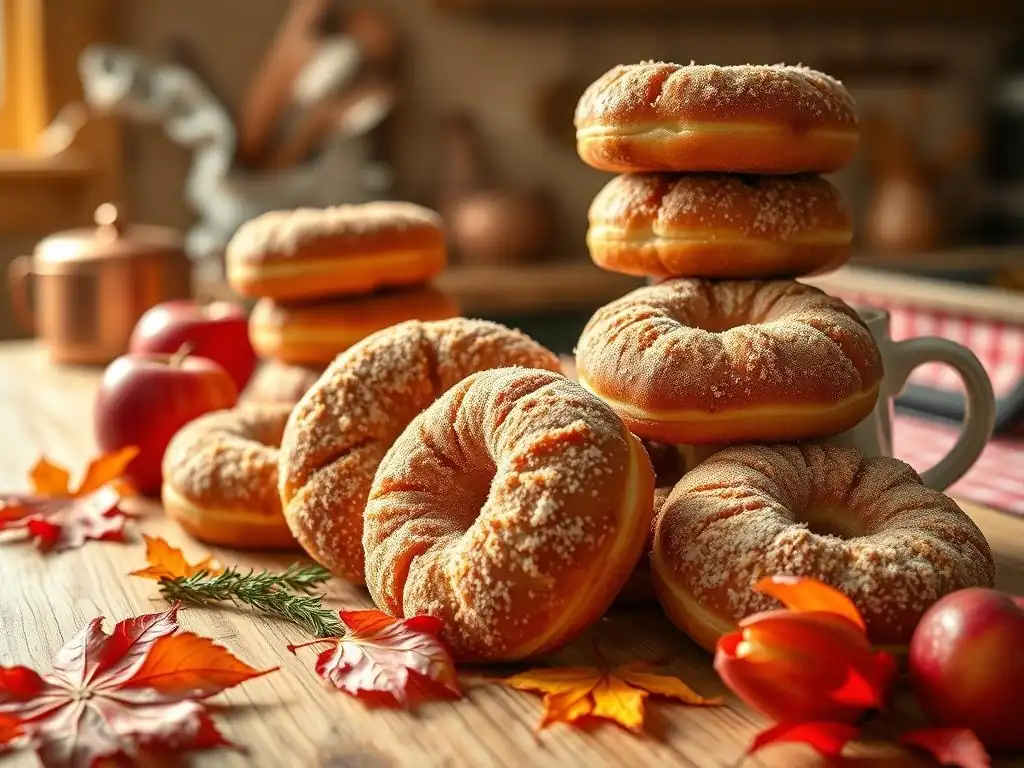
The Essence of Fall: Apple Cider Doughnuts and Regional Celebrations
Apple cider doughnuts are the quintessential taste of autumn, particularly popular in apple-growing regions of the Northeast and Midwest. Their appearance coincides with apple harvest season, becoming a staple at orchards, farm stands, and fall festivals. More often cake-style than yeast-raised, these doughnuts are infused with the warm, spiced flavor of apple cider, capturing the cozy essence of the season and embodying a beloved regional tradition tied directly to agricultural cycles.
The flavor comes primarily from reducing apple cider until it's concentrated and syrupy, then incorporating this reduction into the dough. This process intensifies the apple flavor significantly. They are typically flavored with warm spices like cinnamon, nutmeg, and sometimes allspice or cloves, complementing the apple notes perfectly. Often, the freshly fried doughnuts are immediately tossed in a mixture of cinnamon and sugar, creating a delightful spiced crust that is absolutely irresistible on a crisp autumn day. These are a prime example of seasonal regional doughnuts recipes variations.
Apple Cider Doughnut Recipe: Capturing the Flavors of the Season
To make authentic apple cider doughnuts at home, the first crucial step is reducing the apple cider. You'll typically need to simmer several cups of fresh apple cider down to a much smaller, concentrated amount (e.g., starting with 4 cups and reducing to 1 cup). This reduction process can take 20-30 minutes or more, depending on the heat, but it's essential for getting that deep apple flavor into the dough.
The dough itself is usually a simple cake doughnut batter made with flour, sugar, eggs, butter, baking powder or soda, spices, and the cooled cider reduction. The batter is often stiff enough to be rolled out and cut, or it can be piped or spooned, depending on the desired shape. Frying is done at a moderate temperature (around 350°F or 175°C) until they are golden brown. Immediately after frying, tossing them in cinnamon sugar is customary, ensuring the sugar adheres to the warm surface and providing that iconic sweet and spiced coating characteristic of these regional doughnuts recipes variations.
Beyond the Basics: Other Notable Regional Doughnut Recipes
Amish Doughnuts: A Simple and Delicious Treat
Amish doughnuts, found in communities across states like Pennsylvania, Ohio, and Indiana, are a testament to the beauty of simplicity in baking. Often made from a basic yeast-raised dough, they are typically larger and heartier than mass-produced varieties. Recipes are often passed down through generations, emphasizing quality ingredients and traditional techniques, which often include frying in lard or oil until they achieve a deep golden brown color and a wonderfully soft interior.
These regional doughnuts recipes variations are usually finished with minimal adornment – a simple sugar glaze, a dusting of powdered sugar, or sometimes left plain. The focus is truly on the quality and texture of the dough itself. They are a staple at community gatherings, bake sales, and small, local bakeries within or near Amish settlements. Their unpretentious nature and delicious results make them a beloved part of regional American baking.
Long John Doughnuts (Midwest): A Raised Doughnut with Chocolate or Maple Frosting
Long Johns are a popular regional doughnut, particularly prevalent in the Midwest. Distinctly elongated in shape, they are made from a classic yeast-raised dough, similar to a bar or a filled eclair shell. What defines a Long John are its shape and its typical toppings. They are fried until light and airy and then usually topped with a generous layer of either chocolate or maple frosting.
Some regional doughnuts recipes variations of the Long John include a cream filling, turning them into a variation often called a "Bismarck" or "cream stick," depending on the region. However, the simple frosted version remains a staple. Their substantial size and sweet frosting make them a satisfying treat and a common sight in bakeries throughout the Midwest, standing out among the round doughnuts with their unique shape and straightforward, delicious appeal.
Tips for Perfecting Your Regional Doughnut Recipes
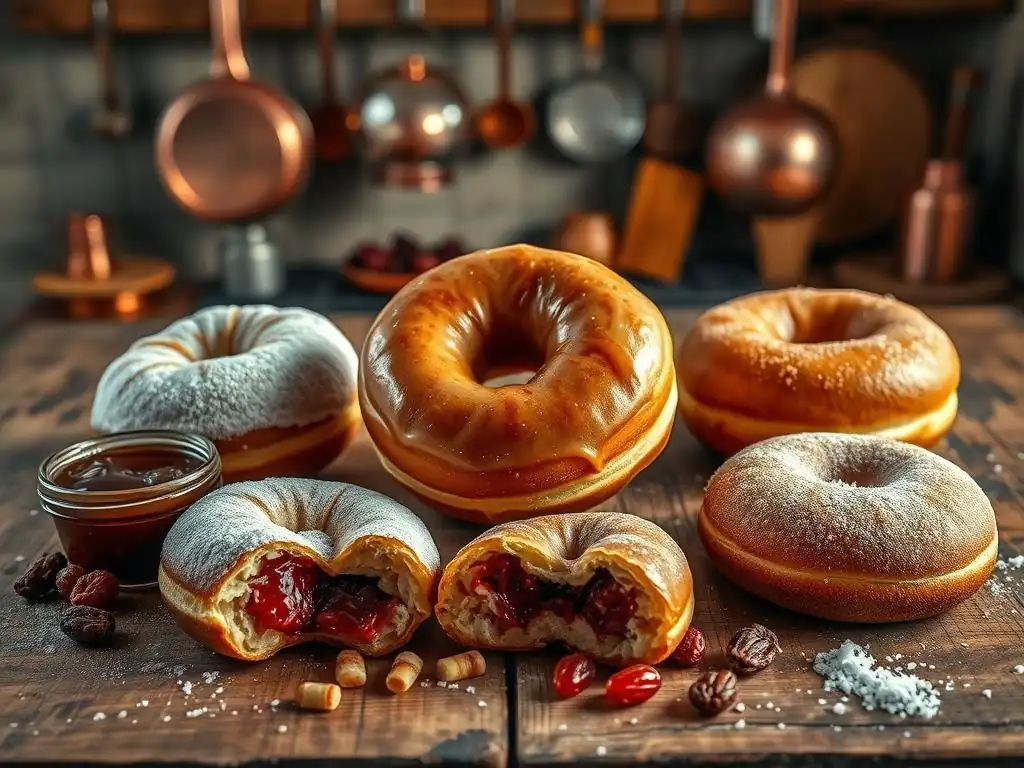
Mastering Doughnut Frying Techniques
Frying is perhaps the most critical step in achieving perfect regional doughnuts recipes variations. The temperature of your oil is paramount; too cool, and your doughnuts will absorb too much oil and become greasy; too hot, and they'll brown too quickly on the outside while remaining raw inside. Aim for a temperature range between 350°F and 375°F (175°C-190°C), depending on the specific recipe and type of dough (cake doughnuts often prefer a slightly lower temperature than yeast). Using a deep-fry thermometer is highly recommended for accuracy.
Equally important is managing the batch size. Overcrowding the pot dramatically lowers the oil temperature, leading to uneven cooking and greasy results. Fry only a few doughnuts at a time, allowing the oil temperature to recover between batches. Flip the doughnuts halfway through frying for even browning. Once fried, immediately transfer them to a wire rack placed over a baking sheet to drain excess oil before glazing or topping.
Choosing the Right Ingredients for Authentic Regional Flavors
Authenticity in regional doughnuts recipes variations often hinges on using the correct ingredients. For Fastnachts and Spudnuts, the type and preparation of the potato component matter – whether using mashed potatoes, potato flour, or flakes. For Apple Cider doughnuts, reducing real apple cider is non-negotiable for capturing that intense fall flavor; apple juice is not a substitute. Similarly, using fresh, quality spices like cinnamon and nutmeg is key for the warm, aromatic profile of these and other spiced varieties.
Consider the fat used for frying as well. While vegetable oil is common and effective, some traditional recipes, particularly for Fastnachts or Amish doughnuts, might call for lard, which can impart a subtly different flavor and texture. Choosing the right type of flour (all-purpose is standard for many, but some recipes might benefit from bread flour for chewiness or cake flour for tenderness) and ensuring your yeast is fresh and active are fundamental steps that contribute significantly to the success of any regional doughnut recipe.
Glazing and Topping Ideas for Regional Doughnut Recipes
The final touch on regional doughnuts recipes variations is often the glaze or topping, which can define its regional identity. For Beignets and traditional Fastnachts, a generous dusting of powdered sugar is classic and essential. Apple Cider doughnuts are typically tossed in cinnamon sugar while warm. For raised doughnuts like Long Johns or basic Amish varieties, a simple powdered sugar glaze made with confectioners' sugar and milk or water is common.
Beyond the classics, feel free to explore variations that respect the doughnut's base. A maple glaze is perfect for Long Johns or yeast rings, especially when paired with bacon bits for a sweet and salty twist. A chocolate glaze is another staple. For cake doughnuts, a simple vanilla bean glaze or even a fruit-based glaze can complement the dense crumb. The key is to apply glazes while the doughnuts are still warm but not hot enough to melt the glaze completely, allowing it to set properly.
The Joy of Baking Regional Doughnuts at Home
Baking regional doughnuts recipes variations at home is a rewarding experience that allows you to connect with diverse American culinary traditions. Each recipe offers a unique challenge and a delicious outcome, from the satisfying density of a Fastnacht to the airy puff of a Beignet. Sharing these homemade treats with family and friends is a wonderful way to introduce them to flavors they might not have encountered before, fostering appreciation for the rich tapestry of regional baking that exists across the country.
Think of each batch as a mini-cultural journey. Making Spudnuts might spark conversations about the historical Spudnut shops, while frying Fastnachts can become a cherished Shrove Tuesday ritual. These regional doughnuts recipes variations are more than just food; they are carriers of history, memory, and community. Embracing the process, imperfections and all, is part of the joy, culminating in the simple pleasure of biting into a warm, freshly made doughnut that tells a story.
BakeWithEase: Your Guide to Exploring American Regional Baking
At BakeWithEase, we believe that exploring regional doughnuts recipes variations should be accessible and enjoyable for everyone, regardless of their baking experience level. Our goal is to demystify these traditional recipes, providing clear, step-by-step guidance that empowers you to recreate these American classics in your own kitchen. We strive to offer tips on ingredients, techniques, and troubleshooting common issues like frying or proofing, ensuring your regional baking adventures are successful and delicious.
Whether you're attempting your first batch of Beignets or perfecting your Apple Cider doughnut technique, BakeWithEase is here to support you. We aim to be your trusted resource for understanding the nuances of different regional doughnuts recipes variations, helping you achieve authentic flavors and textures. Dive into the world of American regional baking with us and discover the simple joy of making these iconic treats from scratch.
Frequently Asked Questions
What are "Regional Doughnuts" and why are they special?
Regional doughnuts are doughnut variations that are specific to a particular area or culture. They are special because they often reflect local ingredients and traditions.
What is a "Fastnacht" and where does it originate from?
A Fastnacht is a type of doughnut, traditionally made and eaten on Fastnacht Day (Shrove Tuesday). It originates from Pennsylvania Dutch communities in the United States.
Does BakeWithEase offer recipes for doughnuts beyond just Fastnachts?
Yes, BakeWithEase aims to provide recipes for a wide range of regional doughnut variations. This includes recipes using different techniques and ingredients.
Are the recipes on BakeWithEase suitable for beginner bakers?
BakeWithEase provides simple and easy-to-follow recipes designed for bakers of all skill levels. Step-by-step guides and easy-to-find ingredients make it accessible for beginners.
How can I find the "Regional Doughnuts Recipes Variations" on BakeWithEase?
You can find these recipes by searching on BakeWithEase.com using the keywords "Regional Doughnuts Recipes Variations" or by browsing the doughnuts section.
Final Reflection: A Sweet Legacy, A Doughy Future
The enduring appeal of regional doughnuts transcends mere culinary preference; it's a testament to the power of shared cultural heritage and the enduring human need for comfort and connection. These sweet treats, far from being simple pastries, are living stories, carrying within their unique flavors and textures the echoes of generations past and the promise of future gatherings. From the rich, spiced heart of a Fastnacht to the airy lightness of a beignet, each bite offers a glimpse into a distinct community and its traditions.
The exploration of these diverse regional variations has been a journey not just through recipes, but through the very fabric of human experience. The act of sharing a doughnut, whether it's a family tradition passed down through generations or a spontaneous act of kindness with a stranger, speaks volumes about our shared humanity. Food is symbolic of love when words are inadequate.
– Alan D. Wolfelt. This simple truth resonates deeply when considering the profound emotional connection we have with these seemingly simple treats. The variations we've explored highlight the ingenuity and adaptability of human culture, reflecting the unique environments and histories that have shaped each recipe.
Now, it's your turn. Consider the regional doughnuts you've encountered, the memories they evoke, and the stories they tell. Perhaps you'll be inspired to try a new recipe, to share a cherished family tradition, or simply to savor the next doughnut you eat with a deeper appreciation for its rich history and cultural significance. Let the sweet legacy of regional doughnuts inspire you to explore your own culinary heritage and to create new memories around this timeless treat.
Unleash Your Inner Baker: Doughnut Adventures Await!
Thanks for joining us on a delicious journey through the world of regional doughnuts! We hope you discovered some new favorites and gained inspiration for your next baking project. Ready to take your doughnut game to the next level?
- Dive into a Fastnacht recipe: This is your chance to try one of the regional gems we highlighted! Find a recipe online and get baking.
- Share your doughnut creations: Show off your baking skills and inspire others by sharing photos of your creations on social media using #BakeWithEaseDoughnuts.
- Explore a new regional treat: Don’t limit yourself! Use this article as a springboard to research and try other unique doughnuts from around the world.
What unique doughnut flavor combination will you create next?