
Hand Mixer vs. Stand Mixer: Which Tool Does Your Baking Need?

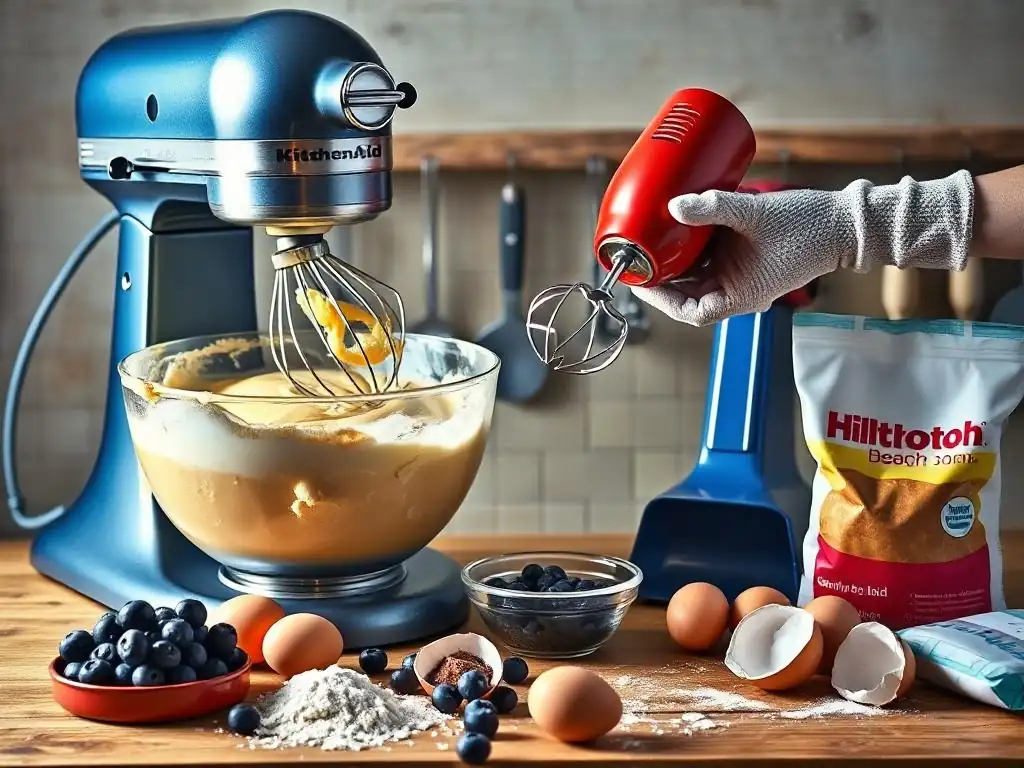
Welcome to BakeWithEase, your trusted companion in the baking journey! Are you ready to unlock the secrets to effortless baking success? Choosing the right equipment can make all the difference, and in this guide, we're diving deep into the world of mixers. We'll help you decide which is right for your baking needs.
Thinking of upgrading? Or are you just starting out and need to choose one? Discover if the best hand mixer for baking is the perfect tool for your kitchen, or if a stand mixer is the key to unlocking your baking potential. Let's explore the options and get you mixing like a pro!
- Understanding Your Baking Needs: Hand Mixers and Stand Mixers Compared
- Hand Mixer Deep Dive: Advantages and Use Cases
- Stand Mixer Spotlight: Power and Efficiency
- Hand Mixer vs. Stand Mixer: A Detailed Comparison Table
- Making the Right Choice: Matching the Mixer to Your Baking Aspirations
- Tips for Maintaining Your Baking Mixer
- Final Verdict: Which Mixer Complements Your Baking Journey?
-
Frequently Asked Questions
- What are the main differences between a hand mixer and a stand mixer for baking?
- Which type of mixer is better for beginners learning to bake?
- Can a hand mixer effectively make bread dough, especially sourdough?
- What are the key features to look for when choosing the best hand mixer for baking?
- Is a stand mixer always the superior choice for all baking tasks?
- Final Reflection: The Perfect Mix: Choosing the Right Tool for Your Baking Journey
- Choose Your Perfect Mixer and Elevate Your Baking!
Understanding Your Baking Needs: Hand Mixers and Stand Mixers Compared
Before diving into the world of mixers, take a moment to assess your personal baking journey. Are you someone who whips up a batch of cookies once a month for a special occasion, or do you find yourself kneading dough weekly for fresh bread? Your frequency and the types of recipes you enjoy most are key indicators of which mixer will serve you best.
A casual baker might find the simplicity and ease of a hand mixer perfectly adequate, while a dedicated enthusiast tackling complex recipes might benefit immensely from the power and stability of a stand mixer. Consider how much time you spend baking and the level of effort you want to invest in the mixing process.
Your baking style also dictates the ideal tool. If you love experimenting with delicate meringues, stiff doughs, or large cake batters, a stand mixer offers consistent power and hands-free operation that can be a game-changer. Conversely, if your go-to recipes are simple batters, frostings, or whipping small quantities of cream, a good hand mixer provides the necessary power and flexibility without taking up much space. Thinking about the kinds of baking you do most often – cookies, cakes, breads, pastries – will help clarify the demands you'll place on a mixer and guide you towards the right choice.
Identifying Your Baking Style and Frequency
Understanding how often you bake and what you typically create is the first step in choosing the best hand mixer for baking or deciding if a stand mixer is a better fit. If you bake occasionally, perhaps just for birthdays or holidays, and your recipes are usually simple cakes, cupcakes, or quick bread batters, a basic hand mixer (often available for under $50) is likely more than sufficient. It handles these tasks efficiently and requires minimal storage space, making it ideal for the infrequent baker who prioritizes convenience and cost-effectiveness.
For the passionate baker who is in the kitchen several times a week, tackling diverse projects from rustic sourdough to elaborate layer cakes, the demands on a mixer are much higher. Kneading dense doughs for extended periods, whipping large quantities of egg whites to stiff peaks, or creaming butter and sugar until light and fluffy are tasks where a stand mixer excels. While the upfront cost is significantly higher (often $200-$500+), the power, durability, and hands-free operation it provides can dramatically improve results and save time for the frequent, ambitious baker.
Considering Batch Sizes for Mixing
The quantity of ingredients you typically mix in one go is a crucial factor in the hand mixer vs. stand mixer debate. If you usually bake for a small household or make single batches of cookies (yielding, say, 2-3 dozen), a hand mixer with a capacity suited for 4-6 cups of dry ingredients is often perfectly capable. Its smaller size and portability make it easy to navigate around a standard mixing bowl, effectively combining ingredients for these smaller volumes without strain on the motor or the baker's arm.
However, when you're baking for a large gathering, preparing multiple batches of dough simultaneously, or working with recipes that require significant volume (like a triple batch of frosting or a large loaf of challah), a stand mixer becomes invaluable. Their large bowls (often 4.5 to 7 quarts) are designed to handle substantial amounts of ingredients, and their powerful motors are built to handle the stress of kneading heavy doughs or whipping large quantities of ingredients for extended periods. Attempting these tasks with a hand mixer can lead to motor burnout, overheating, and an uncomfortable, lengthy process for the baker.
Analyzing Your Kitchen Space and Storage
Kitchen real estate is often at a premium, and the size of a mixer is a practical consideration. A hand mixer is relatively compact, easily fitting into a drawer or a small cupboard. It doesn't require dedicated counter space during storage and can be quickly pulled out and put away, making it ideal for kitchens with limited counter area or storage options. This ease of storage is a significant advantage for anyone who values a clutter-free kitchen environment.
In contrast, stand mixers are substantial appliances. They require a dedicated spot on the counter or a large, accessible cupboard for storage. While some models are sleek and designed to be displayed, they still occupy a significant footprint, typically ranging from 10x15 inches up to 14x17 inches or more. If your kitchen is small or already packed with appliances, finding a permanent home for a stand mixer might be a challenge. This physical presence is a key difference when evaluating the best hand mixer for baking versus a powerful stand mixer.
Hand Mixer Deep Dive: Advantages and Use Cases
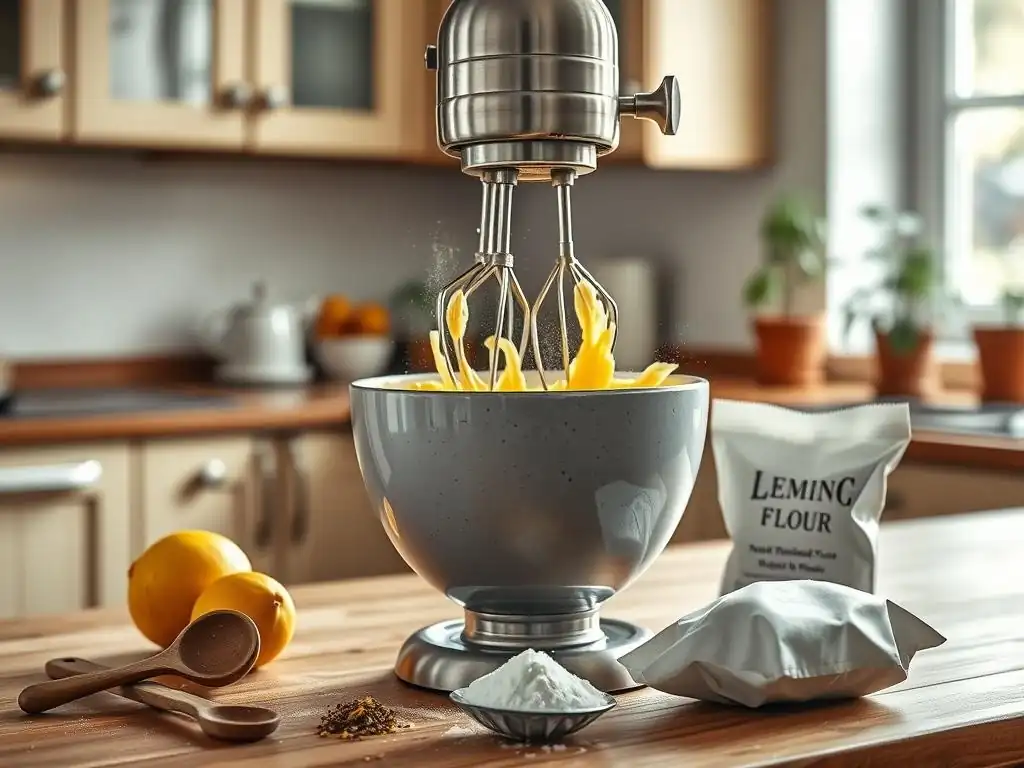
Hand mixers are the workhorses of many home kitchens, offering convenience and versatility for a wide range of baking tasks. They are portable, easy to store, and generally more affordable than stand mixers, making them an excellent entry point for beginner bakers or those with limited space. While they may lack the raw power of their stand mixer counterparts, modern hand mixers are surprisingly capable and come with features that make them indispensable for many recipes.
From whipping a small amount of cream to mixing a quick cake batter or frosting, a good hand mixer handles everyday tasks with ease. They are particularly useful for incorporating ingredients gently, like folding in dry ingredients into a wet batter or adding chocolate chips to cookie dough without overmixing. Their maneuverability allows you to scrape down the sides of the bowl effectively as you mix, ensuring all ingredients are incorporated evenly.
The Benefits of Using a Hand Mixer for Baking
Hand mixers offer several distinct advantages, making them a popular choice for many home bakers. Their primary appeal lies in their convenience and accessibility. You can use a hand mixer with any bowl you choose, from a small glass bowl for whipping a single egg white to a large mixing bowl for a cake batter, offering flexibility that a stand mixer's fixed bowl cannot match.
Furthermore, the tactile control a hand mixer provides allows you to feel the consistency of your batter or dough as you mix, giving you direct feedback. This can be particularly helpful when you're just learning to bake and need to understand what different stages of mixing should look and feel like. For anyone seeking the best hand mixer for baking on a budget or with limited space, these benefits are often the deciding factors.
Portability and Storage Advantages of Hand Mixers
One of the most significant benefits of a hand mixer is its remarkable portability. Unlike a heavy stand mixer anchored to the counter, a hand mixer can be used anywhere there's an electrical outlet. This means you can mix ingredients directly in the pot you're using for frosting or in a bowl placed on any stable surface in your kitchen. This flexibility is particularly useful when you're working in a smaller kitchen or need to move between different workstations.
Their compact size also makes storage incredibly simple. Most hand mixers, even those considered the best hand mixer for baking with higher power, are small enough to fit into a standard kitchen drawer or a small cabinet space. They don't require dedicated counter space, which is a major advantage for those living in apartments or homes with limited kitchen square footage. Often, they come with a small case or clip to keep the beaters neatly organized alongside the mixer itself.
Hand Mixer Cost-Effectiveness for Beginner Bakers
For those just starting their baking journey, the cost of equipment can be a barrier. Hand mixers are significantly more affordable than stand mixers, with quality models available in the $30 to $100 range. This lower entry cost allows new bakers to acquire a capable mixing tool without a large financial investment, enabling them to experiment with recipes and develop their skills.
Choosing a good hand mixer means you can start baking a wide variety of recipes – from simple cakes and cookies to meringues and frostings – without committing to the higher price tag of a stand mixer. As skills and passion grow, a baker might eventually upgrade, but a reliable hand mixer remains a useful tool even after a stand mixer is acquired, proving its cost-effectiveness over time. Many consider the best hand mixer for baking to be the one that offers reliable performance at an accessible price point.
Hand Mixer Versatility for Small Baking Tasks
A hand mixer truly shines when handling smaller tasks that might be awkward or inefficient in a large stand mixer bowl. Whipping a single egg white, making a quick batch of whipped cream (about 1-2 cups), or mixing a small amount of frosting (enough for a dozen cupcakes) are perfect jobs for a hand mixer. Its smaller beaters and greater maneuverability allow for better contact with small quantities of ingredients.
Beyond baking, hand mixers are also versatile for other kitchen tasks, like mashing potatoes, mixing salad dressings, or even whipping instant pudding. This multi-purpose utility further enhances the value of having a hand mixer on hand. While not designed for heavy-duty kneading, for everyday mixing of batters and creams in smaller quantities, a hand mixer is often the most practical and efficient tool.
Key Features to Look For in a Hand Mixer
When shopping for a hand mixer, several features differentiate a basic model from the best hand mixer for baking. Pay attention to motor power, speed settings, ergonomics, and included attachments. These elements directly impact the mixer's performance, ease of use, and versatility for different baking tasks.
A robust motor is essential, especially if you plan to tackle slightly thicker batters or doughs. Comfortable handling and easy-to-clean attachments also significantly improve the user experience. Considering these key features will help you select a hand mixer that meets your current and future baking needs.
Variable Speed Settings for Precise Mixing
One of the most important features of a good hand mixer is variable speed control. Basic models might only offer 3-5 speeds, while more advanced ones can have 6, 9, or even more, often with a 'turbo' boost option. Having a range of speeds allows for greater control over the mixing process. You can start on a low speed to gently incorporate dry ingredients without creating a cloud of flour, then gradually increase the speed to whip or beat ingredients to the desired consistency.
Precise speed control is particularly vital for tasks like whipping egg whites or cream, where starting slow and gradually increasing speed leads to more stable results. It also helps prevent overmixing delicate batters. When looking for the best hand mixer for baking, prioritize models that offer fine-tuned speed adjustments rather than just a few broad settings.
Ergonomic Design for Comfortable Handling
Baking often involves mixing for several minutes, so the comfort of the tool in your hand is crucial. An ergonomic design ensures that the mixer feels balanced and comfortable to hold, reducing hand fatigue. Look for mixers with a handle that fits well in your grip and controls that are easy to access with your thumb.
The weight of the mixer also plays a role in comfort. While a sturdy motor adds weight, the overall design should distribute it well. Some models feature non-slip grips or angled handles designed for better leverage. Holding the mixer in the store, if possible, can give you a good sense of its ergonomic qualities, helping you choose the best hand mixer for baking that you'll actually enjoy using.
Durable Attachments for Different Baking Needs
Most hand mixers come standard with a pair of beaters, typically made of chrome or stainless steel. However, the best hand mixer for baking often includes additional attachments that expand its capabilities. Dough hooks are useful for light kneading of bread or pizza dough, though they won't handle heavy, sticky doughs as well as a stand mixer. Whisk attachments are excellent for whipping egg whites or cream to airy perfection.
Consider the types of baking you do most often and look for a hand mixer that includes the relevant attachments. Ensure the attachments are made from durable material, ideally stainless steel, which is rust-resistant and easy to clean. Some mixers offer specialized attachments like milkshake blenders or immersion blender shafts, though standard beaters, whisks, and dough hooks are the most common for baking.
Stand Mixer Spotlight: Power and Efficiency
Stand mixers are the undisputed champions of heavy-duty mixing tasks in the home kitchen. Their powerful motors, sturdy construction, and hands-free operation make them indispensable for serious bakers tackling challenging recipes regularly. While they require a significant investment and dedicated space, the efficiency and consistent results they provide can elevate your baking to the next level.
Designed to handle large volumes and thick consistencies, stand mixers feature a fixed bowl and a mixing head that either spins on an axis within the bowl (planetary action) or uses rotating beaters within a rotating bowl. Planetary action is the most common in modern stand mixers and ensures thorough mixing by reaching all parts of the bowl.
The Power of Stand Mixers for Complex Baking
Stand mixers are built with robust motors, often ranging from 300 watts up to 1000 watts or more, specifically designed to handle the stress of mixing dense ingredients. This power is essential for tasks that would quickly overwhelm a hand mixer, such as kneading stiff bread doughs or mixing large, heavy cake batters. The motor's strength allows for consistent performance even under significant load, preventing stalling or overheating.
This sheer power, combined with specialized attachments like dough hooks, makes stand mixers uniquely suited for complex baking projects. They can develop gluten in bread dough effectively, cream large quantities of butter and sugar for extended periods to achieve the perfect texture, and handle recipes that require prolonged mixing times without user fatigue.
Stand Mixer Capacity for Large Batches
One of the primary reasons bakers opt for a stand mixer is its large bowl capacity. Standard stand mixer bowls range from about 4.5 quarts to 7 quarts, with some professional-style models offering even larger capacities. A 5-quart bowl, for instance, can comfortably handle dough for 2-4 standard loaves of bread, batter for 8-10 dozen cookies, or a recipe using 12-15 egg whites.
This generous capacity is ideal for baking for large families, entertaining, or preparing items for events. It significantly reduces the need to mix multiple batches, saving time and effort. While some of the best hand mixer for baking options can handle medium-sized batches, they cannot compete with the sheer volume a stand mixer can process in a single go.
Hands-Free Operation: A Stand Mixer's Time-Saving Benefit
Perhaps the most celebrated advantage of a stand mixer is its hands-free operation. Once you've added the ingredients and started the mixer, you are free to attend to other tasks in the kitchen, such as greasing pans, measuring subsequent ingredients, or cleaning up. This multitasking capability is a significant time-saver for busy bakers.
For recipes that require specific mixing times at certain speeds, like creaming butter and sugar for 5-8 minutes or kneading dough for 10-12 minutes, a stand mixer performs the work consistently while you focus elsewhere. This not only makes the baking process more efficient but also ensures more consistent results, as the mixer isn't subject to the variations in speed and pressure that can occur with manual mixing or using a hand mixer for extended periods.
Consistent Mixing Results with Stand Mixers
Stand mixers, particularly those with planetary mixing action, are designed to provide exceptionally consistent and thorough mixing. The beater rotates while simultaneously moving around the perimeter of the stationary bowl, ensuring that ingredients are incorporated from all sides and the bottom. This minimizes the need to stop and scrape down the bowl manually, especially with well-designed attachments.
This consistency is crucial for achieving reliable baking results. Whether you're developing gluten structure in bread dough, emulsifying fats and liquids in cake batter, or whipping air into egg whites, a stand mixer provides the steady power and uniform motion needed for optimal texture and volume every time. While a best hand mixer for baking can achieve good results, maintaining consistent speed and thoroughness across a large or thick batch is more challenging.
When to Choose a Stand Mixer for Baking Projects
A stand mixer is the tool of choice when your baking ambitions extend to recipes that require significant power, long mixing times, or large volumes. If your passion involves regularly making bread, tackling delicate meringues or soufflés, or baking for a crowd, a stand mixer is likely a worthwhile investment.
Consider your most frequent or desired baking projects. If they involve challenging textures or high quantities, a stand mixer will not only make the process easier but often lead to superior results compared to using a hand mixer or mixing by hand.
Baking Bread and Heavy Doughs with a Stand Mixer
Kneading bread dough is arguably where a stand mixer proves its value most definitively. Developing the gluten structure necessary for a well-risen loaf requires significant effort and consistent kneading over an extended period (often 8-12 minutes). Doing this by hand is physically demanding and time-consuming. While some of the best hand mixer for baking models come with dough hooks, they are typically only suitable for very small, light doughs and cannot handle the stickiness and density of standard bread dough without straining the motor.
A stand mixer with a powerful motor and a dedicated dough hook attachment makes this process effortless. It kneads the dough thoroughly and consistently, developing the gluten effectively and saving the baker considerable time and physical strain. For anyone who bakes bread regularly, a stand mixer is almost a necessity.
Whipping Cream and Meringue with Optimal Results
Achieving perfectly whipped cream or stable, voluminous meringue requires incorporating air into ingredients over several minutes at varying speeds. While a hand mixer can do this, especially with a whisk attachment, a stand mixer offers superior control and consistency, particularly for larger quantities. The continuous, even motion of a stand mixer ensures that air is incorporated uniformly throughout the mixture.
Using a stand mixer frees your hands to monitor the whipping process and avoid over-whipping (which turns cream into butter or makes meringue grainy). For recipes requiring large volumes of whipped cream (like for a large trifle) or a substantial amount of meringue (for a pie or pavlova), the capacity and hands-free operation of a stand mixer make it the optimal tool for achieving light, airy, and stable results consistently.
Large-Scale Cookie and Cake Production
If you frequently bake large batches of cookies (say, 6 dozen or more at a time) or large, multi-layer cakes, a stand mixer's capacity and power are invaluable. Creaming large quantities of butter and sugar until pale and fluffy, a crucial step for many cookie and cake recipes, is easily handled by a stand mixer's powerful motor and paddle attachment over the required 5-8 minutes.
Mixing large volumes of batter, especially thicker batters like pound cake or dense cookie doughs, can be challenging and messy with a hand mixer. A stand mixer contains the ingredients within its deep bowl and powers through the mixing process efficiently, ensuring all ingredients are thoroughly combined without straining the appliance or the baker. For anyone involved in frequent, high-volume baking, a stand mixer significantly streamlines the process.
Hand Mixer vs. Stand Mixer: A Detailed Comparison Table
Choosing between a hand mixer and a stand mixer involves weighing several factors. Below is a comparison highlighting key differences to help you decide which aligns best with your baking habits and needs.
| Feature | Hand Mixer | Stand Mixer |
|---|---|---|
| Typical Cost | $30 - $100+ | $200 - $500+ (often $300-$400 for popular models) |
| Motor Power | 150W - 300W+ | 300W - 1000W+ |
| Capacity | Small to medium batches (e.g., 2-3 dozen cookies, 1 small cake) | Large batches (e.g., 8-10 dozen cookies, 2-4 bread loaves) |
| Weight | Lightweight (typically 1-3 lbs) | Heavy (typically 15-30 lbs) |
| Size/Storage | Compact, fits in drawer/cabinet | Large, requires dedicated counter/cabinet space |
| Operation | Requires manual holding | Hands-free (mixer does the work) |
| Best For | Everyday tasks, small batches, quick mixes | Heavy doughs, large batches, long mixing times |
| Versatility | Good for batters, creams, light doughs | Excellent for heavy doughs, whipping, large mixes |
| Attachments | Beaters, whisk, dough hooks (basic) | Paddle, whisk, dough hook (standard), many optional |
This table provides a quick overview, but let's delve into some of these comparisons in more detail.
Comparing Price Points
The financial investment is often a major deciding factor. Hand mixers are significantly more budget-friendly, making them accessible to virtually anyone who wants to start baking. You can find a perfectly capable hand mixer for under $50, and even high-end models considered the best hand mixer for baking rarely exceed $150. This low cost makes them a great starting point or a practical choice for infrequent bakers.
Stand mixers, conversely, represent a more substantial investment. Popular models from brands like KitchenAid or Cuisinart typically start in the $200-$300 range and can easily go up to $500 or more for larger or professional-style machines. While this is a higher upfront cost, the durability and capabilities of a stand mixer are designed to last for many years, potentially decades, for frequent bakers.
Comparing Power and Performance
The power difference between hand mixers and stand mixers is perhaps the most significant distinction in their performance capabilities. Hand mixers typically have motors in the 150W to 300W range. This is sufficient for mixing batters, whipping cream, and handling light doughs, but they can struggle and overheat when faced with dense cookie doughs or sticky bread dough.
Stand mixers are equipped with much more powerful motors, ranging from 300W for smaller models up to 1000W or more for larger machines. This power allows them to effortlessly knead heavy doughs for extended periods, cream large quantities of ingredients thoroughly, and handle the demands of professional-level recipes. When your baking involves challenging textures or large volumes, the power difference is undeniable.
Comparing Versatility and Attachments
Both types of mixers offer versatility, but in different ways, largely dictated by their attachments. A hand mixer's versatility comes from its portability and ability to be used with different bowls. Standard attachments include beaters, whisks, and sometimes dough hooks, covering most basic baking needs like mixing batters, whipping, and light kneading. The best hand mixer for baking might include a storage case for these attachments.
Stand mixers, while fixed to one location, offer incredible versatility through a wide array of available attachments beyond the standard paddle, whisk, and dough hook. These can include pasta makers, meat grinders, vegetable spiralizers, ice cream makers, and more, transforming the mixer into a multi-purpose kitchen appliance. This expands the stand mixer's utility far beyond just mixing for baking.
Comparing Ease of Use and Cleaning
Ease of use and cleaning are important practical considerations. Hand mixers are straightforward to use: simply insert the beaters, plug it in, and press a button. Their lightweight nature makes them easy to maneuver around a bowl. Cleaning typically involves popping out the beaters and washing them, while the mixer body can be wiped down. This process is generally quick and simple.
Stand mixers are largely hands-free during operation, which makes complex mixing tasks less physically demanding. However, they are heavier to move and store. Cleaning involves detaching the bowl and attachment, which are often dishwasher safe, but the head and base still need to be wiped down, which can be slightly more involved due to their size and shape. While the mixing process is easier, the setup and cleanup can take a little longer than with a hand mixer.
Making the Right Choice: Matching the Mixer to Your Baking Aspirations
Deciding between a hand mixer and a stand mixer ultimately comes down to aligning the tool with your personal baking aspirations, habits, and practical constraints like budget and space. Neither mixer is inherently "better" than the other; they simply serve different purposes and excel at different tasks.
Consider where you are in your baking journey and where you want to go. Are you content with simple, everyday recipes, or are you aiming to master complex techniques and bake large volumes? Your answer will point you towards the mixer that will be the most valuable addition to your kitchen.
Choosing a Hand Mixer for Everyday Baking
For the casual or beginner baker, or anyone primarily making standard cakes, cookies, muffins, or frostings in small to medium batches, a hand mixer is often the ideal choice. It provides sufficient power for these tasks, is easy to store and use, and is significantly more affordable. It allows you to explore a wide range of recipes without a large upfront investment or requiring dedicated counter space.
The best hand mixer for baking in this context is one that offers multiple speeds for control, feels comfortable to hold, and comes with sturdy beaters and perhaps a whisk attachment. It's perfect for whipping up a batch of brownies on a weeknight or mixing frosting for cupcakes for a school event – tasks where convenience and quick cleanup are prioritized.
Selecting a Stand Mixer for Serious Bakers
If you consider yourself a serious baker, frequently tackle challenging recipes like artisan bread, French macarons, or elaborate tiered cakes, or consistently bake large quantities for events or meal prep, a stand mixer is a game-changer. Its power, capacity, and hands-free operation are essential for efficiently and effectively handling the demands of these projects.
While the cost and size are significant factors, the time saved, the consistency of results, and the ability to effortlessly handle tasks that are difficult or impossible with a hand mixer make a stand mixer a worthwhile investment for the dedicated baker. It's a kitchen workhorse that enables a higher level of baking complexity and volume.
Hybrid Approaches: Using Both Hand and Stand Mixers
It's also worth noting that many experienced bakers find value in owning both a hand mixer and a stand mixer. While the stand mixer handles large batches and heavy-duty tasks, the hand mixer remains invaluable for quick, small jobs that aren't worth pulling out the large machine for – like whipping a small amount of cream or mixing a single egg white.
Having both provides maximum flexibility. You can use the stand mixer for the main batter of a large cake and the hand mixer to whip a small amount of egg whites for a different component or make a quick glaze. This hybrid approach ensures you always have the right tool for the job, whether it's a demanding dough or a delicate drizzle.
Tips for Maintaining Your Baking Mixer
Proper maintenance is key to ensuring the longevity and optimal performance of both hand and stand mixers. Regular cleaning and care will keep your appliance running smoothly and prevent issues down the line, protecting your investment in your baking tools.
Always consult your mixer's user manual for specific cleaning and maintenance instructions, as procedures can vary slightly between models and brands.
Hand Mixer Maintenance Tips for Longevity
Maintaining a hand mixer is relatively simple. The most important step is to clean the beaters and the mixer body immediately after each use. Most beaters are dishwasher safe, but check your manual. If washing by hand, use warm, soapy water and ensure all batter or dough residue is removed, paying attention to the area where the beater connects to the mixer.
Wipe down the body of the hand mixer with a damp cloth, ensuring no liquid gets into the motor vents. Store the mixer and its attachments in a dry place, ideally in a dedicated case or organized drawer, to protect them from dust and damage. Avoid running the motor for extended periods beyond its recommended limits, especially when mixing thicker consistencies, to prevent overheating and motor strain, which can shorten its lifespan. Treating your best hand mixer for baking with care ensures it serves you well for years.
Stand Mixer Maintenance Tips for Optimal Performance
Stand mixers require slightly more attention due to their size and complexity. Always detach the bowl and attachment immediately after use and clean them thoroughly. Most bowls and standard attachments (paddle, whisk, dough hook) are dishwasher safe, but check your manual, especially for coated attachments which may require hand washing to prevent chipping.
Wipe down the head and base of the mixer with a damp cloth, ensuring the motor housing is kept dry. Periodically, check the attachment hub and the locking mechanism of the head for any residue buildup and clean as necessary. Some stand mixers require occasional lubrication of internal gears; consult your manual for guidance on this. Avoid overloading the mixer with ingredients beyond its stated capacity and don't force the motor if it sounds strained, as this can cause damage. Regular cleaning and respecting the mixer's limits will keep your stand mixer performing optimally for all your baking projects.
Final Verdict: Which Mixer Complements Your Baking Journey?
Choosing between a hand mixer and a stand mixer isn't about finding a universally "better" tool, but rather the best tool for you. It depends entirely on your individual baking habits, goals, budget, and kitchen constraints. Both appliances have their place in the baking world and can be invaluable depending on how you bake.
Reflect on the types of recipes you love or want to explore, the frequency with which you bake, the amount of space you have, and how much you're willing to invest. This self-assessment is the clearest path to determining which mixer will truly complement and enhance your personal baking journey.
Prioritizing Your Baking Goals and Budget
If your baking goals are centered around simple, everyday recipes, occasional treats, or baking in smaller quantities, and your budget is modest, a hand mixer is likely the most practical and cost-effective choice. You can find a best hand mixer for baking that handles these tasks efficiently without requiring a significant financial outlay or taking up much space. It's a versatile tool for getting started or maintaining a casual baking hobby.
However, if your aspirations involve mastering complex techniques, baking large volumes regularly, or tackling recipes like homemade bread or elaborate pastries that require sustained power and capacity, and your budget allows, investing in a stand mixer will open up new possibilities and make these tasks much more manageable and successful.
The Perfect Mixer for Your Baking Style: A Summary
Ultimately, the perfect mixer is the one that fits seamlessly into your kitchen and your baking routine.
- Choose a Hand Mixer if:
- You bake occasionally or in small batches.
- Your recipes are primarily simple batters, frostings, or quick breads.
- You have limited counter space or storage.
- You are a beginner baker on a budget.
- You value portability and quick cleanup.
- You are looking for the best hand mixer for baking basic items.
- Choose a Stand Mixer if:
- You bake frequently and in large batches.
- You regularly make bread or heavy doughs.
- You tackle complex recipes requiring long mixing times or specific techniques (like meringue).
- You have dedicated counter space and a larger budget.
- You value hands-free operation and consistent, powerful mixing.
- Consider Owning Both if:
- You are a passionate, frequent baker who tackles both large, complex projects and small, quick tasks.
- You want maximum flexibility and efficiency for any baking challenge.
No matter which mixer you choose, remember that the most important ingredient in any baking project is your passion and creativity! Happy baking!
Frequently Asked Questions
What are the main differences between a hand mixer and a stand mixer for baking?
The primary difference lies in convenience and power. Hand mixers are portable and suitable for smaller tasks, while stand mixers offer hands-free operation and can handle larger batches and tougher doughs.
Which type of mixer is better for beginners learning to bake?
A hand mixer is often recommended for beginners due to its lower cost and ease of use. They're less intimidating and perfect for learning basic baking techniques.
Can a hand mixer effectively make bread dough, especially sourdough?
While a hand mixer can handle some bread doughs, it's generally not recommended for stiff or large batches, especially sourdough. A stand mixer is better suited for the intensive kneading required.
What are the key features to look for when choosing the best hand mixer for baking?
Consider the number of speeds, power (wattage), ergonomic design, and included attachments like whisks and dough hooks. Look for a model that feels comfortable to hold and offers sufficient power for your needs.
Is a stand mixer always the superior choice for all baking tasks?
No, a stand mixer isn't always necessary. For small batches of cookies, cakes, or whipped cream, a hand mixer is often more convenient and easier to clean. It depends on the volume and complexity of the recipe.
Final Reflection: The Perfect Mix: Choosing the Right Tool for Your Baking Journey
The quest for the perfect baked good often begins with the perfect tool. Choosing between a hand mixer and a stand mixer isn't just about power; it's about understanding your baking needs and aspirations. This decision, seemingly simple, reflects a deeper commitment to the craft and the joy of creating delicious treats.
The impact of these seemingly small kitchen appliances on our baking experiences is profound. They're more than just machines; they're extensions of our creativity, allowing us to translate recipes into reality. The satisfying whir of a stand mixer, the nimble control of a hand mixer – each experience shapes our relationship with baking. As Julia Child once said, Find something you're passionate about and keep tremendously interested in it.
This applies not just to the baking itself, but also to the tools that empower us to pursue our passion. The right tool can unlock a world of culinary possibilities, fostering confidence and inspiring further exploration.
So, as you consider your next baking project, remember the insights shared in this article. Don't just choose a mixer; choose a partner in your culinary journey. Consider your baking style, the frequency of your baking, and the types of recipes you enjoy. This thoughtful approach will lead you to the perfect tool, empowering you to create delicious memories, one batch at a time. Embrace the process, experiment with different techniques, and most importantly, enjoy the sweet rewards of your labor.
Choose Your Perfect Mixer and Elevate Your Baking!
Thank you for diving into the world of mixers with us! We hope you now have a clearer understanding of the essential differences between hand mixers and stand mixers. Your baking journey just got a boost, and it’s time to take that newfound knowledge and put it into action!
Here are some steps you can take right now:
- Evaluate your baking habits and decide whether a hand mixer or stand mixer would suit your needs best. Consider your kitchen space and typical recipes!
- Share your favorite mixer tips or experiences in the comments below—let's inspire each other to bake better!
- If you're feeling adventurous, try a new recipe you've always wanted to tackle—maybe even a challenging cake or bread that poses an exciting opportunity for your chosen mixer!
What delicious creation will you bake next with your perfect mixer?