
Is a Pizza Stone Worth It? Comparing Pizza Baking with Stone and Dutch Oven.

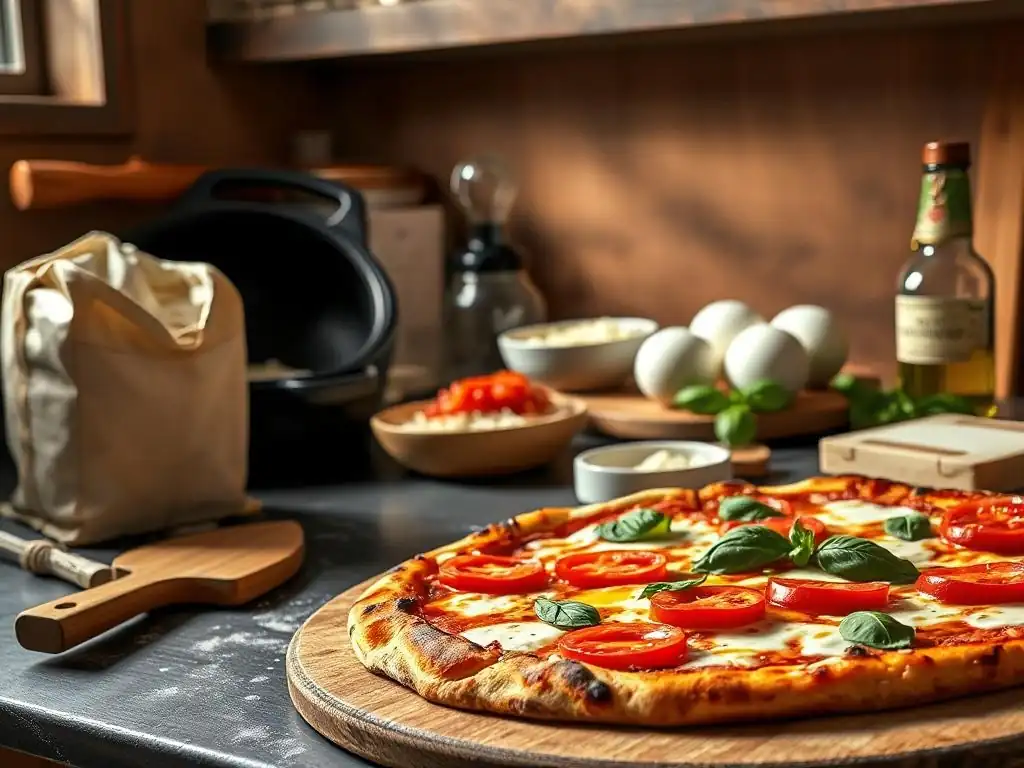
Welcome to BakeWithEase, your trusted guide to baking brilliance! Ever wondered if a pizza stone is truly worth the hype? Dive into our latest article exploring the pizza stone baking benefits and comparing it to the trusty Dutch oven. Discover which method reigns supreme for achieving that perfect, crispy crust and delectable flavor. Prepare to elevate your pizza game – the answer might surprise you!
- Achieving Pizza Perfection at Home: Pizza Stone vs. Dutch Oven
- Introduction: Selecting the Right Method for Authentic Home Pizza
- Understanding Pizza Stone Baking Benefits
- Exploring Dutch Oven Pizza Baking
- Pizza Stone vs. Dutch Oven: A Detailed Comparison
- Achieving Optimal Results: Tips for Using a Pizza Stone
- Mastering Dutch Oven Pizza Baking: Practical Tips
- Pizza Stone or Dutch Oven: Which Is Right For You?
- Conclusion: Recommending the Best Method for Your Pizza
-
Frequently Asked Questions
- What are the primary pizza stone baking benefits compared to using a Dutch oven?
- Does using a pizza stone significantly improve the crust's texture?
- Are there any specific types of pizza dough that benefit most from being baked on a pizza stone?
- How does the heat distribution differ between a pizza stone and a Dutch oven when baking pizza?
- What are some potential drawbacks of using a pizza stone for baking?
- Final Reflection: The Humble Stone, a World of Flavor
- Unleash Your Inner Pizzaiolo!
Achieving Pizza Perfection at Home: Pizza Stone vs. Dutch Oven
Introduction: Selecting the Right Method for Authentic Home Pizza
A Guide to Home Pizza Baking
Creating delicious, authentic pizza at home is a rewarding culinary pursuit, but selecting the right tools can significantly impact the final result. Two popular methods stand out for achieving high-quality crusts in a standard home oven: using a pizza stone and baking in a Dutch oven. Both techniques aim to replicate aspects of a professional pizza oven's intense heat, but they go about it in different ways, leading to distinct outcomes in crust texture and overall bake. Understanding these differences is key to choosing the method that best suits your desired pizza style and baking workflow.
This guide delves into the specifics of each method, exploring how they work, their unique advantages, and practical tips for success. We'll compare the benefits of pizza stone baking against the results achieved with a Dutch oven, helping you decide which approach aligns best with your home pizza-making aspirations. Whether you crave a super-crispy Neapolitan-style bottom or a uniformly puffed, chewy crust, the right piece of equipment can elevate your homemade pizza from good to truly exceptional.
Understanding Pizza Stone Baking Benefits
How Pizza Stones Work and Their Impact on Crust
Pizza stones are typically made from ceramic, cordierite, or even cast iron. Their primary function is to absorb and retain a significant amount of heat when preheated in an oven, often reaching temperatures around 500°F (260°C) or higher. When a pizza is placed directly onto the hot stone, this stored thermal energy is rapidly transferred to the bottom of the crust.
This quick transfer of intense heat is crucial because it causes the moisture in the dough to flash into steam, creating a significant oven spring in the crust edges while simultaneously crisping the bottom. The porous nature of many stones also helps to absorb excess moisture from the dough, further contributing to a dry, crispy base.
The rapid heat transfer from a preheated stone mimics the effect of a very hot surface in a professional pizza oven, such as a ceramic deck. This process is what gives authentic pizzas their characteristic crispy bottom crust without drying out the toppings. The stone maintains a consistent high temperature throughout the bake, ensuring that the crust cooks evenly and quickly, typically in just 5 to 10 minutes depending on the oven and dough thickness. Understanding these mechanics is fundamental to appreciating the unique pizza stone baking benefits.
Key Advantages of Using a Pizza Stone
Superior Crust Crispiness
One of the most lauded pizza stone baking benefits is the unparalleled crispiness it imparts to the bottom crust. The direct, intense heat transfer from the preheated stone to the dough's base ensures that moisture is quickly driven out, resulting in a firm, crackly texture that is difficult to achieve on a standard baking sheet.
For those who prioritize a crispy foundation that holds up to toppings without becoming soggy, a pizza stone is often the preferred tool. This direct contact with a searing hot surface is the secret to achieving that satisfying crunch with every bite, a hallmark of great pizza.
Even Heat Distribution
Pizza stones excel at distributing heat evenly across their surface. Unlike a metal baking sheet which can have hot spots, a stone absorbs and radiates heat more uniformly. This consistent temperature across the baking surface helps prevent uneven cooking, ensuring that the entire bottom of the pizza bakes at the same rate. This even heat distribution is a significant advantage for achieving a perfectly cooked crust from edge to center, contributing reliably to the overall quality and pizza stone baking benefits.
Achieving Authentic Pizza Oven Style
Using a pizza stone is arguably the closest a standard home oven can get to replicating the environment of a traditional pizza oven. The intense, direct heat on the bottom of the crust, combined with the oven's ambient heat cooking the top and edges, mirrors the cooking process in brick or deck ovens. This method helps develop the classic characteristics of authentic pizza, including a puffy, airy cornicione (edge crust) and a well-structured base capable of supporting toppings. Embracing pizza stone baking benefits means getting one step closer to that pizzeria-quality pie right in your own kitchen.
Exploring Dutch Oven Pizza Baking
How Dutch Ovens Create a Unique Pizza Baking Environment
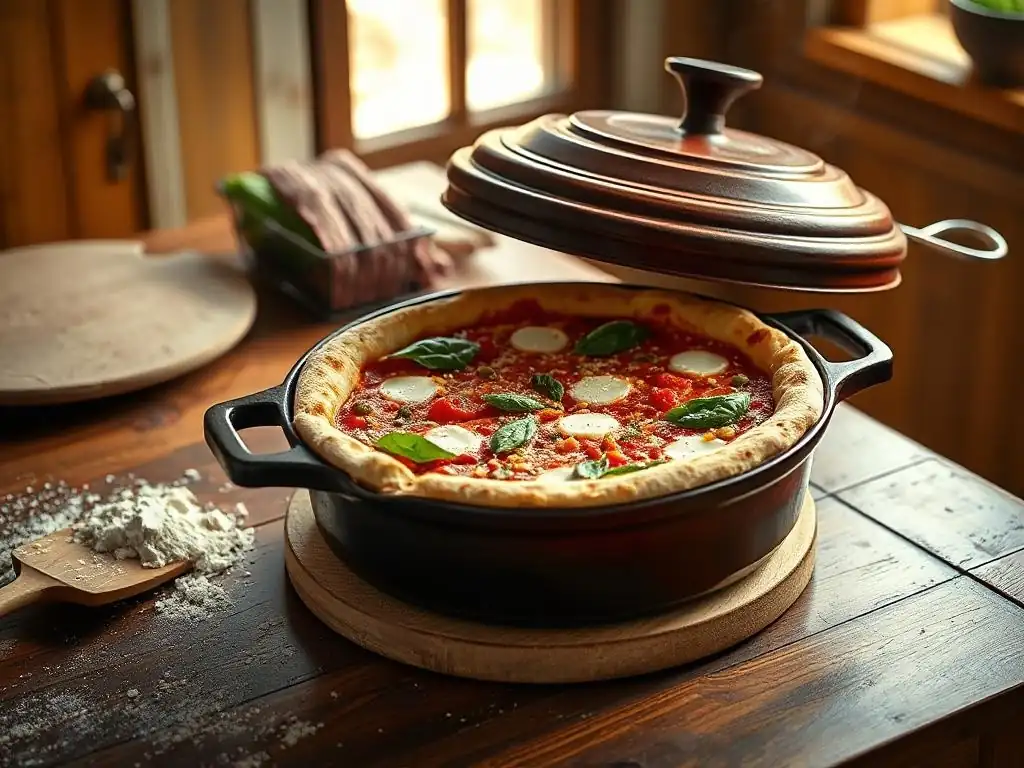
Baking pizza in a Dutch oven, particularly a cast iron one, creates a distinctly different environment compared to a pizza stone. The Dutch oven is preheated along with the oven, typically to very high temperatures, often 500°F (260°C) or more. The dough is then carefully transferred into the scorching hot pot. The enclosed nature of the Dutch oven traps steam released from the dough as it bakes. This trapped steam creates a humid microclimate around the pizza, which initially keeps the crust moist and pliable, allowing it to achieve maximum oven spring and a very airy structure.
As the baking progresses, the lid is usually removed for the final few minutes. This allows the steam to escape, and the direct heat from the oven can then brown and crisp the top of the crust and melt the cheese effectively. The thick walls of the cast iron Dutch oven retain and radiate intense heat, ensuring the crust bakes quickly and evenly from all sides, leading to a uniformly cooked and often chewier crust compared to the crispier bottom achieved with a pizza stone.
Advantages of Dutch Oven Pizza
High Heat Retention for a Well-Baked Crust
Dutch ovens, especially those made of cast iron, are renowned for their exceptional heat retention properties. When preheated to high temperatures, they become incredibly hot and maintain that heat consistently throughout the baking process. This intense, even heat radiating from the pot's walls and base ensures that the pizza crust bakes rapidly and thoroughly, developing a desirable structure and chewiness. This high heat retention is a key advantage, particularly for achieving a well-risen and cooked crust throughout.
Versatility for Other Dishes
Beyond baking pizza, a Dutch oven is an incredibly versatile piece of kitchen equipment. It can be used for baking bread, braising meats, simmering stews, frying, and much more. This multi-functionality makes a Dutch oven a valuable investment for any kitchen, offering uses far beyond just pizza night. If kitchen space is limited or you value tools with multiple applications, the versatility of a Dutch oven adds significant value compared to a single-purpose item like a pizza stone.
Enclosed Environment for Even Cooking
The sealed environment created by the lid of a Dutch oven during the initial baking phase provides a unique benefit: incredibly even cooking. The trapped steam and radiant heat from the pot ensure that the crust bakes uniformly, promoting maximum rise and a light, airy interior structure. This method often results in a crust that is consistently cooked through, without the risk of a burnt bottom before the top is ready, which can sometimes be a challenge with extremely high temperatures on a stone if not managed carefully.
Pizza Stone vs. Dutch Oven: A Detailed Comparison
Crust Quality: Crispness and Texture
The most significant difference lies in the resulting crust texture. Pizza stone baking benefits include a distinctly crispier bottom crust due to direct, intense heat transfer and moisture absorption. Think classic New York or Neapolitan style bottoms that snap slightly when folded. Dutch oven baking, on the other hand, tends to produce a crust that is uniformly cooked, often chewier, and airier throughout, with less emphasis on bottom crispness and more on overall puffiness and structure. The initial steam environment promotes a softer, more pliable crust structure before the final crisping phase.
Baking Time: Speed and Efficiency
Both methods are relatively fast compared to baking on a standard sheet pan, typically cooking a pizza in 5 to 10 minutes at high temperatures. However, the preheating time for both a stone and a Dutch oven is substantial, often requiring 30 minutes to an hour to reach the desired temperature (around 500°F / 260°C).
Once preheated, placing a pizza directly onto a stone might result in a slightly faster bottom bake, while the Dutch oven requires carefully lowering the pizza in, potentially taking a few extra seconds. Neither method holds a significant advantage in overall speed once the oven and equipment are hot.
Ease of Use and Handling
Handling a pizza stone requires a pizza peel to transfer the raw pizza onto the hot stone and retrieve the finished one. Mastering the peel technique can take practice to prevent sticking and misshapen pizzas. Pizza stones are also heavy and fragile; they can crack if subjected to rapid temperature changes or dropped.
Dutch ovens, while also heavy, are typically more robust and less prone to cracking. Transferring the pizza into a hot Dutch oven can be slightly more challenging due to the confined space, often requiring parchment paper or a careful folding technique. Retrieving the pizza is usually easier as you can lift the pot out.
Versatility: Beyond Pizza Baking
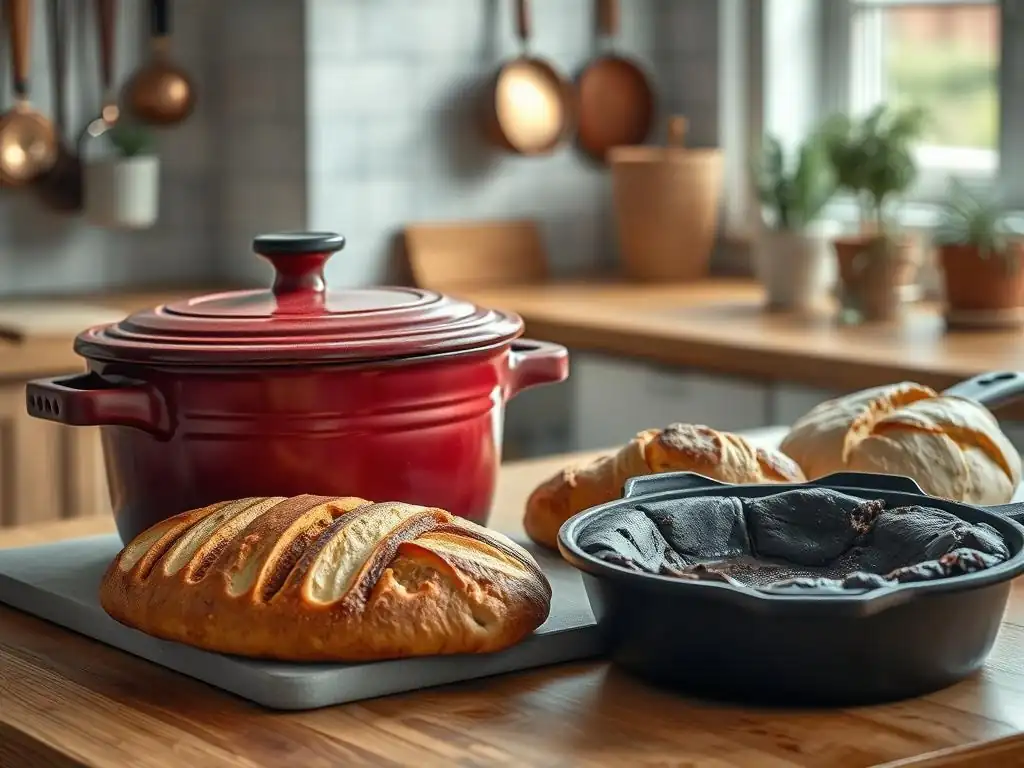
As mentioned earlier, the Dutch oven is a clear winner in terms of overall kitchen versatility. It's a workhorse for countless cooking methods, from baking bread to braising. A pizza stone, while excellent for pizza and sometimes flatbreads or rustic loaves, is a more specialized tool. If you're looking for a single piece of equipment that can do many jobs, the Dutch oven offers greater value beyond the specific pizza stone baking benefits.
Cleaning and Maintenance
Cleaning a pizza stone typically involves scraping off any burnt-on food bits and wiping it down once it has completely cooled. Avoid soap, as it can soak into the porous material and impart flavors. Stones should also be thoroughly dried before storage.
Dutch ovens, especially enameled cast iron ones, are generally easier to clean with soap and water after cooling. Bare cast iron Dutch ovens require seasoning and careful drying to prevent rust, similar to cast iron pizza stones. Spills and burnt cheese are often easier to manage on the smooth surface of an enameled Dutch oven than on the rough surface of a stone.
Cost Comparison: Initial Investment and Longevity
The initial cost of a pizza stone can vary widely based on material and size, generally ranging from $20 to $100. Cordierite stones, known for durability, might be on the higher end. Dutch ovens, particularly high-quality cast iron or enameled versions, represent a more significant investment, often costing anywhere from $50 to $300 or more, depending on brand and size.
However, a well-maintained Dutch oven can last a lifetime, making it a potentially more cost-effective purchase in the long run, especially given its versatility. Pizza stones can last for many years if cared for properly, but they are more susceptible to breakage.
Achieving Optimal Results: Tips for Using a Pizza Stone
Preheating for Best Results
Proper preheating is paramount to unlocking the full pizza stone baking benefits. Place the stone in a cold oven before turning it on. This prevents thermal shock, which can cause the stone to crack.
Preheat the oven and the stone together at the highest possible temperature your oven safely reaches, typically 450°F to 550°F (230°C to 290°C), for at least 30 minutes, and ideally an hour. This ensures the stone is saturated with heat, ready to transfer that intense energy to the pizza crust the moment it makes contact. An insufficiently preheated stone will result in a pale, less crispy bottom crust.
Transfer Techniques: Preventing Sticking
Successfully transferring the pizza onto and off the hot stone requires a pizza peel, preferably one dusted generously with cornmeal, semolina flour, or regular flour. Prepare your pizza on the peel just before you're ready to launch it into the oven. This minimizes the time the dough sits on the peel, reducing the chance of it sticking. Give the peel a gentle shake to ensure the pizza slides freely before attempting the transfer. A quick, confident slide from the peel onto the hot stone is key. To retrieve the pizza, simply slide the peel underneath the cooked pie.
Pizza Stone Materials: Cordierite vs. Ceramic
When selecting a pizza stone, you'll primarily encounter ceramic and cordierite options. Ceramic stones are often more affordable but can be more prone to cracking from thermal shock. Cordierite stones, a material also used in kiln shelves, are generally considered more durable and resistant to cracking under high heat and temperature fluctuations. While both can provide excellent pizza stone baking benefits, a cordierite stone might be a better long-term investment for frequent high-temperature use. Cast iron pizza stones are also available, offering exceptional heat retention but requiring seasoning like other cast iron cookware.
Mastering Dutch Oven Pizza Baking: Practical Tips
Choosing the Right Size and Material
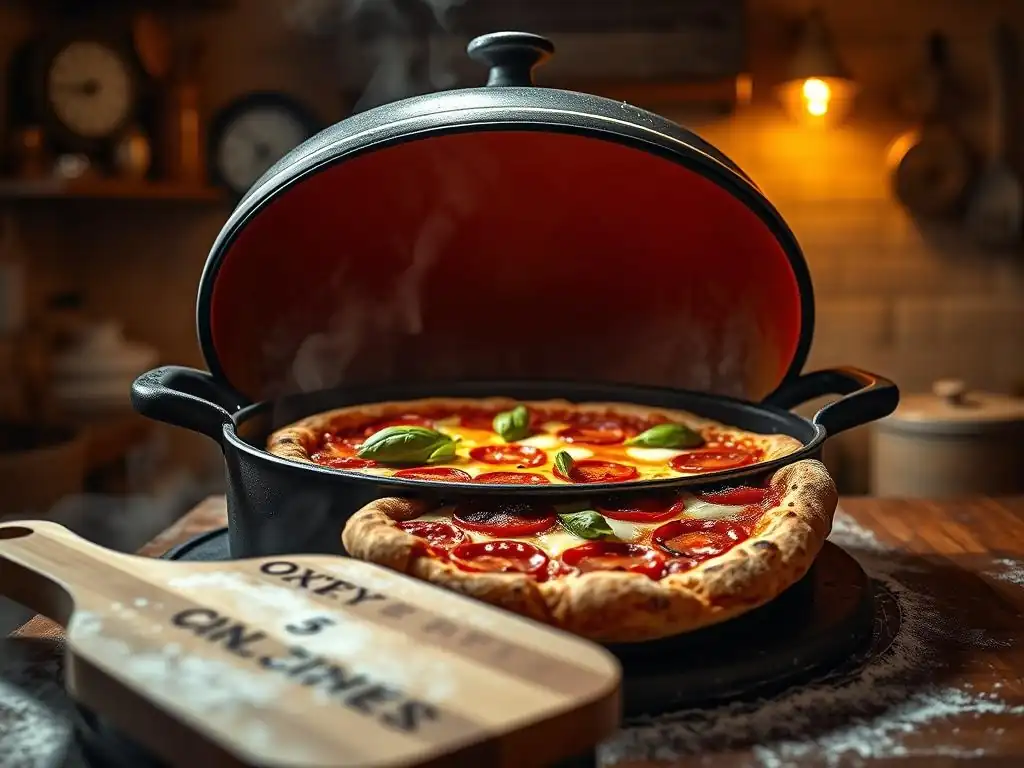
A 5 to 7 quart cast iron Dutch oven is typically a good size for baking one medium-sized pizza at a time (usually around 10-12 inches in diameter). Ensure the Dutch oven is oven-safe up to high pizza baking temperatures (500°F / 260°C or more), paying attention to the material of the knob if it's an enameled version (some plastic knobs are not high-heat safe and may need to be replaced). Bare cast iron and enameled cast iron are both excellent choices for heat retention, though enameled versions are easier to clean.
Preventing Sticking: Oil and Flour Techniques
To prevent the pizza dough from sticking to the bottom of the intensely hot Dutch oven, you can use parchment paper or a combination of oil and flour. Carefully lower the pizza dough onto a piece of parchment paper cut to size, then use the parchment paper to gently lower the pizza into the preheated pot. Alternatively, lightly oil the bottom of the preheated Dutch oven and then sprinkle it generously with cornmeal or semolina before adding the dough. Be extremely cautious when working with a scorching hot pot.
Temperature Control for Optimal Baking
For Dutch oven pizza, preheat the oven and the Dutch oven inside it to a high temperature, typically 500°F to 550°F (260°C to 290°C), for at least 30-60 minutes. Bake the pizza with the lid on for the first 8-12 minutes. This phase traps steam, promoting a great oven spring. Then, carefully remove the lid and continue baking for another 4-8 minutes, or until the crust is golden brown and the cheese is melted and bubbly. Removing the lid allows moisture to escape and the top of the pizza to finish cooking and brown properly.
Pizza Stone or Dutch Oven: Which Is Right For You?
Consider Your Baking Needs and Preferences
The choice between a pizza stone and a Dutch oven largely depends on the type of crust you prefer and your overall baking habits. If your primary goal is to achieve a super-crispy bottom crust reminiscent of traditional pizzeria pies, and you value the specific pizza stone baking benefits for that texture, a pizza stone is likely the better choice.
If you prefer a crust that is uniformly airy, chewy, and well-risen throughout, and you appreciate the simplicity of baking within an enclosed pot, the Dutch oven might be more suitable. Also consider how often you plan to make pizza; if it's a frequent activity, investing in the tool that best delivers your preferred result is worthwhile.
Evaluating Your Kitchen Equipment and Space
Think about what you already own. If you already have a high-quality cast iron Dutch oven, you might want to try baking pizza in it before purchasing a dedicated pizza stone. This allows you to experiment with the method at no additional cost. Consider your storage space as well; both items are heavy and bulky, but a Dutch oven might be easier to justify if it serves multiple purposes, whereas a pizza stone is more specialized. Your comfort level with handling hot, heavy items and transferring dough also plays a role.
Making the Right Choice for Your Pizza Baking Journey
Ultimately, the "best" method is subjective and comes down to personal preference and what you hope to achieve with your homemade pizza. Some dedicated home pizza makers even own and use both, depending on the style of pizza they are making on a given day. Reflect on the pizza stone baking benefits versus the Dutch oven advantages discussed. Which method's characteristics align most closely with your vision of the perfect pizza? Consider starting with the method that seems most appealing or accessible to you, and enjoy the journey of perfecting your home pizza technique.
Conclusion: Recommending the Best Method for Your Pizza
The Best Method for Achieving Your Pizza Baking Goals
Choosing between a pizza stone and a Dutch oven boils down to prioritizing specific crust characteristics and considering kitchen utility. For those seeking the quintessential crispy bottom crust that defines many classic pizza styles, the pizza stone offers unmatched pizza stone baking benefits through direct heat transfer and moisture absorption. It's a specialized tool that excels at this particular task.
If your preference leans towards an evenly cooked, airy, and chewy crust with excellent oven spring, and you value a piece of equipment that is incredibly versatile for a wide range of cooking methods, the Dutch oven is an outstanding choice. Neither method is inherently "better" than the other; they simply produce different, yet equally delicious, results. Your ideal method depends on your desired pizza outcome and how you plan to use your kitchen equipment.
Delving deeper into the world of home baking equipment can further enhance your skills. Exploring guides on selecting the right baking sheets, understanding different types of ovens, or mastering dough hydration can all contribute to your pizza-making prowess and overall baking success. Understanding the science behind heat transfer and its effect on dough, whether through pizza stone baking benefits or the steam environment of a Dutch oven, empowers you to troubleshoot and perfect your recipes. Keep experimenting and enjoy the delicious results of your home baking adventures!
Frequently Asked Questions
What are the primary pizza stone baking benefits compared to using a Dutch oven?
A pizza stone offers superior heat retention and promotes a crispier crust, while a Dutch oven can trap steam and create a softer crust. The stone also allows for easier launching and retrieval of the pizza.
Does using a pizza stone significantly improve the crust's texture?
Yes, the high heat of the stone helps to quickly cook the dough, creating a crispier exterior and a more desirable texture. This is a major advantage over other baking methods.
Are there any specific types of pizza dough that benefit most from being baked on a pizza stone?
Generally, all types of pizza dough can benefit. However, thinner crusts especially appreciate the intense heat and even cooking that a pizza stone provides.
How does the heat distribution differ between a pizza stone and a Dutch oven when baking pizza?
A pizza stone provides direct and even heat to the bottom of the pizza. A Dutch oven, while retaining heat well, tends to bake the pizza more evenly from all sides, which can result in a less crispy bottom.
What are some potential drawbacks of using a pizza stone for baking?
Pizza stones can be prone to cracking if not preheated properly or exposed to sudden temperature changes. They also require careful cleaning to avoid damaging the surface.
Final Reflection: The Humble Stone, a World of Flavor
The quest for the perfect pizza, a seemingly simple pursuit, reveals a surprising depth of culinary technique and a surprising amount of debate. From backyard barbecues to professional kitchens, the pursuit of that ideal crispy crust and perfectly melted cheese is a universal experience. This exploration of pizza stone versus Dutch oven baking highlights the significant impact even seemingly small choices can have on the final product.
The enduring appeal of traditional methods, like using a pizza stone, speaks volumes about our connection to food and craftsmanship. The simple act of placing dough on a heated stone, feeling the heat radiate, and watching the crust transform is a deeply satisfying experience. It connects us to generations of pizza makers who perfected this technique long before modern appliances. The best things in life are simple,
a phrase often overused, rings particularly true when considering the pure joy of a perfectly baked pizza, achieved through mindful technique and quality ingredients.
So, what's the takeaway? Consider this exploration not just as a comparison of kitchen tools, but as a reflection on the process itself. Don't just bake a pizza; experience the baking. Whether you choose the rustic charm of a pizza stone or the versatile warmth of a Dutch oven, the journey to a delicious pizza is a rewarding one. Embrace the experimentation, refine your technique, and savor the results. The perfect pizza awaits, and the journey to find it is just as delicious as the destination.
Unleash Your Inner Pizzaiolo!
Thanks for diving into the world of pizza-making with us! We hope you now feel confident in choosing the perfect tool for your next culinary masterpiece. Ready to take your pizza game to the next level?
- Bake the perfect pizza tonight! Grab your pizza stone (or Dutch oven! ), gather your favorite ingredients, and put your newfound knowledge to the test. Document your creation and share it with us!
- Experiment with different flours and toppings. What exciting flavor combinations will you discover?
- Share your pizza journey! Tag us on social media with your delicious creations using #BakeWithEasePizza. Let’s build a community of pizza enthusiasts!
What innovative pizza topping will you create next?