
Mastering Parker House Rolls: Elegant & Easy

Welcome to BakeWithEase!
Ever dreamed of serving up those perfectly golden, melt-in-your-mouth rolls that disappear in seconds? You're in the right place! Today, we're unlocking the secrets to a classic: our Parker House Rolls recipe. But what makes these rolls so special, and how can you achieve that signature delicate texture at home? Prepare to be amazed at how simple it is to create these elegant delights – let's get baking!
- Introduction to Parker House Rolls
- The Ultimate Parker House Rolls Recipe: BakeWithEase Edition
-
Step-by-Step Guide: Baking Parker House Rolls from Scratch
- Preparing the Dough: Activating the Yeast
- Kneading the Dough: Achieving the Right Consistency
- First Rise: Letting the Dough Prove
- Shaping Dinner Rolls: Techniques for Variety
- Second Rise: Proofing for Fluffiness
- Baking to Golden Perfection: Oven Temperature and Timing
- The Butter Bath: Adding Flavor and Shine
- Tips for Perfect Parker House Rolls Every Time
- Variations and Additions to Your Parker House Rolls
- Serving and Storing Your Homemade Parker House Rolls
- Parker House Rolls: A Baking Tradition
- Conclusion: Enjoying Your Effortlessly Elegant Parker House Rolls
-
Frequently Asked Questions
- What are Parker House rolls, and what makes them special?
- Is the Parker House rolls recipe on BakeWithEase suitable for beginner bakers?
- What are the key ingredients needed for the Parker House rolls recipe?
- How does BakeWithEase ensure the Parker House rolls recipe is easy to follow?
- Can I customize the Parker House rolls recipe from BakeWithEase?
- Final Reflection: The Enduring Charm of the Parker House Roll
- Unleash Your Inner Baker: Perfect Parker House Rolls Await!
Introduction to Parker House Rolls
What are Parker House Rolls and Why Bake Them?
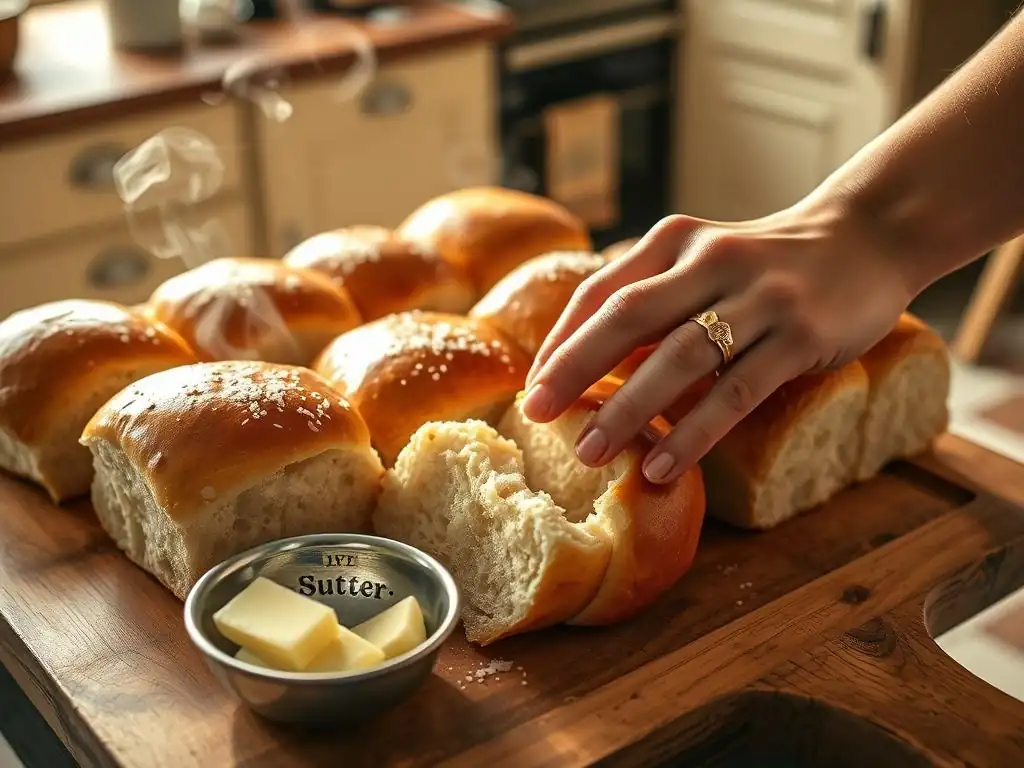
Parker House rolls are a classic American bread roll known for their distinctive folded shape, soft, buttery texture, and slightly sweet flavor. Unlike standard round dinner rolls, the Parker House variety is typically rolled flat, brushed with melted butter, folded in half, and then baked side-by-side in a pan, creating a tender crumb and a lovely, slightly crisp edge where they touch.
These rolls offer a delightful balance of elegance and simplicity, making them a perennial favorite for holiday tables and family meals alike. Baking a batch of Parker House rolls from scratch is a rewarding experience that yields a superior product compared to anything store-bought.
Diving into a Parker house rolls recipe allows you to control the quality of ingredients, resulting in unparalleled freshness and flavor. The process, while involving a few steps, is manageable for bakers of various skill levels and offers a hands-on connection to a beloved baking tradition. The aroma filling your kitchen as they bake is an added bonus! These rolls are not just bread; they are a statement of care and effort, perfect for elevating any meal from casual weeknight dinners to festive gatherings.
The Allure of Homemade Dinner Rolls: Taste and Texture
The true magic of homemade Parker House rolls lies in their exquisite taste and texture. A well-executed Parker house rolls recipe produces a roll with an incredibly soft, almost cloud-like interior crumb that practically melts in your mouth. This tenderness is often attributed to the use of milk and butter in the dough, enriching it and contributing to that desirable soft structure. The exterior is lightly golden brown, with the distinctive folded shape creating layers that are a joy to pull apart.
Furthermore, the generous brushing of melted butter, both during the shaping process and often immediately after baking, infuses the rolls with a rich, irresistible flavor. This butter "bath" not only adds depth but also contributes to the glossy, appealing finish and keeps the crust tender. The combination of the soft, buttery interior and the slightly crisp, flavorful exterior is what makes homemade Parker House rolls so utterly addictive and far superior to the often dry or less flavorful commercially produced versions.
The Ultimate Parker House Rolls Recipe: BakeWithEase Edition
Gathering Your Ingredients: The Dinner Rolls Checklist
Embarking on a classic Parker house rolls recipe requires a few fundamental baking ingredients, readily available in most kitchens. You'll need all-purpose flour, typically around 4 to 5 cups for a standard batch of 12-16 rolls, though this can vary slightly depending on humidity and flour type. Active dry or instant yeast is essential for leavening, usually 1 to 2 teaspoons or one standard 0.25-ounce packet. Granulated sugar provides food for the yeast and a touch of sweetness, while salt balances the flavors – about 1 to 1.5 teaspoons of fine sea salt or table salt is common.
Liquid ingredients are key to the rich texture. Whole milk is preferred for its fat content, warmed gently to activate the yeast, usually around 1 to 1.5 cups. Unsalted butter, melted and cooled slightly, is incorporated into the dough and used generously for brushing during shaping and after baking; expect to use anywhere from 4 to 8 tablespoons total. Finally, one large egg adds richness and helps create a tender crumb and golden crust. Having these items measured and ready before you begin simplifies the process and ensures you can move smoothly through the recipe steps.
Essential Baking Tools for Perfect Rolls
Having the right tools on hand makes the process of baking a Parker house rolls recipe significantly smoother and more enjoyable. A large mixing bowl is crucial for the initial dough mixing and the first rise; a capacity of at least 4 quarts is recommended to accommodate the dough doubling in size.
Accurate measuring cups and spoons are non-negotiable for consistency, ensuring the correct ratios of flour, liquid, and leavening agents. For kneading, a stand mixer fitted with a dough hook is a tremendous help, significantly reducing the manual effort, although kneading by hand on a clean counter is perfectly achievable.
You will also need a rolling pin to flatten the dough before cutting and shaping the rolls. A pastry brush is essential for applying the melted butter during the distinctive folding step and for the final butter bath after baking. A rectangular or square baking pan, typically 9x13 inches or similar, is ideal for baking Parker House rolls as they are meant to bake close together, supporting each other as they rise and create soft sides. Parchment paper is highly recommended to line the baking pan, preventing sticking and making cleanup a breeze.
Step-by-Step Guide: Baking Parker House Rolls from Scratch
Preparing the Dough: Activating the Yeast
The first step in many a Parker house rolls recipe is activating the yeast, a simple process that ensures your rolls will rise beautifully. Begin by warming the milk to the ideal temperature range for yeast activity, typically between 105°F and 115°F (40°C to 46°C). Temperatures much higher can kill the yeast, while cooler temperatures may not activate it effectively. Pour the warm milk into your mixing bowl, then sprinkle the yeast and a pinch of sugar over the top.
Let the mixture sit undisturbed for about 5 to 10 minutes. During this time, if the yeast is active, it will dissolve and begin to feed on the sugar, producing carbon dioxide. You'll see a foamy layer bloom on the surface of the milk, indicating that the yeast is alive and ready to leaven your dough.
If you don't see this foam, your yeast may be old or the milk temperature was incorrect, and it's best to start this step over with fresh yeast. Once the yeast is bubbly, you can proceed with adding the remaining ingredients like flour, salt, melted butter, and egg to form the dough.
Kneading the Dough: Achieving the Right Consistency
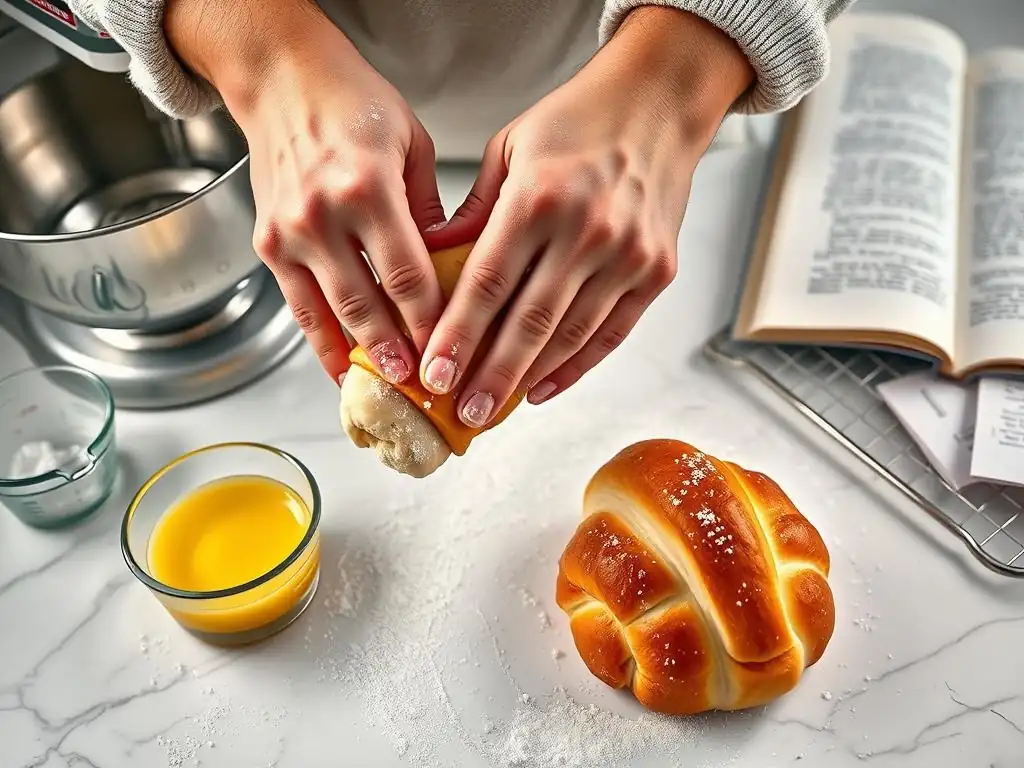
Kneading is a critical step in developing the gluten structure necessary for light and airy Parker House rolls. Once you've combined your activated yeast mixture with the rest of the ingredients, mix until a shaggy dough forms. Turn the dough out onto a lightly floured surface or use a stand mixer with a dough hook. Knead the dough for approximately 8-10 minutes by hand, or 6-8 minutes on medium speed in a stand mixer.
You'll know the dough is properly kneaded when it becomes smooth, elastic, and less sticky. A good test is the "windowpane test": gently stretch a small piece of dough. If it can be stretched thin enough to see light through it without tearing (like a windowpane), the gluten is well-developed. If it tears easily, continue kneading for a few more minutes. Proper kneading ensures your rolls will have that characteristic tender crumb and good structure, preventing them from being dense.
First Rise: Letting the Dough Prove
After kneading, the dough needs time to undergo its first rise, also known as bulk fermentation. This allows the yeast to produce carbon dioxide, causing the dough to expand and develop flavor. Lightly grease the mixing bowl with a little oil or melted butter, place the dough inside, and turn it to coat. Cover the bowl tightly with plastic wrap or a clean kitchen towel.
Place the covered bowl in a warm, draft-free spot. An oven with the light on (but the oven off) is a popular choice, as is a warm countertop away from vents. The dough should double in size, which typically takes about 1 to 1.5 hours, depending on the warmth of your environment and the yeast activity. This slow rise is crucial for developing the complex flavors characteristic of a great Parker house rolls recipe.
Shaping Dinner Rolls: Techniques for Variety
While the classic Parker House roll has a specific folded shape, the structure allows for discussing shaping techniques, and this recipe focuses on that unique form. After the first rise, punch the dough down gently to deflate it. Turn the dough out onto a lightly floured surface. For the signature Parker House shape, roll the dough out to an even thickness, usually about 1/2 inch.
Using a round cutter (a biscuit cutter around 2.5 to 3 inches works well), cut out circles of dough. Brush half of each circle generously with melted butter. Fold the unbuttered half over the buttered half, creating a semi-circle or clam-shell shape. Place the shaped rolls, buttered sides touching, into your prepared baking pan. This close arrangement helps them rise upwards and maintain their soft sides during baking.
Second Rise: Proofing for Fluffiness
Once the rolls are shaped and placed in the baking pan, they need a second rise, or proofing. This final rise is shorter than the first but equally important for achieving light and fluffy rolls. Cover the baking pan loosely with plastic wrap or a clean kitchen towel.
Let the rolls proof in a warm, draft-free place for about 30 to 45 minutes. They should look visibly puffier and lighter, almost doubling in size again, and they should be touching or nearly touching each other in the pan. This proofing stage allows the rolls to become airy before hitting the hot oven. Properly proofed rolls will have a tender, open crumb structure after baking.
Baking to Golden Perfection: Oven Temperature and Timing
Baking the Parker House rolls at the correct temperature and for the right amount of time is key to achieving that beautiful golden-brown crust and fully cooked interior. Preheat your oven to 375°F (190°C). This temperature ensures the rolls bake through without drying out or burning too quickly.
Place the proofed rolls in the preheated oven. The baking time typically ranges from 15 to 20 minutes, depending on your oven and the size of your rolls. You'll know they're done when the tops are a lovely golden brown and the internal temperature, measured with an instant-read thermometer, reaches about 190°F (88°C). Avoid opening the oven door too frequently during baking, especially in the first 10-12 minutes, as this can cause the rolls to deflate slightly.
The Butter Bath: Adding Flavor and Shine
The final touch in many a Parker house rolls recipe is the signature butter bath, applied as soon as the rolls emerge from the oven. While the rolls are still piping hot in their pan, generously brush the tops and sides with melted butter. This is often the remaining melted butter from the shaping step, or a fresh batch melted just before baking finishes.
The hot surface of the rolls will quickly absorb the butter, infusing them with extra richness and creating a soft, shiny crust. This step is crucial for both flavor and appearance, giving the rolls that irresistible buttery aroma and glossy finish that is so characteristic of this classic bake. Let the rolls cool slightly in the pan for a few minutes before serving warm.
Tips for Perfect Parker House Rolls Every Time
Troubleshooting Common Dinner Rolls Problems
Even with a great Parker house rolls recipe, you might encounter a few common issues. If your rolls turn out dense, it could be due to inactive yeast, insufficient kneading (gluten not developed), or under-proofing (not enough rise time). Ensure your yeast is fresh and active, knead until the dough passes the windowpane test, and allow ample time for both the first and second rises in a warm environment.
Another issue can be dry rolls, often caused by adding too much flour during kneading or over-baking. Use just enough flour to prevent sticking and bake only until golden and cooked through.
If the crust is too hard, it might be from over-baking or baking at too high a temperature. Using milk instead of water in the dough and incorporating butter helps tenderize the crust. Also, applying the final butter bath immediately after baking helps keep the crust soft. Tough rolls can result from over-kneading, which tightens the gluten too much. Pay attention to the kneading time and the feel of the dough – it should be elastic but not overly resistant.
Achieving a Light and Airy Texture
A truly exceptional Parker house rolls recipe delivers a light and airy texture, a hallmark of this classic bake. Several factors contribute to this desirable quality. Proper yeast activation and activity are fundamental; ensure your yeast is viable and the liquid is at the correct temperature (105-115°F or 40-46°C). Adequate kneading is also vital, developing the gluten structure to create a framework that can hold the air produced by the yeast. Kneading for the recommended 8-10 minutes by hand or 6-8 minutes by machine is usually sufficient.
Sufficient rising time during both the bulk fermentation (first rise) and proofing (second rise) allows the yeast to work effectively, filling the dough with carbon dioxide bubbles. Rushing these steps will result in denser rolls. Baking at the correct temperature (around 375°F or 190°C) ensures the rapid expansion of these gas bubbles before the structure sets, contributing to a light crumb. Finally, gentle handling of the dough, especially after the first rise when punching down and shaping, helps preserve the delicate air pockets.
Preventing Dryness: Hydration is Key
Preventing dryness is crucial for that signature soft Parker House roll texture, and hydration plays a significant role. The ratio of liquid to flour in your Parker house rolls recipe is important; using the specified amount of milk (typically 1 to 1.5 cups for 4-5 cups of flour) is key. Milk adds richness and contributes to a tender crumb more effectively than water alone. Avoid the temptation to add excessive amounts of extra flour during the kneading process, even if the dough seems a little sticky at first.
Sticky dough is often a sign of proper hydration. A well-kneaded dough will become less sticky as the gluten develops. If you must add flour while kneading, do so sparingly, a tablespoon at a time. Over-baking is another common culprit for dry rolls; bake only until they are golden brown and cooked through (internal temperature around 190°F or 88°C), typically 15-20 minutes. The final butter brush also adds moisture and helps seal the crust, contributing to a softer roll.
Mastering Different Dinner Roll Shapes
While the Parker house rolls recipe is defined by its unique folded shape, understanding how to shape dough is a fundamental skill applicable to many dinner roll types. The classic Parker House method involves rolling the dough to about 1/2 inch thick, cutting circles, brushing with butter, and folding. This technique creates the characteristic layers and soft, pull-apart texture. Mastering this specific fold is the focus here.
However, the same basic dough can often be used to create other simple dinner roll shapes. For round rolls, divide the dough into equal portions (e.g., 2-3 ounces each) and gently shape each piece into a smooth ball by tucking the edges underneath and rolling it against the counter with slight pressure. For knots, roll a portion into a rope and tie it into a knot. While this article focuses on the classic Parker House fold, practicing these basic shaping methods on this versatile dough can build confidence for other baking projects.
Variations and Additions to Your Parker House Rolls
Sweet Dinner Rolls: Adding a Touch of Sugar
While a classic Parker house rolls recipe is generally more savory than sweet, you can easily adapt the dough to lean slightly towards a sweeter profile. This is often done by increasing the amount of sugar in the dough itself, perhaps from 2-3 tablespoons to 4-5 tablespoons. This extra sugar not only provides more food for the yeast, potentially aiding the rise, but also contributes a noticeable sweetness to the final roll.
Another way to add sweetness is after baking. Instead of just plain melted butter for the final brush, consider using honey butter or maple butter. Simply whip together softened butter with a tablespoon or two of honey or maple syrup until well combined, then brush this mixture over the hot rolls. This adds a beautiful glaze and a delightful sweetness that pairs wonderfully with breakfast or brunch.
Savory Dinner Rolls: Herbs and Garlic Infusion
For a savory twist on your Parker house rolls recipe, incorporating herbs and garlic is a fantastic option. You can mix dried herbs directly into the dough during the initial mixing stage; about 1-2 teaspoons of dried rosemary, thyme, or a mixed Italian herb blend works well for a standard batch. Alternatively, you can add 1/2 to 1 teaspoon of garlic powder to the dry ingredients.
A more potent savory infusion comes from a garlic butter brush. Instead of plain melted butter for the final brushing step, melt the butter and stir in 1-2 cloves of minced fresh garlic or 1/2 teaspoon of garlic powder. Let it steep for a few minutes before brushing generously over the hot rolls. This creates a fragrant, flavorful crust that's perfect alongside pasta dishes or roasted meats.
Cheese Dinner Rolls: Cheddar and Parmesan Options
Adding cheese is a simple yet delicious way to elevate your Parker house rolls recipe into a savory treat. You can incorporate shredded cheese directly into the dough during the kneading process. About 1/2 to 1 cup of shredded cheddar, Parmesan, Gruyère, or a blend works well for a standard batch. Mix it in during the last minute or two of kneading, just until it's evenly distributed.
Another method is to sprinkle cheese on top of the rolls before the second rise or just before baking. For instance, a sprinkle of grated Parmesan or shredded cheddar over the shaped rolls before they go into the oven adds a crispy, cheesy crust. Combining cheese in the dough and on top provides maximum cheesy flavor. Ensure the cheese is finely shredded or grated so it distributes evenly and melts nicely.
Serving and Storing Your Homemade Parker House Rolls
Best Ways to Serve Parker House Rolls
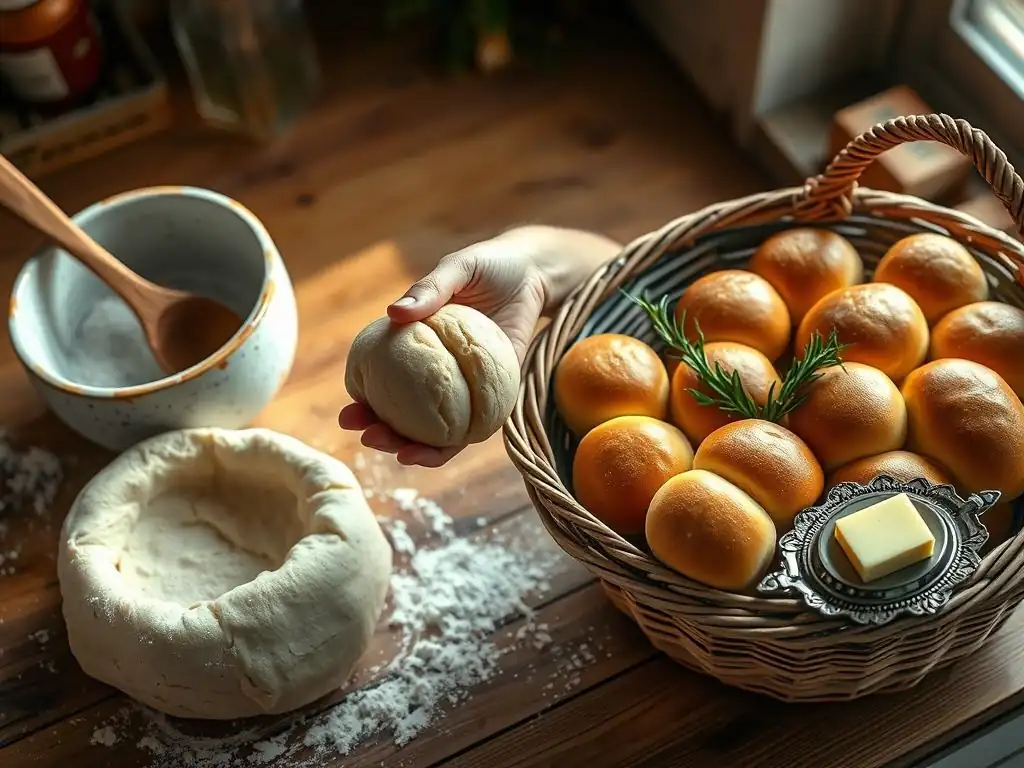
Homemade Parker House rolls are best served warm, allowing their soft, buttery texture and rich aroma to truly shine. They are a quintessential accompaniment to holiday meals like Thanksgiving or Christmas dinner, pairing perfectly with roasted turkey, ham, and all the fixings. Their elegant shape also makes them a welcome addition to any dinner party or special occasion.
Beyond formal meals, these rolls are incredibly versatile. Serve them warm with just a pat of butter alongside soups, stews, or salads. Their sturdy yet tender structure also makes them ideal for slicing horizontally and using as mini slider buns for pulled pork, chicken salad, or small burgers. They can even be served for brunch with jam or honey. The key is warmth – gently reheat if they've cooled.
Keeping Your Rolls Fresh: Storage Solutions
To keep your delicious homemade Parker House rolls as fresh as possible, proper storage is essential. Once they have cooled completely, store them in an airtight container or a resealable plastic bag at room temperature. Avoid refrigerating them, as this can actually cause bread to stale faster by accelerating starch retrogradation.
Stored correctly at room temperature, your Parker House rolls should remain fresh and soft for about 2 to 3 days. If you won't be eating them within this timeframe, they freeze exceptionally well. Allow them to cool completely, then place them in a freezer-safe bag or wrap them tightly in plastic wrap followed by aluminum foil. Frozen rolls can last for up to 2-3 months.
Reheating Parker House Rolls: Retaining Moisture
Reheating Parker House rolls without drying them out is simple with a few techniques that help retain their moisture. The best method for reheating a few rolls is often in a microwave; wrap a roll loosely in a damp paper towel and microwave on high for just 15-30 seconds. The moisture from the towel helps steam the roll, restoring its softness.
For a larger batch, reheating in the oven is ideal. Preheat your oven to a low temperature, around 300°F (150°C). Place the rolls in a baking dish or on a baking sheet and cover loosely with aluminum foil to prevent the tops from getting too hard. Warm for about 10-15 minutes, or until heated through. This gentle heat warms them evenly while the foil helps trap moisture, ensuring they emerge soft and ready to enjoy.
Parker House Rolls: A Baking Tradition
The History Behind Dinner Rolls
While the structure mentions "Dinner Rolls" history broadly, the specific history of the Parker House roll is fascinating and ties directly to its name. These iconic rolls originated at the famous Parker House Hotel in Boston, Massachusetts, which opened in 1855. The rolls themselves are believed to have been introduced sometime in the 1870s. Legend has it that a disgruntled baker threw a batch of unfinished rolls into the oven, resulting in their unique folded shape.
A more likely account suggests the shape was intentionally developed. Regardless of the exact origin story, the Parker House roll quickly gained popularity for its soft texture and buttery flavor, becoming a signature item of the hotel. Over time, the Parker house rolls recipe spread, becoming a beloved staple in homes and restaurants across the United States, cementing its place as a classic American dinner roll.
Dinner Rolls: Perfect for Any Occasion
Parker House rolls, with their elegant appearance and delightful taste, are truly perfect for any occasion. They are refined enough to grace the table at formal holiday feasts like Thanksgiving, Christmas, or Easter, adding a touch of homemade charm. Their soft, comforting nature also makes them ideal for more casual family dinners, turning a simple weeknight meal into something a little more special.
Consider baking a batch for potlucks, picnics, or barbecues – they are always a crowd-pleaser. Their size and shape also make them excellent candidates for brunch or serving alongside soups and salads. Whether you're hosting a grand celebration or simply want to elevate your everyday bread basket, mastering a Parker house rolls recipe ensures you have a versatile and impressive baked good ready to go.
Conclusion: Enjoying Your Effortlessly Elegant Parker House Rolls
Baking a batch of Parker House rolls from scratch using a reliable Parker house rolls recipe is a rewarding culinary endeavor that yields incredibly delicious results. From activating the yeast to the final buttery brush, each step contributes to creating that signature soft, tender, and flavorful roll. While they possess an elegant appearance, the process is quite approachable, making them a perfect project for improving your bread baking skills.
Whether you serve them warm with butter, alongside a festive meal, or as mini slider buns, your homemade Parker House rolls are sure to impress. The aroma alone is worth the effort! So gather your ingredients, follow the steps outlined, and prepare to enjoy the unparalleled taste and texture of these classic, effortlessly elegant dinner rolls. Happy baking!
Frequently Asked Questions
What are Parker House rolls, and what makes them special?
Parker House rolls are a classic type of dinner roll known for their distinctive folded shape and soft, buttery texture. They are traditionally made with enriched dough and have a slightly sweet flavor.
Is the Parker House rolls recipe on BakeWithEase suitable for beginner bakers?
Yes, the Parker House rolls recipe on BakeWithEase is designed with clear, step-by-step instructions and easy-to-find ingredients, making it beginner-friendly. It focuses on simplicity and success.
What are the key ingredients needed for the Parker House rolls recipe?
The essential ingredients include flour, yeast, milk, sugar, butter, and salt. These are common baking staples, ensuring ease of access for most bakers following the Parker House rolls recipe.
How does BakeWithEase ensure the Parker House rolls recipe is easy to follow?
BakeWithEase provides detailed step-by-step guides with photos or videos, breaking down complex techniques into manageable steps. The recipe also includes troubleshooting tips for common baking issues.
Can I customize the Parker House rolls recipe from BakeWithEase?
Yes, while the recipe provides a foundation, you can customize it by adding herbs, spices, or different types of butter. However, it's best to follow the original recipe first to understand the fundamental techniques before experimenting.
Final Reflection: The Enduring Charm of the Parker House Roll
The perfect Parker House roll isn't just a recipe; it's a testament to the power of simple elegance in the kitchen. From the buttery aroma filling your home to the satisfying melt-in-your-mouth texture, these rolls elevate any meal, proving that sometimes the most rewarding culinary experiences come from the most straightforward techniques. Their enduring popularity speaks volumes about our collective desire for comfort and connection through food.
The Parker House roll's influence transcends mere culinary technique; it's a symbol of home, hospitality, and the enduring appeal of classic recipes. These rolls aren't just food; they're a tangible link to generations past, a reminder of simpler times and the importance of shared meals. As Julia Child once said, People who love to eat are always the best people.
And what better way to bring people together than with a basket of warm, freshly baked Parker House rolls?
Now, I invite you to step away from the screen, gather your ingredients, and experience the magic for yourself. Don't be intimidated by the seemingly simple instructions; embrace the process, savor the aromas, and relish the satisfaction of creating something beautiful and delicious. The journey of mastering the Parker House roll is as rewarding as the final product, a testament to the enduring power of culinary tradition and the joy of sharing food with loved ones. Let the warmth of these rolls fill your home and your heart.
Unleash Your Inner Baker: Perfect Parker House Rolls Await!
Thanks for joining us on this buttery, delightful journey into the world of Parker House rolls! We hope you’ve gained the confidence to tackle this classic recipe. Now it's time to put your new skills to the test!
- Bake a batch of your own Parker House rolls: Use our recipe as a springboard—experiment with different herbs, cheeses, or even sweet additions! Let your creativity shine!
- Share your baking success on social media using #BakeWithEaseParkerHouse – let's see those gorgeous golden-brown rolls!
- Leave a comment below and tell us about your favorite twist on this recipe – what unique ingredient will you add next time?
Ready to transform your kitchen into a bakery?