
Unlock the Secret to Authentic Dark Rye Bread

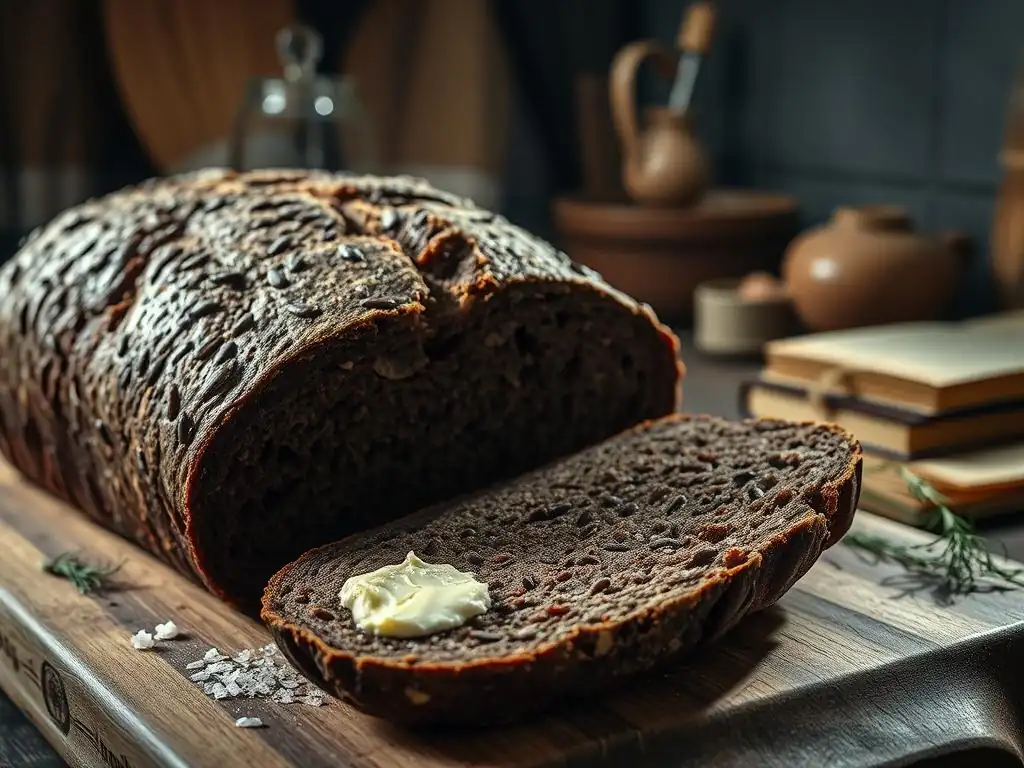
Welcome to BakeWithEase, your trusted guide to the delightful world of baking! Are you ready to unlock the rich, complex flavors of authentic bread making? This week, we're diving deep into a timeless classic. Curious about crafting your own deeply flavorful loaf? Our dark rye bread recipe awaits, promising an unexpectedly easy journey into the heart of traditional baking. Discover the secrets and techniques that will transform your kitchen into a haven for fresh, aromatic bread – let's bake!
- Unlock the Secret to Authentic Dark Rye Bread: A BakeWithEase Guide
- Introduction to Baking Dark Rye Bread at Home
- Mastering the Dark Rye Bread Recipe: A Step-by-Step Guide
- Tips and Tricks for Perfect Dark Rye Bread Every Time
- Variations on the Dark Rye Bread Recipe
- Enjoying Your Authentic Dark Rye Bread
- Conclusion: Your Journey to Baking the Perfect Dark Rye Loaf
-
Frequently Asked Questions
- What makes your dark rye bread recipe "authentic"?
- Is this dark rye bread recipe suitable for beginner bakers?
- What is the key ingredient that gives dark rye bread its dark color?
- Can I substitute any ingredients in your dark rye bread recipe?
- How long does it take to make your dark rye bread recipe from start to finish?
- Final Reflection: The Enduring Allure of Authentic Dark Rye Bread
- Unleash Your Inner Baker: Craft the Perfect Dark Rye!
Unlock the Secret to Authentic Dark Rye Bread: A BakeWithEase Guide
Introduction to Baking Dark Rye Bread at Home
Why Bake Your Own Dark Rye Bread? [Benefits and Flavor Profile]
Baking your own dark rye bread at home is a rewarding experience that goes far beyond simply following a recipe. It allows you to control every ingredient, ensuring a loaf free from commercial additives and preservatives. The aroma that fills your kitchen as a dark rye loaf bakes is unparalleled, creating a cozy and inviting atmosphere. Furthermore, the cost of ingredients is often significantly less than purchasing artisanal loaves, making it a budget-friendly hobby. You gain the satisfaction of creating something delicious and wholesome from scratch, a tangible skill that nourishes both body and soul.
Beyond the practical benefits, the flavor profile of homemade dark rye bread is truly unique. It possesses a deep, complex taste with earthy, slightly tangy notes, especially when made with a touch of sourdough or fermented ingredients. Unlike lighter wheat breads, dark rye offers a more robust and hearty crumb, perfect for pairing with strong flavors.
The crust develops a beautiful dark hue and a satisfying chewiness, contrasting wonderfully with the dense, moist interior. Mastering this dark rye bread recipe allows you to enjoy a bread that is both nutritious and incredibly flavorful, a staple in many culinary traditions around the world.
Understanding the Appeal of Authentic Dark Rye
Authentic dark rye bread holds a special place in the history of baking, particularly in Eastern European and Scandinavian cultures. Its appeal lies in its distinctive character, which is largely due to the high proportion of rye flour used in the dark rye bread recipe. Rye flour behaves differently than wheat flour because it contains less gluten-forming protein.
This means rye dough is stickier and doesn't develop the same elastic network as wheat dough, resulting in a denser crumb structure. Traditional methods often incorporate sourdough or pre-ferments to help with leavening and develop the characteristic tangy flavor associated with authentic dark rye.
The deep color of dark rye bread comes from several factors, including the type of rye flour used (often whole grain or pumpernickel grades), the addition of ingredients like molasses, caraway seeds, or even cocoa powder (in some variations), and the specific baking process, which can involve longer baking times at lower temperatures or steam. This combination of ingredients and techniques creates a bread that is not just food, but a cultural touchstone, rich in history and packed with nutrients like fiber and B vitamins.
Understanding these elements is key to successfully baking a truly authentic dark rye bread recipe at home.
Mastering the Dark Rye Bread Recipe: A Step-by-Step Guide
Gathering Your Ingredients: What You'll Need for Dark Rye
Key Ingredients for Authentic Dark Rye Bread Flavor
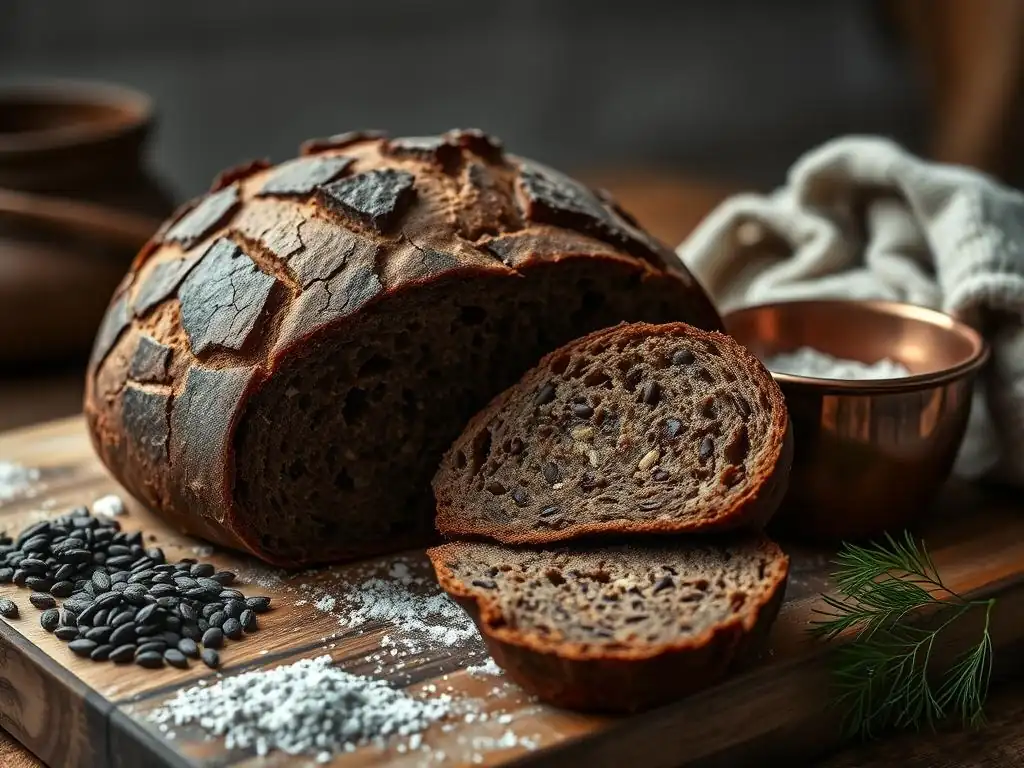
To embark on your dark rye bread recipe journey, you'll need a few essential ingredients that contribute significantly to its unique flavor and texture. The star, of course, is rye flour. You'll likely need a mix, perhaps a significant portion of dark rye flour and a smaller amount of strong bread flour to aid in structure, or even 100% rye for a very traditional loaf. Water is crucial for hydration, and its temperature can influence fermentation.
Salt is vital for flavor and controlling yeast activity. A leavening agent is necessary – this could be commercial yeast, a rye sourdough starter, or a combination. For the characteristic dark color and slightly sweet, complex notes, ingredients like molasses, dark brown sugar, or malt extract are often included. Some recipes also call for caraway seeds, which provide a signature aromatic element.
Here is a list of common ingredients you might find in a classic dark rye bread recipe:
- Dark Rye Flour
- Strong Bread Flour (Optional, for structure)
- Water
- Salt
- Yeast (Instant or Active Dry) or Rye Sourdough Starter
- Molasses or Malt Extract
- Caraway Seeds (Optional)
- Butter or Oil (Optional, for softness)
Sourcing the Best Rye Flour for Your Recipe
The quality and type of rye flour you use will dramatically impact your dark rye bread recipe. Rye flour is milled to different specifications, much like wheat flour. Light rye flour contains mostly the endosperm, similar to white wheat flour. Medium rye includes more of the bran and germ, offering a stronger flavor and darker color. Dark rye flour, or whole rye flour, contains almost the entire grain, resulting in the deepest color, most robust flavor, and highest nutritional content. Pumpernickel flour is a coarsely ground whole rye flour, often used in very dark, dense breads.
For an authentic dark rye bread recipe, using dark rye flour or a blend of dark and medium rye is recommended. Look for freshly milled flours if possible, as older flour can lose some of its flavor and leavening power. Reputable online suppliers or local health food stores are good places to find high-quality rye flour.
Consider the protein content if you're using a mix with wheat flour; a strong bread flour (around 12-14% protein) will provide the necessary gluten development to support the rye. If using 100% rye, the structure will rely more heavily on the starch and pentosans in the rye, often requiring specific techniques like soakers or scalds.
Preparing the Dough: The Dark Rye Bread Dough Process
Creating the Rye Sourdough Starter (Optional but Recommended)
While some dark rye bread recipes use commercial yeast for leavening, using a rye sourdough starter is highly recommended for achieving the most authentic flavor and texture. A rye starter is built similarly to a wheat starter, by mixing equal parts rye flour and water and allowing wild yeasts and bacteria from the environment (and the flour) to ferment. Rye flour is particularly active and often results in a very vigorous starter.
To create one, you might start with a small amount, say 50 grams of dark rye flour mixed with 50 grams of water, let it sit for 24 hours, then discard half and feed it again with 50g flour and 50g water daily. Within about 7-10 days, it should become active, bubbling reliably after feeding, and ready to use in your dark rye bread recipe.
Using a rye sourdough starter introduces lactic and acetic acids into the dough during fermentation. These acids contribute significantly to the characteristic tangy flavor of traditional dark rye bread. They also help to break down some of the compounds in rye that can hinder gluten development, making the dough slightly more manageable and improving the texture.
Furthermore, the longer fermentation times associated with sourdough can increase the bread's digestibility and nutrient availability. While it adds time to the process, the depth of flavor and complexity achieved with a rye sourdough starter is well worth the effort for an truly authentic dark rye bread recipe.
Mixing the Dark Rye Bread Dough: Achieving the Right Consistency
Mixing dark rye bread dough is different from mixing wheat dough due to rye's lower gluten content. Rye dough will be stickier, denser, and less elastic. Over-kneading rye dough can actually break down the limited gluten network, leading to a gummy texture.
Many dark rye bread recipes call for minimal kneading, often just enough to combine the ingredients thoroughly. The consistency you are aiming for is typically quite wet and sticky, more like thick porridge or paste than a smooth, elastic wheat dough. Don't be tempted to add too much extra flour, as this will result in a dry, dense loaf.
The mixing process often involves combining the flours, leavening (yeast or starter), salt, sweeteners like molasses, and water. Some recipes use a "scald" or "soaker," where a portion of the rye flour is mixed with hot liquid and left to hydrate for several hours or overnight before the final dough is mixed. This technique helps the rye starches gelatinize, improving the crumb structure and moisture retention in the finished dark rye bread.
After the initial mix, a brief period of mixing, either by hand with a sturdy spoon or in a stand mixer with a dough hook on low speed for just a few minutes, is usually sufficient to develop the dough slightly. The key is to handle the dough gently and accept its inherent stickiness.
Proofing and Shaping Your Dark Rye Loaf
First Proof: Allowing the Dough to Develop Flavor
The first proof, or bulk fermentation, is a critical stage in any dark rye bread recipe, allowing the dough to develop flavor and volume. Due to the nature of rye flour and the often slower action of sourdough starters compared to commercial yeast, the first proof for dark rye can be longer and less dramatic in terms of visual rise than a wheat dough.
Expect the dough to increase in volume, but perhaps only by 50-75%, rather than doubling. The duration depends heavily on the temperature of your kitchen and the strength of your leavening agent; it could range from 1-3 hours at room temperature (around 70-75°F or 21-24°C) with yeast, or significantly longer, up to 4-12 hours or even overnight in the refrigerator, with a sourdough starter.
During this first proof, the yeasts and bacteria are actively working, producing carbon dioxide gas which causes the dough to rise, and organic acids which contribute to the complex flavor. For dark rye bread, this flavor development is particularly important. Some bakers perform "folds" during the first proof, gently stretching and folding the dough over on itself every 30-60 minutes for the first hour or two.
While not as crucial for rye as for high-gluten wheat doughs, this can help build a little structure and even out the temperature within the dough mass. Monitoring the dough's activity and volume increase, rather than strictly adhering to a timer, is the best way to determine when the first proof is complete for your dark rye bread recipe.
Shaping the Dark Rye Loaf: Techniques for a Perfect Form
Shaping dark rye bread dough requires a different approach than shaping wheat dough because it is sticky and lacks the same elastic tension. Traditional dark rye loaves are often baked in a pan or tin, which provides support during the final proof and baking and helps achieve a consistent shape. If you choose to bake on a baking stone, you'll need to develop a technique that creates enough surface tension to hold the loaf's form.
A common method is to gently round the dough, creating a taut surface on top by tucking the edges underneath. Avoid excessive handling or trying to create a smooth, tight skin as you would with a wheat boule; this can tear the delicate rye structure.
For baking in a pan, the shaped dough is simply placed into a well-greased or lined loaf tin. For freeform loaves, shaping might involve patting the dough into a rough rectangle, folding the sides in, and then rolling it up into a log, or simply rounding it gently. Dusting your hands and the work surface sparingly with rye flour can help manage the stickiness, but too much flour will result in dry patches in the crumb.
The goal is to create a cohesive mass that will hold its general shape through the final proof and initial stages of baking. Some bakers use a banneton (proofing basket), heavily dusted with flour, to support the loaf during the final rise before transferring it carefully to the baking surface.
Baking the Dark Rye Bread: Achieving a Dark Crust and Moist Interior
Oven Temperature and Baking Time for Dark Rye
Achieving the perfect dark crust and moist interior in your dark rye bread recipe requires careful attention to oven temperature and baking time. Dark rye bread is typically baked at moderately high temperatures. A common approach is to preheat the oven to a high temperature, around 450-475°F (230-245°C), for at least 30-60 minutes to ensure the oven and any baking surface (like a stone or steel) are thoroughly heated.
The loaf is then placed in the oven, and the temperature is often immediately reduced to around 375-400°F (190-200°C) for the majority of the baking time. This initial high heat provides a good oven spring and sets the crust quickly, while the lower temperature allows the dense interior to bake through without the crust burning.
The total baking time for a standard-sized dark rye loaf (around 1.5 to 2 pounds or 700-900 grams) can range from 45 to 70 minutes. The exact time will depend on the loaf's size, the oven's accuracy, and whether it's baked in a pan or freeform. The bread is done when the crust is deeply colored – a rich brown, not black – and the internal temperature reaches approximately 195-205°F (90-96°C).
Tapping the bottom of the loaf should produce a hollow sound, though this is less reliable with very dense rye breads than with wheat. Using an instant-read thermometer is the most accurate way to check for doneness.
Steam Baking: Creating a Crusty Dark Rye Loaf
Steam is an essential element for achieving a beautiful, crusty exterior on your dark rye bread. In the initial stages of baking, steam helps keep the surface of the dough moist and elastic. This allows the loaf to expand fully during oven spring before the crust sets. Without sufficient steam, the crust can set too early, restricting the loaf's rise and potentially causing it to crack in undesirable places. Steam also contributes to the maillard reaction and caramelization processes, which are responsible for the deep color and complex flavors of the dark crust.
There are several ways to create steam in a home oven. One popular method is to place a baking tray or cast iron pan on the bottom rack of the oven while it preheats. Just before loading the bread, carefully pour a cup of hot water or ice cubes into the hot tray to generate steam. Another method involves using a Dutch oven or a lidded baking vessel.
The lid traps the moisture released by the bread as it bakes, creating a steamy environment around the loaf. After baking with the lid on for the first 20-30 minutes, the lid is removed to allow the crust to brown and crisp up. Whichever method you choose, maintaining a steamy environment for the first third to half of the baking time is key to developing that perfect dark rye crust for your homemade dark rye bread recipe.
Cooling and Slicing Your Homemade Dark Rye Bread
Allowing the Bread to Cool Completely
Patience is perhaps the hardest ingredient when baking dark rye bread, especially when it comes to cooling. It is absolutely crucial to let your homemade dark rye bread cool completely on a wire rack before slicing into it. This is not just about preventing steam burns; it's vital for the bread's internal structure and texture. As the bread cools, moisture from the interior migrates towards the cooler crust, and the starches inside continue to set. Slicing too early will result in a gummy, moist crumb because the structure hasn't fully stabilized.
For a standard-sized dark rye loaf, this cooling process can take anywhere from 2 to 4 hours, or even longer for very large or dense loaves. While the bread is still warm, the crumb is fragile and the starches are still in a transitional state. Allowing it to cool fully allows the crumb to firm up and achieve its final, desired texture – dense but not gummy, moist but not wet.
Placing the loaf on a wire rack allows air to circulate around all sides, preventing the bottom crust from becoming soggy from trapped steam. Resisting the urge to slice that warm, aromatic loaf is challenging, but it is a non-negotiable step for a successful dark rye bread recipe outcome.
Slicing Techniques for Dark Rye Bread
Once your homemade dark rye bread has cooled completely, it's time to slice and enjoy the fruits of your labor. Because dark rye bread often has a dense crumb and a sturdy crust, using the right slicing technique and a good quality knife is important. A sharp, serrated bread knife is the best tool for the job. The serrations grip the crust and allow you to saw through the loaf cleanly without crushing it.
Hold the loaf steady with one hand while using the other to guide the knife. Use a gentle sawing motion rather than pressing down hard, which can compress the crumb. Slice the bread to your desired thickness, whether you prefer thin slices for open-faced sandwiches or thicker slices for toasting.
Some people find it easier to slice dark rye bread when it's a day old, as the structure sets even further. If you find the crust particularly hard, you can sometimes make a small initial cut with a chef's knife to start, then switch to the serrated knife. Practice makes perfect, and soon you'll be slicing your beautiful dark rye bread with ease, ready to enjoy its rich flavor.
Tips and Tricks for Perfect Dark Rye Bread Every Time
Troubleshooting Common Dark Rye Baking Issues [Dense Crumb]
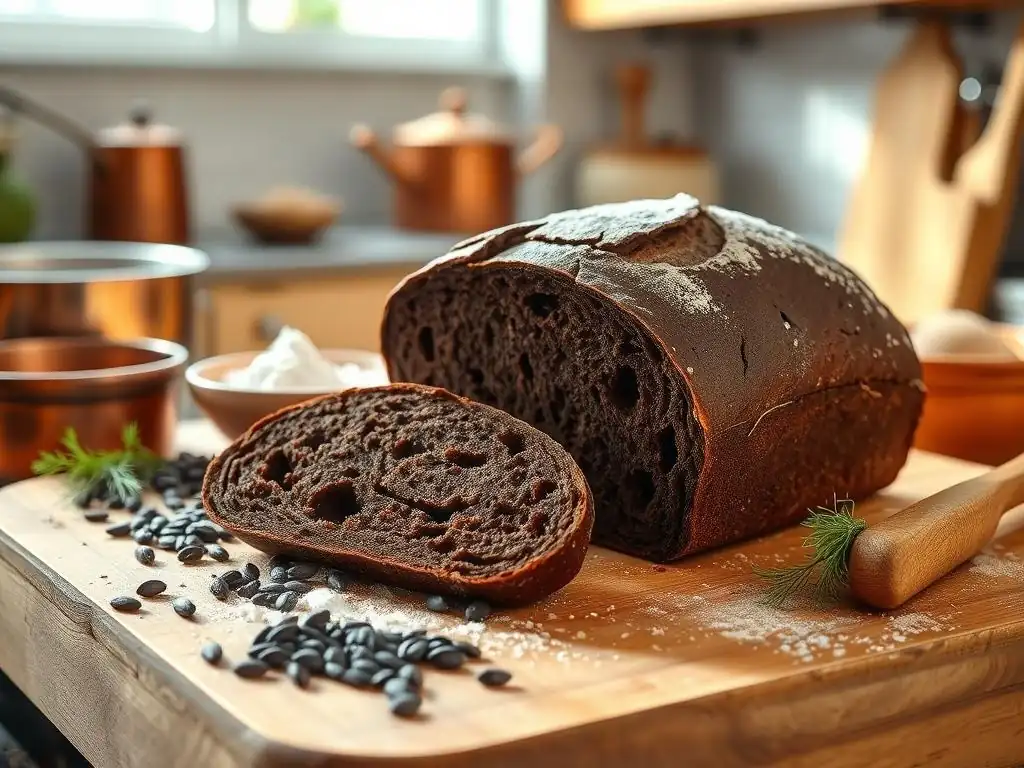
One of the most common issues encountered when baking a dark rye bread recipe is a crumb that is too dense, sometimes even gummy or brick-like. This often happens because rye flour has less gluten than wheat flour, and bakers might treat the dough like a wheat dough. Over-kneading can break down the limited rye structure. Insufficient hydration can also lead to a dry, dense loaf; rye flour absorbs a lot of water, and the dough should feel quite wet.
Another culprit can be under-proofing. Rye dough doesn't double like wheat dough, but it still needs sufficient time for the leavening to develop gases and structure. If using a sourdough starter, ensure it is active and strong.
To combat excessive density, ensure you are not over-kneading the dough; often, just mixing until combined is sufficient. Check your recipe's hydration levels – rye dough is typically stickier than you might expect. Allow adequate proofing time, watching the dough for signs of activity and a modest increase in volume, rather than waiting for it to double.
If using a significant percentage of rye flour (e.g., 70% or more), consider using a scald or soaker technique, which helps hydrate the rye starches and improves crumb texture. Finally, ensure the bread is baked through and, critically, cooled completely before slicing, as cutting too early is a major cause of a gummy interior.
Enhancing the Flavor of Your Dark Rye Bread [Adding Caraway Seeds]
While a basic dark rye bread recipe yields delicious results, you can enhance its distinctive flavor profile with various additions. Caraway seeds are a classic pairing with dark rye, providing a warm, slightly anise-like aroma and taste. You can add whole caraway seeds directly to the dough during mixing, typically around 1-2 tablespoons per standard loaf. Some bakers lightly toast the seeds before adding them to intensify their flavor. The seeds provide bursts of aromatic flavor throughout the loaf and add a subtle textural element.
Other ingredients can also deepen the flavor and color of your dark rye bread. A tablespoon or two of cocoa powder can enhance the dark color and add a subtle, earthy note that complements the rye flavor without tasting chocolatey. Toasted nuts or seeds, such as walnuts, sunflower seeds, or pumpkin seeds, can add crunch and nutty flavors.
Soaking some of these additions beforehand can prevent them from absorbing too much moisture from the dough. Spices like fennel seeds, coriander, or even a pinch of ground cloves or allspice can add layers of complexity, drawing inspiration from different regional variations of dark rye bread. Experimenting with these additions allows you to customize your homemade dark rye bread recipe to your personal preference.
Storing Your Homemade Dark Rye Bread for Maximum Freshness
Proper storage is key to keeping your homemade dark rye bread fresh and delicious for as long as possible. Unlike commercial breads with preservatives, homemade bread has a shorter shelf life, but dark rye bread tends to stay fresh longer than many other types due to its density and moisture content. Once the loaf has cooled completely, store it at room temperature.
The best way to store it is wrapped in a linen bread bag, a clean tea towel, or paper bag, which allows the crust to breathe while protecting the interior. Avoid plastic bags if you want to preserve the crust's texture, as plastic traps moisture and can make the crust soft and the loaf prone to mold.
If you won't eat the entire loaf within 2-3 days, consider freezing portions. Slice the cooled loaf, then wrap individual slices or small portions tightly in plastic wrap, followed by a layer of aluminum foil or a freezer bag. Frozen dark rye bread can last for several months.
To thaw, simply take out the desired number of slices and let them come to room temperature, or toast them directly from frozen. Storing the bread in the refrigerator is generally not recommended, as it can actually accelerate staling, making the bread dry and hard more quickly than storing it at room temperature.
Variations on the Dark Rye Bread Recipe
Light Rye Bread Recipe: A Milder Alternative
If the robust flavor and dense texture of traditional dark rye bread are a bit too intense for your palate, a light rye bread recipe offers a milder and often softer alternative. A light rye bread typically uses a higher proportion of light or medium rye flour compared to dark rye flour, and a significant amount of strong bread flour.
The ratio might be closer to 30-50% rye flour and 50-70% wheat flour. This higher percentage of wheat flour allows for better gluten development, resulting in a lighter, more open crumb structure that is closer to a standard wheat loaf, but with the characteristic subtle flavor notes of rye.
The process for baking a light rye bread recipe is often more similar to baking wheat bread. The dough is less sticky, easier to knead, and typically rises more significantly during proofing. While some recipes still incorporate caraway seeds or a touch of molasses, they are often used more sparingly than in dark rye. The resulting bread is lighter in color, softer in texture, and has a less intense rye flavor. It's a great entry point for those new to baking with rye or who prefer a less assertive bread for everyday use.
Pumpernickel Bread Recipe: An Even Darker Rye Experience
For those who embrace the deep, intense flavors of rye, a pumpernickel bread recipe takes the dark rye experience to the next level. Traditional German pumpernickel is one of the darkest and densest rye breads available.
It is typically made with coarse pumpernickel rye meal (which is essentially very coarsely ground whole rye flour) and often includes whole rye berries. The characteristic dark color isn't just from the flour; it's also a result of a long, slow baking process at very low temperatures, sometimes for 16-24 hours, which allows the starches to caramelize extensively, similar to how malt is produced.
Authentic pumpernickel bread recipes often use a sourdough starter and may include molasses or beet syrup for added color and sweetness. The dough is extremely wet and sticky and usually baked in sealed pans to trap moisture during the long bake. The texture is very dense and moist, almost cake-like, with a complex, slightly sweet, and malty flavor profile.
This is a bread that is meant to be sliced thinly and savored. While traditional pumpernickel requires significant time and specific techniques, there are faster "quick" pumpernickel recipes that use dark rye flour, cocoa powder, and molasses to mimic the color and some of the flavor of a true pumpernickel, offering a taste of this intensely dark bread without the lengthy bake.
Dark Rye Bread with Seeds: Adding Texture and Flavor
Adding seeds to your dark rye bread recipe is an excellent way to introduce extra texture, flavor, and nutritional value. Common additions include sunflower seeds, pumpkin seeds (pepitas), flax seeds, sesame seeds, or a mix of several types. These seeds contribute a delightful crunch and nutty flavor that complements the earthy taste of the rye. They also boost the bread's fiber, healthy fats, and protein content.
Seeds can be added to the dough during the final stages of mixing. Some bakers prefer to soak certain seeds, like flax or chia seeds, in water for a short period before adding them to the dough. This prevents the seeds from absorbing moisture from the dough itself, which could result in a drier loaf.
A typical amount might be anywhere from 1/4 cup to 1/2 cup (or more) of seeds per loaf, depending on how seedy you like your bread. You can also reserve some seeds to sprinkle on top of the loaf before baking for an attractive finish and extra crunch. Experimenting with different seed combinations allows for endless variations on your basic dark rye bread recipe.
Enjoying Your Authentic Dark Rye Bread
Serving Suggestions for Dark Rye Bread
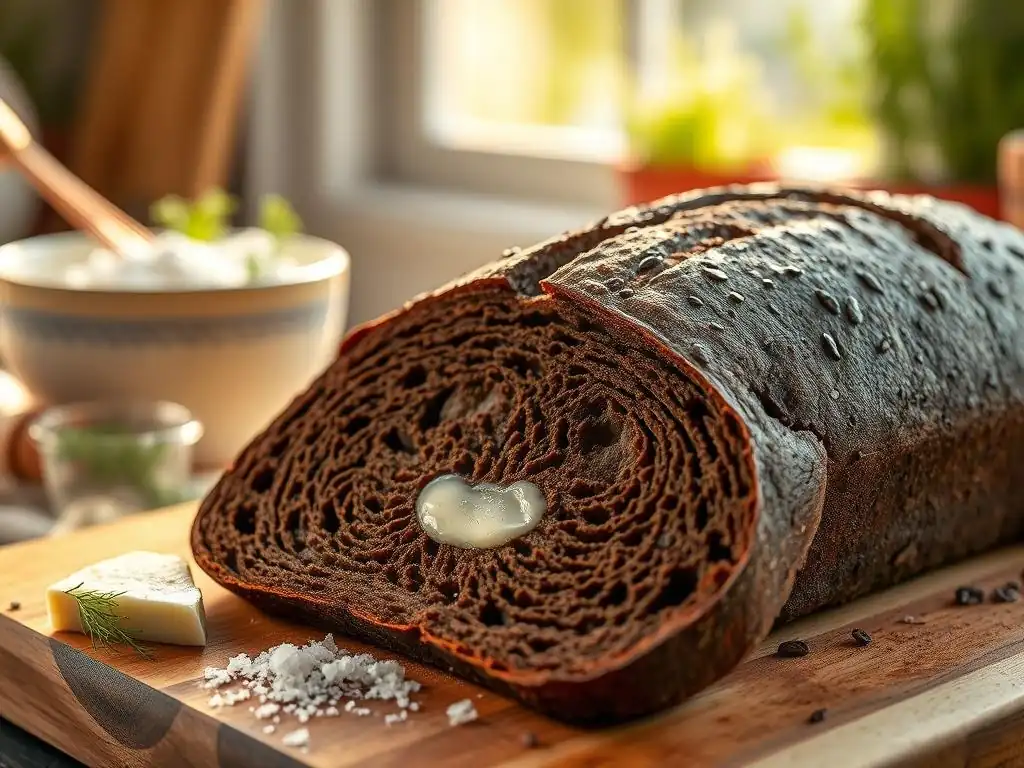
Your freshly baked authentic dark rye bread is incredibly versatile and can be enjoyed in numerous ways. Its sturdy structure and rich flavor make it a perfect base for hearty toppings. Classic serving suggestions often involve simple, high-quality ingredients that complement the bread's character. Thinly sliced dark rye is excellent with butter, cream cheese, or cultured butter. It's a traditional pairing for smoked fish, such as smoked salmon, herring, or sardines, often served open-faced. Strong cheeses, like aged cheddar, Gruyère, or blue cheese, also pair wonderfully with the tangy notes of the rye.
Consider using dark rye for sandwiches, though its density means you might prefer thinner fillings. It makes a fantastic base for Scandinavian-style open sandwiches (smørrebrød) with various toppings like cold cuts, pickles, or egg salad. Toasted dark rye bread is particularly delicious, bringing out its nutty flavors. Serve it alongside soups or stews, where its robust structure holds up well to soaking up broth. Even a simple slice with a drizzle of honey or a dollop of jam can be a delightful treat, contrasting the sweetness with the bread's inherent tang.
Pairing Dark Rye Bread with Food and Drinks
Pairing dark rye bread with the right foods and drinks can elevate your culinary experience. Its strong flavor profile stands up well to equally robust accompaniments. For breakfast or brunch, it pairs beautifully with eggs, especially smoked or cured meats like pastrami or ham. As mentioned, smoked fish is a classic pairing, often seen in Scandinavian cuisine. Hearty main courses, like stews, goulash, or roasted meats, are excellent served alongside dark rye bread to soak up rich sauces.
When it comes to drinks, dark rye bread complements a variety of beverages. On the non-alcoholic side, it pairs well with strong coffee or black tea. Cultured dairy drinks like kefir or buttermilk are traditional accompaniments in some cultures.
For alcoholic pairings, consider dark beers, particularly rye beers or stouts, whose malty and sometimes slightly bitter notes harmonize with the bread. Certain spirits, like rye whiskey or even vodka, can also be traditional pairings, especially when the bread is served with savory, pickled foods. The key is to match the intensity of the bread's flavor with accompaniments that can hold their own.
Conclusion: Your Journey to Baking the Perfect Dark Rye Loaf
Embarking on the journey to bake your own authentic dark rye bread recipe is a rewarding endeavor that connects you to rich baking traditions. From understanding the unique properties of rye flour and mastering the mixing and proofing techniques to achieving that signature dark crust and moist interior, each step brings you closer to a truly satisfying loaf. While challenges like a dense crumb may arise, armed with knowledge about rye's behavior and simple troubleshooting tips, you can overcome them.
By carefully selecting your ingredients, perhaps even cultivating a rye sourdough starter, and paying attention to the nuances of the process – from gentle shaping to proper cooling – you can consistently bake delicious, wholesome dark rye bread at home. Experimenting with variations like adding seeds or adjusting the rye percentage allows you to customize the dark rye bread recipe to your taste. With practice, you'll unlock the secret to authentic dark rye bread, ready to be enjoyed in countless ways, sharing its rich history and delightful flavor with friends and family. Happy baking!
Frequently Asked Questions
What makes your dark rye bread recipe "authentic"?
Our recipe focuses on traditional techniques, using rye flour and caraway seeds to achieve the distinctive flavor and texture of authentic dark rye.
Is this dark rye bread recipe suitable for beginner bakers?
Yes, while dark rye can seem intimidating, our recipe is designed with clear, step-by-step instructions and uses easy-to-find ingredients, making it accessible for beginners.
What is the key ingredient that gives dark rye bread its dark color?
The dark color typically comes from dark rye flour and sometimes the addition of ingredients like molasses or cocoa powder.
Can I substitute any ingredients in your dark rye bread recipe?
While substitutions are possible, they may affect the final result. We recommend sticking to the recipe for the best outcome, especially regarding the rye flour.
How long does it take to make your dark rye bread recipe from start to finish?
The total time varies, but plan for around 3-4 hours, including preparation, proofing, and baking. This allows for the development of flavor and proper texture.
Final Reflection: The Enduring Allure of Authentic Dark Rye Bread
The quest for the perfect loaf of dark rye bread is more than just a culinary pursuit; it's a journey into history, tradition, and the profound connection between food and culture. The recipes and techniques explored in this article highlight the intricate balance of ingredients and processes that elevate a simple loaf into a complex and deeply satisfying experience. This isn't just about following instructions; it's about understanding the "why" behind each step, and appreciating the artistry involved in creating something truly special.
The enduring appeal of dark rye bread lies not only in its rich flavor and satisfying texture, but also in its ability to transport us to another time and place. It's a testament to the enduring power of simple ingredients, transformed through time-honored methods. The slow fermentation, the tangy sourness, the dense crumb – these are all elements that speak to a deeper connection with food, a connection often lost in our fast-paced modern world. Bread is the staff of life,
they say, and in the case of dark rye, it's a staff imbued with history, tradition, and a profound sense of satisfaction.
Now, it's your turn. Don't just read this recipe; experience it. Embrace the process, savor the aroma of the fermenting dough, and feel the pride in crafting something beautiful and delicious with your own hands. The journey to baking your own perfect loaf of dark rye bread is a rewarding one, a testament to your patience, skill, and appreciation for the simple pleasures in life. So, gather your ingredients, put on your apron, and unlock the secret to authentic dark rye bread for yourself. The reward awaits.
Unleash Your Inner Baker: Craft the Perfect Dark Rye!
Thanks for taking the time to explore the world of authentic dark rye bread with us! We hope you gained valuable insights into the techniques and nuances that make this bread so special. Now it's time to put your new knowledge into practice.
- Bake your own masterpiece! Try our recommended recipe (found within the article) and experience the satisfaction of creating your own loaf from scratch. This is your chance to truly master the art of dark rye.
- Share your baking journey! Post a picture of your creation on social media and tag us – we’d love to see your results! Use #BakeWithEaseDarkRye to join the conversation.
- Explore other traditional bread recipes on BakeWithEase.com to expand your baking repertoire.
Ready to transform your kitchen into a bakery? What unique ingredient will you add to your next dark rye loaf to make it truly your own?