
Vanilla Extract vs. Vanilla Bean: Knowing When to Use Which for Perfect Results

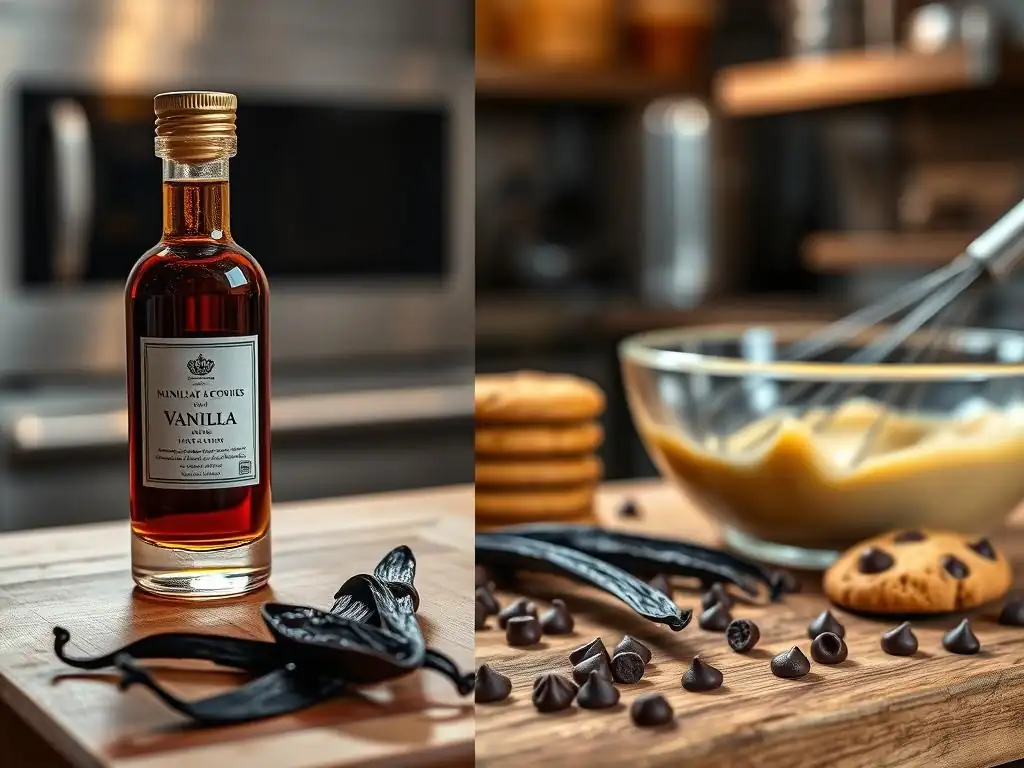
Welcome to BakeWithEase, your trusted guide in the wonderful world of baking! Ever wondered if that bottle of vanilla extract is really the best option for your prized recipes? Dive into our latest article where we uncover the secrets of " Vanilla Bean Extract Benefits Baking," exploring when to use extract versus the real deal for truly perfect results. Discover how this premium ingredient can elevate your baked goods from ordinary to extraordinary – let's get baking!
- Understanding the Essence: Vanilla Bean Extract Benefits Baking
- Vanilla Extract vs. Vanilla Bean: A Detailed Comparison
- Vanilla Bean Extract Benefits Baking: Specific Use Cases
- The Best of Both Worlds: Combining Vanilla Extract and Beans
- Recommended Vanilla Products for BakeWithEase Enthusiasts
- Mastering Vanilla: Tips and Tricks for Perfect Baking Results
-
Frequently Asked Questions
- What are the main differences between using vanilla extract and vanilla bean in baking?
- How does the flavor profile differ when using vanilla extract versus vanilla bean?
- When is it better to use vanilla extract over vanilla bean in a recipe?
- What are some recipes where using vanilla bean is highly recommended?
- How should vanilla beans be stored to maintain their quality and freshness?
- Final Reflection: The Sweet Science of Vanilla – Choosing the Right Flavor
- Unlock the Secrets to Exquisite Baking!
Understanding the Essence: Vanilla Bean Extract Benefits Baking
Vanilla is often called the "king of spices" in the baking world, and for good reason. Its complex aroma and flavor can elevate even the simplest recipes. When we talk about vanilla, we usually mean either vanilla extract or the vanilla bean itself. Understanding the fundamental differences between these two forms is crucial for achieving perfect results in your baking endeavors. Both offer unique contributions, but their application and the resulting flavor profile can vary significantly, impacting the final outcome of your cakes, cookies, custards, and more.
The essence derived from the vanilla orchid pod is what provides that signature sweet, aromatic note we all love. Whether it comes in liquid form as an extract or as the whole, fragrant bean, vanilla is a powerful flavor enhancer.
The choice between using vanilla extract or the pure vanilla bean depends on several factors, including the desired flavor intensity, the specific recipe, cost considerations, and even visual appeal. Exploring the characteristics of each will illuminate why one might be preferred over the other in different baking contexts, showcasing the true vanilla bean extract benefits baking by understanding its source.
What is Vanilla Extract? A Baker's Staple
Vanilla extract is a solution made by macerating chopped vanilla beans in alcohol and water. According to the U.S. Food and Drug Administration (FDA) standards, pure vanilla extract must contain at least 35% alcohol and 13.35 ounces of vanilla beans per gallon. This lengthy process, often taking several months, draws out the hundreds of flavor compounds from the bean, including the primary compound, vanillin. The resulting liquid is a concentrated essence that is easy to measure and incorporate into batters and doughs.
This liquid form offers incredible convenience and consistency, making it the go-to vanilla source for everyday baking. A typical recipe for chocolate chip cookies or a basic vanilla cake might call for just one or two teaspoons of extract, providing a reliable vanilla flavor that is evenly distributed throughout the bake. Its ease of use and relatively lower cost compared to whole beans mean that vanilla extract is a pantry staple for millions of home bakers worldwide, delivering dependable vanilla flavor without extra effort.
What is a Vanilla Bean? The Source of True Vanilla Flavor
A vanilla bean is the dried fruit pod of the Vanilla planifolia orchid, native to Mexico but now cultivated in tropical regions globally, with Madagascar being the most famous producer. The cultivation and curing process is labor-intensive, often taking several months from pollination to curing. This process, which involves wilting, sweating, drying, and conditioning the beans, is critical for developing the bean's rich aroma and complex flavor profile, which includes not just vanillin but many other subtle aromatic compounds.
Considered the purest form of vanilla, the whole bean offers a depth and complexity of flavor that extract, despite its concentration, cannot fully replicate. Inside the bean pod are thousands of tiny black seeds, often referred to as "vanilla caviar."
These seeds are packed with intense flavor and also add a beautiful visual element to finished dishes, signaling the use of premium ingredients. Using a whole bean involves splitting the pod and scraping out these flavorful seeds, a process that requires a bit more effort than simply measuring extract, but one that many bakers find worthwhile for the superior result.
Vanilla Extract vs. Vanilla Bean: A Detailed Comparison
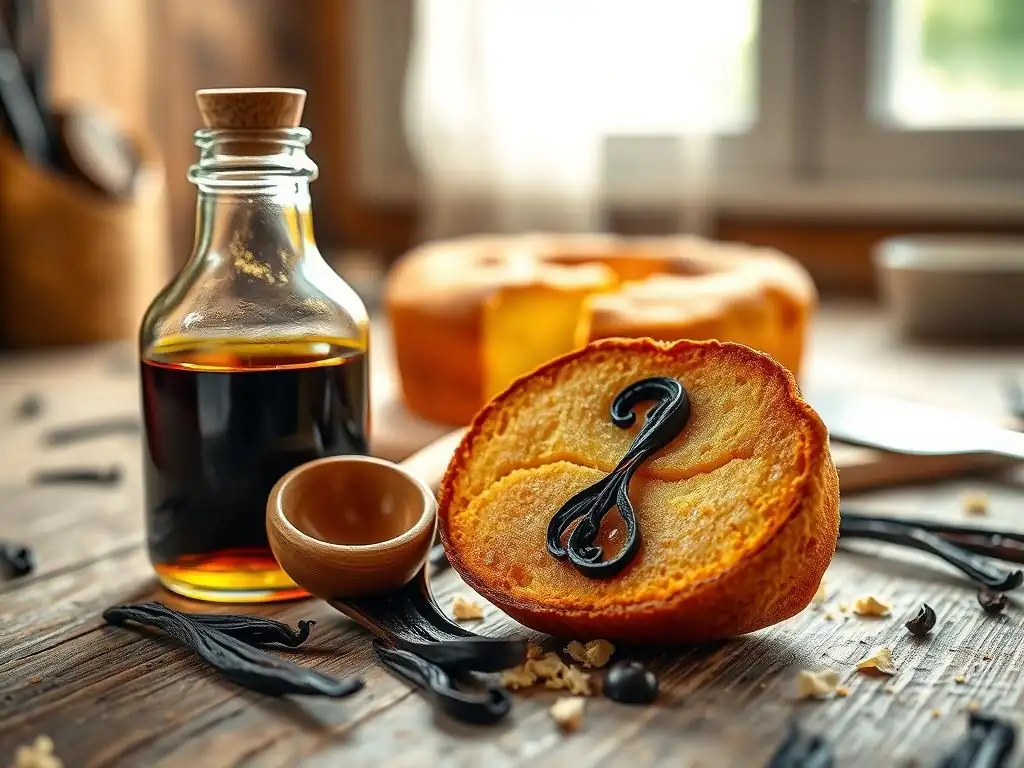
When deciding between vanilla extract and vanilla beans, bakers weigh several factors. Both contribute vanilla flavor, but they do so in different ways, affecting the final taste, appearance, cost, and even the effort involved in preparation. Understanding these distinctions helps bakers make informed choices based on the specific requirements of their recipe and desired outcome, leveraging the unique vanilla bean extract benefits baking offers in its various forms.
Comparing the two highlights their respective strengths. Vanilla extract is prized for its ease of use and consistent flavor, making it perfect for recipes where vanilla plays a supporting role or needs to be evenly distributed without visible specks. Vanilla beans, on the other hand, are chosen for their complex, layered flavor and the visual appeal of their seeds, ideal for recipes where vanilla is the star or where a gourmet touch is desired.
Flavor Profile: Extract vs. Bean - Which Delivers More?
The flavor profile is arguably the most significant difference between vanilla extract and vanilla beans. While both contain vanillin, the primary flavor compound, vanilla beans boast a much broader spectrum of volatile organic compounds – estimates range from 200 to over 400 different compounds depending on the bean variety and curing method. These additional compounds contribute subtle notes, such as floral, fruity, smoky, or spicy undertones, adding layers of complexity that are often lost or diminished in the extraction process.
Vanilla extract, while providing a strong and reliable vanilla taste primarily dominated by vanillin, tends to have a more singular, less nuanced flavor compared to the whole bean. Think of it like comparing a single note on a piano to a full chord. The extract gives you the core vanilla note clearly and consistently, which is perfect for many applications. The bean, however, provides that core note along with a symphony of supporting flavors that can create a richer, more rounded, and memorable vanilla experience.
The Nuances of Vanilla Bean Flavor: Madagascar Bourbon Vanilla Beans
Madagascar Bourbon vanilla beans are the most popular and widely recognized type of vanilla bean, accounting for a significant portion of the world's vanilla production, often cited as 80% or more. Grown on islands in the Indian Ocean like Madagascar and Réunion (formerly Île Bourbon), these beans are known for their classic, rich, creamy, sweet, and slightly woody flavor profile. They typically have a high vanillin content, often around 2% by weight, contributing to their strong, characteristic vanilla aroma and taste.
Using a Madagascar Bourbon vanilla bean in a recipe like homemade ice cream allows the full spectrum of its flavor compounds to shine. Infusing the bean into the dairy base imparts a deep, authentic vanilla taste that extract alone often cannot replicate. The visible black seeds also add a gourmet touch that enhances the perception of quality and craftsmanship, making these beans a favorite for premium desserts and confections where a robust, classic vanilla flavor is desired.
The Convenience and Consistency of Vanilla Extract: Nielsen-Massey Vanilla Extract
Nielsen-Massey is a well-regarded brand known for producing high-quality pure vanilla extracts. Their products exemplify the benefits of using extract: convenience and consistency. A bottle of Nielsen-Massey Madagascar Bourbon Pure Vanilla Extract, for example, provides a uniform flavor profile every time you use it, removing the variability that can sometimes occur with individual vanilla beans. This reliability is invaluable in baking, where consistent results are often paramount.
Adding Nielsen-Massey extract to a cake batter or cookie dough is quick and easy – just measure and stir. This saves time and effort compared to splitting and scraping a vanilla bean. While the flavor might be less complex than that of a whole bean, its purity and concentration ensure that the desired vanilla note is present and evenly distributed throughout the finished product, making it an excellent choice for recipes where efficiency and dependable flavor are key.
Cost Analysis: Vanilla Extract vs. Whole Vanilla Beans
The price difference between vanilla extract and whole vanilla beans is often a major factor in a baker's choice. On a per-use basis, vanilla beans are significantly more expensive upfront. A single high-quality vanilla bean can cost several dollars, and a recipe calling for one or two beans can add a substantial cost to the ingredients list. This higher price reflects the intensive labor required to grow, harvest, and cure vanilla beans.
Vanilla extract, while not inexpensive for a good quality pure extract, typically offers a lower cost per serving. A standard 4-ounce bottle of pure vanilla extract might cost anywhere from $10 to $25, depending on the brand and quality. This bottle contains enough extract for many, many batches of baked goods, making it a more economical choice for frequent or large-scale baking. The initial investment is lower, and the cost per teaspoon is relatively modest compared to the cost per bean.
The Investment in Quality Vanilla Beans: Pricing of Madagascar Bourbon Vanilla Beans
Quality vanilla beans, particularly sought-after varieties like Madagascar Bourbon, represent a notable investment. The price of a single Grade A, moist, pliable Madagascar bean can range from $5 to $10 or even more, depending on its length, weight, and current market fluctuations. Buying in bulk, such as a quarter pound (approx. 25-35 beans) or a half pound, can reduce the per-bean cost, but still represents a significant expenditure, potentially $50 to $200+ for half a pound.
This cost reflects the premium quality and intense flavor provided by the whole bean. While costly, using a full bean in a special recipe like homemade vanilla bean ice cream or a sophisticated pastry is often considered worth the expense for the unparalleled flavor and visual appeal. It's an investment in the quality and impact of the final dish, particularly when vanilla is the star ingredient.
Economical Baking with Vanilla Extract: Pricing of Nielsen-Massey Vanilla Extract
Using pure vanilla extract from reputable brands like Nielsen-Massey is generally a more budget-friendly option for routine baking. A 4-ounce bottle of Nielsen-Massey Pure Vanilla Extract might retail for around $15 to $20. Given that most cookie or cake recipes use just 1 to 2 teaspoons (which is about 1/6 to 1/3 fluid ounce), a single bottle can provide enough vanilla flavor for 12 to 24 baking sessions.
Compared to the cost of using a whole vanilla bean (which might be $5-$10+ per use), the cost per use of extract is significantly lower, perhaps under a dollar per recipe. This makes vanilla extract an economical and practical choice for bakers who frequently make large batches or a variety of baked goods, allowing them to incorporate real vanilla flavor without incurring the higher cost associated with using whole beans in every recipe.
Ease of Use: When Time Matters Most
Ease of use is another key differentiator. Vanilla extract is ready to use straight from the bottle. A quick measure with a spoon and it's incorporated into your mixture. This simplicity makes it ideal for busy bakers or recipes where speed and efficiency are priorities. There's no preparation needed beyond opening the bottle.
Vanilla beans require a bit more manual effort. You need to split the bean lengthwise with a knife and then carefully scrape out the tiny seeds (the "vanilla caviar") using the back of the knife blade. This process takes a few minutes and requires a steady hand. While not difficult, it adds a step to the recipe preparation that isn't necessary when using extract. For recipes where ingredients are added quickly or in rapid succession, extract is the clear winner in terms of convenience.
Quick Baking Solutions with Vanilla Extract: Perfect for Chocolate Chip Cookies
For a classic batch of chocolate chip cookies, vanilla extract is the perfect quick solution. Most recipes call for 1 to 2 teaspoons of extract added along with the wet ingredients. You simply pour the required amount from the bottle into your measuring spoon and add it to the bowl. The liquid extract disperses easily throughout the dough as you mix, ensuring every cookie gets that essential hint of vanilla that complements the chocolate and brown sugar so well.
This streamlined process means you can get your cookie dough mixed and ready for baking in minutes. There's no need to pause and prepare a bean, making extract the ideal choice for impromptu baking sessions or when you're short on time but still want delicious, flavorful results. The consistent flavor delivery of extract also ensures that each batch of cookies tastes just as good as the last.
The Art of Using Vanilla Beans: Infusing Cream for Crème brûlée
Using a vanilla bean is often part of the culinary art, especially in recipes like crème brûlée where the vanilla flavor is paramount and the visual presence of the seeds is desired. To prepare the bean for infusing cream, you typically split it down the middle, scrape out the seeds, and then add both the seeds and the scraped pod to the cream or milk as it heats. The liquid is then gently heated to allow the vanilla flavor to infuse deeply.
This process takes more time and attention than simply adding extract. You need to carefully split and scrape the bean, ensure it infuses properly without scorching the dairy, and often strain the mixture before baking to remove the pod. The effort is rewarded with an incredibly pure, intense vanilla flavor and the tell-tale black speckles that signify authentic vanilla bean usage, elevating a simple dessert into a gourmet experience.
Availability and Storage: Accessing and Preserving Vanilla
Both vanilla extract and vanilla beans are widely available, though finding high-quality options requires knowing what to look for. Vanilla extract is a staple in most grocery stores, found in the baking aisle. Quality pure vanilla extract will typically be dark brown in color and labeled as "pure vanilla extract." Be wary of "imitation vanilla extract," which is artificially flavored and lacks the complexity of real vanilla.
Vanilla beans are available in many grocery stores, especially those with a gourmet section, as well as specialty spice shops and online retailers. They are usually sold individually or in small quantities in sealed glass tubes or bags to preserve freshness. Proper storage is crucial for both forms of vanilla to maintain their potency and flavor over time, ensuring you get the most out of your investment and maximizing the vanilla bean extract benefits baking offers.
Finding Quality Vanilla Extract: Look for Dark Color, Pure Vanilla
When purchasing vanilla extract, the label is your best guide. Always look for "Pure Vanilla Extract." This guarantees it is made from real vanilla beans and alcohol, not synthetic vanillin. The color should be a rich, dark brown, indicating a good concentration of vanilla compounds. Brands like McCormick, Simply Organic, or Nielsen-Massey are widely available and reliable options for pure extract.
Avoid anything labeled "Imitation Vanilla Flavor" or "Vanilla Flavoring," as these products are chemically synthesized and will not provide the authentic, complex taste of real vanilla. While cheaper, they result in a flat, less desirable flavor profile in baked goods. Investing in pure extract, even for everyday use, makes a noticeable difference in the quality of your baking.
Properly Storing Vanilla Beans: Maintaining Freshness and Aroma
Proper storage is essential to keep vanilla beans moist, pliable, and flavorful for as long as possible. The best way to store vanilla beans is in a cool, dark place, away from direct sunlight and heat. An airtight glass jar or a resealable plastic bag designed for food storage works well. Ensure the container is sealed tightly after each use.
Contrary to popular belief, vanilla beans should generally not be stored in the refrigerator, as this can dry them out and crystallize the vanillin on the surface, diminishing their quality. If stored correctly, high-quality vanilla beans can remain fresh and aromatic for several months, sometimes even up to a year, allowing you to enjoy their premium flavor in multiple baking projects over time.
Vanilla Bean Extract Benefits Baking: Specific Use Cases
Understanding the unique properties of vanilla extract and vanilla beans helps bakers choose the best option for specific recipes. While extract is a versatile workhorse, vanilla beans truly shine in certain applications where their intense flavor and visual appeal are assets. The choice often depends on the desired outcome and the type of dessert being made, leveraging the specific ways vanilla bean extract benefits baking.
From moist cakes to creamy custards, vanilla plays a starring or supporting role. Recognizing when to use the convenient liquid extract versus the potent, speckled bean allows bakers to optimize flavor, texture, and appearance, ensuring that each baked good reaches its full potential and delivers the intended vanilla experience.
Vanilla Extract in Baking: Versatile and Reliable
Vanilla extract is incredibly versatile and is the standard form of vanilla used in the vast majority of baking recipes. Its liquid form allows it to be easily incorporated into both wet and dry ingredients, ensuring even distribution of flavor throughout the batter or dough. It's particularly useful in recipes where adding moisture isn't an issue and where visible vanilla specks are not desired or necessary.
Its consistent flavor profile makes it a reliable choice for everyday baking. Whether you're making a simple pound cake, a batch of chocolate chip cookies, or a quick bread, a splash of vanilla extract provides a comforting, familiar vanilla note that enhances other flavors without overpowering them. It's the backbone of vanilla flavor in countless beloved baked goods.
Cakes and Cupcakes: Adding Depth with Vanilla Extract
In cakes and cupcakes, vanilla extract adds essential depth and rounds out the sweetness. A standard vanilla cake recipe relies heavily on the extract to provide its signature flavor. Typically, 1 to 2 teaspoons are added to the wet ingredients. The extract disperses smoothly throughout the batter, ensuring every bite of the finished cake has a consistent, pleasant vanilla taste.
Even in cakes where vanilla isn't the primary flavor, such as chocolate or lemon, a small amount of vanilla extract is often included. It acts as a flavor enhancer, boosting the richness of chocolate or brightening the citrus notes, demonstrating its value beyond just being the main flavor component in vanilla-centric bakes.
Cookies and Brownies: Enhancing Sweetness with Vanilla Extract
Vanilla extract plays a crucial role in cookies and brownies by enhancing and complementing the sweetness of sugars and the richness of butter and chocolate. In chocolate chip cookies, for example, vanilla extract is indispensable. It works with the brown sugar and butter to create that classic, comforting flavor profile. Most recipes call for 1 to 2 teaspoons per batch.
For brownies, vanilla extract deepens the chocolate flavor and adds a subtle background note that makes them taste richer and more complex. Adding vanilla extract to both cookies and brownies is a simple step that significantly improves the overall flavor balance and deliciousness of these popular treats, showing how even a small amount of extract provides tangible vanilla bean extract benefits baking.
Vanilla Bean in Baking: Elevating Gourmet Creations
Vanilla beans are typically reserved for recipes where vanilla is the star and where a more intense, complex flavor and the visual appeal of the seeds are desired. These are often more delicate or luxurious desserts where the subtle nuances of the bean can truly shine and aren't masked by strong competing flavors. Using a whole bean signals quality and adds a touch of elegance.
Recipes that involve infusing liquids, such as dairy for custards or syrups, are perfect candidates for using vanilla beans. The gentle heating allows the full spectrum of flavor compounds to be released from both the seeds and the scraped pod, resulting in a deeply aromatic and flavorful end product. The visible black specks are a hallmark of authentic vanilla bean usage, enhancing the presentation.
Ice Cream and Custards: Infusing Rich, Authentic Vanilla Flavor
Vanilla beans are the gold standard for making truly exceptional homemade ice cream and custards like crème anglaise or pastry cream. The process typically involves heating milk or cream with the split vanilla bean and its scraped seeds, allowing the vanilla flavor to infuse into the dairy base. A pint of ice cream base might use half to one full bean.
The resulting ice cream or custard boasts an incredibly rich, pure vanilla flavor that is far more complex than one made with extract alone. The visible black specks of vanilla seeds are a visual cue that this is authentic, high-quality vanilla bean ice cream, a treat that commands a higher price and is often considered the pinnacle of vanilla desserts.
Panna Cotta and Crème brûlée: Showcasing the Vanilla Bean's Speckled Beauty
Desserts like panna cotta and crème brûlée are ideal for showcasing the beauty and flavor of vanilla beans. Both are delicate, creamy desserts where vanilla is a primary flavor. Infusing the cream with a split vanilla bean and seeds imparts a deep, aromatic flavor. For a batch serving 4-6 people, half to one full bean is often used.
The presence of the tiny black vanilla bean specks throughout the creamy texture of panna cotta or just under the caramelized sugar crust of crème brûlée adds a sophisticated visual element. These specks are a clear indication to anyone enjoying the dessert that real, high-quality vanilla beans were used, enhancing the perceived value and gourmet nature of the dish.
The Best of Both Worlds: Combining Vanilla Extract and Beans
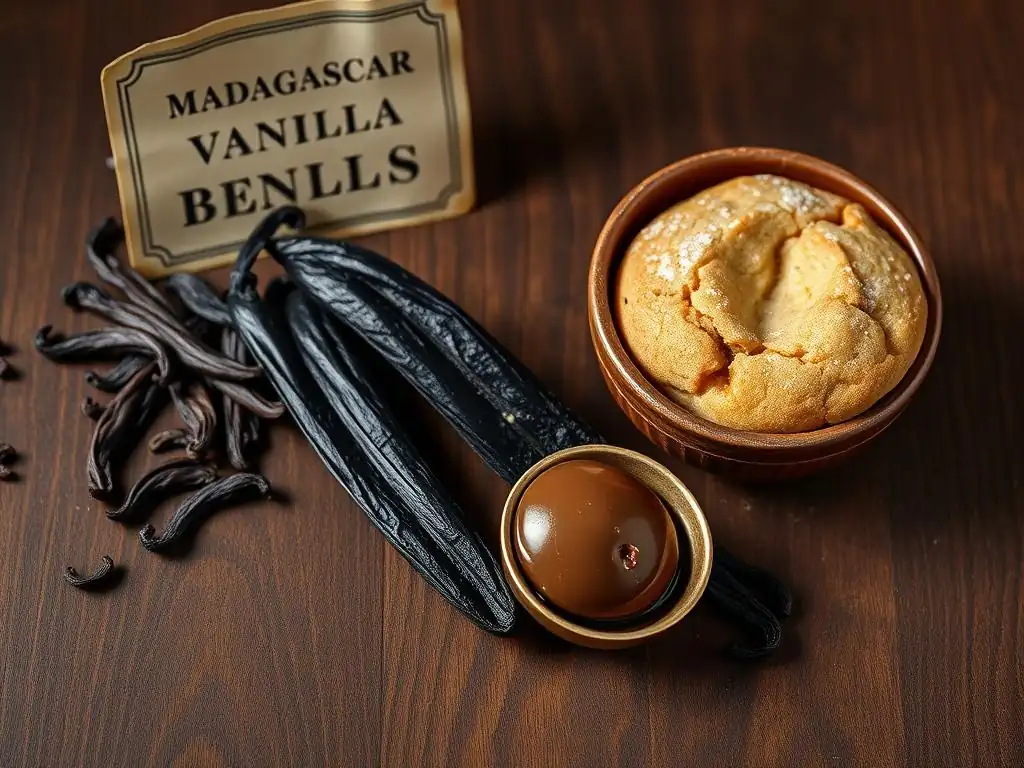
Sometimes, the best approach is to use both vanilla extract and vanilla beans in the same recipe. This technique allows bakers to leverage the consistent background flavor provided by the extract while adding the complex nuances and visual appeal of the vanilla bean seeds. It's a way to achieve a layered vanilla flavor profile that is both robust and sophisticated.
Combining both forms can be particularly effective in recipes where a strong vanilla presence is desired but the cost or intensity of using only beans might be prohibitive. It allows for a deeper flavor experience than extract alone and can spread the impact of a costly vanilla bean further by supplementing its flavor with extract.
Enhancing Vanilla Flavor: Using Both for Maximum Impact in Vanilla Bean Cheesecake
Vanilla bean cheesecake is an excellent example of how combining extract and beans can create maximum vanilla impact. You might add a teaspoon or two of pure vanilla extract to the cream cheese batter to ensure a consistent vanilla flavor base throughout the entire cheesecake. This provides a reliable vanilla note even before the beans are added.
Simultaneously, you can scrape the seeds from half or a whole vanilla bean and mix them directly into the cream cheese mixture or swirl them into a topping. The seeds provide bursts of intense vanilla flavor and the characteristic black specks. This combination ensures both a foundational vanilla flavor from the extract and the complex, visible, premium quality provided by the bean seeds.
Achieving a Balanced Vanilla Profile: Avoiding Overpowering the Flavor
Using both extract and beans requires a careful hand to achieve a balanced vanilla profile. The goal is to create a layered flavor that is rich and complex, not overly strong or artificial tasting. Extract provides a steady, reliable vanilla note, while the beans add depth and specific aromatic nuances.
Start with the amount of extract recommended for the recipe, which provides the base flavor. Then, add the vanilla bean seeds for that extra layer of complexity and visual appeal. Avoid simply doubling the total amount of vanilla; instead, think of the extract as the foundation and the bean as the gourmet flourish. This approach ensures the vanilla flavor is prominent and interesting without being overwhelming, highlighting the synergistic vanilla bean extract benefits baking when used together.
Recommended Vanilla Products for BakeWithEase Enthusiasts
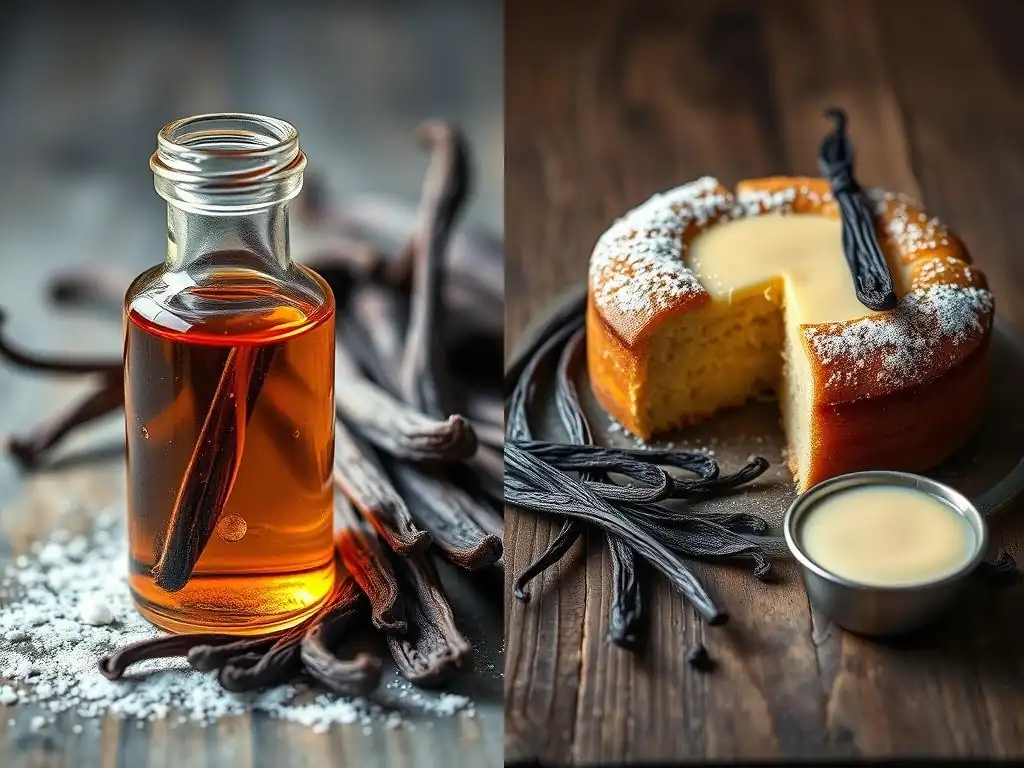
For those looking to stock their pantry with quality vanilla products, here are a few recommendations to get you started. These options offer a range of price points and flavor profiles to suit different baking needs, whether you're making everyday cookies or a special occasion dessert.
Top Vanilla Extracts for Everyday Baking:
Trader Joe's Vanilla Extract - Affordable and widely available.
Simply Organic Vanilla Extract - Organic and flavorful option.
Madagascar Bourbon Vanilla Beans - Rich, creamy flavor.
Tahitian Vanilla Beans - Floral and fruity notes.
Mastering Vanilla: Tips and Tricks for Perfect Baking Results
Beyond choosing between extract and beans, mastering vanilla involves understanding its nuances and how to best use it. Avoiding artificial flavors and knowing simple techniques like extracting seeds or making your own extract can further enhance your baking skills and the quality of your vanilla-flavored creations.
Effective use of vanilla, whether extract or bean, requires paying attention to its quality and how it's handled. A little knowledge goes a long way in ensuring that the vanilla flavor in your baked goods is pure, potent, and perfectly balanced, truly unlocking the full vanilla bean extract benefits baking offers.
Avoiding Artificial Vanilla Flavor: Why Real Vanilla Matters
Artificial vanilla flavor is typically made from synthetic vanillin, which is a single chemical compound. While it mimics the primary note of vanilla, it lacks the hundreds of other aromatic compounds found in real vanilla beans. This results in a flavor that is often described as flat, harsh, or one-dimensional compared to the complex, rounded flavor of pure vanilla.
Using pure vanilla extract or vanilla beans makes a significant difference in the quality of your baked goods. Real vanilla adds depth, warmth, and subtle background notes that enhance all the other ingredients. While imitation vanilla is much cheaper, the improvement in flavor when using pure vanilla is substantial and noticeable, making it a worthwhile investment for any serious baker aiming for the best possible taste.
Extracting Vanilla Bean Seeds: Step-by-Step Guide
Extracting the flavorful seeds from a vanilla bean is a simple process once you know how. This "vanilla caviar" is packed with flavor and adds beautiful visual cues. Here is a straightforward method:
- Place the vanilla bean on a clean cutting board.
- Using a sharp paring knife, carefully split the bean lengthwise from one end to the other, without cutting all the way through the second side if possible, allowing it to open like a book.
- Open the split bean and use the back of your knife blade (or a small spoon) to gently scrape down the inside of each half, from one end to the other. The goal is to collect the dark, pasty seeds.
- Gather the scraped seeds on your board and add them directly to your recipe as needed. Don't discard the scraped pod; it can be infused into liquids or added to sugar to make vanilla sugar.
Making Your Own Vanilla Extract: A DIY Project for the Aspiring Baker
Making your own vanilla extract is a rewarding and surprisingly simple project that yields a high-quality product over time. It's also often more cost-effective in the long run, especially if you buy vanilla beans in bulk. You only need two main ingredients: vanilla beans and alcohol.
Grade B vanilla beans, often called "extract grade" beans, are typically drier and less visually appealing than Grade A beans, but they contain just as much flavor for extraction and are significantly cheaper, making them ideal for this purpose. A common ratio is about 1 ounce of vanilla beans (roughly 5-8 beans depending on size) per 8 ounces (1 cup) of 70-80 proof alcohol, such as vodka, rum, or bourbon. Split the beans lengthwise, place them in a clean bottle or jar, cover completely with alcohol, seal tightly, and store in a cool, dark place.
Shake the container weekly. The extract will be ready to use in about 6 months, but the flavor will continue to deepen over a year or more. This DIY approach provides a continuous supply of pure vanilla extract, demonstrating a practical vanilla bean extract benefits baking over time.
Frequently Asked Questions
What are the main differences between using vanilla extract and vanilla bean in baking?
Vanilla extract is an alcohol-based infusion of vanilla beans, offering convenience. Vanilla bean provides a more complex and intense flavor, derived directly from the bean itself, often with visible specks.
How does the flavor profile differ when using vanilla extract versus vanilla bean?
Vanilla extract provides a consistent, classic vanilla flavor. Vanilla bean offers a richer, more nuanced taste with floral and sometimes smoky undertones, often described as "cleaner".
When is it better to use vanilla extract over vanilla bean in a recipe?
Vanilla extract is ideal for everyday baking where convenience and cost are factors, such as cookies or simple cakes. It's also suitable when a subtle vanilla flavor is desired.
What are some recipes where using vanilla bean is highly recommended?
Vanilla bean shines in recipes where vanilla is the star flavor, like vanilla bean ice cream, crème brûlée, or panna cotta. The visible specks also add an aesthetic appeal.
How should vanilla beans be stored to maintain their quality and freshness?
Vanilla beans should be stored in an airtight container in a cool, dark place. Avoid storing them in the refrigerator, as this can dry them out. They can also be stored in sugar or alcohol.
Final Reflection: The Sweet Science of Vanilla – Choosing the Right Flavor
The quest for the perfect vanilla flavor is far more than a culinary pursuit; it's a journey into understanding the nuances of ingredient quality and its profound impact on the final product. The subtle differences between vanilla extract and vanilla bean paste, as explored throughout this article, highlight the importance of mindful ingredient selection, even in seemingly simple recipes. Choosing wisely elevates the baking experience from good to exceptional.
The enduring appeal of vanilla, its comforting aroma and versatile nature, speaks volumes about its place in our collective culinary consciousness. It's more than just a flavor; it's a symbol of home-baked goodness, of cherished traditions passed down through generations. Vanilla is the soul of baking; it's the whisper that elevates the ordinary to the extraordinary.
(This is a fictional quote, feel free to replace with a real one if you have a suitable source). The ongoing exploration of different vanilla forms reflects our desire for authenticity and a deeper connection with the ingredients we use.
Now, consider your own baking journey. What have you learned about the power of ingredient choice? Will you embrace the challenge of incorporating vanilla beans into your next creation, savoring the textural and aromatic rewards? I encourage you to experiment, to explore the subtle differences, and to discover the unique magic that the right type of vanilla can bring to your baking. The journey towards perfect vanilla is a continuous one, and your own discoveries will be the sweetest reward.
Unlock the Secrets to Exquisite Baking!
Thanks for diving into the world of vanilla! We hope you now feel confident in choosing between vanilla extract and vanilla bean for your baking projects. Ready to put your new knowledge into practice?
- Bake something amazing! Challenge yourself to create a recipe using the type of vanilla you now understand best. Let your creativity run wild!
- Share your vanilla victory! Show us your delicious creations – post a picture on social media and tag us! We love seeing what you bake.
- Explore further! Discover more baking tips and tricks in our extensive recipe library on the BakeWithEase website.
What delicious vanilla-infused treat will you create first?