
NoFail Drop Cookies with Common Ingredients

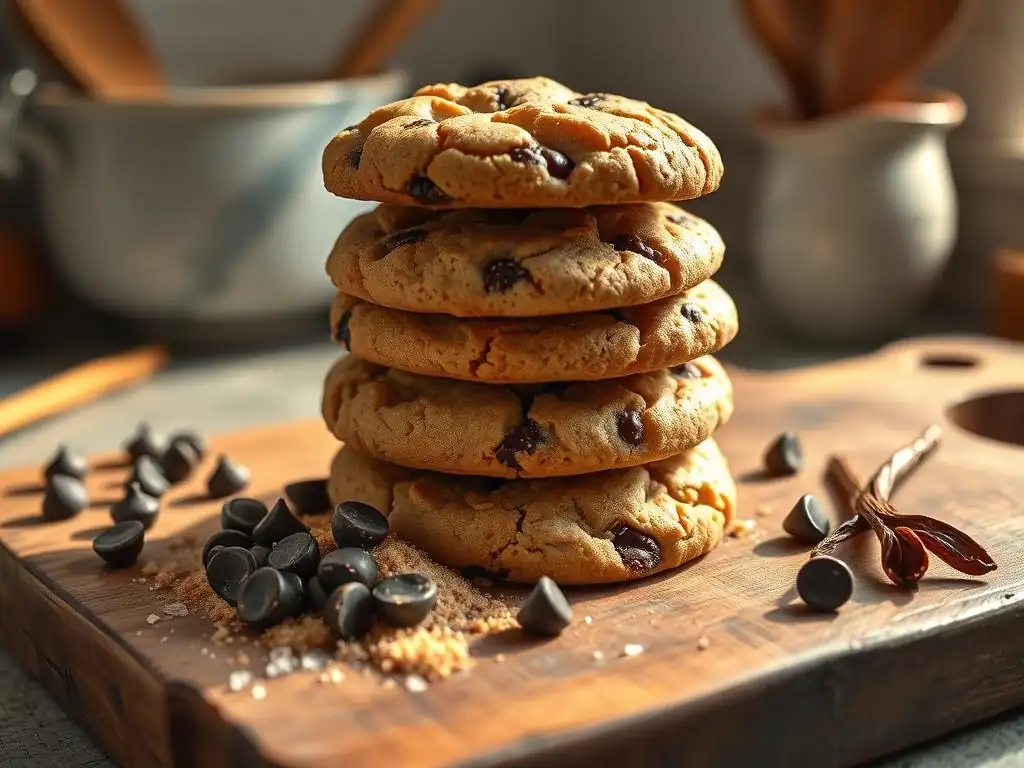
Welcome to BakeWithEase, your ultimate guide to effortless baking! Ever dreamed of whipping up a batch of perfectly soft, irresistibly chocolatey cookies without the fuss? Our NoFail Chocolate Drop Cookies Recipe will have you baking like a pro in no time. Discover the secrets to these simple, yet decadent treats and unlock a world of beginner-friendly baking adventures. Ready to experience cookie perfection?
- Classic Chocolate Chip Cookies: A Simple Recipe for Success
- Introduction to Classic Chocolate Chip Cookies
- Understanding Cookie Dough: A Beginner's Guide
- The Ultimate Chocolate Chip Cookie Recipe: Ingredients List
-
Step-by-Step Guide: Baking Classic Chocolate Chip Cookies
- Preparing Your Baking Station
- Step 1: Creaming Butter and Sugar for Light and Airy Cookies
- Step 2: Adding Eggs and Vanilla Extract for Flavor
- Step 3: Combining Dry Ingredients for Even Baking
- Step 4: Mixing Wet and Dry Ingredients: Achieving the Right Consistency
- Step 5: Adding Chocolate Chips: Choosing Your Favorite
- Step 6: Dropping Cookies onto Baking Sheets: Size and Spacing
- Step 7: Baking Your Chocolate Chip Cookies
- Step 8: Cooling and Storing Your Cookies
- Tips and Tricks for Perfect Chocolate Chip Cookies
- Troubleshooting Common Cookie Problems
- Variations on the Classic Chocolate Chip Cookie Recipe
- Storing and Serving Your Homemade Chocolate Chip Cookies
- Conclusion: Enjoying Your Homemade Chocolate Chip Cookies
-
Frequently Asked Questions
- What makes this chocolate drop cookie recipe "Nofail"?
- What are some common ingredients I can expect to find in this recipe?
- Can I substitute ingredients in this chocolate drop cookie recipe?
- How long does it take to bake these Nofail chocolate drop cookies?
- What's the best way to store leftover Nofail chocolate drop cookies?
- Final Reflection: The Enduring Power of a Perfect Cookie
- Unleash Your Inner Baker: Master the Perfect Drop Cookie!
Baking cookies can feel like a magical process – transforming simple ingredients into warm, comforting treats. For many, the chocolate chip cookie is the ultimate comfort food, a timeless classic that evokes feelings of home and happiness. Whether you're just starting your baking journey or looking for a reliable go-to recipe, mastering classic chocolate chip cookies is a fundamental skill that opens the door to countless other baking adventures. This guide is designed to walk you through each step, ensuring your first (or hundredth!) batch is a delicious success.
This article focuses on providing a straightforward, easy-to-follow recipe for classic chocolate chip cookies using common pantry staples. We’ll break down the process, explain the science behind some key steps, and offer tips to troubleshoot common issues. By the end, you’ll have the confidence to bake a truly nofail chocolate drop cookies recipe that you can return to again and again. Get ready to fill your kitchen with the irresistible aroma of freshly baked chocolate chip cookies!
Why This Recipe is Perfect for Beginner Bakers
This classic chocolate chip cookie recipe is specifically chosen for its simplicity and high success rate, making it an ideal starting point for anyone new to baking. Unlike more complex pastries or breads that require precise techniques or long proofing times, drop cookies are incredibly forgiving. The process involves straightforward mixing steps and requires minimal special equipment, usually just standard measuring tools, mixing bowls, and baking sheets. This reduces the barriers to entry and makes the baking experience less intimidating.
Furthermore, this particular nofail chocolate drop cookies recipe relies on readily available ingredients that are likely already in your pantry or easily found at any grocery store. The structure of a classic chocolate chip cookie dough is quite stable, meaning small variations in mixing time or ingredient temperature (within reason) won't typically result in complete failure. This resilience builds confidence, allowing beginners to focus on learning basic techniques like creaming butter and sugar or measuring flour accurately, without the pressure of achieving perfect technical precision right away. It’s a recipe designed for wins, not worries.
Before diving into the recipe itself, let's cover some essential baking basics that will set you up for success. Accurate measurement is paramount in baking; unlike cooking, where you can often adjust ingredients by taste, baking relies on precise ratios. Always use dry measuring cups for flour, sugar, and chocolate chips, leveling off the excess with a straight edge. For liquids like vanilla extract or milk (if using), use liquid measuring cups placed on a flat surface to read the measurement at eye level.
Temperature also plays a crucial role. Ensure your butter and eggs are at room temperature unless the recipe specifically states otherwise. Room temperature butter creams better with sugar, creating air pockets essential for cookie texture, while cold eggs can cause the batter to curdle.
Preheat your oven fully before baking; an oven thermometer can help verify accuracy, as oven temperatures can vary by as much as 25-50 degrees Fahrenheit from the dial setting. Having basic tools like measuring cups and spoons, mixing bowls, a whisk or electric mixer, rubber spatulas, and baking sheets lined with parchment paper or silicone mats will make the process smooth and enjoyable.
Cookie dough is more than just a mixture of ingredients; it's a carefully balanced system where each component plays a vital role in the final texture, flavor, and appearance of the cookie. Understanding how these elements interact can help you troubleshoot issues and even experiment with variations down the line. The base of most cookie doughs involves a fat (usually butter), sugar, eggs, flour, and a leavening agent like baking soda or powder, along with flavorings like vanilla and salt. The ratio and treatment of these ingredients determine whether you get a chewy, crispy, or soft cookie.
For a classic chocolate chip cookie, the magic happens when butter and sugar are creamed together, incorporating air. Eggs bind the ingredients and add richness, while flour provides structure. Leavening agents produce gas (carbon dioxide) during baking, causing the cookies to rise and spread. Knowing this fundamental structure makes tackling a nofail chocolate drop cookies recipe much easier, as you can anticipate how changes might affect the outcome. It's a fascinating interplay of chemistry and simple kitchen techniques.
The defining characteristics of a classic chocolate chip cookie, the kind often associated with a perfect nofail chocolate drop cookies recipe, are a delightful contrast in textures and a harmonious blend of flavors. Typically, a classic cookie boasts slightly crispy edges that give way to a soft, chewy center. This texture is often achieved through a specific ratio of brown sugar to granulated sugar (brown sugar adds moisture and chewiness) and the creaming method, which incorporates air for a lighter texture.
Flavor-wise, the classic cookie is a balance of sweet dough, often enhanced by vanilla and salt, and the rich, sometimes slightly bitter, notes of semi-sweet chocolate chips. The size and type of chocolate chips also contribute; standard semi-sweet morsels are traditional, melting just enough to create pockets of gooey chocolate throughout the cookie. This combination of textural contrast and flavor balance is what has made the chocolate chip cookie an enduring favorite for generations, a benchmark for any simple chocolate cookie recipe.
Even with a reliable nofail chocolate drop cookies recipe, certain common pitfalls can affect the outcome. One frequent mistake is overmixing the dough once the flour is added. Mixing flour develops gluten, which is desirable in bread but can lead to tough, dense cookies. Mix just until the dry ingredients are incorporated.
Another common issue is using butter that is too cold or too melted. Cold butter won't cream properly with sugar, resulting in less air and denser cookies. Melted butter, on the other hand, can cause cookies to spread too much and become greasy. Aim for softened butter that holds its shape but yields easily to pressure.
Using incorrect measurements, particularly with flour or leavening agents, is another mistake. Too much flour can make cookies dry and cakey, while too little can cause excessive spreading. Using expired baking soda or powder will result in cookies that don't rise or spread properly. Also, overcrowding your baking sheets is a common error; cookies need space to spread, typically 2-3 inches apart. Placing too many on a sheet can cause them to merge or bake unevenly. Being mindful of these simple points significantly increases your chances of baking perfect chocolate drop cookies.
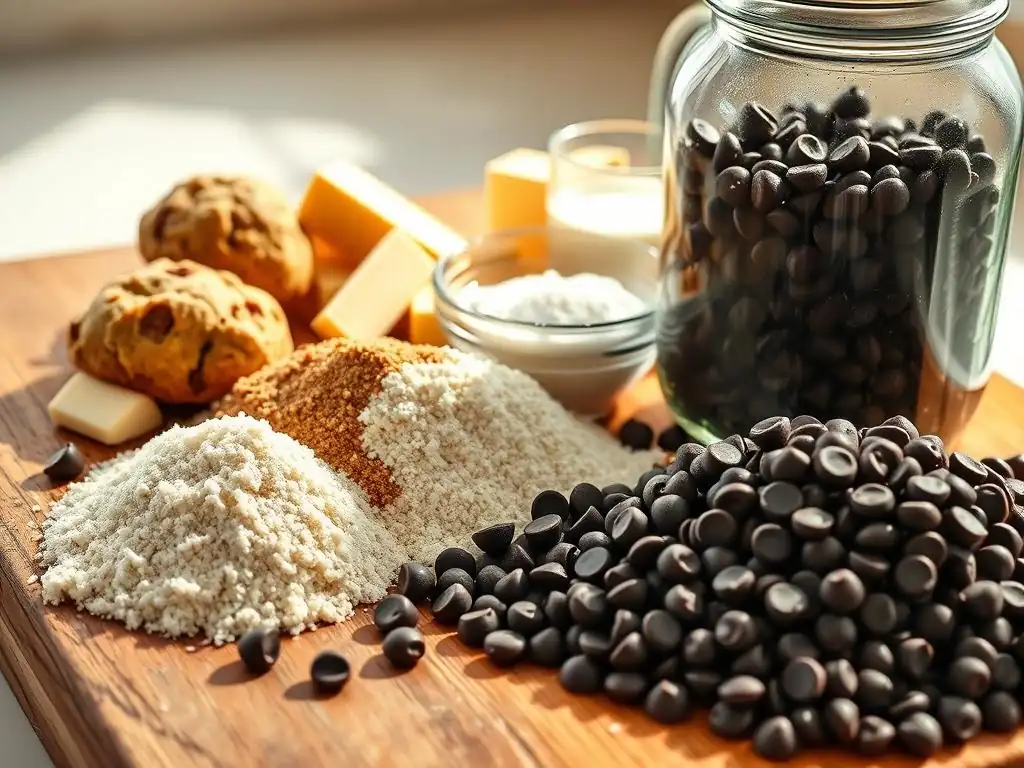
Ready to bake? Here is the list of ingredients you'll need for this simple, nofail chocolate drop cookies recipe. These are standard pantry items, making it easy to whip up a batch whenever the craving strikes. Remember to measure carefully!
- 1 cup (2 sticks) unsalted butter, softened
- ¾ cup granulated sugar
- ¾ cup packed light or dark brown sugar
- 2 large eggs, at room temperature
- 1 teaspoon vanilla extract
- 2 ¼ cups all-purpose flour
- 1 teaspoon baking soda
- ½ teaspoon salt
- 1 ½ cups chocolate chips (semi-sweet are classic, but use your favorite)
This list provides the foundation for a delicious batch of about 24 cookies. Ensuring your butter is properly softened (not melted!) and your eggs are at room temperature are key steps for achieving the desired texture in this easy chocolate drop cookies recipe.
Each ingredient in this recipe plays a specific and important role in creating the perfect cookie. Softened butter and both types of sugar form the base; creaming them together incorporates air, which contributes to the cookie's lift and texture. The granulated sugar helps with crispness, while the brown sugar adds moisture, chewiness, and a slight caramel flavor. Eggs act as a binder, holding everything together, and add richness; using large eggs at room temperature ensures they emulsify properly with the butter mixture.
Vanilla extract is a crucial flavor enhancer, adding depth and warmth that complements the chocolate. All-purpose flour provides the necessary structure for the cookies. Baking soda is the primary leavening agent in this recipe; it reacts with the acidic brown sugar to produce carbon dioxide gas, causing the cookies to spread and rise slightly. Salt balances the sweetness and enhances all the other flavors. Finally, the chocolate chips provide those essential pockets of melted chocolate goodness. Using high-quality ingredients, even simple ones, makes a noticeable difference in the final taste of your nofail chocolate drop cookies recipe.
Ingredient Substitutions & Variations
While the classic recipe is fantastic, you might need to make substitutions due to dietary restrictions or simply want to experiment. Here are a couple of common variations for this easy chocolate drop cookies recipe:
Dairy-Free Chocolate Chip Cookies
Making dairy-free chocolate chip cookies is quite straightforward. Simply substitute the unsalted butter with an equal amount of dairy-free or vegan butter sticks. Look for brands designed for baking, as they often have a similar fat content and behavior to dairy butter. You'll also need to use dairy-free chocolate chips, which are widely available now in various forms like semi-sweet, dark, or "milk" chocolate style.
The rest of the ingredients (sugar, eggs, flour, etc.) are typically dairy-free, but always double-check labels, especially for chocolate chips. The process remains the same: cream the vegan butter with sugars, add eggs and vanilla, then the dry ingredients and dairy-free chocolate chips.
Gluten-Free Chocolate Chip Cookies
To make gluten-free chocolate chip cookies, the primary substitution is the flour. Replace the 2 ¼ cups of all-purpose flour with an equal amount of a good quality all-purpose gluten-free flour blend. Look for a blend that contains a mix of flours (like rice flour, tapioca starch, potato starch) and usually a binder like xanthan gum. Some blends perform better than others in cookies, so you might need to experiment slightly.
If your blend does not contain xanthan gum, you may need to add about ½ teaspoon to the recipe to help with structure. The rest of the ingredients are naturally gluten-free. Follow the same mixing steps as the classic nofail chocolate drop cookies recipe, being careful not to overmix the GF blend.
Follow these simple steps to bake a batch of delicious, nofail chocolate drop cookies recipe. This guide breaks down each part of the process to make it easy to follow.
Preparing Your Baking Station
Before you even start mixing, take a few minutes to prepare your baking station. Preheat your oven to 375°F (190°C). While the oven heats, line your baking sheets with parchment paper or silicone baking mats. This prevents sticking and makes cleanup a breeze. Gather all your ingredients and measure them out beforehand (this is called mise en place and saves time and reduces errors). Ensure your butter is softened and your eggs are at room temperature. Having everything ready before you begin mixing ensures a smooth and efficient baking process.
In a large mixing bowl, or the bowl of a stand mixer, beat the softened butter with the granulated sugar and brown sugar. Start on low speed to combine, then increase to medium-high speed and beat for 2-3 minutes. You want the mixture to become light, fluffy, and pale in color.
This process, called creaming, incorporates air into the butter and sugar crystals, which creates tiny pockets that expand during baking, contributing to the cookie's texture and rise. Scrape down the sides of the bowl periodically to ensure even mixing. This step is crucial for achieving a tender crumb in your nofail chocolate drop cookies recipe.
Step 2: Adding Eggs and Vanilla Extract for Flavor
Once the butter and sugar mixture is light and fluffy, add the eggs one at a time, beating well after each addition. Beat until the egg is fully incorporated into the butter mixture. Then, stir in the vanilla extract. Vanilla adds a warm, aromatic flavor that is characteristic of classic chocolate chip cookies. Ensure these wet ingredients are thoroughly combined before moving on. Adding eggs individually helps them emulsify better with the fat, preventing a separated or curdled batter.
Step 3: Combining Dry Ingredients for Even Baking
In a separate medium bowl, whisk together the all-purpose flour, baking soda, and salt. Whisking helps to aerate the dry ingredients, distribute the baking soda and salt evenly, and remove any lumps in the flour. This ensures that the leavening is spread throughout the dough, leading to even rising and spreading during baking. Properly combining dry ingredients is a simple but important step for a consistent nofail chocolate drop cookies recipe.
Step 4: Mixing Wet and Dry Ingredients: Achieving the Right Consistency
Gradually add the dry ingredients to the wet ingredients, mixing on low speed. Mix just until the flour streaks disappear and the ingredients are combined. Do not overmix! Overmixing develops gluten, which can result in tough cookies. The dough should be soft and just come together. A few small patches of unmixed flour are fine; you can gently fold them in with a spatula. The goal is to achieve a cohesive dough without overworking it.
Step 5: Adding Chocolate Chips: Choosing Your Favorite
Now it's time for the star ingredient! Add the chocolate chips to the dough. You can use semi-sweet chips for a classic taste, or try milk chocolate, dark chocolate, or even white chocolate chips. Chocolate chunks or chopped chocolate bars also work wonderfully.
Use a rubber spatula or a wooden spoon to fold the chocolate chips into the dough until they are evenly distributed. Be careful not to overmix here either; gentle folding is key. For this nofail chocolate drop cookies recipe, about 1 ½ cups is a good starting point, but feel free to add a little more if you're a serious chocolate lover!

Using a tablespoon or a cookie scoop (a 1.5 to 2-tablespoon size is common), drop rounded balls of dough onto your prepared baking sheets. Leave about 2-3 inches of space between each cookie, as they will spread during baking. A standard baking sheet can usually accommodate 8-12 cookies without overcrowding. Using a scoop helps ensure that your cookies are uniformly sized, which leads to more even baking across the batch.
Place the baking sheet in the preheated oven. Bake for 9-12 minutes, or until the edges are golden brown and the centers look slightly soft and still a little pale. The exact baking time will depend on your oven and how large you made the cookies. For a chewier cookie, bake for closer to 9-10 minutes.
For a crispier edge, bake for 11-12 minutes. Don't overbake! Cookies continue to bake slightly as they cool on the hot baking sheet. Pulling them out when the centers look just slightly underdone is often the secret to a perfectly chewy interior in a nofail chocolate drop cookies recipe.
Once the cookies are out of the oven, let them cool on the baking sheet for 2-3 minutes. This allows them to set up slightly before you move them. After a few minutes, carefully transfer the cookies to a wire cooling rack using a spatula to cool completely. Letting them cool on the rack prevents the bottoms from getting soggy from residual heat. Once fully cooled, store them in an airtight container at room temperature.
Even with a reliable nofail chocolate drop cookies recipe, little adjustments can make a big difference in your final product. Here are some tips and tricks to help you achieve your ideal cookie texture and flavor.
The battle between chewy and crispy is a classic cookie debate! For a chewier cookie, use more brown sugar than granulated sugar, ensure your butter is softened but not melted, and slightly underbake them (pull them out when the edges are set but the center still looks soft). Chilling the dough for at least 30 minutes before baking can also lead to thicker, chewier cookies. The cold dough spreads slower in the oven.
For a crispier cookie, you can use slightly more granulated sugar than brown sugar, ensure your butter is truly softened (not cold), and bake them for a minute or two longer until the edges are more deeply golden brown. Some recipes for crispier cookies might even call for melted butter, though this recipe uses softened butter for a balance of texture. Experimenting with baking time is the easiest way to adjust crispness with this nofail chocolate drop cookies recipe.
Flat cookies are a common disappointment, but easily preventable with a few key tips. The most frequent culprits are usually melted or overly soft butter, expired baking soda, or an oven that isn't hot enough. Ensure your butter is softened but still holds its shape when pressed; it should not be greasy or liquid. Check the expiry date on your baking soda – it loses its leavening power over time.
Also, make sure your oven is fully preheated to the correct temperature (375°F). If your cookies consistently spread too much, try chilling the dough for at least 30 minutes, or up to 24-48 hours, before baking. Chilling solidifies the fat, preventing the cookies from spreading too rapidly in the hot oven. Using parchment paper instead of greasing the baking sheet can also help control spread in this nofail chocolate drop cookies recipe.
Once you've mastered the basic nofail chocolate drop cookies recipe, you might want to try adding extra elements for flavor and texture.
Adding Nuts for Texture
Adding nuts is a popular way to enhance chocolate chip cookies, providing a pleasant crunch that contrasts with the soft dough and gooey chocolate. Walnuts and pecans are classic choices. Roughly chop about ¾ to 1 cup of nuts and fold them in with the chocolate chips in Step 5. Toasting the nuts lightly before adding them can bring out their flavor even more.
Using Different Types of Chocolate
Don't feel limited to just semi-sweet chips! Experiment with different types of chocolate. Using a mix of dark and milk chocolate chips can add complexity. Chopping a good quality chocolate bar into chunks provides wonderful pockets of melted chocolate in varying sizes. Mini chocolate chips are great for smaller cookies or when you want more chocolate distribution. White chocolate chips offer a creamy sweetness that pairs well with the classic dough or with additions like macadamia nuts.
Even when following a nofail chocolate drop cookies recipe, sometimes things don't go exactly as planned. Here's how to address some common issues.
Flat cookies are often caused by butter that is too soft or melted, expired baking soda, or an oven that is not hot enough. Ensure your butter is just softened, not greasy. Test your baking soda by dropping a pinch into a little vinegar; if it fizzes vigorously, it's good. Always preheat your oven fully, and consider using an oven thermometer to check its accuracy. Chilling the dough before baking is also a very effective method to combat excessive spreading and result in thicker cookies.
Dry, crumbly cookies are typically the result of too much flour or overbaking. Make sure you are measuring your flour correctly using the "spoon and level" method (gently spoon flour into your dry measuring cup and level off the top with a straight edge, don't scoop directly from the bag). Overbaking removes too much moisture; bake only until the edges are set and the centers still look slightly soft. Reducing the baking time by 1-2 minutes might solve the issue.
If your cookies aren't spreading enough, they might be dense or cakey. This can be caused by using butter that is too cold, overmixing the dough (developing too much gluten), or using too much flour. Ensure your butter is properly softened. Mix the dry ingredients into the wet ingredients just until combined. Double-check your flour measurement to make sure you haven't added too much. Sometimes, a slightly higher baking temperature can encourage spread, but start by checking butter temperature and mixing technique in this nofail chocolate drop cookies recipe.
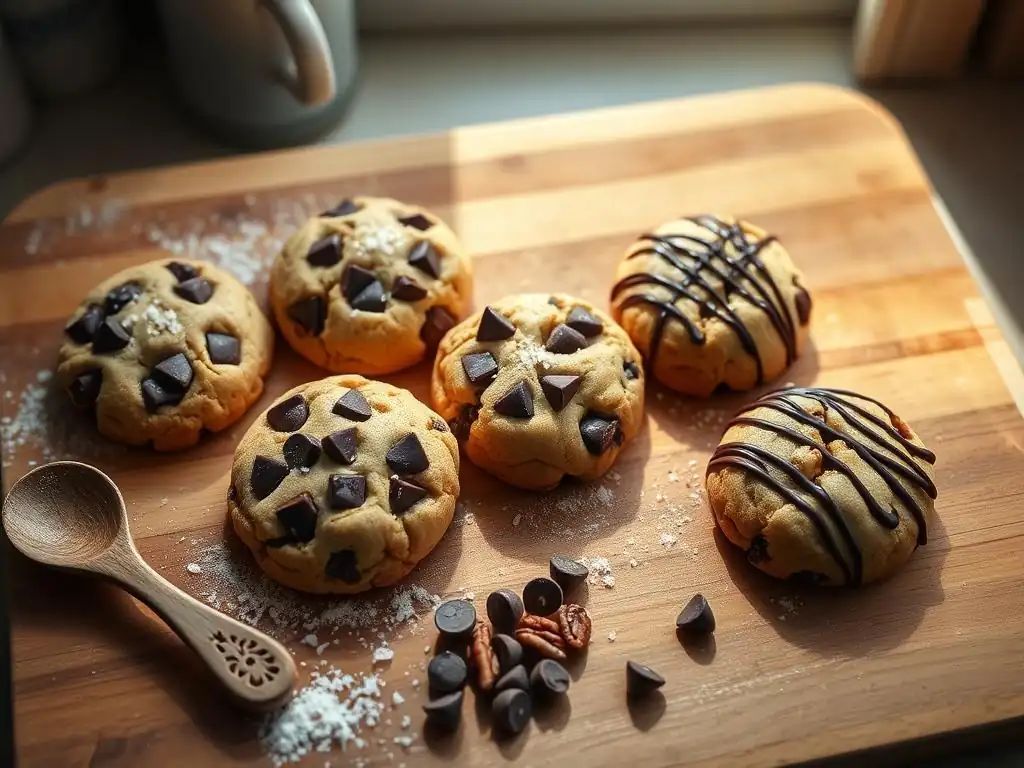
Once you're comfortable with the basic nofail chocolate drop cookies recipe, you can easily adapt it to create exciting variations.
For serious chocolate lovers, double chocolate chip cookies are a must-try. Modify the recipe by reducing the amount of flour slightly (to about 2 cups) and adding about ½ cup of unsweetened cocoa powder along with the dry ingredients. This gives the dough a rich chocolate flavor. Then, proceed with adding the chocolate chips as usual (you might even want to add extra! ).
Adding walnuts is a classic variation that provides a lovely crunch and earthy flavor. Simply fold about ¾ to 1 cup of chopped walnuts into the dough along with the chocolate chips in Step 5 of the base recipe. For enhanced flavor, lightly toast the walnuts in a dry pan or in the oven for a few minutes before adding them to the dough.
This popular variation swaps semi-sweet chips for white chocolate and adds macadamia nuts. Replace the semi-sweet chocolate chips with 1 ½ cups of white chocolate chips or chopped white chocolate. Fold in about ¾ to 1 cup of chopped macadamia nuts along with the white chocolate. The rich, buttery flavor of macadamia nuts pairs beautifully with sweet white chocolate in this twist on the nofail chocolate drop cookies recipe.
You've baked a perfect batch of nofail chocolate drop cookies recipe! Now, how do you keep them fresh and enjoy them?
To keep your cookies fresh and delicious, store them in an airtight container at room temperature. A cookie jar with a tight-fitting lid or a plastic container works well. Separate layers of cookies with parchment paper if stacking them to prevent sticking. Properly stored, they should stay fresh for 3-5 days.
For longer storage, you can freeze baked cookies in a freezer-safe airtight container or freezer bag for up to 3 months. Thaw at room temperature before enjoying. You can also freeze balls of unbaked dough; place dough balls on a baking sheet and freeze until solid, then transfer to a freezer bag. Bake from frozen, adding a couple of minutes to the baking time.
Warm chocolate chip cookies are a treat on their own, but they are also wonderful served in various ways. A classic pairing is with a cold glass of milk. For a decadent dessert, serve warm cookies with a scoop of vanilla ice cream – the contrast of warm cookie and cold ice cream is divine. You can also crumble them over yogurt or pudding. Freshly baked, they make a thoughtful gift or a perfect treat to share with friends and family.
Congratulations! You've successfully baked a batch of classic chocolate chip cookies using this simple, nofail chocolate drop cookies recipe. You've learned the basics of cookie making, understood the role of key ingredients, and tackled potential issues with confidence. This foundational recipe is a fantastic starting point for any beginner baker and a reliable favorite for experienced ones.
Baking is a wonderful way to create something delicious with your own hands, and there's little more satisfying than pulling a tray of warm, golden-brown cookies from the oven. Whether you stick to the classic version or explore some of the variations, the joy of homemade chocolate chip cookies is truly special. So go ahead, grab a cookie (or two! ), pair it with your favorite beverage, and savor the sweet reward of your baking efforts. Happy baking!
Frequently Asked Questions
This recipe is considered "Nofail" because it uses simple ingredients and straightforward instructions, minimizing common baking errors. The recipe is designed to be easy to follow, even for beginner bakers.
What are some common ingredients I can expect to find in this recipe?
The Nofail chocolate drop cookie recipe uses commonly available ingredients like flour, sugar, butter (or oil), eggs, vanilla extract, and chocolate chips. This means you likely already have most of the items you need!
While the recipe is designed for success as written, some substitutions are possible. However, changing key ingredients like flour or sugar could impact the final texture and outcome. Small adjustments are usually acceptable.
The baking time is relatively short, typically around 8-12 minutes, depending on your oven. It's crucial to watch the cookies carefully to avoid overbaking.
Store leftover cookies in an airtight container at room temperature. This will help them maintain their freshness and texture for several days. You can also freeze them for longer storage.
The seemingly simple act of baking a perfect chocolate chip cookie transcends mere culinary skill; it's a potent symbol of comfort, connection, and the enduring power of familiar flavors. This article explored a foolproof recipe, designed to guarantee success even for novice bakers, proving that achieving deliciousness doesn't require complex techniques or obscure ingredients. The accessibility of this recipe, using common pantry staples, makes it a powerful tool for creating joy in the kitchen.
The impact of a shared, delicious cookie is undeniable. It's a universal language of comfort, a bridge between generations, and a catalyst for cherished memories. A cookie is a little bit of happiness you can hold in your hand.
This simple quote perfectly encapsulates the emotional resonance of baking and sharing these treats. From childhood memories of warm cookies fresh from the oven to the comforting ritual of baking with loved ones, the cultural significance of the cookie remains strong, a testament to its enduring appeal.
Now, I invite you to consider the power of this simple act. Don't just bake these cookies; experience them. Share them with someone you care about, savor the warmth, and let the familiar taste transport you to a place of comfort and connection. Let this recipe be a reminder that even the smallest acts of creation can bring immense joy, and that sometimes, the simplest things in life are the most meaningful. Go forth, bake, and share the happiness!
Thanks for joining us on this delicious journey! You've just unlocked the secrets to perfectly textured, flawlessly flavored drop cookies, using ingredients you likely already have. Ready to put your new skills to the test?
- Bake a batch today! Use your newfound cookie expertise to whip up a batch using your favorite flavor combinations. Don't be afraid to experiment!
- Share your creations: Show us your stunning cookies on social media using #BakeWithEaseDropCookies – we can’t wait to see them!
- Explore our other easy baking recipes on BakeWithEase.com – maybe a decadent brownie is next on your list?
What incredible flavor combinations will you create with your newfound cookie expertise?