
Active Dry vs. Instant Yeast: Fermentation Speed Showdown

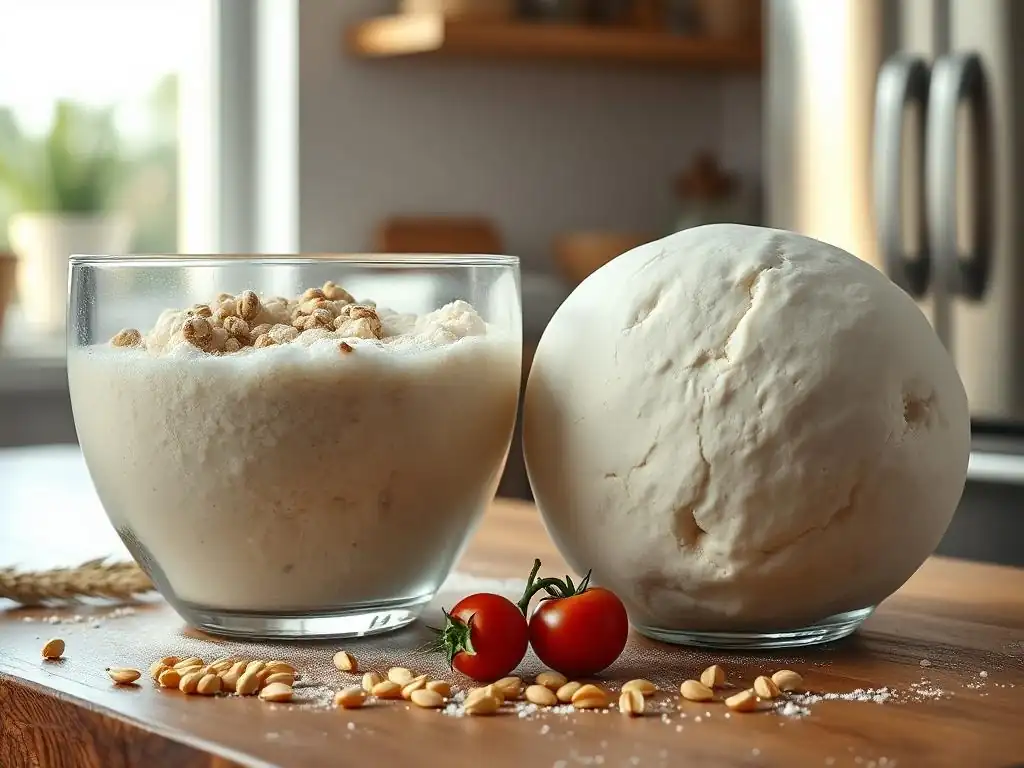
Welcome to BakeWithEase, your guide to unlocking baking brilliance! Ever wondered if your choice of yeast is holding you back? Dive into our Baking Science Deep Dive and unravel the mystery behind instant yeast fermentation speed. Discover how different types of yeast affect your bake times, and whether active dry or instant is the true champion. Are you ready to speed up your baking game? Let's get started!
- Understanding Yeast and Fermentation in Baking
- Active Dry Yeast: Characteristics and Usage
- Instant Yeast: Characteristics and Usage
- Active Dry vs. Instant Yeast: A Head-to-Head Fermentation Speed Comparison
- Factors Influencing Fermentation Speed: Beyond Yeast Type
- Choosing the Right Yeast for Your Baking Project: A Practical Guide
- Maximizing Fermentation Speed: Tips and Tricks
- Conclusion: Finding Your Fermentation Sweet Spot
-
Frequently Asked Questions
- What is the main difference between active dry and instant yeast regarding fermentation speed?
- How does proofing affect the fermentation speed of active dry yeast?
- What factors, besides the type of yeast, can impact fermentation speed?
- Can I substitute instant yeast for active dry yeast in a recipe, and will it affect the fermentation time?
- Why is understanding fermentation speed important for baking success?
- Final Reflection: The Yeast of Our Content: Speed, Flavor, and the Future of Baking
- Unlock Your Baking Potential: Yeast Mastery Awaits!
Understanding Yeast and Fermentation in Baking
The Role of Yeast in Baking: A Quick Overview
Yeast is a single-celled microorganism, specifically a type of fungus, that plays a crucial role in many baking processes. Its primary function is to make dough rise, creating that light, airy texture we love in breads, rolls, and some pastries. When yeast is added to dough, it begins to consume sugars present in the flour or added separately. This consumption process, known as fermentation, produces carbon dioxide gas and alcohol.
The carbon dioxide gas gets trapped within the elastic network of gluten developed in the dough. As the yeast produces more gas, these bubbles expand, causing the dough to rise. The alcohol produced contributes to the flavor profile of the final baked good. Without yeast, most bread would be flat and dense, similar to a cracker. Understanding how yeast works is fundamental to successful baking.
What is Fermentation? Understanding the Science
Fermentation in baking is the metabolic process by which yeast converts sugars into carbon dioxide gas and ethanol (alcohol). This anaerobic process doesn't require oxygen, making it perfect for working within a dense dough environment. The primary sugars yeast feeds on are glucose and fructose, which are either naturally present in flour (from the breakdown of starch) or added ingredients like sugar or honey.
During fermentation, enzymes within the yeast break down complex carbohydrates into simpler sugars that the yeast can consume. The rate of this conversion and gas production is influenced by several factors, including temperature, the amount of sugar available, the presence of salt, and the hydration level of the dough. Controlling these factors allows bakers to manage the dough's rise and flavor development.
Active Dry Yeast and Instant Yeast: The Two Baking Powerhouses
In the home baking world, the two most common types of yeast you'll encounter are active dry yeast and instant yeast. While both perform the essential function of fermentation, they differ significantly in their processing, hydration requirements, and, crucially, their instant yeast fermentation speed. These differences affect how they are used in recipes and the overall timeline of your baking project.
Active dry yeast is characterized by larger granules and requires rehydration before being mixed with other ingredients. Instant yeast, on the other hand, has smaller granules and can typically be added directly to the dry ingredients without proofing. Understanding the nuances of each type is key to achieving consistent and predictable results in your baking endeavors.
Active Dry Yeast: Characteristics and Usage
What is Active Dry Yeast? A Detailed Look
Active dry yeast is made by removing most of the moisture from live yeast cells, rendering them dormant. This drying process results in larger, coarser granules compared to instant yeast. Because the yeast cells are dormant and protected by a thicker cell wall, they need to be rehydrated in warm liquid before they can become active and begin the fermentation process.
This type of yeast typically contains some inactive yeast cells and requires a specific temperature range for optimal activation. It has been a standard in home baking for many years and is known for its reliability when properly handled. The drying process also gives active dry yeast a relatively long shelf life when stored correctly.
How to Activate Active Dry Yeast: A Step-by-Step Guide
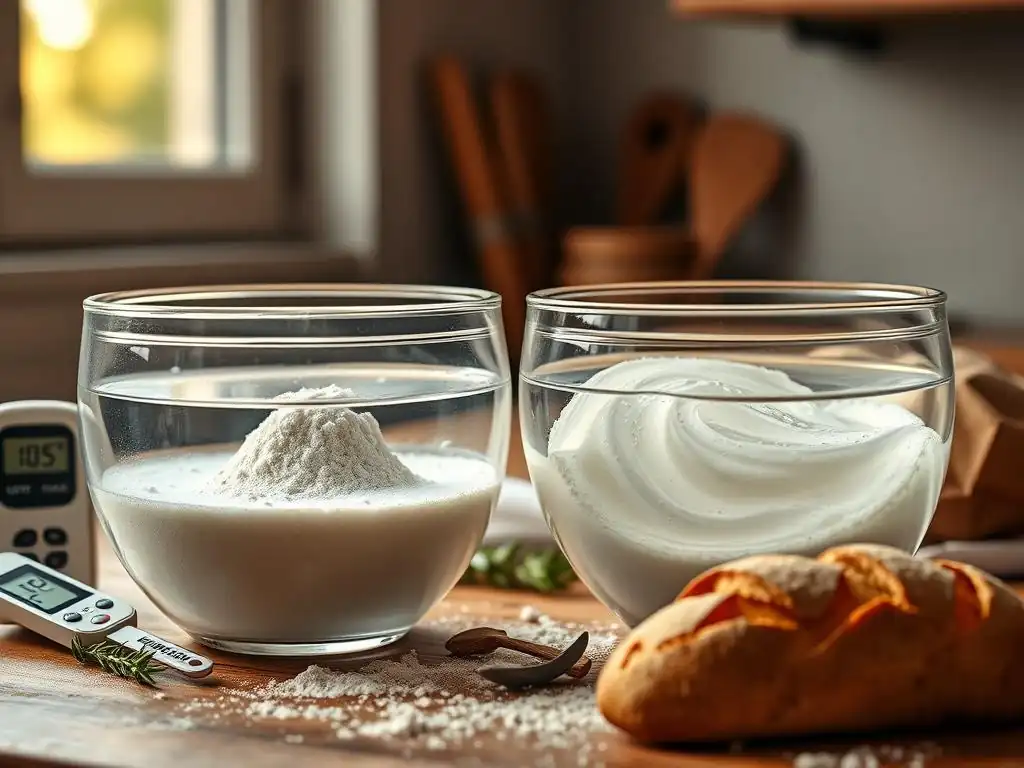
Activating active dry yeast, often called "proofing," is a simple but necessary step. You typically dissolve the yeast in a warm liquid, usually water or milk, ranging in temperature from 105°F to 115°F (40°C to 46°C). Using liquid that is too cool won't activate the yeast effectively, while liquid that is too hot can kill it. A pinch of sugar is often added to the liquid to give the yeast a readily available food source, helping to jumpstart the process.
After adding the yeast to the warm liquid and sugar (if using), stir gently and let the mixture sit for 5 to 10 minutes. You should see the mixture become foamy and bubbly, indicating that the yeast is alive and active. If it doesn't foam, your yeast may be dead, and you should discard it and start with a fresh batch. Once proofed, the bubbly mixture is ready to be combined with the rest of your recipe ingredients.
Active Dry Yeast Fermentation Time: Factors Affecting Speed
The fermentation time for dough using active dry yeast is influenced by numerous factors, but generally, it tends to be slower than with instant yeast under similar conditions. A typical first rise (bulk fermentation) for a standard bread dough using active dry yeast might take anywhere from 60 to 90 minutes at a room temperature of around 75°F (24°C). Subsequent rises might be shorter.
Key factors affecting this speed include the ambient temperature (warmer temperatures accelerate fermentation), the amount of yeast used relative to the flour, the presence of sugar (which speeds it up) and salt (which slows it down), and the overall hydration of the dough. A dough with higher hydration might ferment slightly faster due to better movement of yeast and sugars within the dough.
Troubleshooting Active Dry Yeast Activation Issues
If your active dry yeast fails to activate and foam during proofing, several issues could be at play. The most common culprit is the temperature of the liquid. If it's too cold (below 105°F / 40°C), the yeast won't wake up. If it's too hot (above 120°F / 49°C), the heat can kill the yeast cells. Using a thermometer is the most accurate way to check the liquid temperature.
Another reason for failure is expired or improperly stored yeast. Yeast is a living organism, and it loses viability over time, especially if exposed to air, moisture, or heat. Always check the expiration date and store opened packages in an airtight container in the refrigerator or freezer. If your yeast is within date and the temperature is correct but it still doesn't foam, the batch might be inactive, and you should purchase a new one.
Instant Yeast: Characteristics and Usage
What is Instant Yeast? A Deep Dive
Instant yeast, also known as fast-rising or rapid-rise yeast, is processed differently than active dry yeast. The drying method is more gentle, resulting in smaller granules and a higher percentage of live, active yeast cells. This finer texture and greater activity mean that instant yeast does not require rehydration before use; it can be added directly to your dry ingredients.
The key advantage of instant yeast lies in its convenience and speed. It typically leads to a faster rise time compared to active dry yeast, making it popular for recipes that need a quicker turnaround. Despite its name, it doesn't ferment instantly, but its instant yeast fermentation speed is notably higher than its active dry counterpart.
Using Instant Yeast: Direct Addition Method
One of the primary benefits of instant yeast is its ease of use. In most recipes, you can simply add the instant yeast directly to your flour and other dry ingredients, like salt and sugar, and stir to combine. The liquid ingredients are then added, and the dough is mixed and kneaded as usual. The yeast becomes active as it comes into contact with the moisture in the dough during mixing and kneading.
This direct addition method saves the step of proofing the yeast separately, streamlining the baking process. It's important to note that even though it doesn't require proofing in warm water, the dough still needs sufficient hydration and a favorable temperature to ferment properly. Always ensure your liquids are warm enough for kneading dough (typically 120-130°F or 49-54°C when adding to dry ingredients containing instant yeast) to encourage optimal activity, though the yeast will still work, just slower, at cooler temperatures.
Instant Yeast Fermentation Time: A Faster Alternative?
Yes, instant yeast generally provides a faster fermentation time compared to active dry yeast. This is due to its higher concentration of live cells and smaller granule size, which allows it to activate more quickly when mixed into the dough. While active dry yeast might take 60-90 minutes for a first rise, dough made with instant yeast might achieve a similar rise in 45-60 minutes under identical conditions.
The instant yeast fermentation speed makes it ideal for recipes that promise quick results or require multiple short rises. However, this faster speed can sometimes result in slightly less complex flavor development compared to the longer, slower fermentation often favored with active dry yeast or sourdough. Bakers often adjust rise times or quantities when substituting yeast types to manage both speed and flavor.
Understanding Instant Yeast Storage and Shelf Life
Like all yeasts, instant yeast is a living product, and proper storage is crucial for maintaining its viability and ensuring consistent instant yeast fermentation speed. Unopened packages or jars should be stored in a cool, dry place, away from direct heat or sunlight. Once opened, instant yeast is best stored in an airtight container in the refrigerator or freezer.
When stored correctly in the freezer, instant yeast can remain viable for several months, often up to a year or even longer past the printed expiration date. Storing it at room temperature after opening significantly reduces its shelf life. You can test the viability of instant yeast by mixing a teaspoon with a quarter cup of warm water (around 110°F / 43°C) and a pinch of sugar; it should become bubbly and foamy within 5-10 minutes if it's still active.
Active Dry vs. Instant Yeast: A Head-to-Head Fermentation Speed Comparison
Fermentation Speed Test: Methodology and Variables
To truly understand the difference in fermentation speed between active dry and instant yeast, a controlled test is helpful. Imagine preparing two identical batches of simple bread dough. Both batches use the same type and amount of flour (e.g., 500g all-purpose), water (e.g., 300g, around 60% hydration), a small amount of sugar (e.g., 10g), and salt (e.g., 9g).
The only variable is the type of yeast, using the recommended conversion ratio (approximately 1 part instant yeast to 1.25 parts active dry yeast by weight, or often a 1:1 substitution by volume in many home recipes, though weight is more accurate). Let's say we use 7g of instant yeast in one batch and 9g of active dry yeast in the other, based on the weight ratio.
Both doughs are mixed and kneaded identically until smooth and elastic. They are then placed in identical, lightly oiled bowls and left to rise in the same controlled environment, perhaps an oven with the light on to maintain a consistent temperature of around 78°F (26°C). The volume of each dough is marked, and observations are made at regular intervals to track how quickly each dough doubles in size, which is a common indicator of sufficient fermentation.
Visual Comparison: Rising Times and Dough Volume
In the scenario described above, visual observation would typically show the dough made with instant yeast rising noticeably faster than the dough made with active dry yeast. Within the first 30-40 minutes, the instant yeast dough would likely show more significant volume increase and visible bubbles compared to the active dry dough.
By the 60-minute mark, the instant yeast dough might be close to doubled in size, exhibiting a light, airy appearance. The active dry dough, while having risen, would likely be less than doubled, perhaps only 75-80% of the way there. This visual disparity highlights the faster instant yeast fermentation speed under identical temperature and ingredient conditions.
Analyzing the Results: Active Dry vs. Instant Yeast Time Differences
Analyzing the results of such a test consistently shows that instant yeast reaches the desired volume increase (e.g., doubling) in less time than active dry yeast. While exact times vary based on numerous factors, it's common for instant yeast to complete a first rise 15-30 minutes faster than active dry yeast in a typical home baking environment (e.g., 45-60 minutes for instant vs. 60-90 minutes for active dry).
This difference in instant yeast fermentation speed is the primary reason bakers choose one over the other depending on time constraints or recipe requirements. While active dry yeast provides a steady, predictable rise after its initial proofing, instant yeast offers a quicker lift, making it convenient for recipes where speed is a priority.
Impact of Temperature on Fermentation Speed for Both Yeasts
Temperature is arguably the most significant factor influencing the fermentation speed of both active dry and instant yeast. Both types are more active in warmer environments, typically between 75°F and 85°F (24°C to 30°C). Within this range, fermentation proceeds efficiently. As temperature decreases, yeast activity slows down considerably; in refrigerator temperatures (around 40°F / 4°C), fermentation is significantly inhibited, allowing for slow, overnight rises that develop complex flavors.
Conversely, excessively high temperatures can harm or kill the yeast. Temperatures above 130°F (54°C) can begin to kill yeast cells, and temperatures approaching boiling will certainly kill them. While instant yeast might show a slightly higher instant yeast fermentation speed across a given optimal range compared to active dry, both types are fundamentally governed by the same temperature principles. Maintaining a consistent temperature is crucial for predictable fermentation results, regardless of the yeast type.
Factors Influencing Fermentation Speed: Beyond Yeast Type
Temperature's Role: The Ideal Fermentation Environment
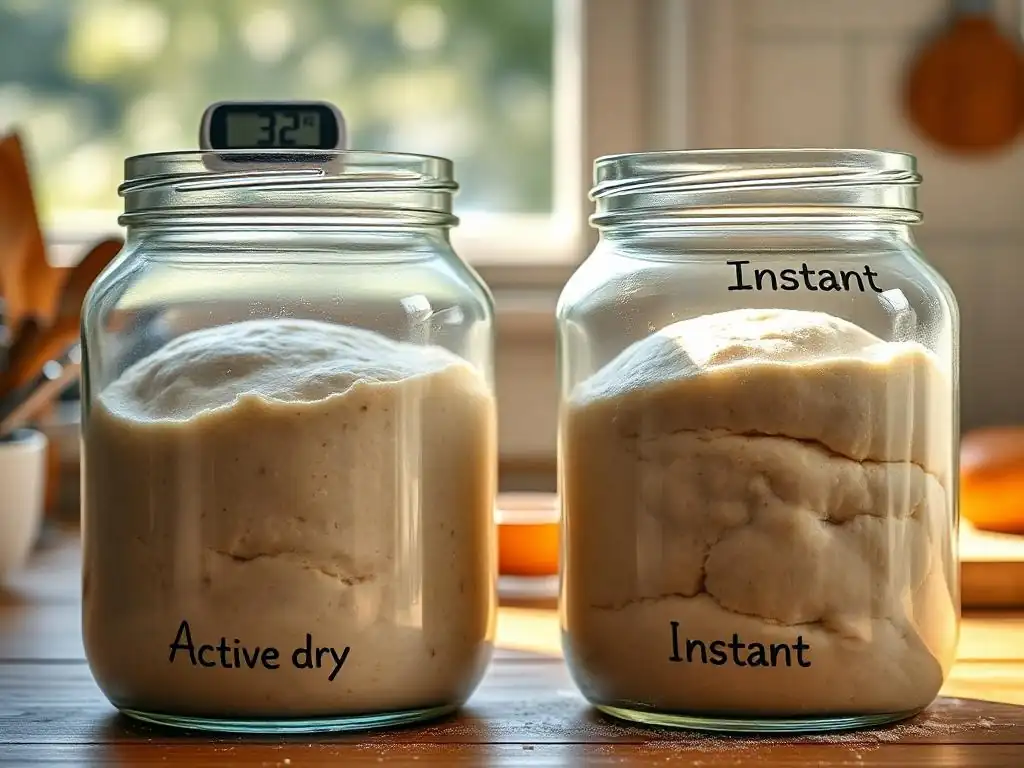
As highlighted earlier, temperature is paramount. Yeast activity doubles for roughly every 15°F (8°C) increase within its optimal range. The ideal environment for fermentation is typically warm and slightly humid, mimicking the conditions where yeast thrives. A temperature range of 75°F to 85°F (24°C to 30°C) is often cited as optimal for most yeast-leavened doughs, allowing for a balance of speed and flavor development.
Temperatures below this range slow fermentation, which can be desirable for longer, flavor-building rises (like cold proofing in a refrigerator). Temperatures above this range accelerate fermentation, but too high can stress or kill the yeast, leading to poor rise and off-flavors. Creating a consistent warm spot, such as a proofing box, a warm oven with the light on, or even a microwave with a cup of hot water inside, helps ensure reliable fermentation speed.
Sugar Content: How Sweetness Affects Yeast Activity
Sugar plays a dual role in yeast fermentation. In small amounts (typically 1-2% of the flour weight), sugar acts as readily available food for the yeast, giving it a quick energy boost and accelerating the initial stages of fermentation. This is why sugar is often added when proofing active dry yeast.
However, in higher concentrations (above 5-10% of flour weight, depending on the recipe), sugar can actually inhibit yeast activity. High sugar levels create an osmotic pressure that draws water out of the yeast cells, slowing them down. Rich, sweet doughs, like brioche or cinnamon rolls, often require more yeast or a longer fermentation time to achieve a good rise due to this effect. The balance of sugar is key to managing fermentation speed and flavor.
Hydration Levels: The Importance of Dough Moisture
The amount of water (hydration) in a dough also impacts fermentation speed. Yeast needs moisture to become active and to move around within the dough to access sugars. In very dry doughs, yeast activity can be slightly slower because the distribution of yeast cells and food sources is less efficient.
Conversely, wetter doughs (those with higher hydration percentages, say 70% or more) often ferment more quickly. The increased moisture facilitates the movement of yeast and enzymes, allowing for faster sugar conversion and gas production. This is part of why high-hydration doughs, like those used for ciabatta or some artisan breads, can rise relatively quickly, alongside factors like yeast amount and temperature.
Salt's Impact: Balancing Flavor and Fermentation
Salt is essential for flavor in bread, but it also significantly impacts fermentation. Salt controls yeast activity by drawing water out of the yeast cells through osmosis, much like high sugar levels do. This slowing effect is crucial; without salt, yeast ferments unchecked, leading to overly rapid rises, a weak gluten structure, and a bland, yeasty flavor.
Most bread recipes contain salt at around 1.8% to 2.2% of the flour weight. Within this range, salt provides flavor and structure while moderating fermentation speed to allow for better flavor development and dough handling. Using too little salt results in fast, uncontrolled fermentation and poor structure, while too much salt can severely inhibit or even kill the yeast, preventing the dough from rising properly.
Choosing the Right Yeast for Your Baking Project: A Practical Guide
When to Use Active Dry Yeast: Best Applications
Active dry yeast is a versatile choice and works well in most traditional bread recipes. It's particularly suited for recipes that benefit from a slightly longer, slower first rise, which can contribute to more complex flavor development. If you have the time for the initial proofing step and the subsequent longer rise, active dry yeast is an excellent option.
It's also the preferred choice for bakers who grew up using it and are comfortable with the proofing process. Recipes specifically calling for active dry yeast are common, and using it as specified will typically yield reliable results, albeit with a potentially slower fermentation speed compared to instant yeast.
When to Use Instant Yeast: Best Applications
Instant yeast is the go-to choice when speed and convenience are priorities. Its faster instant yeast fermentation speed makes it perfect for recipes like quick dinner rolls, single-rise loaves, or when you're simply short on time. Recipes labeled "rapid rise" or "no-knead" often call for instant yeast because its quick action aligns with their expedited timelines.
It's also very reliable because it has a higher percentage of live cells and doesn't require separate proofing (though you can proof it to check viability if unsure). If a recipe gives you the option or calls for instant yeast, you can generally expect a quicker rise time and can proceed directly with mixing it into your dry ingredients.
Converting Between Active Dry and Instant Yeast: A Simple Formula
It's often possible to substitute active dry yeast for instant yeast, and vice versa, by adjusting the quantity. A common conversion ratio is to use 1 part instant yeast for every 1.25 parts active dry yeast by weight. For example, if a recipe calls for 10 grams of active dry yeast, you would use approximately 8 grams of instant yeast (10 / 1.25 = 8).
Conversely, if a recipe calls for 8 grams of instant yeast, you would use about 10 grams of active dry yeast (8 * 1.25 = 10). While volume measurements are less precise, a general rule of thumb is a 1:1 ratio by volume (e.g., 1 teaspoon instant for 1 teaspoon active dry), but this can sometimes lead to slightly different results due to variations in granule size and density. Using the weight conversion is recommended for more accurate results, especially when the instant yeast fermentation speed needs to be managed precisely.
Recipe Adaptations for Different Yeast Types
When substituting yeast types, beyond adjusting the quantity, you might need to make slight adjustments to the recipe's method or timing. If substituting active dry for instant yeast, you'll need to incorporate the proofing step for the active dry yeast and may need to extend the rising times slightly to achieve the desired volume.
If substituting instant yeast for active dry yeast, you can skip the proofing step and add the instant yeast directly to the dry ingredients. Be prepared for the dough to rise faster due to the higher instant yeast fermentation speed. You might need to shorten the rise times suggested in the original recipe or monitor the dough more closely. Sometimes, using instant yeast might require a slightly cooler fermentation temperature to slow it down if you desire longer flavor development.
Maximizing Fermentation Speed: Tips and Tricks
Proofing Techniques for Faster Results
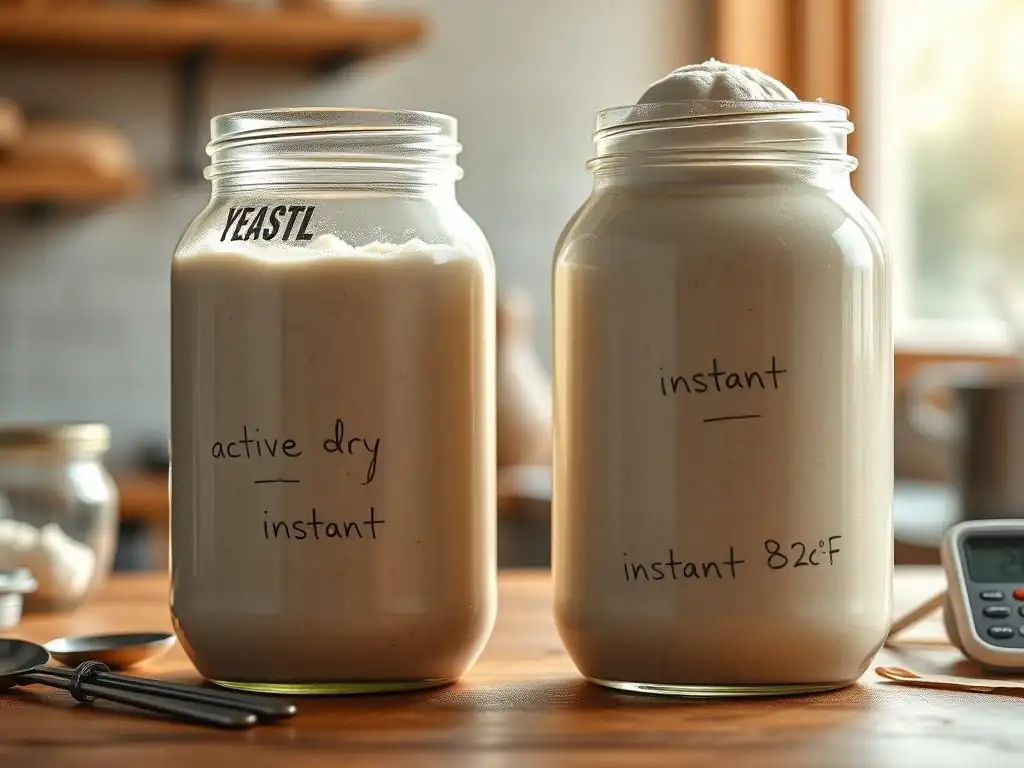
Creating a warm, humid environment is key to maximizing fermentation speed for both yeast types. A proofing box set to 80-85°F (27-30°C) is ideal. If you don't have one, you can use your oven with the light on (which often generates enough warmth) or place the dough in a covered bowl in a warm spot in your kitchen.
Another technique is to use a microwave: place the dough bowl inside with a cup of freshly boiled water. The steam creates a warm, humid microclimate. Ensuring the initial liquid temperature when mixing the dough is within the optimal range for yeast activity (105-115°F for active dry proofing, 120-130°F when adding liquid to dry ingredients with instant yeast) also jumpstarts the process, contributing to a faster instant yeast fermentation speed or active dry rise.
Using a Dough Enhancer: Considerations
Dough enhancers, also known as dough conditioners, are blends of ingredients like ascorbic acid (Vitamin C), enzymes, and sometimes emulsifiers. They can help improve dough structure, volume, and texture. Some dough enhancers also contain ingredients that can slightly accelerate fermentation by providing additional food for the yeast or improving the dough's ability to hold gas.
While not strictly necessary for basic bread, using a dough enhancer can lead to a more reliable and sometimes faster rise, especially in challenging baking environments or with certain flour types. If aiming to maximize instant yeast fermentation speed or active dry speed, a dough enhancer can be a helpful tool, but it's important to use them according to package directions.
Mastering the Art of Patience: When to Let Fermentation Happen Naturally
Despite tips for speeding things up, sometimes the best approach is patience. While instant yeast offers a faster instant yeast fermentation speed, a longer, slower fermentation often leads to more complex and nuanced flavors in your bread. This is because yeast produces various compounds, including organic acids and alcohols, during fermentation that contribute significantly to taste and aroma.
Allowing dough to ferment slowly at cooler temperatures (like in the refrigerator for 12-24 hours) develops these flavors far more effectively than a quick rise at warm temperatures. So, while speed is sometimes necessary, don't shy away from letting your dough take its time when flavor is the priority.
Conclusion: Finding Your Fermentation Sweet Spot
Key Takeaways: Active Dry vs. Instant Yeast
Understanding the difference between active dry and instant yeast is fundamental for successful baking. Active dry yeast requires proofing and typically results in a slower rise, while instant yeast can be added directly to dry ingredients and offers a faster instant yeast fermentation speed. The choice between them often comes down to convenience, desired rise time, and personal preference.
Both yeast types are sensitive to temperature, sugar, salt, and hydration levels. Controlling these factors allows bakers to manage fermentation and achieve consistent results. While instant yeast generally provides a quicker rise, active dry yeast is reliable and can contribute to excellent flavor development over a slightly longer period.
Embrace Experimentation: Finding What Works Best for You
The best way to truly master yeast fermentation is through practice and experimentation. Try baking the same recipe using both active dry and instant yeast to observe the differences in handling, rise time, and final product. Adjust temperatures, try different proofing methods, and see how these variables impact the instant yeast fermentation speed or the active dry yeast's pace.
Don't be afraid to deviate slightly from recipes once you understand the principles. Baking is both a science and an art, and finding your "fermentation sweet spot" – the balance of speed, flavor, and technique that works for you – is part of the rewarding journey.
Further Resources for Yeast Fermentation Mastery
To deepen your understanding of yeast and fermentation, explore resources that delve into the science of baking. Look for detailed guides on yeast types, fermentation timelines, and the impact of different ingredients. Many excellent baking books and online communities offer insights and troubleshooting tips. Understanding the instant yeast fermentation speed relative to active dry and how to control it opens up a world of possibilities in your baking adventures.
Frequently Asked Questions
What is the main difference between active dry and instant yeast regarding fermentation speed?
The primary difference lies in their fermentation speed. Instant yeast generally ferments faster than active dry yeast because it doesn't require proofing.
How does proofing affect the fermentation speed of active dry yeast?
Proofing active dry yeast is essential to activate it. This initial step adds time, making its overall fermentation slower compared to instant yeast, which can be added directly to dry ingredients.
What factors, besides the type of yeast, can impact fermentation speed?
Besides yeast type, factors like temperature, sugar content, and hydration levels significantly impact fermentation speed in bread making.
Can I substitute instant yeast for active dry yeast in a recipe, and will it affect the fermentation time?
Yes, you can substitute instant yeast for active dry yeast, but you should generally reduce the amount by about 25%. It will reduce the fermentation time because of the quicker rise.
Why is understanding fermentation speed important for baking success?
Understanding fermentation speed is crucial for controlling the dough's rise and ensuring the final product has the desired texture and flavor. It helps prevent over- or under-proofing.
Final Reflection: The Yeast of Our Content: Speed, Flavor, and the Future of Baking
The quest for faster fermentation, a central theme of this article, remains incredibly relevant in today's fast-paced world. We crave convenience, yet simultaneously yearn for the artisanal quality that slow fermentation provides. This inherent tension highlights the ongoing dialogue between efficiency and excellence in the culinary arts.
The impact of yeast, both instant and active dry, extends far beyond the simple act of baking. It represents a microcosm of our relationship with technology and tradition. We've explored the speed differences, but the subtle nuances in flavor profiles—the complex interplay of time and temperature—are equally important. As we strive for faster results, we must not lose sight of the rich tapestry of flavors that slower processes unlock. The best things in life are worth waiting for,
a sentiment that resonates deeply with the art of baking, regardless of the yeast type used.
Consider your own baking journey. Will you embrace the immediate gratification of instant yeast, or will you savor the slower, more nuanced results of active dry yeast? Perhaps, the true lesson lies not in choosing a "winner," but in understanding the unique characteristics of each and applying that knowledge to create your own perfect loaf. Experiment, explore, and discover the joy of fermentation—no matter the speed.
Unlock Your Baking Potential: Yeast Mastery Awaits!
Thanks for diving deep into the world of yeast with us! We hope you now feel confident tackling any baking challenge with the right yeast. Ready to put your newfound knowledge to the test?
- Bake a masterpiece: Choose your favorite recipe and try out either active dry or instant yeast, paying close attention to the fermentation times. Note the differences in texture and flavor!
- Share your baking journey: Post a picture of your creation on social media and tag us – we'd love to see your results! #BakeWithEase #YeastExperiment
- Dive deeper: Explore our other articles on bread making techniques for even more baking tips and tricks.
What kind of bread will you bake first – and which yeast will you choose to unlock its full potential?