
Beyond the Tourist Traps: Authentic French Pastry Experiences

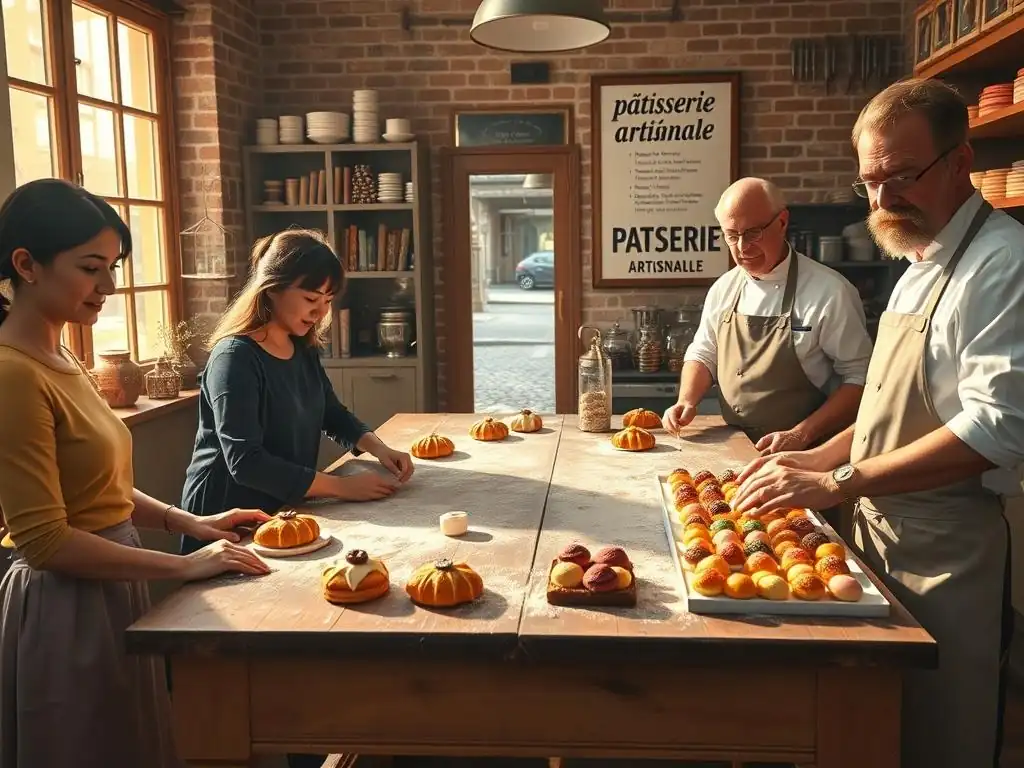
Welcome to BakeWithEase, your passport to pastry perfection! Ever dreamed of mastering the delicate art of French pastry? Discover how our article, "Beyond the Tourist Traps: Authentic French Pastry Experiences," unveils the secrets to finding genuine French pastry baking classes that go beyond the typical tourist fare. Intrigued? Get ready to unlock the authentic flavors of France and elevate your baking skills!
- Discovering Authentic French Pastry Baking Classes: A Baker's Guide
-
Top 5 Authentic French Pastry Baking Classes in France (2024)
- 1. Le Cordon Bleu, Paris: The Classic Choice for French Pastry Mastery
- 2. École Valrhona, Tain-l'Hermitage: Chocolate Heaven and Advanced Pastry Techniques
- 3. La Cuisine Paris: Intimate Cooking Classes in the Heart of Paris
- 4. Cook'n With Class Paris: Mastering Macarons and More
- 5. Local Bakeries: Discover Hidden Gems for Authentic Pastry Learning
- Choosing the Right French Baking Workshop: Factors to Consider
- Essential Baking Tools for Your French Pastry Journey (Affiliate Opportunities)
- Elevate Your Baking with Authentic French Pastry Ingredients (Affiliate Opportunities)
- Continuing Your French Pastry Education: Beyond the Workshop
-
Frequently Asked Questions
- What types of French pastries will I learn to make in BakeWithEase's French pastry baking classes?
- Are these French pastry baking classes suitable for beginners with no prior baking experience?
- Where can I find the ingredients needed for the recipes taught in the French pastry baking classes?
- What makes BakeWithEase's French pastry baking classes different from other online baking resources?
- How can I access BakeWithEase's French pastry baking classes and what is the cost?
- Final Reflection: Savor the Art, Embrace the Culture
- Unlock Your Inner Pâtissier: Taste the True France!
Discovering Authentic French Pastry Baking Classes: A Baker's Guide
France is the global epicenter of exquisite pâtisserie, a dream destination for anyone passionate about baking. While sampling croissants and macarons from famous shops is a delight, truly immersing yourself in the culture means learning the craft firsthand. Authentic French pastry baking classes offer a unique opportunity to go beyond tasting and delve into the techniques, history, and artistry that define French baking. These aren't just cooking lessons; they are cultural experiences that connect you with master bakers and time-honored traditions.
Choosing the right French pastry baking class can be a rewarding challenge, given the array of options available across the country. From intensive professional programs to casual half-day workshops, there's a class designed for every level of interest and skill. Whether you dream of perfecting flaky croissants, mastering delicate macarons, or understanding the complexities of classic tarts, enrolling in a baking workshop in France provides invaluable hands-on experience and insights directly from the source.
Top 5 Authentic French Pastry Baking Classes in France (2024)
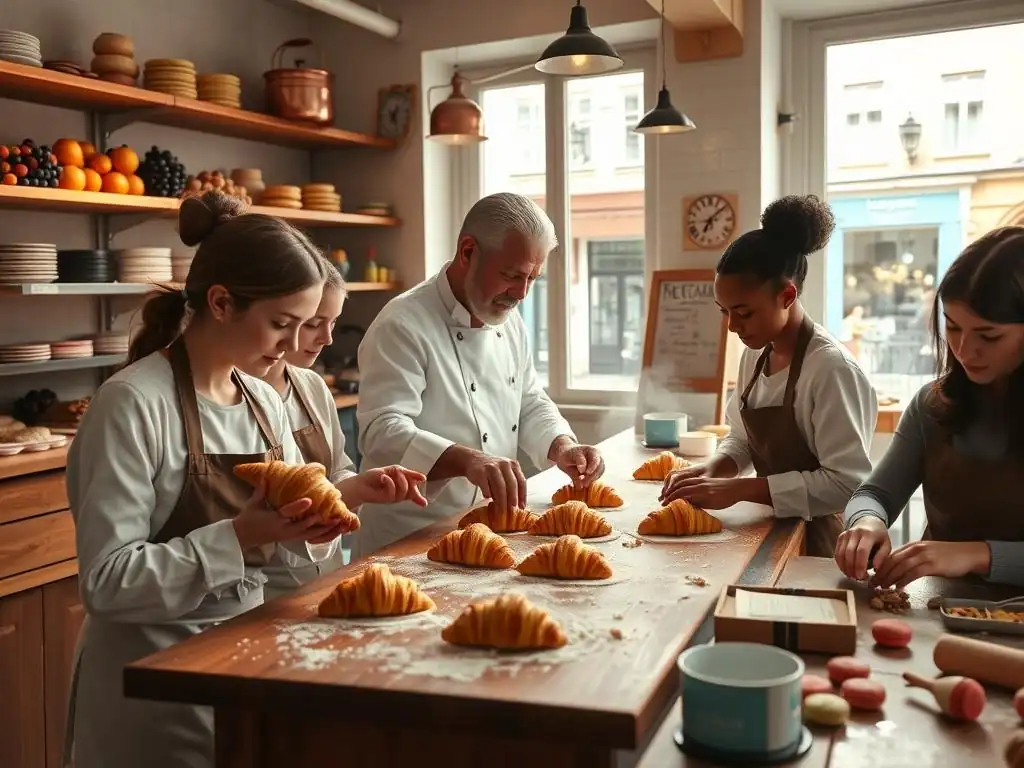
1. Le Cordon Bleu, Paris: The Classic Choice for French Pastry Mastery
Le Cordon Bleu is perhaps the most globally recognized name in culinary education, and its Paris campus offers a range of French pastry programs that attract aspiring bakers from around the world. Founded in 1895, the institution boasts a legacy of training some of the finest chefs and pâtissiers. Their pastry curriculum is comprehensive, covering fundamental techniques in Pâtisserie de Base, progressing through intermediate levels, and culminating in advanced courses that explore complex creations and artistic presentation. Classes are typically intensive, taught by experienced chefs, and focus on classic French techniques and recipes, ensuring students gain a solid foundation.
Beyond the diploma programs, Le Cordon Bleu also offers shorter workshops and demonstrations perfect for enthusiasts looking for a taste of their renowned instruction. These shorter formats might focus on specific themes like éclairs, choux pastry, or classic French tarts, often lasting a few hours or a full day. The environment is professional and disciplined, providing a serious approach to learning French pastry techniques, utilizing state-of-the-art kitchens and equipment. Students benefit from small class sizes for hands-on practice and direct feedback from the chef instructors.
Features and Curriculum:
The curriculum at Le Cordon Bleu is structured around three main levels for its diploma programs: Basic, Intermediate, and Superior Pâtisserie. The Basic level introduces foundational techniques like making classic doughs (pâte sablée, pâte sucrée), creams (crème pâtissière, crème anglaise), and simple desserts like tarte Tatin and choux pastry. The Intermediate level delves into more complex preparations, including classic French cakes (Opéra, Saint-Honoré) and working with chocolate, while the Superior level focuses on intricate decorative work, plated desserts, and creating showpieces, often involving sugar and chocolate artistry. Each level builds upon the previous, requiring approximately 180 hours of instruction.
Shorter workshops vary widely, from 3-hour sessions focusing on specific items like macarons or croissants, to multi-day intensive programs on themes such as 'French Bread Baking' or 'Introduction to Pâtisserie'. These workshops are designed for amateurs and offer a condensed yet thorough immersion into particular areas of French baking. Class sizes for workshops are generally small, often limited to 8-16 participants, ensuring personalized attention and ample opportunity for hands-on practice under the guidance of a master chef.
Pricing and Packages:
The cost of programs at Le Cordon Bleu varies significantly depending on the duration and level of intensity. The full Pâtisserie Diploma, comprising all three levels, is a significant investment, often costing upwards of €25,000, reflecting the comprehensive nature of the training and the prestige of the institution. This price typically includes tuition, ingredients, uniform, and necessary equipment kits. Payment plans are sometimes available, and the program usually takes about nine months to complete when studying full-time.
Shorter workshops and gourmet sessions are more accessible for tourists and enthusiasts, with prices typically ranging from approximately €150 to €300 for a half-day or full-day class. Evening classes or specific themed workshops might fall within a similar range. Package deals are less common for individual workshops, but students enrolling in multiple short courses might inquire about potential benefits. These prices reflect the high quality of instruction, premium ingredients used, and the state-of-the-art facilities provided.
Unique Benefits:
One of the most unique benefits of choosing Le Cordon Bleu for French pastry baking classes is the unparalleled global recognition of its diploma. For those considering a professional career in baking, a Le Cordon Bleu qualification opens doors worldwide. The quality of instruction from experienced, often MOF (Meilleur Ouvrier de France) certified chefs, provides a level of expertise that is hard to match. Students learn in a truly international environment, networking with peers from diverse backgrounds who share a passion for French pâtisserie.
Beyond the formal training, studying at Le Cordon Bleu offers access to a vast network of alumni and industry professionals. The institution's reputation ensures that graduates are highly sought after. For shorter course participants, the benefit lies in experiencing world-class instruction and facilities, gaining confidence in specific techniques, and receiving certification from a prestigious school, even for a single workshop. It's an opportunity to learn authentic French techniques in a historic and esteemed setting.
2. École Valrhona, Tain-l'Hermitage: Chocolate Heaven and Advanced Pastry Techniques
Located in Tain-l'Hermitage, in the heart of the Rhône Valley, École Valrhona is the educational arm of the renowned Valrhona chocolate company. This school is a must-visit for any serious baker, especially those with a passion for chocolate, as it offers specialized courses taught by expert pastry chefs focusing on chocolate work and advanced pastry techniques. While perhaps less known globally than Le Cordon Bleu for general pastry, it is highly respected within the professional pastry world, particularly for its chocolate expertise.
The classes here range from beginner introductions to chocolate tempering to highly technical masterclasses for experienced professionals. The focus is often on contemporary French pastry, incorporating modern plating techniques and complex flavor profiles, with chocolate playing a central role. The school provides an immersive experience, often including visits to the Valrhona chocolate factory and museum, connecting the learning process directly to the source of this key ingredient.
Features and Curriculum:
École Valrhona's curriculum is heavily centered around chocolate, offering courses like 'Introduction to Chocolate', 'Chocolate Bonbons', 'Artistic Chocolate Pieces', and 'Chocolate Desserts'. However, they also provide advanced pastry courses that integrate chocolate seamlessly, such as 'Contemporary Tarts', 'Modern Entremets', and 'Plated Desserts'. The classes emphasize precision, technique, and creativity, often exploring innovative uses of chocolate and other fine ingredients. Course durations vary, from intensive 2-3 day workshops to longer, week-long professional development programs.
Class sizes are typically small, often limited to 10-12 participants, allowing for significant one-on-one interaction with the chef instructor. The environment is professional and focused, geared towards enhancing specific technical skills. Students work with premium Valrhona chocolate, gaining hands-on experience with high-quality ingredients. The curriculum is constantly updated to reflect current trends and techniques in the world of high-end French pastry.
Pricing and Packages:
Pricing for École Valrhona courses reflects the specialized nature of the training and the high-quality ingredients used. A typical 2-day professional workshop might cost in the range of €600 to €1,000. Longer, more intensive programs lasting 4-5 days could range from €1,500 to €2,500 or more, depending on the complexity and target audience (amateur vs. professional). These prices generally include tuition, ingredients, and course materials.
While specific holiday packages are not their primary offering, the school does offer different levels of courses catering to both passionate amateurs and seasoned professionals looking to refine specific skills. Enrollment is often done on a per-course basis, allowing participants to select workshops that align precisely with their interests or professional development needs. Accommodation is not typically included, but the school can often provide recommendations for nearby options.
Unique Benefits:
The most significant unique benefit of École Valrhona is its direct connection to one of the world's finest chocolate producers. Participants gain unparalleled insights into chocolate production, tempering, and application directly from the source. Learning advanced French pastry techniques with expert chefs who specialize in chocolate provides a distinct edge. It's an ideal destination for anyone who wants to deepen their understanding and mastery of chocolate in baking.
Furthermore, the school's focus on contemporary pastry means participants learn techniques relevant to modern patisseries and restaurants. The intimate class sizes ensure a high level of personalized instruction. Being located outside of Paris offers a different, perhaps more focused, learning environment away from the bustle of the capital, allowing for deeper immersion into the world of fine ingredients and advanced techniques.
3. La Cuisine Paris: Intimate Cooking Classes in the Heart of Paris
Situated on the banks of the Seine, just steps from Hôtel de Ville and Notre Dame, La Cuisine Paris offers a charming and accessible option for those seeking French pastry baking classes in a relaxed, friendly atmosphere. Their focus is on providing hands-on classes for tourists and locals alike, making classic French recipes approachable and fun. While they offer a variety of cooking classes, their pastry workshops are particularly popular, covering iconic items like croissants, macarons, and classic French tarts.
The school prides itself on its welcoming environment and passionate instructors who are bilingual and eager to share their love for French food and baking. Classes are designed to be interactive and social, perfect for individuals, couples, or groups traveling together. The location is central and easy to reach, making it a convenient choice for integrating a baking experience into a Parisian itinerary.
Features and Curriculum:
La Cuisine Paris offers a range of French pastry classes, typically lasting between 2 and 4 hours. Popular workshops include 'Croissant & Pain au Chocolat', 'Macaron Class', 'Classic French Tart Class', and 'Choux Pastry Class' (covering éclairs, religieuses, etc.). They also offer classes that combine savory and sweet elements or focus on specific seasonal pastries. The curriculum is practical and hands-on, with each participant usually having their own workspace and ingredients.
The classes are designed for varying skill levels, with options suitable for complete beginners as well as those with some baking experience. Instructors guide participants through each step, explaining the techniques and science behind the recipes. Class sizes are kept relatively small, often limited to 12-16 people, to ensure a good level of interaction and support. Participants get to take home the pastries they make, which is a delightful bonus.
Pricing and Packages:
Pricing for classes at La Cuisine Paris is generally very accessible compared to more professional institutions, reflecting their focus on the amateur market. A typical 2.5 to 3-hour French pastry baking class might cost in the range of €95 to €125 per person. Longer or more specialized workshops could be slightly higher. These prices include tuition, ingredients, and the use of equipment.
La Cuisine Paris occasionally offers package deals or discounts for booking multiple classes, though this is not a standard offering. They focus on individual class bookings, allowing visitors maximum flexibility to fit a workshop into their travel schedule. Gift certificates are also available, making a baking class a popular present. The value lies in the central location, friendly atmosphere, and practical, enjoyable learning experience.
Unique Benefits:
One of the standout unique benefits of La Cuisine Paris is its prime location in the heart of Paris, making it incredibly convenient for tourists. The atmosphere is notably friendly, relaxed, and fun, which can be less intimidating for beginner bakers compared to highly professional schools. The bilingual nature of the instructors ensures clear communication, a significant advantage for international visitors.
Furthermore, their classes are designed to be highly hands-on and practical, allowing participants to truly engage with the process of making classic French pastries from start to finish. The focus on popular, achievable pastries like croissants and macarons means participants leave with tangible skills and delicious results they can recreate at home. It's an excellent option for a memorable cultural and culinary activity while exploring Paris.
4. Cook'n With Class Paris: Mastering Macarons and More
Located in the charming Montmartre neighborhood of Paris, Cook'n With Class Paris is another popular school offering hands-on French cooking and baking classes for visitors. They have built a strong reputation for their engaging instructors and focused workshops, particularly their highly acclaimed macaron class. Like La Cuisine Paris, they cater primarily to tourists and visitors looking for an authentic yet accessible culinary experience.
The school emphasizes quality instruction in a comfortable setting, allowing participants to learn essential techniques while having fun. Their class offerings are specific and well-defined, making it easy for potential students to choose a workshop that aligns with their interests, whether it's mastering a specific pastry or learning fundamental doughs. The location in Montmartre adds to the Parisian charm of the experience.
Features and Curriculum:
Cook'n With Class Paris offers several dedicated French pastry baking classes. Their 'Macaron Class' is arguably their most famous, a 3-hour workshop specifically focused on demystifying the often-temperamental macaron shell and various fillings. They also offer a 'Croissant & Puff Pastry Class' that delves into the techniques for creating flaky laminated doughs, and sometimes seasonal or themed pastry workshops.
Classes are highly interactive and hands-on, with instructors providing step-by-step guidance. The curriculum is practical, focusing on reproducible results using standard home kitchen equipment where possible, making it easier for participants to replicate the recipes after returning home. Class sizes are intentionally small, typically limited to 6-10 participants, ensuring a high level of individual attention and a collegial atmosphere.
Pricing and Packages:
Pricing for classes at Cook'n With Class Paris is competitive with other quality amateur cooking schools in Paris. Their popular 3-hour Macaron Class is typically priced around €100 to €120 per person. The Croissant & Puff Pastry Class, which is often longer (around 4 hours), might cost slightly more, perhaps in the range of €130 to €150 per person. These prices include all ingredients, equipment use, instruction, and taking home the finished products.
While they don't typically offer extensive package deals on their website, booking multiple classes during a stay might warrant inquiry about potential small discounts. Their model focuses on providing specific, high-quality workshops that can be easily booked individually to fit travel plans. Gift certificates are also available. The cost reflects the small class size and the expertise of the instructors.
Unique Benefits:
A key unique benefit of Cook'n With Class Paris is their specialization and renowned expertise in specific pastries, particularly macarons. Many reviews highlight the success participants have in finally mastering macarons after taking their class. The very small class sizes ensure maximum hands-on time and personalized feedback from the instructor, which is invaluable when learning finicky techniques.
The location in the vibrant and artistic Montmartre neighborhood provides a picturesque setting for the baking experience. The instructors are known for their engaging teaching style and passion, making the classes both educational and highly enjoyable. For anyone specifically wanting to conquer macarons or truly understand laminated doughs, Cook'n With Class offers a focused and effective learning environment.
Beyond the formal schools, one of the most authentic ways to experience French pastry is by seeking out local bakeries (boulangeries/pâtisseries) that offer workshops or apprenticeship-style experiences. While less structured than a dedicated school, learning directly from an artisan baker in their own workspace provides an unparalleled glimpse into the daily life and traditional methods of French baking. These opportunities are often found outside major tourist hubs or require specific inquiry.
These experiences can range from observing a baker at work, participating in a single morning's production of croissants, to more formal workshops hosted by bakeries that have set up dedicated teaching spaces. The focus is typically on the pastries that the specific bakery is known for, whether it's regional specialties, exceptional bread, or particular viennoiseries. It offers a chance to connect with the craft on a very personal, local level.
Features and Curriculum:
The "curriculum" in a local bakery workshop is often informal and highly practical, centered around the bakery's daily production. You might learn to shape croissants, understand the fermentation process for bread dough, or decorate specific cakes. Workshops can vary immensely: some might be a few hours focused on one task, like shaping brioche, while others could be a half-day immersion into the morning bake. The techniques taught are those the baker uses every day, often refined over years or generations.
Class sizes, if it's a structured workshop, are usually very small, perhaps only 2-4 people, due to the limited space in a working kitchen. If it's more of an observation or informal participation, it might just be you and the baker. The environment is authentic, potentially messy, and fully immersive in a real production setting. You learn by doing alongside the artisan, gaining insights into the rhythm and demands of a working bakery.
Pricing and Packages:
Pricing for local bakery experiences is highly variable. An informal arrangement might cost anywhere from €50 to €100 for a few hours of observation and light participation. More structured workshops offered by bakeries with dedicated teaching spaces could range from €100 to €250 for a half-day session, similar to prices at dedicated amateur schools but potentially offering a more exclusive experience. Prices usually cover materials used during the session.
These experiences are less likely to have formal "packages" and are often arranged directly with the baker or through specialized local tourism operators. Availability can be limited and might depend on the baker's schedule and willingness to host visitors. It's often a matter of finding a bakery known for its quality and inquiring if they offer any form of workshop or immersive experience.
Unique Benefits:
The most unique benefit of learning in a local bakery is the authenticity of the experience. You are learning in a real production environment, often from a baker whose skills have been honed over decades. It provides an unparalleled understanding of the daily challenges and dedication required to produce high-quality French pastries and bread. You get to use the same equipment and ingredients as the artisan, often learning traditional methods that might not be taught in larger schools.
This type of experience offers a deep cultural immersion, connecting you directly with the heart of French culinary tradition. It's an opportunity to learn regional specialties and gain insights into the life of a local artisan. While less structured, the intimacy and authenticity make it a truly memorable way to learn French pastry techniques.
Choosing the Right French Baking Workshop: Factors to Consider
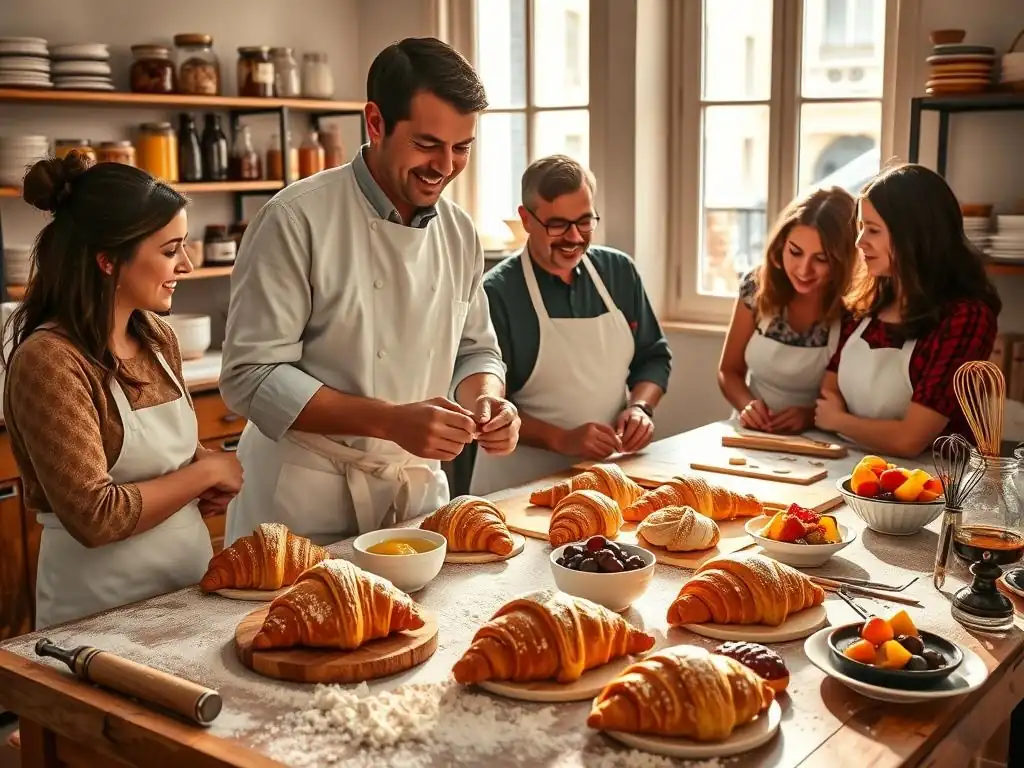
Selecting the perfect French pastry baking class depends heavily on your personal goals, experience level, and logistical constraints. It's not just about finding available French pastry baking classes, but finding the one that best fits you. Consider what you hope to achieve and what kind of environment you thrive in.
Think about the specific pastries you are most interested in learning. Are you obsessed with mastering the layers of a croissant, perfecting the delicate shell of a macaron, or understanding the balance of flavors in a classic tart? Many schools offer specialized workshops, allowing you to focus intensely on your passion project. Additionally, consider the teaching style – do you prefer a highly structured, professional environment, or a more relaxed, friendly atmosphere?
Skill Level: Beginner, Intermediate, or Advanced?
Identifying your current baking skill level is crucial when choosing a French pastry baking class. If you've never made puff pastry from scratch or struggled with basic doughs, a beginner-level class is essential. These courses typically cover fundamental techniques like measuring ingredients accurately, understanding the role of gluten, mastering basic doughs (like pâte brisée or choux), and simple cream preparations. They build confidence and provide a necessary foundation.
Intermediate classes are suitable for those who have some baking experience and are comfortable with basic techniques but want to tackle more complex recipes like layered cakes, entremets, or working with chocolate. Advanced classes are often geared towards professionals or serious hobbyists who want to learn intricate decorating skills, advanced sugar work, or highly technical pastry constructions. Choosing a class that matches your level ensures you won't feel overwhelmed or bored and can maximize your learning.
Desired Pastry Focus: Macarons, Croissants, or Chocolate?
French pastry is incredibly diverse, encompassing everything from viennoiseries (croissants, pain au chocolat) to petits gâteaux (small cakes), tarts, éclairs, and chocolate work. Many French pastry baking classes specialize in teaching specific items. Decide which pastries excite you the most. If perfecting flaky, buttery croissants is your dream, look for classes specifically on laminated doughs. If you're captivated by the delicate beauty and challenging technique of macarons, find a dedicated macaron workshop.
Alternatively, some classes offer a general introduction to French pastry, covering a variety of items in one session. Consider if you want to become proficient in one specific area or gain a broader understanding of different French baking styles. Schools like École Valrhona are ideal if you have a strong interest in chocolate, while others might excel in teaching classic regional tarts or bread making techniques alongside pastries.
Location and Duration: Paris or Beyond? A Day or a Week?
Your travel plans and available time will significantly influence your choice of French pastry baking classes. Paris offers the widest selection of schools and workshops, from renowned institutions to smaller, independent schools. Learning in Paris provides the classic experience and easy access to countless bakeries to sample. However, venturing outside of Paris to regions like the Rhône Valley (for Valrhona) or smaller towns can offer different perspectives, regional specialties, and potentially more intimate settings.
Consider how much time you can dedicate. Are you looking for a fun, half-day activity to punctuate your vacation, or a more intensive, multi-day or week-long course to truly develop your skills? Short workshops are great for getting a taste of French baking and learning one or two specific techniques. Longer programs offer a deeper dive into the craft and cover a broader range of topics, providing a more comprehensive education in French pastry.
Essential Baking Tools for Your French Pastry Journey (Affiliate Opportunities)
Mastering French pastry techniques often relies on using the right tools. While you'll use professional equipment in many French pastry baking classes, having a few essential items at home can significantly improve your results when practicing. Investing in quality tools designed for precision and consistency is key to replicating the delicate nature of French pâtisserie.
Think about the specific tasks involved: accurate measuring, gentle mixing, precise shaping, and even heat distribution. Tools like digital scales are non-negotiable for the precision required in French recipes. Quality baking sheets, silicone mats (like Silpats), and specific pastry tips and bags are also fundamental. Having the right equipment makes complex techniques like piping choux pastry or achieving even browning much more achievable in your home kitchen.
Must-Have Equipment for Perfect Pâtisserie
A digital kitchen scale is paramount in French baking, where ingredients are often measured by weight for accuracy, not volume. This is especially true for flour and sugar, where even small variations can impact the final texture. Another essential is a good set of mixing bowls, preferably stainless steel or glass, in various sizes. A whisk, both balloon and possibly a flat whisk, is needed for emulsifying batters and making smooth creams.
For tasks involving dough, a pastry scraper or bench knife is invaluable for portioning and handling sticky doughs. Rolling pins, ideally a French-style tapered one or a heavy marble one, are needed for rolling out doughs evenly. Piping bags and a selection of pastry tips (round, star, plain) are crucial for decorating, filling choux, or piping macarons. Silicone baking mats are excellent for preventing sticking and promoting even baking, particularly for delicate items like cookies and macarons. Finally, quality baking sheets that don't warp in the oven are necessary for consistent results.
Elevate Your Baking with Authentic French Pastry Ingredients (Affiliate Opportunities)
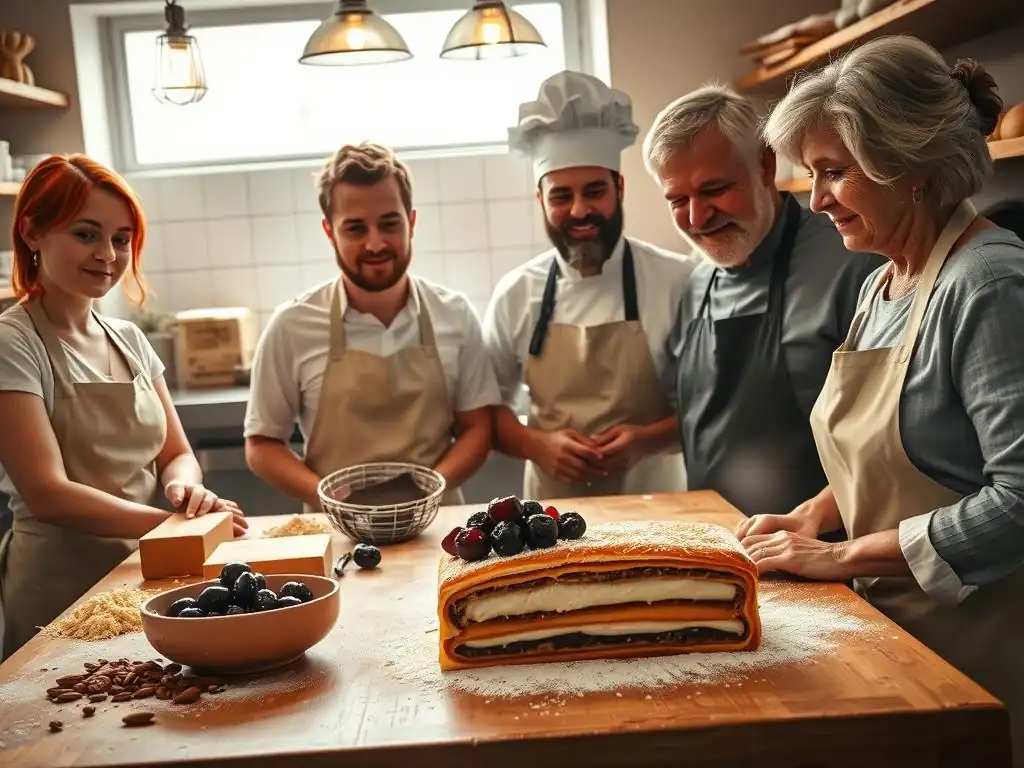
The quality of ingredients is arguably as important as technique in French pastry. French bakers place immense value on using the finest butter, flour, chocolate, and other components. Understanding these key ingredients and sourcing the best possible versions can dramatically elevate your home baking. Learning about these ingredients is often a part of French pastry baking classes.
Using high-quality ingredients makes a tangible difference in flavor and texture. French butter, for instance, typically has a higher fat content (around 82%) than many other types, contributing to flakier pastries and richer flavors. The type of flour used, whether it's a specific T45 for cakes or a T55 for viennoiseries, impacts the gluten development and crumb structure. Premium chocolate makes a world of difference in mousses, ganaches, and glazes.
Sourcing the Best Butter, Flour, and Chocolate
For butter, look for European-style butter with at least 82% butterfat. French butter brands like Isigny Sainte-Mère or Échiré are often considered the gold standard, known for their flavor and plasticity, which is ideal for laminating doughs. If authentic French butter isn't available, choose the highest butterfat percentage butter you can find locally. The difference in flakiness in croissants or richness in brioche is noticeable.
Flour is another key ingredient. French flours are classified by 'Type' based on ash content (mineral content). T45 flour is a very fine, low-ash flour often used for pastries like cakes, choux, and macarons, yielding a delicate crumb.
T55 is a stronger flour suitable for viennoiseries like croissants and brioche, providing structure. While finding exact French types outside of France can be tricky, understanding the protein content of your local flour (lower protein for cakes, higher for enriched doughs) can help you choose appropriate substitutes. For chocolate, investing in high-quality couverture chocolate from reputable brands like Valrhona, Callebaut, or Cacao Barry is essential for superior flavor and melting properties in ganaches, mousses, and tempering.
Continuing Your French Pastry Education: Beyond the Workshop
Taking a French pastry baking class in France is an incredible experience, but your learning journey doesn't have to end there. The skills and knowledge gained are a fantastic starting point for continued practice and exploration. Baking is a craft that improves with repetition and experimentation.
Keep practicing the techniques you learned. Try recreating the recipes from your class at home, paying close attention to the details the chef emphasized. Don't be discouraged by initial failures – even experienced bakers have off days! Explore other French pastry recipes, gradually increasing the complexity as your confidence grows.
Online Resources and BakeWithEase.com
To continue honing your skills after attending French pastry baking classes, leverage the wealth of online resources available. Many reputable culinary schools and chefs offer online courses, masterclasses, and tutorials that allow you to learn new techniques or refine existing ones from the comfort of your own kitchen. Websites and blogs dedicated to French baking often provide detailed recipes, troubleshooting tips, and insights into the science of baking.
BakeWithEase.com is designed to support your baking journey, offering simple recipes, technique guides, and tips for bakers of all levels. Whether you're revisiting the basics learned in a French workshop or tackling a new challenge, our resources aim to make complex baking processes more approachable. Look for articles and guides specifically on French techniques or classic pastry recipes to keep your skills sharp and continue exploring the delicious world of French pâtisserie.
Frequently Asked Questions
What types of French pastries will I learn to make in BakeWithEase's French pastry baking classes?
You will learn to make a variety of classic pastries, including croissants, éclairs, and macarons. The classes focus on teaching the fundamental techniques needed for a wide range of French desserts.
Are these French pastry baking classes suitable for beginners with no prior baking experience?
Yes! BakeWithEase offers classes designed for all skill levels, including complete beginners. The classes emphasize step-by-step instructions and easy-to-follow recipes.
Where can I find the ingredients needed for the recipes taught in the French pastry baking classes?
BakeWithEase recipes use easy-to-find ingredients that are readily available at most grocery stores. Specific ingredient substitutions are also often discussed.
What makes BakeWithEase's French pastry baking classes different from other online baking resources?
BakeWithEase offers authentic recipes and expert tips from experienced bakers. The focus is on providing a comprehensive learning experience, enabling you to truly master French pastry techniques.
How can I access BakeWithEase's French pastry baking classes and what is the cost?
You can access the classes through the BakeWithEase website. Class costs vary, with options for individual classes or subscription packages.
Final Reflection: Savor the Art, Embrace the Culture
The pursuit of authentic French pastry experiences extends far beyond simply indulging in delicious treats; it's a journey into a rich culinary heritage and a vibrant culture. The increasing popularity of French pastry baking classes reflects a growing desire to connect with this heritage on a deeper level, moving beyond the tourist traps and into the heart of the craft.
The enduring appeal of French pastry lies not just in its exquisite taste, but in the meticulous skill and passionate artistry involved in its creation. It's a tradition passed down through generations, a testament to dedication and precision. The art of pastry is a delicate balance between science and art, a dance of flavors and textures that requires patience, precision, and a deep love for the craft.
This quote, though hypothetical, encapsulates the essence of what makes learning French pastry baking so rewarding – it's a journey of self-discovery as much as it is a culinary pursuit. The impact of these classes ripples outwards, fostering appreciation for French culture and inspiring creativity in home kitchens worldwide.
Now, consider your own relationship with food. What does it mean to you to create something beautiful and delicious with your own hands? I invite you to explore the world of French pastry baking, not just as a consumer, but as a creator.
Find a class, embrace the challenge, and savor the journey. The skills you gain will be invaluable, but the experience – the connection to a rich tradition, the satisfaction of mastering a delicate art – will be truly unforgettable. Let the aroma of freshly baked croissants and the sweetness of perfectly crafted macarons inspire you to explore your own culinary passions.
Unlock Your Inner Pâtissier: Taste the True France!
Thank you for joining us on this delicious journey through the heart of French pastry! We hope you've discovered a newfound appreciation for the artistry and tradition behind these exquisite treats. Ready to take your passion to the next level?
- Master a classic French pastry: Choose one recipe that inspired you – maybe a delicate macaron or a flaky croissant – and try baking it yourself! It's more rewarding than you think.
- Share your baking journey: Snap a picture of your creation and post it on social media using #BakeWithEaseFrenchPastry. Let's inspire each other!
- Explore a local French bakery: If you're lucky enough to have one nearby, treat yourself to an authentic experience and taste the difference.
What's the one French pastry you're most excited to try baking (or enjoying) next? Let us know in the comments!