
The Essential Basic Vanilla Cake Recipe

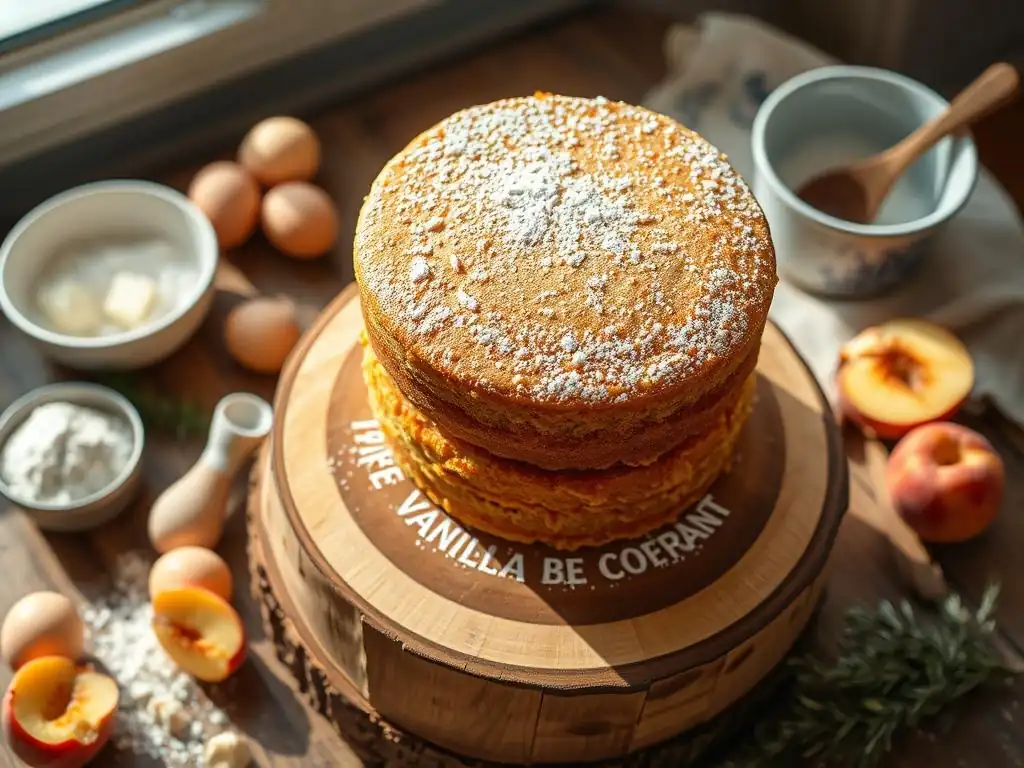
Welcome to BakeWithEase, where baking becomes a joy, not a chore! Unlock the secrets to creating delectable treats with our simple recipes and expert tips. Ever dreamt of baking the perfect vanilla cake? Prepare to amaze yourself (and your taste buds!) with our easy vanilla cake recipe for beginners – a foundational skill that opens the door to a world of pastry possibilities. Intrigued? Let's get baking!
- The Essential Basic Vanilla Cake Recipe for Beginners
- Introduction to Easy Vanilla Cake Baking
- Ingredients for Your Vanilla Cake
- Step-by-Step Guide: Baking Your Vanilla Cake
- Frosting Options
- Tips for a Perfect Cake Every Time
- Variations and Flavor Enhancements
- Conclusion: You've Baked Your First Vanilla Cake!
-
Frequently Asked Questions
- What makes this vanilla cake recipe easy for beginners?
- What are the essential ingredients needed for this basic vanilla cake?
- Can I easily adapt this vanilla cake recipe for different flavors?
- What techniques are used in this recipe to ensure a moist and tender crumb?
- How can I troubleshoot common problems that beginners face when baking this vanilla cake?
- Final Reflection: The Enduring Power of a Simple Cake
- Unlock Your Inner Baker: Master the Art of Vanilla Cake!
The Essential Basic Vanilla Cake Recipe for Beginners
Introduction to Easy Vanilla Cake Baking
Why This Recipe is Perfect for Beginners
Embarking on your baking journey can feel daunting, but starting with an easy vanilla cake recipe is one of the most rewarding ways to begin. Unlike some complex pastries or breads, a basic vanilla cake relies on simple techniques and readily available ingredients. This particular recipe is designed with minimal steps and common pitfalls addressed upfront, making it highly achievable for someone just starting out. Think of it as your foundational lesson in cake chemistry – understanding how flour, sugar, eggs, and leavening work together to create something light and delicious.
Many beginners feel intimidated by precise measurements or seemingly complicated instructions. This easy vanilla cake recipe simplifies the process, focusing on clear, actionable steps. It builds confidence because the results are forgiving; even if your cake isn't absolutely perfect the first time, it will likely still be tasty! Mastering this basic recipe provides a solid understanding of creaming butter and sugar, combining wet and dry ingredients, and judging when a cake is done – fundamental skills that transfer to countless other baking projects. It’s the ideal entry point for anyone searching for an easy vanilla cake recipe for beginners.
Simple Baking Solutions
Achieving a successful bake, even with an easy vanilla cake recipe, often comes down to simple solutions for common challenges. For instance, ensuring your ingredients are at room temperature is a simple step that dramatically improves the texture of your cake. Cold eggs or butter won't emulsify properly with other ingredients, leading to a denser, less airy crumb.
Another simple solution is accurately measuring your flour; too much flour is a frequent cause of dry cakes. Using the 'spoon and level' method – gently spooning flour into your measuring cup and leveling it off with a straight edge – prevents over-packing.
Beyond ingredients, oven temperature is crucial. Ovens can vary significantly, sometimes by as much as 25-50°F (around 15-30°C) from the dial setting. A simple oven thermometer, a relatively inexpensive tool, provides an accurate reading and helps prevent under or over-baking. By implementing these simple checks and methods, even an easy vanilla cake recipe for beginners becomes almost foolproof, leading to consistently good results and a much more enjoyable baking experience.
Ingredients for Your Vanilla Cake
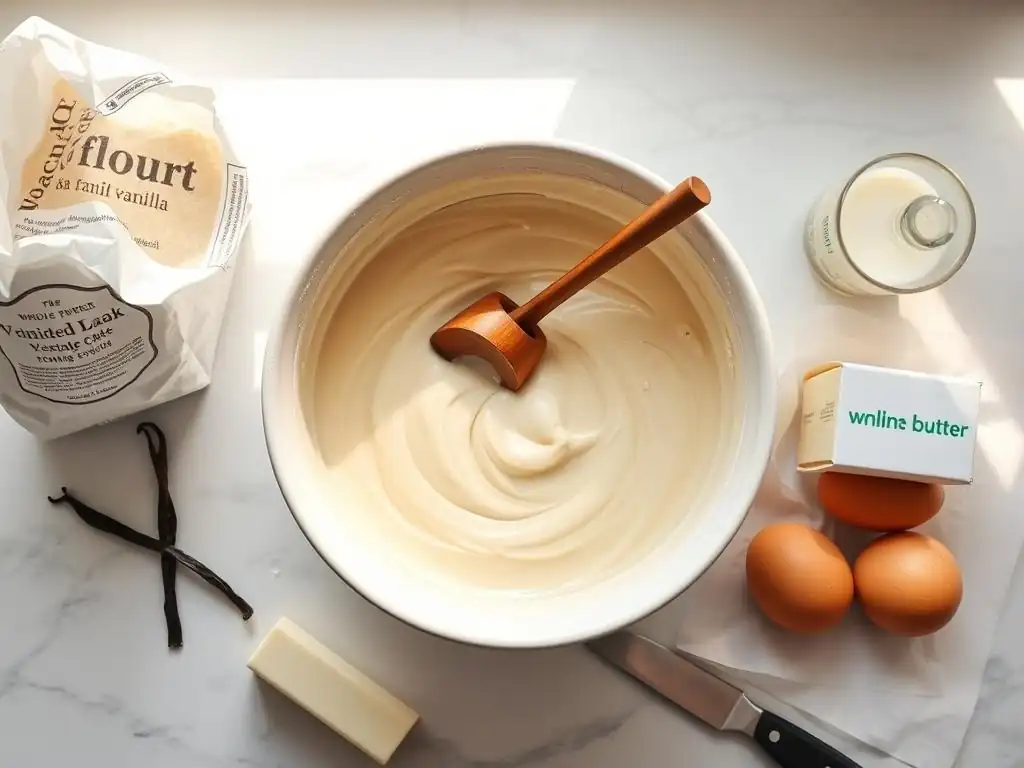
Essential Baking Ingredients
To make this easy vanilla cake recipe, you'll need a few core ingredients that are staples in most kitchens. These include all-purpose flour, granulated sugar, unsalted butter, eggs, milk, baking powder, salt, and vanilla extract. The quality of your vanilla extract can significantly impact the flavor of your cake; opting for a pure vanilla extract rather than imitation will yield a richer, more authentic vanilla taste. Unsalted butter is preferred as it gives you control over the salt content in the recipe.
For the best results, ensure your perishable ingredients like butter, eggs, and milk are at room temperature. This allows them to combine more smoothly, creating a homogenous batter that bakes evenly. For example, taking eggs out of the refrigerator about 30-60 minutes before you start baking is usually sufficient. Similarly, milk can be warmed slightly (not hot!) or left out for the same duration. These steps are small but contribute significantly to the success of this easy vanilla cake recipe beginners can confidently follow.
Ingredient Substitutions and Tips
While sticking to the original recipe is best for your first attempt at this easy vanilla cake recipe for beginners, understanding potential substitutions can be helpful. For instance, if you only have salted butter, you can use it but omit the added salt called for in the recipe. However, note that the salt content in salted butter can vary by brand. For milk, whole milk is recommended for richness, but 2% or even a non-dairy alternative like almond or soy milk can often be used, though the texture might vary slightly.
Regarding leavening, this recipe calls for baking powder. Ensure your baking powder is fresh – it typically lasts about 6-12 months after opening. You can test its freshness by adding a teaspoon to a small bowl of hot water; it should bubble vigorously.
If you find yourself without baking powder, baking soda can sometimes be substituted in recipes containing an acidic ingredient (like buttermilk or yogurt), but for a standard vanilla cake like this, using baking powder as specified is critical for the correct rise and texture. These tips help you navigate common kitchen scenarios while making your easy vanilla cake recipe.
Step-by-Step Guide: Baking Your Vanilla Cake
Preparing Your Baking Pan
Properly preparing your baking pan is a crucial first step that prevents your beautiful easy vanilla cake from sticking. For an 8-inch or 9-inch round cake pan, begin by greasing the inside generously with butter or a non-stick baking spray. Ensure you get into all the corners and up the sides of the pan. This creates a barrier between the cake batter and the metal.
After greasing, you'll want to flour the pan. Add a tablespoon or two of all-purpose flour to the greased pan, then tilt and rotate the pan to coat the entire greased surface evenly. Tap out any excess flour over a sink or trash can.
For extra security, especially if you’re using a pan prone to sticking or making multiple layers, you can also line the bottom of the pan with parchment paper after greasing but before flouring. Simply trace the bottom of the pan onto parchment, cut it out, and press it into the greased base. This ensures the cake releases cleanly.
Mixing the Cake Batter
Mixing the batter for this easy vanilla cake recipe involves a few key stages to develop the right texture. First, in a large bowl, cream together the softened butter and granulated sugar until the mixture is light and fluffy, usually taking about 3-5 minutes with an electric mixer. This process incorporates air, which is vital for a tender cake crumb. Scrape down the sides of the bowl occasionally to ensure everything is evenly combined.
Next, add the eggs one at a time, beating well after each addition. This helps the eggs emulsify with the butter mixture. Stir in the vanilla extract. In a separate bowl, whisk together the dry ingredients: flour, baking powder, and salt.
In a third bowl or measuring cup, combine the milk. Now, you will alternate adding the dry ingredients and the milk to the butter mixture, starting and ending with the dry ingredients (e.g., add 1/3 of the flour mixture, mix lightly, add 1/2 of the milk, mix lightly, add 1/3 of the flour mixture, mix lightly, add the remaining milk, mix lightly, finish with the remaining flour mixture, mix until just combined). Overmixing at this stage can develop gluten, resulting in a tough cake, so mix only until no dry streaks remain.
Baking to Golden Perfection
Preheating your oven correctly is vital before you even think about putting your easy vanilla cake batter inside. Ensure your oven is fully preheated to 350°F (175°C) with the oven rack placed in the center. This central position allows for the most even heat distribution around the cake. Pour the prepared batter into your greased and floured pan, spreading it evenly with a spatula.
Bake the cake for approximately 30-35 minutes. The exact baking time can vary based on your oven and the pan size. To check for doneness, insert a toothpick into the center of the cake. If it comes out clean or with just a few moist crumbs attached, the cake is ready.
If it comes out with wet batter, bake for a few more minutes and test again. Avoid opening the oven door too early in the baking process, as this can cause the cake to sink. The top of the cake should be golden brown and spring back slightly when gently pressed.
Cooling: Avoiding Common Mistakes
Proper cooling is just as important as baking when making an easy vanilla cake recipe. Once the cake is removed from the oven, let it cool in the pan on a wire rack for about 10-15 minutes. This allows the cake to firm up slightly before you attempt to remove it. Trying to take the cake out too soon can result in it breaking apart.
After the initial cooling period in the pan, invert the cake onto the wire rack to cool completely. Cooling on a wire rack allows air to circulate around the entire cake, preventing the bottom from becoming soggy from trapped steam. Ensure the cake is entirely cool before attempting to frost it, which can take anywhere from 1 to 2 hours. Frosting a warm cake will cause the frosting to melt and slide off. Patience during the cooling phase is key to a successful and beautiful finished product.
Frosting Options
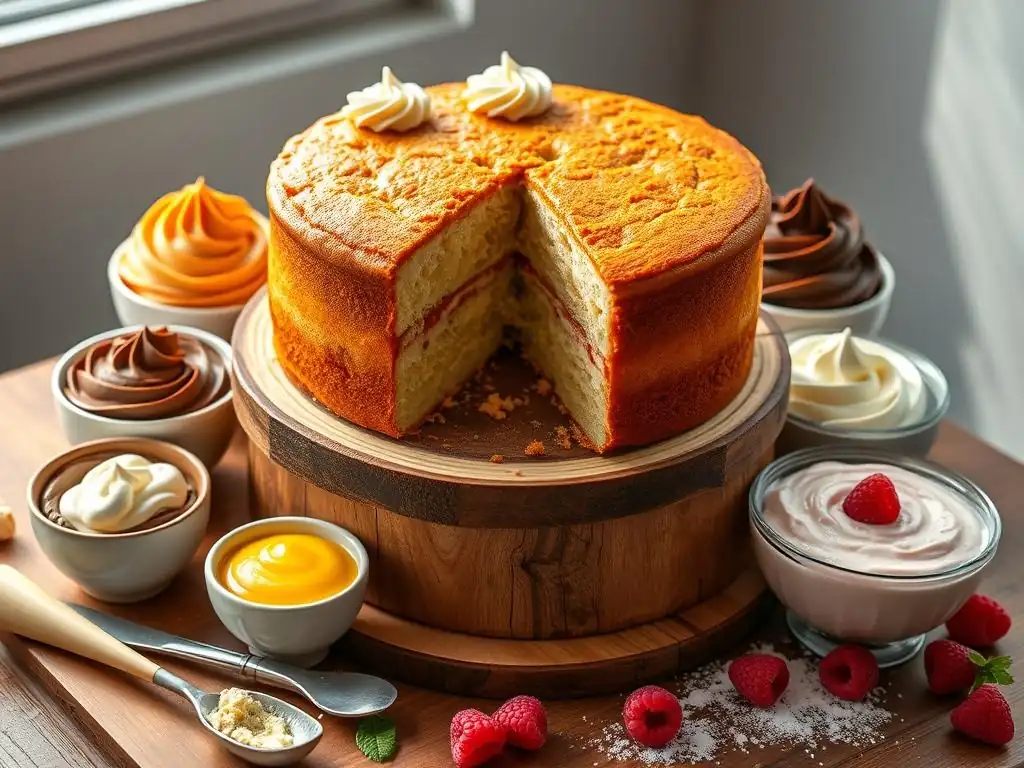
Easy Vanilla Buttercream Frosting Recipe
A classic easy vanilla cake recipe pairs perfectly with a simple vanilla buttercream frosting. To make it, you'll need softened unsalted butter, powdered sugar (also known as confectioners' sugar), milk or cream, and vanilla extract. Start by beating the softened butter until creamy. Gradually add the sifted powdered sugar, alternating with small amounts of milk or cream, beating until smooth and spreadable. Add vanilla extract and beat until fully incorporated.
The consistency of the buttercream can be adjusted by adding more liquid (milk/cream) for a thinner frosting or more powdered sugar for a thicker one. For a typical 8-inch cake, you might use around 1/2 cup (113g) of butter and about 2-3 cups (240-360g) of powdered sugar. This simple buttercream is delicious and easy to spread, making it ideal for beginners decorating their first easy vanilla cake.
Other Frosting Ideas
While vanilla buttercream is a go-to for an easy vanilla cake recipe, many other frostings can complement its flavor. A simple glaze made from powdered sugar and a splash of milk or lemon juice offers a lighter alternative. Cream cheese frosting, with its slight tang, provides a lovely contrast to the sweet vanilla. For a richer option, consider a chocolate ganache or a simple chocolate buttercream.
Even a dusting of powdered sugar or a dollop of whipped cream can be delightful, especially if you want the pure vanilla flavor of the cake to shine through. Don't feel limited to traditional frostings; consider fruit curds like lemon or passion fruit for a burst of flavor. The versatility of this easy vanilla cake recipe means it serves as a perfect canvas for a wide variety of toppings and frostings.
Tips for a Perfect Cake Every Time
Measuring Ingredients Accurately
Accuracy in measuring is perhaps the single most important tip for a perfect easy vanilla cake recipe. Baking is often described as a science, and precise measurements ensure the chemical reactions (like leavening) happen correctly. For dry ingredients like flour and sugar, using standard measuring cups and leveling off with a straight edge is essential. Avoid scooping directly from the bag, as this compacts the ingredient, leading to too much being used.
Liquid ingredients should be measured in liquid measuring cups placed on a flat surface at eye level. For smaller amounts like baking powder, salt, or extracts, use measuring spoons, ensuring they are level. Using a kitchen scale for dry ingredients offers the highest level of accuracy, often measuring in grams (e.g., 120g of flour for a typical cup). While not strictly necessary for a beginner's recipe, it's a habit worth developing for consistent results in any easy vanilla cake recipe or other bakes.
Troubleshooting Common Problems
Even with an easy vanilla cake recipe, beginners might encounter common issues. If your cake sinks in the middle, it's often due to opening the oven door too early, underbaking, or using too much leavening. Ensure your oven is accurately preheated and avoid peeking until the last 10-15 minutes of baking time. If the cake is dry, you likely used too much flour (see measuring tips) or overbaked it. Check for doneness at the minimum specified time.
A tough cake crumb is usually a sign of overmixing the batter after adding the flour. Mix only until the dry ingredients are just incorporated. If the cake sticks to the pan, your pan preparation wasn't thorough enough – ensure it's well-greased and floured, or use parchment paper. By understanding the common causes of these issues, you can easily troubleshoot and improve your results with this easy vanilla cake recipe beginners can master.
Storing to Maintain Freshness
To keep your easy vanilla cake recipe creation fresh, proper storage is key. If unfrosted, the cake can be stored at room temperature, wrapped tightly in plastic wrap or placed in an airtight container. This prevents it from drying out. It will typically stay fresh for 2-3 days.
Once frosted, especially with a buttercream containing butter or cream cheese, the cake is best stored in an airtight container in the refrigerator. Refrigeration extends its freshness for up to a week. However, for the best texture and flavor, allow refrigerated cake to sit at room temperature for about 20-30 minutes before serving. For longer storage, cake slices or the entire cake can be wrapped well and frozen for up to 2-3 months. Thaw overnight in the refrigerator.
Variations and Flavor Enhancements
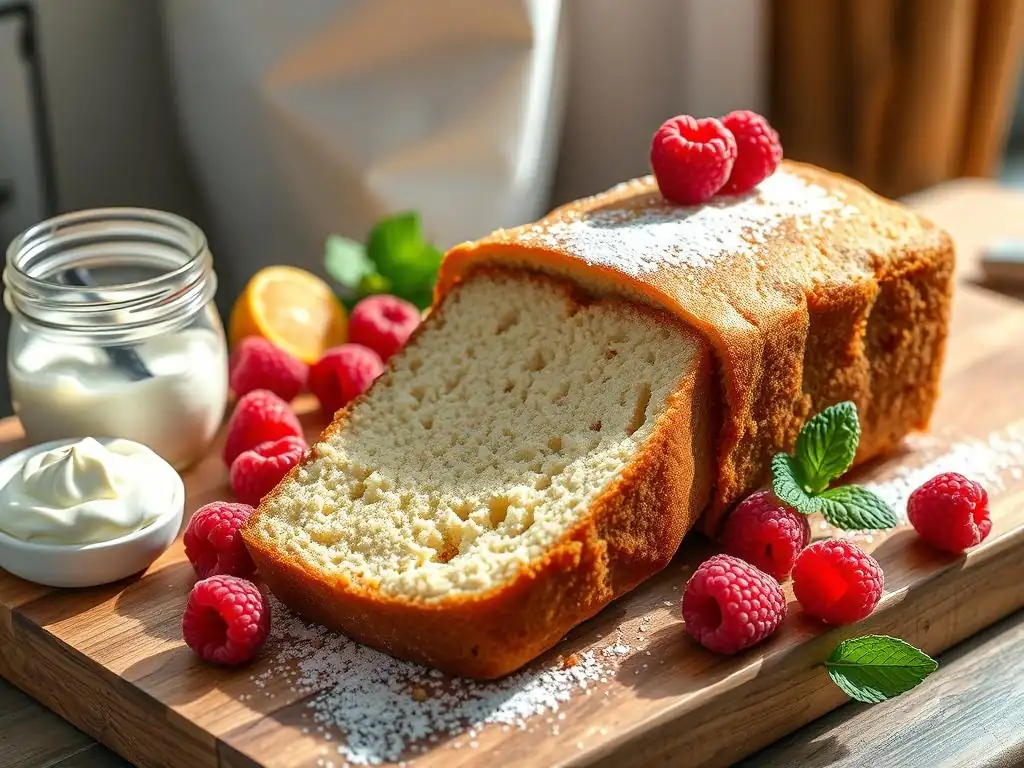
Adding Extracts and Zests
While this is an easy vanilla cake recipe, you can easily introduce subtle flavor variations by adding other extracts or citrus zests. A teaspoon of almond extract alongside the vanilla can add a delightful nutty undertone. Lemon or orange zest grated into the batter brightens the flavor profile significantly. For example, adding the zest of one lemon or orange during the creaming stage (with the butter and sugar) helps release its oils and infuse the cake.
Other extracts like coconut, maple, or even a hint of rum extract can transform the basic vanilla base into something new. Experiment with small amounts first, perhaps 1/4 to 1/2 teaspoon of a stronger extract, to avoid overpowering the delicate vanilla flavor. These simple additions are an easy way for beginners to explore flavor enhancements beyond the standard easy vanilla cake recipe.
Cake with Fruit: Strawberry Vanilla Cake
Adding fruit is another fantastic way to create variations on this easy vanilla cake recipe. One popular option is a strawberry vanilla cake. You can gently fold fresh, diced strawberries into the batter just before pouring it into the pan. About 1 cup of finely diced strawberries is usually sufficient for an 8-inch cake without making the batter too wet. Toss the strawberries with a tablespoon of flour first to prevent them from sinking to the bottom during baking.
Alternatively, you can bake the basic vanilla cake and then use fresh strawberries as a filling between layers or as a topping with whipped cream or vanilla frosting. A strawberry compote or sauce can also be drizzled over slices. Combining the classic, comforting flavor of vanilla with the fresh sweetness of strawberries creates a simple yet elegant dessert perfect for any occasion, building upon your foundational easy vanilla cake recipe skills.
Conclusion: You've Baked Your First Vanilla Cake!
Celebrate Your Baking Success
Congratulations! By following this easy vanilla cake recipe, you've taken a significant step in your baking journey and successfully created a delicious homemade treat. This basic vanilla cake is more than just dessert; it's a foundation for countless other recipes and techniques you'll learn. Take a moment to appreciate your accomplishment, from measuring ingredients accurately to achieving that golden perfection in the oven.
Sharing your cake with friends and family is part of the joy of baking. Don't worry if it's not absolutely perfect; the taste of something made with your own hands is always special. This easy vanilla cake recipe for beginners is designed to build confidence, and each time you make it (or try a variation), you'll refine your skills further. Keep baking, keep experimenting, and enjoy the sweet rewards of your efforts!
Frequently Asked Questions
What makes this vanilla cake recipe easy for beginners?
This recipe uses simple techniques and readily available easy-to-find ingredients. The instructions are step-by-step and clearly explained, minimizing potential errors.
What are the essential ingredients needed for this basic vanilla cake?
You'll need flour, sugar, butter (or oil), eggs, milk (or buttermilk), vanilla extract, baking powder, and salt. These are common baking staples making it accessible.
Can I easily adapt this vanilla cake recipe for different flavors?
Yes, you can easily add extracts like almond or lemon, or incorporate zest from citrus fruits. This allows for flavor customization while keeping the base simple.
What techniques are used in this recipe to ensure a moist and tender crumb?
The recipe often uses creaming the butter and sugar, or the reverse creaming method. These techniques help incorporate air and develop gluten structure.
How can I troubleshoot common problems that beginners face when baking this vanilla cake?
Common issues include a dense cake or a sunken center. Ensuring accurate measurements, avoiding overmixing, and baking at the correct temperature are key to success.
Final Reflection: The Enduring Power of a Simple Cake
The humble vanilla cake, a seemingly simple dessert, holds a surprising power: the ability to connect generations, evoke cherished memories, and offer a comforting sense of accomplishment. It's more than just a recipe; it's a gateway to baking, a foundation for culinary creativity, and a testament to the joy found in simple pleasures. In a world increasingly dominated by complex recipes and elaborate techniques, the ease and deliciousness of a basic vanilla cake remain remarkably relevant.
The impact of this classic recipe extends far beyond the kitchen. It's a shared experience, a tradition passed down through families, a symbol of celebration and comfort. A cake is a celebration; it's a moment of joy.
This sentiment, though simple, speaks volumes about the emotional resonance of baking and sharing a homemade cake. Learning to bake a perfect vanilla cake is not just about mastering a technique; it's about understanding the power of simple ingredients transformed into something beautiful and delicious, a skill that can bring immeasurable joy and connection.
So, I encourage you, dear reader, to embrace the simplicity of this recipe. Don't be intimidated by the seemingly basic nature of the ingredients; instead, see it as an opportunity to connect with the fundamental joy of baking. Try the recipe, adapt it to your own tastes, and share the results with loved ones. Let the aroma of vanilla fill your kitchen, and let the simple act of baking bring a little extra sweetness to your day. The journey of baking, like life itself, is often found in the simple pleasures.
Unlock Your Inner Baker: Master the Art of Vanilla Cake!
Thanks for joining us on this delicious journey into the world of vanilla cake! We hope you've gained the confidence to tackle this classic recipe. Now it's time to put your new skills to the test.
- Bake your masterpiece: Grab your ingredients and let's get baking! Follow the recipe steps, and don't be afraid to experiment with variations.
- Share your creation: Snap a photo of your beautiful cake and tag us on social media – we'd love to see your baking success! #BakeWithEaseVanillaCake
- Explore our other recipes: Dive into our extensive collection of easy-to-follow recipes, from cookies and brownies to more complex creations. Discover your next baking adventure!
Ready to transform your kitchen into a sweet haven? What unique twist will you add to your vanilla cake?