
Beyond the Loaf: Enjoying Your Homemade Sourdough Rye

Welcome to BakeWithEase!
Ever wondered how to unlock the truly exceptional flavor hidden within your homemade sourdough rye? We're thrilled you're here! This isn't just about baking bread; it's about experiencing the rich, complex notes that a perfectly crafted rye loaf can offer. Discover exciting ways to elevate your bread-baking journey and explore how to savor every slice. Let's delve beyond the basic loaf and unlock the full potential of your creation...
- Beyond the Slice: Elevating Your Homemade Sourdough
- Understanding Sourdough's Flavor
- Serving Suggestions to Enhance Sourdough
- Recipes That Complement Homemade Sourdough
- Storing and Preserving Your Homemade Sourdough
- Troubleshooting Common Sourdough Issues
- Beyond the Basics: Exploring Advanced Sourdough Techniques
- Mastering the Art of Perfect Homemade Sourdough
- Frequently Asked Questions
- Final Reflection: The Enduring Allure of Homemade Sourdough Rye
- Unleash Your Inner Rye Baker!
Beyond the Slice: Elevating Your Homemade Sourdough
Understanding Sourdough's Flavor
The Tangy Flavor Profile of Sourdough Bread
Homemade sourdough rye bread is renowned for its distinctive tangy flavor, a characteristic developed through the natural fermentation process. This tang isn't just a single note; it's a complex symphony of organic acids, primarily lactic acid and acetic acid, produced by the wild yeasts and lactic acid bacteria in the sourdough starter. Lactic acid contributes a milder, yogurt-like sourness, while acetic acid, the same acid found in vinegar, provides a sharper, more pungent tang.
The balance between these two acids, influenced by factors like fermentation time and temperature, dictates the specific character of your homemade sourdough rye flavor. A longer, cooler fermentation tends to encourage more acetic acid, resulting in a sharper tang, while warmer, shorter ferments often yield a milder, more lactic tang.
The inclusion of rye flour significantly impacts the homemade sourdough rye flavor profile. Rye flour contains different enzymes and compounds compared to wheat flour, which interact uniquely with the sourdough culture. This often results in a deeper, more earthy, and sometimes slightly sweeter undertone that complements the sour notes beautifully.
The specific type of rye flour used – light, medium, or dark – will also influence the depth of color and the intensity of the rye flavor. Understanding these nuances helps bakers appreciate the unique taste they achieve with their homemade sourdough rye and how variations in ingredients and process contribute to its final delicious character.
The Role of Fermentation in Sourdough Flavor
Fermentation is the heart and soul of developing that coveted homemade sourdough rye flavor. It's during this crucial stage that the microbial community in your starter transforms simple sugars in the flour into a host of flavorful compounds, including those essential organic acids mentioned earlier.
The length and temperature of both the bulk fermentation (the first rise of the dough) and the proofing stage (the final rise before baking) are critical levers. A slow, cold fermentation, like a 12-16 hour rise in the refrigerator, allows enzymes more time to break down starches into sugars, providing more food for the microbes and often leading to a more complex, tangy flavor.
Conversely, a faster fermentation at room temperature (perhaps 4-6 hours for bulk and 2-4 hours for proof) might result in a milder tang, with lactic acid production potentially outpacing acetic acid. The activity level of your specific sourdough starter also plays a vital role; a vigorous, well-maintained starter will ferment the dough efficiently, contributing robust flavors. Paying close attention to the dough's development during fermentation – watching for signs like increased volume, bubbling, and a slightly domed surface – helps you gauge the progress and predict the likely outcome of your homemade sourdough rye flavor.
Factors Influencing Sourdough's Taste
Beyond fermentation time and temperature, several other factors significantly influence the final taste of your homemade sourdough rye. The hydration level of the dough, or the ratio of water to flour, affects fermentation speed and the texture, which in turn influences how we perceive flavor. A higher hydration dough often ferments faster and can develop a more open crumb, while lower hydration results in a denser loaf.
The type and blend of flours used are paramount; the ratio of rye flour to wheat flour, and whether you use white, whole wheat, or dark rye, will dramatically alter the earthy, nutty, or tangy notes in your homemade sourdough rye flavor. For instance, using 30% dark rye flour will yield a much stronger rye presence than using 10% light rye.
The quality of your water can also subtly impact flavor, especially if it contains high levels of chlorine, which can inhibit microbial activity. Even the salt you use matters; fine salt dissolves quickly, affecting gluten development, while coarse salt dissolves slower.
The age and health of your sourdough starter are perhaps the most critical factors; a young, weak starter won't produce the same depth of flavor as a mature, active one. By understanding and controlling these variables – from flour choice and hydration to fermentation schedule and starter health – you gain greater control over the unique homemade sourdough rye flavor you create.
Serving Suggestions to Enhance Sourdough

Classic Pairings: What to Serve with Sourdough
Homemade sourdough rye bread, with its robust texture and tangy flavor, is a versatile companion to a wide array of foods. Its classic pairings often involve simple, high-quality ingredients that complement rather than overpower its distinct taste. A timeless combination is simply toasted sourdough with good quality butter, perhaps a cultured butter for an extra layer of richness that harmonizes with the bread's tang.
Another beloved pairing is with cheese; the acidity of sourdough cuts through the richness of sharp cheddar, creamy brie, or crumbly goat cheese beautifully. A cheese board featuring your homemade sourdough rye is always a crowd-pleaser.
Open-faced sandwiches are also a natural fit. Consider smoked salmon with cream cheese and dill, or sliced avocado with a sprinkle of flaky sea salt and chili flakes. Soups and stews, particularly those with a bit of acidity or richness, benefit greatly from a side of sourdough for dipping; think tomato soup, lentil stew, or a hearty beef stew.
The bread's structure holds up well and its flavor adds depth. Even something as simple as dipping a slice into high-quality olive oil with a balsamic vinegar reduction highlights the bread's character. These classic pairings showcase the versatility of homemade sourdough rye, making it a staple on any table.
Creative Culinary Uses for Sourdough
Beyond simple slices, homemade sourdough rye can be transformed into delightful components for various dishes, leveraging its unique texture and homemade sourdough rye flavor. Its sturdy crumb makes it ideal for applications where it needs to hold its shape or provide structure. Repurposing day-old or slightly stale sourdough is also an excellent way to minimize waste and add gourmet flair to your cooking.
Sourdough Croutons for Soups and Salads
Turning leftover homemade sourdough rye into croutons is a simple yet impactful way to add texture and flavor to soups, salads, and even casseroles. Cut the bread into cubes, toss with olive oil, salt, pepper, and any desired herbs like rosemary or thyme. Spread them on a baking sheet and bake at around 350°F (175°C) for 10-15 minutes, or until golden brown and crispy.
The tangy notes of the sourdough add a depth of flavor that elevates a simple green salad or provides a delightful contrast in a creamy soup. A batch made from a half loaf of sourdough can last several days in an airtight container, ready to enhance your next meal.
Sourdough Breadcrumbs for Baking and Cooking
Homemade sourdough rye breadcrumbs offer a superior alternative to store-bought versions, bringing a nuanced flavor and delightful texture to your culinary creations. To make them, simply pulse dried sourdough pieces in a food processor until coarse or fine crumbs form. These can be used as a crispy topping for gratins, mac and cheese, or baked fish. They also make an excellent binder for meatballs or meatloaf, imparting a subtle tang. Using breadcrumbs made from your own homemade sourdough rye ensures a consistent, high-quality flavor throughout your dish, making even simple recipes taste more sophisticated.
Sourdough Toast as a Base for Appetizers
Sourdough toast provides a perfect sturdy and flavorful base for a variety of appetizers, often referred to as crostini or bruschetta. Slice the sourdough thinly, brush with olive oil, and toast until golden. Top with ingredients like chopped tomatoes and basil (classic bruschetta), fig jam and prosciutto, or whipped feta with roasted red peppers. The robust structure of the toast prevents it from becoming soggy, while the homemade sourdough rye flavor provides a delicious counterpoint to the toppings. This is an elegant way to utilize your sourdough and impress guests with minimal effort.
Recipes That Complement Homemade Sourdough
Delicious Spreads and Toppings for Sourdough Bread
Enhancing the homemade sourdough rye flavor is easy with the right spreads and toppings. Simple additions can transform a slice of bread into a gourmet experience. Focus on ingredients that either complement the tang or provide a contrasting richness or sweetness.
Avocado Toast with Everything Bagel Seasoning
This popular topping pairs the creamy richness of avocado with the satisfying crunch and savory flavor of everything bagel seasoning, all on a base of tangy homemade sourdough rye toast. Mash half an avocado onto a slice of lightly toasted sourdough. Sprinkle generously with everything bagel seasoning, which typically contains sesame seeds, poppy seeds, dried garlic, dried onion, and salt.
The tang of the bread cuts through the richness of the avocado, while the seasoning adds texture and a burst of flavor, highlighting the bread's character. This takes less than 5 minutes to prepare and is a nutritious and delicious option.
Ricotta with Roasted Cherry Tomatoes and Balsamic Glaze
For a more sophisticated topping, try pairing creamy ricotta cheese with sweet and slightly acidic roasted cherry tomatoes and a drizzle of balsamic glaze. Roast cherry tomatoes tossed with olive oil, salt, and pepper at 400°F (200°C) for about 15-20 minutes until they burst and caramelize. Spread a generous layer of fresh ricotta cheese on a slice of toasted homemade sourdough rye.
Top with the warm roasted cherry tomatoes and finish with a drizzle of thick balsamic glaze. The cool, creamy ricotta contrasts beautifully with the warm, sweet tomatoes, and the balsamic glaze adds a syrupy counterpoint to the bread's tang, creating a complex and delightful bite.
Hearty Soups and Stews Perfect with Sourdough
Serving homemade sourdough rye bread alongside hearty soups and stews is a classic pairing that provides comfort and robust flavor. The bread is ideal for dipping and soaking up savory broths.
French Onion Soup
A classic French onion soup, with its rich, caramelized onion broth and melted cheese topping, finds a perfect partner in homemade sourdough rye. The bread's sturdy crust and slightly chewy interior stand up well to the moist soup without disintegrating quickly. You can place a slice of toasted sourdough directly into the soup bowl before adding the cheese and broiling, or simply serve thick slices on the side for dipping. The tang of the sourdough cuts through the richness of the cheese and the sweetness of the onions, creating a balanced and deeply satisfying meal.
Clam Chowder
Creamy New England clam chowder, with its thick texture and savory seafood flavor, is traditionally served with oyster crackers, but a thick slice of homemade sourdough rye offers a far more substantial and flavorful accompaniment. The bread is excellent for soaking up the creamy broth, and its tangy profile provides a nice contrast to the richness of the chowder. Break off pieces to dip into the bowl, or use a slice as a base for the chowder. The combination is hearty, comforting, and highlights the best of both the soup and the bread.
Storing and Preserving Your Homemade Sourdough
Keeping Your Sourdough Fresh for Longer
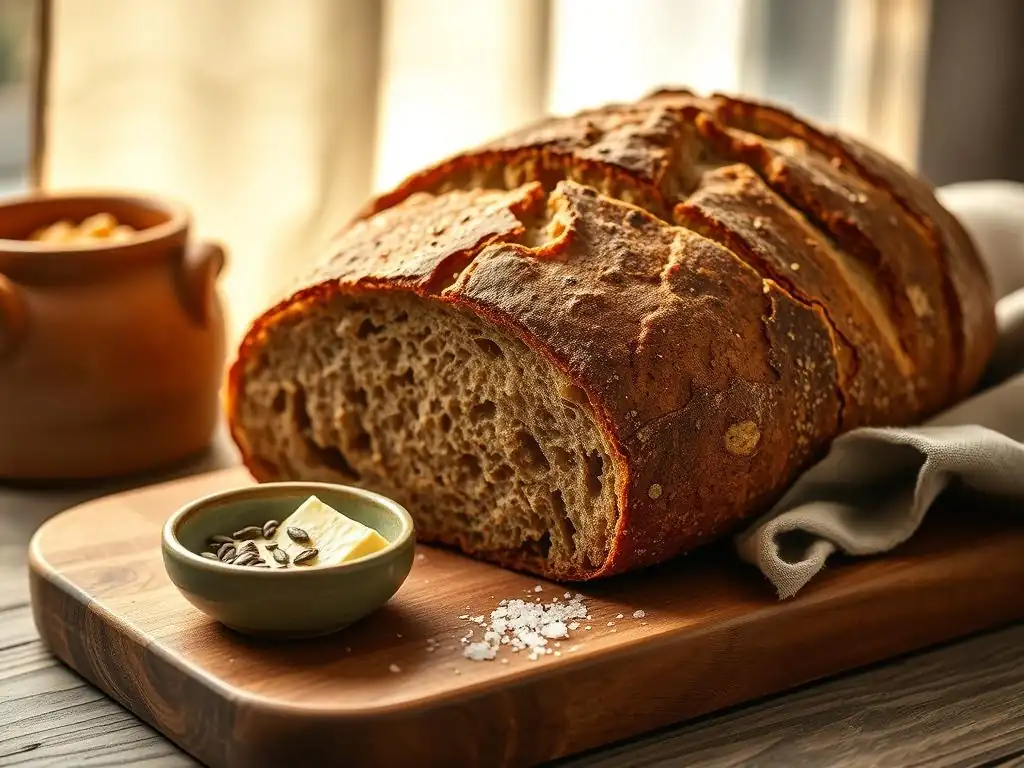
Proper storage is key to enjoying your homemade sourdough rye flavor for as long as possible. Once the loaf has cooled completely (this is crucial to prevent a gummy interior), store it at room temperature. The best method for short-term storage (1-2 days) is often simply placing the cut side down on a cutting board or counter.
For slightly longer storage (up to 3-4 days), wrap the cooled loaf in a linen bread bag or a clean cotton towel. These materials allow the bread to breathe, preventing the crust from becoming soggy while still protecting the interior from drying out too quickly. Avoid plastic bags at room temperature, as they trap moisture and can make the crust soft and potentially encourage mold growth, diminishing the desired homemade sourdough rye flavor and texture.
If you've sliced the loaf, storing it in a bread box can help maintain freshness. Alternatively, wrap the cut end tightly with beeswax wrap or plastic wrap before placing it in a bread bag. Storing bread in the refrigerator is generally not recommended, as it can actually speed up the staling process due to starch retrogradation, resulting in a dry, dense texture that detracts from the homemade sourdough rye flavor. Aim to consume your loaf within 3-4 days for the best quality.
Freezing Sourdough for Future Enjoyment
Freezing is an excellent way to preserve your homemade sourdough rye for longer periods, up to several months, without significant loss of quality or homemade sourdough rye flavor. The key is to freeze it as soon as it has cooled completely. For best results, freeze the loaf whole or sliced. If freezing whole, wrap it tightly in plastic wrap, then in aluminum foil, or place it in a large freezer bag, pressing out as much air as possible. Double-wrapping helps prevent freezer burn.
If you prefer to freeze slices (ideal for single servings), slice the cooled loaf, stack the slices with parchment paper in between to prevent sticking, and then wrap the stack tightly in plastic wrap and foil, or place in a freezer bag. When you want to enjoy a slice or the whole loaf, simply take it out of the freezer. A whole loaf can be thawed at room temperature for several hours or reheated from frozen in a preheated oven at 350°F (175°C) for 15-25 minutes until warmed through and the crust is revived.
Slices can be toasted directly from frozen. Freezing allows you to bake large batches and enjoy your delicious homemade sourdough rye flavor whenever you like.
Reviving Stale Sourdough Bread
Even if your homemade sourdough rye has gone a bit stale and lost its initial charm, don't despair! There are effective ways to revive it and bring back some of its deliciousness. One popular method is to lightly dampen the crust under running water, then place the loaf in a preheated oven at 300-350°F (150-175°C) for 5-10 minutes. The moisture on the crust turns to steam, which helps soften the interior while the heat crisps up the crust again. This works best for loaves that are just a day or two past their prime.
For older, very stale bread, reviving might not bring it back to its original glory, but it can still be made palatable or used in other ways. As discussed earlier, stale sourdough is perfect for making croutons or breadcrumbs, which actually benefit from the dryness. You can also use stale sourdough in recipes like bread pudding or Panzanella salad, where it's designed to soak up liquids. So, even if your homemade sourdough rye flavor isn't as vibrant as day one, there are still plenty of ways to utilize every last crumb.
Troubleshooting Common Sourdough Issues
Addressing a Sour or Overpowering Taste
If your homemade sourdough rye flavor is excessively sour or has an overpowering acetic tang, it's often a sign of fermentation issues, particularly too much acetic acid production. This is commonly caused by a long, cold fermentation or proofing, which favors the production of acetic acid by lactic acid bacteria. While some tang is desirable for a classic homemade sourdough rye flavor, an overwhelming sourness can be off-putting.
To mitigate this in future bakes, try adjusting your fermentation strategy. Shortening the cold fermentation time or allowing the dough to proof at a warmer room temperature for a shorter period can shift the balance towards milder lactic acid production. Ensuring your starter is fed regularly and is very active before use can also help; a strong starter can sometimes lead to a more balanced flavor profile. Additionally, consider the flour blend; using a higher percentage of white flour relative to rye might result in a less intensely flavored dough overall, potentially making the tang less dominant.
Balancing Flavors in Your Sourdough
Achieving a well-balanced homemade sourdough rye flavor involves harmonizing the tanginess with the inherent sweetness of the flour and the savory notes from fermentation and salt. If your bread is lacking depth or seems one-dimensional, consider these adjustments. Ensure you are using enough salt; salt is crucial not just for taste but also for controlling fermentation rate and strengthening gluten. Typically, salt is around 1.8-2.2% of the total flour weight. Too little salt can lead to a bland flavor and uncontrolled fermentation.
Experimenting with different flour types can also help. Adding a small percentage of whole wheat or spelt flour alongside your rye and white flours can introduce nutty or slightly sweet undertones that add complexity to the homemade sourdough rye flavor. The ripeness of your starter is also key; using a starter at its peak of activity often results in a more balanced fermentation and thus a more balanced flavor in the final loaf compared to using it too early or too late.
Adjusting Your Recipe for the Perfect Flavor Profile
Tailoring your sourdough recipe is the ultimate way to fine-tune your homemade sourdough rye flavor to your personal preference. If you desire a milder tang, reduce your cold proofing time or increase the proportion of white flour. If you seek a more pronounced rye flavor, increase the percentage of medium or dark rye flour in your recipe. A common starting point for rye sourdough might be 20-40% rye flour relative to the total flour weight.
Consider the hydration level; while primarily affecting texture, hydration also influences fermentation speed and flavor development. Higher hydration can sometimes lead to a more complex flavor profile. Keep detailed notes of your experiments – hydration percentage, flour types and ratios, fermentation times and temperatures – so you can replicate successful results and understand how each variable impacts the final homemade sourdough rye flavor. Small adjustments to any of these factors can lead to significant changes in the bread's taste and texture.
Beyond the Basics: Exploring Advanced Sourdough Techniques
Experimenting with Different Flours for Unique Tastes
Expanding beyond standard white and rye flour opens up a world of possibilities for creating unique homemade sourdough rye flavors. While rye is a key component of sourdough rye bread, varying the type of rye (light, medium, dark, pumpernickel) and the accompanying flours (bread flour, whole wheat, spelt, einkorn, kamut) can dramatically alter the bread's character. For example, incorporating dark rye flour will yield a much more intense, earthy, and slightly bitter homemade sourdough rye flavor compared to using only light rye.
Adding a percentage of ancient grains like spelt or einkorn can introduce nutty or slightly sweet notes that complement the tang of the sourdough and the earthiness of the rye. Whole wheat flour brings a deeper, more robust flavor profile and increased nutritional value. When experimenting, start by substituting a small percentage (e.g., 10-20%) of your usual flour blend with the new flour type to see how it impacts the dough handling and flavor before committing to larger amounts.
Adding Herbs and Spices to Enhance Sourdough Flavor
Infusing your homemade sourdough rye with herbs and spices is a fantastic way to add layers of flavor that complement its natural tang and the depth of the rye. Caraway seeds are a classic addition to rye bread, providing a distinctive warm, slightly anise-like flavor that pairs exceptionally well with the homemade sourdough rye flavor. Typically, caraway seeds can be added at 1-2% of the total flour weight.
Other spices like fennel seeds, coriander seeds, or even a pinch of ground cardamom can introduce interesting aromatic notes. Herbs like fresh rosemary or thyme, added to the dough during the final mix, can provide a savory counterpoint. Be mindful of quantities; a little goes a long way, and you want the added flavors to enhance, not overpower, the inherent deliciousness of your homemade sourdough rye.
The Impact of Hydration on Sourdough Texture and Flavor
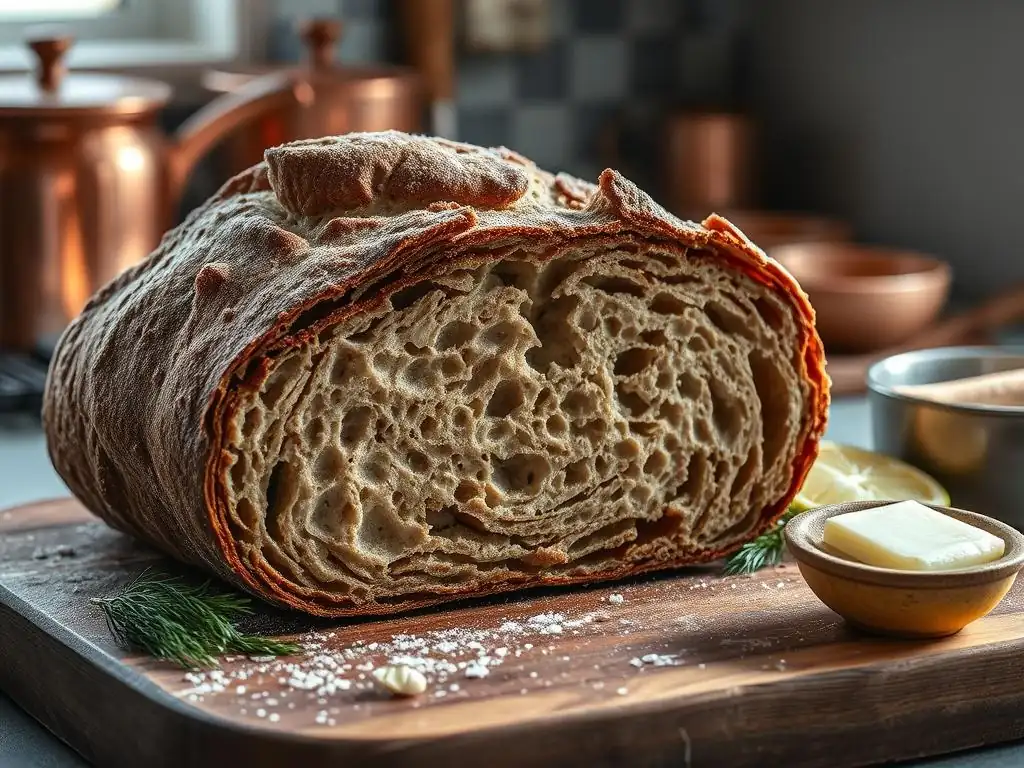
Hydration, the ratio of water to flour, is a critical factor influencing both the texture and, indirectly, the homemade sourdough rye flavor. Higher hydration doughs (e.g., 75-85%) are stickier and more challenging to handle but often result in a more open, airy crumb structure. This open crumb can affect how we perceive flavor, allowing the different notes to come through more distinctly. High hydration can also slightly accelerate fermentation in some cases, potentially influencing the balance of acids.
Lower hydration doughs (e.g., 60-70%) are easier to work with and produce a denser crumb. While the flavor development is still robust, the texture is different. Experimenting with hydration levels requires practice, as handling very wet dough can be tricky. Start by incrementally increasing hydration by just a few percentage points in successive bakes to see how it affects both the dough's behavior and the final homemade sourdough rye flavor and texture.
Mastering the Art of Perfect Homemade Sourdough
Tips and Tricks for Achieving Exceptional Sourdough
Achieving consistently exceptional homemade sourdough rye requires attention to detail and practice. Here are a few tips:
- Maintain a healthy, active starter: Feed your starter regularly and ensure it's bubbly and nearly doubled before using it in a bake. A strong starter is the foundation of great flavor and rise.
- Weigh your ingredients: Using a kitchen scale for flour and water is far more accurate than using volume measurements, leading to more consistent results.
- Understand dough temperature: Dough temperature significantly impacts fermentation speed. Aim for a consistent dough temperature (often around 75-80°F or 24-27°C) for predictable fermentation times.
- Don't rush fermentation: Allow the dough adequate time for both bulk fermentation and proofing. Look for visual cues like increased volume and surface tension rather than strictly following time guidelines, as environmental factors vary.
- Practice shaping: Good shaping creates surface tension, which helps the loaf hold its structure and achieve a good oven spring, contributing to the final texture that complements the homemade sourdough rye flavor.
- Use a Dutch oven: Baking in a preheated Dutch oven traps steam, creating a fantastic crust and allowing for maximum oven spring in the initial phase of baking.
The Importance of Quality Ingredients in Sourdough
The quality of your ingredients directly impacts the homemade sourdough rye flavor and the overall success of your bake. Using high-quality flour is paramount. Different flours have varying protein levels and milling processes that affect gluten development and flavor. For rye sourdough, using a good quality rye flour (stone-ground often offers more flavor) and a strong bread flour (with a protein content around 12-14%) will yield better results than using all-purpose flour.
Filtered water is often recommended, especially if your tap water is heavily chlorinated, as chlorine can inhibit the natural fermentation process. While not strictly necessary, using good quality salt, like non-iodized sea salt or kosher salt, is preferred by many bakers for its pure flavor and lack of additives. Starting with the best possible ingredients provides the foundation for developing that complex and satisfying homemade sourdough rye flavor.
Elevating Your Sourdough Baking Skills
Mastering homemade sourdough rye is a journey of continuous learning and refinement. Each bake offers an opportunity to learn something new about dough behavior, fermentation, and flavor development. Don't be discouraged by early failures; they are part of the process. Keep a baking journal to track your ingredients, timings, temperatures, and results. Note what worked and what didn't, and how it affected the homemade sourdough rye flavor.
Join online communities or local baking groups to share experiences and troubleshoot issues. Watch videos and read articles from experienced sourdough bakers. Consider taking a workshop if available. By actively seeking knowledge, practicing consistently, and paying close attention to your process and results, you will steadily improve your skills and confidently achieve that perfect homemade sourdough rye flavor you're striving for. Every loaf you bake brings you closer to mastering this rewarding craft.
Frequently Asked Questions
What is sourdough rye bread?
Sourdough rye bread is a type of bread made using rye flour and a natural sourdough starter, which gives it a unique tangy flavor and dense texture.
How can I enhance the flavor of my sourdough rye?
To enhance the flavor of your sourdough rye, consider adding ingredients like caraway seeds or molasses. These can contribute to a more complex taste profile.
What are some common mistakes when baking sourdough rye?
Some common mistakes include underproofing the dough and using inadequate hydration levels. Both can lead to a dense loaf that doesn't rise properly.
Can I use all-purpose flour instead of rye flour?
While you can substitute all-purpose flour, it will alter the texture and flavor significantly. For a true sourdough rye, it's best to stick with rye flour.
How long does sourdough rye last?
Homemade sourdough rye can last up to a week when stored properly in a cool, dry place. For longer freshness, consider freezing it.
Final Reflection: The Enduring Allure of Homemade Sourdough Rye
The complex, nuanced flavor of homemade sourdough rye bread transcends mere sustenance; it's a testament to patience, craft, and the enduring connection between human hands and nature's bounty. The journey from starter to loaf, as detailed in this article, is a microcosm of the mindful approach to food production that's gaining increasing traction in our fast-paced world. More and more people are seeking out authentic flavors and the satisfaction of creating something delicious from scratch, and sourdough rye, with its unique tang and depth, perfectly embodies this desire.
The pursuit of that perfect sourdough rye flavor has profoundly shaped my own understanding of food and its cultural significance. It's more than just a bread; it's a symbol of tradition, a link to generations past who perfected the art of fermentation. Bread is the staff of life,
a simple phrase, yet it encapsulates the profound role bread plays in our history and culture. The process of making sourdough rye, with its unpredictable nature and the need for careful observation, teaches patience and respect for the natural world. It's a meditative practice, a reminder to slow down and appreciate the simple pleasures.
Now, consider your own kitchen. Imagine the aroma of freshly baked sourdough rye filling your home, the satisfying crust yielding to a tender, tangy crumb. Don't just read about this experience; embrace it. The journey to mastering homemade sourdough rye might seem daunting, but the rewards – the unparalleled flavor, the sense of accomplishment, and the connection to a rich culinary heritage – are immeasurable. Take the leap, experiment, and discover the joy of creating your own perfect loaf. The journey, with all its ups and downs, is as rewarding as the destination itself.
Unleash Your Inner Rye Baker!
Thanks for taking the time to explore the wonderful world of homemade sourdough rye bread! We hope you gained valuable insights and inspiration. Now it's time to put your newfound knowledge to the test.
Here's how to keep the sourdough magic alive:
- Bake another loaf! This time, experiment with different additions – maybe some caraway seeds or a sprinkle of flaky sea salt. The possibilities are endless!
- Share your baking journey! Post a picture of your delicious creation on social media and tag us – we'd love to see your results.
- Explore our other sourdough recipes on BakeWithEase.com – discover the joy of other unique flours and baking techniques!
What unique ingredient will you add to your next sourdough rye loaf? Let us know in the comments!