
Finnish Ruisleipä: Dive into Authentic Rye

Welcome to BakeWithEase, your guide to baking bliss! Ever dreamt of creating a loaf so deeply flavorful, so satisfyingly dense, it transports you to another world? Prepare to embark on a culinary journey to Finland. Discover the secrets to an Authentic Finnish rye bread recipe that will unlock a new dimension of bread baking. Intrigued? Let's dive in and explore the rich traditions and techniques behind this Nordic staple!
- Introduction to Authentic Finnish Rye Bread (Ruisleipä)
- Understanding the Key Ingredients for Finnish Rye Bread
-
The Authentic Finnish Rye Bread Recipe: A Step-by-Step Guide
- Preparing the Rye Sourdough Starter (If Starting from Scratch)
- Mixing the Dough: Achieving the Right Consistency for Ruisleipä
- The Long Fermentation Process: Developing Flavor and Texture
- Shaping the Ruisleipä Loaves: Traditional Shapes and Techniques
- Baking Your Finnish Rye Bread: Temperature and Time Considerations
- Cooling and Storing Your Ruisleipä for Optimal Freshness
- Tips and Tricks for Perfecting Your Finnish Rye Bread
- Serving and Enjoying Your Homemade Ruisleipä
- Exploring the History and Culture of Finnish Rye Bread
- Conclusion: Embracing the Art of Authentic Finnish Rye Baking
-
Frequently Asked Questions
- What makes Finnish Ruisleipä (rye bread) different from other rye breads?
- Is it difficult to find the ingredients needed for an authentic Finnish rye bread recipe?
- How long does it typically take to make Finnish Ruisleipä from start to finish?
- What are some common mistakes to avoid when baking Finnish rye bread?
- Can I adjust the recipe to make a smaller loaf of Finnish Ruisleipä?
- Final Reflection: The Enduring Power of Ruisleipä
- Unleash Your Inner Baker: Craft Authentic Finnish Ruisleipä!
Introduction to Authentic Finnish Rye Bread (Ruisleipä)
Discover the Heart of Finnish Baking: Ruisleipä
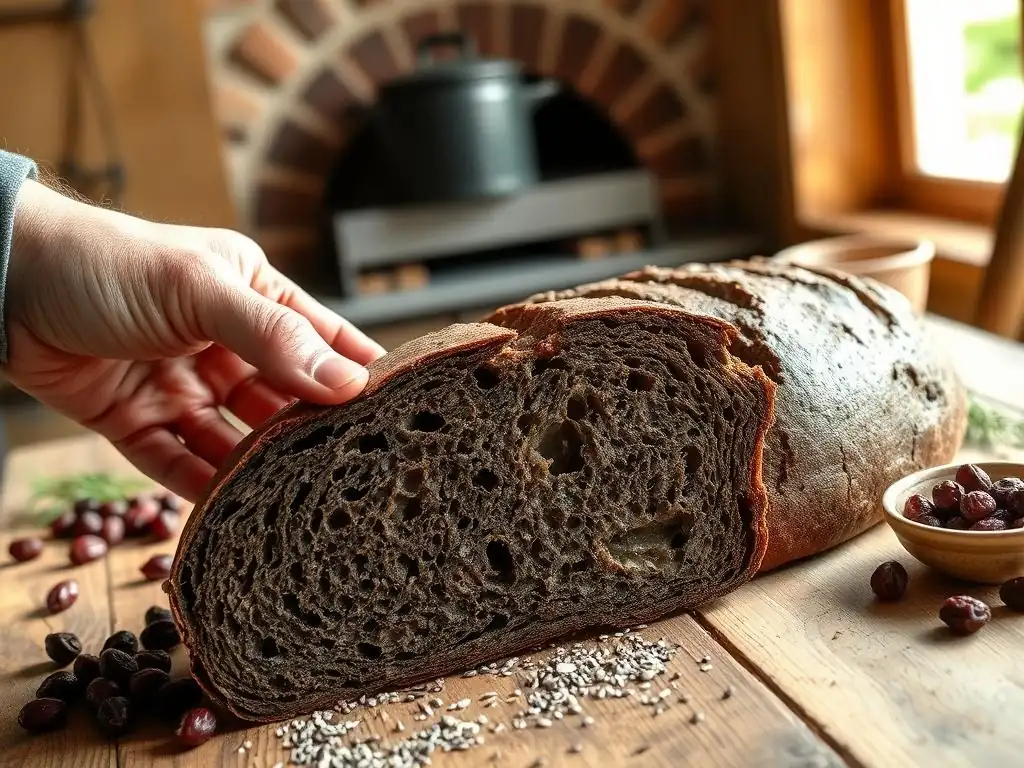
Welcome to the world of Finnish baking, where the humble loaf of rye bread, known as Ruisleipä, holds a place of profound importance. This dense, dark, and often slightly sour bread is a cornerstone of the Finnish diet and a symbol of national identity. Unlike many commercially produced rye breads that might contain wheat flour or sweeteners, authentic Finnish rye bread is typically made with 100% rye flour, water, salt, and a sourdough starter. Its characteristic tangy flavor and hearty texture come from a long fermentation process, which breaks down the rye grains and develops complex aromas.
Mastering the authentic Finnish rye bread recipe is a rewarding journey for any baker. It teaches patience and an understanding of the unique properties of rye flour. While the process might seem daunting at first, especially if you're new to sourdough baking, the result is a bread that is not only delicious but also incredibly nutritious. Ruisleipä is packed with fiber, often containing around 15-20 grams per 100g serving, significantly higher than many wheat-based breads. This high fiber content contributes to its satisfying fullness and numerous health benefits.
Why Ruisleipä is More Than Just Bread: A Cultural Staple
For Finns, Ruisleipä is far more than just food; it's a cultural icon embedded in history and tradition. It has sustained generations through harsh winters and played a vital role in the agricultural cycle. Historically, making Ruisleipä was a communal effort, with families baking large batches in shared ovens that would last for weeks, stored in cool pantries or even dried and rehydrated later. The act of baking and sharing this bread fostered community bonds and resilience.
Even today, Ruisleipä remains a daily essential in most Finnish households. It's commonly eaten at breakfast, lunch, and dinner, often served simply with butter, cheese, or cold cuts. Its robust flavor pairs perfectly with traditional Finnish foods like smoked fish, pickled herring, and hearty soups. The deep connection to the land and its produce is evident in every slice, making the authentic Finnish rye bread recipe a direct link to Finnish heritage and a taste of its enduring culture.
Understanding the Key Ingredients for Finnish Rye Bread
The Importance of Rye Flour in Authentic Ruisleipä
The defining characteristic of authentic Finnish rye bread is its reliance on rye flour. Unlike wheat, rye flour contains less gluten, which means the dough doesn't develop the same elastic structure. This is why Ruisleipä is dense and compact rather than light and airy.
The quality and type of rye flour significantly impact the final result. Traditional Ruisleipä is often made with coarse rye flour (ruisjauho) or a mix of coarse and fine rye flour, which contributes to its hearty texture. Using 100% whole grain rye flour is crucial for achieving the authentic flavor profile and maximizing the nutritional benefits, including its high lignan content, which is linked to various health advantages.
Rye flour also contains pentosans, complex carbohydrates that absorb a large amount of water. This high water absorption is essential for the texture of rye bread but also makes the dough sticky and less pliable than wheat dough. The natural enzymes in rye need to be controlled during fermentation to prevent the crumb from becoming gummy. This is where the sourdough process plays a critical role, maintaining the correct pH level to inhibit these enzymatic activities. Understanding the unique behavior of rye flour is the first step in mastering the authentic Finnish rye bread recipe.
Sourdough Starter: The Soul of Traditional Finnish Rye
The sourdough starter is not just a leavening agent in Ruisleipä; it is the very heart and soul of the bread, providing both lift and the characteristic tangy flavor. A healthy rye sourdough starter, often called 'juuri' in Finnish, is a living culture of wild yeast and lactic acid bacteria that thrive on a mixture of rye flour and water. These microorganisms work together during fermentation to produce carbon dioxide, which makes the bread rise, and organic acids, which contribute to the sour taste and help preserve the bread.
Developing a robust rye sourdough starter takes time and regular feeding, typically requiring about 7-10 days to become active enough for baking. Once established, a well-maintained starter can last for years, passed down through generations. The specific profile of yeast and bacteria in a starter can vary, influenced by the local environment, contributing to subtle differences in flavor. Using a mature and active rye sourdough starter is absolutely essential for achieving the depth of flavor and proper structure required by the authentic Finnish rye bread recipe.
Other Essential Ingredients: Water and Salt
Beyond rye flour and the sourdough starter, the authentic Finnish rye bread recipe requires only two other fundamental ingredients: water and salt. The quality of the water can subtly affect the outcome, with mineral content influencing the starter's activity and the dough's hydration. Lukewarm water is typically used when feeding the starter and mixing the dough, as it encourages yeast activity. The amount of water is critical; rye dough is usually much wetter and stickier than wheat dough, often having a hydration level of 80% or more relative to the flour weight, contributing to the dense, moist crumb.
Salt is more than just a flavor enhancer in Ruisleipä. It plays a vital role in controlling the fermentation speed, strengthening the dough structure (even in rye's limited gluten network), and improving the crust formation. Without salt, the fermentation would be too rapid, and the flavor would be flat.
The typical salt content in Ruisleipä dough is around 1.8% to 2% of the flour weight, a balance that brings out the complex flavors developed during the long fermentation without making the bread overly salty. These simple ingredients, when combined and handled correctly, transform into the iconic authentic Finnish rye bread.
The Authentic Finnish Rye Bread Recipe: A Step-by-Step Guide
Preparing the Rye Sourdough Starter (If Starting from Scratch)
If you don't already have a rye sourdough starter, you'll need to create one. This process takes about a week to 10 days.
- Day 1: Mix 50g coarse rye flour with 50g lukewarm water in a jar. Stir, cover loosely, and leave at room temperature (ideally 20-24°C / 68-75°F).
- Day 2-3: You might see some small bubbles. Discard half (50g) and feed with 50g rye flour and 50g lukewarm water.
- Day 4-7/10: Continue discarding half and feeding daily. The starter should become consistently bubbly, show significant growth after feeding (ideally doubling in size), and smell pleasantly sour and yeasty. It should be active enough to float a small dollop in water.
Having a vigorous and mature starter is paramount for the success of your authentic Finnish rye bread recipe. A weak starter will result in a flat, dense, and potentially gummy loaf. Patience during this initial stage is key. Once your starter is active, keep it fed regularly or store it in the refrigerator, feeding it weekly if not baking often.
Mixing the Dough: Achieving the Right Consistency for Ruisleipä
Mixing the dough for authentic Finnish rye bread is different from mixing wheat dough. Due to the low gluten content, there's no need for extensive kneading to develop gluten structure. The goal is simply to combine the ingredients thoroughly.
- Ingredients:
- ~200g active rye sourdough starter
- ~400g lukewarm water (~30-35°C / 85-95°F)
- ~500g coarse or medium rye flour
- ~10g salt
- Instructions:
- In a large bowl, combine the active starter and water. Stir until the starter is mostly dissolved.
- Add the rye flour and salt.
- Mix with a sturdy spoon or your hands until all the flour is incorporated and you have a very sticky, wet dough. Do not knead vigorously.
- Ensure there are no dry pockets of flour. The consistency should be like thick porridge or wet cement.
Getting the hydration right is crucial for this authentic Finnish rye bread recipe. If the dough is too stiff, the bread will be dry and crumbly; if it's too wet, it will be difficult to handle and might not hold its shape. Aim for a consistency that is sticky but still has some body.
The Long Fermentation Process: Developing Flavor and Texture
Fermentation is where the magic happens for authentic Ruisleipä. Unlike faster bread recipes, traditional Finnish rye requires a long, slow fermentation to develop its characteristic sour flavor and break down the rye components properly.
- After mixing, cover the bowl loosely with plastic wrap or a damp cloth.
- Place the dough in a warm place (around 22-25°C / 72-77°F) for the bulk fermentation.
- The fermentation time is typically long, ranging from 12 to 18 hours, or even longer in cooler temperatures (up to 24 hours).
- The dough will not double in size like wheat dough, but you should see some bubbling on the surface and a slight increase in volume (perhaps 20-30%). The dough will also become noticeably more sour-smelling.
This extended fermentation period allows the lactic acid bacteria in the sourdough to produce acids, giving the bread its signature tang. It also helps to break down phytates, making the minerals in the rye more available, and improves the texture by allowing enzymes to work. Don't rush this step; it's key to achieving the authentic Finnish rye bread result.
Shaping the Ruisleipä Loaves: Traditional Shapes and Techniques
Shaping rye dough is different from shaping wheat dough because of its stickiness and lack of gluten development. Traditional Finnish Ruisleipä comes in several shapes, the most common being a round, flat disc (reikäleipä, "hole bread") with a hole in the center, historically used for storing loaves on poles. Another common shape is a simple round or oval loaf (limppu).
- Prepare your baking surface: Dust generously with rye flour or use parchment paper.
- Wet your hands slightly to make handling the sticky dough easier.
- Gently scrape the dough out of the bowl onto the floured surface. Avoid excessive handling.
- For a round loaf (limppu): Gently shape the dough into a round ball, using minimal flour. The dough will be slack.
- For hole bread (reikäleipä): Shape into a round disc about 2-3 cm thick. Use a glass or a knife to create a hole in the center, widening it slightly.
- Place the shaped loaf on parchment paper on a baking sheet or directly onto a floured peel if using a baking stone.
Do not expect tight surface tension like with wheat bread; the shaping is more about forming a cohesive mass. The unique properties of rye are embraced in this shaping process for the authentic Finnish rye bread.
Baking Your Finnish Rye Bread: Temperature and Time Considerations
Baking Ruisleipä requires high heat to achieve the desired dark, firm crust and ensure the interior is cooked through despite its density.
- Preheat your oven with a baking stone or steel inside (if using) to a high temperature, typically 220-240°C (430-465°F).
- Some bakers like to create steam in the oven during the initial phase of baking for a better crust. You can do this by placing a tray of hot water at the bottom of the oven when you put the bread in.
- Carefully transfer the shaped loaf to the hot baking surface.
- Bake for 45 to 60 minutes, depending on the size and thickness of your loaf. The bread should develop a very dark brown, almost black crust.
- To check for doneness, tap the bottom of the loaf; it should sound hollow. The internal temperature should be around 95-100°C (200-210°F).
Baking at a high temperature helps the crust set quickly, preventing the loaf from spreading too much. The long baking time ensures the dense interior is fully cooked. Achieving that deep, dark crust is a hallmark of authentic Finnish rye bread.
Cooling and Storing Your Ruisleipä for Optimal Freshness
Proper cooling is just as important as baking for authentic Finnish rye bread. Due to its density, the bread continues to cook internally as it cools, and the texture develops significantly.
- Once baked, immediately transfer the loaf to a wire rack.
- Allow the bread to cool completely, which can take several hours, sometimes up to 4-6 hours, especially for larger loaves. Cutting into the bread too early will result in a gummy texture.
- Listen for the crust crackling as it cools – a good sign!
Once fully cooled, Ruisleipä stores exceptionally well due to its low moisture content and the preserving effect of the sourdough's acidity.
- Store the bread wrapped tightly in a clean linen cloth or paper bag at room temperature for several days.
- For longer storage, Ruisleipä freezes beautifully. Slice the cooled loaf and freeze the slices in a freezer bag or airtight container for up to several months. Thaw slices as needed.
This proper cooling and storage ensures you can enjoy your homemade authentic Finnish rye bread recipe creation at its best for a long time.
Tips and Tricks for Perfecting Your Finnish Rye Bread
Troubleshooting Common Issues in Ruisleipä Baking
Baking with 100% rye can present unique challenges compared to wheat. Here are some common issues and how to address them when making your authentic Finnish rye bread recipe:
- Dense, Gummy Crumb: This is often due to insufficient fermentation, too little water, or cutting the bread before it has cooled completely. Ensure your starter is active, the dough is properly hydrated (it should be very sticky), and allow the bread to cool fully for several hours.
- Flat Loaf: A weak or inactive sourdough starter is the most common culprit. Ensure your starter is bubbly and active before mixing the dough. Insufficient proofing time can also contribute; make sure the bulk fermentation has gone for the recommended long period.
- Cracked Crust: While some cracking is normal, excessive cracking can mean the oven was too hot initially or the dough surface dried out during fermentation or before baking. Ensuring adequate humidity during the first part of baking (using steam) can help.
Understanding the behavior of rye and the sourdough process is key to overcoming these hurdles. Don't be discouraged by early attempts; practice makes perfect with this authentic Finnish rye bread recipe.
Achieving the Perfect Dark Crust and Dense Crumb
The signature look of authentic Finnish rye bread is its very dark, almost black crust and a dense, moist crumb.
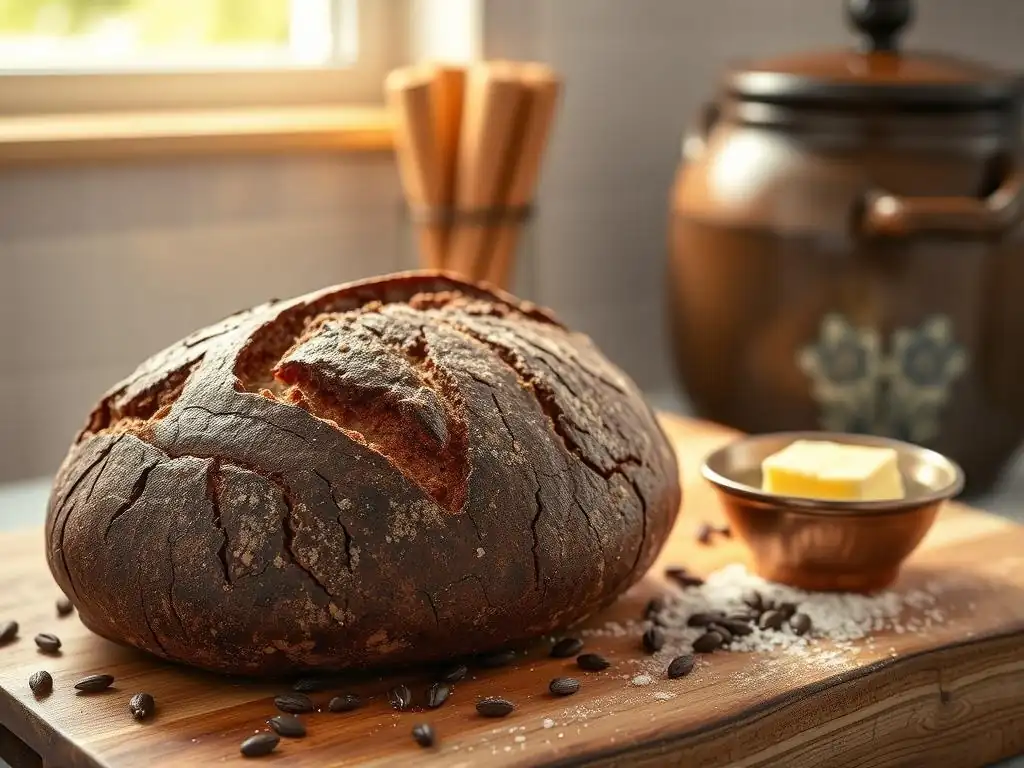
- Dark Crust: This is achieved primarily through high baking temperatures (220-240°C / 430-465°F) and a long baking time. The Maillard reaction and caramelization occur extensively at these temperatures, creating the deep color and complex flavors in the crust. Don't be afraid of a dark crust; it's desirable for Ruisleipä. Some traditional recipes even involve brushing the crust with water or a rye wash during baking to enhance the color.
- Dense Crumb: This is inherent to 100% rye bread due to the low gluten content. It's not supposed to be airy like wheat bread. The goal is a moist, cohesive, and uniform density. Proper hydration (high water content), long fermentation, and full cooling are essential for preventing a dry or crumbly crumb while avoiding gumminess. The natural stickiness of rye dough contributes to this dense texture.
Embracing the unique characteristics of rye, rather than trying to make it behave like wheat, is the secret to perfecting your authentic Finnish rye bread.
Variations on the Authentic Recipe: Exploring Malted Rye and Seeds
While the basic authentic Finnish rye bread recipe is simple (rye, water, salt, starter), there are traditional variations that add depth and texture.
- Malted Rye: Adding a small percentage of malted rye flour or rye malt extract (like kaljamallas) is common in some Finnish rye breads. This adds a subtle sweetness, a deeper color, and enhances the malty flavor profile. It also contains enzymes that can help break down starches during fermentation, contributing to a slightly more tender crumb. Using 5-10% malted rye relative to the total flour weight is a good starting point.
- Seeds: Some regional variations include seeds mixed into the dough or sprinkled on top. Pumpkin seeds, sunflower seeds, or caraway seeds are popular choices. These additions add flavor, texture, and nutritional value. For example, adding 50-100g of sunflower seeds to the dough provides a pleasant crunch and nutty flavor.
Experimenting with these traditional additions can add exciting dimensions to your authentic Finnish rye bread while staying true to its roots. Always measure additions relative to the flour weight for consistent results.
Serving and Enjoying Your Homemade Ruisleipä
Traditional Finnish Ways to Eat Ruisleipä
Ruisleipä is incredibly versatile and forms the base for countless Finnish meals and snacks. Its robust flavor stands up well to strong toppings.
- Breakfast: Often enjoyed simply with butter, cheese (like polar cheese or aged cheddar), or cold cuts (ham, sausage). A classic is Ruisleipä with butter and a slice of juustoleipä (Finnish squeaky cheese).
- Open-faced Sandwiches (Voileipä): Piled high with various toppings. Popular choices include smoked salmon or herring, hard-boiled eggs, cucumber, tomato, and dill.
- With Soups and Stews: The dense texture and hearty flavor make it a perfect accompaniment to rich, creamy soups (like salmon soup, lohikeitto) or hearty meat stews, ideal for soaking up the broth.
- As a Snack: Simply toasted or fresh, perhaps with a little butter or just plain to appreciate its unique flavor.
These traditional pairings highlight how the authentic Finnish rye bread is integrated into daily life, providing a sturdy, flavorful foundation for a variety of ingredients.
Pairing Suggestions: Complementing the Rich Rye Flavor
Beyond traditional Finnish pairings, Ruisleipä's intense flavor profile makes it an excellent partner for other ingredients that can stand up to it.
- Cheeses: Strong, aged cheeses like sharp cheddar, Gruyère, or blue cheese are fantastic. Cream cheese or goat cheese can also work, providing a creamy contrast to the dense bread.
- Meats: Cured meats like prosciutto, pastrami, or smoked sausage are excellent. Pâté or liverwurst also pair well with the bread's richness.
- Fish: Smoked or cured fish, like lox, gravlax, or smoked mackerel, are classic pairings that enhance the bread's earthy notes. Pickled herring is a staple.
- Vegetables: Pickled vegetables, like pickled beets or gherkins, provide a tangy counterpoint. Fresh cucumber, tomato, and onion are also common.
- Spreads: Simple butter is perfect, but spreads like hummus, avocado, or a strong mustard can also work.
Experimenting with different toppings allows you to appreciate the versatility of the authentic Finnish rye bread and discover your own favorite combinations.
Ruisleipä as Part of a Healthy Diet: Benefits of Rye Bread
Ruisleipä is widely recognized for its significant health benefits, making it a smart addition to a balanced diet.
- High Fiber Content: As mentioned, 100% rye bread is exceptionally high in dietary fiber, particularly soluble fiber like beta-glucan. A single slice (approx. 30-40g) can provide 4-8 grams of fiber, contributing significantly to the recommended daily intake of 25-30 grams. Fiber aids digestion, promotes gut health, and helps regulate blood sugar levels.
- Lower Glycemic Index (GI): Rye bread generally has a lower GI compared to many wheat breads, meaning it causes a slower and lower rise in blood sugar levels after eating. This makes it a good choice for maintaining stable energy levels and managing diabetes. Studies have shown that rye bread can lower postprandial insulin response by up to 30-40% compared to white wheat bread.
- Rich in Micronutrients: Rye is a good source of vitamins and minerals, including magnesium, phosphorus, zinc, iron, and B vitamins. It also contains beneficial plant compounds like lignans and phenolic acids, which have antioxidant properties.
Incorporating authentic Finnish rye bread into your diet is a delicious way to boost your fiber intake and enjoy the health advantages associated with whole grains and sourdough fermentation.
Exploring the History and Culture of Finnish Rye Bread
The Role of Ruisleipä in Finnish History and Traditions
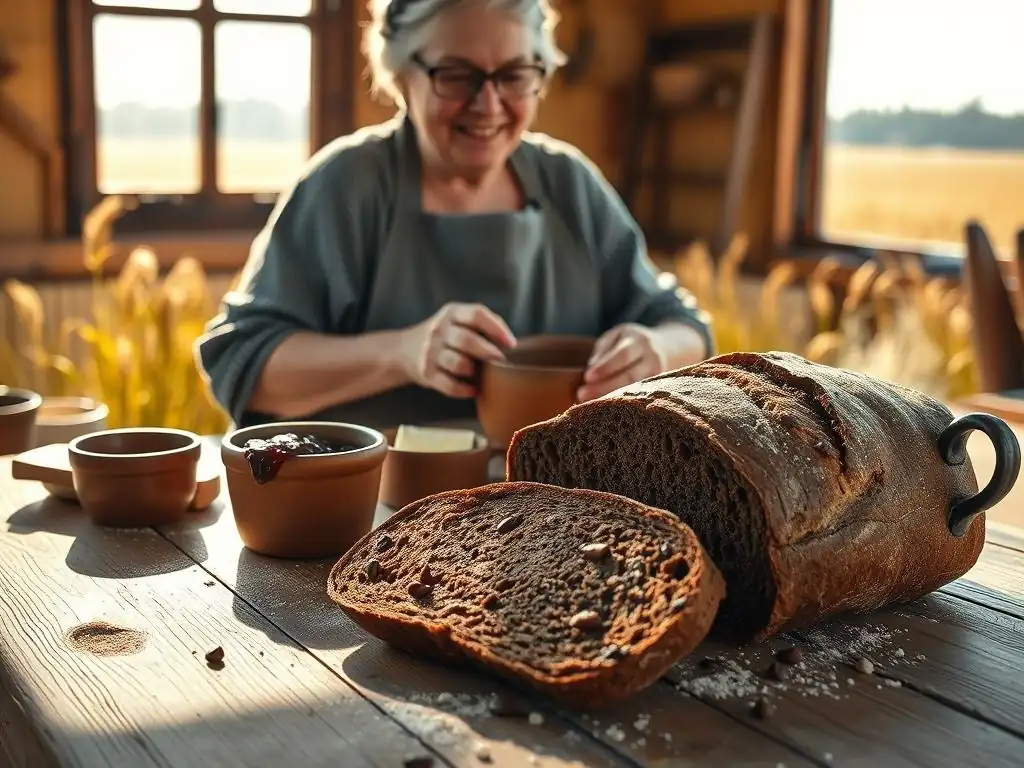
Rye has been cultivated in Finland for centuries, thriving even in the country's challenging climate and poor soil conditions. This resilience made rye a staple crop and Ruisleipä the primary bread for the majority of the population, especially in rural areas. Historically, bread making was a crucial seasonal activity. Large, round loaves with holes were baked in communal ovens once or twice a year and stored by hanging them from the rafters to dry, preserving them for months. This practice was particularly common in eastern Finland ( savolainen ruisleipä often has a hole).
Ruisleipä was not just food; it was woven into traditions and beliefs. It was seen as a symbol of sustenance and hard work. Breaking bread together was a sign of hospitality. The cyclical nature of rye cultivation and bread baking mirrored the rhythm of life. Even as lifestyles modernized, the deep-seated connection to Ruisleipä remained, evolving from a necessity to a cherished cultural symbol. The authentic Finnish rye bread recipe carried through generations reflects this enduring legacy.
Regional Variations of Finnish Rye Bread Recipes
While the core principles of authentic Finnish rye bread remain consistent, there are notable regional variations across Finland, reflecting local traditions, flour availability, and baking methods.
- Western Finland (Länsisuomalainen ruisleipä): Often baked as thicker, softer loaves ( limppu) without the central hole. The crust might be slightly less dark, and the crumb less dense than some eastern varieties.
- Eastern Finland (Savolainen ruisleipä): Typically the harder, thinner, round bread with a hole ( reikäleipä), designed for drying and storage. This is often the image most people have of Finnish rye bread. The flavor tends to be more intensely sour due to the long fermentation and drying process.
- Southern Finland: Variations can include softer, sometimes slightly sweeter rye breads, occasionally incorporating a small amount of wheat or malt.
These regional differences showcase the diversity within the broader category of Ruisleipä and highlight how the authentic Finnish rye bread recipe has adapted to local conditions and preferences over time.
Ruisleipä: A Symbol of Finnish Identity
In a country proud of its connection to nature and resilience, Ruisleipä stands as a powerful symbol of Finnish identity. It represents strength, sustainability, and self-sufficiency – qualities deeply valued in Finnish culture. It's a taste of home for Finns living abroad and a must-try for visitors wanting to experience genuine Finnish food. The simple, unpretentious nature of the bread reflects a Finnish ethos of practicality and authenticity.
The continued popularity of traditional Ruisleipä in Finland, despite the availability of countless other breads, speaks volumes about its cultural significance. It's a link to the past that remains vital in the present. Learning to bake the authentic Finnish rye bread recipe is, in a way, participating in this ongoing cultural narrative and connecting with the heart of Finland.
Conclusion: Embracing the Art of Authentic Finnish Rye Baking
Your Journey to Mastering the Authentic Finnish Rye Bread Recipe
Embarking on the journey to bake authentic Finnish rye bread is a rewarding experience that connects you with centuries of tradition. It requires patience, attention to detail, and a willingness to embrace the unique properties of rye and sourdough. From nurturing your starter to achieving that signature dark crust and dense crumb, each step in the authentic Finnish rye bread recipe is a lesson in traditional baking craft. Don't aim for perfection on your first try; the beauty of sourdough baking lies in the learning process and the subtle variations that make each loaf unique.
As you gain experience, you'll develop an intuition for the dough's consistency and the starter's activity. You'll learn to adjust fermentation times based on your kitchen temperature and perfect your baking technique for the ideal crust. Mastering the authentic Finnish rye bread recipe is not just about following instructions; it's about developing a relationship with your ingredients and the process itself, yielding a bread that is truly a labor of love.
There is immense satisfaction in slicing into a loaf of Ruisleipä that you've baked yourself. The aroma, the texture, the deep flavor – it's a sensory experience that store-bought bread simply cannot replicate. Sharing your homemade authentic Finnish rye bread with family and friends is a wonderful way to share a piece of Finnish culture and the fruits of your baking efforts.
Serve it simply with butter, use it as the base for hearty open-faced sandwiches, or pair it with a warm bowl of soup. Watch as others appreciate the depth of flavor and the unique texture. Each slice tells a story of ancient grains, patient fermentation, and the enduring tradition of Finnish baking. Your successful authentic Finnish rye bread recipe is a gift to be shared and enjoyed.
Frequently Asked Questions
What makes Finnish Ruisleipä (rye bread) different from other rye breads?
Finnish Ruisleipä is known for its dense texture, sour flavor, and the use of 100% rye flour. Unlike some rye breads that mix wheat flour, Ruisleipä is purely rye.
Is it difficult to find the ingredients needed for an authentic Finnish rye bread recipe?
While some specialty rye flours might be harder to find, most ingredients are quite common. Look for dark rye flour and sourdough starter; these are essential components for the recipe.
How long does it typically take to make Finnish Ruisleipä from start to finish?
Making Ruisleipä is a time investment. The process, including sourdough activation and fermentation, can take several days, sometimes up to 3-5 days for the best flavor development.
What are some common mistakes to avoid when baking Finnish rye bread?
Avoid over-kneading the dough, as rye flour behaves differently than wheat. Also, ensure your sourdough starter is active and strong for proper rising and flavor.
Can I adjust the recipe to make a smaller loaf of Finnish Ruisleipä?
Yes, you can scale down the recipe proportionally. Just remember to adjust the baking time accordingly and monitor the bread closely to prevent burning.
Final Reflection: The Enduring Power of Ruisleipä
The simple act of baking and sharing ruisleipä transcends a mere recipe; it's a connection to Finnish heritage, a testament to the enduring power of tradition in a rapidly changing world. This exploration into the heart of authentic Finnish rye bread has revealed not just a recipe, but a cultural cornerstone, a taste of history, and a surprisingly versatile ingredient in modern cuisine. The enduring popularity of ruisleipä, even amongst those unfamiliar with Finnish culture, speaks volumes about its inherent deliciousness and satisfying qualities.
The journey of discovering the nuances of ruisleipä, from the careful selection of rye flour to the long, slow fermentation process, has been deeply rewarding. It's a process that demands patience and attention, mirroring the values often associated with Finnish culture itself. The resulting bread, with its complex flavors and satisfying texture, is a tangible representation of this dedication. Bread is the staff of life,
a simple phrase, yet it encapsulates the profound significance of this staple food, not just in Finland, but across cultures worldwide. The process of making ruisleipä itself becomes a meditative practice, a connection to something larger than oneself.
Now, I invite you to embark on your own ruisleipä journey. Don't be intimidated by the seemingly complex process; embrace the challenge, savor the aromas, and relish the satisfaction of creating something truly authentic. The reward is not just a loaf of delicious bread, but a deeper understanding of Finnish culture and a newfound appreciation for the simple, yet profound, act of baking. Let the rich flavors and textures of ruisleipä transport you, connecting you to a tradition that continues to nourish and inspire.
Unleash Your Inner Baker: Craft Authentic Finnish Ruisleipä!
Thanks for taking the time to explore the world of Finnish ruisleipä with us! We hope you've gained a deeper appreciation for this hearty and flavorful bread. Ready to bring the taste of Finland to your kitchen?
- Bake your own ruisleipä: Use the recipe and tips from the article as your guide, and don't be afraid to experiment with different spices and additions. This is your chance to create something truly unique!
- Share your baking journey: Post a picture of your finished loaf on social media using #BakeWithEaseRuisleipä and tag us – we'd love to see your creations!
- Explore other traditional breads: Discover new baking adventures by browsing our website for recipes from around the globe.
What unique twist will you add to your own version of this iconic Finnish bread?