
Achieve Perfect Vegan Focaccia: Simple Steps

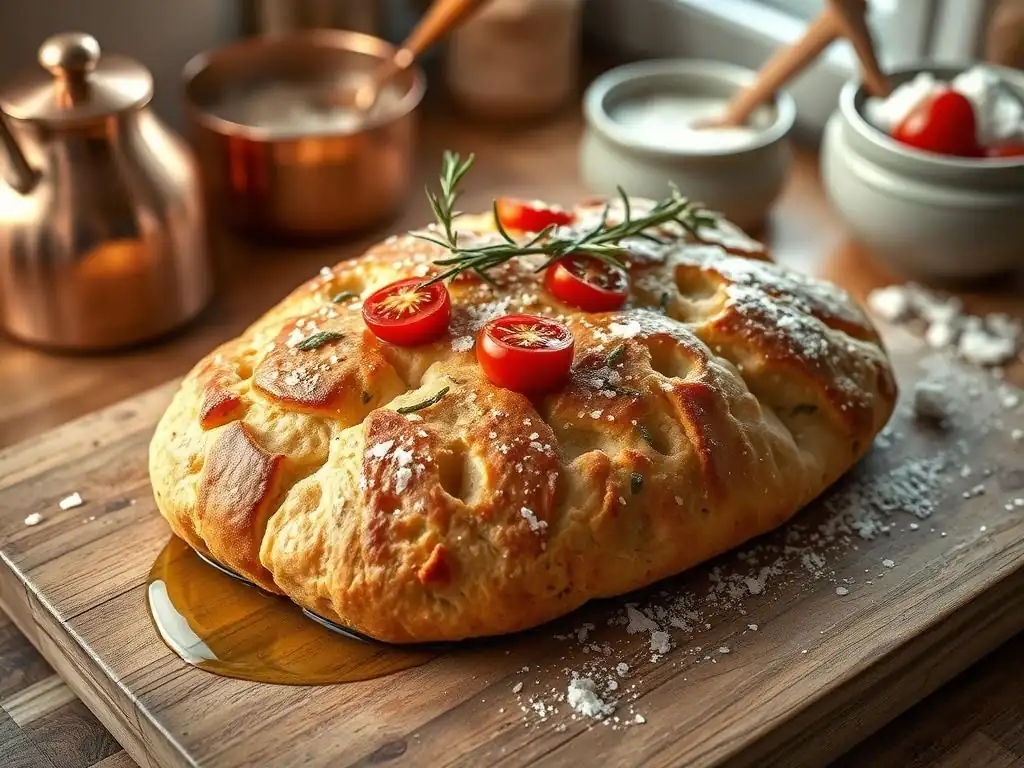
Welcome to BakeWithEase, your kitchen companion for baking bliss! Ever dreamt of crafting a perfectly airy and flavorful focaccia, but thought vegan baking was too tricky? Think again! Below, we unlock the secrets to a perfect vegan focaccia recipe that's surprisingly simple. Intrigued? Let's get baking and discover how easy it is to achieve focaccia perfection!
- Achieve Perfect Vegan Focaccia: Simple Steps from The Italian Baker
- The Italian Baker Presents: Mastering the Perfect Vegan Focaccia Recipe
- Why This Vegan Focaccia Recipe is a Must-Try
- Essential Ingredients for Your Vegan Focaccia
- Step-by-Step Guide: Baking Your Perfect Vegan Focaccia
- Tips and Tricks for Baking the Best Vegan Focaccia
- Storing and Serving Your Homemade Vegan Focaccia
- More Vegan Bread Baking Recipes from The Italian Baker.
-
Frequently Asked Questions
- How can I ensure my vegan focaccia has a light and airy texture?
- What's the best type of olive oil to use for focaccia, and why?
- What can I use as a substitute for eggs in a vegan focaccia recipe?
- How do I get the signature dimples on my vegan focaccia?
- What are some creative topping ideas for my vegan focaccia besides the usual rosemary and salt?
- Final Reflection: The Humble Loaf, the Bountiful Harvest
- Unleash Your Inner Focaccia Artist!
Achieve Perfect Vegan Focaccia: Simple Steps from The Italian Baker
The Italian Baker Presents: Mastering the Perfect Vegan Focaccia Recipe
Welcome to BakeWithEase! We're thrilled to guide you through creating a perfect vegan focaccia recipe that will impress everyone. Focaccia, a beloved Italian flatbread, is known for its airy texture, crispy crust, and delightful olive oil aroma. Traditionally, it's naturally vegan, relying on flour, water, yeast, salt, and plenty of olive oil. This guide from The Italian Baker simplifies the process, making it accessible for bakers of all levels to achieve a truly authentic and delicious result.
Mastering this perfect vegan focaccia recipe involves understanding a few key principles: the right ingredients, patient rising times, and generous use of good quality olive oil. We'll walk you through each stage, from mixing the dough to achieving that signature dimpled surface and golden crust. Get ready to fill your kitchen with the wonderful smell of freshly baked bread and enjoy a slice of Italy, made entirely plant-based.
Why This Vegan Focaccia Recipe is a Must-Try
This particular perfect vegan focaccia recipe stands out for several reasons. It's designed with simplicity in mind, proving that you don't need complex techniques or specialized equipment to bake incredible bread at home. We focus on maximizing flavor and texture through careful ingredient selection and patient fermentation. Whether you're new to bread baking or looking to perfect your focaccia skills, this recipe offers a reliable path to success.
Furthermore, this recipe is incredibly versatile. While delicious on its own, it serves as a fantastic base for various toppings, allowing you to customize it to your liking. From fresh herbs and vegetables to olives and garlic, the possibilities are endless. Baking this perfect vegan focaccia recipe is not just about making bread; it's an enjoyable process that yields a rewarding and versatile staple for your table.
Simple Ingredients, Big Flavor: The Italian Baker Promise
One of the hallmarks of authentic Italian baking, and this perfect vegan focaccia recipe, is the reliance on simple, high-quality ingredients to produce profound flavor. You won't find a long list of obscure items here. The magic comes from the interaction of flour, water, yeast, salt, and olive oil, given time to develop.
By using standard pantry staples, we unlock complex aromas and textures. For instance, the slow fermentation process, inherent in this recipe, allows enzymes in the flour to break down starches into sugars, contributing to a deeper, more nuanced flavor profile than quick-bake methods. The generous application of extra virgin olive oil not only prevents sticking but infuses the bread with its characteristic fruity and peppery notes, creating a richness that complements the simple dough beautifully.
A Beginner-Friendly Guide to Vegan Focaccia Baking
Baking bread can sometimes feel intimidating, but this perfect vegan focaccia recipe is specifically designed to be approachable for beginners. We break down each step into clear, manageable instructions, demystifying the process of working with yeast and dough.
We emphasize visual cues – what the dough should look like and feel like at each stage – and provide tips for troubleshooting common issues. With patience and attention to detail, even someone who has never baked bread before can achieve a light, airy, and delicious focaccia. Think of this guide as your personal baking coach, leading you confidently from a simple mixture of ingredients to a golden, aromatic loaf.
Essential Ingredients for Your Vegan Focaccia
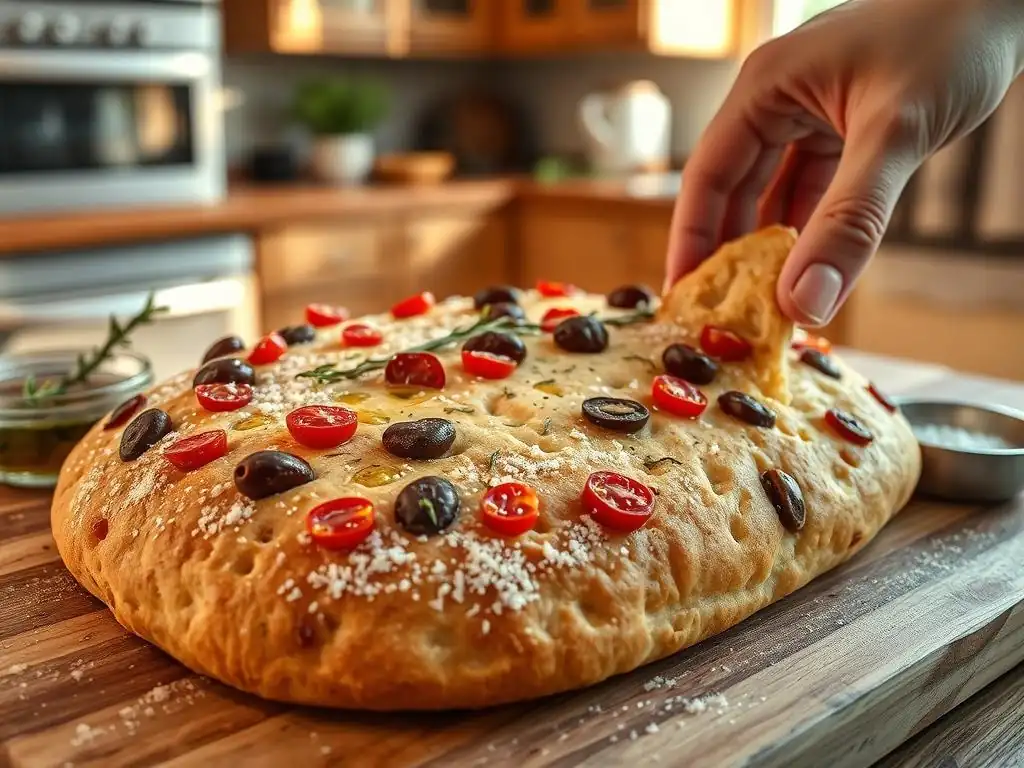
Creating a perfect vegan focaccia recipe starts with selecting the right ingredients. While simple, their quality significantly impacts the final result. Using the specified types ensures the correct dough structure, flavor, and texture.
Here are the key components:
- High-protein bread flour
- Instant dry yeast
- Fine sea salt
- Filtered water
- Extra virgin olive oil
Each ingredient plays a vital role in developing the dough's structure, facilitating fermentation, and contributing to the characteristic taste and texture of traditional focaccia. Let's look at why each is important.
High-Protein Bread Flour for the Best Vegan Focaccia Texture
The type of flour you use is fundamental to achieving the desired chewy yet airy texture of a perfect vegan focaccia recipe. High-protein bread flour, typically containing 12-14% protein, is ideal because of its high gluten content. Gluten is the network that develops when flour and water are mixed and kneaded; it provides the elasticity and structure needed for the dough to trap the carbon dioxide produced by the yeast, resulting in a light and airy crumb.
Using all-purpose flour (around 10-11% protein) would still yield focaccia, but it might be denser and less chewy. The higher protein in bread flour allows for better gluten development, which is crucial for the long fermentation and high hydration often used in focaccia recipes, helping the dough maintain its shape and rise effectively during both proofing stages and baking.
The Importance of Extra Virgin Olive Oil in Vegan Focaccia
Extra virgin olive oil is not just a cooking fat in a perfect vegan focaccia recipe; it's a flavor-enhancing, texture-improving, and crust-crisping powerhouse. Used generously both in the dough and as a coating for the pan and the top of the bread, it imparts a rich, aromatic quality that is essential to authentic focaccia.
Beyond flavor, olive oil contributes to the dough's tenderness and helps create that signature crispy bottom crust when baked in a well-oiled pan. Applying it liberally to the top before dimpling and baking ensures a golden, slightly crisp surface and prevents it from drying out. Using a high-quality extra virgin variety makes a noticeable difference in the final taste profile, adding layers of fruity or peppery notes depending on its origin.
Instant Dry Yeast: Activating the Power for a Light and Airy Focaccia
Yeast is the leavening agent that makes your perfect vegan focaccia recipe light and airy. Instant dry yeast is a convenient choice as it can often be mixed directly with the dry ingredients without prior activation, though proofing it in warm water first is a great way to ensure it's alive and active, especially if you're unsure about its freshness.
Yeast consumes sugars in the flour and produces carbon dioxide gas and alcohol. The gas gets trapped by the gluten network, causing the dough to rise (ferment). A healthy, active yeast is vital for proper fermentation and achieving the desired volume and texture. If your yeast is old or inactive, your dough won't rise, resulting in a dense, flat focaccia.
Other Key Ingredients: Fine Sea Salt and Filtered Water
While often overlooked, salt and water are critical components in a perfect vegan focaccia recipe. Fine sea salt is preferred over table salt because it dissolves easily and contains minerals that can enhance the flavor. Salt regulates the yeast's activity, slowing down fermentation slightly for better flavor development, and strengthens the gluten structure, contributing to the dough's elasticity.
Filtered water is recommended, especially if your tap water contains high levels of chlorine, which can inhibit yeast activity. The temperature of the water is also important; lukewarm water (around 95-105°F or 35-40°C) is ideal for activating instant yeast quickly, while cooler water can be used for a slower, longer fermentation which develops more complex flavors. The hydration level (ratio of water to flour) in focaccia dough is typically quite high, making the dough sticky but contributing to its characteristic open crumb structure.
Step-by-Step Guide: Baking Your Perfect Vegan Focaccia
Baking a perfect vegan focaccia recipe is a process that requires patience and attention to detail at each stage. Following these steps will guide you from a simple mixture of ingredients to a beautiful, golden loaf.
Here is a breakdown of the process:
- Preparing the dough.
- The first rise (bulk fermentation).
- Shaping the dough in the pan.
- The second rise (final proof).
- Baking.
- Adding toppings and finishing touches.
Each step is crucial for developing the flavor, texture, and appearance of your focaccia. Let's dive into the details of each stage.
Step 1: Preparing the Vegan Focaccia Dough
The initial mixing of ingredients sets the foundation for your perfect vegan focaccia recipe. The goal is to combine everything until a shaggy dough forms, ready for the gluten development process.
This stage involves carefully measuring and combining your dry ingredients before introducing the wet components. Accuracy in measurement, especially regarding flour and water, is important for achieving the correct dough consistency, which can feel quite wet and sticky compared to other bread doughs due to its high hydration.
Mixing the Dry Ingredients: Flour and Salt
Begin by accurately measuring your high-protein bread flour and fine sea salt. In a large mixing bowl, whisk these two dry ingredients together. The salt should be evenly distributed throughout the flour, but keep it separate from the yeast initially, especially if you're adding instant yeast directly to the flour, as direct contact can sometimes hinder yeast activity.
Using a whisk helps aerate the flour slightly and ensures the salt is dispersed. For a typical batch using about 500 grams of flour, you might use around 10-12 grams of fine sea salt, roughly 2% of the flour weight, which is a standard ratio in bread baking to enhance flavor and control fermentation.
Activating the Yeast: A Crucial Step for Success
While instant dry yeast can often be mixed directly into the flour, proofing it first is a reliable method to check its viability and give it a head start. In a separate small bowl or jug, combine your measured lukewarm filtered water (around 95-105°F or 35-40°C) with the instant dry yeast. Add a pinch of sugar if desired, as this gives the yeast some food to become active quickly.
Let this mixture stand for 5-10 minutes. You should see a foamy layer develop on the surface; this indicates that the yeast is alive and active. If no foam appears, your yeast may be inactive, and you should discard the mixture and start with fresh yeast to ensure your perfect vegan focaccia recipe rises properly.
Combining Wet and Dry Ingredients: Achieving the Right Dough Consistency
Pour the activated yeast mixture (or just the lukewarm water if mixing instant yeast directly with flour) into the bowl with the dry ingredients. Add a generous amount of extra virgin olive oil at this stage as well. Using a wooden spoon or a sturdy spatula, mix everything together until no dry pockets of flour remain and a shaggy, wet dough forms.
This dough will be quite sticky and loose; this is normal for high-hydration focaccia dough. Avoid the temptation to add too much extra flour, as this will result in a dry, dense focaccia. The mixing can be done by hand or with a stand mixer fitted with a dough hook. Mix until the ingredients are just combined, focusing on incorporating the liquids rather than developing gluten at this initial stage.
Step 2: The First Rise: Developing Flavor and Texture
The first rise, also known as bulk fermentation, is a critical phase in creating a perfect vegan focaccia recipe. During this time, the yeast produces carbon dioxide, causing the dough to expand, and complex flavors begin to develop through enzymatic activity and fermentation byproducts.
This stage requires patience and a suitable environment. The dough should roughly double in volume, and its structure will strengthen as gluten strands align. The duration of the first rise can vary significantly depending on the ambient temperature and the amount of yeast used.
The Importance of a Warm Environment for Rising
Yeast is most active in warm conditions. An ideal temperature for dough rising is typically between 75-80°F (24-27°C). A warm environment encourages the yeast to work efficiently, ensuring a good rise.
You can create a warm spot by placing the covered dough in a slightly warm oven (turned off) or near a sunny window. If your kitchen is cool, rising will take longer. Aim for consistency in temperature to ensure the dough rises evenly. For example, a dough might take 1.5 to 2 hours to double in a warm kitchen, but potentially 3-4 hours in a cooler one.
Bulk Fermentation: Letting the Dough Work its Magic
After mixing, transfer the shaggy dough to a lightly oiled bowl (using extra virgin olive oil, of course). Cover the bowl tightly with plastic wrap or a damp towel to prevent the surface from drying out. Place it in your warm spot for the first rise.
During bulk fermentation, consider performing a few "stretch and folds" every 30-45 minutes for the first hour or two. This technique involves gently stretching a portion of the dough up and folding it back over itself, rotating the bowl. Doing 4-6 stretches and folds per session helps to develop the gluten structure without needing traditional kneading, which is particularly beneficial for wet doughs like focaccia. After the stretch and folds, let the dough rest undisturbed until it has significantly increased in volume, ideally doubling or nearly doubling.
Step 3: Shaping the Vegan Focaccia
Once the first rise is complete and the dough is puffy and airy, it's time to shape it in the pan where it will bake. Focaccia is traditionally baked in a rectangular or square pan, allowing for a relatively thin layer of dough compared to a loaf of bread.
This stage involves gently transferring the dough and encouraging it to fill the pan without deflating the precious air bubbles created during fermentation. The goal is an even layer ready for dimpling and the final rise.
Gently Transferring the Dough to a Baking Pan
Select your baking pan – a 9x13 inch rectangular pan or a 9-10 inch square pan are common sizes for a typical batch of dough. Generously coat the bottom and sides of the pan with extra virgin olive oil. Don't be shy; this oil is crucial for a crispy bottom crust and prevents sticking.
Carefully pour or scrape the risen dough from the bowl into the prepared pan. The dough will be bubbly and somewhat fragile. Avoid punching it down or handling it roughly. Let it rest in the pan for about 10-15 minutes; this rest period allows the gluten to relax, making the dough easier to spread without tearing.
Dimpling the Dough: Creating Those Iconic Focaccia Pockets
After the short rest in the pan, the dough should be more pliable. Gently start pushing your fingertips straight down into the dough, creating indentations across the entire surface. These dimples are characteristic of focaccia and serve a practical purpose: they hold pools of olive oil and toppings, ensuring flavor in every bite and preventing the dough from puffing up too much in certain areas during baking.
Dip your fingertips in olive oil if the dough is too sticky. Continue dimpling until the dough is spread relatively evenly across the pan, reaching into the corners, and the surface is covered in indentations. Be firm enough to create defined pockets but gentle enough not to tear through the dough.
Step 4: The Second Rise: Achieving Maximum Airiness
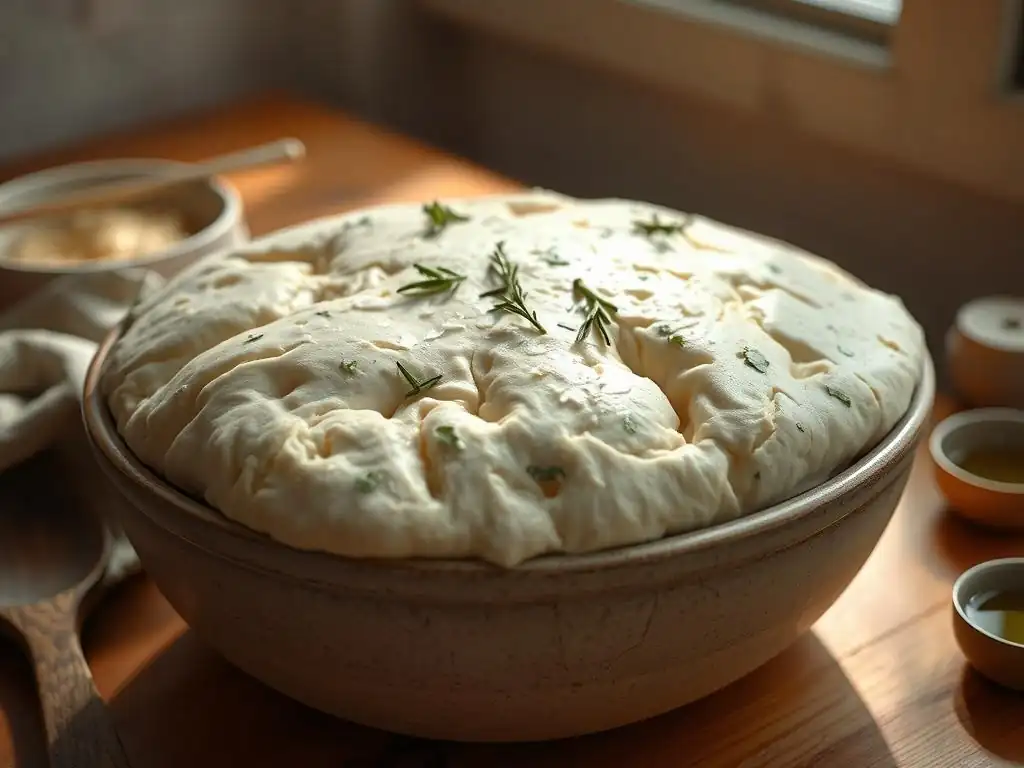
After shaping and dimpling, your perfect vegan focaccia recipe needs a second rise, also known as the final proof. This shorter rise allows the dough to relax into the pan, continue developing flavor, and regain some of the volume lost during shaping.
This stage is important for achieving the light and open crumb structure. The dough should become noticeably puffy and spring back slowly when gently poked.
Cover the pan loosely with plastic wrap or a light kitchen towel. Place the pan back in a warm spot for the second rise. This rise is typically shorter than the first, often taking 30-60 minutes, depending on the temperature.
The dough should look airy and feel soft. If you gently poke the dough with a floured finger, the indentation should slowly spring back halfway. If it springs back immediately, it needs more time. If it stays indented completely, it might be slightly over-proofed, but focaccia is forgiving.
Step 5: Baking Your Vegan Focaccia to Golden Perfection
Baking is where the magic happens, transforming the proofed dough into a golden, aromatic loaf. Proper oven temperature and timing are essential for achieving the perfect balance of a crispy crust and a soft, airy interior in your perfect vegan focaccia recipe.
Preheating your oven adequately is key to ensuring an even bake and a good crust development right from the start.
Oven Temperature and Baking Time: Key to Success
Preheat your oven to a high temperature, typically between 400-450°F (200-230°C). A hot oven provides the initial burst of heat needed for a good oven spring (the final rise in the oven) and helps create a crispy crust quickly.
The baking time will vary depending on your oven and the size and thickness of your focaccia, but it generally takes 20-30 minutes. The focaccia is ready when the top is golden brown and the bottom crust is deep golden and crispy. You can carefully lift a corner with a spatula to check the color of the bottom.
Achieving a Crispy Crust and Soft Interior
To guarantee a crispy bottom crust on your perfect vegan focaccia recipe, ensure the pan is well-oiled before adding the dough. Baking at a high temperature helps achieve this crispness. If your oven has a baking stone or steel, preheating it and placing the focaccia pan on top can also contribute to a crispier bottom.
The soft, airy interior is a result of proper gluten development, sufficient hydration, and successful fermentation during the rising stages. The high heat of the oven causes the water in the dough to turn to steam, which helps create large air pockets before the structure sets. Avoid opening the oven door too frequently during the initial baking phase, as this can cause temperature fluctuations that affect the rise and crust.
Step 6: Adding Toppings and Finishing Touches
Once your perfect vegan focaccia recipe comes out of the oven, it's time for the final flourishes that elevate its flavor and presentation. While simple sea salt and olive oil are classic, adding other toppings before baking offers endless customization possibilities.
Adding a final drizzle of olive oil and a sprinkle of salt right after baking further enhances the aroma and taste.
Popular Vegan Focaccia Topping Ideas: Rosemary, Cherry Tomatoes, and Olives
Before the second rise or just before baking, you can press various vegan-friendly toppings into the dimples of the dough. Classic choices for a perfect vegan focaccia recipe include fresh rosemary sprigs, halved cherry tomatoes, and pitted olives (like Kalamata or Castelvetrano).
Other delicious options include thinly sliced red onion, garlic slivers (use sparingly as they can burn), or even other herbs like thyme or oregano. Experiment with combinations that you love! For a batch using 500g flour, you might use a few sprigs of fresh rosemary and a handful of halved cherry tomatoes (e.g., 10-15 cherry tomatoes).
Finishing with Olive Oil and Sea Salt: Enhancing Flavor
Immediately after taking the hot focaccia out of the oven, give it another generous drizzle of fresh extra virgin olive oil over the top. The hot bread will absorb the oil, infusing it with flavor and keeping the crust tender.
Finish with a sprinkle of flaky sea salt (like Maldon or fleur de sel) over the oiled surface. This adds a pleasant crunch and bursts of salty flavor that contrast beautifully with the rich bread. This final touch is essential for achieving the signature taste of authentic focaccia.
Tips and Tricks for Baking the Best Vegan Focaccia
Achieving a perfect vegan focaccia recipe consistently involves understanding a few nuances and knowing how to handle common issues. These tips and tricks will help you refine your technique and ensure delicious results every time.
- Don't rush the rise times. Patience is key.
- Use good quality ingredients, especially the olive oil.
- Don't be afraid of sticky dough; it's a sign of good hydration.
- Preheat your oven thoroughly.
Let's delve into some specific troubleshooting and techniques.
Troubleshooting Common Vegan Focaccia Baking Problems
Even with a great recipe, baking can sometimes present challenges. Knowing how to identify and fix common issues will make you a more confident baker.
Here are a couple of frequent problems and their solutions:
Dough Too Sticky? Here's What to Do.
Focaccia dough is intentionally high in hydration, making it naturally sticky. This stickiness contributes to the airy interior. If the dough is excessively difficult to handle, sticking everywhere, you might have slightly mis-measured the water, or your flour's absorption rate might be lower than average.
Resist the urge to add large amounts of flour. Instead, lightly oil your hands and tools (like spatulas or bowl scrapers) with extra virgin olive oil. This is the traditional Italian method for handling wet doughs like ciabatta or focaccia. A very small sprinkle of flour on your work surface (just enough to prevent sticking initially) might be acceptable if absolutely necessary, but relying on oil is generally better for maintaining hydration.
Focaccia Not Rising Properly? Check Your Yeast.
If your perfect vegan focaccia recipe isn't rising as expected during the first or second proof, the most likely culprit is inactive yeast or an environment that is too cold. If you didn't proof your yeast separately, it might be old or dead.
Ensure your yeast is fresh (check the expiration date) and store it properly (usually in the refrigerator or freezer). Make sure the water temperature used to activate or mix the yeast is warm (around 95-105°F or 35-40°C), not hot (which can kill yeast) or cold (which makes it sluggish). Also, verify that your rising environment is warm enough, ideally 75-80°F (24-27°C). If your kitchen is cool, find a warmer spot or create one.
Achieving the Perfect Crust: Secrets Revealed
A great focaccia is defined by its crust – golden, slightly crisp on the bottom, and often a little chewy on top where the olive oil and dimples are. Achieving this involves several factors.
Generous use of olive oil is paramount. Coating the pan and the top of the dough liberally with extra virgin olive oil ensures a crispy bottom and helps the top develop a beautiful color and texture. Baking at a high temperature (400-450°F or 200-230°C) provides the necessary heat for crust formation. Also, ensure your oven is fully preheated before placing the pan inside. A hot oven creates a sudden burst of steam from the dough's moisture, contributing to a good crust.
Experimenting with Flavors: Vegan Focaccia Variations
While the classic perfect vegan focaccia recipe with rosemary and sea salt is wonderful, don't hesitate to get creative with toppings. The simple dough is a perfect canvas for a variety of flavors.
Consider pressing thinly sliced garlic and fresh oregano into the dimples before baking. Or try a combination of sun-dried tomatoes and black olives. For a slightly sweeter note, caramelized onions are a fantastic vegan addition. You could even top it with thinly sliced potatoes and a sprinkle of dried herbs like thyme. The key is to use ingredients that complement the rich olive oil and simple bread base.
Storing and Serving Your Homemade Vegan Focaccia
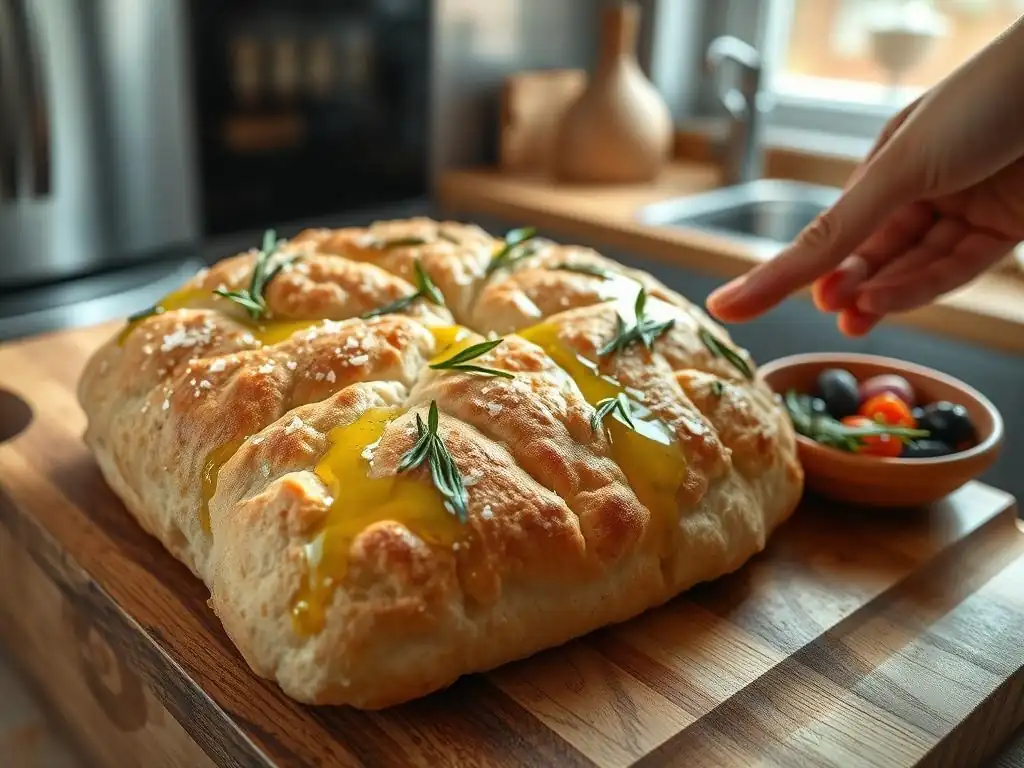
Once your perfect vegan focaccia recipe is baked and cooled slightly, you'll want to enjoy it and know how to keep any leftovers fresh. Focaccia is best enjoyed the day it is baked, ideally still slightly warm, but it stores reasonably well if kept correctly.
Understanding how to store it will help maintain its texture and flavor for a couple of days.
Keeping Your Focaccia Fresh for Longer
To store leftover perfect vegan focaccia recipe, allow it to cool completely on a wire rack. Once cool, store it at room temperature, wrapped tightly in plastic wrap or aluminum foil, or placed in an airtight container. This helps prevent it from drying out and becoming stale quickly.
Avoid storing focaccia in the refrigerator, as this can actually accelerate the staling process. Stored properly at room temperature, focaccia will typically remain fresh for 2-3 days. For longer storage, you can slice the cooled focaccia and freeze the slices wrapped individually or in a freezer bag for up to 2-3 months. Reheat frozen slices directly from the freezer in a toaster or oven.
Delicious Ways to Enjoy Your Vegan Focaccia
Your homemade perfect vegan focaccia recipe is incredibly versatile and can be enjoyed in numerous ways. It's fantastic simply torn and dipped in good quality extra virgin olive oil or balsamic vinegar.
Serve it as an accompaniment to soups, stews, or salads. Use it to make delicious sandwiches – its sturdy yet soft texture is perfect for holding fillings. You can also slice it horizontally and use it as a base for vegan pizzas or open-faced toasts with various toppings. Reheating leftover focaccia in a warm oven helps restore some of its original texture and aroma.
More Vegan Bread Baking Recipes from The Italian Baker.
Frequently Asked Questions
How can I ensure my vegan focaccia has a light and airy texture?
Achieving a light texture relies on proper yeast activation and a slow, cold proof. Don't over-knead the dough, and handle it gently when transferring it to the baking sheet.
What's the best type of olive oil to use for focaccia, and why?
Extra virgin olive oil is recommended due to its rich flavor and aroma. It contributes significantly to the focaccia's characteristic taste and adds a delicious crispness during baking.
What can I use as a substitute for eggs in a vegan focaccia recipe?
Eggs aren't typically used in focaccia. However, if a recipe calls for one, try using applesauce or a flaxseed "egg" (1 tbsp flaxseed meal + 3 tbsp water). These provide moisture and binding.
How do I get the signature dimples on my vegan focaccia?
Use your fingers to press firmly into the dough before baking, creating deep indentations. This creates pockets for olive oil to pool, contributing to the crispy, flavorful crust.
What are some creative topping ideas for my vegan focaccia besides the usual rosemary and salt?
Consider adding sliced olives, sun-dried tomatoes, roasted red peppers, or even a sprinkle of nutritional yeast for a cheesy flavor. Get creative with your flavor combinations!
Final Reflection: The Humble Loaf, the Bountiful Harvest
The pursuit of the perfect vegan focaccia is more than just a culinary quest; it's a testament to the power of plant-based cooking to deliver exquisite flavor and texture. This simple bread, traditionally associated with Italian cuisine, transcends its origins to become a symbol of creativity and accessibility in the vegan kitchen. The recipes and techniques explored in this article demonstrate that achieving a truly exceptional vegan focaccia is within everyone's reach, regardless of experience level.
The journey to mastering this recipe, for me, has been a journey of discovery. It's highlighted the importance of understanding the fundamental principles of baking – the interplay of hydration, fermentation, and the magic of simple ingredients. The best things in life are simple,
a phrase often repeated, rings especially true when considering the humble focaccia. Its simplicity allows for endless variations and creative expression, reflecting the ever-evolving landscape of vegan cuisine and its ability to adapt and innovate. The joy of creating something beautiful and delicious from plant-based ingredients is a powerful experience, one that connects us to both culinary tradition and a more sustainable future.
Now, I invite you to take what you've learned and embark on your own focaccia adventure. Don't be afraid to experiment, to tweak the recipe to your liking, and to share your creations with others. The perfect vegan focaccia isn't a destination, but a journey of culinary exploration. Let the aroma of freshly baked bread fill your kitchen, and let the satisfaction of creating something delicious fuel your passion for plant-based cooking. The possibilities are as endless as your imagination.
Unleash Your Inner Focaccia Artist!
Thanks for joining us on this delicious journey into the world of vegan focaccia! We hope you now feel confident and inspired to create your own masterpiece. Ready to take the next step?
- Bake your perfect loaf: Gather your ingredients and follow the recipe again – this time, experiment with your own favorite herbs and toppings! Let your creativity shine.
- Share your creation: Post a picture of your focaccia on social media and tag us – we'd love to see your results! Use #BakeWithEaseVeganFocaccia to connect with our community.
- Consider trying a different variation: Explore our other vegan bread recipes on the BakeWithEase website for even more culinary adventures!
What unique flavor combination will you try in your next focaccia adventure?