
GlutenFree Bread Baking with Brown Rice Flour

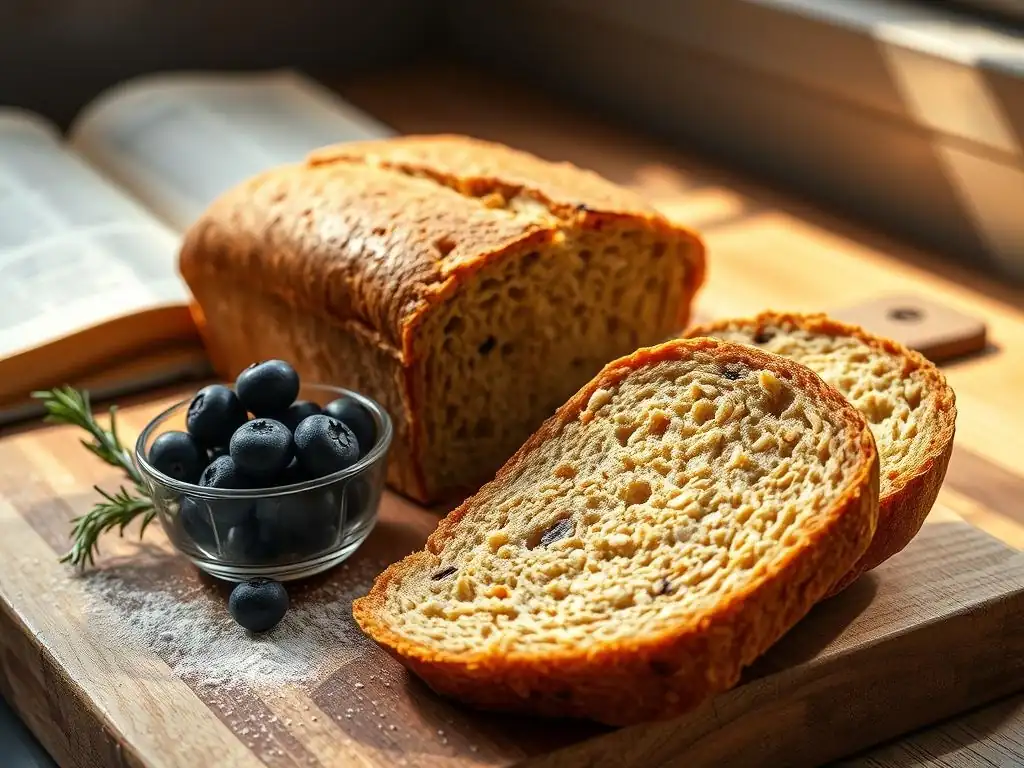
Welcome to BakeWithEase, your guide to unlocking the joys of baking! Are you ready to experience the delightful aroma and satisfying texture of homemade bread, even when navigating dietary restrictions? This week, we're diving deep into the secrets of crafting a truly exceptional Glutenfree Brown Rice Bread. But what makes this recipe different, and how can you achieve that perfect rise and crumb? Prepare to discover the answers as we embark on a journey to master this delicious and versatile bread, one simple step at a time.
- Gluten-Free Bread Baking with Brown Rice Flour: BakeWithEase Guide
- Introduction to Gluten-Free Brown Rice Bread Baking
- Understanding Brown Rice Flour for Bread
- Essential Ingredients for Gluten-Free Brown Rice Bread
- Step-by-Step Guide to Baking Gluten-Free Brown Rice Bread
- Tips and Tricks for Perfect Gluten-Free Brown Rice Bread
- Brown Rice Flour Bread Recipe Variations
- Equipment Needed for Gluten-Free Brown Rice Bread Baking
- Conclusion: Enjoying Your Homemade Gluten-Free Brown Rice Bread
-
Frequently Asked Questions
- What makes brown rice flour a good choice for gluten-free bread baking?
- How does gluten-free brown rice bread differ from traditional wheat bread?
- What are some common challenges when baking gluten-free brown rice bread?
- What ingredients can I use to improve the texture and taste of my gluten-free brown rice bread?
- Where can I find reliable recipes and tips for baking gluten-free brown rice bread?
- Final Reflection: The Rising Tide of Gluten-Free Baking
- Unleash Your Inner Baker: Gluten-Free Bread Triumphs Await!
Gluten-Free Bread Baking with Brown Rice Flour: BakeWithEase Guide
Introduction to Gluten-Free Brown Rice Bread Baking
Why Choose Brown Rice Flour for Gluten-Free Bread?
Brown rice flour is a staple in gluten-free baking, particularly for bread. Its popularity stems from its widespread availability, relatively neutral flavor profile compared to some other gluten-free grains, and its nutritional benefits. Opting for brown rice flour means incorporating a whole grain, which retains the bran and germ, offering more fiber, vitamins, and minerals than refined white rice flour. This makes your homemade glutenfree brown rice bread a more wholesome choice.
Beyond nutrition, brown rice flour contributes a unique texture and subtle nutty flavor to bread. While it doesn't contain gluten, which provides structure and elasticity in traditional bread, it works well when combined with binders and other flours to create a loaf that is satisfying and delicious. For those new to gluten-free baking or looking for a reliable base flour, brown rice flour is an excellent starting point for crafting your first glutenfree brown rice bread loaf.
The BakeWithEase Approach to Gluten-Free Baking
At BakeWithEase, our philosophy for gluten-free baking, including making delicious glutenfree brown rice bread, is centered around simplicity, clear guidance, and achievable results for bakers of all skill levels. We believe that baking without gluten shouldn't be intimidating or overly complicated. Our approach focuses on understanding the unique properties of gluten-free flours like brown rice flour and how they interact with other ingredients.
We provide step-by-step instructions, practical tips, and explanations of why certain techniques or ingredients are used. This empowers you to not only follow a recipe but also understand the science behind it, allowing you to troubleshoot and eventually adapt recipes yourself. Our goal is to make baking a successful and enjoyable experience, helping you consistently produce wonderful homemade glutenfree brown rice bread and other baked goods.
Understanding Brown Rice Flour for Bread
Nutritional Profile of Brown Rice Flour
Brown rice flour is derived from grinding whole brown rice kernels, preserving the bran and germ layers. This makes it significantly more nutritious than white rice flour. A standard cup (about 150 grams) of brown rice flour contains approximately 11-12 grams of protein and a notable 6-7 grams of dietary fiber, compared to white rice flour which offers less than half the fiber. It's also a good source of B vitamins, magnesium, and selenium.
Choosing brown rice flour for your glutenfree brown rice bread means you're baking with a whole grain that supports digestive health due to its fiber content and provides essential nutrients. While it's not a complete protein source, its nutritional density makes it a valuable component in a gluten-free diet. Incorporating this flour into your baking is a simple way to boost the nutritional value of your homemade treats.
Characteristics of Brown Rice Flour in Gluten-Free Baking: Texture and Flavor
Brown rice flour has distinct characteristics that influence the outcome of gluten-free baked goods. Its texture is often described as slightly granular or sandy compared to the fine powder of white flours. This can sometimes result in a slightly gritty texture if not properly hydrated or combined with other flours. However, with the right techniques and ratios, this grittiness can be minimized or even eliminated.
In terms of flavor, brown rice flour imparts a mild, slightly nutty, and earthy taste. This flavor is generally subtle and doesn't overpower other ingredients, making it versatile for both sweet and savory glutenfree brown rice bread recipes. When baked, it contributes to a crisp crust and a relatively tender crumb, although achieving the right crumb structure requires the assistance of binding agents due to the absence of gluten.
Sourcing High-Quality Brown Rice Flour for Bread Making
The quality of your brown rice flour significantly impacts the success of your glutenfree brown rice bread. Look for finely ground flour, as coarser grinds can increase grittiness. Many brands offer stone-ground or finely milled options specifically for baking. Packaging also matters; opt for flour stored in opaque, airtight bags or containers to protect it from light and moisture, which can cause it to become rancid due to the natural oils in the rice germ.
Check the expiration date and consider purchasing from stores with a high turnover to ensure freshness. Storing your brown rice flour properly at home is crucial – ideally in the refrigerator or freezer, especially if you don't bake frequently. This extends its shelf life and maintains its quality, ensuring your glutenfree brown rice bread turns out delicious every time. Reputable brands specializing in gluten-free ingredients are often a good source for consistent quality.
Essential Ingredients for Gluten-Free Brown Rice Bread
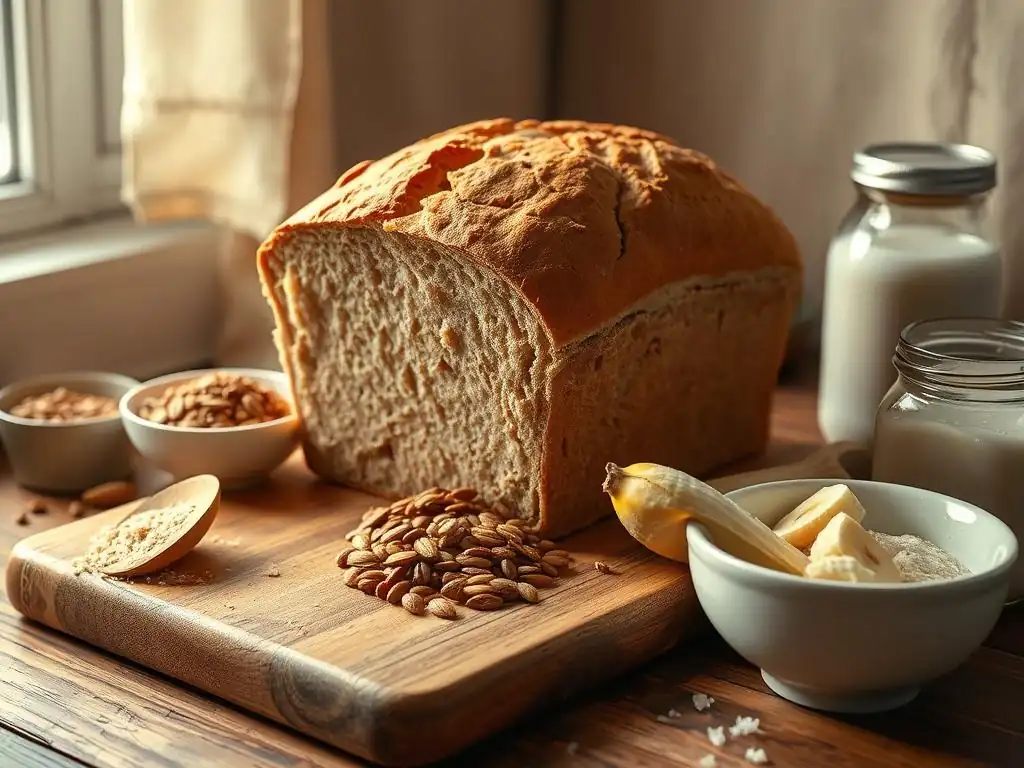
Brown Rice Flour: The Foundation
Brown rice flour serves as the primary structural component and main ingredient in our glutenfree brown rice bread recipes. Its role is to provide the bulk of the dough, contributing its unique flavor and nutritional profile. Because it lacks gluten, it cannot develop the elastic network that traps gases and allows traditional bread to rise and hold its shape. Therefore, it must be combined with other ingredients, specifically binding agents and often other gluten-free flours, to achieve a desirable bread texture.
The proportion of brown rice flour in a gluten-free blend can vary, but it often makes up a significant percentage, sometimes 50% or more of the total flour weight. Using a good quality, finely ground brown rice flour is key to minimizing potential grittiness and achieving a pleasant crumb in your finished glutenfree brown rice bread.
Binding Agents: Xanthan Gum, Psyllium Husk, and Their Roles
In gluten-free baking, binding agents are indispensable for replicating the function of gluten – providing structure, elasticity, and preventing the bread from becoming crumbly. Xanthan gum and psyllium husk are two of the most common and effective binders used in glutenfree brown rice bread. Xanthan gum, a polysaccharide, creates a gel-like consistency when hydrated, helping to hold the dough together and provide some elasticity. Typically, only a small amount is needed, often measured in teaspoons per cup of flour blend.
Psyllium husk, derived from the seeds of the Plantago ovata plant, absorbs a significant amount of liquid and forms a gel that mimics the structure-building properties of gluten even more closely than xanthan gum for some bakers. It adds chewiness and helps prevent the bread from staling quickly. Using a combination of both or choosing one over the other can impact the final texture of your glutenfree brown rice bread. Psyllium husk powder is more potent than whole husks, so check your recipe and adjust accordingly, often using less powder than whole husks.
Leavening Agents: Yeast vs. Baking Powder in Gluten-Free Bread
Leavening agents are crucial for making gluten-free brown rice bread light and airy. Yeast, typically active dry or instant yeast, is a biological leavener that produces carbon dioxide gas as it feeds on sugars in the dough. This gas gets trapped within the dough's structure (provided by the binders), causing it to rise. Yeast-leavened gluten-free bread often develops a more complex flavor and a crust similar to traditional bread. However, yeast requires specific temperature and time for activation and proofing.
Baking powder, a chemical leavener, works faster than yeast. It produces carbon dioxide when moistened and/or heated, causing a quick rise. Baking powder is often used in quick breads or in combination with yeast to provide an extra lift. For a classic loaf of glutenfree brown rice bread with a yeasted crumb, yeast is usually the preferred leavener, requiring careful attention to water temperature and proofing conditions.
Liquids: Choosing the Right Liquid for Optimal Hydration
Liquids are essential for hydrating the brown rice flour and other dry ingredients, activating the leavening agent, and bringing the dough together. Water is the most common liquid used in glutenfree brown rice bread, providing a neutral base. However, other liquids like milk (dairy or non-dairy, such as almond, soy, or rice milk) or buttermilk can add richness, improve crust browning, and slightly alter the flavor.
Gluten-free doughs, especially those using brown rice flour and binders like psyllium husk, often require significantly more hydration than wheat doughs. It's not uncommon for the hydration level (liquid weight as a percentage of flour weight) to be 80%, 90%, or even over 100%. The exact amount needed can vary depending on the specific flour blend, binder used, and even environmental humidity. The goal is a wet, often batter-like or very sticky dough, rather than a firm, kneadable dough like traditional wheat bread.
Seeds and Herbs: Enhancing Flavor and Texture
Adding seeds and herbs is a fantastic way to boost the flavor, texture, and nutritional value of your glutenfree brown rice bread. Common additions include sunflower seeds, pumpkin seeds, chia seeds, flax seeds, or sesame seeds. These add a pleasant crunch and visual appeal. Flax and chia seeds also absorb moisture and can contribute slightly to the binding structure.
Fresh or dried herbs like rosemary, thyme, or dill can infuse savory notes into the bread. Spices such as garlic powder, onion powder, or a pinch of sugar or a sweetener like honey or maple syrup can also enhance the overall taste profile. Incorporating these elements allows you to customize your basic glutenfree brown rice bread recipe and explore a wide range of flavor combinations.
Step-by-Step Guide to Baking Gluten-Free Brown Rice Bread
Step 1: Preparing the Brown Rice Flour Dough
Combining Dry Ingredients: Brown Rice Flour, Binding Agents, and Leavening
The first crucial step in making glutenfree brown rice bread is accurately measuring and combining the dry ingredients. Start with your measured brown rice flour and any other gluten-free flours specified in the recipe. Add your binding agent(s) – whether it's xanthan gum, psyllium husk powder, or a blend. It's vital to measure these binders precisely, as too much can result in a gummy texture, while too little will lead to a crumbly loaf.
Next, incorporate your leavening agent. If using yeast, you'll typically combine it with the flour blend along with salt, sugar (if using, as it feeds the yeast), and any dry flavorings like herbs or spices. Whisk all the dry ingredients together thoroughly. This ensures that the binding agents, leaveners, and flavorings are evenly distributed throughout the brown rice flour, which is essential for a uniform rise and texture in your glutenfree brown rice bread.
Adding Wet Ingredients: Achieving the Right Dough Consistency
Once the dry ingredients are mixed, it's time to add the wet components. This usually includes warm water or other liquid (typically between 105°F and 115°F or 40°C and 46°C for activating yeast), oil or melted butter for richness and tenderness, and potentially a liquid sweetener like honey or maple syrup. Pour the wet ingredients into the dry mixture.
Mix everything together using a stand mixer with a paddle attachment or a sturdy spoon until a cohesive dough forms. Gluten-free brown rice bread dough will be much wetter and stickier than traditional wheat dough – it often resembles a thick batter or a very soft cookie dough. Don't expect it to form an elastic ball or be kneadable in the traditional sense. Mix for a few minutes to ensure the binders are fully hydrated and the ingredients are well combined, developing a slightly cohesive, albeit sticky, consistency.
Step 2: First Rise and Proofing Gluten-Free Brown Rice Bread Dough
Proofing is the process where the yeast produces gas, causing the dough to rise. For glutenfree brown rice bread, this step is slightly different from wheat bread. The dough won't double in size as dramatically because there's no gluten network to trap the gas as efficiently. However, a noticeable increase in volume and a slightly airy structure will develop.
Transfer the prepared dough into a greased loaf pan. Smooth the top with a wet spatula or your wet hands. Cover the pan loosely with plastic wrap or a damp tea towel. Place the loaf pan in a warm, draft-free place.
This could be a slightly warmed oven (turned off! ), on top of the refrigerator, or in a sunny spot. Allow it to rise for the time specified in your recipe, typically 45 to 90 minutes, until it has increased in size by about 50-75% and looks visibly puffier. Over-proofing can cause the structure to collapse, so keep an eye on it.
Step 3: Shaping the Gluten-Free Brown Rice Bread Loaf
Unlike traditional wheat doughs that are often kneaded and shaped extensively before the final rise, gluten-free brown rice bread dough is typically shaped directly into the pan before the first (and often only) significant proof. Because the dough is wet and not elastic, it's not handled in the same way.
After mixing, the dough is scraped or spooned directly into the prepared loaf pan. Wetting your hands or a spatula is key to handling the sticky dough and smoothing the top evenly. This pre-shaping in the pan allows the dough to rise into the desired loaf form during the proofing stage.
Some recipes might call for a brief knead after mixing, but this is more about ensuring the ingredients are fully incorporated and the binders are activated rather than developing gluten structure. The final shape is primarily achieved by letting the dough rise within the confines of the loaf pan.
Step 4: Baking the Gluten-Free Brown Rice Bread
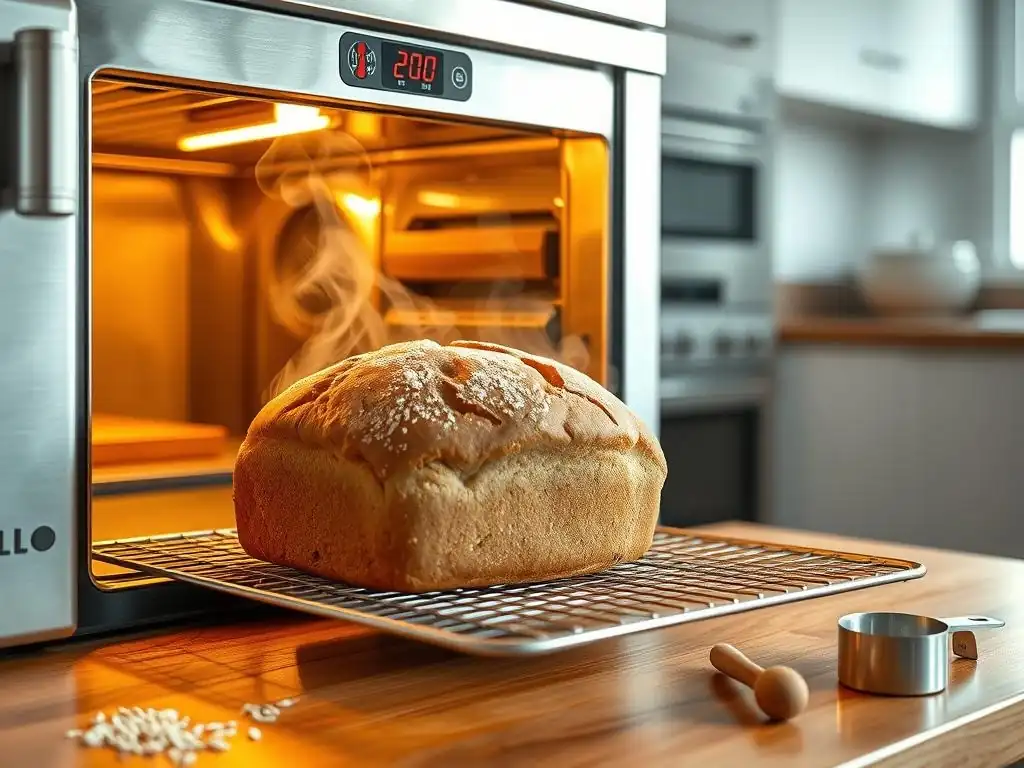
Proper baking temperature and time are critical for achieving a well-cooked and nicely textured glutenfree brown rice bread. Preheat your oven thoroughly to the temperature specified in your recipe, often between 375°F and 400°F (190°C and 200°C). Some recipes recommend starting at a slightly higher temperature for the first 10-15 minutes to help set the crust, then reducing the temperature for the remainder of the baking time.
Bake the loaf for the recommended duration, which can range from 45 to 60 minutes or even longer for a standard 1.5 lb loaf. The bread is done when the crust is golden brown and firm, and when an internal thermometer inserted into the center reads between 200°F and 210°F (93°C and 99°C). Tapping the bottom of the loaf should produce a hollow sound. Baking it long enough is essential; underbaked glutenfree brown rice bread can be dense and gummy in the center.
Step 5: Cooling and Slicing Your Homemade Gluten-Free Bread
Cooling is a non-negotiable step for glutenfree brown rice bread. As tempting as it is to slice into a warm loaf, skipping the cooling process can result in a gummy texture. As the bread cools, the internal structure sets, and moisture distributes evenly.
Once out of the oven, immediately transfer the loaf from the hot pan to a wire cooling rack. This allows air to circulate around the entire loaf, preventing moisture buildup on the bottom crust. Let the bread cool completely, which can take 2-3 hours for a standard loaf, before slicing. Slicing too early can compress the still-setting crumb, leading to a dense interior. Use a sharp bread knife for clean slices once fully cooled. Patience at this stage is rewarded with the best possible texture for your homemade glutenfree brown rice bread.
Tips and Tricks for Perfect Gluten-Free Brown Rice Bread
Achieving the Right Texture: Avoiding Crumbly Bread
One of the most common challenges when baking glutenfree brown rice bread is achieving a tender crumb that isn't dry or crumbly. The key lies in proper hydration and the effective use of binding agents. Gluten-free doughs require significantly more liquid than traditional doughs because gluten-free flours, including brown rice flour, absorb moisture differently and there's no gluten network to hold everything together. Ensure you're using enough liquid to create a wet, almost batter-like consistency.
Using the correct amount and type of binding agent (xanthan gum, psyllium husk, or a blend) is critical. These ingredients help mimic the structure and elasticity that gluten provides, preventing the baked bread from falling apart. Mixing the dough sufficiently allows the binders to hydrate fully and start forming their gel-like structure. Additionally, avoiding over-baking is important, as excessive heat can dry out the loaf. Cool the bread completely on a wire rack before slicing to allow the internal moisture to redistribute, contributing to a better texture for your glutenfree brown rice bread.
Troubleshooting Common Issues in Gluten-Free Bread Baking with Brown Rice Flour
Baking glutenfree brown rice bread can sometimes present challenges, but most common issues have straightforward solutions. If your bread is dense and hasn't risen well, it could be due to inactive yeast (check water temperature and yeast freshness), insufficient proofing time or a cold environment, or not enough leavening agent. Ensure your yeast is active by blooming it in warm water with a pinch of sugar if your recipe requires it.
If the bread is crumbly, the issue might be insufficient binding agents or not enough liquid. Try slightly increasing the amount of xanthan gum or psyllium husk in your next batch, or add a little more liquid if the dough seemed too stiff. A gummy texture often indicates underbaking – ensure the internal temperature reaches 200-210°F (93-99°C) and cool the bread completely. If the crust is too hard, try placing a pan of water in the bottom of the oven during baking to create steam.
Storage Tips for Gluten-Free Brown Rice Bread
Proper storage is essential to keep your homemade glutenfree brown rice bread fresh and prevent it from drying out quickly, a common issue with gluten-free loaves. Once the bread is completely cooled, slice it and store the slices in an airtight container or a resealable plastic bag at room temperature for 2-3 days. Keeping it whole and unsliced will help maintain freshness slightly longer if you don't need slices immediately.
For longer storage, freezing is the best option. Slice the cooled loaf first, then wrap individual slices or the entire loaf tightly in plastic wrap, followed by a layer of aluminum foil or a freezer bag. Frozen glutenfree brown rice bread can last for up to 3 months. To thaw, simply take out the desired number of slices and let them come to room temperature, or pop them directly into a toaster. Freezing helps preserve the texture and prevents the bread from becoming stale quickly.
Brown Rice Flour Bread Recipe Variations
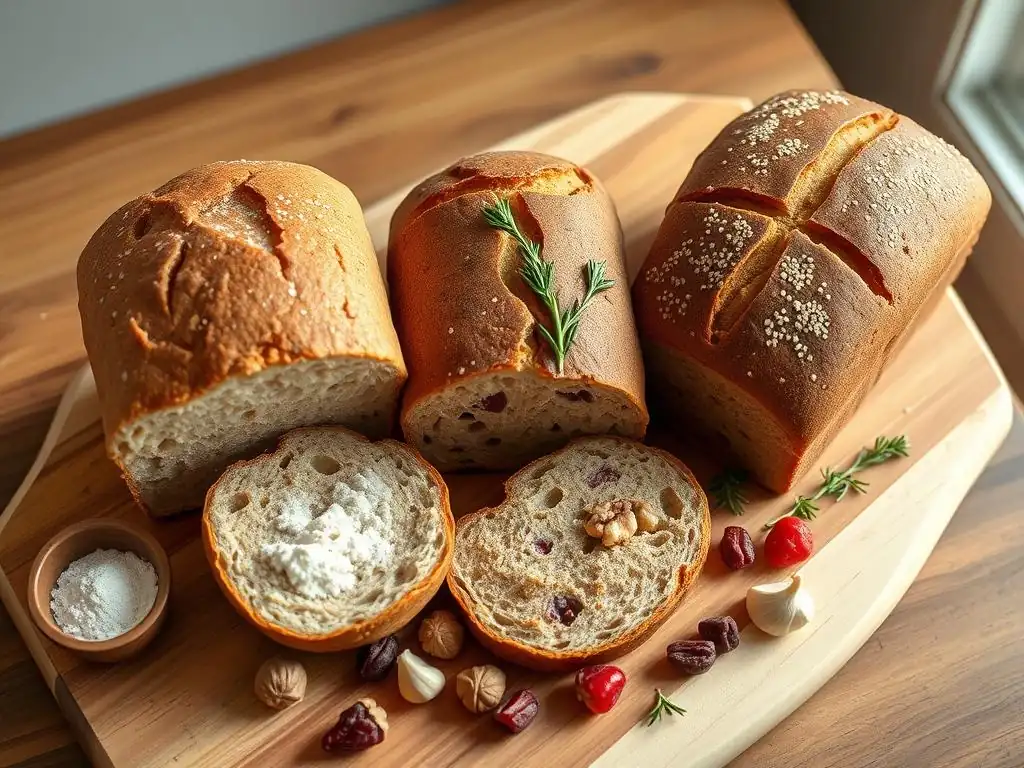
Savory Gluten-Free Brown Rice Bread Recipes: Rosemary and Garlic Bread
Brown rice flour's mild flavor makes it an excellent base for savory bread variations. A popular choice is Rosemary and Garlic Gluten-Free Brown Rice Bread. To create this, simply add about 1-2 tablespoons of finely chopped fresh rosemary and 1-2 teaspoons of garlic powder (or 2-3 cloves of minced roasted garlic) to the dry ingredients when combining them in Step 1.
You can also incorporate other savory elements like dried herbs (thyme, oregano), onion powder, or even a sprinkle of nutritional yeast for a cheesy flavor. Seeds like poppy seeds or sesame seeds can be added to the dough or sprinkled on top before baking for added texture and flavor. Bake this variation following the standard steps for glutenfree brown rice bread, adjusting the baking time slightly if adding a significant amount of moist ingredients like roasted garlic.
Sweet Gluten-Free Brown Rice Bread Recipes: Apple Cinnamon Bread
Brown rice flour also lends itself well to sweet quick breads or slightly sweetened yeasted loaves. For an Apple Cinnamon Gluten-Free Brown Rice Bread, you could adapt a quick bread recipe using brown rice flour as the primary flour. Add about 1 cup of finely diced apple and 1-2 teaspoons of ground cinnamon to the dry ingredients.
Ensure you adjust the liquid content slightly if the apples release a lot of moisture. Other sweet additions could include raisins, dried cranberries, orange zest, or a touch of nutmeg. If adapting a yeasted recipe, add a bit more sugar (say, 1/4 cup total) to enhance the sweetness and help the yeast. These sweet variations are perfect for breakfast or a snack and showcase the versatility of brown rice flour beyond just savory loaves.
Adapting the Recipe for Different Dietary Needs: Dairy-Free Options
Many gluten-free bakers also follow other dietary restrictions, such as being dairy-free. Fortunately, adapting a standard glutenfree brown rice bread recipe to be dairy-free is typically quite simple. Most recipes use water as the primary liquid, which is already dairy-free. If a recipe calls for milk, simply substitute it with an unsweetened non-dairy milk alternative like almond milk, soy milk, rice milk, or oat milk in a 1:1 ratio.
If the recipe includes butter, you can substitute it with a dairy-free margarine or a neutral-flavored oil such as melted coconut oil, vegetable oil, or olive oil. The amount of substitute is usually the same as the butter called for. These simple swaps ensure your delicious homemade glutenfree brown rice bread is suitable for those with dairy sensitivities or preferences while maintaining a great texture and flavor.
Equipment Needed for Gluten-Free Brown Rice Bread Baking
Essential Baking Tools
Having the right tools makes the process of baking glutenfree brown rice bread much smoother and more successful. A good set of measuring cups and spoons is essential for accurate ingredient ratios, which are particularly important in gluten-free baking. A digital kitchen scale is highly recommended for measuring flour and other dry ingredients by weight, as this is much more precise than volume measurements and leads to more consistent results.
A large mixing bowl and a sturdy whisk are needed for combining dry ingredients. For mixing the dough, a stand mixer with a paddle attachment is ideal, as gluten-free dough is often very sticky and difficult to mix by hand effectively. If you don't have a stand mixer, a heavy-duty hand mixer or even just a strong spoon and some elbow grease will work, but ensure you mix thoroughly. A rubber spatula or bowl scraper is useful for handling the sticky dough and transferring it to the pan.
Choosing the Right Bread Pan for Gluten-Free Baking
The bread pan plays a significant role in the shape and crust development of your glutenfree brown rice bread. A standard 9x5 inch loaf pan is the most common choice for a typical loaf size. Metal pans, especially those made of aluminized steel, conduct heat efficiently and promote good crust formation. Darker pans can result in a darker, crisper crust, so you might need to adjust baking time or temperature slightly compared to lighter pans.
Greasing and flouring the pan (using gluten-free flour like brown rice flour or cornmeal) or lining it with parchment paper is crucial to prevent the sticky gluten-free dough from sticking. Parchment paper also makes removing the finished loaf much easier. Ensure your pan is the correct size for the amount of dough specified in your recipe to prevent overflow or an under-filled pan.
Conclusion: Enjoying Your Homemade Gluten-Free Brown Rice Bread
The Benefits of Baking Your Own Gluten-Free Bread
Baking your own glutenfree brown rice bread at home offers numerous benefits. Firstly, you have complete control over the ingredients, ensuring there are no hidden additives, preservatives, or cross-contamination issues that can sometimes occur with commercially produced gluten-free products. This is particularly important for individuals with Celiac disease or severe gluten sensitivities.
Secondly, homemade glutenfree brown rice bread is often significantly more cost-effective than buying pre-made loaves from the store, which can be quite expensive. Beyond the practical benefits, there's immense satisfaction in creating something delicious from scratch. The aroma of fresh bread filling your kitchen and the taste of a warm slice of your own glutenfree brown rice bread are incredibly rewarding. It allows for customization, letting you add seeds, herbs, or other flavors exactly to your liking.
Further Exploration of Gluten-Free Bread Baking Techniques on BakeWithEase.com
Mastering glutenfree brown rice bread is a fantastic achievement, but it's just one step in the diverse world of gluten-free baking. BakeWithEase.com offers a wealth of resources to help you continue your baking journey. Explore our other gluten-free bread recipes using different flours like sorghum, millet, or a blend of several. Each flour brings unique characteristics, and experimenting with different combinations can lead to exciting new textures and flavors.
Dive deeper into gluten-free baking techniques with our guides on using various binding agents, understanding hydration ratios, troubleshooting common issues, and adapting traditional recipes. We provide simple, clear instructions designed to build your confidence and expand your baking repertoire. Keep practicing, keep experimenting, and enjoy the delicious results of your efforts in baking wonderful homemade glutenfree brown rice bread and beyond.
Frequently Asked Questions
What makes brown rice flour a good choice for gluten-free bread baking?
Brown rice flour offers a nutty flavor and provides essential nutrients compared to some other gluten-free flours. It can also help improve the texture of gluten-free bread.
How does gluten-free brown rice bread differ from traditional wheat bread?
Gluten-free brown rice bread lacks gluten, which provides structure and elasticity to wheat bread. This results in a denser texture and requires the use of binding agents like xanthan gum.
What are some common challenges when baking gluten-free brown rice bread?
Common challenges include dryness, crumbliness, and a gummy texture. These can be overcome by using the right ratios of ingredients and appropriate baking techniques.
What ingredients can I use to improve the texture and taste of my gluten-free brown rice bread?
You can add ingredients like psyllium husk, tapioca starch, or honey to improve the texture and taste. Experimenting with different blends of gluten-free flours is also recommended.
Where can I find reliable recipes and tips for baking gluten-free brown rice bread?
BakeWithEase.com is a great resource offering simple recipes, step-by-step guides, and baking tips for gluten-free baking, including brown rice bread. You can also find recipes on other reputable baking websites and blogs.
Final Reflection: The Rising Tide of Gluten-Free Baking
The demand for gluten-free alternatives continues to surge, and brown rice flour, with its unique properties, stands as a compelling ingredient in this evolving culinary landscape. Mastering gluten-free bread baking, particularly with brown rice flour, requires patience and experimentation, but the rewards – a delicious and satisfying loaf – are well worth the effort. This journey into the world of gluten-free baking with brown rice flour highlights not only a culinary skill but also a growing awareness of dietary needs and preferences.
The shift towards gluten-free diets has profoundly impacted our understanding of food and health, influencing everything from restaurant menus to grocery store shelves. This change reflects a broader societal movement towards mindful eating and personalized nutrition. Food is symbolic of love when words are inadequate.
– Alan D. Wolfelt. This quote resonates deeply, as the act of baking, even gluten-free baking, becomes an act of care and self-nurturing, a way to provide nourishment and comfort. The increasing availability of brown rice flour and other gluten-free ingredients underscores this growing need for inclusive and accessible culinary options.
Now, it's your turn. Consider the possibilities that lie within the world of gluten-free baking. Experiment with different recipes, explore the nuances of brown rice flour, and discover the joy of creating delicious and healthy bread that caters to your specific needs and preferences. Don't be afraid to embrace the challenges; the satisfaction of a perfectly risen, flavorful gluten-free loaf is a testament to your dedication and culinary creativity. Let this exploration be a starting point for your own journey into the heart of gluten-free baking.
Unleash Your Inner Baker: Gluten-Free Bread Triumphs Await!
Thanks for taking the time to explore the world of gluten-free bread making with brown rice flour! We hope you gained valuable insights and newfound confidence in your baking abilities. Now it's time to put your knowledge into practice.
- Bake your first brown rice flour loaf: Don't be intimidated! Use the recipe and tips from the article as your guide. You'll be surprised how delicious and satisfying gluten-free bread can be.
- Share your baking journey: Tag us on social media (@BakeWithEase – imagine!) with a picture of your creation. Let's inspire each other!
- Experiment with different additions: Try adding seeds, nuts, or dried fruits to your next loaf—the possibilities are endless!
What unique flavor combinations will you create with your newfound brown rice flour baking skills?