
Mastering the Tang: Baking Delicious Sourdough Rye

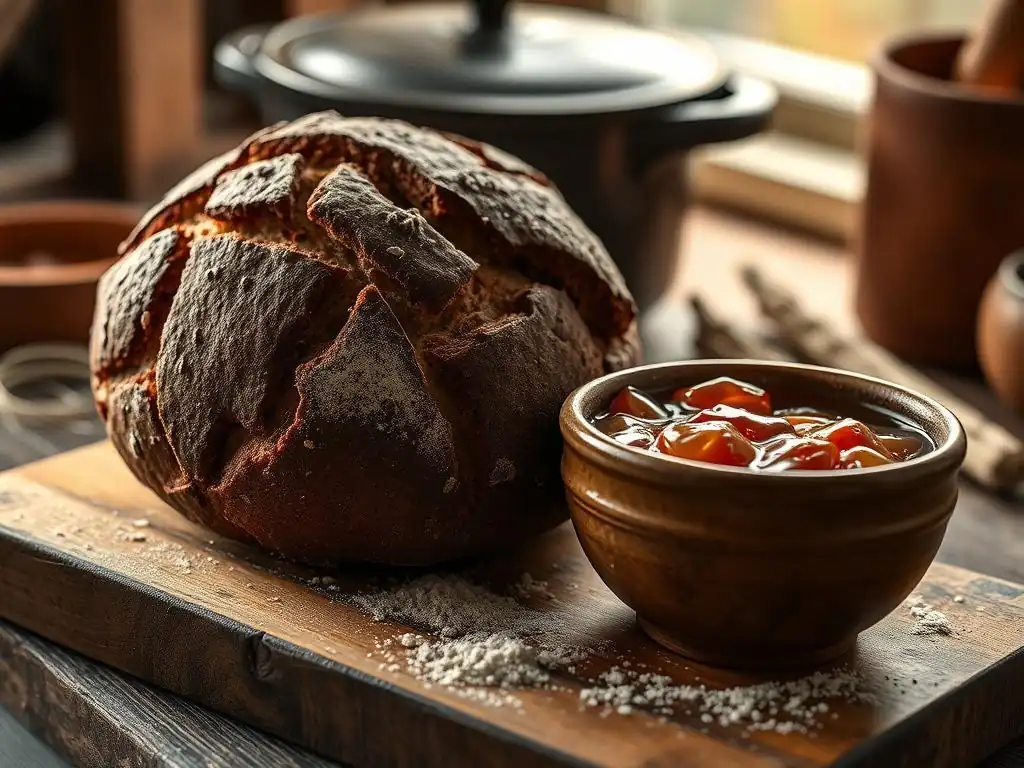
Welcome to BakeWithEase, your companion on the baking journey! Ever dreamt of crafting a loaf with that perfect tangy bite? We're diving deep into the world of artisan bread with our Sourdough Rye Bread Recipe, a guide that demystifies the process and delivers incredible results. Unlock the secrets to a flavorful, crusty loaf that will impress your friends and family. Ready to transform simple ingredients into baking magic? Let's get started!
- Mastering Sourdough Rye: From Tang to Table
- Introduction to Sourdough Rye Bread Baking
- The Tang: Building Flavor in Sourdough Rye
-
Sourdough Rye Bread Recipe: Dough Composition and Preparation
- Essential Ingredients for Sourdough Rye: Beyond the Tang - Flour, Starter, and Salt
- Mixing the Sourdough Rye Dough: Achieving Proper Hydration and Dough Strength
- Bulk Fermentation: Managing Time and Temperature for Optimal Rise
- Shaping the Sourdough Rye Loaf: Techniques for Tight Crumb and Shape Retention
- Baking Your Sourdough Rye Bread
- Troubleshooting Your Sourdough Rye Bread
- Sourdough Rye Bread Variations and Serving Suggestions
- Conclusion: The Joy of Homemade Sourdough Rye Bread
-
Frequently Asked Questions
- What makes sourdough rye bread different from other types of bread?
- How do I maintain a sourdough starter for a sourdough rye bread recipe?
- What type of rye flour is best for a sourdough rye bread recipe?
- Can I substitute ingredients in a sourdough rye bread recipe?
- How do I know when my sourdough rye bread is properly proofed?
- Final Reflection: The Enduring Allure of the Sourdough Rye
- Unlock Your Inner Baker: Craft the Perfect Sourdough Rye!
Mastering Sourdough Rye: From Tang to Table
Introduction to Sourdough Rye Bread Baking
Why Bake Sourdough Rye? Exploring Complex Flavors and Textures
Baking sourdough rye bread offers a deeply rewarding experience, resulting in a loaf with a complexity of flavor and texture rarely found in commercially produced bread. Unlike standard wheat loaves, rye bread boasts an earthy, slightly tangy profile that pairs beautifully with a wide range of foods. The sourdough process further enhances this, introducing layers of lactic and acetic acid flavors, creating that signature "tang." This bread isn't just delicious; it's also often denser and more substantial, providing a satisfying chew and a unique crumb structure compared to airier wheat breads.
Beyond the taste, baking your own sourdough rye provides control over ingredients and process. You can select high-quality flours, adjust the level of rye, and manage the fermentation to achieve your desired tang and texture. Many home bakers find immense satisfaction in nurturing their sourdough starter and transforming simple ingredients into a beautiful, rustic loaf. While it might seem intimidating at first, mastering a basic sourdough rye bread recipe is achievable and opens the door to a world of variations, from adding caraway seeds for a classic deli style to incorporating nuts or dried fruits.
Understanding Sourdough Rye Bread: A Deeper Dive
Sourdough rye bread is fundamentally different from its wheat-based counterparts due to the unique properties of rye flour. Rye contains less gluten-forming protein than wheat, and its starches behave differently during baking. This results in a dough that is often stickier and less elastic, and a final loaf that is denser with a tighter crumb. The sourdough starter, a living culture of wild yeast and lactic acid bacteria, is crucial here not only for leavening but also for developing flavor and improving the texture of the rye.
The fermentation process in sourdough rye is particularly important. The lactic acid bacteria thrive in the rye environment, producing acids that contribute significantly to the bread's characteristic tang. These acids also help break down the rye flour components, improving its digestibility and extending the bread's shelf life.
Understanding how different types of rye flour (light, medium, dark, pumpernickel) affect the dough and the final bread is key to mastering your sourdough rye bread recipe. A loaf made with 100% dark rye will be significantly different in texture and flavor from one using a blend of light rye and wheat flour.
The Tang: Building Flavor in Sourdough Rye
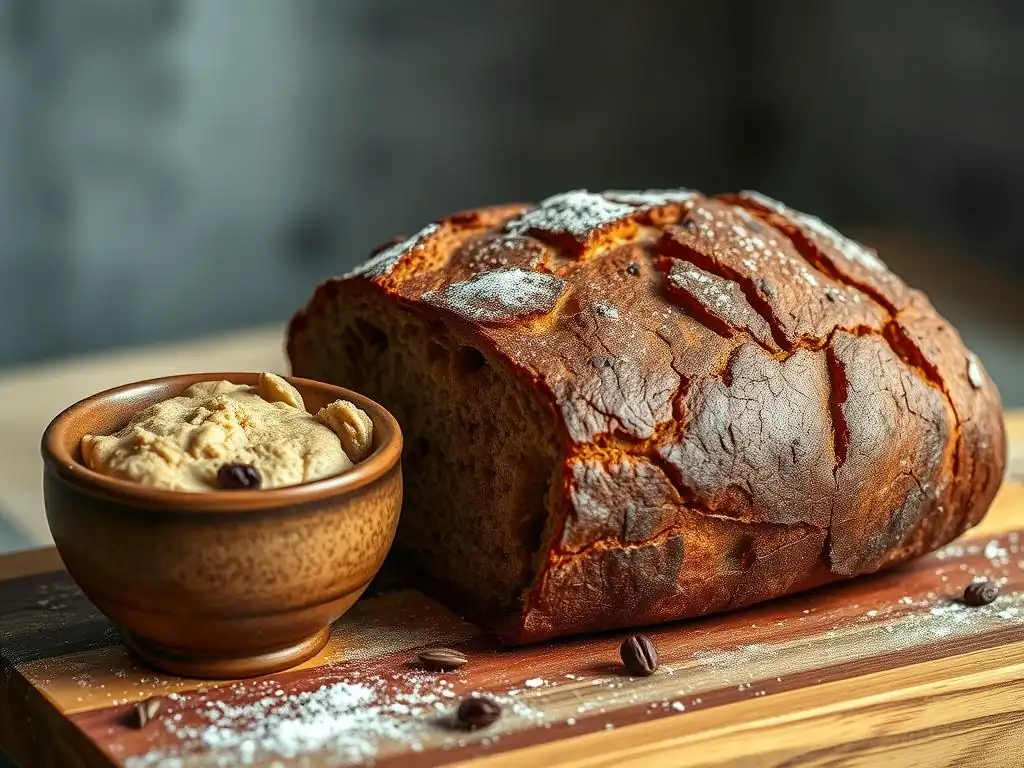
What is a Tang? Pre-Ferment Explained
In sourdough baking, "tang" refers to the pleasant sourness that distinguishes it from yeasted bread. This tang is primarily the result of the metabolic activity of lactic acid bacteria (LAB) within the sourdough starter and the dough itself. These bacteria produce lactic acid and acetic acid, which contribute varying degrees of sourness and aroma. Lactic acid tends to produce a milder, yogurt-like tang, while acetic acid provides a sharper, vinegar-like note. The balance between these two acids is influenced by factors like fermentation temperature, hydration level, and the specific microbial population in your starter.
Often, sourdough rye bread recipes utilize a pre-ferment, sometimes specifically called a "tang," which is essentially a portion of the final dough's flour and water fermented with a bit of sourdough starter for an extended period before being mixed into the main dough. This step serves multiple purposes: it gives the starter a head start, develops complex flavors through prolonged fermentation, increases the acidity to help protect the rye from enzymatic degradation during a long rise, and contributes significantly to the overall tang of the final loaf.
It's a concentrated dose of fermented goodness that lays the foundation for the bread's characteristic flavor profile.
Ingredients for the Tang: Flour Selection and Water Temperature
The ingredients for a sourdough rye tang are simple: rye flour, water, and a small amount of active sourdough starter. However, the type of rye flour and the temperature of the water are crucial for influencing the pre-ferment's development and the resulting flavor. Using medium or dark rye flour in the tang can contribute a deeper, more earthy flavor profile compared to using only light rye.
Many bakers prefer using the same type of rye flour in the tang as they plan to use predominantly in the final dough to ensure flavor consistency. The flour provides the food source (starches and sugars) for the microbes.
Water temperature plays a significant role in controlling the fermentation rate. Warmer water (around 80-85°F or 27-29°C) will accelerate microbial activity, leading to a faster fermentation and potentially more acetic acid production if the fermentation is pushed. Cooler water (around 70-75°F or 21-24°C) slows down fermentation, allowing for a longer, slower process that can result in a more balanced flavor profile, sometimes favoring lactic acid.
The water also hydrates the flour, making the starches accessible to the microbes and creating the necessary consistency for the pre-ferment. The starter provides the necessary wild yeast and LAB to kick off the fermentation.
Step-by-Step Guide: Preparing the Tang
Preparing the tang for your sourdough rye bread recipe is a straightforward process, but precision helps. You'll need your active sourdough starter, the specified amount of rye flour, and water. Ensure your starter is active and bubbly, ideally fed within the last 4-12 hours and showing signs of peak activity.
- Weigh or measure the required amount of rye flour into a mixing bowl.
- Add the specified amount of water at your desired temperature (remembering warmer water speeds things up, cooler slows them down).
- Add the small portion of active sourdough starter to the bowl.
- Mix thoroughly with a spoon or whisk until no dry pockets of flour remain and you have a smooth, paste-like consistency. It will be quite wet compared to a regular dough.
- Cover the bowl loosely with plastic wrap, a damp towel, or a lid.
- Let it ferment at room temperature or in a slightly warmer or cooler spot, depending on your recipe's instructions and desired fermentation time and tang level.
Optimizing Tang Fermentation: Time, Temperature, and Texture
Optimizing the fermentation of your sourdough rye tang is key to controlling the final bread's flavor. The primary factors are time and temperature. A typical tang might ferment for 8 to 16 hours at room temperature (around 70-75°F or 21-24°C).
Longer fermentation times generally lead to a more pronounced tang as the bacteria produce more acids. Fermenting at warmer temperatures (say, 80°F or 27°C) will speed up the process, potentially achieving a similar level of acidity in a shorter time, but might favor acetic acid production, resulting in a sharper tang. Conversely, cooler temperatures (like 65°F or 18°C) slow fermentation considerably, allowing for a longer development window and often a milder, more balanced tang.
Monitoring the texture and aroma of the tang is crucial. A well-fermented tang will typically become bubbly and airy, sometimes developing a domed or slightly sunken surface depending on its hydration. It should smell pleasantly sour, perhaps with notes of yogurt or vinegar, but not overwhelmingly pungent or alcoholic. The texture might become slightly looser or more liquid. If the tang smells strongly of acetone or alcohol, it may have over-fermented. Aim for peak activity – when it's bubbly and smells nicely acidic – before incorporating it into the main dough for your sourdough rye bread recipe.
Sourdough Rye Bread Recipe: Dough Composition and Preparation
Essential Ingredients for Sourdough Rye: Beyond the Tang - Flour, Starter, and Salt
Once your tang is ready, you'll combine it with the remaining ingredients to form the main dough for your sourdough rye bread recipe. The core components are typically more rye flour, wheat flour (often bread flour or all-purpose, though some recipes are 100% rye), your active sourdough starter, water, and salt. The ratio of rye to wheat flour significantly impacts the final loaf's texture and flavor. A higher percentage of rye results in a denser, more flavorful bread, while adding wheat flour provides gluten structure, making the dough easier to handle and contributing to a slightly lighter texture.
Your sourdough starter is the leavening agent and a major flavor contributor. Ensure it's active and healthy – it should double in size within a few hours of feeding and be full of bubbles. Salt is vital for flavor, controlling fermentation rate, and strengthening the gluten structure (in the wheat portion). The remaining water hydrates the flours and brings the dough to the desired consistency, which is often quite wet and sticky when working with significant amounts of rye. Some recipes might include additional ingredients like caraway seeds, molasses, or vital wheat gluten depending on the desired outcome.
Mixing the Sourdough Rye Dough: Achieving Proper Hydration and Dough Strength
Mixing sourdough rye dough can be different from mixing wheat dough due to rye's lower gluten content. Many sourdough rye bread recipes start by whisking or stirring together the tang, remaining water, and starter until dissolved. Then, the flours (rye and wheat) and salt are added. Initially, the dough will be shaggy and sticky. Unlike high-gluten wheat doughs that require extensive kneading to develop a strong gluten network, rye dough benefits more from gentle mixing and rest periods. Over-kneading rye dough can actually break down its fragile structure.
Aim for proper hydration – the amount of water relative to flour – which is crucial for rye. Rye flour absorbs water differently than wheat. Many rye sourdoughs are mixed to a relatively high hydration, resulting in a very sticky dough.
Mixing can be done by hand with a sturdy spoon or in a stand mixer with a dough hook on low speed for just a few minutes until the ingredients are combined. The goal isn't to develop strong windowpane gluten like in ciabatta, but rather to ensure all ingredients are evenly distributed and the dough starts to come together. Rest periods, like autolyse (mixing flour and water before adding starter and salt) or short rests during mixing, can help the flour hydrate without vigorous kneading.
Bulk Fermentation: Managing Time and Temperature for Optimal Rise
Bulk fermentation, also known as the first rise, is where the dough develops flavor and volume before shaping. For sourdough rye bread, this stage is critical. Due to the acidity from the tang and starter, and the nature of rye flour, the dough may not double in size as dramatically as a pure wheat sourdough.
Instead, look for signs of activity: the dough should appear puffier, perhaps with visible bubbles on the surface, and feel lighter when gently lifted. The typical bulk fermentation for a sourdough rye might range from 2 to 5 hours at room temperature (around 70-75°F or 21-24°C), though this varies greatly depending on the starter's strength, the amount of starter used, and the room temperature.
Temperature control is key. Warmer temperatures speed up fermentation; cooler temperatures slow it down, allowing for a longer flavor development period. Some bakers perform a portion of the bulk ferment at room temperature followed by a period in the refrigerator (cold fermentation) to deepen the tang and make the sticky rye dough easier to handle for shaping.
During bulk fermentation, some recipes call for a few sets of folds (like stretch and folds or coil folds) during the first hour or two. These help build some structure, even in lower-gluten rye doughs, and equalize the dough temperature, but be gentle to avoid tearing the fragile rye network.
Shaping the Sourdough Rye Loaf: Techniques for Tight Crumb and Shape Retention
Shaping sourdough rye dough can be challenging because of its stickiness and lack of strong gluten structure. Unlike wheat doughs that hold shape easily, rye dough tends to spread. Techniques that create surface tension are essential for achieving a good shape and helping the loaf hold its form during proofing and baking.
Many bakers prefer shaping sourdough rye into a round (boule) or oval (batard) and then proofing it seam-side up in a well-floured proofing basket (banneton) or a bowl lined with a floured cloth. Rye flour or a blend of rye and rice flour works well for dusting baskets as it prevents sticking.
- For a Boule: Gently pre-shape the dough into a rough ball and let it rest for 15-20 minutes (bench rest). Then, gently pull the edges towards the center, flipping it over and using your hands to create tension on the surface against the counter. Place seam-side up in the prepared basket.
- For a Batard: After bench rest, gently pat the dough into a rectangle. Fold the top down about two-thirds, then the bottom up over the top fold. Gently roll from one end to create tension, sealing the seam. Place seam-side up in the oval basket.
Working with wet, sticky rye dough often requires using wet hands or a bench scraper dusted with flour. Minimizing handling helps prevent the dough from sticking excessively. The goal is to create enough surface tension to support the loaf's structure without degassing it too much.
Baking Your Sourdough Rye Bread
Oven Temperature and Baking Time: Achieving a Dark Crust and Proper Internal Temperature
Baking sourdough rye bread requires high heat to achieve a good oven spring and a well-developed crust. Preheat your oven, often with a baking vessel like a Dutch oven or baking stone/steel inside, to a high temperature, typically between 450°F and 500°F (230°C and 260°C). The initial high heat helps the loaf rise rapidly before the crust sets. After the initial baking period (often 15-20 minutes), the temperature is usually reduced to 400-425°F (200-220°C) to allow the inside to cook through without burning the crust.
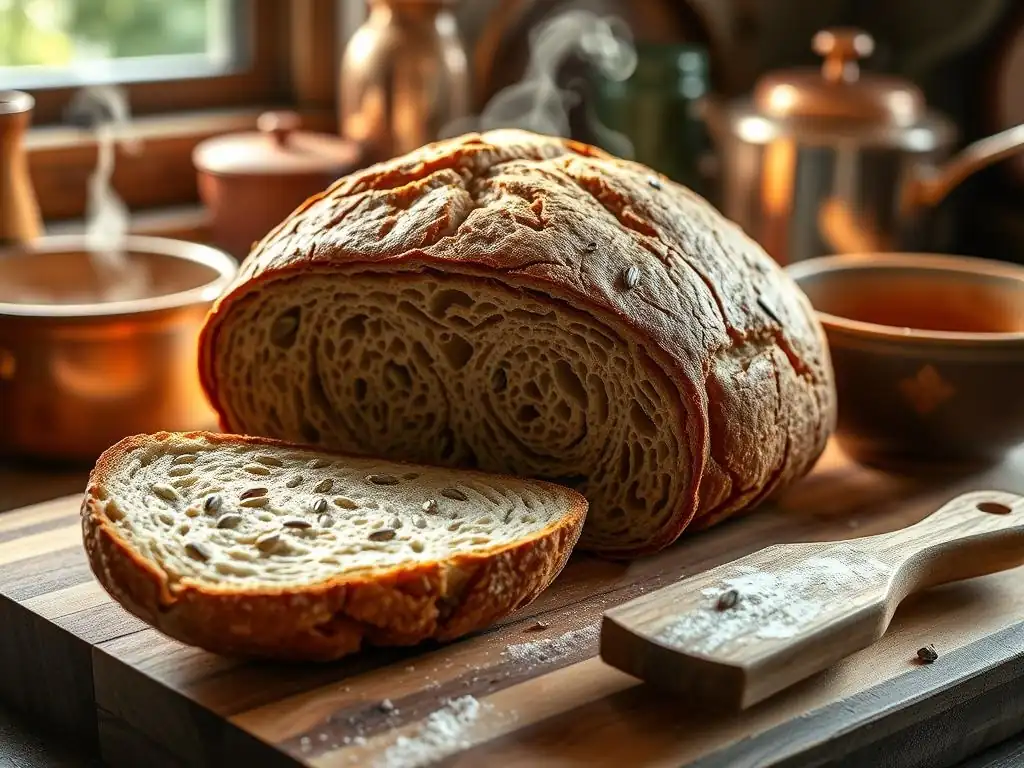
Total baking time for a standard-sized loaf (around 800-1000g) is typically 35-50 minutes, depending on the oven and the loaf's size and shape. The bread is done when the crust is deeply colored (dark brown is desirable for rye, indicating good flavor development) and the internal temperature reaches 200-210°F (93-99°C) when measured with an instant-read thermometer. Baking to the correct internal temperature is crucial, especially with dense rye loaves, to ensure the crumb is fully cooked and not gummy.
Steaming Your Sourdough Rye: Creating a Shiny, Crackled Crust
Steam is essential during the initial phase of baking sourdough rye bread. The presence of steam prevents the crust from forming too quickly, allowing the loaf to expand fully (oven spring). It also gelatinizes the starches on the surface, contributing to a shiny, crackled, and thinner crust rather than a thick, tough one. Without adequate steam, rye bread can develop a dull, hard crust and limited rise.
There are several effective ways to create steam in a home oven. Using a Dutch oven or a covered baking pot is one of the easiest and most effective methods for a single loaf; the lid traps the moisture released by the bread.
Another method is to bake on a preheated stone or steel and generate steam by pouring hot water into a preheated pan placed on a rack below the baking surface, or by placing ice cubes in the hot pan. The steaming period typically lasts for the first 15-20 minutes of baking, after which the steam source (lid or water pan) is removed to allow the crust to dry out and brown.
Cooling and Slicing: Preventing Gumminess and Maintaining Structure
Allowing your sourdough rye bread to cool completely before slicing is perhaps the most critical step after baking, especially for high-percentage rye loaves. Rye bread retains a significant amount of moisture, and the internal structure continues to set as it cools. Slicing too early, while the bread is still warm, almost guarantees a gummy, sticky crumb because the starches haven't fully gelled and set. This is a common pitfall when baking sourdough rye bread.
Place the baked loaf on a wire rack and let it cool undisturbed for at least 2-4 hours, or even longer for very dense loaves. The cooling process allows moisture to redistribute evenly throughout the loaf and the structure to firm up. Once completely cool, the crumb will be much cleaner and less likely to stick to the knife. Use a sharp serrated knife for slicing to avoid crushing the loaf. Proper cooling ensures you enjoy the intended texture and flavor of your homemade sourdough rye.
Troubleshooting Your Sourdough Rye Bread
Common Issues and Solutions: Dense Crumb, Lack of Rise, and Gummy Texture
Baking sourdough rye bread can present unique challenges compared to wheat bread. A common issue is a dense crumb. This can be caused by several factors: an inactive starter, insufficient fermentation (under-proofed dough), too high a percentage of rye flour without adequate support (like wheat or vital wheat gluten), or not allowing sufficient bulk fermentation time, especially if the dough is cold. Solutions include ensuring your starter is vigorous, extending bulk fermentation or proofing time, and considering adding a small percentage of strong wheat flour or VWG if using very high rye percentages.
Lack of rise, both during bulk fermentation and oven spring, is often linked to an inactive starter or insufficient fermentation time/temperature. If your starter isn't doubling after feeding, it needs more attention before baking. Ensure your kitchen environment isn't too cold, or find a warmer spot (like inside a microwave or oven with the light on) for fermentation.
Gummy texture, as mentioned earlier, is almost always a result of underbaking or slicing the loaf before it has cooled completely. Ensure the internal temperature reaches 200-210°F (93-99°C) before removing it from the oven, and always let it cool fully on a rack.
Adjusting the Recipe: Adapting to Different Flours and Preferences
Every sourdough rye bread recipe is a starting point, and you may need to adjust it based on your ingredients, environment, and preferences. Different brands and types of rye flour absorb water differently; you might need slightly more or less water to achieve the described dough consistency. The strength and activity of your specific sourdough starter will also influence fermentation times. Pay attention to the dough's feel and appearance rather than strictly adhering to times listed in a recipe, especially regarding bulk fermentation and proofing.
If you prefer a milder tang, you can reduce the fermentation time of the tang pre-ferment or the main dough, or ferment at cooler temperatures. For a stronger tang, extend fermentation or ferment slightly warmer. If you find a recipe using a high percentage of rye too difficult to handle or too dense, try reducing the rye percentage and increasing the wheat flour, or adding a small amount (1-2% of total flour weight) of vital wheat gluten.
Don't be afraid to experiment with hydration levels – a slightly wetter dough can yield a lighter crumb, but it will be stickier to handle. Keeping a baking journal to note your adjustments and results is invaluable.
Sourdough Rye Bread Variations and Serving Suggestions
Exploring Different Rye Flour Types: Light, Medium, and Dark Rye
The type of rye flour used profoundly impacts the final sourdough rye bread. Rye flour is typically milled from the whole rye berry but sifted to varying degrees.
- Light Rye Flour: This is the most sifted, containing less bran and germ. It results in a lighter color, milder flavor, and slightly less dense crumb compared to darker rye. It's often used in blends with wheat flour.
- Medium Rye Flour: Contains more bran and germ than light rye, offering a more pronounced rye flavor and darker color. It's a versatile choice for many sourdough rye bread recipes.
- Dark Rye Flour: Milled from the whole rye berry with most or all of the bran and germ included. It produces a very dark, intensely flavored, and dense loaf. Pumpernickel flour is a type of coarsely ground dark rye.
Using a higher proportion of dark rye will yield a bread with a stronger, earthier flavor and a denser, moister crumb. Lighter rye will give a milder flavor and a texture closer to wheat bread. Many popular sourdough rye bread recipes use a blend, perhaps 40-60% rye (often medium or dark) and the rest strong bread flour, to balance flavor with ease of handling and loaf structure.
Sourdough Rye Bread Recipes: Caraway, Fennel, and Other Flavor Combinations
Sourdough rye bread serves as an excellent base for incorporating additional flavors. The most classic addition is caraway seeds, which provide a distinct, slightly anise-like flavor that complements the tang of the sourdough and the earthiness of the rye perfectly. Many authentic sourdough rye bread recipes include a significant amount of whole or crushed caraway seeds mixed into the dough.
Other popular additions include:
- Fennel Seeds: Offer a sweeter, more pronounced anise flavor than caraway.
- Coriander Seeds: Ground or crushed, they add a citrusy, slightly spicy note.
- Molasses or Honey: A small amount can add sweetness, moisture, and a darker color, often found in darker rye or pumpernickel recipes.
- Dried Fruits: Raisins or cranberries add sweetness and chewiness, pairing well with the sour notes.
- Nuts: Walnuts or pecans can add crunch and richness.
Experimenting with these additions allows you to customize your sourdough rye bread recipe to your personal taste, creating unique and delicious variations on the classic loaf.
Serving Suggestions: Pairings with Cheese, Meats, and Soups
Sourdough rye bread, with its robust flavor and sturdy texture, is incredibly versatile when it comes to serving. It's a classic pairing for savory foods.
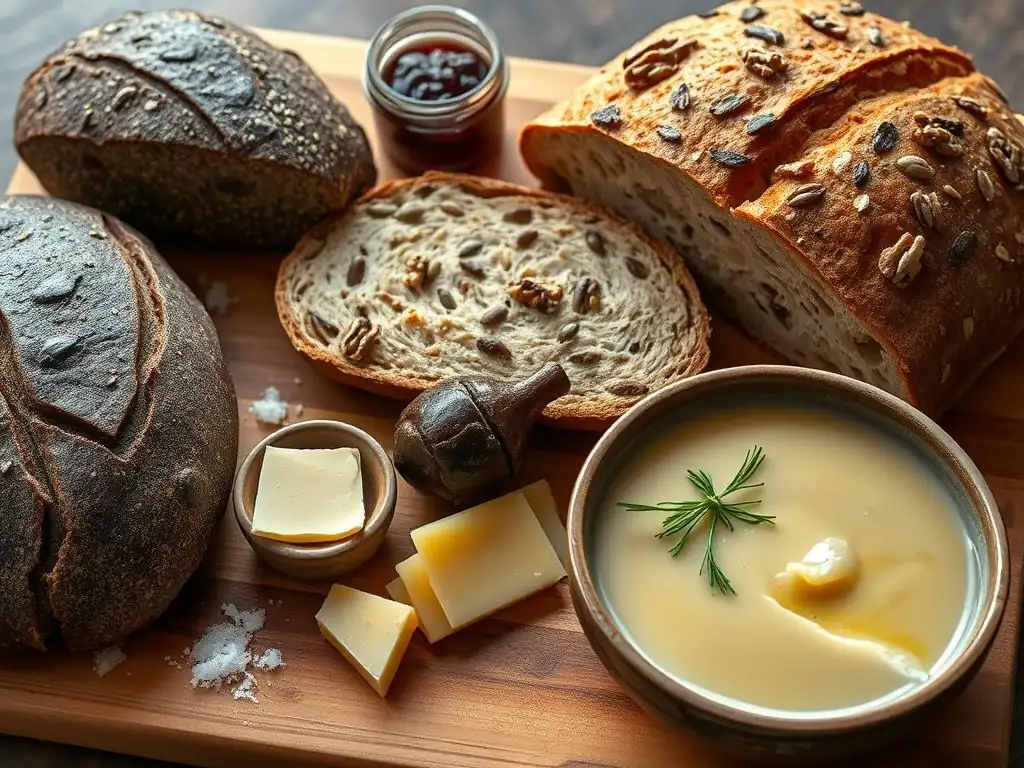
- Cheese: It stands up well to strong cheeses like sharp cheddar, aged Gruyère, Swiss, or even blue cheese. A simple slice with butter and a good cheese is a revelation.
- Meats: It's the traditional bread for deli sandwiches, pairing perfectly with pastrami, corned beef, smoked turkey, and ham. Open-faced sandwiches with cured meats like salami or prosciutto are also excellent.
- Fish: Smoked salmon or gravlax is a quintessential pairing, often served with a dill sauce or cream cheese. Pickled herring is another classic.
- Soups and Stews: Its dense crumb makes it ideal for soaking up hearty soups and stews, such as borscht, goulash, or split pea soup.
- Spreads: Simple butter, cream cheese, or liver pâté are delicious options.
The possibilities are vast, making your homemade sourdough rye bread a fantastic addition to meals and snacks alike.
Conclusion: The Joy of Homemade Sourdough Rye Bread
The Satisfaction of Baking Authentic Sourdough Rye at Home
There is a profound sense of accomplishment that comes with baking authentic sourdough rye bread from scratch. From nurturing your starter to managing the tang's fermentation and finally pulling a beautiful, fragrant loaf from your oven, each step is part of a rewarding process. The unique challenges posed by rye flour and sourdough fermentation push your baking skills and deepen your understanding of this ancient craft. Holding a warm loaf of your own creation, with its dark, crackled crust and rich aroma, is incredibly satisfying.
Beyond the personal achievement, sharing homemade sourdough rye with friends and family is a joy. The complex flavors and textures are often a revelation to those accustomed only to commercial bread. Mastering a sourdough rye bread recipe connects you to a tradition that spans centuries and provides a delicious, healthy staple for your table. It's a journey worth taking for any passionate home baker.
Further Resources for Sourdough Bread Baking
Embarking on the sourdough journey, particularly with challenging rye flours, is an ongoing learning process. While this guide provides a solid foundation for a sourdough rye bread recipe, there are many avenues for continued learning. Exploring resources dedicated to sourdough techniques, understanding flour properties in more depth, and troubleshooting common issues can further refine your skills.
Look for detailed guides on maintaining a vigorous starter, tutorials on advanced shaping techniques for high-hydration or high-rye doughs, and explanations of the science behind sourdough fermentation. Many experienced bakers share their knowledge through articles, books, and online communities, offering a wealth of information to help you perfect your sourdough rye and explore the wider world of sourdough baking.
Frequently Asked Questions
What makes sourdough rye bread different from other types of bread?
Sourdough rye bread uses a sourdough starter for leavening, giving it a distinctive tangy flavor. Rye flour also contributes a unique earthy taste and denser texture compared to wheat breads.
How do I maintain a sourdough starter for a sourdough rye bread recipe?
Maintain your sourdough starter by regularly feeding it with equal parts flour and water. Discard some of the starter before each feeding to prevent overgrowth, and store it in the refrigerator when not in use.
What type of rye flour is best for a sourdough rye bread recipe?
Different types of rye flour impact the bread's texture. Light rye flour produces a milder flavor and lighter crumb, while dark rye flour creates a more intense flavor and denser loaf.
Can I substitute ingredients in a sourdough rye bread recipe?
While substitutions are possible, they can affect the outcome. Experiment carefully, considering the role of each ingredient, especially the rye flour and sourdough starter.
How do I know when my sourdough rye bread is properly proofed?
Proper proofing is crucial. Look for a significant increase in volume, a slightly jiggly texture, and small bubbles on the surface. An under-proofed loaf will be dense, while an over-proofed loaf may collapse.
Final Reflection: The Enduring Allure of the Sourdough Rye
The art of baking sourdough rye bread is more than just a recipe; it's a journey of patience, precision, and profound connection to the ancient craft of bread making. In a world increasingly dominated by convenience and instant gratification, the slow fermentation and nuanced flavors of a perfectly crafted sourdough rye offer a powerful antidote – a tangible reminder of the simple pleasures and rewarding processes that enrich our lives.
The enduring appeal of sourdough rye lies not just in its delicious taste, but in its symbolic representation of tradition and craftsmanship. It's a bread that connects us to generations past, a testament to the enduring human need for connection to nature and the satisfaction of creating something beautiful and nourishing with our own hands. Bread is the staff of life,
a simple phrase, yet it encapsulates the profound significance of this humble food. The process itself, from nurturing the starter to the final bake, is a meditative practice, a quiet rebellion against the fast-paced modern world.
Now, as you close this article, I invite you to consider the possibilities. Don't just read this recipe; live it. Embrace the challenge, the mess, the waiting. Feel the satisfaction of shaping the dough, the aroma of the baking bread filling your kitchen. The reward isn't just a loaf of delicious sourdough rye; it's a deeper understanding of yourself, your capabilities, and the enduring power of tradition. Go forth, and bake your own masterpiece.
Unlock Your Inner Baker: Craft the Perfect Sourdough Rye!
Thanks for joining us on this sourdough rye journey! We hope you've gained valuable insights into crafting this complex and rewarding bread. Now it's time to put your knowledge into practice.
- Bake your own sourdough rye: Use the recipe and techniques outlined in the article to create your masterpiece. Don't be afraid to experiment – that's how you truly master the tang!
- Share your baking triumph: Snap a picture of your beautiful loaf and post it on social media – tag us @BakeWithEase so we can celebrate your success!
- Join our online community and share your tips and tricks: Connect with fellow sourdough enthusiasts on our forum and exchange knowledge to improve each other's baking journeys.
What unique ingredient will you add to your next sourdough rye loaf to elevate the flavor?