
Baking Rye Bread with Malt Extract or Syrup

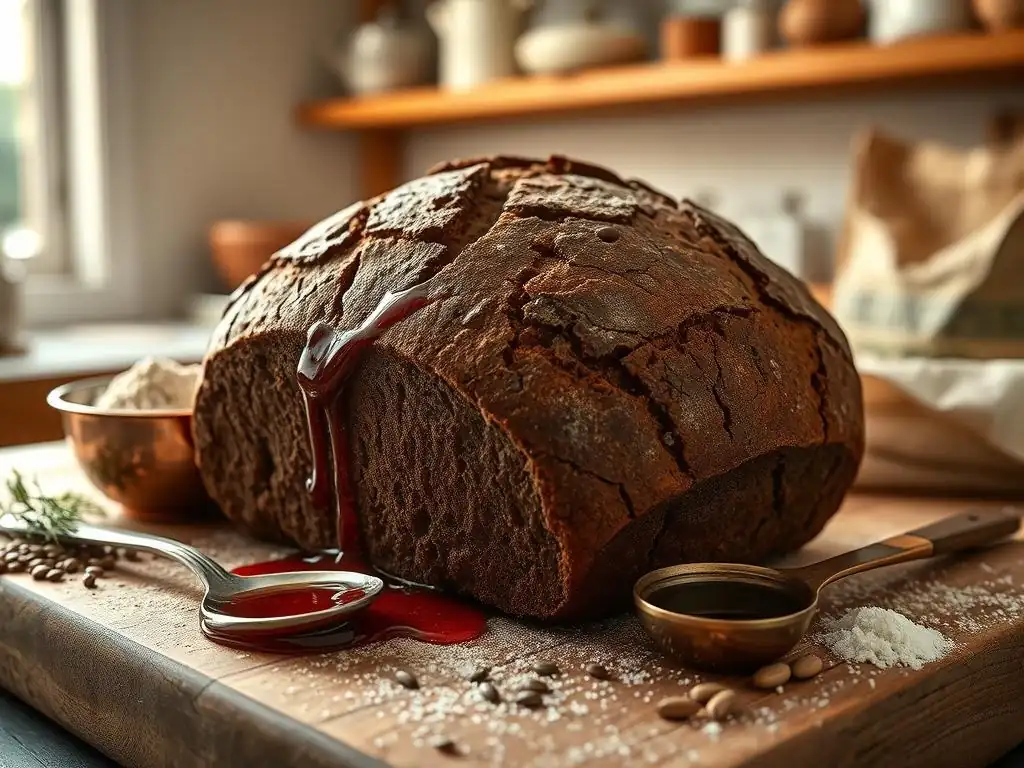
Welcome to BakeWithEase, your guide to unlocking the secrets of the oven! Ever wondered how to achieve that signature depth of flavor and beautiful crust in authentic rye bread? This article dives deep into the fascinating world of rye bread malt extract and syrup, revealing how these ingredients can transform your baking. Discover how to elevate your rye bread from ordinary to extraordinary, and learn the nuances of achieving that perfect, tangy loaf. Intrigued? Let's get baking!
- Baking Delicious Rye Bread with Malt Extract or Syrup: A Guide
- Introduction to Baking Rye Bread with Malt
- Understanding the Role of Malt in Rye Bread Recipes
- Choosing the Right Malt for Your Rye Bread
- Rye Bread Recipe: Using Malt Extract or Syrup
- Tips and Tricks for Baking Rye Bread with Malt
- Malt Extract vs. Malt Syrup: Which is Best for Your Rye Bread?
- Conclusion: Enjoy Your Homemade Rye Bread!
- Frequently Asked Questions
- Final Reflection: The Enduring Allure of Malt in Rye Bread
- Unleash Your Inner Baker: Craft the Perfect Rye Loaf!
Baking Delicious Rye Bread with Malt Extract or Syrup: A Guide
Introduction to Baking Rye Bread with Malt
Baking rye bread is a rewarding experience, producing loaves with deep, complex flavors and satisfying textures. While rye flour itself contributes unique characteristics, incorporating malt extract or syrup can elevate your rye bread to new heights. These ingredients, derived from malted barley, are traditional additions that play several crucial roles in the baking process and the final product.
Using malt in your rye bread recipe isn't just about tradition; it's a strategic choice for enhancing key aspects of the loaf. Malt provides fermentable sugars that yeast absolutely loves, which is particularly helpful when working with rye flour, known for its lower gluten content and different starch structure compared to wheat.
Beyond fermentation, malt contributes significantly to the bread's flavor profile, adding a subtle sweetness and depth that complements the characteristic tang of rye. Furthermore, malt aids in achieving a beautiful, rich crust color and helps retain moisture, resulting in a softer crumb and improved shelf life for your homemade rye bread.
Understanding the Role of Malt in Rye Bread Recipes
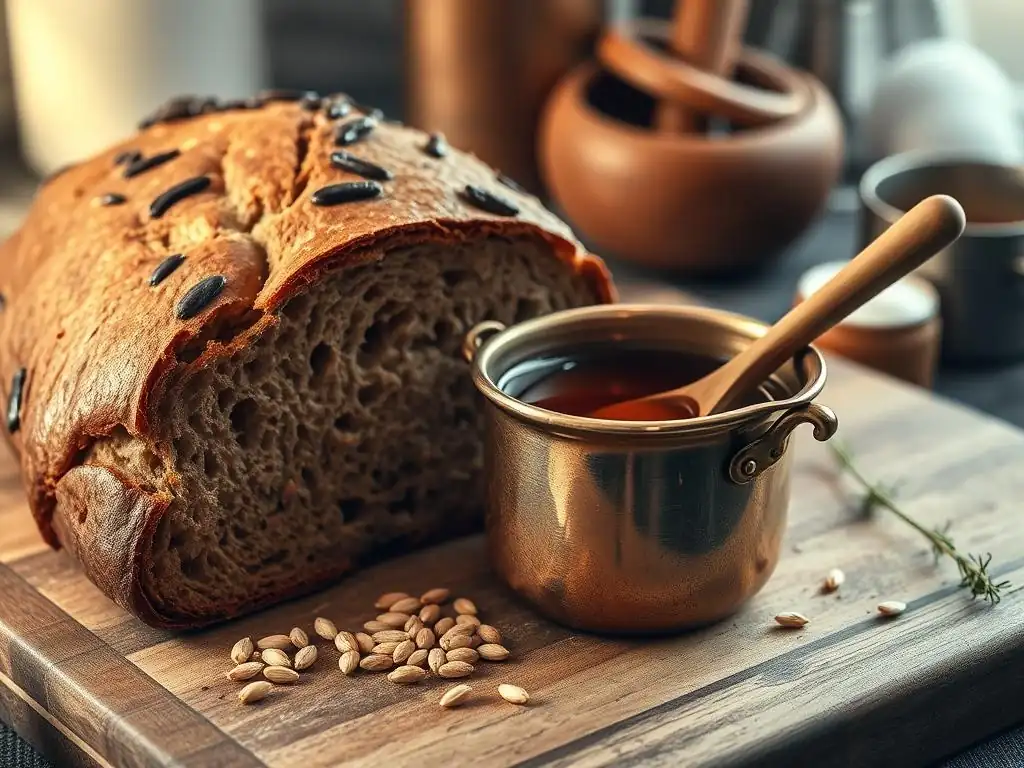
Malt, in its various forms, is a powerhouse ingredient in baking, especially for darker, heartier loaves like rye bread. Its properties directly influence fermentation, color development, flavor, and the overall texture of the crumb and crust. Understanding the specific roles of different types of malt will help you make informed decisions when crafting your perfect rye bread malt extract recipe.
What is Malt Extract and Malt Syrup?
Malt extract is a concentrated liquid or powder derived from malted barley. The malting process involves germinating barley grains, which activates natural enzymes (like amylase) that begin to break down starches into simpler sugars. This sprouted grain is then heated to stop germination and dried.
For extract, the malt is mashed with water, and the resulting liquid is reduced to a thick, sticky syrup or further dried into a powder. Liquid malt extract typically contains around 80% dissolved solids, primarily sugars, while the powder form is even more concentrated. It's valued for its fermentable sugars and its contribution to flavor and color without adding significant volume.
Malt syrup, often used interchangeably with liquid malt extract, is a thick, dark, and viscous syrup made from malted barley. It shares the same origin as malt extract but is often less refined or processed differently, resulting in a more robust, sometimes molasses-like flavor, particularly in darker varieties. The primary components are still fermentable sugars (maltose being dominant) and non-fermentable dextrins. It's a traditional sweetener in many European dark bread recipes, including classic rye bread. Its rich color also contributes significantly to the final hue of the loaf's crust and crumb.
The key differences between malt extract and malt syrup for baking lie mainly in their consistency, flavor intensity, and sometimes, enzymatic activity (though this is more relevant when comparing diastatic vs. non-diastatic forms). Liquid malt extract can vary in color and flavor depending on the base malt used, ranging from light and mildly sweet to dark and intensely flavored.
Malt syrup tends to be darker and possess a more pronounced, sometimes slightly bitter or roasted flavor profile compared to lighter malt extracts. While both provide fermentable sugars and contribute to color and flavor, the specific type chosen will subtly influence the final character of your rye bread, making the selection process important for achieving your desired result.
Benefits of Using Malt in Rye Bread Baking
One of the primary benefits of incorporating malt into your rye bread is the enhancement of its flavor profile. Malt adds a subtle, complex sweetness that beautifully balances the characteristic tang or sourness often associated with rye flour, especially in sourdough rye bread. This sweetness comes from the maltose and other sugars present, which are less intensely sweet than sucrose but contribute a richer, more rounded flavor.
Additionally, the malt itself contains compounds that contribute to the overall aroma and depth, creating a more appealing and traditional rye bread flavor. For example, adding just 1-2% malt syrup based on flour weight can transform a plain rye loaf into one with noticeably richer, more nuanced notes that linger on the palate.
Malt also plays a crucial role in improving the crust color of rye bread. The sugars in malt, particularly maltose, readily participate in the Maillard reaction and caramelization during baking. These chemical processes are responsible for the desirable brown pigments, giving the crust a rich, appealing hue ranging from golden-brown to deep reddish-brown, depending on the type and amount of malt used and the baking temperature.
Without sufficient reducing sugars from malt or other sources, a rye bread crust might appear pale and less inviting. This color development isn't just aesthetic; it also contributes to the depth of flavor in the crust itself.
Furthermore, malt is a significant aid in promoting healthy fermentation, which is vital for achieving a good rise and texture in rye bread. Rye flour contains less gluten than wheat flour, making it harder to achieve a light, airy loaf. The fermentable sugars provided by malt give the yeast a readily available food source, ensuring vigorous activity and gas production, even when working with challenging rye doughs.
This is particularly important in recipes with limited added sugar. A consistent and active fermentation leads to a better rise and a more open crumb structure than would otherwise be possible with pure rye or high-percentage rye doughs.
Finally, using malt contributes to achieving the perfect rye bread texture and helps extend its shelf life. The dextrins and certain sugars in malt have hygroscopic properties, meaning they attract and retain moisture. This helps keep the crumb softer and more pliable for a longer period, combating the tendency of high-rye breads to dry out quickly.
A well-developed crumb, supported by good fermentation thanks to the malt, also contributes to a pleasant chewiness. Studies on bread staling have shown that ingredients like malt that retain moisture can prolong freshness, potentially adding an extra day or two of optimal quality to your homemade rye bread.
Choosing the Right Malt for Your Rye Bread
Selecting the appropriate type of malt extract or syrup is crucial for achieving the desired characteristics in your rye bread. Different malts offer varying levels of enzymatic activity, sweetness, and color, each impacting the final loaf in distinct ways. Understanding these differences will empower you to choose the best malt for your specific rye bread recipe and baking goals.
Types of Malt Extract for Rye Bread: Diastatic vs. Non-Diastatic
Diastatic malt extract contains active enzymes, primarily amylase, which are capable of breaking down starches in the flour into fermentable sugars (like maltose). This provides an additional food source for the yeast throughout the fermentation process, leading to increased gas production and a stronger rise, especially in doughs made with flours that might be low in natural sugars or enzymatic activity.
However, these enzymes are powerful; using too much diastatic malt (typically more than 0.5-1% of the total flour weight) can lead to excessive sugar production, resulting in a gummy crumb, overly dark crust, and potentially a sticky dough that is difficult to handle. It's a tool best used sparingly and precisely when you need an enzymatic boost.
Non-diastatic malt extract, on the other hand, has been heated to a temperature that deactivates the enzymes. It is primarily used for its flavor, color, and non-fermentable sugars (dextrins). While it still provides some fermentable sugars, its main contribution isn't enzymatic conversion.
This type of malt is ideal when you want to add the characteristic malt flavor and promote crust browning without significantly altering the dough's fermentation rate or risking enzymatic degradation of the starch structure. It's a safer choice for general use in rye bread recipes if you're unsure about the enzymatic needs of your flour or if you simply want the flavor and color benefits without the enzymatic power.
When to use diastatic vs. non-diastatic malt in rye bread depends entirely on your flour and desired outcome. If you are using a flour blend that you suspect is low in enzymatic activity or are aiming for a very strong rise in a challenging high-rye dough, a small amount of diastatic malt (e.g., 0.5% of flour weight) can be beneficial.
However, for most standard rye bread recipes using a mix of rye and wheat flour, or if you are already using a preferment like a poolish or sourdough starter which provides some enzymatic activity, non-diastatic malt is often the preferred choice. It reliably adds that signature malt flavor and beautiful reddish-brown crust color without the risk of over-activity and resulting crumb issues.
Selecting the Best Malt Syrup for Rye Bread
Dark malt syrup is produced from darker roasted malts, giving it a deep color and a strong, often molasses-like or slightly bitter flavor profile. This intensity makes it an excellent choice for baking dark, hearty rye breads, especially those with a high percentage of rye flour or traditional German and Russian-style loaves.
The robust flavor stands up well to the strong taste of dark rye flour and other common additions like caraway seeds. Its deep color also significantly contributes to the rich brown hue expected in these types of rye bread, enhancing the visual appeal of a pumpernickel or traditional dark rye.
Light malt syrup is made from lighter malts and has a milder, sweeter flavor compared to its dark counterpart. It's suitable for lighter rye breads, such as those made with a higher proportion of wheat flour or light rye flour, where a less dominant malt flavor is desired. While it still contributes sweetness and aids in crust color, the effect is more subtle.
This allows the nuances of the lighter rye flour and other ingredients to shine through. If you're new to using malt or prefer a less intense malt flavor in your rye bread, starting with a light malt syrup might be a good option.
Considering the intensity of malt flavor is key when selecting and deciding on the amount of malt syrup for your rye bread. Malt syrup, particularly dark varieties, can have a pronounced flavor. It's generally recommended to start with a relatively small amount, perhaps 1-3% of the total flour weight, and adjust in subsequent bakes based on your preference.
For a very dark, intensely flavored rye bread, you might go slightly higher, but be mindful that too much can overpower the other flavors in the bread. Tasting a small amount of the syrup on its own can give you an idea of its intensity before adding it to your dough.
Rye Bread Recipe: Using Malt Extract or Syrup
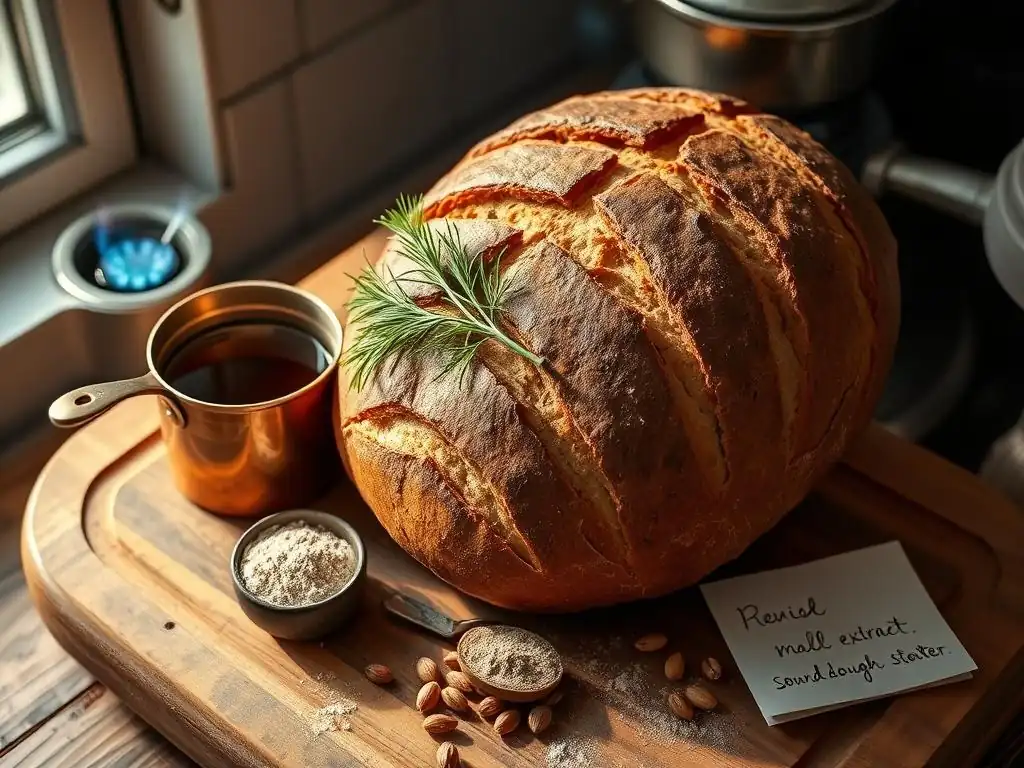
Creating a delicious rye bread with malt extract or syrup involves combining quality ingredients and following proven baking techniques. The addition of malt integrates seamlessly into a standard bread-making process, enhancing flavor, color, and texture from start to finish. This section outlines a basic structure for a rye bread recipe incorporating malt.
Signature Rye Bread Recipe
Here's a general outline of ingredients you might find in a rye bread recipe using malt:
- Rye flour (light, medium, or dark)
- Bread flour (or strong all-purpose flour)
- Water (lukewarm)
- Salt
- Active dry yeast or instant yeast (or sourdough starter)
- Malt extract (liquid or powder, diastatic or non-diastatic) or Malt syrup (light or dark)
- Optional additions: Caraway seeds, fennel seeds, coriander seeds, sunflower seeds, molasses (in addition to malt for extra dark color/flavor).
Essential equipment for baking rye bread includes:
- Large mixing bowl
- Measuring cups and spoons
- Kitchen scale (highly recommended for accurate measurements)
- Dough scraper
- Loaf pan (standard 9x5 inch or similar) or baking sheet
- Cooling rack
- Oven
Step-by-Step Instructions for Perfect Rye Bread
- Preparing the Dough with Malt Extract/Syrup:
- Dissolve the yeast in lukewarm water (if using active dry).
- In your mixing bowl, combine the rye flour, bread flour, salt, and optional seeds.
- Add the dissolved yeast mixture (or sourdough starter) and the malt extract or syrup. If using liquid malt extract or syrup, you can dissolve it in the water first or add it directly to the dry ingredients along with the wet. If using powdered malt extract, whisk it into the dry ingredients.
- Mix until a shaggy dough forms. Knead the dough, either by hand or using a stand mixer with a dough hook, until it is relatively smooth and elastic. Rye dough will be stickier and less elastic than pure wheat dough.
- Note: The malt sugars immediately become available to the yeast, initiating fermentation and contributing to dough hydration.
- First Fermentation (Bulk Fermentation):
- Place the kneaded dough in a lightly oiled bowl, turning to coat.
- Cover the bowl with plastic wrap or a damp cloth.
- Let the dough rise in a warm place until it has increased significantly in volume, typically by about 50-75%. The exact time will vary based on room temperature and yeast activity.
- The malt extract or syrup provides readily available sugars during this crucial phase, supporting vigorous yeast activity and gas production, which is particularly beneficial for the less glutenous rye dough.
- Shaping the Rye Bread Loaf:
- Gently turn the dough out onto a lightly floured surface.
- Degas the dough gently by pressing down to release some of the built-up gas.
- Shape the dough into a loaf that fits your prepared loaf pan or is suitable for baking on a baking sheet. You can use techniques like folding the edges under to create tension on the surface.
- Proper shaping helps the loaf hold its structure during the second rise and baking.
- Second Fermentation (Proofing):
- Place the shaped loaf in the greased loaf pan or on a baking sheet lined with parchment paper.
- Cover the loaf loosely with plastic wrap or a light cloth.
- Let the loaf rise again until it is visibly puffy and has increased in size, but be careful not to over-proof. This usually takes less time than the first rise. A good indicator is that the dough springs back slowly when gently poked.
- Malt continues to provide sugars for the yeast during proofing, contributing to the final volume of the loaf before it hits the oven.
- Baking the Rye Bread to Perfection:
- Preheat your oven to the specified temperature, often between 375°F and 425°F (190°C - 220°C), depending on the recipe.
- Score the top of the loaf with a sharp knife or lame just before baking. This helps control expansion and prevents the crust from cracking unpredictably.
- Bake the bread for the time specified in the recipe, typically 30-50 minutes, until the crust is deep golden brown (thanks in part to the malt!) and the internal temperature reaches around 195°F-210°F (90°C-99°C).
- The sugars from the malt actively participate in the Maillard reaction and caramelization during baking, producing the desirable brown crust color and contributing to crust flavor.
- Cooling and Slicing Your Homemade Rye Bread:
- Once baked, immediately remove the loaf from the pan (if using one) and place it on a wire cooling rack.
- Allow the bread to cool completely before slicing. Slicing warm rye bread can result in a gummy texture because the starches are still setting. This can take several hours, especially for dense loaves.
- Proper cooling allows the internal structure to stabilize and moisture to redistribute, leading to the best possible crumb texture. The moisture retention properties of malt help maintain a pleasant crumb during this cooling process.
Tips and Tricks for Baking Rye Bread with Malt
Baking with rye flour and incorporating malt can present unique challenges and opportunities. Mastering these techniques will help you achieve consistently delicious results. Understanding common pitfalls and ways to enhance your loaf will elevate your rye bread baking skills.
Troubleshooting Common Rye Bread Baking Problems
One frequent issue encountered when baking rye bread is a dense, heavy loaf. This can often be attributed to insufficient fermentation. Rye flour requires adequate time for fermentation to develop flavor and structure, and the addition of malt extract or syrup helps by providing ample fuel for the yeast.
Another cause can be using too high a percentage of rye flour without appropriate techniques like a preferment or scald, as rye has less gluten development than wheat. Lastly, not enough water can lead to a stiff dough that doesn't expand well; rye flour absorbs water differently than wheat, often requiring more hydration than you might expect. Ensuring proper hydration and allowing sufficient fermentation time, supported by malt, are key steps to a lighter crumb.
Another common characteristic, or sometimes a problem if unintended, is overly sour rye bread. While a pleasant tang is desirable, excessive sourness can result from over-fermentation, particularly when using a sourdough starter without careful management of fermentation time and temperature. If using commercial yeast, unintended sourness could point to bacterial activity during a very long, slow proof, or potentially off-flavors from old yeast. While malt supports yeast, it doesn't directly cause sourness; however, it fuels fermentation, so ensuring your fermentation isn't excessively long is important if you prefer a milder flavor profile.
Crust issues can also arise, such as a pale crust, a crust that is too thick or hard, or one that cracks irregularly. A pale crust might indicate insufficient baking time or temperature, or perhaps not enough reducing sugars (which is where malt extract or syrup excels!). To achieve a beautiful, reddish-brown crust, ensure adequate bake time and temperature, and make sure your malt addition is sufficient (typically 1-3% of flour weight).
A crust that is too hard can be a result of not enough steam during the initial baking phase, which keeps the crust pliable and allows for better oven spring. Irregular cracking often occurs when the loaf isn't adequately scored before baking, preventing controlled expansion.
Mastering the Art of Rye Bread Baking
Mastering rye bread baking involves experimentation, particularly with different types of rye flour. Rye flour comes in various grades: light, medium, and dark, depending on how much of the bran and germ are included. Light rye flour behaves more similarly to wheat flour, while dark rye flour, containing most of the bran and germ, has a very different texture and requires more water and often longer fermentation times.
Baking with malt extract or syrup is beneficial across all types, but the amount and type of malt might be adjusted; for instance, dark malt syrup pairs wonderfully with dark rye flour, while light malt extract might be preferred for a lighter rye loaf. Trying recipes with varying percentages of rye flour (e.g., 40% rye, 60% rye, 100% rye) will teach you how rye behaves and how malt supports each type.
Adding seeds and other flavors is a classic way to enhance rye bread and complements the flavor contributed by malt. Caraway seeds are perhaps the most traditional addition, providing a distinct aromatic note that marries perfectly with rye and malt flavors. Fennel and anise seeds offer similar, slightly different licorice-like notes.
Sunflower seeds, pumpkin seeds, or chopped walnuts add texture and nutty flavor. Incorporating these additions usually happens during the mixing stage or when shaping the loaf. For example, adding 1-2 tablespoons of caraway seeds per standard loaf adds a noticeable, pleasant aroma and taste that many associate with classic rye bread, especially when combined with the subtle sweetness from malt extract.
Storing your homemade rye bread properly is essential for maintaining its quality, especially since rye bread often improves in flavor a day after baking. Once completely cooled, the best way to store rye bread is wrapped tightly to prevent it from drying out. Plastic wrap, beeswax wraps, or a bread bin work well.
For longer storage, slicing the cooled loaf and freezing the slices in airtight bags or containers is very effective. Thawed slices can be toasted directly. The moisture-retaining properties of malt help the bread stay fresh longer at room temperature compared to a loaf made without it, potentially extending its optimal texture by 24-48 hours.
Malt Extract vs. Malt Syrup: Which is Best for Your Rye Bread?

Choosing between malt extract and malt syrup for your rye bread can depend on several factors, including the desired flavor intensity, ease of use, and availability. Both provide benefits like improved color and fermentation support, but their slight differences can influence your decision and the final outcome of your bake.
A Side-by-Side Comparison for Rye Bread Bakers
When comparing flavor profiles, malt extract is generally perceived as having a cleaner, more focused malt flavor, especially in its lighter forms. Darker malt extracts will have richer notes, but often without the slight bitterness or molasses-like undertones that can be present in some malt syrups.
Malt syrup, particularly dark varieties, tends to have a more pronounced and sometimes complex flavor, which can include notes of caramel, toffee, or even slight roastiness. This makes dark malt syrup a powerful flavoring agent, best suited for recipes where a strong malt presence is desired to complement the robust flavor of dark rye flour and ingredients like caraway seeds.
In terms of ease of use, malt extract powder is arguably the easiest to measure accurately and incorporate into dry ingredients. Liquid malt extract and malt syrup are both thick and sticky, which can make measuring them precisely a bit challenging; they tend to cling to spoons and measuring cups. Using a lightly oiled spoon or measuring by weight can help. However, liquid forms blend into the dough more readily than powder. Many bakers find working with the sticky nature of liquid malt extract or syrup a minor inconvenience compared to the benefits they provide in rye bread.
Availability and cost are also factors to consider. Both malt extract and malt syrup are generally available at specialty baking supply stores, online retailers, and sometimes in the baking aisle of well-stocked supermarkets or health food stores. Non-diastatic liquid malt extract is arguably the most common form found in general baking sections.
Malt syrup might be found alongside other syrups like molasses or corn syrup. Cost can vary, but malt syrup may sometimes be slightly more expensive per ounce than liquid malt extract, though prices are often comparable, especially when purchased in larger quantities. Diastatic malt extract, being more specialized, might require sourcing from a dedicated baking supplier.
Making the Right Choice for Your Baking Style
Making the right choice for your baking style ultimately comes down to several factors. Consider the desired flavor intensity: if you want a subtle hint of malt sweetness and richness, a light malt extract or a smaller amount of dark malt might suffice. For a deep, traditional rye bread flavor with pronounced malt notes, dark malt syrup is likely your best bet. Ease of handling is another factor; if you prefer the simplest method, powdered malt extract is less messy, though liquid forms are traditional and incorporate smoothly once measured.
Also, think about the specific rye bread you are baking. For a light Jewish rye bread with a subtle sweetness, a light malt extract might be perfect. For a dense, dark German pumpernickel, the robust flavor and color contribution of dark malt syrup would be more appropriate.
Cost might play a minor role, but the quantities used in a typical loaf are small enough that the price difference between options is usually negligible compared to the overall cost of ingredients. Experimentation is key; try baking the same recipe once with malt extract and once with malt syrup to see which result you prefer.
Conclusion: Enjoy Your Homemade Rye Bread!
Incorporating malt extract or syrup into your rye bread baking is a time-honored technique that yields truly exceptional results. We've explored how these ingredients contribute significantly to flavor, adding a subtle sweetness and depth that complements the unique taste of rye flour.
We've also seen how malt enhances crust color, promoting beautiful browning through the Maillard reaction, and improves the final texture by aiding fermentation and retaining moisture for a softer crumb and better shelf life. The choice between malt extract and malt syrup, or between diastatic and non-diastatic forms, offers flexibility to tailor your bake to your specific preferences and the type of rye bread you aim to create.
Now that you understand the power of rye bread malt extract and syrup, we encourage you to experiment! Try adding malt to your favorite rye bread recipe, or use it as a starting point for developing your own signature loaf. Play with different types of rye flour, adjust the amount of malt based on how pronounced you want the flavor to be, and perhaps add traditional seeds like caraway. Each bake is an opportunity to refine your technique and discover new depths of flavor in your homemade rye bread. Happy baking!
Frequently Asked Questions
How does malt extract or syrup affect rye bread?
Malt extract or syrup adds sweetness and color to rye bread. It also contributes to the fermentation process by providing sugars for the yeast to consume, enhancing flavor development.
Can I substitute malt extract with something else in a rye bread recipe?
Yes, you can substitute it with molasses, honey, or brown sugar, but be aware that this will alter the flavor profile. The darker the substitute, the closer it will be to the original flavor.
What type of malt extract is best for baking rye bread?
Diastatic malt extract is best if you want to add enzyme activity to the dough, improving fermentation. However, non-diastatic malt extract is more commonly used for flavor and color in rye bread.
Where can I purchase malt extract or syrup for baking?
Malt extract or syrup can be found at most specialty baking stores, health food stores, or online retailers. You might also check your local brewing supply store.
How much malt extract should I use in my rye bread recipe?
Generally, a good starting point is 1-2 tablespoons per loaf of rye bread. Adjust this amount to your personal preference regarding sweetness and color.
Final Reflection: The Enduring Allure of Malt in Rye Bread
The subtle complexities of rye bread, elevated by the addition of malt extract or syrup, resonate deeply with both bakers and bread lovers today. This isn't just about achieving a richer flavor; it's about connecting with a tradition of baking that spans centuries, a tradition that continues to evolve and inspire. The nuanced sweetness and enhanced texture provided by malt are more than just culinary enhancements; they represent a commitment to quality and craftsmanship in a world increasingly dominated by mass-produced goods.
The impact of malt on the sensory experience of rye bread is undeniable. It's a subtle yet powerful shift, transforming a hearty loaf into something truly special. The depth of flavor it imparts speaks to a deeper appreciation for the ingredients and the process. As the renowned baker, Lionel Poilane, once said, Bread is the staff of life, but it is also a work of art.
Malt, in its various forms, allows us to elevate that artistry, to create a bread that is not only nourishing but also deeply satisfying.
Now, consider your own baking journey. Have you experimented with different types of malt? What nuances have you discovered? Perhaps this exploration has inspired you to try a new recipe, to experiment with different flours, or even to delve deeper into the history of bread making. I encourage you to embrace the possibilities, to explore the subtle magic of malt in your own baking, and to share your creations with others. The journey of baking, like the taste of a perfectly crafted rye loaf, is a rewarding experience that deserves to be savored.
Unleash Your Inner Baker: Craft the Perfect Rye Loaf!
Thanks for taking the time to explore the world of rye bread baking with us! We hope you gained valuable insights into using malt extract or syrup for that rich, complex flavor. Ready to put your new knowledge into practice?
- Bake your dream rye loaf today! Experiment with different malt types and share your results. Let the aroma of freshly baked bread fill your kitchen!
- Share your baking journey with other enthusiasts on our social media channels – let's build a community of rye bread lovers!
- Consider trying a different variation of rye bread—perhaps a seeded rye or a caraway rye—to expand your baking repertoire.
What unique twist will you add to your next rye bread creation? Let’s hear about it in the comments below!