
GlutenFree International Breads: Delicious Alternatives for Global Favorites

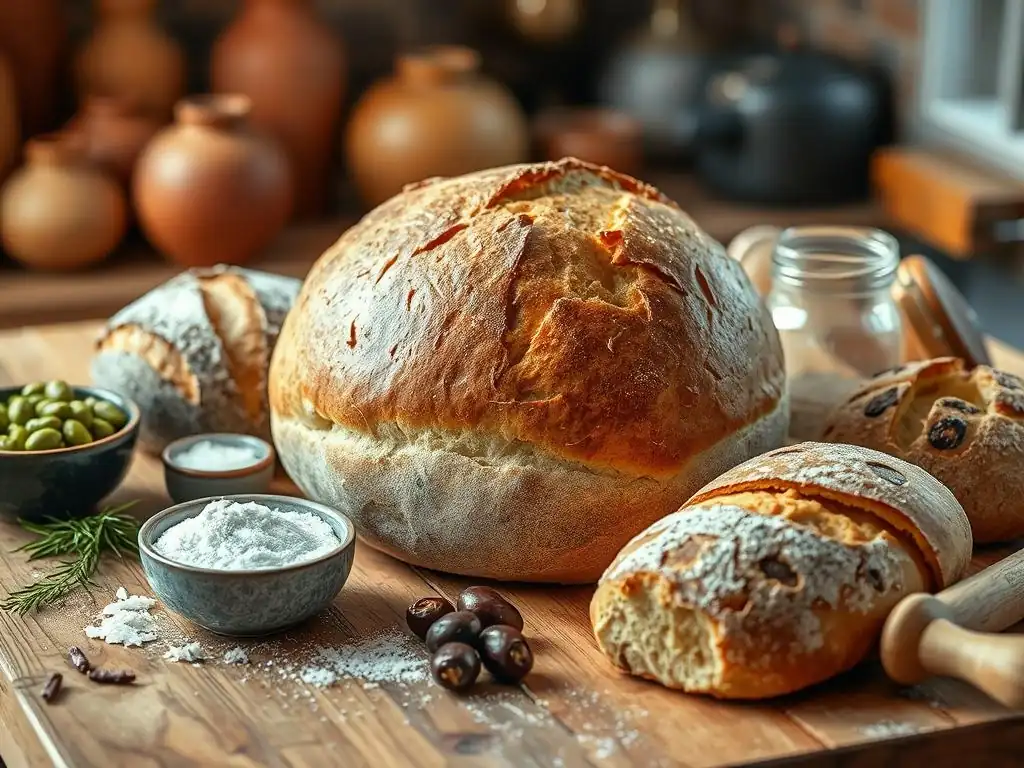
Welcome to BakeWithEase, your trusted companion in the kitchen!
Are you ready to unlock the secrets of baking delicious, gluten-free sourdough bread? Embark on a culinary journey to explore international bread-making traditions, reimagined for the gluten-free baker. Discover how to create authentic flavors and textures without compromise. What ancient grains will you uncover? Read on to find out!
- Mastering Gluten-Free Bread: An International Perspective
- Understanding Gluten-Free Baking for Diverse Bread Styles
- Gluten-Free Sourdough Bread: A Global Exploration
- Gluten-Free Italian Breads: Pizza Crust and Rosemary Bread
- Gluten-Free French Breads: Pain de Campagne and Brioche
- Gluten-Free Irish Bread: Brown Bread
- Gluten-Free Indian Bread: Dosa and Uttapam
- Gluten-Free Ethiopian Bread: Injera
- Tips for Successfully Baking Gluten-Free International Breads
- Sourcing Gluten-Free Baking Ingredients
- Innovations in Gluten-Free International Bread Baking
-
Frequently Asked Questions
- What makes a gluten-free sourdough bread recipe different from a regular sourdough recipe?
- Where can I find easy-to-find ingredients for gluten-free sourdough bread recipes?
- Can I adapt my existing sourdough starter to be gluten-free?
- What kind of textures can I expect from gluten-free sourdough bread compared to traditional sourdough?
- Are there any global bread recipes that can be easily adapted to be gluten-free sourdough?
- Final Reflection: A World of Gluten-Free Sourdough Awaits
- Unleash Your Inner Baker: Gluten-Free Global Flavors Await!
Mastering Gluten-Free Bread: An International Perspective
Embarking on the journey of gluten-free baking opens a world of possibilities, allowing individuals with sensitivities or celiac disease to enjoy beloved bread styles from across the globe. Unlike traditional wheat-based baking, where gluten provides structure and elasticity, gluten-free baking requires a different approach, relying on alternative flours and binders to achieve desirable textures and flavors. This exploration isn't just about substituting ingredients; it's about understanding the unique properties of gluten-free flours and how they interact to mimic the characteristics we expect in bread, whether it's the chewy crust of a pizza or the soft crumb of a brioche.
Adapting international bread recipes to be gluten-free presents exciting challenges and rewarding successes. Each region's bread has distinct qualities shaped by local ingredients, techniques, and cultural traditions. For instance, replicating the open crumb of a European country loaf or the tender chewiness of Indian flatbreads without gluten demands careful experimentation and a deep appreciation for the original recipe's essence. This guide will delve into the specifics of transforming popular global breads into delicious gluten-free versions, providing insights into the science and art behind these adaptations, including mastering gluten-free sourdough bread recipes.
Understanding Gluten-Free Baking for Diverse Bread Styles
Gluten-free baking is fundamentally different from traditional baking due to the absence of gluten, the protein network that gives wheat dough its structure, elasticity, and ability to trap gases produced by yeast. Without gluten, doughs tend to be less cohesive, sticky, and don't rise in the same way. This necessitates the use of a variety of gluten-free flours, each contributing different properties like structure, flavor, and moisture absorption, along with binders to help hold everything together and create a semblance of that missing structure.
The diversity of international bread styles, from dense rye breads to airy baguettes and moist quick breads, highlights the complexity of gluten-free adaptation. A blend that works perfectly for a rustic Italian loaf might fail completely for a delicate French brioche. Understanding the specific structural needs of each bread type is crucial for selecting the right combination of flours and binders, ensuring that the gluten-free version honors the spirit and texture of the original while being safe for those with gluten sensitivities.
The Unique Challenges of Gluten-Free Dough in Different Breads
Working with gluten-free dough presents specific hurdles, primarily related to structure, texture, and handling. Unlike wheat dough, which develops elasticity through kneading, gluten-free doughs often rely on chemical leaveners, steam, or alternative starters (like in gluten-free sourdough bread recipes) combined with binders to achieve lift and structure. The dough can be sticky or crumbly, lacking the smooth, pliable quality of wheat dough, which makes traditional shaping techniques difficult or impossible for many recipes.
Furthermore, achieving the desired crust and crumb texture is a significant challenge. Wheat bread develops a characteristic chewy crust and an open, airy crumb due to the gluten network trapping gases. Gluten-free flours, lacking this network, can result in dense, heavy loaves or ones that crumble easily. Successful gluten-free bread baking requires careful attention to hydration levels, baking temperatures, and the use of steam to promote crust development and prevent the loaf from drying out prematurely during baking.
Optimal Gluten-Free Flour Blends for Various Bread Types
Selecting the right blend of gluten-free flours is paramount to mimicking the characteristics of different international breads. A common approach involves combining a starchy flour (like tapioca starch, potato starch, or cornstarch) for lightness and tenderness with wholegrain flours (such as brown rice flour, sorghum flour, or millet flour) for structure, flavor, and nutritional value. Some blends might also include nut flours (like almond flour) or seed flours (like flaxseed meal) for added moisture and richness.
For a rustic, hearty loaf like a German Pumpernickel adaptation, a blend heavier in sorghum, buckwheat, or brown rice flour might be used, perhaps with some psyllium husk for chewiness. For a lighter, more tender bread like a gluten-free challah or brioche, a blend with a higher proportion of white rice flour or a commercially prepared gluten-free bread blend, combined with tapioca starch for elasticity and xantham gum or psyllium for binding, would be more appropriate.
Experimentation is key, but a good starting point often involves a mix of approximately 40-60% whole grain flours to 40-60% starches, adjusted based on the desired final texture.
Binders for Gluten-Free Bread: Xanthan Gum, Psyllium Husk, and More
Binders are essential in gluten-free bread making as they help to create a structure similar to the gluten network. They absorb liquid and become gel-like, holding the flour particles together and trapping the gases produced during leavening, which allows the bread to rise and maintain its shape. The most common binders are xanthan gum and psyllium husk (or psyllium husk powder).
Xanthan gum is a polysaccharide produced by fermentation and is effective at providing elasticity and preventing crumbling. Typically, a small amount, often between half a teaspoon and two teaspoons per cup of gluten-free flour blend, is sufficient, though the exact amount varies depending on the recipe and the blend used.
Psyllium husk, derived from the seeds of the Plantago ovata plant, absorbs a significant amount of water and provides structure and a slightly chewy texture, which can be particularly helpful in replicating rustic bread textures or in gluten-free sourdough bread recipes. Other binders include guar gum (similar to xanthan gum but can cause digestive upset in some individuals) and ground flaxseed or chia seeds, which form a gel when mixed with liquid and add fiber and nutrients.
Gluten-Free Sourdough Bread: A Global Exploration
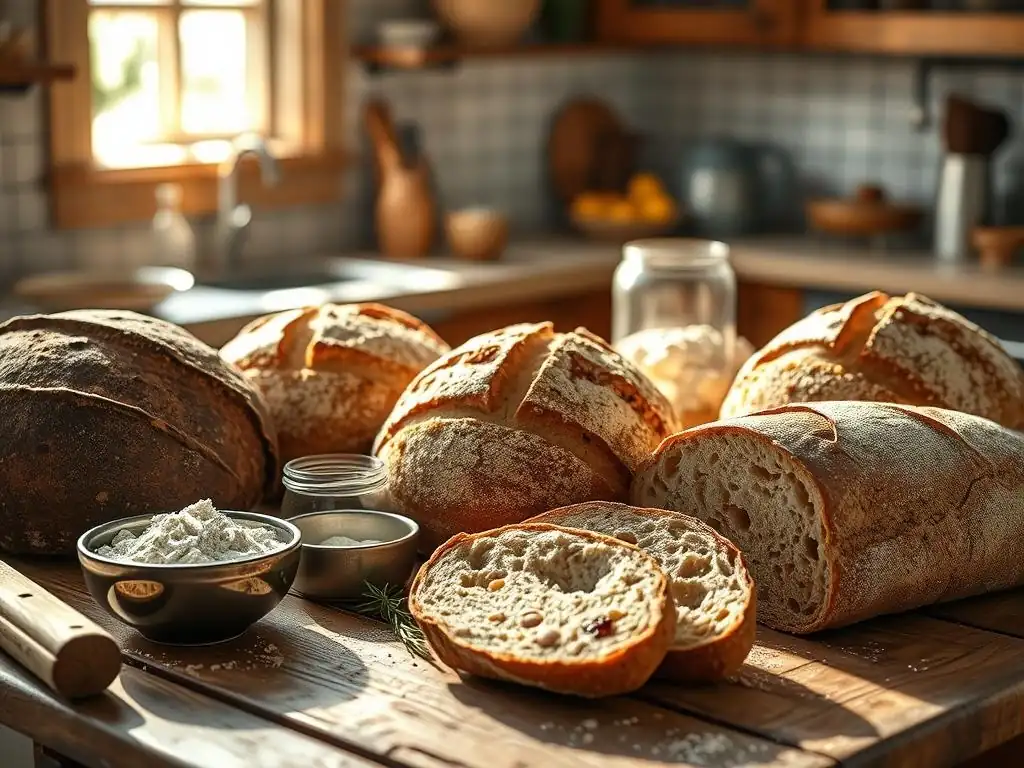
Mastering gluten-free sourdough bread recipes is often considered a pinnacle of gluten-free baking. The process involves cultivating a 'starter,' a fermented culture of wild yeasts and bacteria, which provides both leavening and a complex, tangy flavor profile. Adapting this ancient technique to be gluten-free requires patience and a deep understanding of how different gluten-free flours ferment and how the starter interacts with the dough. The unique challenges lie in maintaining a healthy, active starter on gluten-free flours and achieving the characteristic open crumb and tangy flavor associated with traditional sourdough.
The appeal of gluten-free sourdough bread recipes lies in their potential for superior flavor and digestibility compared to commercially yeasted gluten-free breads. The long fermentation process breaks down starches and proteins, making the bread easier to digest for many people. Furthermore, the natural acids produced during fermentation inhibit mold growth, giving the bread a longer shelf life. Exploring gluten-free sourdough bread recipes allows bakers to recreate beloved regional sourdough styles, from the dense Pumpernickel of Germany to the crusty Pain de Campagne of France, all while keeping them gluten-free.
Creating a Gluten-Free Sourdough Starter: Flavor Development
A gluten-free sourdough starter is the heart of any gluten-free sourdough bread recipe. It's typically created by mixing a gluten-free flour blend (often brown rice flour, sorghum flour, or a mix) with water and allowing it to ferment at room temperature, feeding it regularly with fresh flour and water. The wild yeasts and bacteria present in the environment and on the flour colonize the mixture, producing carbon dioxide (for rise) and organic acids (for flavor).
Developing a robust and flavorful gluten-free starter takes time, usually one to two weeks, sometimes longer. The flavor profile evolves over time, becoming tangier and more complex as the microbial community matures. Factors like the type of flour blend used, the hydration level (the ratio of water to flour), the feeding schedule, and the ambient temperature all influence the starter's activity and flavor. Many successful gluten-free sourdough bread recipes begin with a starter maintained at 100% hydration, meaning equal weights of flour and water, fed regularly to keep it active and ready for baking.
Adapting Global Bread Recipes for Gluten-Free Sourdough
Adapting traditional global bread recipes to use a gluten-free sourdough starter requires more than just swapping flours. The hydration levels, fermentation times, and baking methods often need significant adjustments. For instance, a traditional Italian loaf recipe relying on strong wheat flour and a stiff starter will need a different approach when using a gluten-free blend and a more liquid starter.
The key is understanding the function of the starter in the original recipe and finding gluten-free equivalents. For gluten-free sourdough bread recipes, this means adjusting the amount of starter used, the bulk fermentation time, and the proofing period to account for the slower or different rise provided by the gluten-free starter.
Often, a combination of a gluten-free starter and a small amount of commercial yeast is used initially to ensure a reliable rise while the baker gets accustomed to working with gluten-free sourdough. Techniques like 'stretch and folds' which are common in wheat sourdough, are often replaced with simpler mixing or 'fold over' methods in gluten-free doughs due to their stickier nature.
Gluten-Free Italian Breads: Pizza Crust and Rosemary Bread
Italian bread is celebrated for its rustic charm and bold flavors, from the chewy crust of a Neapolitan pizza to the aromatic richness of rosemary bread. Adapting these classics to be gluten-free focuses on replicating their distinctive textures and ensuring the flavors remain authentic. Gluten-free pizza crusts, for example, need to be sturdy enough to hold toppings yet achieve that desirable crispy-chewy balance. Rosemary bread requires a tender crumb infused with the herb's fragrant essence.
Successfully creating gluten-free Italian breads involves selecting flours that can handle relatively high hydration, a characteristic of many Italian doughs, and employing techniques that promote crust development. Using a hot oven and potentially a pizza stone or baking steel is crucial for achieving a crispy crust on gluten-free pizza. For rosemary bread, incorporating finely chopped fresh rosemary directly into the dough ensures maximum flavor infusion.
Gluten-Free Pizza Crust: Achieving Crispy Perfection
Achieving a crispy yet slightly chewy gluten-free pizza crust is a common goal for home bakers. The challenge lies in creating a dough that can be rolled or shaped thinly without tearing and that doesn't become hard or cracker-like when baked. Many gluten-free pizza dough recipes use a blend of starches (like tapioca or potato) with wholegrain flours (such as brown rice or sorghum) to provide structure and a pleasant texture.
A crucial step is often pre-baking the crust before adding toppings. Baking the naked crust for 5-10 minutes at a high temperature (around 450-500°F or 230-260°C) allows it to set and firm up, preventing a soggy bottom once the sauce and cheese are added. Some recipes also incorporate a small amount of sugar or honey to aid in browning and achieving a crispier edge. Using a pizza stone or baking steel, preheated in the oven, transfers heat efficiently to the base of the crust, promoting a faster, crispier bake.
Gluten-Free Rosemary Bread: Aromatic and Flavorful
Gluten-free rosemary bread aims to capture the fragrant aroma and tender crumb of its traditional counterpart. This bread is often characterized by its moist interior and a crust that's rustic but not overly hard. A successful gluten-free version relies on a flour blend that retains moisture well and a binder that provides sufficient structure without making the bread tough.
Incorporating fresh, finely chopped rosemary into the dough is essential for flavor. Some recipes suggest blooming the rosemary in olive oil briefly before adding it to the dough to enhance its aroma. Using a blend with a good proportion of brown rice flour, sorghum flour, and tapioca starch often works well.
Adding a touch of olive oil to the dough itself also contributes to moisture and flavor, characteristic of Mediterranean breads. Baking in a moderately hot oven (around 375-400°F or 190-200°C) for 30-40 minutes, depending on the size of the loaf, helps achieve a golden crust and a fully baked interior.
Gluten-Free French Breads: Pain de Campagne and Brioche
French bread is renowned for its technicality and exquisite results, from the rustic simplicity of Pain de Campagne to the rich indulgence of brioche. Adapting these diverse styles to be gluten-free requires tackling very different structural challenges. Pain de Campagne, a country loaf, relies on a strong gluten network and often a sourdough starter for its open crumb and chewy crust. Brioche, a highly enriched bread with eggs, butter, and milk, needs a delicate balance to achieve its characteristic tender, airy texture without the support of gluten.
Replicating these French classics in a gluten-free format demands careful selection of flour blends and binders, precise hydration, and often modified techniques to compensate for the lack of gluten development. Achieving the open crumb of a Pain de Campagne or the light richness of a brioche without gluten pushes the boundaries of gluten-free baking techniques, sometimes requiring specialized ingredients or methods.
Gluten-Free Pain de Campagne: A Rustic Country Loaf
Authentic Pain de Campagne is a large, round loaf with a thick, chewy crust and an open, irregular crumb, often made with a blend of wheat and rye flours and a sourdough starter. Creating a gluten-free version that captures these qualities is challenging. The open crumb, in particular, is difficult to achieve without the gluten network's ability to trap large gas bubbles.
Gluten-free Pain de Campagne recipes often utilize a blend of robust whole grain gluten-free flours like brown rice, sorghum, and buckwheat, combined with starches and a significant amount of psyllium husk to provide structure and chewiness. Using a gluten-free sourdough starter is crucial for both leavening and developing the characteristic tangy flavor. Baking the loaf in a Dutch oven or with steam in the oven helps create a thick, crisp crust, mimicking the traditional bake. While the crumb may not be as dramatically open as its wheat counterpart, careful hydration and proofing can yield a satisfyingly rustic texture.
Gluten-Free Brioche: Rich and Buttery
Traditional brioche is a rich, soft, and airy bread made with a high proportion of butter and eggs. Its tender texture comes from the fat interfering with gluten development, resulting in a delicate crumb. While this might seem easier to replicate in a gluten-free form since gluten development is already limited by the fat, achieving the characteristic lightness and richness requires a carefully balanced gluten-free flour blend and binder system.
Gluten-free brioche recipes typically use a blend of finer gluten-free flours like white rice flour, tapioca starch, and sometimes a bit of almond flour for richness. Xanthan gum is often the preferred binder due to its ability to create a smooth, cohesive dough that incorporates the high amount of fat and eggs.
Unlike traditional brioche dough which is kneaded extensively, gluten-free brioche dough is often mixed until just combined. The high fat content helps keep the bread moist and tender, while proper leavening (often commercial yeast, though gluten-free sourdough bread recipes for brioche exist) and careful baking at a moderate temperature ensure a light, airy result with a beautiful golden crust.
Gluten-Free Irish Bread: Brown Bread
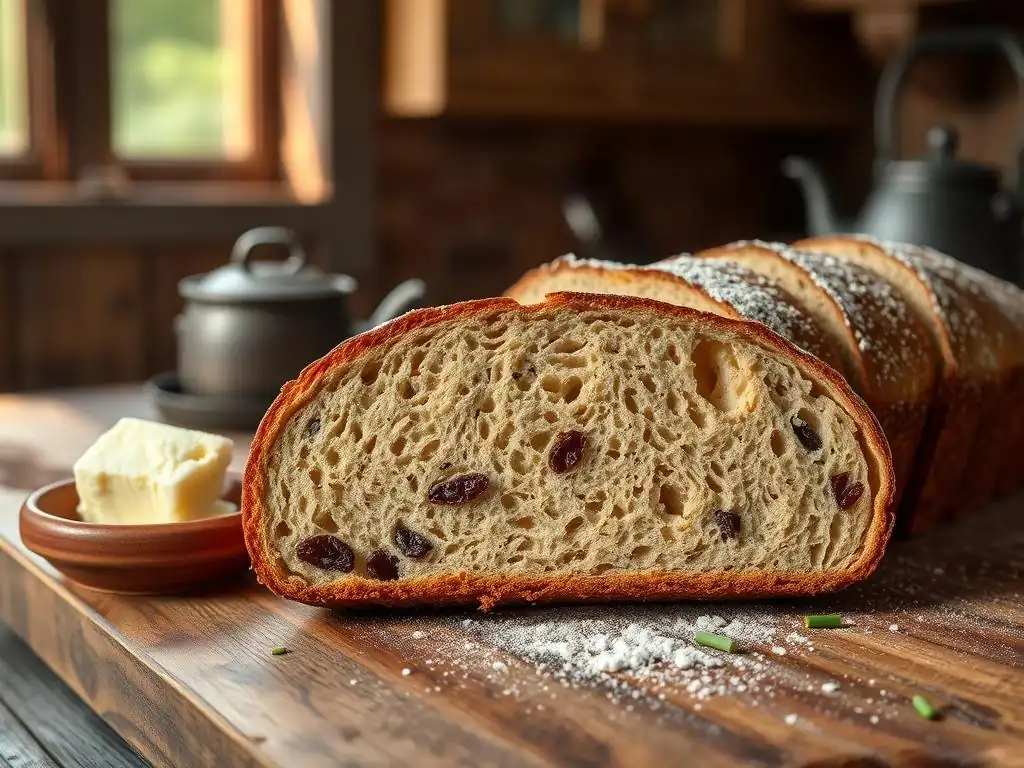
Traditional Irish Brown Bread is a quick bread, meaning it's leavened with baking soda rather than yeast, resulting in a dense, moist loaf with a coarse crumb and a slightly tangy flavor from buttermilk. Its simplicity and hearty texture make it a comforting staple. Adapting this bread to be gluten-free is relatively straightforward compared to yeasted breads, as the structure doesn't rely on gluten development for leavening.
The key to a successful gluten-free Irish Brown Bread lies in using a blend of gluten-free flours that mimic the texture and flavor of wholemeal wheat flour, typically a mix of brown rice flour, sorghum flour, and possibly some oat flour (certified gluten-free). The buttermilk reacts with the baking soda to provide the rise, and its acidity also contributes to the bread's characteristic tang and tender crumb.
Traditional Gluten-Free Irish Brown Bread Recipe
A basic gluten-free Irish Brown Bread recipe typically involves mixing dry ingredients – a gluten-free flour blend (e.g., 1 cup brown rice flour, 1/2 cup sorghum flour, 1/4 cup tapioca starch), baking soda (around 1 teaspoon), salt (1/2 teaspoon), and sometimes a pinch of sugar – with wet ingredients, primarily buttermilk (about 1.5 cups) and sometimes a little melted butter or oil.
The mixture is stirred until just combined; overmixing can result in a tough loaf. The dough is often quite wet and is simply shaped into a round loaf on a baking sheet or placed in a round cake pan. A cross is traditionally cut into the top, said to ward off evil spirits or help the bread bake evenly. Baked at around 400°F (200°C) for about 30-40 minutes, the result is a rustic, dense loaf perfect served warm with butter. This quick bread is a fantastic example of simple gluten-free bread recipes that deliver on flavor and texture.
Variations on Gluten-Free Irish Brown Bread
While the traditional recipe is simple and delicious, gluten-free Irish Brown Bread is open to variations. Adding seeds, such as sunflower, pumpkin, or flaxseeds, enhances the texture and nutritional value, mimicking the heartiness of traditional wholemeal loaves. Approximately 1/4 to 1/2 cup of mixed seeds can be folded into the dough.
For added sweetness and moisture, dried fruits like raisins or currants can be included, particularly popular around holidays. A handful, roughly half a cup, is usually sufficient. Some bakers also like to add a touch of treacle or molasses to deepen the color and add a subtle bittersweet note, perhaps 1-2 tablespoons. These variations allow for personalization while maintaining the core characteristics of this comforting gluten-free quick bread.
Gluten-Free Indian Bread: Dosa and Uttapam
Indian cuisine features a vast array of flatbreads, many of which are naturally gluten-free or easily adapted. Dosa and Uttapam, originating from South India, are prime examples. They are savory pancakes or crepes made from a fermented batter of rice and lentils, offering a naturally gluten-free alternative to wheat-based rotis or naans. Their preparation involves soaking, grinding, and fermenting the ingredients, a process that develops both flavor and texture.
These breads highlight the use of legumes and rice in gluten-free baking, demonstrating how different grains and pulses can be combined to create versatile and delicious results. The fermentation process, similar in principle to sourdough (though using different microbial cultures), contributes to the texture and digestibility, making them excellent examples of naturally gluten-free bread recipes rooted in tradition.
Gluten-Free Dosa: Crispy and Thin
Dosa is a thin, crispy crepe made from a fermented batter of rice and urad dal (black lentils). The fermentation is key to achieving the characteristic slightly sour flavor and porous texture that results in a light, crispy dosa when cooked on a hot griddle. The process typically involves soaking rice (often a mix of parboiled and raw rice) and urad dal separately for several hours, then grinding them into a smooth batter.
The batter is then left to ferment, usually overnight or for 8-12 hours in a warm place, until it doubles in volume and becomes airy. This fermentation not only develops flavor but also makes the dosa lighter and easier to digest. Cooking involves spreading a thin layer of batter on a hot, oiled griddle (like a tawa), cooking until crispy, and often folding it over a filling. The ratio of rice to lentil is crucial, typically around 3:1 or 4:1 rice to urad dal, to ensure the right balance of crispiness and structure.
Gluten-Free Uttapam: Savory Pancakes
Uttapam is a thicker, softer, savory pancake made from the same fermented rice and urad dal batter used for dosa, but with vegetables or other toppings mixed into or sprinkled onto the batter while cooking. Unlike the thin dosa, uttapam is cooked like a pancake, resulting in a soft, spongy interior and a slightly crispy exterior, often studded with onions, tomatoes, chilies, or herbs.
The preparation of the batter is identical to that for dosa – soaking, grinding, and fermenting rice and urad dal. However, for uttapam, the batter is used in a thicker consistency. When cooking, a ladleful of batter is poured onto a hot griddle and spread into a thick circle, about half an inch thick. Toppings are immediately added, and the uttapam is cooked on both sides until golden brown and cooked through. This demonstrates the versatility of a single gluten-free batter base to create different bread textures simply by adjusting the cooking method and thickness.
Gluten-Free Ethiopian Bread: Injera
Injera is a unique, spongy, slightly sour flatbread from Ethiopia and Eritrea, traditionally made from teff flour. Teff is a tiny, naturally gluten-free grain native to the Horn of Africa. Injera is the cornerstone of Ethiopian meals, serving as both the plate and the utensil for scooping up stews and curries. Its distinctive texture and tangy flavor come from a long fermentation process.
Teff flour is naturally gluten-free, making Injera an inherently gluten-free bread. The challenge for home bakers outside of Ethiopia is often sourcing authentic teff flour and mastering the traditional fermentation and cooking techniques on a large griddle called a mitad. However, adaptations using readily available gluten-free flours are also possible, though the authentic flavor and texture of 100% teff injera are hard to replicate fully.
Homemade Gluten-Free Injera: A Step-by-Step Guide
Making traditional Injera involves several steps, starting with preparing a batter from teff flour and water. This batter is then fermented for several days, typically 2-5 days, during which time naturally occurring yeasts and bacteria produce lactic acid, giving Injera its characteristic sour taste and creating bubbles that result in its spongy texture. A portion of the fermented batter (the ersho) is often mixed with more teff flour and water and cooked into a thinner batter ( absit) which is then mixed back into the main batter to aid fermentation and texture.
Once the batter is properly fermented and bubbly, it's cooked on a hot, lightly oiled griddle (traditionally a mitad, but a large non-stick pan works). A thin layer of batter is poured onto the hot surface, starting from the outside and swirling inward. The lid is placed on top, and the Injera cooks through steam until the surface is set and covered in small holes (eyes), without flipping. This unique cooking method gives Injera its soft, pliable texture.
Serving Gluten-Free Injera with Ethiopian Dishes
Injera is integral to the Ethiopian dining experience. It is laid out on a large platter, and various stews, known as wat (such as doro wat - chicken stew, or misir wat - lentil stew), and vegetable dishes are placed on top of it. Diners tear off pieces of Injera and use them to scoop up the food.
The spongy texture of Injera is perfect for soaking up the rich sauces of Ethiopian cuisine. The slightly sour taste complements the often spicy and complex flavors of the stews. Because Injera serves as the base, the entire meal is naturally gluten-free when served with appropriate stews, making it a wonderful option for those seeking delicious gluten-free international bread and meal experiences.
Tips for Successfully Baking Gluten-Free International Breads
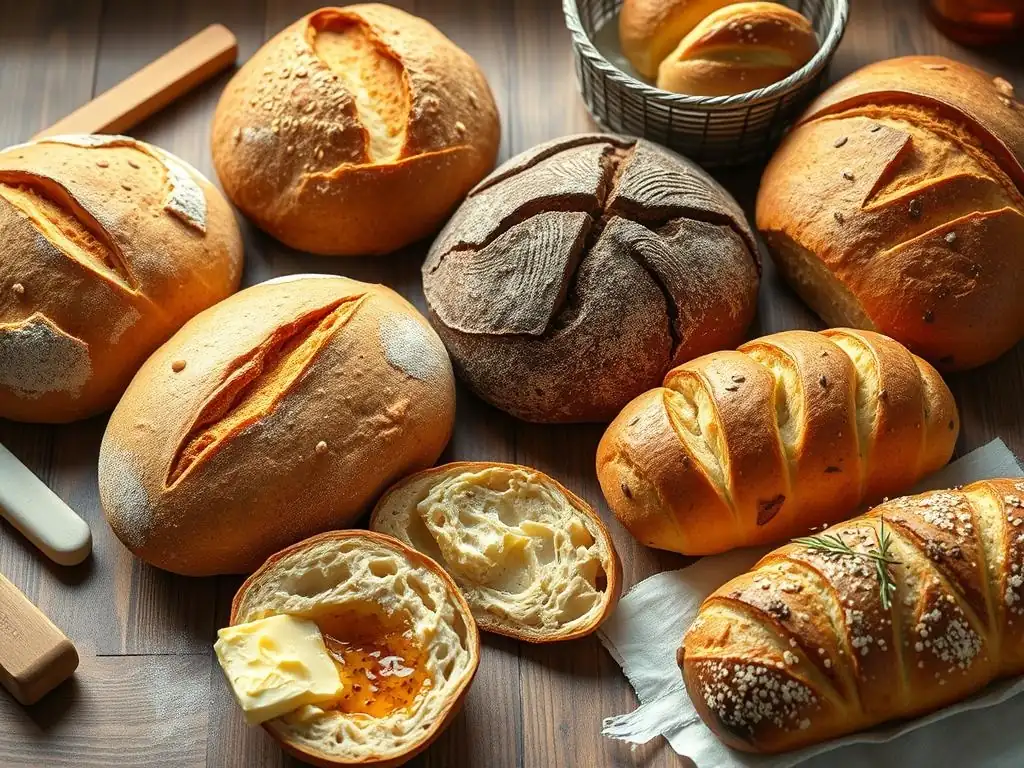
Baking gluten-free international breads requires attention to detail and a willingness to adapt techniques. Unlike wheat baking where visual cues and dough feel are often reliable indicators, gluten-free doughs behave differently. Precise measurements, understanding the role of each ingredient, and adjusting standard baking practices are key to achieving successful results, whether you're tackling gluten-free sourdough bread recipes or quick breads.
Patience and observation are crucial. Gluten-free doughs can be sensitive to temperature and hydration. Learning to recognize the correct consistency of a gluten-free batter or dough, which is often wetter than its wheat counterpart, comes with practice. Don't be discouraged by initial failures; each attempt provides valuable learning.
Precise Ingredient Measurement for Gluten-Free Results
In gluten-free baking, precision in measuring ingredients is more critical than in traditional baking. The balance between flours, starches, and binders is delicate, and even slight variations can significantly affect the final texture. Using a digital kitchen scale to weigh ingredients, especially flours and binders, is highly recommended over volume measurements (cups).
For instance, a cup of brown rice flour can vary in weight depending on how it's packed. Using weights ensures you have the exact ratio specified in the recipe. For binders like xanthan gum or psyllium husk, which are used in very small quantities but have a powerful effect, accurate measurement (often measured in grams or using precise measuring spoons) is essential to avoid a gummy or overly dense texture. A difference of just a gram or two can alter the outcome of gluten-free sourdough bread recipes or other delicate loaves.
Adjusting Baking Time and Temperature for Gluten-Free Varieties
Gluten-free breads often require slightly different baking times and temperatures compared to their wheat counterparts. They can sometimes take longer to bake through and may benefit from a slightly lower temperature after an initial hot burst to prevent the crust from browning too quickly before the interior is cooked.
Monitoring the bread closely is important. A common issue is a loaf that looks done on the outside but is still gummy or undercooked in the center. Using an instant-read thermometer to check the internal temperature is a reliable method; most gluten-free yeast breads and quick breads are done when they reach an internal temperature of around 200-210°F (93-99°C). Using steam during the initial part of the bake is also beneficial for many gluten-free loaves, promoting oven spring and contributing to a better crust development, similar to techniques used in traditional artisan bread baking.
Properly Storing Your Gluten-Free International Breads
Gluten-free breads tend to dry out faster than wheat breads because they lack the gluten structure that helps retain moisture. Proper storage is essential to keep them fresh and prevent them from becoming hard or crumbly quickly.
Once completely cooled, gluten-free bread is best stored in an airtight container or a bread bag at room temperature for a day or two. For longer storage, slicing the cooled loaf and freezing the slices is highly recommended.
Frozen slices can be easily toasted or warmed as needed, preserving the texture and flavor much better than refrigerating the entire loaf, which can actually accelerate staling. Breads with higher moisture content, like some gluten-free sourdough bread recipes or quick breads, may last a little longer at room temperature, but freezing is generally the best option for freshness beyond a couple of days.
Sourcing Gluten-Free Baking Ingredients
Finding high-quality gluten-free ingredients is fundamental to successful gluten-free baking. The market for gluten-free flours and baking aids has expanded significantly, but quality can vary. Understanding where to source reliable flours and having the right tools can make the process much smoother and improve the consistency of your results, whether you're making simple rolls or complex gluten-free sourdough bread recipes.
Access to a variety of individual gluten-free flours allows for greater flexibility in creating custom blends tailored to specific international bread styles. While pre-mixed gluten-free blends are convenient, they may not always be optimal for every type of bread. Knowing reputable suppliers for individual flours and essential binders is a valuable asset for any serious gluten-free baker.
Recommended Gluten-Free Flour Suppliers
Many reputable companies specialize in gluten-free flours and grains. Brands like King Arthur Baking Company (their gluten-free range), Bob's Red Mill, and Authentic Foods offer a wide variety of individual flours such as brown rice, white rice, sorghum, millet, tapioca starch, potato starch, and binders like xanthan gum and psyllium husk. These suppliers often provide detailed information about their products, including whether they are certified gluten-free.
When sourcing flours, look for those that are certified gluten-free to avoid cross-contamination, which is crucial for individuals with celiac disease. Purchasing from suppliers with a high turnover ensures freshness. Bulk bins at grocery stores are generally not recommended due to the high risk of cross-contamination with wheat flour. Online retailers often provide access to a broader range of specialty flours like teff or specific gluten-free bread blends designed for certain textures, helpful for those exploring diverse gluten-free sourdough bread recipes and other international styles.
Essential Equipment for Gluten-Free Bread Making
While you don't need highly specialized equipment to start gluten-free baking, certain tools can significantly improve your results. A digital kitchen scale is perhaps the most important for accurate measurements. Mixing bowls, measuring cups and spoons, and a whisk or stand mixer with a paddle attachment are standard.
For baking yeasted or gluten-free sourdough bread recipes, a Dutch oven or a baking stone/steel can help create a good crust. A spray bottle for adding steam to the oven is also beneficial. Parchment paper is invaluable for handling sticky gluten-free doughs, allowing you to easily transfer loaves without deflation. An instant-read thermometer helps ensure breads are baked through. For flatbreads like Injera or Dosa, a good quality non-stick griddle or tawa is essential.
Innovations in Gluten-Free International Bread Baking
The field of gluten-free baking is constantly evolving, driven by both consumer demand and scientific research. Innovations in ingredients and techniques are making it easier to produce gluten-free breads that rival their wheat counterparts in texture, flavor, and structure. Researchers and bakers are experimenting with new flour blends, alternative binders, and the role of enzymes to improve the quality and consistency of gluten-free loaves, including advanced gluten-free sourdough bread recipes.
These advancements are not only improving the texture and taste of everyday gluten-free bread but also opening up possibilities for successfully adapting more complex international bread styles that were previously considered too challenging. As our understanding of gluten-free ingredients grows, so too does the potential for creating authentic and delicious gluten-free versions of beloved global breads.
Emerging Gluten-Free Bread Techniques
New techniques are continually being developed to address the unique challenges of gluten-free dough. One area of focus is improving the handling and shaping of these often sticky doughs. Techniques like using wet hands or oiled surfaces, or even treating the dough more like a thick batter poured into a pan rather than a shapeable loaf, are becoming more common.
Another area of innovation is in fermentation and proofing. For gluten-free sourdough bread recipes, bakers are experimenting with different feeding schedules, hydration levels, and temperatures for their starters to optimize leavening and flavor development. Delayed fermentation or cold proofing techniques, borrowed from traditional sourdough, are being adapted to gluten-free doughs to improve flavor and structure. Research is also exploring the potential of alternative fermentation methods or the use of specific probiotic cultures to enhance the digestibility and texture of gluten-free breads.
The Role of Enzymes in Gluten-Free Bread Making
Enzymes are naturally present in flours and play a role in traditional bread making, breaking down starches and proteins. In gluten-free baking, commercial enzymes are increasingly being used as dough conditioners and improvers. Amylase enzymes, for example, break down starches into sugars, providing food for yeast and improving crust browning. Protease enzymes can help modify protein structures in gluten-free flours (like those in legumes or nuts) to improve dough handling.
Other enzymes, such as transglutaminase, are being studied for their ability to create protein cross-links in gluten-free doughs, providing some structure and improving texture. While enzyme use is more common in commercial gluten-free bread production, some are becoming available to home bakers. Understanding the role of enzymes offers a glimpse into the future of gluten-free baking, where tailored enzyme blends could help achieve specific textures and improve the overall quality of gluten-free international breads, including more advanced gluten-free sourdough bread recipes.
Frequently Asked Questions
What makes a gluten-free sourdough bread recipe different from a regular sourdough recipe?
Gluten-free sourdough relies on alternative flours like rice flour or tapioca starch which lack gluten. This requires different fermentation techniques and the addition of gums to mimic gluten's structure for proper texture and rise.
Where can I find easy-to-find ingredients for gluten-free sourdough bread recipes?
Most grocery stores now stock a variety of gluten-free flours and starches. You can also find them online at specialty baking stores. Look for pre-mixed gluten-free flour blends for added convenience.
Can I adapt my existing sourdough starter to be gluten-free?
No, a traditional sourdough starter is cultivated with wheat flour and therefore contains gluten. You'll need to create a completely new gluten-free starter using gluten-free flours.
What kind of textures can I expect from gluten-free sourdough bread compared to traditional sourdough?
Gluten-free sourdough often has a slightly denser and chewier texture than its wheat-based counterpart. However, with the right recipe and techniques, you can achieve a surprisingly light and airy crumb.
Are there any global bread recipes that can be easily adapted to be gluten-free sourdough?
Absolutely! Many flatbreads like injera or arepas can be adapted using gluten-free flours and the sourdough process. Baguettes are more challenging but achievable with careful recipe modifications focusing on binding agents and fermentation time.
Final Reflection: A World of Gluten-Free Sourdough Awaits
The global demand for gluten-free options continues to rise, and the quest for delicious, authentic bread alternatives is at the heart of this movement. This isn't just about dietary restrictions; it's about access to flavorful, satisfying bread experiences for everyone, regardless of dietary needs. The journey to recreate beloved international bread styles in a gluten-free format is a testament to culinary innovation and the power of inclusive food practices.
This exploration of gluten-free sourdough recipes from around the world has highlighted the incredible diversity of baking traditions and the resilience of the human spirit in adapting to new challenges. The process of recreating these recipes, from the tangy sourdough starter to the perfectly formed loaf, has been a deeply rewarding experience. It underscores the importance of preserving culinary heritage while embracing inclusivity. Food is symbolic of love when words are inadequate.
- Alan D. Wolfelt. This quote perfectly encapsulates the emotional connection we have with bread, a connection that transcends dietary restrictions.
Now, it's your turn. Don't be intimidated by the gluten-free label. Experiment with these recipes, adapt them to your taste, and discover the joy of creating delicious, authentic sourdough breads, free from gluten but brimming with flavor and tradition. Embrace the challenge, share your creations, and contribute to a world where everyone can enjoy the simple pleasure of a perfectly crafted loaf.
Unleash Your Inner Baker: Gluten-Free Global Flavors Await!
Thanks for joining us on this delicious journey exploring the world of gluten-free bread! We hope you discovered some exciting new recipes and gained confidence in creating flavorful, allergy-friendly loaves. Ready to take your baking to the next level?
- Bake your favorite gluten-free bread today! Choose one recipe from the article and get baking. Let the aroma fill your kitchen and savor the results.
- Share your baking adventures! Snap a picture of your creation and post it on social media – use #BakeWithEaseGlutenFree to inspire others.
- Explore more global gluten-free recipes on BakeWithEase.com (this would be a link on the actual website). Discover countless possibilities for delicious, inclusive baking.
What surprising ingredient will you experiment with in your next gluten-free bread creation?