
The Surprising Role of Mechanical Action in Gluten Formation

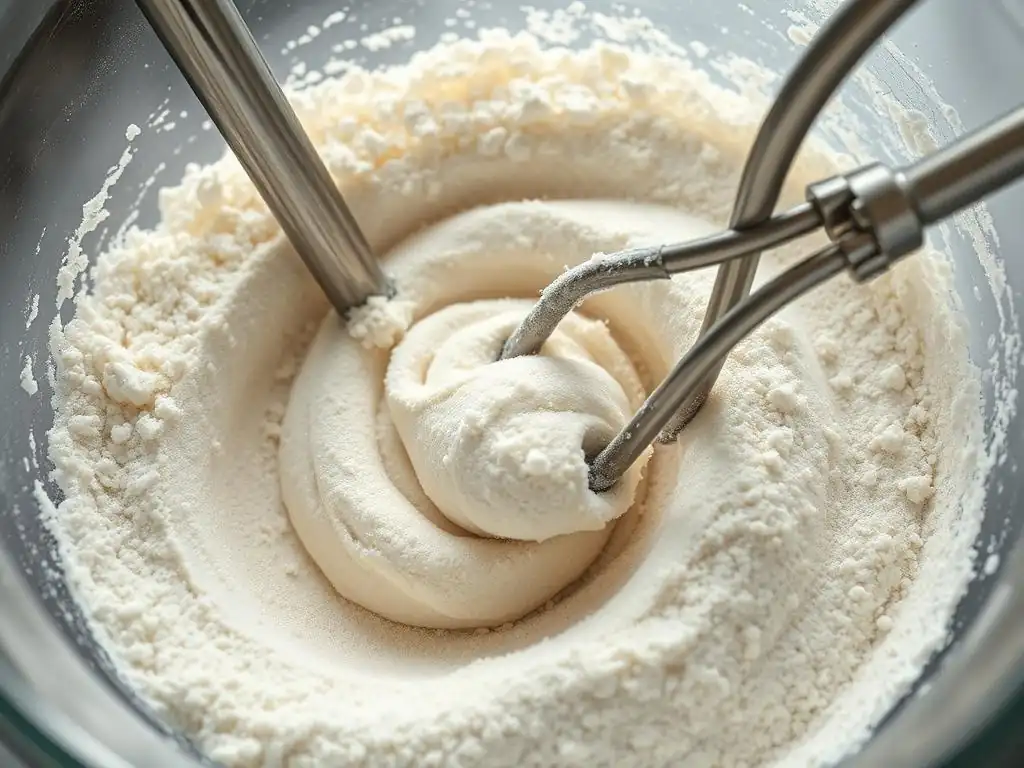
Welcome to BakeWithEase, your partner in unlocking the secrets of the baking world! Ever wondered how the simple act of mixing transforms humble ingredients into delectable creations? This week, we're diving deep into a fascinating Baking Science Deep Dive exploring the surprising role of mechanical action in gluten formation. Prepare to uncover the science behind kneading and mixing, and how it impacts everything you bake. Intrigued? Let's get started and discover the magic behind perfectly textured dough!
- Introduction: Beyond Ingredients - Understanding Gluten Development
- The Science of Gluten: A Quick Recap
- The Unexpected Power of Mechanical Action in Gluten Formation
- Mechanical Action's Impact on Gluten Structure
- Different Mechanical Methods for Gluten Development
- Over-Kneading: The Downside of Excessive Mechanical Action
- Optimizing Mechanical Action for Different Baked Goods
- Troubleshooting Common Gluten Formation Issues Related to Mechanical Action
- Conclusion: Mastering Mechanical Action for Perfect Gluten Formation
-
Frequently Asked Questions
- What is the main role of mechanical action in baking, especially concerning gluten?
- How does kneading contribute to gluten formation?
- What happens if I over-knead dough, and how does it affect gluten formation?
- Can other mechanical actions besides kneading, like mixing, also impact gluten formation?
- How does the type of flour affect the amount of mechanical action needed for optimal gluten formation?
- Final Reflection: The Knead for Understanding: Mechanical Action and Gluten's Power
- Unleash Your Inner Baking Wizard!
Introduction: Beyond Ingredients - Understanding Gluten Development
While high-quality flour and the right amount of water are fundamental, the magic of gluten formation in baking involves a crucial third element: mechanical action. It's the work you put into the dough – mixing, stirring, kneading, or even just time – that truly unlocks the potential of the proteins within the flour to create the structure that gives baked goods their shape and texture.
Gluten Formation: More Than Just Flour and Water
Gluten formation is a complex biochemical and physical process initiated when water is added to flour containing the proteins gliadin and glutenin. However, simply hydrating flour doesn't instantly create a strong, elastic network. Think of it like dry spaghetti noodles and water; they absorb the water, but they don't magically link together into a cohesive structure. The proteins need encouragement to find each other and bond.
This encouragement comes in the form of energy – mechanical energy. The act of mixing or kneading provides the physical manipulation required to bring the hydrated gliadin and glutenin proteins into close contact. As they are moved and folded, these proteins begin to link up, forming long, interconnected chains and sheets that trap gas produced by leavening agents like yeast or baking powder. Without this mechanical input, the gluten network would remain weak and disorganized, resulting in a dense, heavy final product.
Understanding Gluten's Role in Bread Quality
Gluten is the backbone of many baked goods, particularly bread. Its unique viscoelastic properties – the ability to stretch and expand (elasticity) while also holding its shape (viscosity) – are essential for creating a light, airy crumb structure and a chewy texture. When yeast produces carbon dioxide gas during fermentation, the developing gluten network stretches like a balloon, allowing the dough to rise.
The strength and extensibility of the gluten network directly impact the volume, texture, and even the crust of bread. A well-developed gluten structure can trap more gas, leading to a higher rise and a more open crumb with larger, irregular holes, characteristic of artisan loaves. Conversely, insufficient gluten development results in a dough that cannot hold the gas, leading to a dense loaf with a tight crumb. Mastering gluten formation mechanical action baking is key to achieving desired bread quality.
The Science of Gluten: A Quick Recap
Before diving deeper into mechanical action, it's helpful to briefly revisit the core components and initial steps of gluten development. Understanding what gluten is and how hydration begins the process sets the stage for appreciating the transformative power of kneading.
What is Gluten and Why is it Important in Baking?
Gluten is not a single substance but a complex matrix of proteins that forms when water is added to wheat flour (and certain other grains like rye and barley). It is crucial in baking because it provides the dough with structure, elasticity, and extensibility. These properties allow dough to be mixed, shaped, and, most importantly, to rise and hold its shape during baking.
In practical terms, gluten is what gives bread its chewiness, enables croissants to have flaky layers, and allows pizza dough to be stretched thin without tearing. Different types of flour have varying amounts of gluten-forming proteins; for example, bread flour typically contains 12-14% protein, ideal for strong gluten development needed for hearty loaves, while cake flour has a lower protein content (around 7-9%), resulting in tender cakes with minimal gluten structure.
Gliadin and Glutenin: The Key Proteins Behind Gluten Structure
The primary proteins responsible for gluten formation are gliadin and glutenin. Gliadin is a smaller, more spherical protein that contributes to the extensibility or stretchiness of the dough. It allows the dough to expand without snapping back excessively. Glutenin, on the other hand, consists of larger, more irregular proteins that form long, tangled chains. These chains are responsible for the strength and elasticity of the gluten network, providing the dough's ability to resist deformation and spring back.
When flour is hydrated and subjected to mechanical action, the gliadin and glutenin proteins interact. Disulfide bonds form between cysteine amino acids on the glutenin chains, creating a robust, three-dimensional network. Hydrogen bonds and hydrophobic interactions also play roles in stabilizing this complex protein matrix. The balance between the extensibility provided by gliadin and the strength from glutenin, influenced heavily by mechanical action, determines the final dough properties.
Hydration's Role in Initiating Gluten Development
Hydration is the critical first step in gluten formation. When water is added to flour, it allows the dry, coiled gliadin and glutenin proteins to absorb moisture and begin to uncoil and become mobile. This process is essential because the proteins need to be hydrated to interact with each other and form the gluten network. Without sufficient water, the proteins remain separate and unable to bond effectively.
The amount of water used (hydration level) significantly impacts the dough's consistency and the ease with which gluten develops through mechanical action. A wetter dough (e.g., 70-75% hydration for artisan bread) tends to develop gluten more easily with less intense mechanical action over time, as the proteins are more mobile. A drier dough (e.g., 60-65% hydration for bagels) requires more vigorous and prolonged mechanical work to encourage the less mobile proteins to interact and form bonds.
The Unexpected Power of Mechanical Action in Gluten Formation
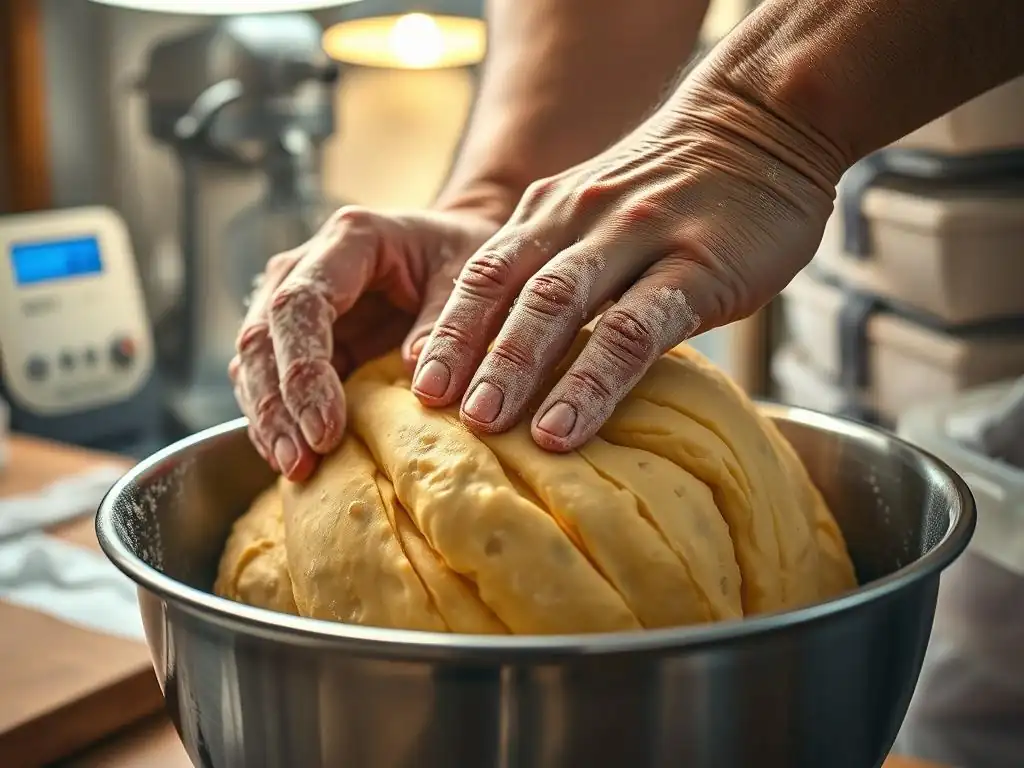
While hydration unlocks the proteins, it is the physical manipulation – mechanical action – that truly builds the intricate gluten network necessary for successful baking. This action is far more than just mixing ingredients; it's a directed force that aligns, stretches, and strengthens the protein bonds.
Defining Mechanical Action in Baking: Mixing, Kneading, and More
Mechanical action in baking encompasses any physical manipulation applied to the dough after hydration. The most common forms are mixing and kneading, whether by hand or machine. However, even gentler methods like folding dough during bulk fermentation or stretching and shaping involve applying mechanical force that impacts the gluten structure. The intensity and duration of this action are critical variables that bakers control.
Initial mixing combines the ingredients and ensures even hydration, allowing the gluten proteins to begin interacting. Kneading, a more vigorous action involving stretching, folding, and compressing the dough, is where the most significant gluten development occurs for many types of bread. Even "no-knead" methods utilize mechanical action, albeit differently; the long fermentation time, often combined with a few gentle folds, allows gravity and limited handling to facilitate protein interaction and network formation over an extended period.
How Kneading Transforms Gluten: From Shaggy Dough to Smooth Elasticity
Kneading is arguably the most impactful form of mechanical action for gluten development in traditional bread making. When you knead dough, you are physically manipulating the hydrated gliadin and glutenin proteins. Initially, these proteins are tangled and randomly oriented, resulting in a shaggy, weak dough.
As you knead, the stretching and folding motion causes the protein chains to align themselves more parallel to each other. Imagine straightening tangled threads. This alignment allows the proteins to come into closer contact, facilitating the formation of more disulfide bonds and strengthening the network. The dough gradually transforms from a sticky, formless mass into a smooth, elastic, and resilient ball that can be stretched thin without tearing – a clear indication of well-developed gluten structure achieved through gluten formation mechanical action baking.
Mechanical Action's Impact on Gluten Structure
Beyond just initiating network formation, mechanical action fundamentally alters the architecture of the gluten structure, determining its strength, extensibility, and gas-holding capacity. This manipulation is key to achieving specific textures in different baked goods.
Aligning Gluten Proteins: The Importance of Kneading
One of the primary effects of kneading is the physical alignment of the glutenin protein chains. In a freshly mixed dough, these chains are chaotic. The repetitive stretching and folding motions of kneading cause these long, fibrous proteins to orient themselves in a more parallel fashion, similar to fibers in a rope. This alignment is crucial because it facilitates the formation of cross-links (disulfide bonds) between the protein chains, creating a stronger and more organized network.
This organized structure is far more efficient at trapping gases produced during fermentation. A dough with well-aligned gluten can expand significantly without collapsing, leading to a higher rise and a lighter final product. The degree of alignment achieved through mechanical action directly correlates with the dough's ability to stretch and hold its shape, a property essential for shaping loaves and rolls.
Strengthening Gluten Bonds: Oxidation and Mechanical Input
Mechanical action, particularly vigorous mixing or kneading, also introduces oxygen into the dough. This oxygen plays a role in strengthening the gluten network through oxidation. Disulfide bonds form between cysteine residues on the glutenin proteins. These bonds are crucial cross-links that stabilize the protein network.
While some disulfide bonds can form spontaneously, the presence of oxygen, facilitated by mechanical incorporation during mixing or kneading, encourages the formation of more of these stabilizing bonds. This oxidative strengthening makes the gluten network more resilient and less prone to breaking under the pressure of expanding gases. Think of it as adding more cross-beams to a building frame – the structure becomes more robust. This interplay of physical force and chemical reaction is a fascinating aspect of gluten formation mechanical action baking.
Developing Dough Strength: The Role of Folding and Stretching
Beyond initial kneading, subsequent mechanical actions like stretching and folding during bulk fermentation further contribute to dough strength and structure. These gentle manipulations serve to realign the gluten network, which may relax over time, and redistribute the yeast and gas bubbles within the dough.
Stretching and folding helps to build tension within the dough ball, creating a stronger internal structure. Each fold layers the dough, and the stretching action tightens the gluten matrix. This process is particularly beneficial in high-hydration doughs where initial kneading might be challenging or in no-knead methods where it supplements the slower, time-based development. Performing a few sets of stretch and folds at intervals (e.g., every 30-60 minutes) during a long fermentation can significantly enhance the dough's strength and elasticity, leading to better oven spring and crumb structure.
Different Mechanical Methods for Gluten Development
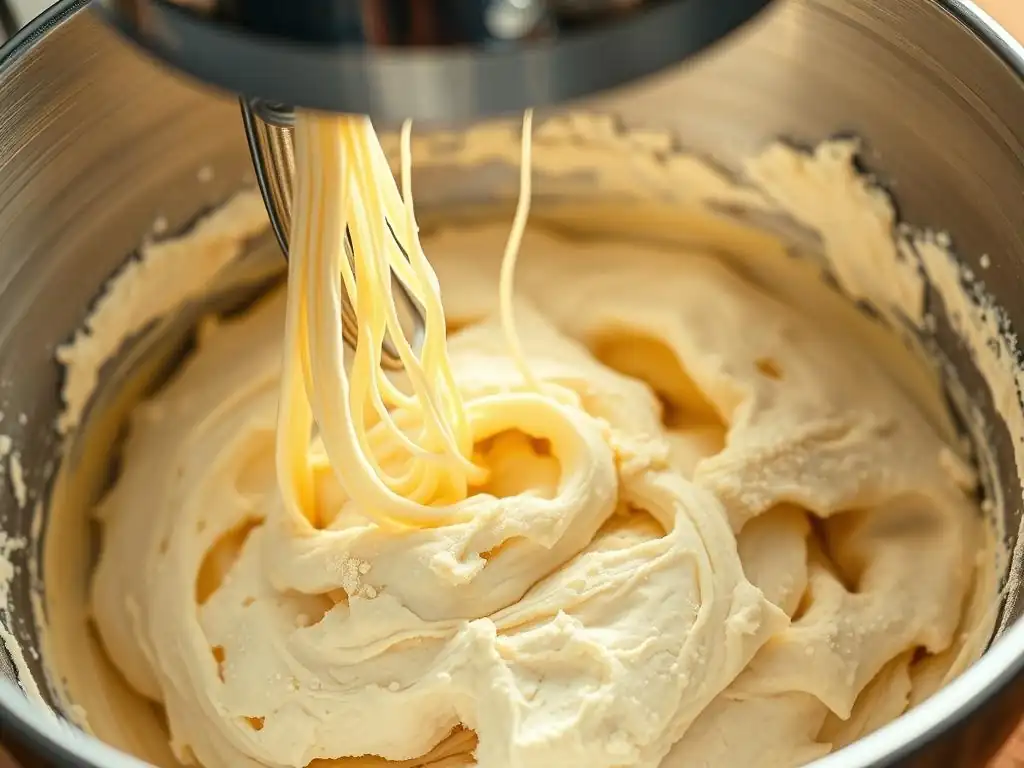
Bakers employ various methods to achieve gluten development, each offering unique advantages and resulting in slightly different dough characteristics. The choice of method often depends on the type of baked good, desired texture, and available equipment.
Hand Kneading: The Traditional Approach to Gluten Formation
Hand kneading is the time-honored method of developing gluten. It involves manually stretching, folding, and pressing the dough against a surface. This physical process provides direct tactile feedback, allowing the baker to feel the dough's transformation as the gluten network develops – from sticky and shaggy to smooth, elastic, and no longer sticking excessively to hands or the counter.
A typical hand kneading session for a standard bread dough might last anywhere from 8 to 15 minutes, depending on hydration and flour type. The rhythm and motion of hand kneading effectively align the protein strands and incorporate air. While more labor-intensive than machine methods, hand kneading offers a unique connection to the dough and can be very effective for achieving excellent gluten development. It's a fundamental skill in gluten formation mechanical action baking.
Stand Mixer: Achieving Consistent Gluten Development with Automation
Using a stand mixer fitted with a dough hook is a popular and efficient method for developing gluten, especially for larger batches or stiffer doughs. The mechanical action of the dough hook replicates the stretching and folding motions of hand kneading, but with consistent speed and power. This leads to reliable and often faster gluten development.
Mixing times in a stand mixer vary based on speed and dough consistency but often range from 6 to 12 minutes on medium speed. The controlled environment of the mixer ensures even development throughout the dough. However, it's crucial to monitor the dough closely to avoid over-kneading, as the mixer's power can develop the gluten very quickly once the network starts to form.
No-Knead Methods: Exploring Alternative Gluten Development Techniques - [Time commitment, flavor development]
No-knead methods rely on time and high hydration rather than vigorous mechanical action to develop gluten. Typically, these doughs are mixed just until combined and then undergo a long, slow fermentation, often at room temperature for 12-18 hours or even longer in the refrigerator. During this extended period, enzymes in the flour break down proteins, and the hydrated gluten proteins slowly interact and align with minimal physical intervention.
While requiring significantly less active mechanical work upfront, no-knead methods often involve a few gentle folds during the long fermentation to help strengthen the network and redistribute gases. The key trade-off is time commitment; what might take 10 minutes of kneading takes many hours of waiting. However, this extended fermentation also allows for significant flavor development as yeast and bacteria produce aromatic compounds, resulting in loaves with complex tastes and often wonderfully open, irregular crumb structures.
Over-Kneading: The Downside of Excessive Mechanical Action
While mechanical action is essential for gluten development, there is a point of diminishing returns. Excessive kneading can actually damage the gluten network, leading to undesirable results in the final baked good.
Recognizing the Signs of Over-Developed Gluten
Identifying over-kneaded dough is crucial. A dough that has been kneaded too long will often feel very tight and resistant to stretching. It may tear easily when you try to pull it thin (the opposite of the desired windowpane effect). The surface might look smooth but feel overly taut, almost rubbery.
Visually, over-kneaded dough can sometimes appear wet or greasy on the surface as the overworked gluten network starts to break down and release moisture. It might also feel excessively warm due to the friction generated by prolonged mechanical action, particularly in a stand mixer. These tactile and visual cues are important indicators that you've gone past the point of optimal gluten formation mechanical action baking.
The Impact of Over-Kneading on Dough Texture and Final Product
Over-kneading damages the delicate protein structure that has been carefully built. The disulfide bonds that form the network can begin to break, and the aligned proteins can become fragmented. This leads to a gluten network that is too tight and lacks extensibility.
In the final baked product, over-kneading typically results in a tough, dense texture. The dough cannot expand properly during proofing or in the oven because the tight gluten network resists stretching. The crumb structure will be tight and uniform, lacking the desirable open texture of well-developed bread. The crust may also be overly hard or brittle.
Tips for Avoiding Over-Kneading: Monitoring Dough Development
The best way to prevent over-kneading is to pay attention to the dough, not just the clock. Use visual and tactile cues to assess gluten development. For bread dough, the "windowpane test" is a classic method: take a small piece of dough, gently stretch it between your fingers. If you can stretch it thin enough to see light through it without tearing, the gluten is well-developed.
Start with shorter mixing or kneading times and check the dough's progress. For stand mixers, use medium speeds and avoid running the mixer continuously for excessive periods. Different flours and hydration levels require varying kneading times, so experience and observation are your best guides. Stop kneading as soon as the dough passes the windowpane test or reaches the desired smooth, elastic consistency.
Optimizing Mechanical Action for Different Baked Goods
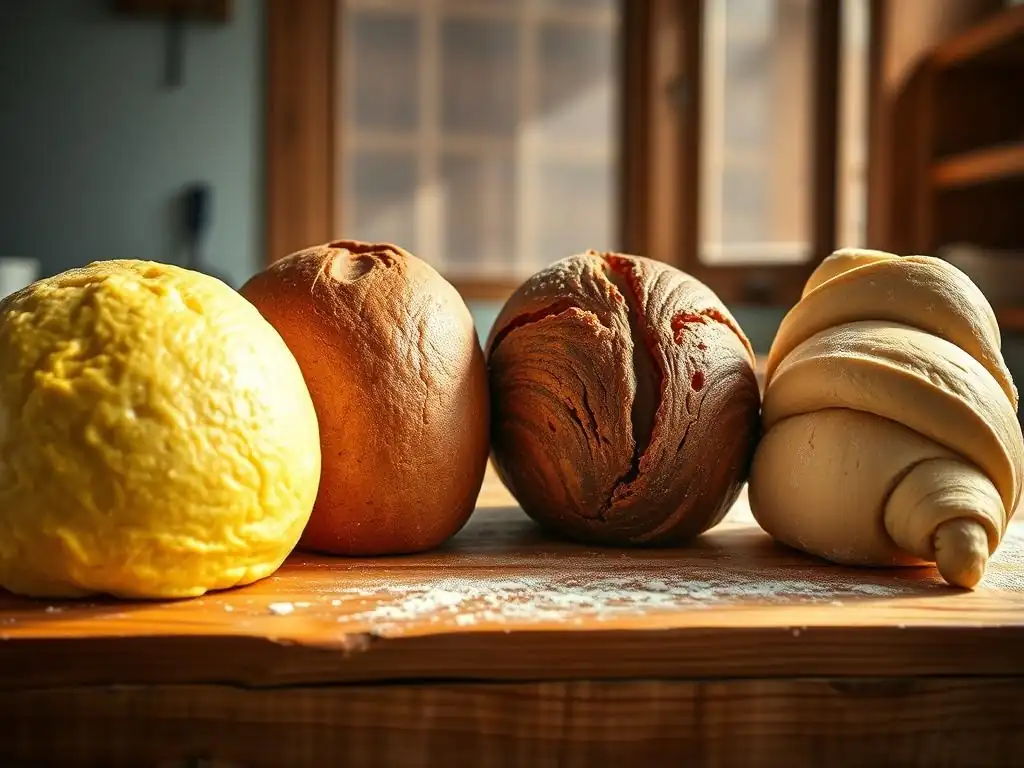
The ideal level of gluten development varies significantly depending on the type of baked good you are making. What's perfect for a crusty loaf is detrimental to a tender cake. Adjusting your mechanical action is key.
Gluten Development in Bread Making: Achieving Optimal Structure
For most breads, the goal is significant gluten development to create a strong, elastic network capable of trapping large volumes of gas. This typically requires relatively vigorous and prolonged mechanical action, whether through hand kneading, stand mixer kneading, or a long, slow fermentation with periodic folds in no-knead methods.
Optimal gluten development for bread is often indicated by the dough passing the windowpane test and feeling smooth, elastic, and resilient. This level of development ensures good oven spring, a well-aerated crumb structure, and the characteristic chewy texture associated with quality bread. Achieving this balance through careful gluten formation mechanical action baking is central to successful bread baking.
Gluten Development in Pastry Making: Avoiding Over-Development for Flaky Results
In contrast to bread, many pastries, like cakes, cookies, pie crusts, and scones, require minimal gluten development. The goal is a tender or flaky texture, which is inhibited by a strong, elastic gluten network. Mechanical action is deliberately minimized.
For items like pie crust or scones, the fat (butter, shortening) is cut into the flour, coating the flour particles and preventing the gluten-forming proteins from hydrating and interacting extensively. Mixing is kept brief – just until the ingredients are combined. Over-mixing or kneading pastry dough activates gluten, resulting in tough crusts or cakey scones instead of the desired flakiness or tenderness.
Adjusting Mechanical Action Based on Flour Type: [Bread Flour vs. Cake Flour]
The protein content of the flour dictates how much gluten can potentially form and, therefore, how much mechanical action is needed or desired. Bread flour, with its high protein content (12-14%), is designed for strong gluten development. It requires significant kneading to fully activate and organize its gluten-forming proteins.
Cake flour, with its low protein content (7-9%), contains fewer gluten-forming proteins. Minimal mechanical action is needed or even possible to develop gluten. Over-mixing cake batter will still develop some gluten, resulting in a tougher cake, but the potential for a strong network is inherently limited by the flour's composition. Understanding the flour type helps determine the appropriate level of gluten formation mechanical action baking.
Even experienced bakers sometimes encounter issues with gluten development. Many of these problems can be traced back to how mechanical action was applied (or not applied) during the mixing and kneading process.
Dough That Won't Come Together: Addressing Insufficient Kneading
If your dough remains a shaggy, sticky mess after the initial mixing and feels weak and prone to tearing, it's a common sign of insufficient mechanical action. The gliadin and glutenin proteins haven't been brought into enough contact or manipulated sufficiently to form a cohesive network.
The solution is usually more kneading or mixing. Continue working the dough, either by hand or mixer, while observing its transformation. It should gradually become smoother, less sticky (though stickiness also depends on hydration), and more elastic. If you're using a no-knead method and the dough feels weak after a long rest, a few sets of gentle stretch and folds can often provide the necessary mechanical boost to strengthen the network.
Tough or Dense Baked Goods: Identifying and Correcting Over-Kneading
A common cause of tough or dense bread, or cakey pastries, is over-development of gluten, often from excessive mechanical action. As discussed earlier, this happens when the gluten network becomes too tight and breaks down.
If you suspect over-kneading during the process (dough feels tight, tears easily), there's not much you can do to fully reverse the damage. For bread dough, you might try letting it rest for a longer period to allow some relaxation, but it won't fully recover. The key correction is preventative: learn to recognize the signs of adequate development and stop kneading when the dough is ready. For pastries, simply avoid prolonged mixing.
Sticky Dough: Understanding the Role of Hydration and Mechanical Action
Sticky dough can be frustrating. While high hydration levels naturally result in stickier doughs, stickiness can also be a sign of under-developed gluten. In the early stages of mixing, before the gluten network is formed, the hydrated proteins and starch are very sticky. As mechanical action develops the gluten, the proteins bind the water more effectively, and the dough becomes less sticky and easier to handle.
If your dough is excessively sticky, first consider its hydration level. If it's within a normal range for the recipe, it might just need more mechanical work to build the gluten structure. Continue kneading; as the gluten develops, the dough should become less sticky and pull away from your hands or the mixer bowl more cleanly. Adding excessive flour to combat stickiness without developing gluten further will just result in a dry, dense dough. Focus on the gluten formation mechanical action baking process.
Conclusion: Mastering Mechanical Action for Perfect Gluten Formation
Understanding and controlling mechanical action is just as vital as measuring ingredients and managing fermentation when it comes to successful baking, especially for items where gluten structure is key. It's the physical work you put into the dough that transforms simple flour and water into a dynamic network capable of creating everything from airy bread to delicate pastries.
The Key Takeaways: Integrating Mechanical Action into Your Baking Process
Mastering gluten formation mechanical action baking involves recognizing that mixing and kneading are not just about combining ingredients; they are active processes that build structure. Pay attention to the feel and appearance of your dough as you work it. Learn the signs of under- and over-development – the difference between a shaggy mess, a smooth elastic ball, and a tight, tearing mass. Adjust your technique based on the type of flour you're using and the desired outcome for your baked good.
Further Exploration: Resources for Deepening Your Gluten Knowledge
To delve deeper into the fascinating science behind gluten and mechanical action, consider exploring resources like "On Food and Cooking" by Harold McGee, which provides detailed scientific explanations, or reputable online baking science blogs. Understanding the chemical reactions and physical changes occurring during mixing and kneading will empower you to troubleshoot effectively and refine your technique. Look for scientific articles or books specifically discussing protein interactions and rheology (the study of flow and deformation) in dough.
Next Steps: Experimenting with Different Kneading Techniques
The best way to solidify your understanding of mechanical action is through practice. Try making the same bread recipe using different methods – hand kneading for one batch, a stand mixer for another, and perhaps a no-knead version. Pay close attention to how the dough feels and behaves during each stage and compare the final results. Experiment with varying kneading times slightly (within reason!) to see how it impacts the dough and the finished product. This hands-on experimentation will build your intuition and skill in controlling gluten formation mechanical action baking for consistently excellent results.
Frequently Asked Questions
What is the main role of mechanical action in baking, especially concerning gluten?
Mechanical action, like kneading or mixing, is crucial for developing the gluten network. It aligns and strengthens the gluten strands, creating the structure and elasticity needed for many baked goods. Without it, gluten formation is limited.
How does kneading contribute to gluten formation?
Kneading is the primary mechanical action in baking. It allows gluten proteins (gliadin and glutenin) to hydrate and bond, forming the elastic network that traps gases and gives bread its characteristic texture.
What happens if I over-knead dough, and how does it affect gluten formation?
Over-kneading results in a tight, tough dough. The gluten strands become overly developed and break down, leading to a crumbly or dense final product.
Can other mechanical actions besides kneading, like mixing, also impact gluten formation?
Yes, mixing, especially in cakes and muffins, can contribute to gluten development. However, the goal is often to minimize gluten formation in these recipes, so gentle mixing is key to a tender crumb.
How does the type of flour affect the amount of mechanical action needed for optimal gluten formation?
Flours with higher protein content, like bread flour, require more kneading to fully develop the gluten. Weaker flours, like cake flour, need less mixing to avoid over-developing the gluten.
Final Reflection: The Knead for Understanding: Mechanical Action and Gluten's Power
The intricate dance between flour, water, and mechanical action in gluten formation is not merely a culinary curiosity; it's the very foundation of bread's texture and our baking success. Understanding this process, far from being a niche scientific pursuit, directly impacts the quality of the bread we eat daily, from artisan loaves to everyday sandwiches. The more we understand the subtle interplay of forces, the better we can control the outcome.
The impact of this understanding extends far beyond the kitchen. It highlights the power of seemingly simple actions to create complex structures, a principle with implications across various scientific fields. The most beautiful thing we can experience is the mysterious. It is the source of all true art and science.
- Albert Einstein. This quote resonates deeply because the seemingly simple act of kneading unlocks the potential for a complex protein network, a mystery that continues to fascinate and inspire bakers and scientists alike. The ongoing research into gluten formation, driven by both practical and scientific curiosity, continues to refine our understanding and improve baking techniques.
Consider the next time you knead dough, the transformative power in your hands. You are not simply mixing ingredients; you are orchestrating a complex biochemical reaction, building the very structure of the bread you will soon enjoy. Take a moment to appreciate the science behind this seemingly simple act, and experiment with different techniques to see how you can influence the final product. The journey of understanding gluten formation is ongoing, and your exploration is a vital part of that journey.
Unleash Your Inner Baking Wizard!
Thanks for diving deep into the fascinating world of gluten formation! You now possess a powerful understanding of how mechanical action impacts your bread's texture. Ready to put this knowledge to the test?
- Master the Knead: Experiment with different kneading techniques – try the slap-and-fold method for a truly unique experience! – and observe the impact on your dough. This is the key to unlocking perfectly textured loaves.
- Share Your Findings: Post a picture of your latest bake on social media and tag us @BakeWithEase—let's celebrate your newfound baking mastery together!
- Explore Further: Delve into our recipe archives for more gluten-focused bread recipes. You might be surprised by what you discover!
What unexpected baking breakthroughs will you achieve by mastering the art of gluten development?