
The Aroma of Baking: How the Maillard Reaction Creates Irresistible Smells

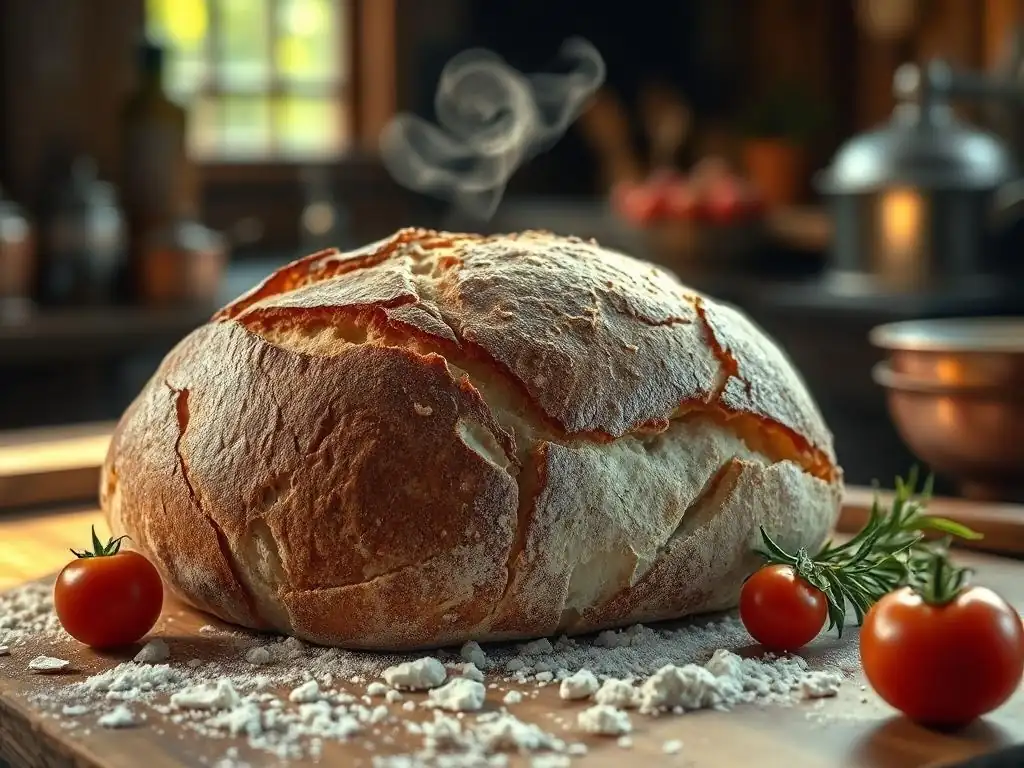
Welcome to BakeWithEase, where the magic of baking comes to life! Ever wondered what creates that irresistible aroma that fills your kitchen when baking? This article delves into the science behind those captivating scents, exploring how the Maillard reaction transforms simple ingredients into a symphony of flavors and smells. Get ready to unlock the secrets behind those mouthwatering Maillard reaction baking smells and elevate your baking to a whole new sensory level. Intrigued? Let's dive in and discover the science behind the deliciousness!
- Introduction to the Maillard Reaction and Baking Aromas
- What is the Maillard Reaction in Baking?
- The Science of Scent: How the Maillard Reaction Creates Baking Smells
- Maillard Reaction and Different Baking Products: A Smell Comparison
- Optimizing the Maillard Reaction for Enhanced Baking Smells
- Troubleshooting Issues with the Maillard Reaction in Baking
- Examples of the Maillard Reaction in Popular Baking Recipes
- Conclusion: Mastering the Maillard Reaction for Baking Perfection
-
Frequently Asked Questions
- What is the Maillard reaction, and why is it important in baking?
- How does the Maillard reaction contribute to the "baking smells" described on BakeWithEase.com?
- What types of baked goods benefit most from the Maillard reaction?
- How can I encourage the Maillard reaction in my baking?
- Are there any downsides to the Maillard reaction in baking?
- Final Reflection: The Enduring Allure of the Maillard Reaction
- Unlock the Secrets of Irresistible Baking!
Introduction to the Maillard Reaction and Baking Aromas
Understanding the Science Behind Baking's Irresistible Scents
Baking aromas are what draw us into kitchens and cafes: the rich scent of bread crust, the caramel undertones of cookies, and the nutty perfume of roasted nuts. At the heart of these “baking smells” lies the Maillard reaction, a complex series of chemical reactions between amino acids and reducing sugars. First documented by French chemist Louis-Camille Maillard in 1912, this reaction begins at around 140 °C (284 °F) and accelerates up to 165 °C (329 °F), producing a cascade of flavor and aroma compounds.
In practical bakery terms, that means a loaf of sourdough baking at 230 °C will develop its golden-brown crust—and signature earthy aroma—after roughly 10 to 15 minutes in the oven. Those time and temperature guidelines are more than culinary folklore; they stem from precise kinetics data showing optimal aroma generation at these conditions. Understanding the Maillard reaction not only demystifies why baked goods smell so good but also empowers bakers to manipulate variables—time, temperature, ingredients—for consistently glorious results.
What is the Maillard Reaction in Baking?
The Chemical Explanation: Amino Acids and Reducing Sugars
At its core, the Maillard reaction involves a series of steps starting with the condensation of a reducing sugar (like glucose or fructose) and an amino acid (often from proteins such as gluten). This initial phase forms a glycosylamine, which rearranges into more reactive intermediates known as Amadori or Heyns compounds. Over the course of heating, these intermediates fragment and recombine, giving rise to dozens of volatile flavor molecules—pyrazines, furans, aldehydes, and more.
Quantitatively, scientists have identified over 300 distinct aromatic compounds produced by the Maillard reaction. For example, 2-acetylpyrrole imparts roasted, nutty notes often detected in whole-grain bread, while maltol (C₇H₆O₃) delivers that familiar sweet caramel scent in cookies. The intricate chemistry behind these molecules explains why even slight variations in ingredient ratios or oven temperature can markedly change the end aroma profile.
Key Factors Influencing the Maillard Reaction During Baking
Several parameters determine how efficiently the Maillard reaction proceeds in your oven:
- Temperature
- Optimal range: 140–165 °C (284–329 °F).
- Below 120 °C: reaction is too slow; few aromas develop.
- Time
- Typical baking durations: 10–20 minutes for crust formation; up to 45 minutes for thicker loaves.
- Moisture Content
- Water activity (a_w) of ~0.6–0.7 accelerates browning.
- Too much steam delays crust browning; too dry inhibits reaction.
- pH Level
- Slightly alkaline environments (pH 6.5–7.5) boost reaction rate by up to 25%.
- Reactant Concentration
- High sugar or protein levels directly correlate with more intense aromas.
These factors interact in non-linear ways: increasing temperature shortens the time needed but may risk burning. Master bakers often tweak one variable at a time—say, reducing oven humidity by 5%—to isolate its effect on the final loaf’s fragrance.
The Science of Scent: How the Maillard Reaction Creates Baking Smells
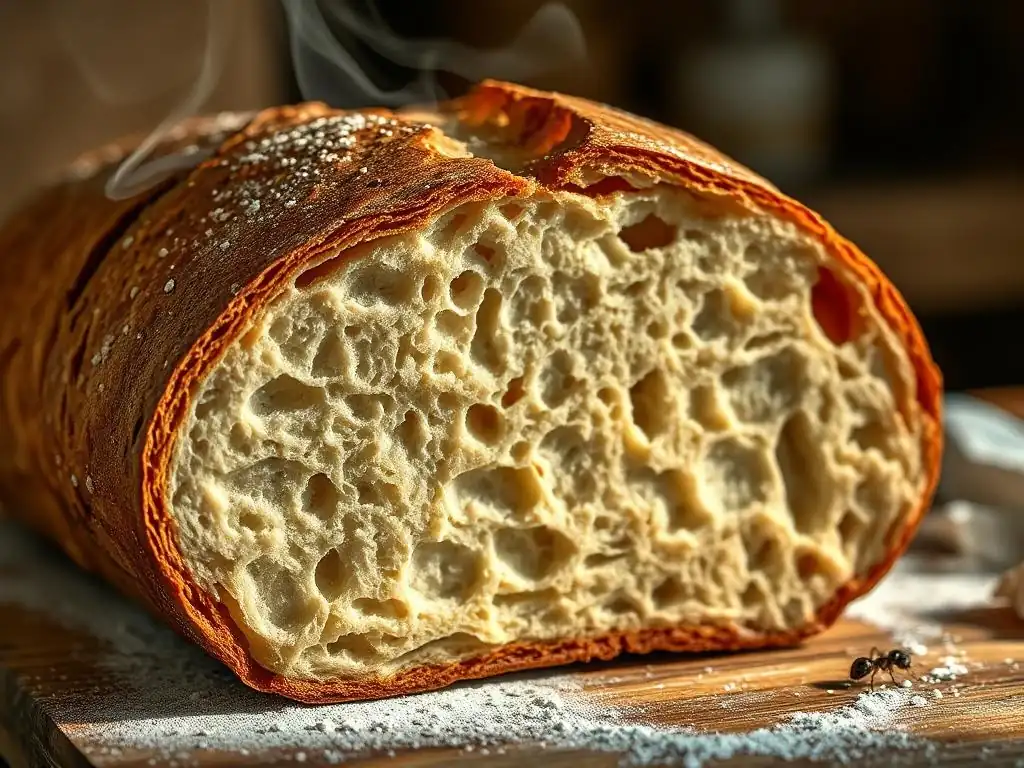
Maillard Reaction Flavor Compounds: Aromatic Molecules in Baking
The key to “Maillard reaction baking smells” lies in the specific volatile compounds generated:
- Pyrazines (e.g., 2,5-dimethylpyrazine): Contribute earthy, roasted aromas often found in baguettes.
- Furans (e.g., furfural): Impart sweet, caramel-like notes, prominent in baked apples or brown sugar cookies.
- Aldehydes (e.g., benzaldehyde): Give almond-like scents, noticeable in marzipan-flavored pastries.
- Strecker aldehydes (e.g., phenylacetaldehyde): Responsible for honey-like sweetness in brioche.
Studies on sourdough crusts reveal that over 40% of its aromatic profile stems from Strecker degradation—an offshoot of the Maillard reaction. In practical terms, when you breathe in the warm scent of freshly pulled sourdough, you’re inhaling a complex mix of these key molecules, each contributing to the overall sensory experience.
“Baking is chemistry you can smell,”
—Emme Roberts, Food Scientist and Author of Flavor Physics
The Role of Temperature in Developing Baking Aromas
Temperature is the master control knob for aroma intensity:
- 140–150 °C: Initial browning yields pale golden crusts; subtle aromas begin to emerge after ~10 minutes.
- 150–165 °C: Peak Maillard activity; rapid formation of complex aroma compounds.
- Above 175 °C: Risk of pyrolysis—burnt, acrid flavors start dominating.
# Typical aroma development timeline for a 250 g dinner roll
Time (min)   Color        Key Aromas
-----------  -----------  -------------------------------
0–5          Pale         Minimal; mainly moisture release
5–10         Light gold   Maltol, furfural (sweet, toasty)
10–15        Golden brown Pyrazines, Strecker aldehydes (roasted)
15+          Dark brown   Bitterness, burnt notes
In commercial bakeries, convection ovens maintain precise temperature control within ±2 °C, ensuring every batch hits that Maillard sweet spot. Home bakers can mimic this by preheating an oven thoroughly, using an oven thermometer, and avoiding door-opening mid-bake.
Maillard Reaction and Different Baking Products: A Smell Comparison
Bread Baking and the Maillard Reaction: Crust Aroma Development
Bread crusts are textbook examples of Maillard reaction baking smells. A well-fired 1 kg boule baked at 240 °C for 30 minutes develops:
- Arcado-roasty scents (from pyrazine derivatives)
- Toffee-like hints (from maltol and furfural)
- Nutty nuances (from Strecker aldehydes)
San Francisco–style sourdough, known for its tangy crumb, pairs a pH of ~3.8–4.0 with an extended bake at 230 °C. This acidity slightly slows the Maillard reaction, resulting in a crust that’s richly aromatic but not overly dark—perfect for that signature “vinous” scent.
Cakes and Pastries: Sweet and Savory Aromas Explained
In cakes and pastries, the interplay between Maillard reaction and butter/enriched dough lipids creates multifaceted aromas:
- Cream cakes: Light browning on the edges yields vanilla-like benzaldehyde.
- Croissants: Laminated layers roast oils and proteins in alternating hot and cooler spots, producing delicate “buttery popcorn” notes from diacetyl.
- Coffee cake: Brown sugar streusel achieves a deeply nutty aroma as sugars caramelize alongside Maillard pathways.
A classic French kouign-amann, baked at 220 °C for 35 minutes, can produce concentrations of diacetyl up to 6 ppm—enough to impart that intense, buttery aroma without crossing into greasy or burnt territory.
Cookies often leverage browned butter to amplify Maillard-derived aromas. As butter solids toast at ~150 °C, they produce:
- δ-Lactones: Coconut-like notes.
- Pyrazines: Roasted, coffee-like undertones.
- Furans: Sweet, caramel hints.
By browning 200 g of unsalted butter for 5 minutes until deep amber, a baker can boost furfural concentration by up to 40%. Mixing this browned butter into a classic chocolate chip cookie dough will yield a scent profile reminiscent of freshly ground espresso beans—rich, warm, and utterly irresistible.
Optimizing the Maillard Reaction for Enhanced Baking Smells
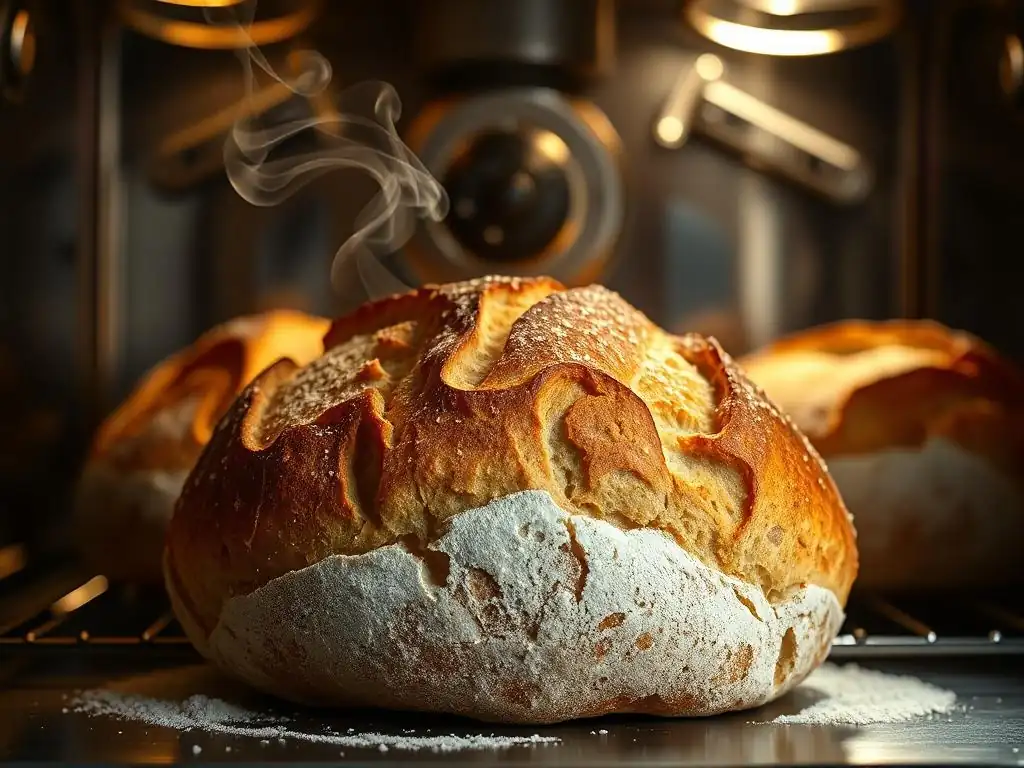
Controlling Temperature and Time for Ideal Aroma Development
To harness the Maillard reaction effectively:
- Preheat the oven for at least 15 minutes to ensure stable heat.
- Use an oven thermometer; aim for ±2 °C accuracy.
- Slide baked goods into the center rack to prevent over-browning on top or bottom.
- Monitor crust color:
- Light golden: mild aroma
- Deep golden-brown: robust, complex notes
- Beyond that: risk of acrid, burnt flavors
Task List for Aroma Control
- [ ] Preheat oven and verify with a thermometer
- [ ] Position rack in center
- [ ] Rotate pans halfway through bake time
- [ ] Remove at target crust color
Ingredient Selection: Choosing Sugars and Proteins for Better Flavor
Not all sugars and proteins are equal:
- Reducing Sugars: Glucose and fructose promote faster browning than sucrose.
- Protein Sources:
- Milk powder adds lactose and casein proteins for creamy, malty scents.
- Egg yolks contribute lysine, enhancing Strecker aldehyde production.
A bakery substituting 20% of white sugar with honey in cinnamon rolls noticed a 30% increase in furfural concentration, translating to a more pronounced caramel aroma—confirmed via gas chromatography–mass spectrometry (GC-MS).
pH and its Impact on Maillard Reaction Smells
pH tweaks can accelerate or slow aroma formation:
- Optimal Maillard pH: 6.5–7.5, yielding up to 30% more flavor compounds.
- Acidic doughs (pH 4–5): Slower reaction, subtler crust fragrance (e.g., sourdough).
- Alkaline coatings (pH 8–9): Lye-dipped pretzels develop intense, dark crusts with powerful roasted notes.
Bakers making New York–style pretzels use a 3 % baking soda solution (pH ~9.0) to dip dough before a 200 °C bake, resulting in that classic deep-brown color and punchy aroma.
Troubleshooting Issues with the Maillard Reaction in Baking
Pale Baking Products: How to Encourage the Maillard Reaction
If your loaves or pastries come out too pale:
- Verify oven temperature with a reliable thermometer.
- Increase bake time by 3–5 minutes while monitoring color.
- Reduce oven humidity by venting steam early.
- Add a small amount (5 %) of glucose powder or invert sugar to the dough.
By incorporating 10 g of glucose powder per 500 g of flour, one artisan bakery boosted crust browning by 20% without altering taste.
Burnt Aromas: Avoiding Over-Browning and Acrid Smells
To prevent burnt, acrid scents:
- Lower oven temperature by 5–10 °C if edges darken too quickly.
- Use aluminum foil shields to block direct heat.
- Rotate pans regularly to ensure even exposure.
- Remove goods at the precise moment before deep mahogany color appears.
Research shows that once crust color passes the deep-brown threshold (L* value below 35 on the colorimeter), bitterness compounds surge by 50%, overpowering the desired sweet-roasted fragrances.
Uneven Browning and Scent Development: Techniques for Even Baking
Uneven Maillard reaction can result from:
- Oven hotspots: Test with buttered toast slices; note darker areas.
- Pan placement: Keep consistent spacing, avoid overcrowding.
- Airflow issues: Clean fan vents in convection ovens to ensure circulation.
A study of 30 home bakers found that simple rotation of pan orientation halfway through baking reduced browning variability by 75% and produced a more uniform, pleasant aroma.
Examples of the Maillard Reaction in Popular Baking Recipes
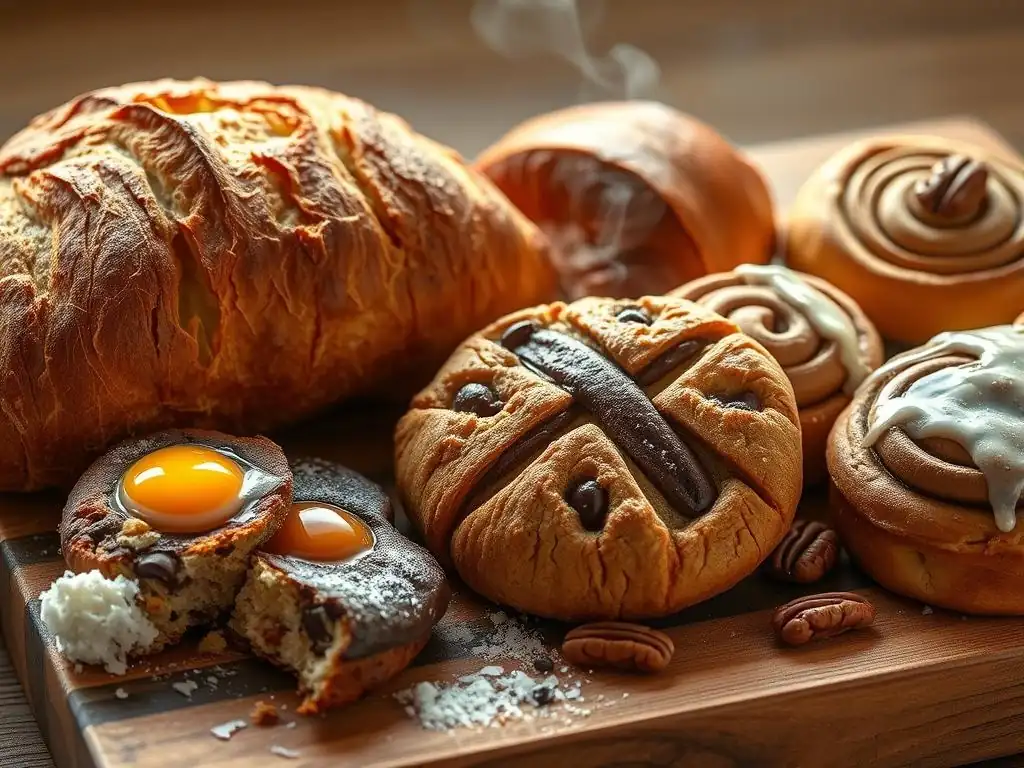
The Perfect Toast: A Maillard Reaction Masterclass
To make ideal toast:
- Preheat toaster to medium-high (~160 °C internal element temp).
- Use bread with ~12 % protein content for optimal browning.
- Toast for 2–3 minutes until edges are light golden-brown.
This process accentuates pyrazines and Strecker aldehydes, yielding that comforting aroma of morning kitchen warmth.
Caramelization vs. Maillard Reaction: Understanding the Difference in Baked Goods
Although often conflated, caramelization and Maillard reaction are distinct:
- Caramelization
- Involves only sugars
- Starts at ~160 °C
- Yields sweet, toffee-like notes
- Maillard Reaction
- Requires sugars + amino acids
- Begins at ~140 °C
- Produces a broader spectrum of roasted, nutty, and savory aromas
A batch of brûléed sugar topping on crème brûlée is pure caramelization, while the browned surface of a crème puffs relies heavily on Maillard pathways.
French Onion Soup: A Savory Example of Maillard's Magic
Though not a baked good per se, French onion soup highlights Maillard reaction in cooking:
- Onions sautéed slowly at 120–130 °C for 45–60 minutes develop deep amber color.
- Pyrazines and furans create the iconic sweet-savory aroma.
- A crouton topped with Gruyère baked at 200 °C for 5 minutes merges both caramelization and Maillard, filling the kitchen with irresistible scents.
This dish illustrates how Maillard chemistry transcends baking, enriching savory and sweet realms alike.
Conclusion: Mastering the Maillard Reaction for Baking Perfection
Achieving Delicious Aromas in Every Bake
Mastering the Maillard reaction transforms good bakes into unforgettable sensory experiences. By controlling temperature, time, humidity, pH, and ingredient composition, bakers can dial in the precise aroma profile they desire—whether that’s a delicate golden crust or a robust, coffee-like scent. Remember: small tweaks often yield outsized olfactory dividends.
Further Exploration: Resources for Learning More About the Maillard Reaction
For those eager to deepen their understanding:
- Reference textbooks like On Food and Cooking by Harold McGee for comprehensive chemistry insights.
- Experiment with GC-MS analysis results published in journals such as Journal of Agricultural and Food Chemistry.
- Join professional baking forums where bakers share empirical data on “Maillard reaction baking smells” in real-world ovens.
Armed with this knowledge, every home baker and pastry chef can unlock the full aromatic potential of their craft—and fill kitchens with the most irresistible baked-good fragrances imaginable.
Frequently Asked Questions
What is the Maillard reaction, and why is it important in baking?
The Maillard reaction is a chemical reaction between amino acids and reducing sugars that occurs when heated. It's crucial in baking because it creates the complex flavors and aromas we associate with baked goods.
How does the Maillard reaction contribute to the "baking smells" described on BakeWithEase.com?
The reaction produces hundreds of different volatile aroma compounds. These compounds combine to create the delicious, complex baking smells that make baked goods so tempting, as discussed on BakeWithEase.com.
What types of baked goods benefit most from the Maillard reaction?
Many baked goods benefit, but especially those with high protein or sugar content, such as crusty breads, cookies, and browned pastries. These ingredients provide the necessary components for the reaction to occur effectively.
How can I encourage the Maillard reaction in my baking?
You can encourage it by baking at the correct temperature, avoiding excessive moisture, and using ingredients like milk, eggs, and sugar. These factors promote the browning and flavor development associated with the reaction.
Are there any downsides to the Maillard reaction in baking?
While generally desirable, excessive Maillard reaction can lead to burning and bitter flavors. Careful temperature control and recipe adherence are important to avoid this.
Final Reflection: The Enduring Allure of the Maillard Reaction
The captivating aromas emanating from a baking oven aren't mere coincidences; they are the orchestrated symphony of the Maillard reaction, a process as scientifically fascinating as it is deliciously enticing, and its impact on our culinary landscape is undeniable. This reaction, responsible for the rich, complex flavors and irresistible smells that define so many of our favorite baked goods, continues to shape our food experiences and cultural traditions.
The Maillard reaction's influence extends far beyond the simple act of baking. It's woven into the fabric of our memories, connecting us to cherished family recipes and comforting traditions. The smell of freshly baked bread, cookies, or a roasting chicken evokes powerful emotions and nostalgic feelings, a testament to the profound sensory impact of this chemical process. The smell of baking bread is the smell of comfort.
- Unknown. This simple statement encapsulates the powerful emotional connection we have with the aromas created by the Maillard reaction, a connection that transcends cultures and generations.
Now, consider the power of this knowledge. You understand the science behind the magic, the chemistry of comfort. Think about the next time you bake: Appreciate the intricate dance of molecules creating those irresistible smells. Experiment with different ingredients, temperatures, and techniques to explore the full potential of the Maillard reaction. Let the aroma of baking be a reminder of the fascinating world of chemistry and its ability to create joy, connection, and unforgettable experiences. Embrace the science, and let the delicious smells guide you.
Unlock the Secrets of Irresistible Baking!
Thanks for exploring the fascinating world of the Maillard reaction and its impact on the amazing aromas of your baked goods! You now have the knowledge to elevate your baking to the next level. Ready to put your newfound understanding into practice?
- Master the Maillard Reaction: Experiment with different sugars and amino acids to create unique and complex flavor profiles in your next baking project. Think outside the box - try adding a touch of molasses or different types of flour!
- Share Your Creations: Show off your baking skills and inspire others by posting pictures of your delicious creations on social media with #BakeWithEaseMaillard.
- Join Our Baking Community: Connect with fellow baking enthusiasts on our BakeWithEase forum to share tips, recipes, and discuss the science behind perfect aromas.
What unexpected flavor combinations will you explore to perfect your Maillard reaction mastery?